Lemon Parmesan Pasta with Greens
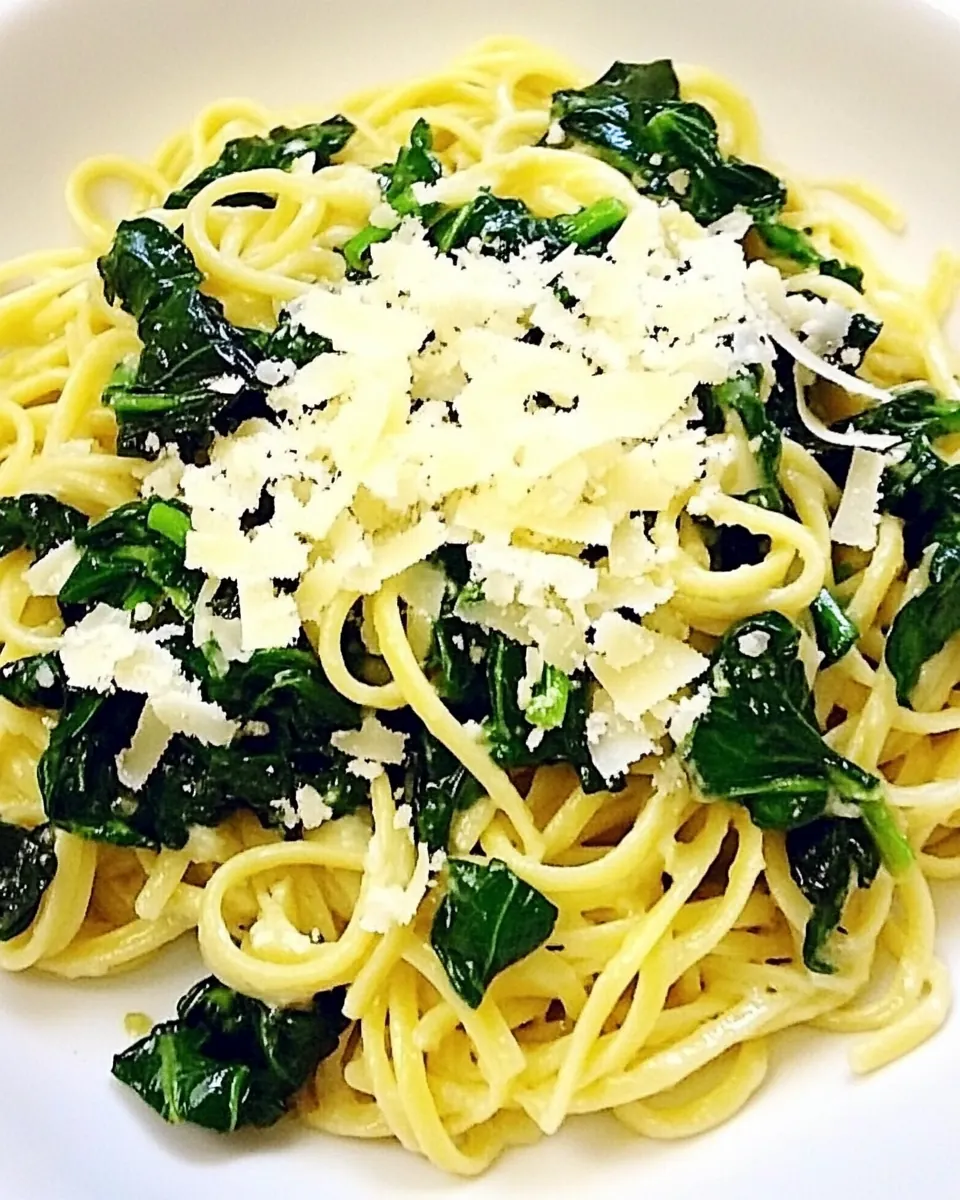
Lemon Parmesan Pasta with Greens is one of those recipes I turn to when I want something that feels bright, comforting, and effortless all at once.
I first made Lemon Parmesan Pasta with Greens on a rainy spring evening after a long day of errands, and the zing of lemon paired with the savory hit of Parmesan cheese instantly lifted my mood. I remember rinsing off a bunch of baby kale, listening to the rain patter against the kitchen window, and thinking how few ingredients can make such a satisfying bowl. The pasta cooked away gently on the stove while I prepped the lemon and garlic, and the kitchen filled with a fresh, citrusy aroma that promised something both light and indulgent. That contrast between bright citrus and creamy Parmesan cheese is what keeps me coming back to this dish.
What I love about Lemon Parmesan Pasta with Greens is how forgiving it is. You can scale it up or down, tweak the lemon intensity, or swap in different greens without losing that comforting creaminess. It is the kind of meal I make when friends drop by unexpectedly because it looks and tastes like I fussed over it, while in truth it comes together in minutes. Every bite balances tang, salt, and leafy texture, and the reserved pasta water works like a little kitchen magic to marry everything into a silky sauce. Over time I have learned small tricks that nudge this simple bowl from good to memorable, and I enjoy sharing those moments with you, so you can recreate that same warm, lively feeling at home.
Recipe Snapshot
25 mins
10 mins
15 mins
Medium
450 kcal
Italian
Gluten-Free, Paleo
Dinner
Large pot, Colander, Large frying pan, Measuring cup, Salad spinner, Box grater
Why This Lemon Parmesan Pasta with Greens Is a Winner
Bright, But Comforting
I adore how Lemon Parmesan Pasta with Greens manages to be both lively and soothing. The lemon zest and juice cut through the richness of the Parmesan cheese, giving the dish a fresh top note, while the pasta and cheese provide a warm, creamy base. I often find this contrast especially welcome after heavy meals or on days when I want a pick me up that still feels like dinner.
Fast and Friendly for Weeknights
One of the best things about this dish is speed. I can have everything on the table in under 30 minutes, which makes it an ideal easy weeknight dinner. I value recipes that respect a busy schedule, and this one rewards you with maximum flavor for minimal effort. When time is short, this pasta consistently delivers satisfaction without complicated steps.
Flexible with Ingredients
I love that the recipe tolerates a range of pantry situations. The core players are straightforward, and I often adapt quantities depending on what I have. The greens can be baby kale or other tender leaves, and the lemon intensity is adjustable. That flexibility makes it a recipe I feel confident recommending to anyone trying to cook more from what they already have.
Textural Harmony
The way the tender greens fold into the warm pasta creates a pleasing mix of textures. You get the soft bite of pasta, the slight chew of the greens, and the creamy, slightly granular feel of shredded Parmesan cheese. That combination keeps each forkful interesting, and the reserved pasta water helps bind everything so each mouthful is cohesive.
Minimal Ingredients, Maximum Impact
I appreciate recipes that rely on a handful of quality components rather than long ingredient lists. With Lemon Parmesan Pasta with Greens, a few bright additions like lemon zest and a touch of garlic transform simple pasta into something that feels elegant. I recommend focusing on fresh lemon and good Parmesan cheese for the most rewarding results.
What You Need for Lemon Parmesan Pasta with Greens
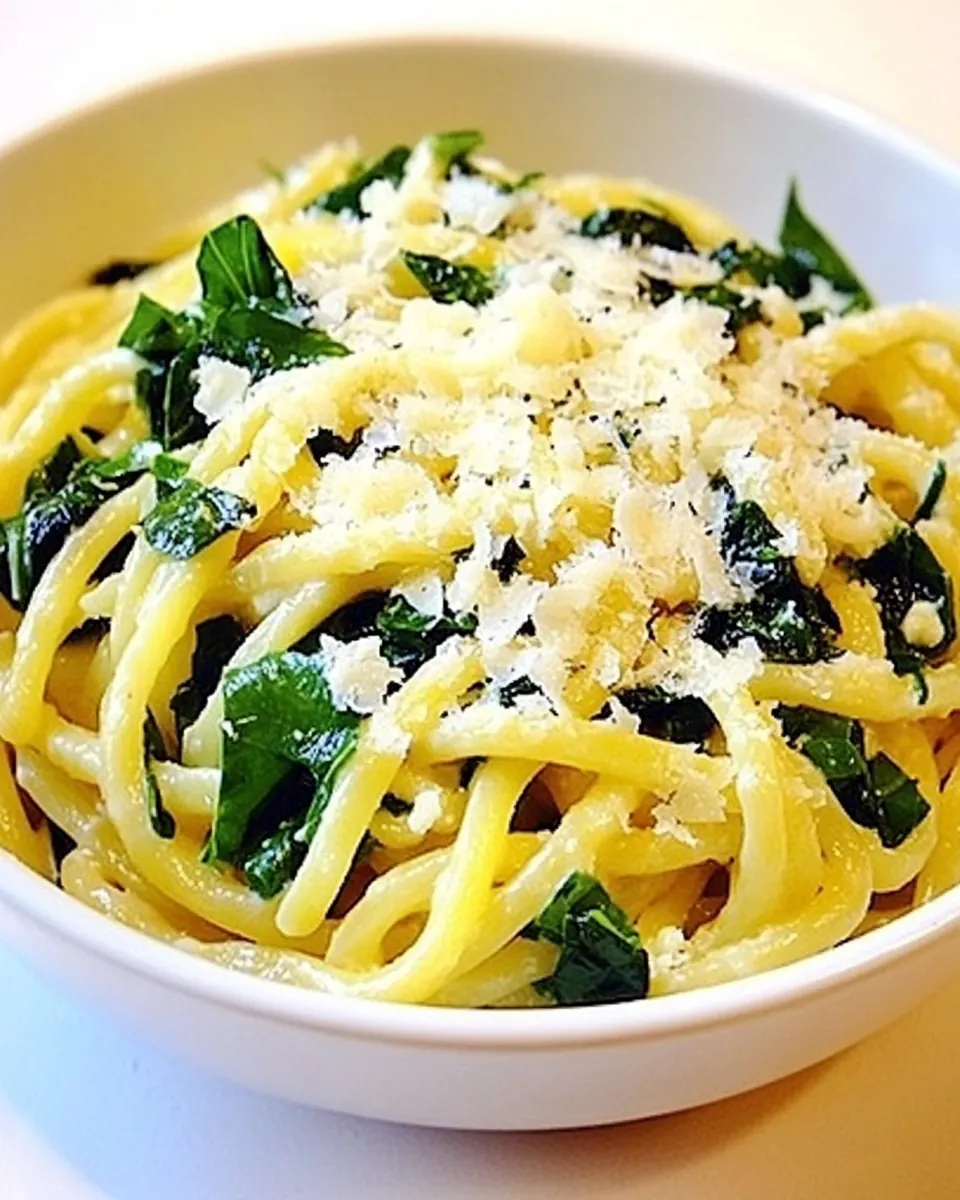
These ingredients combine to create a balanced, bright pasta: the pasta gives structure and comfort, the greens add color and a slight bitterness that plays against the creamy, salty Parmesan cheese, and the citrus and garlic lift the whole bowl. The list is intentionally short so each element can shine, and the reserved pasta water is the unsung hero that turns separate components into a glossy, unified sauce.
- 8 oz dry macaroni (preferably Fiber Gourmet Light Elbows): Boil to tender al dente for a satisfying chewy bite; provides the hearty base and starch that binds the sauce. Retains shape when cooked properly and soaks up flavors from lemon and olive oil without becoming mushy.
- 1 tsp . salt for pasta cooking water: Season to enhance pasta water so noodles absorb subtle salinity; helps layers of flavor penetrate the macaroni. Balances the dish and prevents blandness while cooking the pasta.
- 5 oz . Baby Kale (see notes): Wilt briefly to add bright color, earthy flavor, and tender leafy texture that complements the pasta. Offers nutritional greens and a slight bitterness that contrasts the rich cheese and zesty lemon, improving mouthfeel.
- 1 tsp . minced garlic: Minced finely to release pungent aromatics that infuse the oil and brighten the overall flavor profile. Adds savory depth and a warm aromatic backbone when gently sautéed or tossed with hot pasta.
- 2 T lemon zest (or more): Zest generously to deliver intense citrus oils and vibrant lemon aroma that lift and brighten the dish. Provides concentrated lemon flavor without extra acidity, pairing perfectly with Parmesan and greens.
- 1 T lemon juice (or more): Squeeze sparingly to introduce fresh acidity that balances the richness of cheese and oil; adjust to taste for brightness. Adds a lively tang that sharpens flavors and brings cohesion to the sauce.
- 2 T olive oil: Drizzle to coat the pasta and carry flavors, creating a silky mouthfeel and preventing sticking; acts as the fat component. Enhances texture, helps distribute lemon and garlic, and contributes a fruity background note.
- 1/2 cup grated Parmesan cheese, plus more for serving: Grate to contribute salty, umami-rich creaminess that binds components and adds savory depth; stir into hot pasta to melt slightly. Offers a nutty finish and gratifies with rich dairy flavor while serving as garnish.
The Method for Lemon Parmesan Pasta with Greens
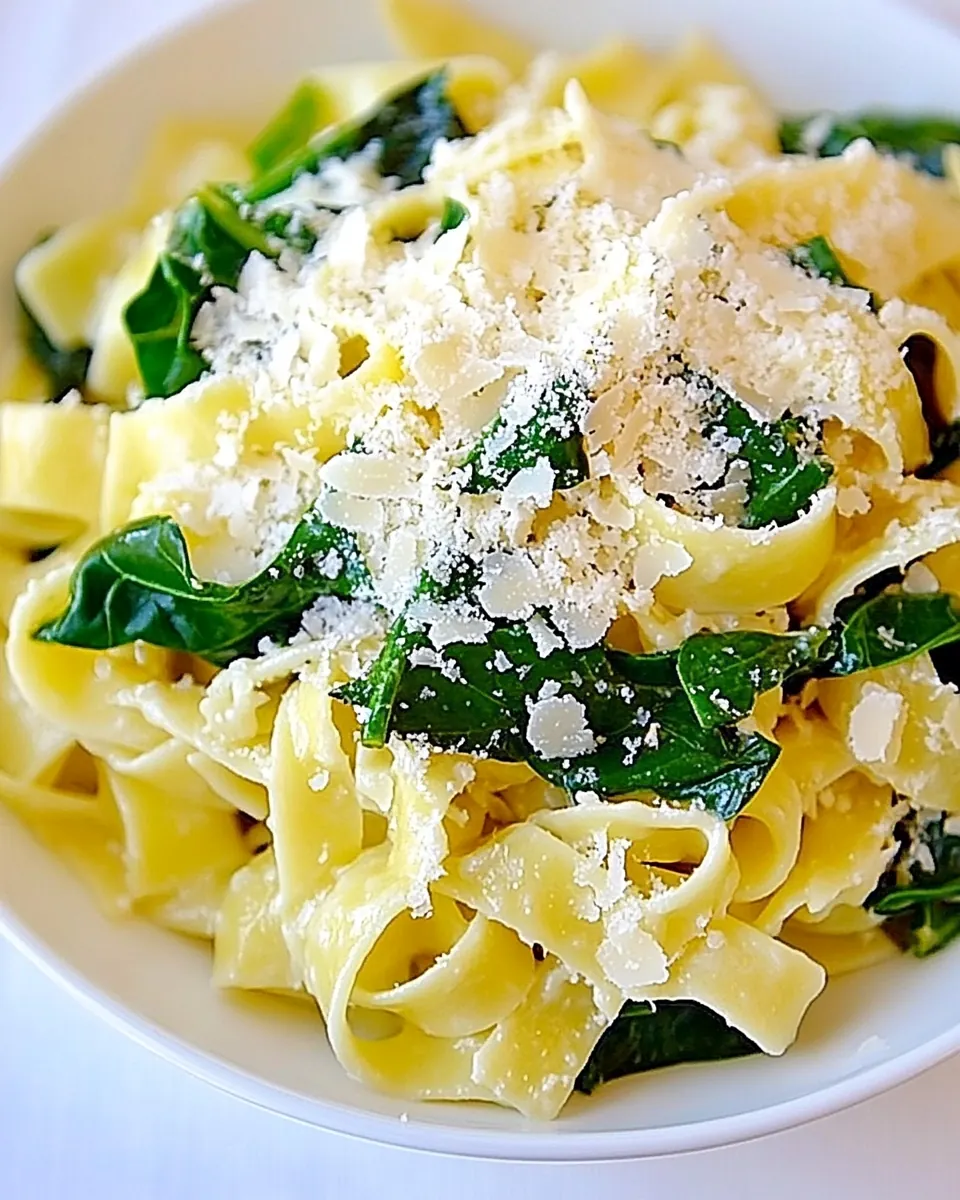
This recipe is straightforward, and the method focuses on timing and rhythm so everything finishes hot and glossy. Work in stages so the pasta, greens, and sauce come together while still vibrant. The directions below expand each original instruction into helpful, sensory rich guidance to make the process feel intuitive.
- Cook macaroni in a large pot of salted water until barely al dente, follow cooking time on the package of pasta. If you're using Fiber Gourmet Light Elbows for the pasta that might take as long as 15 minutes before reaching al dente.: The water should be vigorously boiling and smell faintly of salt before you add the pasta , which helps the noodles season from within; as the pasta simmers you will hear a gentle rolling boil and see the surface swirl with starch that foams slightly, a sign the water is doing its job. Taste a piece near the lower end of the package time to ensure it is just short of soft, with a slight resistance in the center, because the pasta will finish cooking when tossed with hot ingredients; this prevents a mushy final bowl. One common mistake is overcooking the pasta , which results in a lackluster texture and poor sauce adhesion. Keep the pot uncovered so you can monitor the boil and stir occasionally to prevent sticking. The reason this matters is the al dente bite gives structure, making each forkful satisfying rather than limp.
- Reserve 1/4 cup cooking water before draining.: You will notice the starchy, slightly cloudy water cling to the spoon when you lift a bit out of the pot, and that little glass of liquid is pure sauce-building gold because it helps emulsify Parmesan cheese into a creamy coating. Before you tip the pot into a colander, use a heatproof measuring cup to grab exactly about one quarter cup and set it aside; you might need a touch more if your pasta seems dry. A typical error is draining everything and not reserving water, which makes the final mixture dry and clumpy. Keep the reserved liquid warm so it blends more readily, and add it in small splashes to control consistency.
- While pasta cooks, zest the lemon and squeeze the juice and finely chop the garlic if using fresh garlic.: The zest carries fragrant oil and will perfume the dish, while the juice adds bright acidity. When you zest, press lightly so you collect the colorful outer peel without the bitter white pith. Chop the garlic into small, even bits so it sautés evenly and releases a fragrant perfume that hits the nose as it warms in oil. Avoid chopping too coarsely which creates uneven bursts of raw garlic , and beware of over-zesting which can impart bitterness. Doing this prep ahead allows the flavors to be ready to hit the pan at the right moment.
- Wash greens in a salad spinner if needed and spin dry.: Freshness matters, and clean, dry greens wilt properly and integrate smoothly into the pan; a spinner will remove excess water that would otherwise dilute the sauce. After rinsing, spin until the leaves are no longer dripping, then give them a gentle toss to check for grit. A common oversight is tossing watery greens into hot oil, which causes sputtering and a steamed rather than sautéed texture. Dry leaves will sizzle slightly and fold into a tender, slightly chewy component rather than becoming soggy.
- If using larger greens, slice crosswise into 1 inch wide ribbons, discarding stems. (Baby greens don’t need to be sliced.): Cutting the greens into one inch ribbons ensures even cooking and a pleasant mouthfeel, while stems can be fibrous and detract from the dish. When you slice, lay leaves in a neat stack and use a sharp knife for clean edges that wilt evenly; you want ribbons that are thin enough to cook in the short sauté time yet substantial enough to provide chew. Forgetting to remove tough stems can leave stringy bits in the finished dish, so inspect your greens as you prep. The goal is consistent pieces that wilt into the pasta and distribute flavor in every bite.
- Heat olive oil in large frying pan, add garlic and lemon zest and sauté 1 minute.: Warm the olive oil until it shimmers gently but is not smoking, then add the minced garlic and the lemon zest; you should hear a soft sizzle and smell a burst of citrus and savory aromatics as the oils release. Sautéing briefly allows the aromatics to bloom without browning, which preserves a clean, bright flavor; browned garlic will turn bitter. A typical misstep is cranking the heat too high, which scorches the zest and garlic , so keep the temperature moderate and stir constantly to create an even, fragrant base for the greens.
- Add greens and sauté until wilted, about 5 minutes for larger greens or 2-3 minutes for baby greens.: As the leaves hit the pan you will hear a hush of sizzling, and they will quickly reduce in volume, turning glossy and tender while releasing a vegetal scent that mingles with lemon and garlic . For larger greens expect about five minutes, during which the texture shifts from crisp to pliant, signaling readiness; baby greens need only two to three minutes and should still retain a little structure. Overcooking here leads to limp, flavorless leaves, so stop when the greens look vibrant and slightly glossy. Stir occasionally so all pieces wilt evenly and pick up the infused oil and zest.
- As soon as pasta is al dente, save 1/4 cup cooking water and then drain the pasta well and add to greens/garlic/lemon mixture, with lemon juice and reserved pasta cooking water (as needed).: When you fold the warm pasta into the pan of greens, you will see steam rise and hear a gentle murmur as the starchy strands meet the oil and cheese, and the reserved water helps the mixture come together into a cohesive coating rather than a dry pile. Add the lemon juice for brightness in measured amounts, tasting to balance acidity, and drizzle the reserved water slowly, watching the sauce become silkier; a little goes a long way. A frequent mistake is adding too much water at once, which thins the sauce excessively, so incorporate gradually until you reach a glossy, clingy texture that lightly coats the noodles.
- Stir in Parmesan cheese and serve hot, with additional cheese to be added at the table if desired.: As you stir in the grated Parmesan cheese , it should melt into the warm pasta, thickening and enriching the coating until there is a velvety sheen; you may notice a nutty, savory aroma rise as the cheese dissolves. Serve immediately while everything is hot so the sauce remains silky; leftover sitting time can make the texture tighten. A common pitfall is using pre-shredded cheese that has anti caking agents, which can prevent smooth melting, so grate fresh if possible. Offer an extra sprinkle of Parmesan cheese at the table so each person can tailor the salt and richness to their liking.
Pro Tips and Tweaks
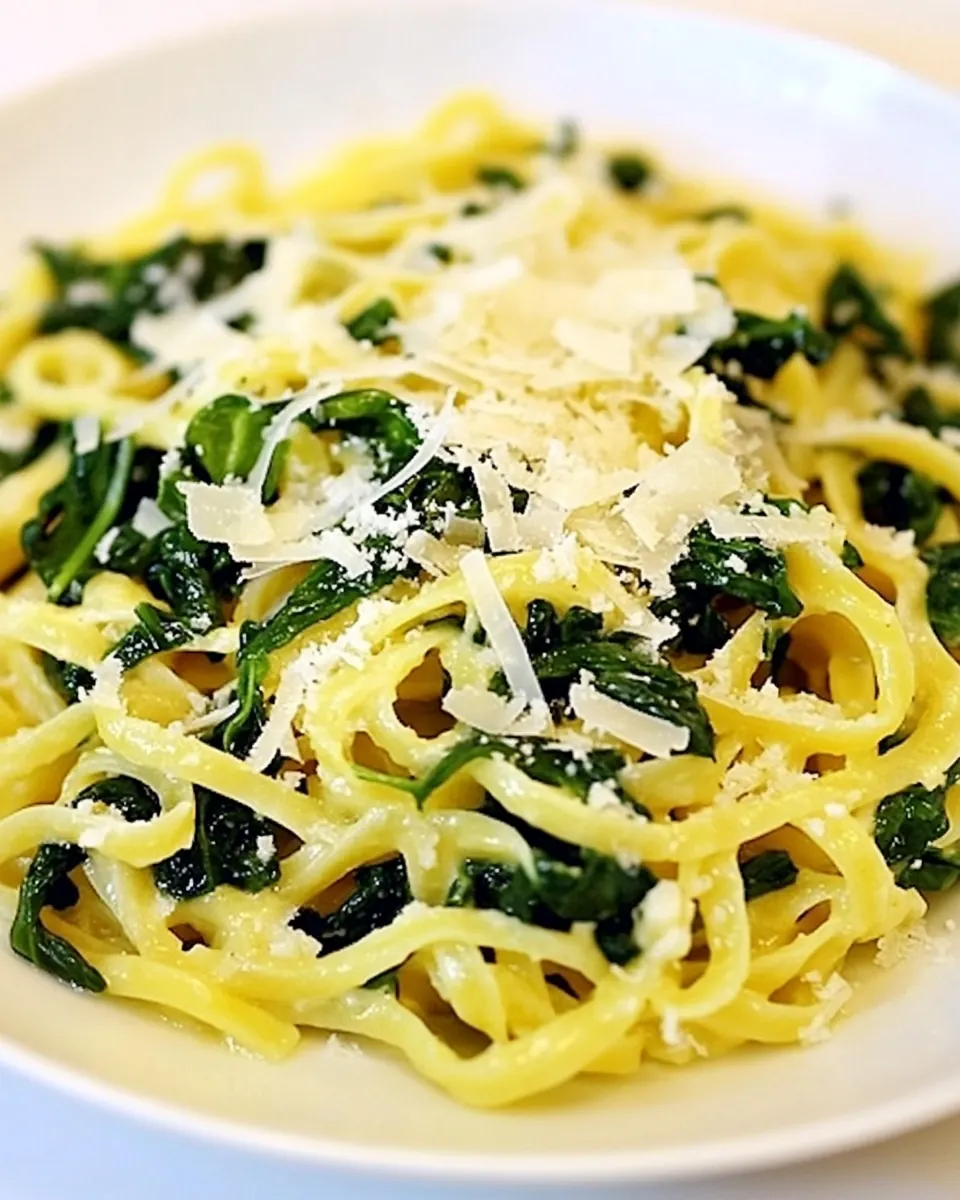
These tips will help you refine the final bowl and adapt the recipe to personal preferences. I include practical notes that I rely on in my kitchen to keep texture, flavor, and timing consistent.
- Freshly grate the cheese for the best melting and texture; it turns into a silkier sauce than pre shredded alternatives.
- Keep reserved pasta water warm so it blends smoothly into the sauce, otherwise cold water can momentarily tighten the mixture and make incorporation harder.
- Zest before juicing to capture the fragrant oils, then squeeze the lemon for balanced acidity; doing these in order prevents losing zest to the juicing process.
- Adjust lemon intensity to taste by adding the juice in small increments, tasting after each splash so you do not overwhelm the cheese.
- Sauté garlic gently over moderate heat to release aroma without browning, which would introduce bitterness that competes with the lemon.
- Choose tender greens like baby kale for quick cooking, or slice larger leaves into ribbons to ensure an even, pleasant bite.
How to Serve Lemon Parmesan Pasta with Greens
This dish is versatile enough for casual dinners or small gatherings. Serve it directly from the pan for a relaxed approach, or plate it neatly for guests. Think about temperature, extra cheese on the side, and complementary small plates to round out the meal.
- Serve hot and fresh straight from the pan so the sauce remains glossy and the Parmesan cheese is melted into the pasta.
- Offer extra cheese at the table so guests can tailor the salt and richness to their liking, enhancing the savory depth.
- Pair with a simple salad of crisp greens if you want another texture contrast that keeps the meal light and spring friendly.
- Great for lunch or dinner on busy days when you need an easy, satisfying option that still feels thoughtful.
- Store leftovers properly in an airtight container in the fridge; reheat gently with a splash of water to restore silkiness.
- Seasonal pairing works well in spring when fresh lemons and tender greens are at their peak; the bright flavors match the season beautifully.
FAQ
Conclusion
Lemon Parmesan Pasta with Greens shines because it combines a few simple, high impact ingredients into a dish that tastes both bright and comforting. The citrus lifts the richness of the cheese while the greens add color, texture, and a fresh counterpoint. Try it on a busy weeknight when you want something quick yet satisfying, and don’t forget to reserve a bit of pasta water to finish the sauce. I hope this recipe becomes a frequent favorite in your rotation, bringing lively flavor and easy satisfaction to your dinner table.
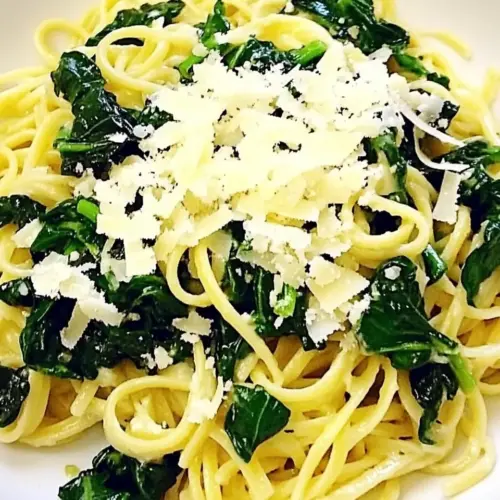
Lemon Parmesan Pasta with Greens
Equipment
- Large Pot
- Colander
- Large Frying Pan
- Measuring Cup
- Salad spinner
- Box grater
Ingredients
- 8 oz dry macaroni (preferably Fiber Gourmet Light Elbows) Boil to tender al dente for a satisfying chewy bite; provides the hearty base and starch that binds the sauce. Retains shape when cooked properly and soaks up flavors from lemon and olive oil without becoming mushy.
- 1 tsp . salt for pasta cooking water Season to enhance pasta water so noodles absorb subtle salinity; helps layers of flavor penetrate the macaroni. Balances the dish and prevents blandness while cooking the pasta.
- 5 oz . Baby Kale (see notes) Wilt briefly to add bright color, earthy flavor, and tender leafy texture that complements the pasta. Offers nutritional greens and a slight bitterness that contrasts the rich cheese and zesty lemon, improving mouthfeel.
- 1 tsp . minced garlic Minced finely to release pungent aromatics that infuse the oil and brighten the overall flavor profile. Adds savory depth and a warm aromatic backbone when gently sautéed or tossed with hot pasta.
- 2 T lemon zest (or more) Zest generously to deliver intense citrus oils and vibrant lemon aroma that lift and brighten the dish. Provides concentrated lemon flavor without extra acidity, pairing perfectly with Parmesan and greens.
- 1 T lemon juice (or more) Squeeze sparingly to introduce fresh acidity that balances the richness of cheese and oil; adjust to taste for brightness. Adds a lively tang that sharpens flavors and brings cohesion to the sauce.
- 2 T olive oil Drizzle to coat the pasta and carry flavors, creating a silky mouthfeel and preventing sticking; acts as the fat component. Enhances texture, helps distribute lemon and garlic, and contributes a fruity background note.
- 1/2 cup grated Parmesan cheese, plus more for serving Grate to contribute salty, umami-rich creaminess that binds components and adds savory depth; stir into hot pasta to melt slightly. Offers a nutty finish and gratifies with rich dairy flavor while serving as garnish.
Instructions
- Cook macaroni in a large pot of salted water until barely al dente, follow cooking time on the package of pasta. If you're using Fiber Gourmet Light Elbows for the pasta that might take as long as 15 minutes before reaching al dente.: The water should be vigorously boiling and smell faintly of salt before you add the pasta , which helps the noodles season from within; as the pasta simmers you will hear a gentle rolling boil and see the surface swirl with starch that foams slightly, a sign the water is doing its job. Taste a piece near the lower end of the package time to ensure it is just short of soft, with a slight resistance in the center, because the pasta will finish cooking when tossed with hot ingredients; this prevents a mushy final bowl. One common mistake is overcooking the pasta , which results in a lackluster texture and poor sauce adhesion. Keep the pot uncovered so you can monitor the boil and stir occasionally to prevent sticking. The reason this matters is the al dente bite gives structure, making each forkful satisfying rather than limp.
- Reserve 1/4 cup cooking water before draining.: You will notice the starchy, slightly cloudy water cling to the spoon when you lift a bit out of the pot, and that little glass of liquid is pure sauce-building gold because it helps emulsify Parmesan cheese into a creamy coating. Before you tip the pot into a colander, use a heatproof measuring cup to grab exactly about one quarter cup and set it aside; you might need a touch more if your pasta seems dry. A typical error is draining everything and not reserving water, which makes the final mixture dry and clumpy. Keep the reserved liquid warm so it blends more readily, and add it in small splashes to control consistency.
- While pasta cooks, zest the lemon and squeeze the juice and finely chop the garlic if using fresh garlic.: The zest carries fragrant oil and will perfume the dish, while the juice adds bright acidity. When you zest, press lightly so you collect the colorful outer peel without the bitter white pith. Chop the garlic into small, even bits so it sautés evenly and releases a fragrant perfume that hits the nose as it warms in oil. Avoid chopping too coarsely which creates uneven bursts of raw garlic , and beware of over-zesting which can impart bitterness. Doing this prep ahead allows the flavors to be ready to hit the pan at the right moment.
- Wash greens in a salad spinner if needed and spin dry.: Freshness matters, and clean, dry greens wilt properly and integrate smoothly into the pan; a spinner will remove excess water that would otherwise dilute the sauce. After rinsing, spin until the leaves are no longer dripping, then give them a gentle toss to check for grit. A common oversight is tossing watery greens into hot oil, which causes sputtering and a steamed rather than sautéed texture. Dry leaves will sizzle slightly and fold into a tender, slightly chewy component rather than becoming soggy.
- If using larger greens, slice crosswise into 1 inch wide ribbons, discarding stems. (Baby greens don’t need to be sliced.): Cutting the greens into one inch ribbons ensures even cooking and a pleasant mouthfeel, while stems can be fibrous and detract from the dish. When you slice, lay leaves in a neat stack and use a sharp knife for clean edges that wilt evenly; you want ribbons that are thin enough to cook in the short sauté time yet substantial enough to provide chew. Forgetting to remove tough stems can leave stringy bits in the finished dish, so inspect your greens as you prep. The goal is consistent pieces that wilt into the pasta and distribute flavor in every bite.
- Heat olive oil in large frying pan, add garlic and lemon zest and sauté 1 minute.: Warm the olive oil until it shimmers gently but is not smoking, then add the minced garlic and the lemon zest; you should hear a soft sizzle and smell a burst of citrus and savory aromatics as the oils release. Sautéing briefly allows the aromatics to bloom without browning, which preserves a clean, bright flavor; browned garlic will turn bitter. A typical misstep is cranking the heat too high, which scorches the zest and garlic , so keep the temperature moderate and stir constantly to create an even, fragrant base for the greens.
- Add greens and sauté until wilted, about 5 minutes for larger greens or 2-3 minutes for baby greens.: As the leaves hit the pan you will hear a hush of sizzling, and they will quickly reduce in volume, turning glossy and tender while releasing a vegetal scent that mingles with lemon and garlic . For larger greens expect about five minutes, during which the texture shifts from crisp to pliant, signaling readiness; baby greens need only two to three minutes and should still retain a little structure. Overcooking here leads to limp, flavorless leaves, so stop when the greens look vibrant and slightly glossy. Stir occasionally so all pieces wilt evenly and pick up the infused oil and zest.
- As soon as pasta is al dente, save 1/4 cup cooking water and then drain the pasta well and add to greens/garlic/lemon mixture, with lemon juice and reserved pasta cooking water (as needed).: When you fold the warm pasta into the pan of greens, you will see steam rise and hear a gentle murmur as the starchy strands meet the oil and cheese, and the reserved water helps the mixture come together into a cohesive coating rather than a dry pile. Add the lemon juice for brightness in measured amounts, tasting to balance acidity, and drizzle the reserved water slowly, watching the sauce become silkier; a little goes a long way. A frequent mistake is adding too much water at once, which thins the sauce excessively, so incorporate gradually until you reach a glossy, clingy texture that lightly coats the noodles.
- Stir in Parmesan cheese and serve hot, with additional cheese to be added at the table if desired.: As you stir in the grated Parmesan cheese , it should melt into the warm pasta, thickening and enriching the coating until there is a velvety sheen; you may notice a nutty, savory aroma rise as the cheese dissolves. Serve immediately while everything is hot so the sauce remains silky; leftover sitting time can make the texture tighten. A common pitfall is using pre-shredded cheese that has anti caking agents, which can prevent smooth melting, so grate fresh if possible. Offer an extra sprinkle of Parmesan cheese at the table so each person can tailor the salt and richness to their liking.
Notes
- Freshly grate the cheese for the best melting and texture; it turns into a silkier sauce than pre shredded alternatives.
- Keep reserved pasta water warm so it blends smoothly into the sauce, otherwise cold water can momentarily tighten the mixture and make incorporation harder.
- Zest before juicing to capture the fragrant oils, then squeeze the lemon for balanced acidity; doing these in order prevents losing zest to the juicing process.
- Adjust lemon intensity to taste by adding the juice in small increments, tasting after each splash so you do not overwhelm the cheese.
- Sauté garlic gently over moderate heat to release aroma without browning, which would introduce bitterness that competes with the lemon.
- Choose tender greens like baby kale for quick cooking, or slice larger leaves into ribbons to ensure an even, pleasant bite.