Hunan Beef
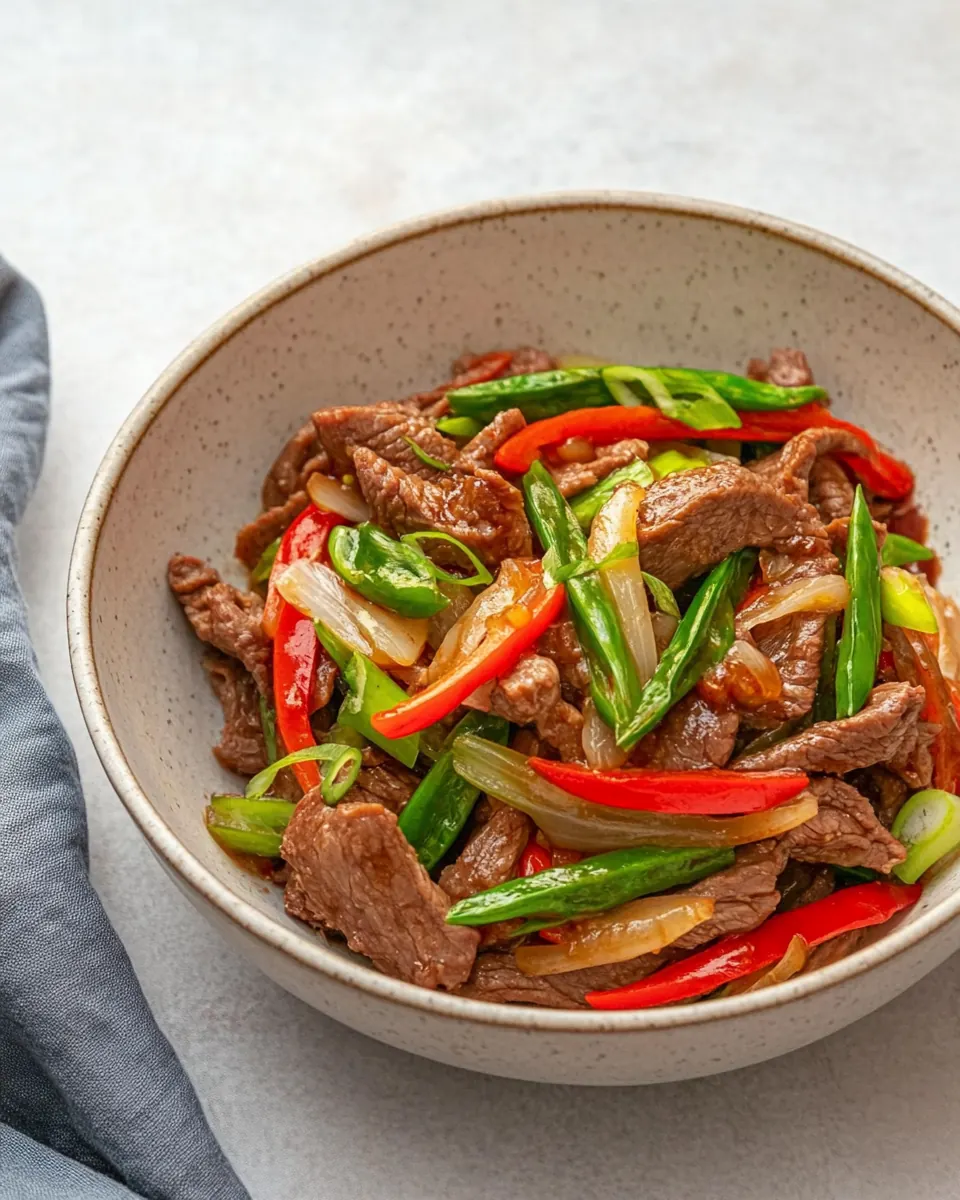
Hunan Beef is one of those recipes I reach for when I want a dinner that arrives fast, bold, and utterly satisfying. The first time I made Hunan Beef, I remember standing over a smoking hot skillet, the scent of garlic and ginger rising up and making the whole kitchen feel alive. I had a craving for something with a little heat and lots of texture, so I sliced a flavorful cut of beef thin and made a quick sauce from pantry staples, and it became an instant favorite.
The dish feels restaurant worthy yet home friendly, which is exactly why it shows up in my weeknight rotation. I like how the thinly sliced flank steak sears quickly, leaving edges that are slightly crisp while staying tender inside. Tossed with bright, crunchy bell pepper and a hit of jalapeño, the contrast is everything. I also love that it comes together in one hot pan, so you spend more time at the table than in the kitchen. Every time I serve Hunan Beef everyone leans in for seconds, and I take that as permission to keep this simple, bold recipe in heavy rotation.
Recipe Snapshot
25 mins
15 mins
10 mins
Easy
350 kcal
Chinese
Gluten-Free, Keto
Dinner
Wok or large skillet, Mixing bowl, Tongs or spatula
Why This Hunan Beef Is So Good
Vibrant, bold flavors that sing
I adore how Hunan Beef combines spicy, savory, and tangy notes in one bite. The chili paste adds a layered heat, while the rice vinegar brings brightness. I find this dynamic keeps the palate interested from the first forkful to the last.
Speed without compromise
One reason I keep returning to this recipe is the speed. From slicing to serving, it moves fast, yet you still get a deep, seared flavor from the beef. That short, intense cooking gives you great texture without drying out the meat.
Textural contrast
The mix of tender, juicy beef and crunchy bell pepper and onion creates a lively mouthfeel. I like to keep the vegetables just crisp to preserve that satisfying snap alongside the saucy beef.
Flexible and pantry friendly
I love that the sauce uses basic items like soy sauce, cornstarch, and beef broth. You can pull this together without a special grocery run, which makes it a reliable choice on busy nights when I need something impressive but low fuss.
Family friendly heat control
Finally, the chili level is easy to adjust. I usually keep the jalapeño and chili paste moderate for company, but if I want to crank it up I add more paste or toss in extra peppers. That adaptability makes it great for crowds where tastes vary.
Key Ingredients for Hunan Beef
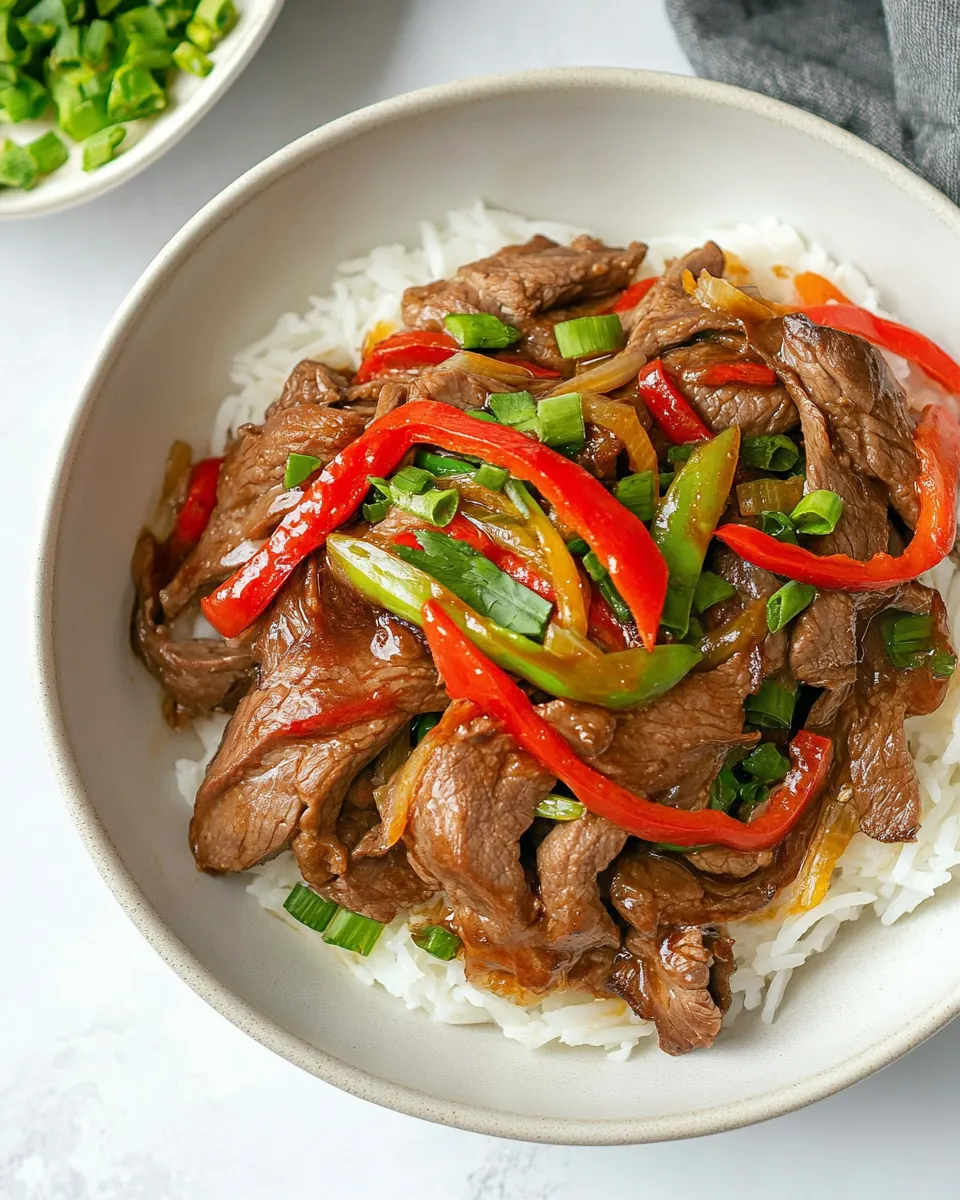
These ingredients form a simple, harmonious team that gives Hunan Beef its signature personality. The sauce components create a glossy coating that clings to the beef, while the aromatics and vegetables add lift and texture. Together, they balance heat, salt, and umami so each bite feels complete.
- 3 1/2 tablespoons soy sauce: Provide a salty, umami backbone and help create a savory sauce; use to marinate the beef briefly so it absorbs flavor and to season the stir-fry toward the end for depth and balance.
- 2 tablespoons chili paste: Add a concentrated spicy, smoky heat and contribute to the sauce’s body; stir into the pan to infuse the oil and aromatics, building the characteristic bold Hunan heat.
- 2 teaspoons rice vinegar: Brighten and balance the sauce with a mild tang, cutting through richness; splash in during sauce finishing to lift flavors and provide subtle acidity.
- 1 1/2 teaspoons cornstarch: Thicken and stabilize the sauce when combined with liquid, creating a glossy coating for the beef and vegetables; dissolve in water before adding to the hot pan to avoid lumps.
- 1/4 cup water: Combine with cornstarch to form a slurry that ensures smooth thickening and prevents clumping; add gradually to the simmering sauce to achieve desired consistency.
- 1/3 cup beef broth: Introduce savory depth and umami beyond soy sauce, enhancing the sauce’s complexity; pour in during sauce development to extend volume and round flavors.
- 2 tablespoons vegetable oil: Provide a neutral, high-heat cooking medium that aids in searing the beef and sautéing aromatics without altering flavors; heat until shimmering before stir-frying to promote browning.
- 1 pound flank steak thinly sliced: Supply hearty protein and a meaty texture that pairs with the bold sauce; slice thinly against the grain to ensure tenderness and quick, even cooking in the hot wok.
- 1 large bell pepper sliced: Offer sweet, crisp texture and vibrant color while mellowing slightly when cooked; add to the stir-fry for contrast in crunch and to complement spicy, savory elements.
- 1 medium onion sliced: Bring sweet-savory layers and soft texture as it caramelizes, lending body to the dish; cook until translucent and slightly browned to develop natural sweetness.
- 1 jalapeño pepper seeds removed and chopped: Contribute concentrated heat and a bright, vegetal chili flavor without overwhelming seeds; chop finely and add according to desired spice level for a fresh peppery kick.
- 3 cloves garlic minced: Provide pungent aromatic flavor that amplifies savory notes and complements ginger; mince and add early to the hot oil to release fragrant compounds without burning.
- 1 tablespoon ginger minced: Deliver warm, zesty spice and aromatic lift that pairs with garlic and chiles; mince and add with garlic to create a foundational flavor base for the stir-fry.
- Steamed rice for serving: Serve as a neutral, absorbent starch that carries the sauce and soaks up flavors from the beef and vegetables; prepare hot and fluffy to plate alongside the Hunan beef.
- Green onions chopped (for garnish): Add a fresh, oniony garnish and mild crunch that brightens finished dish; chop and sprinkle over the plated beef to provide color contrast and a crisp finish.
The Process for Making Hunan Beef
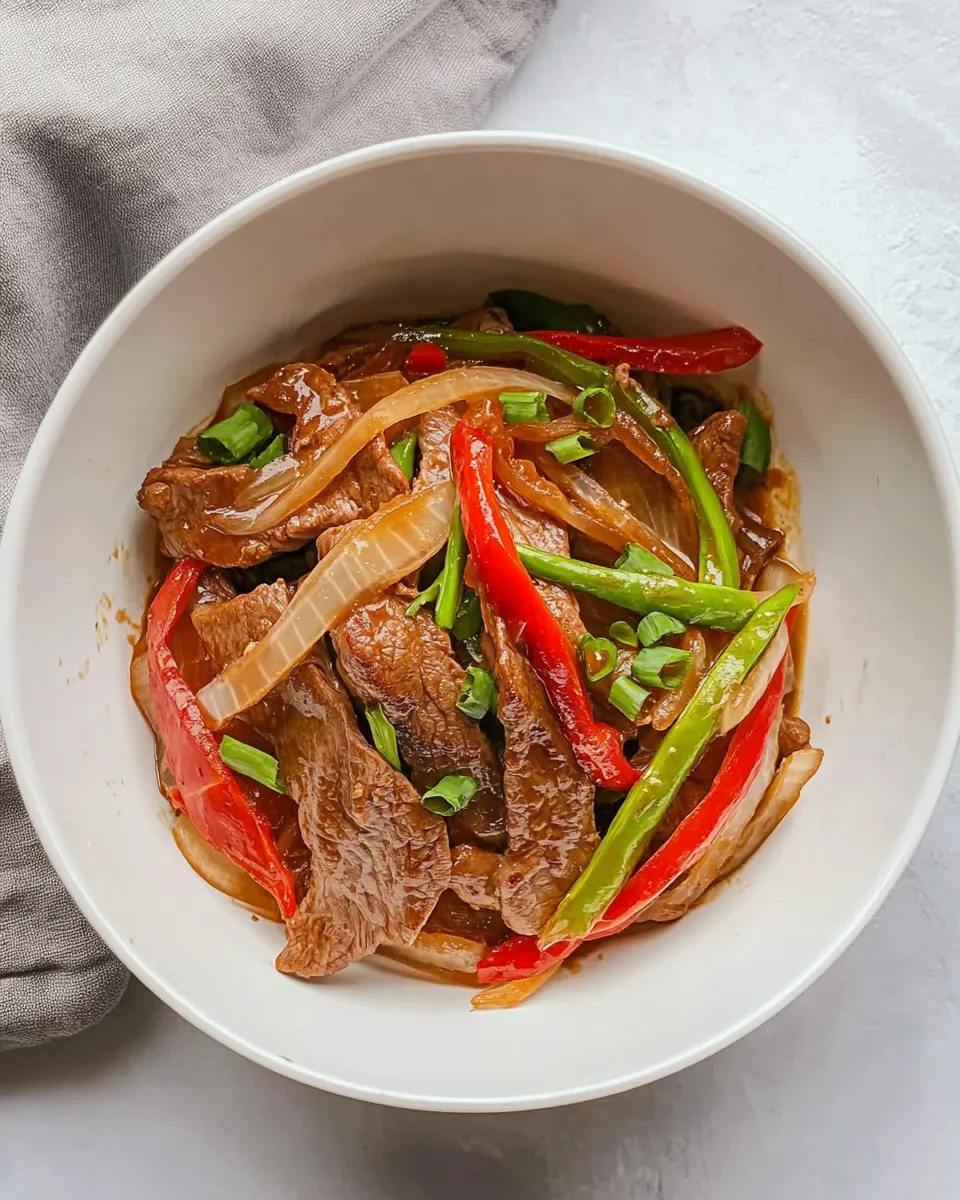
This recipe moves at a lively pace, so have everything prepped and within reach before you heat the pan. I like to read the sauce one more time and make sure my beef slices are even so they cook uniformly. Once the pan is hot, the process is a quick rhythm of sear, flash stir fry, and toss with sauce.
- In a small bowl, whisk together soy sauce, chili paste, rice vinegar, cornstarch, water, and beef broth until smooth. Set aside.: The aroma at this stage is faintly salty and tangy, with a hint of chili. Whisking the cornstarch into the cold water first prevents lumps from forming, which ensures the sauce will thicken evenly when added to the hot pan. If you skip thorough whisking you may end up with a grainy texture instead of a glossy glaze, so take a few extra seconds here to smooth the mixture.
- Heat 1 tablespoon of vegetable oil in a wok or large skillet over high heat. Add the sliced beef and stir-fry until browned and nearly cooked through, about 3 to 5 minutes. Remove beef from the wok and set aside.: You should hear an immediate sizzling as the beef hits the hot oil, and the edges will begin to caramelize into deep brown flecks. The high heat sears the meat quickly, locking in juices and creating a savory crust. A common mistake is overcrowding the pan which causes steaming instead of searing, so work in batches or use a large pan for an even sear.
- In the same wok, add the remaining tablespoon of oil. Add sliced bell pepper, onion, jalapeño, garlic, and ginger. Stir-fry for about 2 minutes or until the vegetables are just tender.: The residual heat will continue to cook the meat slightly, so resting it off heat prevents overcooking and keeps the slices tender. You might notice faintly browned juices pooling in the pan, which are flavor gold you will reincorporate later. Avoid setting the beef on a plate where it will trap steam, which can soften the crust.
- Return the beef to the wok. Pour the prepared sauce over the beef and vegetables. Stir well to combine and continue cooking for another 2 to 3 minutes, or until the sauce has thickened and everything is heated through.: The pan will likely have fond from the beef , and adding fresh oil helps lift those caramelized bits while providing a clean surface to cook the vegetables. The oil should shimmer quickly, signaling it is ready for the aromatics. If the oil smokes heavily, lower the heat briefly to avoid burning the delicate garlic and ginger.
- Serve with cooked rice and top with green onions for garnish.: As you toss the vegetables you will hear quick, bright sizzles and notice the colors intensify. The goal is to keep the bell pepper and onion crisp tender so they retain texture and freshness. Overcooking will make them limp and dilute the contrast with the beef , so watch closely and stir constantly to avoid charring.
- Return the beef to the wok: Bringing the partially cooked beef back into the pan lets it reheat and mingle with the vegetables. The residual juices and fond will lift flavor, and you will see the meat edges steam slightly, signaling they are warming through. A slip to avoid is adding the sauce too early which can prevent the vegetables from staying crisp, so wait until the mix is ready.
- Pour the prepared sauce over the beef and vegetables: When the sauce hits the hot pan it should hiss gently and begin to thicken as the cornstarch activates. You will see the liquid turn glossy and begin to cling to the ingredients, creating a cohesive coating. If the sauce seems too thin, simmer a bit longer; if it gets gummy, you likely used too much cornstarch or cooked it too long.
- Stir well to combine and continue cooking for another 2 to 3 minutes, or until the sauce has thickened and everything is heated through: During this final simmer the aromas concentrate, and the dish takes on a rich, shiny finish. Taste for seasoning and balance, adjusting heat or acidity if needed. A common error is rushing this step which can leave raw cornstarch taste or an underdeveloped sauce, so let it bubble briefly until it coats the back of a spoon.
- Serve with cooked rice and top with green onions for garnish: Once plated, the steam from the rice helps meld the sauce and makes each forkful comforting. The chopped green onions add a crisp, bright contrast in both texture and color. Avoid letting the dish sit too long before serving, as the sauce can thicken further and the vegetables will soften.
Recipe Tips about Hunan Beef
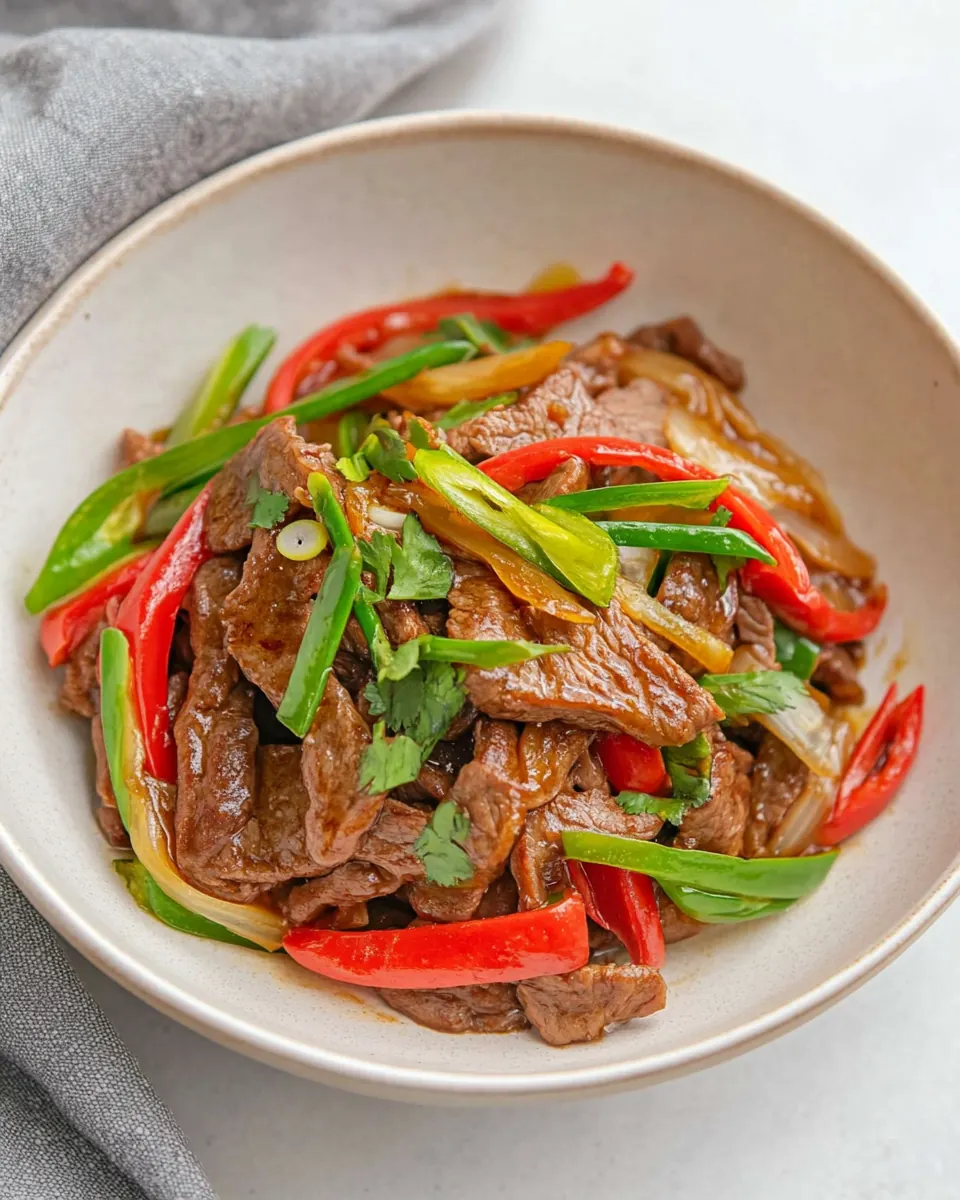
Here are my hands on notes that make the recipe sing. These tips cover prep, technique, and small tweaks I use to ensure consistent results when cooking Hunan Beef. Keep these in mind before you heat the pan.
- Prep everything first: Because this comes together quickly, have the beef, vegetables, and sauce ready to go before you start cooking so nothing overcooks while you chop.
- Temperature matters: Use high heat for searing and a well heated wok or large skillet, this produces the desirable caramelization on the beef without drying it out.
- Thin, even slices: Cut the flank steak across the grain into uniform thin pieces so they cook at the same rate and remain tender.
- Control the heat level: Start with a moderate amount of chili paste and jalapeño, you can always add more at the end if you want more kick.
- Watch the cornstarch: Mix it with cold water first and add it to the sauce near the end, then simmer briefly until glossy to avoid a pasty mouthfeel.
How to Serve Hunan Beef
Serving well is about balance and presentation. I prefer a simple plating approach that highlights the glossy sauce and colorful vegetables. Place hot steamed rice as the base and spoon the saucy beef over it, finishing with a sprinkle of chopped green onions.
- Serve over steamed rice: A bed of steamed rice soaks up the sauce and makes the meal hearty enough for family dinners.
- Family style platter: Arrange the Hunan Beef in a large shallow dish and place the rice in a separate bowl so guests can serve themselves for casual gatherings.
- Accompaniments: Keep sides minimal, such as a simple cucumber salad or quick steamed greens, to let the bold flavors of the main shine through.
- Occasions: This works well for weeknight dinners, casual entertaining, or any meal when you want a fast but impressive centerpiece.
- Storage: Refrigerate leftovers in an airtight container for up to three days; reheat gently in a skillet so the sauce loosens and the vegetables retain some texture.
- Seasonal pairing: The bright, spicy profile pairs well with warm weather produce like fresh peppers, but it is cozy enough for cooler months when you crave bold dinners.
FAQ
Conclusion
Hunan Beef stands out for its quick cooking, bold sauce, and satisfying textural contrasts. It delivers restaurant caliber flavor with minimal fuss, and its flexible heat level makes it approachable for many palates. Give it a try on a weeknight when you want something flavorful, speedy, and crowd pleasing. I hope this recipe becomes one of your dependable weeknight winners that you return to again and again.
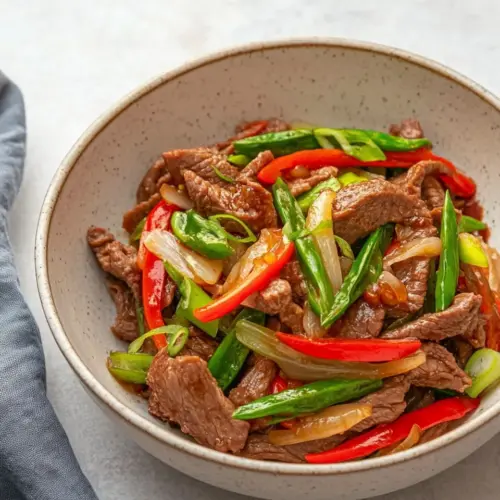
Hunan Beef
Equipment
- Wok or large skillet
- Mixing Bowl
- Tongs or spatula
Ingredients
- 3 1/2 tablespoons soy sauce Provide a salty, umami backbone and help create a savory sauce; use to marinate the beef briefly so it absorbs flavor and to season the stir-fry toward the end for depth and balance.
- 2 tablespoons chili paste Add a concentrated spicy, smoky heat and contribute to the sauce’s body; stir into the pan to infuse the oil and aromatics, building the characteristic bold Hunan heat.
- 2 teaspoons rice vinegar Brighten and balance the sauce with a mild tang, cutting through richness; splash in during sauce finishing to lift flavors and provide subtle acidity.
- 1 1/2 teaspoons cornstarch Thicken and stabilize the sauce when combined with liquid, creating a glossy coating for the beef and vegetables; dissolve in water before adding to the hot pan to avoid lumps.
- 1/4 cup water Combine with cornstarch to form a slurry that ensures smooth thickening and prevents clumping; add gradually to the simmering sauce to achieve desired consistency.
- 1/3 cup beef broth Introduce savory depth and umami beyond soy sauce, enhancing the sauce’s complexity; pour in during sauce development to extend volume and round flavors.
- 2 tablespoons vegetable oil Provide a neutral, high-heat cooking medium that aids in searing the beef and sautéing aromatics without altering flavors; heat until shimmering before stir-frying to promote browning.
- 1 pound flank steak thinly sliced Supply hearty protein and a meaty texture that pairs with the bold sauce; slice thinly against the grain to ensure tenderness and quick, even cooking in the hot wok.
- 1 large bell pepper sliced Offer sweet, crisp texture and vibrant color while mellowing slightly when cooked; add to the stir-fry for contrast in crunch and to complement spicy, savory elements.
- 1 medium onion sliced Bring sweet-savory layers and soft texture as it caramelizes, lending body to the dish; cook until translucent and slightly browned to develop natural sweetness.
- 1 jalapeño pepper seeds removed and chopped Contribute concentrated heat and a bright, vegetal chili flavor without overwhelming seeds; chop finely and add according to desired spice level for a fresh peppery kick.
- 3 cloves garlic minced Provide pungent aromatic flavor that amplifies savory notes and complements ginger; mince and add early to the hot oil to release fragrant compounds without burning.
- 1 tablespoon ginger minced Deliver warm, zesty spice and aromatic lift that pairs with garlic and chiles; mince and add with garlic to create a foundational flavor base for the stir-fry.
- Steamed rice for serving Serve as a neutral, absorbent starch that carries the sauce and soaks up flavors from the beef and vegetables; prepare hot and fluffy to plate alongside the Hunan beef.
- Green onions chopped (for garnish) Add a fresh, oniony garnish and mild crunch that brightens finished dish; chop and sprinkle over the plated beef to provide color contrast and a crisp finish.
Instructions
- In a small bowl, whisk together soy sauce, chili paste, rice vinegar, cornstarch, water, and beef broth until smooth. Set aside.: The aroma at this stage is faintly salty and tangy, with a hint of chili. Whisking the cornstarch into the cold water first prevents lumps from forming, which ensures the sauce will thicken evenly when added to the hot pan. If you skip thorough whisking you may end up with a grainy texture instead of a glossy glaze, so take a few extra seconds here to smooth the mixture.
- Heat 1 tablespoon of vegetable oil in a wok or large skillet over high heat. Add the sliced beef and stir-fry until browned and nearly cooked through, about 3 to 5 minutes. Remove beef from the wok and set aside.: You should hear an immediate sizzling as the beef hits the hot oil, and the edges will begin to caramelize into deep brown flecks. The high heat sears the meat quickly, locking in juices and creating a savory crust. A common mistake is overcrowding the pan which causes steaming instead of searing, so work in batches or use a large pan for an even sear.
- In the same wok, add the remaining tablespoon of oil. Add sliced bell pepper, onion, jalapeño, garlic, and ginger. Stir-fry for about 2 minutes or until the vegetables are just tender.: The residual heat will continue to cook the meat slightly, so resting it off heat prevents overcooking and keeps the slices tender. You might notice faintly browned juices pooling in the pan, which are flavor gold you will reincorporate later. Avoid setting the beef on a plate where it will trap steam, which can soften the crust.
- Return the beef to the wok. Pour the prepared sauce over the beef and vegetables. Stir well to combine and continue cooking for another 2 to 3 minutes, or until the sauce has thickened and everything is heated through.: The pan will likely have fond from the beef , and adding fresh oil helps lift those caramelized bits while providing a clean surface to cook the vegetables. The oil should shimmer quickly, signaling it is ready for the aromatics. If the oil smokes heavily, lower the heat briefly to avoid burning the delicate garlic and ginger.
- Serve with cooked rice and top with green onions for garnish.: As you toss the vegetables you will hear quick, bright sizzles and notice the colors intensify. The goal is to keep the bell pepper and onion crisp tender so they retain texture and freshness. Overcooking will make them limp and dilute the contrast with the beef , so watch closely and stir constantly to avoid charring.
- Return the beef to the wok: Bringing the partially cooked beef back into the pan lets it reheat and mingle with the vegetables. The residual juices and fond will lift flavor, and you will see the meat edges steam slightly, signaling they are warming through. A slip to avoid is adding the sauce too early which can prevent the vegetables from staying crisp, so wait until the mix is ready.
- Pour the prepared sauce over the beef and vegetables: When the sauce hits the hot pan it should hiss gently and begin to thicken as the cornstarch activates. You will see the liquid turn glossy and begin to cling to the ingredients, creating a cohesive coating. If the sauce seems too thin, simmer a bit longer; if it gets gummy, you likely used too much cornstarch or cooked it too long.
- Stir well to combine and continue cooking for another 2 to 3 minutes, or until the sauce has thickened and everything is heated through: During this final simmer the aromas concentrate, and the dish takes on a rich, shiny finish. Taste for seasoning and balance, adjusting heat or acidity if needed. A common error is rushing this step which can leave raw cornstarch taste or an underdeveloped sauce, so let it bubble briefly until it coats the back of a spoon.
- Serve with cooked rice and top with green onions for garnish: Once plated, the steam from the rice helps meld the sauce and makes each forkful comforting. The chopped green onions add a crisp, bright contrast in both texture and color. Avoid letting the dish sit too long before serving, as the sauce can thicken further and the vegetables will soften.
Notes
- Prep everything first: Because this comes together quickly, have the beef, vegetables, and sauce ready to go before you start cooking so nothing overcooks while you chop.
- Temperature matters: Use high heat for searing and a well heated wok or large skillet, this produces the desirable caramelization on the beef without drying it out.
- Thin, even slices: Cut the flank steak across the grain into uniform thin pieces so they cook at the same rate and remain tender.
- Control the heat level: Start with a moderate amount of chili paste and jalapeño, you can always add more at the end if you want more kick.
- Watch the cornstarch: Mix it with cold water first and add it to the sauce near the end, then simmer briefly until glossy to avoid a pasty mouthfeel.