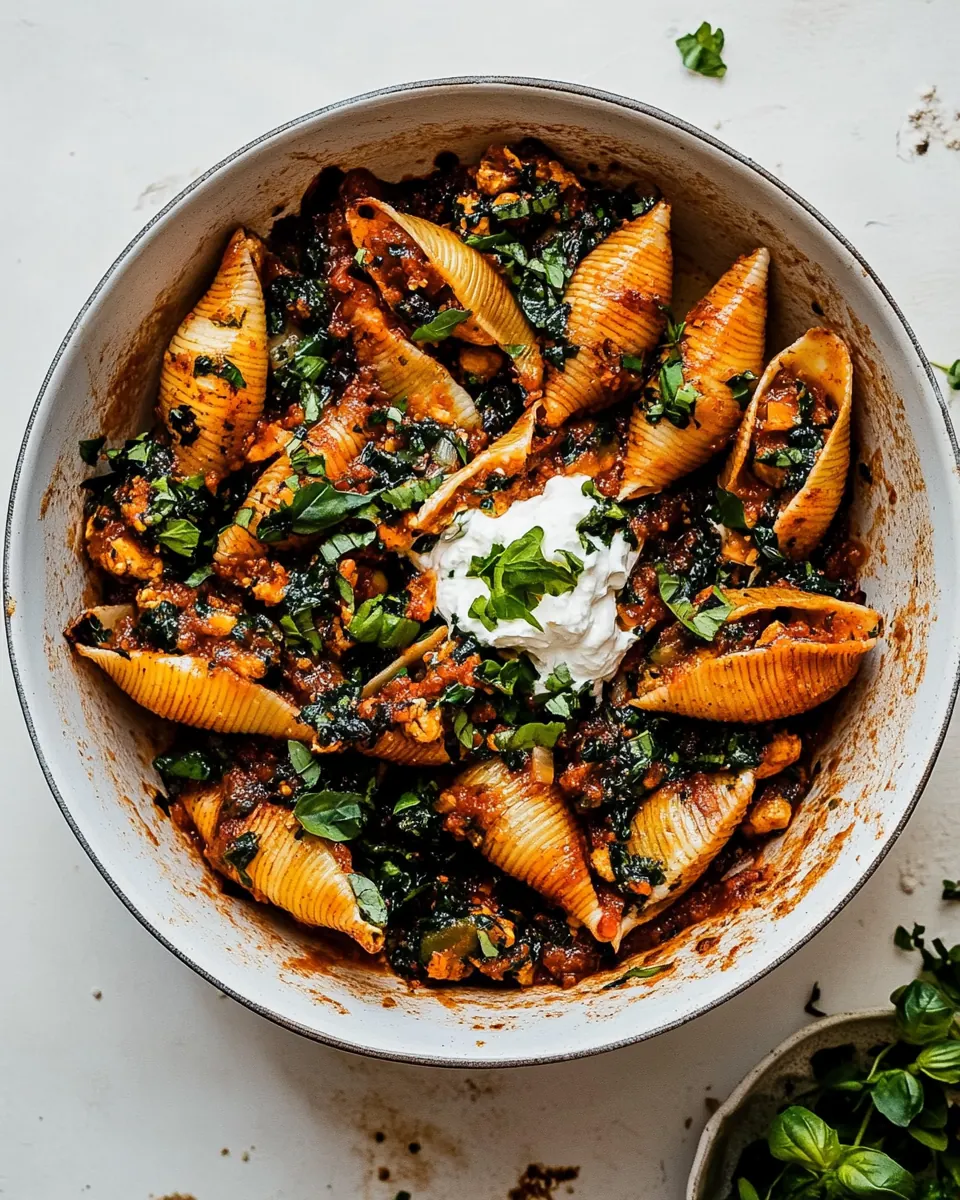
Unstuffed Spicy Tomato Basil Shells with Whipped Ricotta
Unstuffed Spicy Tomato Basil Shells with Whipped Ricotta is the kind of dinner I reach for when I want big flavor without the fuss of stuffing every single shell. I first made this while hosting a casual summer supper for friends who love bold, tomato forward dishes. The kitchen smelled of sautéed garlic and herbs, and everyone kept hovering at the counter, asking for more of that bright basil drizzle. I remember laughing as one guest proclaimed that the ricotta spooned into the bowls felt like a secret luxurious base, and that simple admission made me realize this approach to shells is both generous and forgiving.
That night taught me that Unstuffed Spicy Tomato Basil Shells with Whipped Ricotta works equally well when I want to impress and when I want comfort. I love how the spicy Italian chicken sausage adds a savory backbone while the greens collapse into the sauce, adding a subtle earthiness that balances the tomatoes. The lemony basil oil at the end wakes the whole plate up, and the whipped ricotta gives a cool, creamy counterpoint that makes each bite linger. Over time I tweaked the seasoning, choosing to rescue some pasta water for silky sauce texture, a small trick that changed the texture dramatically.
When I make Unstuffed Spicy Tomato Basil Shells with Whipped Ricotta now, I think about those little moments: a friend scraping the bowl, the way basil perfume curls into the air, and how easy it is to feed a crowd without getting caught up in fiddly assembly. It feels like a dish you can make from memory, but you still get the feeling of serving something thoughtful. Whether you are feeding family or hosting a relaxed get together, this recipe delivers big on heart and taste, with approachable steps and satisfying results.
Recipe Snapshot
30 mins
10 mins
20 mins
Easy
450 kcal
Italian
Gluten-Free, Low FODMAP
Dinner
Large pot, Large skillet, Food processor, Measuring cup
The Best Thing About This Unstuffed Spicy Tomato Basil Shells with Whipped Ricotta
Bold tomato flavor without fuss
I adore how this recipe gives you the deep, concentrated taste of tomatoes without the labor of filling individual shells. The combination of tomato paste and crushed San Marzano style tomatoes builds a sauce that tastes layered and rich, so you get restaurant caliber depth with home kitchen ease.
Textural contrast that sings
One of the reasons I keep returning to this dish is the contrast between silky whipped ricotta, tender pasta shells, and the snappy brightness of the basil lemon drizzle. That interplay of cool cream and warm, spiced sauce makes every forkful interesting.
Flexible and forgiving
I’ve learned this recipe tolerates substitutions and timing variations. The use of reserved pasta water as a sauce balancer means you can rescue a sauce that gets too thick, and the greens can be kale, spinach, or chard depending on what’s available. I like recipes that bend without breaking when life gets busy.
A little heat with big personality
The spicy Italian chicken sausage adds a confident, savory note that plays well with oregano, thyme, and a pinch of crushed red pepper flakes. If you prefer milder food, you can ease up on the heat, but I enjoy that peppery kick that keeps the dish lively and memorable.
Perfect for summer gatherings
This recipe sings in summer because the basil oil brings fresh aromatics that feel seasonal. I often serve it at casual dinners where people want relaxed portions, and it never fails to generate compliments. It’s simple but feels special, and that’s a rare combination.
Key Ingredients for Unstuffed Spicy Tomato Basil Shells with Whipped Ricotta
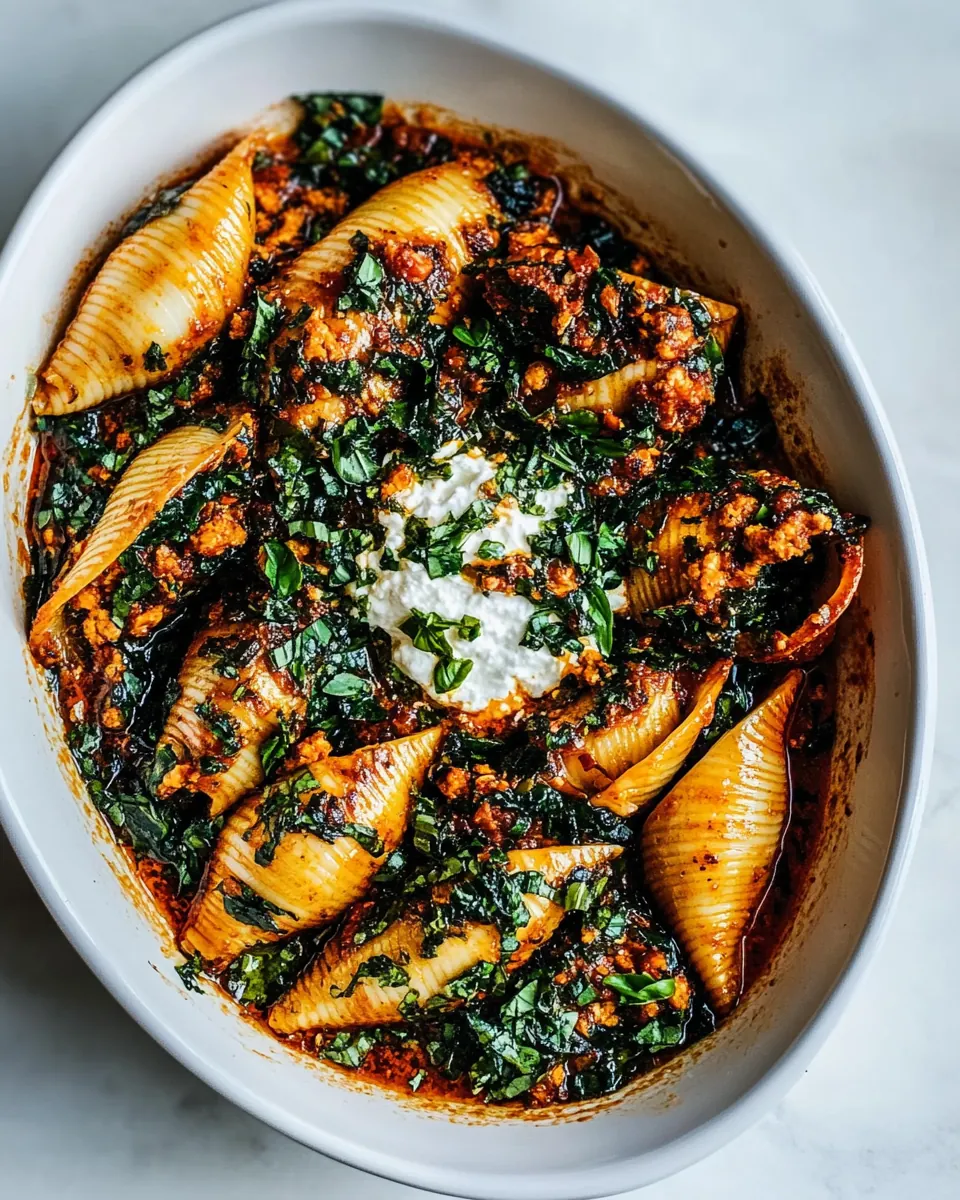
These ingredients come together to create a comforting, layered pasta dish that balances spice, creaminess, and brightness. The key players are the pasta shells, which hold sauce pockets; the savory chicken sausage, which provides depth; and the whipped ricotta, which adds cooling creaminess. Fresh basil and lemon lift the whole plate, while reserved pasta water knits the sauce into a silky coating.
- 1 pound jumbo pasta shells: Boil in salted water until al dente; serve as the hearty base that cradles sauce and whipped ricotta. Provide large cavities that hold flavors and give a comforting, pasta-forward texture to the dish.
- 6 tablespoons extra virgin olive oil: Drizzle generously to create a fruity, aromatic backbone for sautéing aromatics and enriching the tomato sauce. Contribute healthy fats that carry herbs and spices, adding sheen and mouthfeel to the finished plate.
- 1/2 pound ground spicy Italian chicken sausage: Brown thoroughly to render fat and develop deep savory, spicy notes that infuse the sauce; break up while cooking to distribute flavor. Supply protein and a robust, peppery character that complements the herbs and tomatoes.
- 3 shallots, thinly sliced: Slice thinly and soften in oil to add a mild, sweet onion note with delicate texture; sweat until translucent for balanced savoriness. Offer subtle sweetness and body that melds with garlic and tomato paste for depth.
- 3 cloves garlic, finely chopped: Mince finely and sauté briefly to release pungent, aromatic oils that lift the entire sauce. Provide bright, savory pungency that complements herbs and enhances overall flavor complexity.
- 2 teaspoons dried oregano (or 1 tbs fresh oregano): Crush or crumble to evenly release warm, slightly floral Mediterranean flavor; add early in cooking to bloom in the oil. Supply classic Italian herbaceousness that pairs well with tomatoes and sausage.
- 2 teaspoons dried thyme leaves (or 1 tbs fresh thyme): Crumble or sprinkle to bring earthy, slightly floral notes and a subtle savory backbone; add with oregano to balance tomato acidity. Provide aromatic structure that supports greens and basil without overpowering.
- 1 pinch crushed red pepper flakes: Pinch into the sauce to introduce heat and a lingering spicy kick; adjust quantity to personal tolerance. Offer concentrated capsaicin-driven warmth that contrasts the creamy ricotta and bright basil.
- 1 (6 ounce) can tomato paste: Spoon in and cook briefly to add concentrated tomato sweetness and umami, helping thicken the sauce. Deliver rich, concentrated tomato depth that anchors the brighter crushed tomatoes and herbs.
- 1 (14 ounce) can San Marzano tomatoes crushed: Pour in and simmer to contribute bright, balanced tomato flavor and a slightly sweet acidity; crush further if desired for texture. Provide a classic Italian tomato base with smoothness and natural sugars that meld with sausage and herbs.
- kosher salt and black pepper: Season judiciously during cooking to enhance and balance flavors, adjusting to taste at the end. Supply salinity and a subtle peppery finish that lifts all components and harmonizes acidity, fat, and herbs.
- 2 cups chopped greens, such as kale, spinach, or chard: Chop and wilt into the sauce near the end to add color, nutrition, and a slight textural contrast. Provide leafy volume and earthy bitterness that brightens the dish and pairs well with ricotta and lemon.
- 1 cup fresh basil, roughly chopped: Roughly chop and fold in for an intensely aromatic, peppery, and sweet herbal lift that finishes the sauce. Provide vibrant freshness and a classic Italian flavor that complements both tomatoes and ricotta.
- zest and juice of 1 lemon (about 3 tablespoons juice): Zest and squeeze to add bright citrus aromatic oils and tangy acidity, balancing richness and cutting through fat. Provide lively citrus lift and freshness that enlivens the sauce and the whipped ricotta.
- 1 cup whole milk ricotta cheese, whipped in the food processor, if desired: Whip briefly for a light, airy, and creamy component that mellows acidity and adds tang; fold into or dollop atop the shells. Provide lush, milky richness and a smooth counterpoint to the spicy, acidic sauce.
How to Assemble Unstuffed Spicy Tomato Basil Shells with Whipped Ricotta
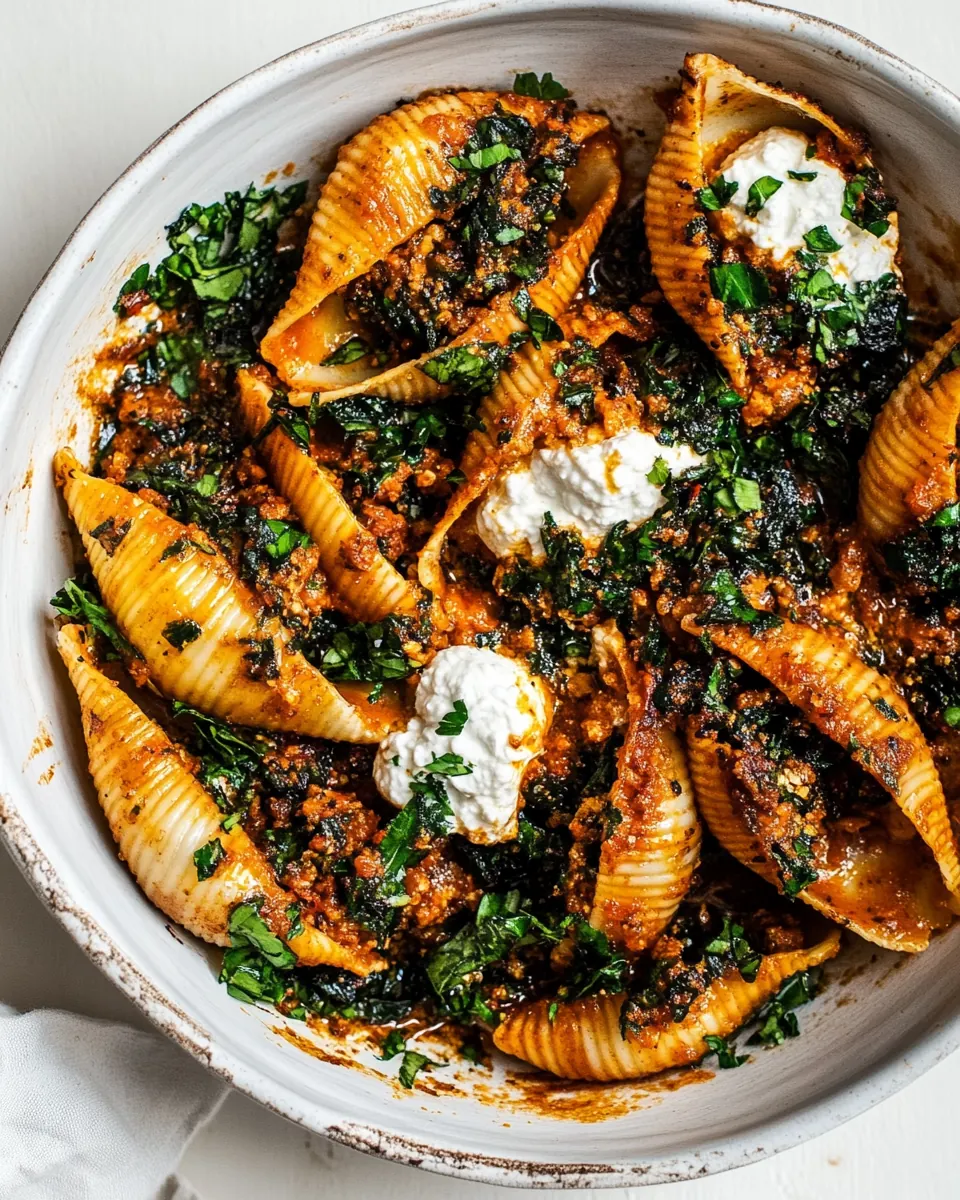
Assembling this dish is a satisfying, sensory-driven process where timing and small details make a big difference. Below you’ll find the cleaned directions expanded into vivid, helpful steps so you can follow along confidently and achieve the best texture and flavor.
- Bring a large pot of salted water to a boil. Add the pasta and cook according to package directions until al dente. Just before draining, remove 1 1/2 cups of the pasta cooking water. Drain. Heat 2 tablespoons olive oil in a large skillet over high heat. When the oil shimmers, add the chicken sausage and brown all over, about 5 to 8 minutes. Reduce the heat to low, add the shallots, garlic, oregano, thyme and a pinch of red pepper flakes. Cook until the shallots begin to caramelize, about 5 minutes. Stir in the tomato paste, cook 2 minutes. Stir in the crushed tomatoes, 1 cup pasta cooking water, and season with salt and pepper. Simmer for 10-15 minutes or until the sauce thickens slightly. Add the greens, stirring until wilted. Taste and adjust seasonings as needed. Add the pasta shells and 1/2 cup basil, tossing to combine. If needed, thin the sauce with additional pasta cooking water. In a small bowl, mix the remaining 1/4 cup olive oil with the remaining 1/2 cup basil, lemon zest, lemon juice, and a pinch of salt. Spread the ricotta cheese into the bottom of each pasta bowl. Spoon the shells and sauce over the ricotta. Drizzle the basil lemon sauce overtop. Serve and enjoy!: The smell of heavily salted boiling water reminds me of the sea, and it is crucial because properly seasoned water flavors the pasta shells from the inside out. You want the water to be vigorously boiling so the shells move freely, avoiding sticking. A common mistake is under salting the water, which results in bland pasta; aim for water that tastes like the sea. Keep an eye on the pot, because once boiling, water can foam up quickly.
- Add the pasta and cook according to package directions until al dente: When the shells are al dente, they should give slightly when bitten, offering pleasant tooth rather than floppiness. The texture will finish cooking a bit when tossed with the sauce, so err toward slightly firmer than you would eat solo. Overcooked shells become mushy and tear when tossed, so set a timer and start tasting a minute or two before the package time.
- Just before draining, remove 1 1/2 cups of the pasta cooking water: This starchy, hot pasta water is a secret helper that emulsifies and thins the sauce while adding cohesion. Scoop it carefully into a heatproof measuring cup so you have it on hand. A frequent slip is not reserving enough water, which can leave the sauce too thick; rescue this by adding small amounts until you get a glossy finish.
- Drain: As you drain the shells, notice how they look glossy and plump rather than lifeless; that shine is a good sign. Drain promptly to stop cooking and prevent them from becoming waterlogged. Avoid rinsing, rinsing washes away surface starch that helps the sauce cling.
- Heat 2 tablespoons olive oil in a large skillet over high heat: When the oil shimmers and moves easily, it is hot enough to brown the sausage and create flavorful fond. You want immediate sizzle on contact; if the oil smokes, lower the heat, because burnt oil will taint the dish. Using the right heat ensures caramelization which builds depth.
- When the oil shimmers, add the chicken sausage and brown all over, about 5 to 8 minutes: Browning creates those tasty browned bits that dissolve into the sauce and intensify savory flavors. Listen for a lively sizzle and watch for golden edges; move the meat occasionally so it browns evenly. A trap is overcrowding the pan, which causes steaming and prevents proper browning, so brown in batches if needed.
- Reduce the heat to low, add the shallots, garlic, oregano, thyme and a pinch of red pepper flakes: Lowering the heat lets the shallots and garlic soften without burning, releasing sweetness and fragrant oils. Stir gently until the shallots begin to caramelize and the herbs smell toasty. Burnt garlic will taste acrid, so add it after the shallots have softened to avoid that bitter note.
- Cook until the shallots begin to caramelize, about 5 minutes: Caramelization brings a honeyed complexity to the sauce; you should see edges turning golden and smell a deep, sweet aroma. Gentle heat and patience are key here, as rushing will keep the shallots raw and sharp. Stir occasionally to avoid uneven browning and to coax out natural sugars.
- Stir in the tomato paste, cook 2 minutes: Heating the tomato paste in the pan deepens its flavor and removes rawness, creating richer, more rounded tomato notes. It will darken slightly and cling to the pan, which is perfect for building the sauce base. Don’t skip this step, as raw paste tastes flat and one dimensional.
- Stir in the crushed tomatoes, 1 cup pasta cooking water, and season with salt and pepper: Adding crushed tomatoes and reserved starchy water creates a luscious, integrated sauce. The pasta water helps bind oil and tomato into a silky emulsion while adding body. Taste and adjust salt and pepper now, because the sauce will concentrate as it simmers; adjust gradually to avoid over seasoning.
- Simmer for 10 to 15 minutes or until the sauce thickens slightly: As the sauce simmers, aromas will intensify and flavors will meld into a cohesive whole. Look for gentle bubbling and a slightly reduced volume, with the sauce coating the back of a spoon. If it reduces too far and becomes pasty, stir in more reserved pasta water slowly until the texture is glossy and saucy again.
- Add the greens, stirring until wilted: Stirring in chopped greens at this point lets them wilt into the sauce, contributing color and an earthy note. They will release some moisture, which also helps loosen the sauce. Overcooking makes greens lifeless and gray, so remove from heat as soon as they are tender and vibrant.
- Taste and adjust seasonings as needed: Now is the moment to balance acidity, salt, and heat. A pinch more salt or a squeeze more lemon juice can elevate the entire dish. Avoid adding too much at once; small adjustments keep the sauce harmonious without overpowering one element.
- Add the pasta shells and 1/2 cup basil, tossing to combine: Tossing combines textures so the shells carry sauce into every bite, and the added chopped basil releases fresh aromatics that brighten the finished plate. Use tongs to gently fold so shells remain intact. If the sauce seems dry, add reserved pasta water a tablespoon at a time until the coating is satiny and even.
- If needed, thin the sauce with additional pasta cooking water: The final texture should be glossy and cling to shells, not pool separately. Adding hot starchy water is the safest way to adjust consistency without diluting flavor. A common misstep is adding plain water which waters down taste, so always use pasta water for thinning.
- In a small bowl, mix the remaining 1/4 cup olive oil with the remaining 1/2 cup basil, lemon zest, lemon juice, and a pinch of salt: This basil lemon oil is an aromatic finishing touch, and its bright acidity awakens the entire dish. Whisk until emulsified and taste for balance, adding salt sparingly. If the lemon is too forward, a little more oil softens it while preserving brightness.
- Spread the ricotta cheese into the bottom of each pasta bowl: The cool whipped ricotta forms a creamy base that contrasts temperature and texture, making the dish feel elevated. Smooth it into a shallow bed so the warm shells sit on top and melt slightly into it. Be gentle to keep bowls neat and inviting.
- Spoon the shells and sauce over the ricotta: As you plate, notice the way steam rises and mingles with the basil oil aroma, signaling a ready dish. The warm sauce ripples over the cool ricotta, creating a luxurious mouthfeel. Plate with care so each serving looks abundant yet balanced.
- Drizzle the basil lemon sauce overtop: The final drizzle adds a bright, herbal finish and a glossy sheen. It should perfume the dish without overwhelming the tomato sauce, so a light hand produces the best results. If you overdo it, the lemon can dominate, so taste as you go.
- Serve and enjoy: This is the reward for careful seasoning and timing, when textures, heat, and brightness are in harmony. Encourage guests to scrape the bowl to get all the ricotta and sauce together, that is part of the joy. If a plate tastes unbalanced, a pinch of salt or a squeeze of lemon can quickly rescue it at the table.
Making Adjustments
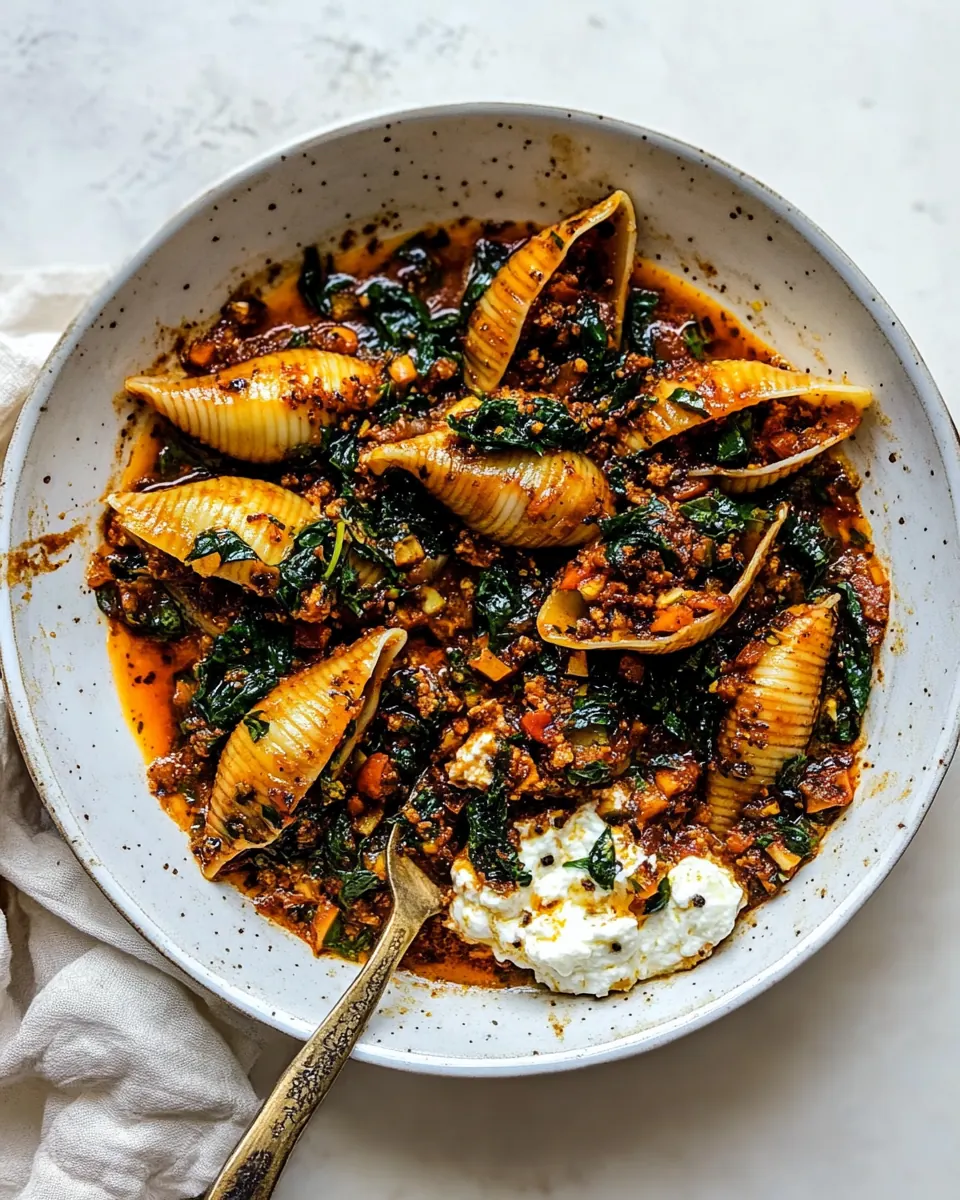
I wrote these adjustments from many dinners where small changes made big improvements. Whether you need to tame the heat, make it vegetarian, or adapt to what you have on hand, these tips will help you keep the dish balanced and vibrant.
- To reduce heat — Use mild Italian chicken sausage or remove the pinch of crushed red pepper flakes. Taste as you go and add a milder spice later if needed, because it is easier to add heat than to remove it.
- To make it vegetarian — Omit the sausage and follow the provided vegetarian spice mix in the notes to create a smoky, savory base. Sauté those aromatics in oil to bloom the spices and build flavor without meat.
- If sauce is too thin — Simmer gently to reduce and concentrate flavors. If you need a quicker fix, stir in a tablespoon of tomato paste to thicken, then adjust seasoning.
- If sauce is too thick — Add reserved hot pasta water a tablespoon at a time until the sauce reaches a glossy, clingy consistency.
- For silkier ricotta — Pulse the ricotta in a food processor with a pinch of salt and a splash of milk until totally smooth; this makes a luxurious base under the shells.
- To boost brightness — Add extra lemon juice to the basil oil in small increments, tasting as you go so the lemon lifts flavors without overpowering them.
- For advance prep — Make the sauce a day ahead and refrigerate. Rewarm gently on the stove and add reserved pasta water to revive the texture before tossing with shells.
How to Enjoy Unstuffed Spicy Tomato Basil Shells with Whipped Ricotta
This dish is versatile and welcoming, suited to casual family dinners and summer entertaining alike. Below are serving ideas, pairing suggestions, storage notes, and seasonal touches to help you present it confidently.
- Serve warm in shallow bowls, with the whipped ricotta spread underneath and the shells spooned on top, allowing guests to swirl the warm sauce into the cool cheese for contrast.
- Pair with a crisp green salad, dressed lightly with lemon and olive oil, to balance the richness of the dish and add fresh textural contrast.
- Offer crusty bread if you want a heartier meal; it is perfect for mopping up the basil lemon oil and tomato sauce left in the bowl.
- Occasions — This works wonderfully for summer dinners, casual weekend lunches, or a relaxed Iftar during Ramadan when you want something comforting but not heavy.
- Leftovers — Store cooled leftovers in an airtight container in the refrigerator for up to three days; reheat gently on the stove with a splash of reserved pasta water to revive sauce texture.
- Make-ahead — Prepare the sauce a day ahead and reheat before tossing with freshly cooked shells; assemble just before serving for best texture.
- Seasonal pairings — In summer, emphasize fresh basil and lemon. In cooler months, add heartier greens like kale to make the dish feel more autumnal.
- Portioning — The recipe yields about six servings, which is great for family dinners or small gatherings where guests serve themselves from bowls.
- Presentation tip — Garnish with a few whole basil leaves and a final drizzle of the basil lemon oil for a bright, restaurant style finish.
FAQ
Conclusion
This recipe shines because it balances spicy, savory tomato sauce with cool whipped ricotta and a bright basil lemon finish. Give it a try—you’ll find it effortless enough for weeknights yet satisfying enough for guests. The layered textures and vivid flavors make every forkful exciting, and small techniques like reserving pasta water and whipping the ricotta make a big difference. I hope this becomes one of your go to recipes when you want something bold, comforting, and unpretentious.
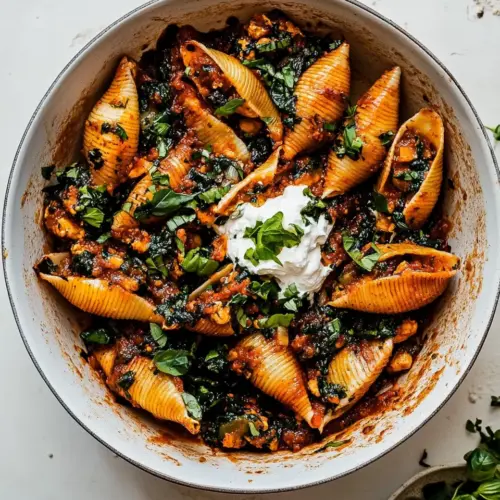
Unstuffed Spicy Tomato Basil Shells with Whipped Ricotta
Equipment
- Large Pot
- Large Skillet
- Food Processor
- Measuring Cup
Ingredients
- 1 pound jumbo pasta shells Boil in salted water until al dente; serve as the hearty base that cradles sauce and whipped ricotta. Provide large cavities that hold flavors and give a comforting, pasta-forward texture to the dish.
- 6 tablespoons extra virgin olive oil Drizzle generously to create a fruity, aromatic backbone for sautéing aromatics and enriching the tomato sauce. Contribute healthy fats that carry herbs and spices, adding sheen and mouthfeel to the finished plate.
- 1/2 pound ground spicy Italian chicken sausage Brown thoroughly to render fat and develop deep savory, spicy notes that infuse the sauce; break up while cooking to distribute flavor. Supply protein and a robust, peppery character that complements the herbs and tomatoes.
- 3 shallots, thinly sliced Slice thinly and soften in oil to add a mild, sweet onion note with delicate texture; sweat until translucent for balanced savoriness. Offer subtle sweetness and body that melds with garlic and tomato paste for depth.
- 3 cloves garlic, finely chopped Mince finely and sauté briefly to release pungent, aromatic oils that lift the entire sauce. Provide bright, savory pungency that complements herbs and enhances overall flavor complexity.
- 2 teaspoons dried oregano (or 1 tbs fresh oregano) Crush or crumble to evenly release warm, slightly floral Mediterranean flavor; add early in cooking to bloom in the oil. Supply classic Italian herbaceousness that pairs well with tomatoes and sausage.
- 2 teaspoons dried thyme leaves (or 1 tbs fresh thyme) Crumble or sprinkle to bring earthy, slightly floral notes and a subtle savory backbone; add with oregano to balance tomato acidity. Provide aromatic structure that supports greens and basil without overpowering.
- 1 pinch crushed red pepper flakes Pinch into the sauce to introduce heat and a lingering spicy kick; adjust quantity to personal tolerance. Offer concentrated capsaicin-driven warmth that contrasts the creamy ricotta and bright basil.
- 1 (6 ounce) can tomato paste Spoon in and cook briefly to add concentrated tomato sweetness and umami, helping thicken the sauce. Deliver rich, concentrated tomato depth that anchors the brighter crushed tomatoes and herbs.
- 1 (14 ounce) can San Marzano tomatoes crushed Pour in and simmer to contribute bright, balanced tomato flavor and a slightly sweet acidity; crush further if desired for texture. Provide a classic Italian tomato base with smoothness and natural sugars that meld with sausage and herbs.
- kosher salt and black pepper Season judiciously during cooking to enhance and balance flavors, adjusting to taste at the end. Supply salinity and a subtle peppery finish that lifts all components and harmonizes acidity, fat, and herbs.
- 2 cups chopped greens, such as kale, spinach, or chard Chop and wilt into the sauce near the end to add color, nutrition, and a slight textural contrast. Provide leafy volume and earthy bitterness that brightens the dish and pairs well with ricotta and lemon.
- 1 cup fresh basil, roughly chopped Roughly chop and fold in for an intensely aromatic, peppery, and sweet herbal lift that finishes the sauce. Provide vibrant freshness and a classic Italian flavor that complements both tomatoes and ricotta.
- zest and juice of 1 lemon (about 3 tablespoons juice) Zest and squeeze to add bright citrus aromatic oils and tangy acidity, balancing richness and cutting through fat. Provide lively citrus lift and freshness that enlivens the sauce and the whipped ricotta.
- 1 cup whole milk ricotta cheese, whipped in the food processor, if desired Whip briefly for a light, airy, and creamy component that mellows acidity and adds tang; fold into or dollop atop the shells. Provide lush, milky richness and a smooth counterpoint to the spicy, acidic sauce.
Instructions
- Bring a large pot of salted water to a boil. Add the pasta and cook according to package directions until al dente. Just before draining, remove 1 1/2 cups of the pasta cooking water. Drain. Heat 2 tablespoons olive oil in a large skillet over high heat. When the oil shimmers, add the chicken sausage and brown all over, about 5 to 8 minutes. Reduce the heat to low, add the shallots, garlic, oregano, thyme and a pinch of red pepper flakes. Cook until the shallots begin to caramelize, about 5 minutes. Stir in the tomato paste, cook 2 minutes. Stir in the crushed tomatoes, 1 cup pasta cooking water, and season with salt and pepper. Simmer for 10-15 minutes or until the sauce thickens slightly. Add the greens, stirring until wilted. Taste and adjust seasonings as needed. Add the pasta shells and 1/2 cup basil, tossing to combine. If needed, thin the sauce with additional pasta cooking water. In a small bowl, mix the remaining 1/4 cup olive oil with the remaining 1/2 cup basil, lemon zest, lemon juice, and a pinch of salt. Spread the ricotta cheese into the bottom of each pasta bowl. Spoon the shells and sauce over the ricotta. Drizzle the basil lemon sauce overtop. Serve and enjoy!: The smell of heavily salted boiling water reminds me of the sea, and it is crucial because properly seasoned water flavors the pasta shells from the inside out. You want the water to be vigorously boiling so the shells move freely, avoiding sticking. A common mistake is under salting the water, which results in bland pasta; aim for water that tastes like the sea. Keep an eye on the pot, because once boiling, water can foam up quickly.
- Add the pasta and cook according to package directions until al dente: When the shells are al dente, they should give slightly when bitten, offering pleasant tooth rather than floppiness. The texture will finish cooking a bit when tossed with the sauce, so err toward slightly firmer than you would eat solo. Overcooked shells become mushy and tear when tossed, so set a timer and start tasting a minute or two before the package time.
- Just before draining, remove 1 1/2 cups of the pasta cooking water: This starchy, hot pasta water is a secret helper that emulsifies and thins the sauce while adding cohesion. Scoop it carefully into a heatproof measuring cup so you have it on hand. A frequent slip is not reserving enough water, which can leave the sauce too thick; rescue this by adding small amounts until you get a glossy finish.
- Drain: As you drain the shells, notice how they look glossy and plump rather than lifeless; that shine is a good sign. Drain promptly to stop cooking and prevent them from becoming waterlogged. Avoid rinsing, rinsing washes away surface starch that helps the sauce cling.
- Heat 2 tablespoons olive oil in a large skillet over high heat: When the oil shimmers and moves easily, it is hot enough to brown the sausage and create flavorful fond. You want immediate sizzle on contact; if the oil smokes, lower the heat, because burnt oil will taint the dish. Using the right heat ensures caramelization which builds depth.
- When the oil shimmers, add the chicken sausage and brown all over, about 5 to 8 minutes: Browning creates those tasty browned bits that dissolve into the sauce and intensify savory flavors. Listen for a lively sizzle and watch for golden edges; move the meat occasionally so it browns evenly. A trap is overcrowding the pan, which causes steaming and prevents proper browning, so brown in batches if needed.
- Reduce the heat to low, add the shallots, garlic, oregano, thyme and a pinch of red pepper flakes: Lowering the heat lets the shallots and garlic soften without burning, releasing sweetness and fragrant oils. Stir gently until the shallots begin to caramelize and the herbs smell toasty. Burnt garlic will taste acrid, so add it after the shallots have softened to avoid that bitter note.
- Cook until the shallots begin to caramelize, about 5 minutes: Caramelization brings a honeyed complexity to the sauce; you should see edges turning golden and smell a deep, sweet aroma. Gentle heat and patience are key here, as rushing will keep the shallots raw and sharp. Stir occasionally to avoid uneven browning and to coax out natural sugars.
- Stir in the tomato paste, cook 2 minutes: Heating the tomato paste in the pan deepens its flavor and removes rawness, creating richer, more rounded tomato notes. It will darken slightly and cling to the pan, which is perfect for building the sauce base. Don’t skip this step, as raw paste tastes flat and one dimensional.
- Stir in the crushed tomatoes, 1 cup pasta cooking water, and season with salt and pepper: Adding crushed tomatoes and reserved starchy water creates a luscious, integrated sauce. The pasta water helps bind oil and tomato into a silky emulsion while adding body. Taste and adjust salt and pepper now, because the sauce will concentrate as it simmers; adjust gradually to avoid over seasoning.
- Simmer for 10 to 15 minutes or until the sauce thickens slightly: As the sauce simmers, aromas will intensify and flavors will meld into a cohesive whole. Look for gentle bubbling and a slightly reduced volume, with the sauce coating the back of a spoon. If it reduces too far and becomes pasty, stir in more reserved pasta water slowly until the texture is glossy and saucy again.
- Add the greens, stirring until wilted: Stirring in chopped greens at this point lets them wilt into the sauce, contributing color and an earthy note. They will release some moisture, which also helps loosen the sauce. Overcooking makes greens lifeless and gray, so remove from heat as soon as they are tender and vibrant.
- Taste and adjust seasonings as needed: Now is the moment to balance acidity, salt, and heat. A pinch more salt or a squeeze more lemon juice can elevate the entire dish. Avoid adding too much at once; small adjustments keep the sauce harmonious without overpowering one element.
- Add the pasta shells and 1/2 cup basil, tossing to combine: Tossing combines textures so the shells carry sauce into every bite, and the added chopped basil releases fresh aromatics that brighten the finished plate. Use tongs to gently fold so shells remain intact. If the sauce seems dry, add reserved pasta water a tablespoon at a time until the coating is satiny and even.
- If needed, thin the sauce with additional pasta cooking water: The final texture should be glossy and cling to shells, not pool separately. Adding hot starchy water is the safest way to adjust consistency without diluting flavor. A common misstep is adding plain water which waters down taste, so always use pasta water for thinning.
- In a small bowl, mix the remaining 1/4 cup olive oil with the remaining 1/2 cup basil, lemon zest, lemon juice, and a pinch of salt: This basil lemon oil is an aromatic finishing touch, and its bright acidity awakens the entire dish. Whisk until emulsified and taste for balance, adding salt sparingly. If the lemon is too forward, a little more oil softens it while preserving brightness.
- Spread the ricotta cheese into the bottom of each pasta bowl: The cool whipped ricotta forms a creamy base that contrasts temperature and texture, making the dish feel elevated. Smooth it into a shallow bed so the warm shells sit on top and melt slightly into it. Be gentle to keep bowls neat and inviting.
- Spoon the shells and sauce over the ricotta: As you plate, notice the way steam rises and mingles with the basil oil aroma, signaling a ready dish. The warm sauce ripples over the cool ricotta, creating a luxurious mouthfeel. Plate with care so each serving looks abundant yet balanced.
- Drizzle the basil lemon sauce overtop: The final drizzle adds a bright, herbal finish and a glossy sheen. It should perfume the dish without overwhelming the tomato sauce, so a light hand produces the best results. If you overdo it, the lemon can dominate, so taste as you go.
- Serve and enjoy: This is the reward for careful seasoning and timing, when textures, heat, and brightness are in harmony. Encourage guests to scrape the bowl to get all the ricotta and sauce together, that is part of the joy. If a plate tastes unbalanced, a pinch of salt or a squeeze of lemon can quickly rescue it at the table.
Notes
- To reduce heat — Use mild Italian chicken sausage or remove the pinch of crushed red pepper flakes. Taste as you go and add a milder spice later if needed, because it is easier to add heat than to remove it.
- To make it vegetarian — Omit the sausage and follow the provided vegetarian spice mix in the notes to create a smoky, savory base. Sauté those aromatics in oil to bloom the spices and build flavor without meat.
- If sauce is too thin — Simmer gently to reduce and concentrate flavors. If you need a quicker fix, stir in a tablespoon of tomato paste to thicken, then adjust seasoning.
- If sauce is too thick — Add reserved hot pasta water a tablespoon at a time until the sauce reaches a glossy, clingy consistency.
- For silkier ricotta — Pulse the ricotta in a food processor with a pinch of salt and a splash of milk until totally smooth; this makes a luxurious base under the shells.
- To boost brightness — Add extra lemon juice to the basil oil in small increments, tasting as you go so the lemon lifts flavors without overpowering them.
- For advance prep — Make the sauce a day ahead and refrigerate. Rewarm gently on the stove and add reserved pasta water to revive the texture before tossing with shells.
