Hot and Sour Soup
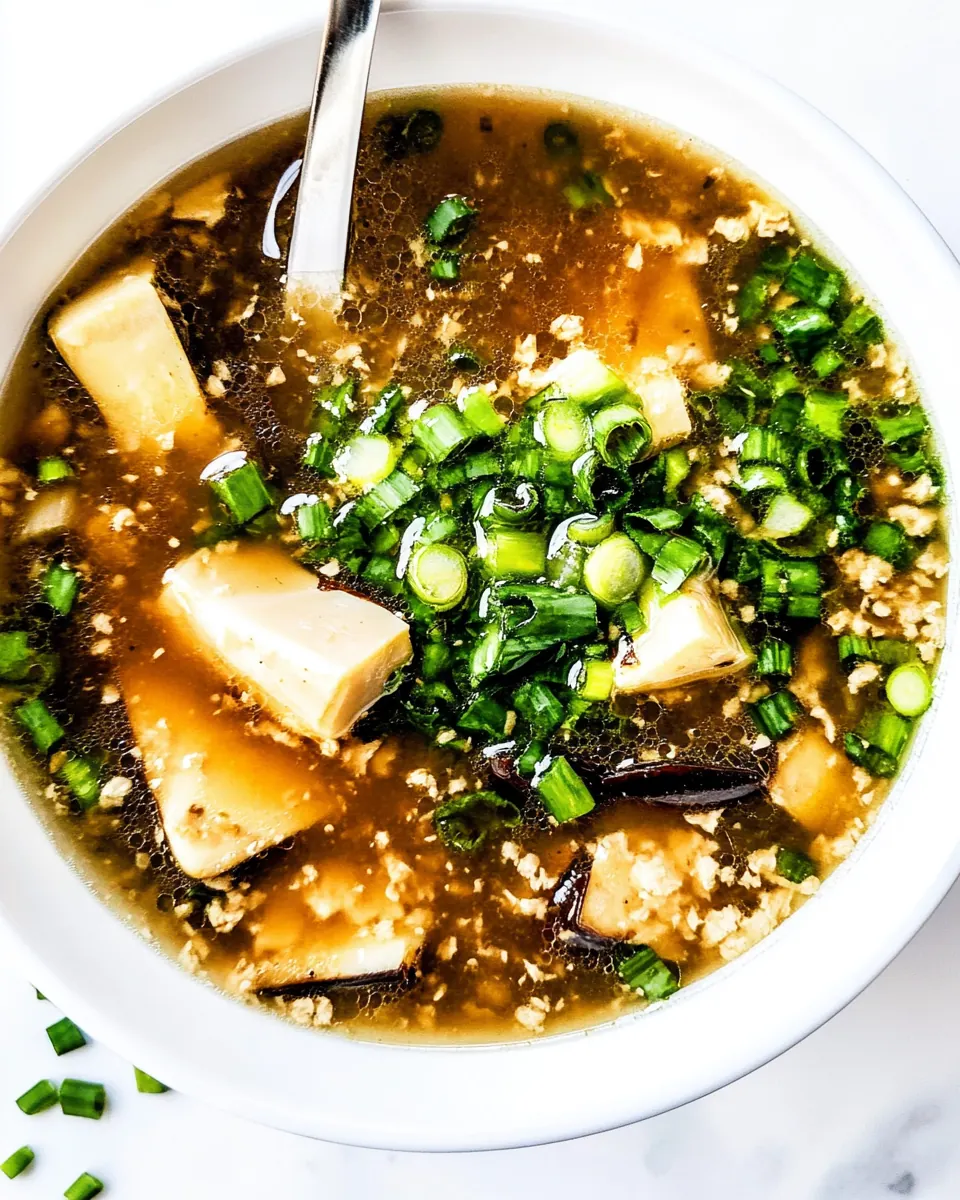
Hot and Sour Soup has always been the bowl I reach for when the house feels chilly and conversation needs coaxing, because its warming tang and lively heat seem to nudge everyone into a better mood.
I first learned to make Hot and Sour Soup on a rainy evening, standing at my grandmother’s counter as she fussed over a modest pot, teaching me how a few humble pantry items can turn into something deeply comforting. I remember the steam fogging the window, the scent of chicken broth rising like an invitation, and how each spoonful balanced sharpness, savor, and a snappy texture that kept me coming back for more.
Over the years I’ve tweaked the balance of vinegar and pepper, learned to coax the perfect egg threads, and found joy in very small rituals, like soaking the mushrooms slowly so they keep their chewy bounce. When I serve Hot and Sour Soup now, I try to replicate that gentle ceremony, stirring patiently, tasting often, and sharing stories across the table. It is food that feels like care in a bowl, simple to assemble yet layered enough to feel special.
Recipe Snapshot
1 hr 5 mins
40 mins
25 mins
Medium
150 kcal
Asian
Gluten-Free, Vegan
Soups
3 quart saucepan, Small bowl, Whisk
The Beauty of This Hot and Sour Soup
Bright, Balanced Flavor
I love how Hot and Sour Soup hits multiple taste notes without any one of them overpowering the others. The rice vinegar brings brightness that lifts the chicken broth, while the white pepper adds a subtle heat that warms your sinuses rather than knocking you flat. This interplay keeps me interested through each spoonful.
Textural Play
Texture is everything to me in a comforting soup. The combination of chewy shiitake mushrooms, tender tofu, and delicate egg ribbons creates contrast that makes every bite engaging. I find that when the components are treated with care, each mouthful feels thoughtfully composed.
Flexible and Approachable
I appreciate how forgiving this recipe is. You can soak the mushrooms a little longer or chop the onion finer and the soup still turns out great. That forgiving nature makes it a dependable choice for busy weeknights, when I want something nourishing but not fussy.
Fast Comfort
Although it takes a bit of hands on attention, the payoff is immediate. The soup comes together quickly once the soaking is done, and the thicken-again step with cornstarch gives the broth a satisfying body. For me, it reads as comfort food that respects time, which is why I return to it so often.
Memories and Warmth
Finally, Hot and Sour Soup is sentimental. Each ingredient reminds me of a small lesson in the kitchen, from proper mushroom soaking to the rhythm of slowly drizzling the beaten egg. It is a recipe that creates quiet rituals, and that is a big part of why I love making it.
Ingredients to Make Hot and Sour Soup
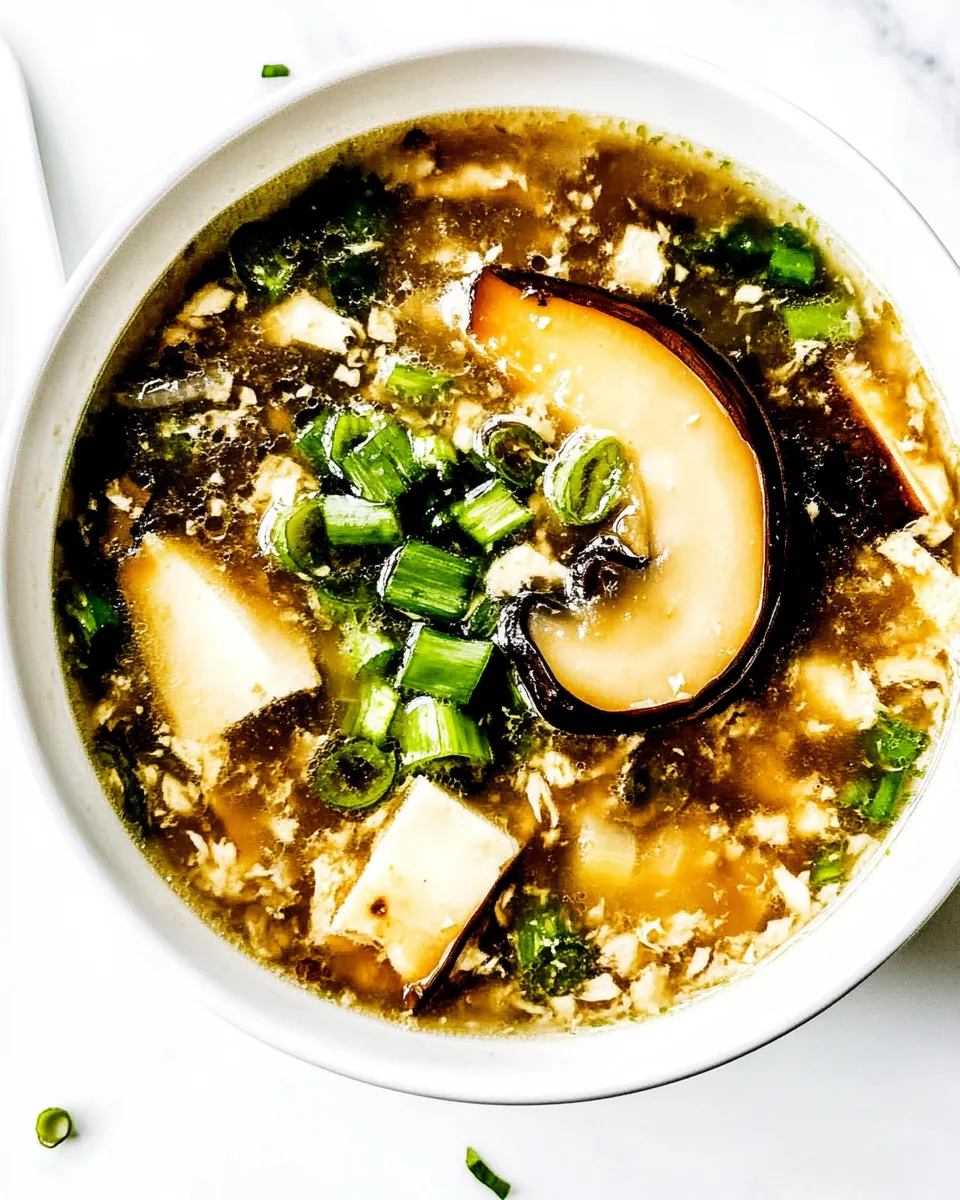
These ingredients form a simple, purposeful team. The broth sets the savory stage, the mushrooms and tofu supply texture and body, and the rice vinegar and spices bring the signature hot and sour lift. I focus on quality for the key players, especially the shiitake mushrooms and chicken broth, because they shape the depth of flavor in the finished bowl.
- 6 dried shiitake mushrooms: Rehydrate to regain texture and concentrated umami; soak in warm water for 20–30 minutes, then slice thinly and add to the soup for earthy depth.
- 2 3 small wood ear mushrooms, () (optional): Optional add-in to provide a slightly crunchy, gelatinous texture; hydrate briefly, slice into thin strips, and stir in toward the end for contrast.
- 3 tablespoons cornstarch: Thicken to create a glossy, velvety broth; whisk with cold water to make a slurry before adding to the simmering soup to avoid lumps.
- cup water: Measure to adjust consistency precisely; use to dissolve the cornstarch slurry and moderate the soup’s thickness for desired mouthfeel.
- 2 tablespoons canola or vegetable oil: Sauté for a neutral frying medium that allows aromatics to soften without overpowering; heat until shimmering before cooking onions and mushrooms.
- 1 small yellow onion, finely chopped: Sweat finely chopped to build sweet aromatic layers; cook gently until translucent to release sugars and form the flavor base of the soup.
- 6 cups chicken broth: Simmer as the flavorful liquid backbone; use to poach mushrooms, tofu, and aromatics while carrying savory depth throughout the dish.
- 1 cup firm tofu, drained and diced into 1/4-inch cubes: Cube for a tender protein component that absorbs flavors; drain and dice into small cubes, then gently simmer in the broth to warm through.
- 4 tablespoons rice vinegar: Acidify to brighten and balance savory and spicy notes; stir in near the end to preserve its tang and lift the overall flavor profile.
- 1 tablespoon soy sauce: Season to contribute savory, salty, and umami notes; add during cooking to deepen the broth and adjust to taste for balanced seasoning.
- 1 egg, beaten: Enrich by creating delicate ribbons and silk in the hot broth; beat well and drizzle slowly while stirring to set into soft strands.
- 1 teaspoon toasted sesame oil: Finish with a nutty aroma and subtle richness; add a small amount off the heat to preserve its aromatic quality and enhance flavor depth.
- 1/4 teaspoon Kosher salt: Season sparingly to control overall saltiness and enhance other flavors; add a measured amount and adjust after tasting the finished soup.
- teaspoon ground white pepper: Spice lightly to impart warm, aromatic heat without black pepper’s sharpness; add a small measured amount and taste to avoid overpowering.
- 2 3 green onions, chopped for garnish: Garnish to add fresh, mild oniony crunch and color; chop and sprinkle over bowls just before serving for a bright finishing touch.
Cooking Method for Hot and Sour Soup
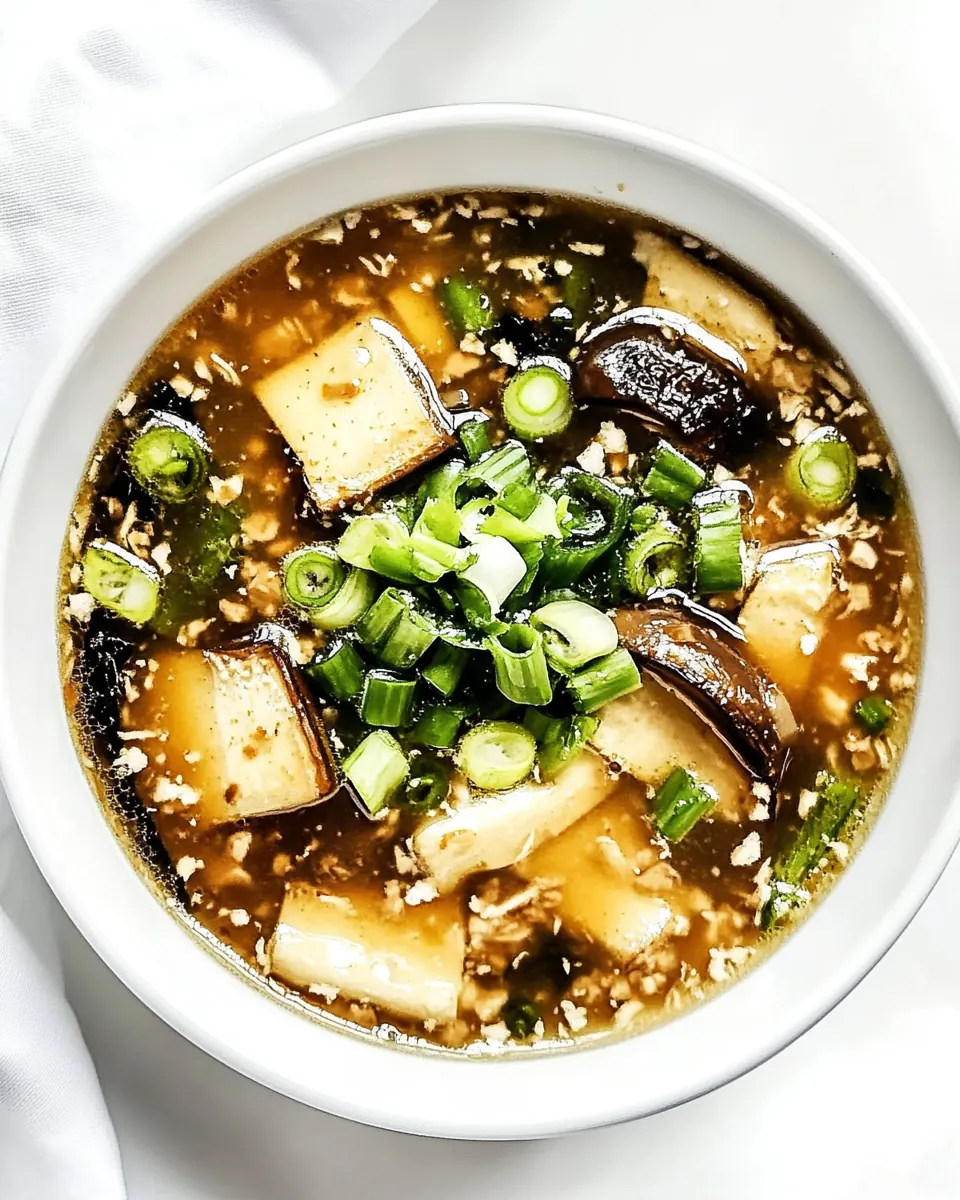
Let me walk you through the method in a relaxed way so the steps feel manageable. The rhythm here is soaking, building a flavored broth, thickening, and finishing with delicate egg ribbons. Pay attention to sensory cues and taste as you go, because small adjustments make a big difference.
- Place the dried shiitake and wood ear mushrooms (if using) in a small bowl. Cover with hot water and soak for about 30 minutes. Squeeze the mushrooms dry, reserving the soaking water. Cut off the shiitake mushroom stems, discard, and slice the mushroom caps. Trim away any tough stems from the wood ears, and finely chop.: You will notice an earthy aroma rising as the mushrooms rehydrate, and the soaking water darkens with umami. This soaking step unlocks intense mushroom flavor and softens the texture so they integrate well into the broth. A common mistake is rushing the soak, which leaves the mushrooms tough, so make time for the full soak. After squeezing them dry, reserve the soaking liquid, strain it to remove grit, and use it to deepen the broth, because that liquid concentrates the mushroom essence.
- In a small bowl, add the cornstarch and mix in the water to make a smooth paste.: The slurry should be completely smooth and glossy, without lumps, which you can feel as a uniform texture when you stir. If the paste has lumps, the broth will get cloudy and grainy, so whisk until silky. Use cool water to disperse the starch evenly; warm water encourages premature thickening. A troubleshooting tip, if it appears too thick, add a splash more water and stir, because the right consistency will thicken the soup without making it gummy.
- In a 3 quart saucepan, heat the oil over medium. Add the onion and cook until soft, 3-5 minutes. Add the chicken broth, mushrooms, wood ears, and soaking water. Bring to a boil, then reduce to a simmer for 15 minutes.: As the onion sweats, you'll smell a gentle sweetness that builds the soup's foundation. When you pour in the chicken broth and reserved mushroom liquid, the steam carries savory, rounded notes. Bringing to a boil then reducing to a simmer extracts flavor and allows the mushrooms to finish tenderizing; you should see small bubbles and a calm simmer. Avoid a rolling boil for too long because it can toughen ingredients. If the soup tastes flat after simmering, a pinch of salt or a splash more soy sauce can bring it to life.
- Stir in the cornstarch paste, and cook for 3 minutes to thicken. Add the beancurd, rice vinegar, soy sauce, kosher salt, and white pepper.: After you stir in the slurry you will notice the broth become glossy and slightly viscous within minutes, clinging to the tofu and mushrooms. This mouthfeel gives the soup a luxurious presence. Stir gently and keep the simmer steady, because high heat can break the starch down and make the texture thin again. A common error is adding the slurry too quickly, which can create lumps, so pour in slowly while whisking or stirring. Taste after adding the vinegar and soy sauce, and balance acid and salt gradually, because rice vinegar can brighten strongly.
- Bring the soup to a lazy boil then drizzle in the beaten egg letting it drop through a whisk to make threads in the soup. Stir in the sesame oil and serve with chopped green onion on top.: As the soup returns to a gentle boil you will see steam and small rolling bubbles, the perfect moment to add the beaten egg . Drizzling it through a whisk creates fine ribbons that cook instantly and add silky texture. The final stir of toasted sesame oil releases a fragrant nutty note that lifts the whole pot. Avoid pouring the egg too fast, which yields clumps instead of threads; a steady drizzle ensures elegance. Garnish with the chopped green onions right before serving so they stay bright and slightly crisp, adding a fresh contrast to the warm, rich broth.
Expert Tips about Hot and Sour Soup
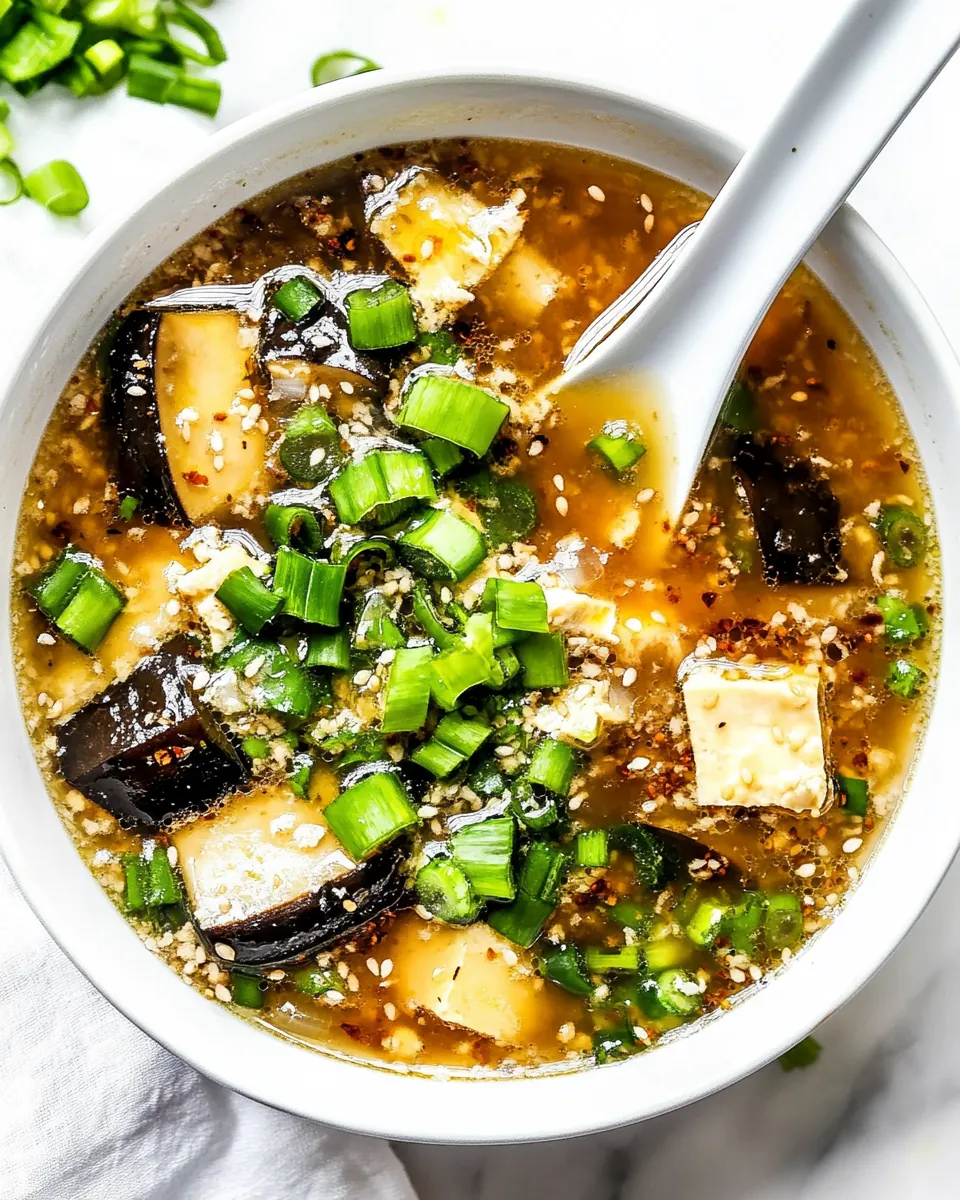
I like to share practical tips that improve the soup without complicating it. These are the small adjustments I use every time to ensure consistent results and maximum flavor. Treat these as helpful nudges rather than strict rules, because small experiments are how you make the recipe your own.
- Soak Time Matters Allow the dried shiitake mushrooms to soak for at least 30 minutes in hot water so they rehydrate fully and release concentrated umami into their soaking liquid, which you should reserve and strain to add back to the broth for depth.
- Make a Silky Slurry Mix the 3 tablespoons of cornstarch with cool water until perfectly smooth, because a well dispersed slurry prevents lumps and yields a glossy, clingy broth that enhances the mouthfeel.
- Control the Sour Add the 4 tablespoons of rice vinegar gradually and taste as you go, because acidity transforms the soup quickly and you want to balance brightness with the savory elements, adjusting in small increments.
- Egg Technique Pour the beaten egg in a thin stream through a whisk into a gently boiling surface to create fine ribbons; pouring too quickly leads to curds instead of threads so steady motion is key.
- Finish with Sesame Stir in 1 teaspoon of toasted sesame oil at the end for an aromatic lift that does not cook off, because its oil soluble flavors shine brightest when added off heat.
Perfect Pairings for Hot and Sour Soup
This section explains ways to serve the soup and what to pair it with to create a balanced meal. Think about texture contrasts and occasions when a warm, tangy bowl fits the mood. Use the list below to plan sides, gatherings, or storage strategies.
- Light Rice or Noodles Serve the soup alongside a bowl of plain steamed rice or simple noodles to make the meal more filling, because the rice soaks up the flavorful broth while keeping the soup the main focal point.
- Vegetable Sides Pair with lightly sautéed greens or a crisp cucumber salad for contrast, which adds fresh crunch and balances the soup’s warm, vinegary notes, making it suitable for a lighter lunch or dinner.
- Casual Dinner Occasion This soup makes a great starter for an informal dinner, or it works well as the main course on a cold night when you want something restorative and easy to finish alone or for family style dining.
- Ramadan and Comfort Nights Hot and Sour Soup is well suited for breaking a fast or serving during chilly evenings because it is gentle on the stomach yet deeply satisfying, offering warmth and flavor without heaviness.
- Storage Tips Cool the soup to room temperature, store it covered in the refrigerator for up to three days, and reheat gently over medium heat, stirring to reincorporate any settled starch, because aggressive reheating can alter texture.
- Seasonal Pairing In colder months like winter, this bowl is especially welcome because the warm broth and peppery aroma feel restorative; use it as a weekly go to when you want something both quick and nourishing.
FAQ
Conclusion
What makes this recipe special is how a handful of simple ingredients come together to produce deep, layered flavor and comforting warmth. I encourage you to try Hot and Sour Soup for a cozy meal that is both quick to finish and rich in personality. Enjoy the ritual of soaking the mushrooms and the satisfying moment when the egg drifts into silky ribbons, and let the bowl become one of your dependable go to comfort foods.
Hot and Sour Soup
Equipment
- 3 quart saucepan
- Small Bowl
- Whisk
Ingredients
- 6 dried shiitake mushrooms Rehydrate to regain texture and concentrated umami; soak in warm water for 20–30 minutes, then slice thinly and add to the soup for earthy depth.
- 2 -3 small wood ear mushrooms, (optional) Optional add-in to provide a slightly crunchy, gelatinous texture; hydrate briefly, slice into thin strips, and stir in toward the end for contrast.
- 3 tablespoons cornstarch Thicken to create a glossy, velvety broth; whisk with cold water to make a slurry before adding to the simmering soup to avoid lumps.
- cup water Measure to adjust consistency precisely; use to dissolve the cornstarch slurry and moderate the soup’s thickness for desired mouthfeel.
- 2 tablespoons canola or vegetable oil Sauté for a neutral frying medium that allows aromatics to soften without overpowering; heat until shimmering before cooking onions and mushrooms.
- 1 small yellow onion, finely chopped Sweat finely chopped to build sweet aromatic layers; cook gently until translucent to release sugars and form the flavor base of the soup.
- 6 cups chicken broth Simmer as the flavorful liquid backbone; use to poach mushrooms, tofu, and aromatics while carrying savory depth throughout the dish.
- 1 cup firm tofu, drained and diced into 1/4-inch cubes Cube for a tender protein component that absorbs flavors; drain and dice into small cubes, then gently simmer in the broth to warm through.
- 4 tablespoons rice vinegar Acidify to brighten and balance savory and spicy notes; stir in near the end to preserve its tang and lift the overall flavor profile.
- 1 tablespoon soy sauce Season to contribute savory, salty, and umami notes; add during cooking to deepen the broth and adjust to taste for balanced seasoning.
- 1 egg, beaten Enrich by creating delicate ribbons and silk in the hot broth; beat well and drizzle slowly while stirring to set into soft strands.
- 1 teaspoon toasted sesame oil Finish with a nutty aroma and subtle richness; add a small amount off the heat to preserve its aromatic quality and enhance flavor depth.
- 1/4 teaspoon Kosher salt Season sparingly to control overall saltiness and enhance other flavors; add a measured amount and adjust after tasting the finished soup.
- teaspoon ground white pepper Spice lightly to impart warm, aromatic heat without black pepper’s sharpness; add a small measured amount and taste to avoid overpowering.
- 2 -3 green onions, chopped for garnish Garnish to add fresh, mild oniony crunch and color; chop and sprinkle over bowls just before serving for a bright finishing touch.
Instructions
- Place the dried shiitake and wood ear mushrooms (if using) in a small bowl. Cover with hot water and soak for about 30 minutes. Squeeze the mushrooms dry, reserving the soaking water. Cut off the shiitake mushroom stems, discard, and slice the mushroom caps. Trim away any tough stems from the wood ears, and finely chop.: You will notice an earthy aroma rising as the mushrooms rehydrate, and the soaking water darkens with umami. This soaking step unlocks intense mushroom flavor and softens the texture so they integrate well into the broth. A common mistake is rushing the soak, which leaves the mushrooms tough, so make time for the full soak. After squeezing them dry, reserve the soaking liquid, strain it to remove grit, and use it to deepen the broth, because that liquid concentrates the mushroom essence.
- In a small bowl, add the cornstarch and mix in the water to make a smooth paste.: The slurry should be completely smooth and glossy, without lumps, which you can feel as a uniform texture when you stir. If the paste has lumps, the broth will get cloudy and grainy, so whisk until silky. Use cool water to disperse the starch evenly; warm water encourages premature thickening. A troubleshooting tip, if it appears too thick, add a splash more water and stir, because the right consistency will thicken the soup without making it gummy.
- In a 3 quart saucepan, heat the oil over medium. Add the onion and cook until soft, 3-5 minutes. Add the chicken broth, mushrooms, wood ears, and soaking water. Bring to a boil, then reduce to a simmer for 15 minutes.: As the onion sweats, you'll smell a gentle sweetness that builds the soup's foundation. When you pour in the chicken broth and reserved mushroom liquid, the steam carries savory, rounded notes. Bringing to a boil then reducing to a simmer extracts flavor and allows the mushrooms to finish tenderizing; you should see small bubbles and a calm simmer. Avoid a rolling boil for too long because it can toughen ingredients. If the soup tastes flat after simmering, a pinch of salt or a splash more soy sauce can bring it to life.
- Stir in the cornstarch paste, and cook for 3 minutes to thicken. Add the beancurd, rice vinegar, soy sauce, kosher salt, and white pepper.: After you stir in the slurry you will notice the broth become glossy and slightly viscous within minutes, clinging to the tofu and mushrooms. This mouthfeel gives the soup a luxurious presence. Stir gently and keep the simmer steady, because high heat can break the starch down and make the texture thin again. A common error is adding the slurry too quickly, which can create lumps, so pour in slowly while whisking or stirring. Taste after adding the vinegar and soy sauce, and balance acid and salt gradually, because rice vinegar can brighten strongly.
- Bring the soup to a lazy boil then drizzle in the beaten egg letting it drop through a whisk to make threads in the soup. Stir in the sesame oil and serve with chopped green onion on top.: As the soup returns to a gentle boil you will see steam and small rolling bubbles, the perfect moment to add the beaten egg . Drizzling it through a whisk creates fine ribbons that cook instantly and add silky texture. The final stir of toasted sesame oil releases a fragrant nutty note that lifts the whole pot. Avoid pouring the egg too fast, which yields clumps instead of threads; a steady drizzle ensures elegance. Garnish with the chopped green onions right before serving so they stay bright and slightly crisp, adding a fresh contrast to the warm, rich broth.
Notes
- Soak Time Matters Allow the dried shiitake mushrooms to soak for at least 30 minutes in hot water so they rehydrate fully and release concentrated umami into their soaking liquid, which you should reserve and strain to add back to the broth for depth.
- Make a Silky Slurry Mix the 3 tablespoons of cornstarch with cool water until perfectly smooth, because a well dispersed slurry prevents lumps and yields a glossy, clingy broth that enhances the mouthfeel.
- Control the Sour Add the 4 tablespoons of rice vinegar gradually and taste as you go, because acidity transforms the soup quickly and you want to balance brightness with the savory elements, adjusting in small increments.
- Egg Technique Pour the beaten egg in a thin stream through a whisk into a gently boiling surface to create fine ribbons; pouring too quickly leads to curds instead of threads so steady motion is key.
- Finish with Sesame Stir in 1 teaspoon of toasted sesame oil at the end for an aromatic lift that does not cook off, because its oil soluble flavors shine brightest when added off heat.