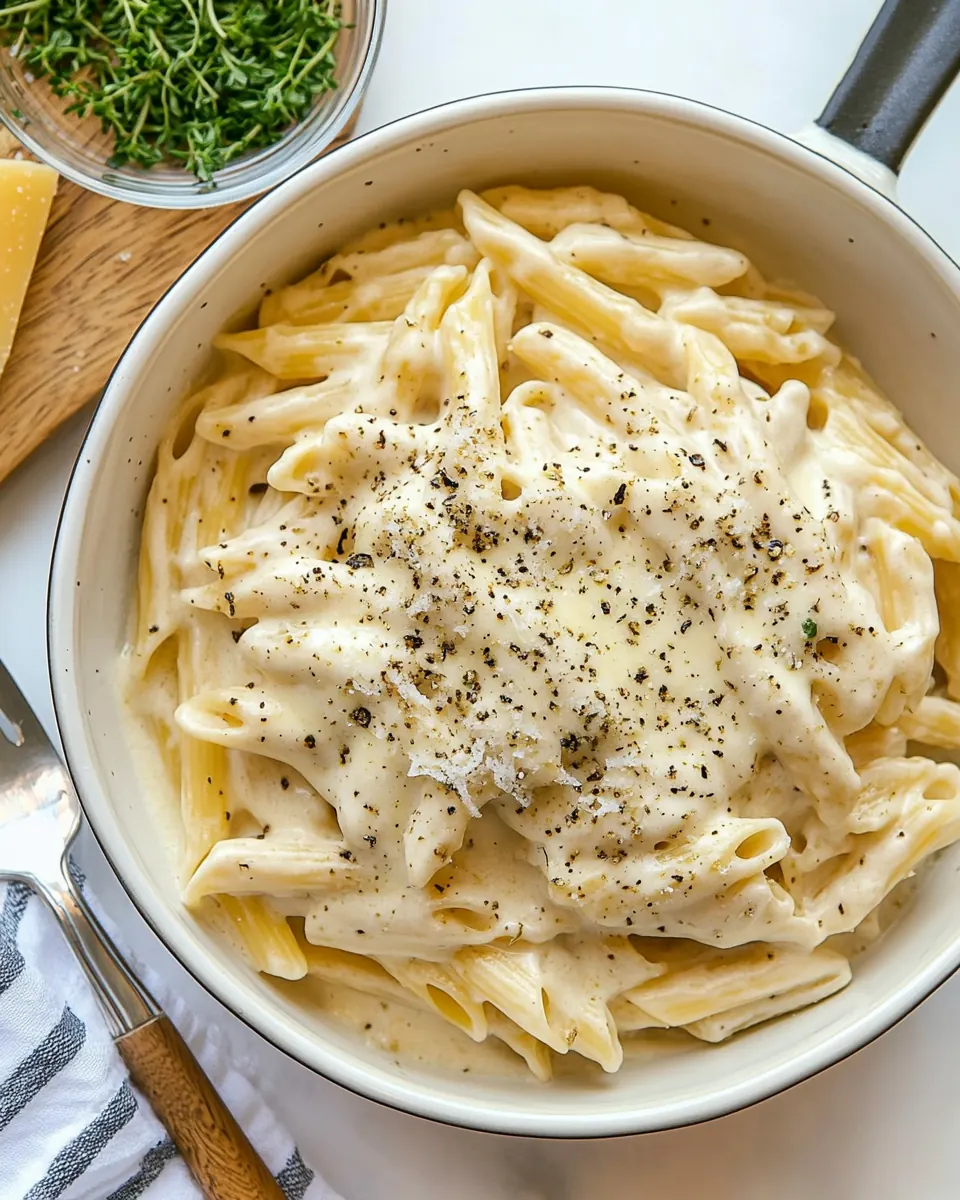
Creamiest Four Cheese Pasta
Creamiest Four Cheese Pasta has a way of turning ordinary evenings into something a little indulgent and very memorable. The first time I made this dish, I was rushing home after a long day and craving comfort, so I reached for pantry staples and a handful of cheeses. What arrived at the table was silk on a fork, and everyone at my counter asked for seconds before I could even finish plating.
I remember standing over the stove as the garlic sizzled and the aroma of melting cheese filled the kitchen, drawing my partner from the other room. The sauce came together faster than I expected, with the reserved pasta water acting like a secret bridge that made the mixture glossy and cling to each piece of pasta. It felt like magic to watch simple ingredients transform into something decadent, and that memory keeps me coming back to this recipe whenever I want an easy but impressive meal.
There is something unpretentious about this pasta, it doesn’t demand fancy equipment or a long list of steps, just good timing and respect for heat. I like serving it straight from the pan so the steam rises and the cheese stretches as I scoop into bowls. Over the years I have learned a few small rhythms, like when to lower the heat so the sauce stays smooth, and how a splash of reserved pasta water can rescue texture in an instant. Those tiny moves make all the difference.
Recipe Snapshot
35 mins
15 mins
20 mins
Easy
600 kcal
Italian
Gluten-Free, Low FODMAP
Dinner
Large pot, Large pan, Colander, Whisk
Why This Creamiest Four Cheese Pasta Shines
1. Comfort without fuss
I love that Creamiest Four Cheese Pasta feels luxurious yet comes together from pantry friendly items. I can make a big batch for a weeknight dinner without staging a culinary production, and that combination of simplicity and richness is rare. The texture is creamy and satisfying, which means it works for a quiet solo meal or a casual dinner with friends.
2. Layered cheese flavor
Using four cheeses gives the sauce depth, each one contributing a distinct note. Ricotta brings gentle creaminess, Parmesan adds salty umami, Mozzarella lends melt and stretch, and Asiago introduces a subtle tang. I like how these elements play together, so every bite reveals a slightly different balance of flavors.
3. Technique that elevates
The trick of reserving pasta water is the unsung hero for texture. I always keep a cup back because the starchy water helps the sauce emulsify and cling to the penne pasta. That simple swap is the reason the sauce finishes glossy rather than thin, and it saves a lot of last minute adjustments when the sauce looks too tight or too loose.
4. Fast and flexible
This recipe is forgiving, and I appreciate recipes that let me adapt without losing integrity. You can scale portions easily, and minor timing shifts will not wreck the outcome as long as you mind the heat when melting the cheeses. For busy nights, it’s a go to that still feels indulgent.
5. Crowd friendly
I’ve served this at small gatherings and watched it disappear. The texture and familiar cheese flavors appeal to many palates, making it a safe, crowd pleasing option. Because it reheats well for a few days refrigerated, it also doubles as practical meal prep when life gets busy.
Key Ingredients for Creamiest Four Cheese Pasta
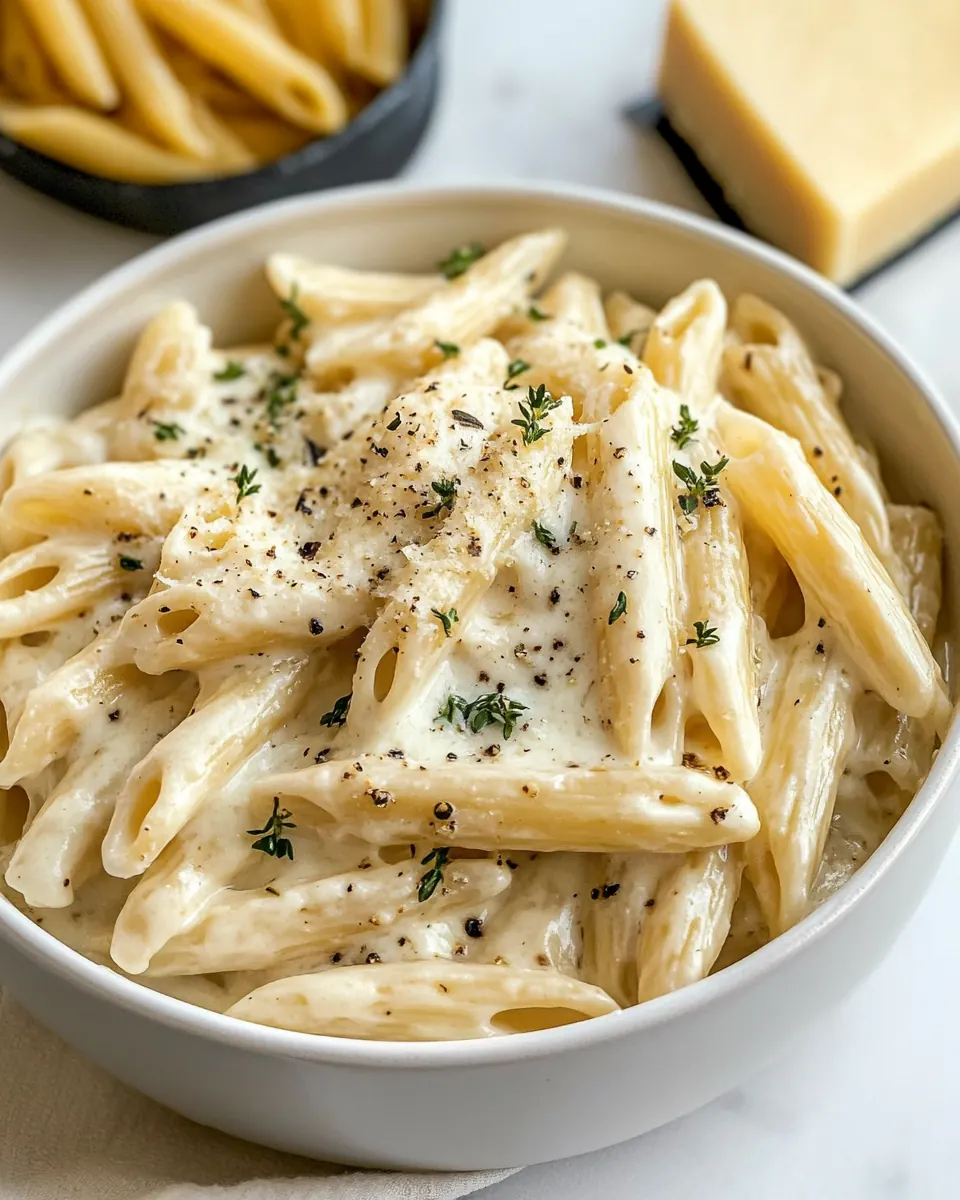
These ingredients are straightforward and intentional. Each one plays a role in building a sauce that is rich, silky, and balanced. The cheeses are the stars, while the pasta water, olive oil, and garlic are supporting players that create texture and aroma. Together they form a system where fat, salt, and starch work in harmony to coat each piece of penne pasta.
- 8 ounces penne pasta: Boil until al dente to provide the pasta structure and absorb the creamy sauce; toss immediately to coat with sauce for best texture. Use penne shape to trap cheese in its ridges and hollow centers, enhancing each bite.
- 2 tablespoons olive oil: Drizzle to lightly sauté aromatics and add a subtle fruity richness; warm the pan gently to avoid burning the garlic. Use high-quality olive oil for a silky mouthfeel that complements the cheeses.
- 1 tablespoon minced garlic: Mince finely and sauté briefly to release aromatic sulfurous notes that deepen overall flavor; avoid overcooking to prevent bitterness. Use fresh minced garlic to brighten and balance the rich, creamy components.
- 1 cup reserved pasta water: Reserve and add gradually to loosen the sauce and help it cling to pasta; the starchy water emulsifies fats and cheeses for a glossy finish. Adjust amount to achieve desired sauce consistency without thinning flavor.
- 1 cup ricotta cheese: Spoon in dollops to contribute a mild, tangy creaminess and lighten the sauce texture; stir until just incorporated for a silky mouthfeel. Use whole-milk ricotta for richer flavor and a smooth, slightly grainy body.
- 1 cup heavy cream: Pour to create the decadent base that binds cheeses and coats pasta; simmer gently to thicken without curdling. Use heavy cream for stability and luxurious richness that balances sharper cheeses.
- 1/2 cup freshly shredded Parmesan cheese: Grate freshly and melt into the sauce to add salty, nutty umami and help thicken the mixture; stir continuously for even distribution. Use freshly shredded Parmesan for superior melting and intense savory depth.
- 1/2 cup freshly shredded mozzarella cheese: Shred freshly and fold into the sauce to provide stretchy, milky pull and mild sweetness; melt fully for a cohesive texture. Use fresh mozzarella to add creaminess and a pleasing, elastic bite.
- 1/2 cup freshly shredded Asiago cheese: Shred freshly and incorporate for a sharp, tangy punch that elevates complexity; balance its assertive flavor with cream and ricotta. Use Asiago for its nutty, piquant character that cuts richness.
- salt and pepper: Season to taste at the end of cooking to enhance and balance flavors; start with a small amount and adjust gradually. Use salt to amplify savory notes and pepper for a gentle heat that complements cheeses.
Making This Creamiest Four Cheese Pasta
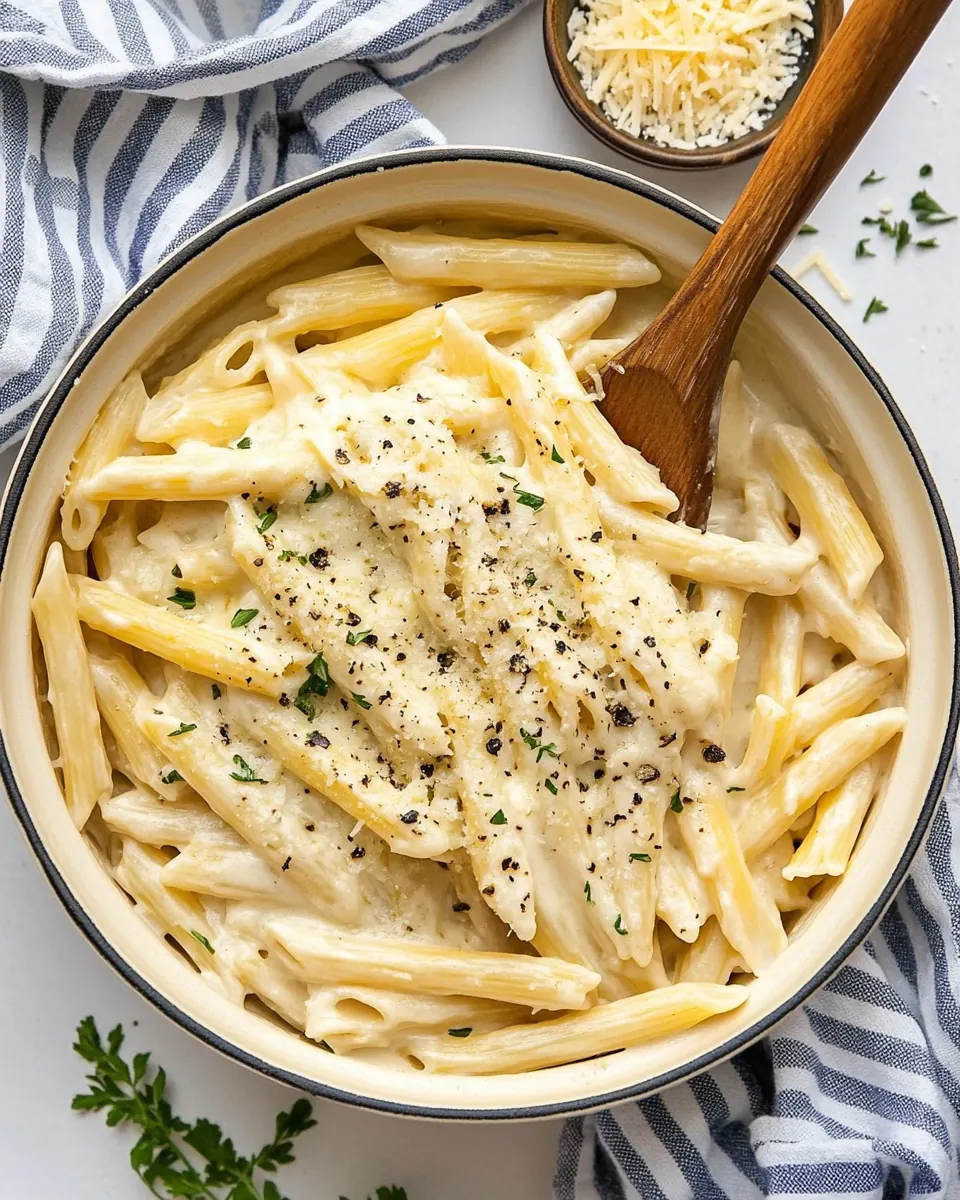
Let me walk you through how I make this come together smoothly, step by step. The technique centers on managing temperature and timing so the cheeses melt into a cohesive sauce. Keep your reserved pasta water close and your heat steady, because those small decisions shape the final texture.
- Cook the 8 ounces penne pasta according to the package directions until al dente. Drain the pasta, reserving 1 cup of the pasta water, and set both aside.: As the water boils, you will hear a steady vigorous bubble and smell the wheat of the penne pasta releasing steam. Aim for al dente so the pasta holds structure when tossed in sauce, it should be tender with a slight bite. When you drain, reserve a cup of that cloudy water because its starch will act like glue, making the sauce cling to every tube. A common mistake is overcooking the pasta, which leads to a mushy texture once combined with the rich sauce, so start checking a minute or two before the package suggests.
- Heat the 2 tablespoons olive oil in a large pan over medium-high heat. Add the 1 tablespoon minced garlic to the pan and cook for 1 minute, until fragrant.: You will see the olive oil shimmer and then the minced garlic will sizzle softly, releasing a warm, aromatic perfume. Keep the garlic moving so it browns lightly rather than burning, because burned garlic tastes bitter. This step builds a flavor base, the oil carrying the garlic aromas into the sauce. If the garlic darkens too quickly, reduce the heat immediately to avoid bitterness.
- Slowly whisk the 1 cup reserved pasta water into the oil and garlic. Add 1 cup ricotta cheese and 1 cup heavy cream to the liquid, then reduce the heat to medium-low. Stir until the ricotta is melted and the sauce is smooth.: You will notice the liquid change from clear to slightly milky as starch disperses, and the whisking encourages an even suspension. Adding ricotta cheese and heavy cream straight into this warm mix helps them meld without scorching. Lowering the heat is critical so the dairy warms gently and combines into a smooth base rather than separating. The common error here is adding cold dairy to very high heat, which can cause curdling, so aim for gentle warmth.
- Add in the 1/2 cup freshly shredded Parmesan cheese, 1/2 cup freshly shredded mozzarella cheese, 1/2 cup freshly shredded Asiago cheese, and salt and pepper to taste. Reduce the heat to low and whisk the sauce until all the cheese is melted and the sauce is creamy and smooth.: As you stir, watch the texture evolve from grainy to velvety, and take in the soft dairy scent as the ricotta cheese integrates. The motion should be steady, coaxing the curds to dissolve into the cream, and you may notice the sauce thickening slightly. If you see lumps, continue stirring over gentle heat and use a whisk to encourage homogenization. A frequent pitfall is impatience, ramping the heat up, which risks breaking the emulsion.
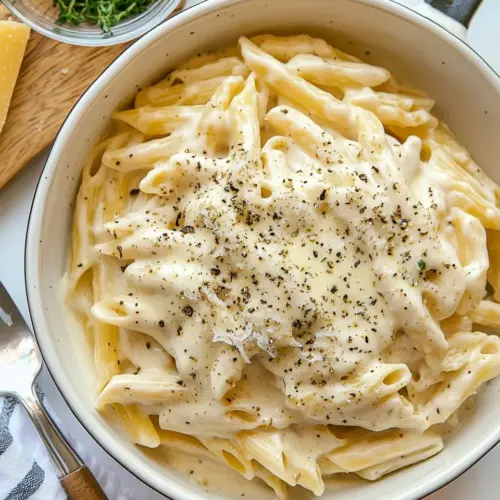
- Add in the cooked pasta and stir to coat it in the cheese sauce. Remove the pasta from the heat and serve fresh with additional cheese as garnish.: The cheeses will melt at different rates, so give them time to incorporate and watch for a glossy sheen that indicates a successful emulsion. You will hear a soft, near silent merging as the cheeses relax into the cream, and the aroma becomes richer and more complex. If the sauce appears grainy, it may be too hot or the cheese was added too fast; reduce heat and whisk patiently. Over seasoning is easy at this point because the Parmesan cheese and Asiago cheese are salty, so taste before adding extra salt.
- Add in the cooked pasta and stir to coat it in the cheese sauce. Remove the pasta from the heat and serve fresh with additional cheese as garnish: When the penne pasta meets the sauce, you should see ribbons of creamy sauce clinging to each piece, and a gentle steam will rise as you toss. The tactile sensation should be creamy yet structured, not soupy. Tossing off heat preserves a glossy finish and prevents the sauce from tightening or separating. A typical misstep is leaving the pasta on residual high heat so the sauce becomes thick and pasty, so remove from heat and serve promptly for the best texture.
Pro Tips and Tweaks
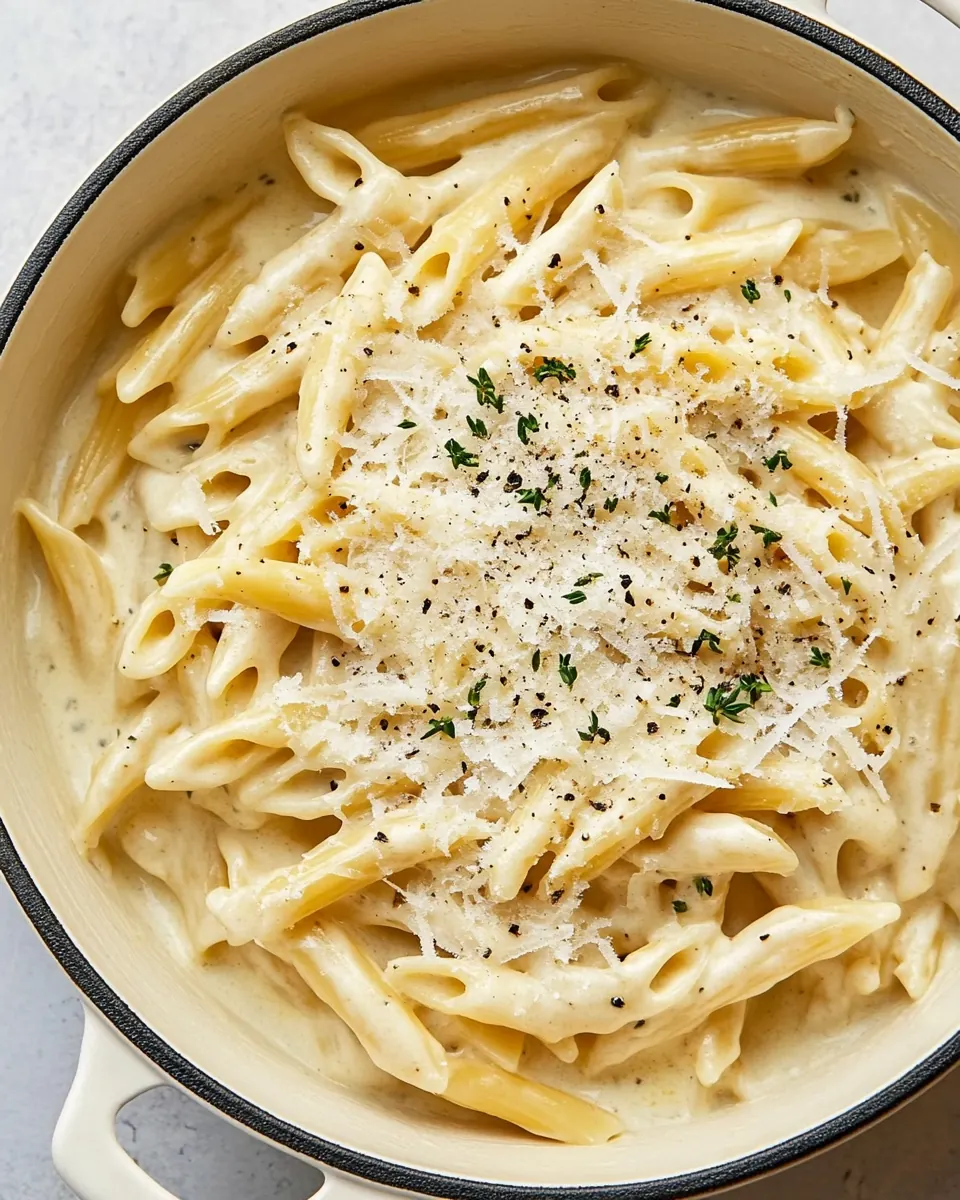
I like to keep a few practical moves in mind when I make Creamiest Four Cheese Pasta. Small adjustments yield big improvements in texture and flavor. Below are detailed tips that have saved me from common pitfalls and elevated the finished dish repeatedly.
- Use fresh cheese: Freshly shredding the Parmesan cheese, Mozzarella cheese, and Asiago cheese prevents anti clumping agents from affecting melt quality, which keeps the sauce silky.
- Warm the dairy: Let the ricotta cheese and heavy cream sit at room temperature for a few minutes before adding so they integrate faster and reduce the shock of cold dairy into heat.
- Starch is your friend: Always reserve a cup of the pasta water when you drain the penne pasta, because it helps the sauce emulsify and cling properly to the pasta.
- Low steady heat: Melt cheeses over low to medium low heat to avoid separation; high heat will make the sauce grainy and oily.
- Adjust seasoning last: Taste after the cheeses have melted before adding more salt, since the cheeses bring their own saltiness.
- Gentle whisking: Use a whisk when combining the pasta water and dairy, it helps distribute starch uniformly and prevents lumps in the sauce.
What to Pair With Creamiest Four Cheese Pasta
This pasta is rich, so pairing it with contrasting textures and bright flavors makes a balanced meal. I often choose light sides and refreshing elements to cut through the creaminess. Below are serving ideas and occasions where this recipe shines.
- Light green salad: A crisp mixed green salad with a tangy vinaigrette provides a refreshing contrast to the creamy pasta, making the meal feel lighter and more balanced for dinner occasions.
- Roasted vegetables: Oven roasted seasonal vegetables offer caramelized notes and a firmer texture that complements the silkiness of the pasta, perfect for weekend dinners.
- Garlic bread: For indulgent comfort meals, serve warm garlic bread to mop up the sauce, ideal for casual gatherings with friends or family.
- Weeknight dinner: Because the recipe is quick and satisfying, it’s a great go to for an easy weeknight dinner when you want something special without fuss.
- Make ahead and store: Store leftovers in an airtight container in the fridge for up to five days, reheat gently to preserve creaminess, and avoid freezing as texture will suffer.
- Seasonal pairing: In winter, pair with roasted root vegetables and a peppery green to add warmth and seasonal depth to the meal.
FAQ
Conclusion
What makes this recipe special is how a few humble ingredients transform into an ultra creamy, cohesive sauce that clings to every bite. The balance of ricotta, cream, and three melting cheeses yields a depth of flavor that reads luxurious without elaborate technique. I encourage you to try this on a busy evening when you want something both comforting and quick, and pay attention to the small steps like reserving pasta water and keeping the heat gentle. Its a recipe that rewards attention with a result youll want to make again and share.
Creamiest Four Cheese Pasta
Equipment
- Large Pot
- Large Pan
- Colander
- Whisk
Ingredients
- 8 ounces penne pasta Boil until al dente to provide the pasta structure and absorb the creamy sauce; toss immediately to coat with sauce for best texture. Use penne shape to trap cheese in its ridges and hollow centers, enhancing each bite.
- 2 tablespoons olive oil Drizzle to lightly sauté aromatics and add a subtle fruity richness; warm the pan gently to avoid burning the garlic. Use high-quality olive oil for a silky mouthfeel that complements the cheeses.
- 1 tablespoon minced garlic Mince finely and sauté briefly to release aromatic sulfurous notes that deepen overall flavor; avoid overcooking to prevent bitterness. Use fresh minced garlic to brighten and balance the rich, creamy components.
- 1 cup reserved pasta water Reserve and add gradually to loosen the sauce and help it cling to pasta; the starchy water emulsifies fats and cheeses for a glossy finish. Adjust amount to achieve desired sauce consistency without thinning flavor.
- 1 cup ricotta cheese Spoon in dollops to contribute a mild, tangy creaminess and lighten the sauce texture; stir until just incorporated for a silky mouthfeel. Use whole-milk ricotta for richer flavor and a smooth, slightly grainy body.
- 1 cup heavy cream Pour to create the decadent base that binds cheeses and coats pasta; simmer gently to thicken without curdling. Use heavy cream for stability and luxurious richness that balances sharper cheeses.
- 1/2 cup freshly shredded Parmesan cheese Grate freshly and melt into the sauce to add salty, nutty umami and help thicken the mixture; stir continuously for even distribution. Use freshly shredded Parmesan for superior melting and intense savory depth.
- 1/2 cup freshly shredded mozzarella cheese Shred freshly and fold into the sauce to provide stretchy, milky pull and mild sweetness; melt fully for a cohesive texture. Use fresh mozzarella to add creaminess and a pleasing, elastic bite.
- 1/2 cup freshly shredded Asiago cheese Shred freshly and incorporate for a sharp, tangy punch that elevates complexity; balance its assertive flavor with cream and ricotta. Use Asiago for its nutty, piquant character that cuts richness.
- salt and pepper Season to taste at the end of cooking to enhance and balance flavors; start with a small amount and adjust gradually. Use salt to amplify savory notes and pepper for a gentle heat that complements cheeses.
Instructions
- Cook the 8 ounces penne pasta according to the package directions until al dente. Drain the pasta, reserving 1 cup of the pasta water, and set both aside.: As the water boils, you will hear a steady vigorous bubble and smell the wheat of the penne pasta releasing steam. Aim for al dente so the pasta holds structure when tossed in sauce, it should be tender with a slight bite. When you drain, reserve a cup of that cloudy water because its starch will act like glue, making the sauce cling to every tube. A common mistake is overcooking the pasta, which leads to a mushy texture once combined with the rich sauce, so start checking a minute or two before the package suggests.
- Heat the 2 tablespoons olive oil in a large pan over medium-high heat. Add the 1 tablespoon minced garlic to the pan and cook for 1 minute, until fragrant.: You will see the olive oil shimmer and then the minced garlic will sizzle softly, releasing a warm, aromatic perfume. Keep the garlic moving so it browns lightly rather than burning, because burned garlic tastes bitter. This step builds a flavor base, the oil carrying the garlic aromas into the sauce. If the garlic darkens too quickly, reduce the heat immediately to avoid bitterness.
- Slowly whisk the 1 cup reserved pasta water into the oil and garlic. Add 1 cup ricotta cheese and 1 cup heavy cream to the liquid, then reduce the heat to medium-low. Stir until the ricotta is melted and the sauce is smooth.: You will notice the liquid change from clear to slightly milky as starch disperses, and the whisking encourages an even suspension. Adding ricotta cheese and heavy cream straight into this warm mix helps them meld without scorching. Lowering the heat is critical so the dairy warms gently and combines into a smooth base rather than separating. The common error here is adding cold dairy to very high heat, which can cause curdling, so aim for gentle warmth.
- Add in the 1/2 cup freshly shredded Parmesan cheese, 1/2 cup freshly shredded mozzarella cheese, 1/2 cup freshly shredded Asiago cheese, and salt and pepper to taste. Reduce the heat to low and whisk the sauce until all the cheese is melted and the sauce is creamy and smooth.: As you stir, watch the texture evolve from grainy to velvety, and take in the soft dairy scent as the ricotta cheese integrates. The motion should be steady, coaxing the curds to dissolve into the cream, and you may notice the sauce thickening slightly. If you see lumps, continue stirring over gentle heat and use a whisk to encourage homogenization. A frequent pitfall is impatience, ramping the heat up, which risks breaking the emulsion.
- Add in the cooked pasta and stir to coat it in the cheese sauce. Remove the pasta from the heat and serve fresh with additional cheese as garnish.: The cheeses will melt at different rates, so give them time to incorporate and watch for a glossy sheen that indicates a successful emulsion. You will hear a soft, near silent merging as the cheeses relax into the cream, and the aroma becomes richer and more complex. If the sauce appears grainy, it may be too hot or the cheese was added too fast; reduce heat and whisk patiently. Over seasoning is easy at this point because the Parmesan cheese and Asiago cheese are salty, so taste before adding extra salt.
- Add in the cooked pasta and stir to coat it in the cheese sauce. Remove the pasta from the heat and serve fresh with additional cheese as garnish: When the penne pasta meets the sauce, you should see ribbons of creamy sauce clinging to each piece, and a gentle steam will rise as you toss. The tactile sensation should be creamy yet structured, not soupy. Tossing off heat preserves a glossy finish and prevents the sauce from tightening or separating. A typical misstep is leaving the pasta on residual high heat so the sauce becomes thick and pasty, so remove from heat and serve promptly for the best texture.
Notes
- Use fresh cheese: Freshly shredding the Parmesan cheese, Mozzarella cheese, and Asiago cheese prevents anti clumping agents from affecting melt quality, which keeps the sauce silky.
- Warm the dairy: Let the ricotta cheese and heavy cream sit at room temperature for a few minutes before adding so they integrate faster and reduce the shock of cold dairy into heat.
- Starch is your friend: Always reserve a cup of the pasta water when you drain the penne pasta, because it helps the sauce emulsify and cling properly to the pasta.
- Low steady heat: Melt cheeses over low to medium low heat to avoid separation; high heat will make the sauce grainy and oily.
- Adjust seasoning last: Taste after the cheeses have melted before adding more salt, since the cheeses bring their own saltiness.
- Gentle whisking: Use a whisk when combining the pasta water and dairy, it helps distribute starch uniformly and prevents lumps in the sauce.
