Thai Fish Curry
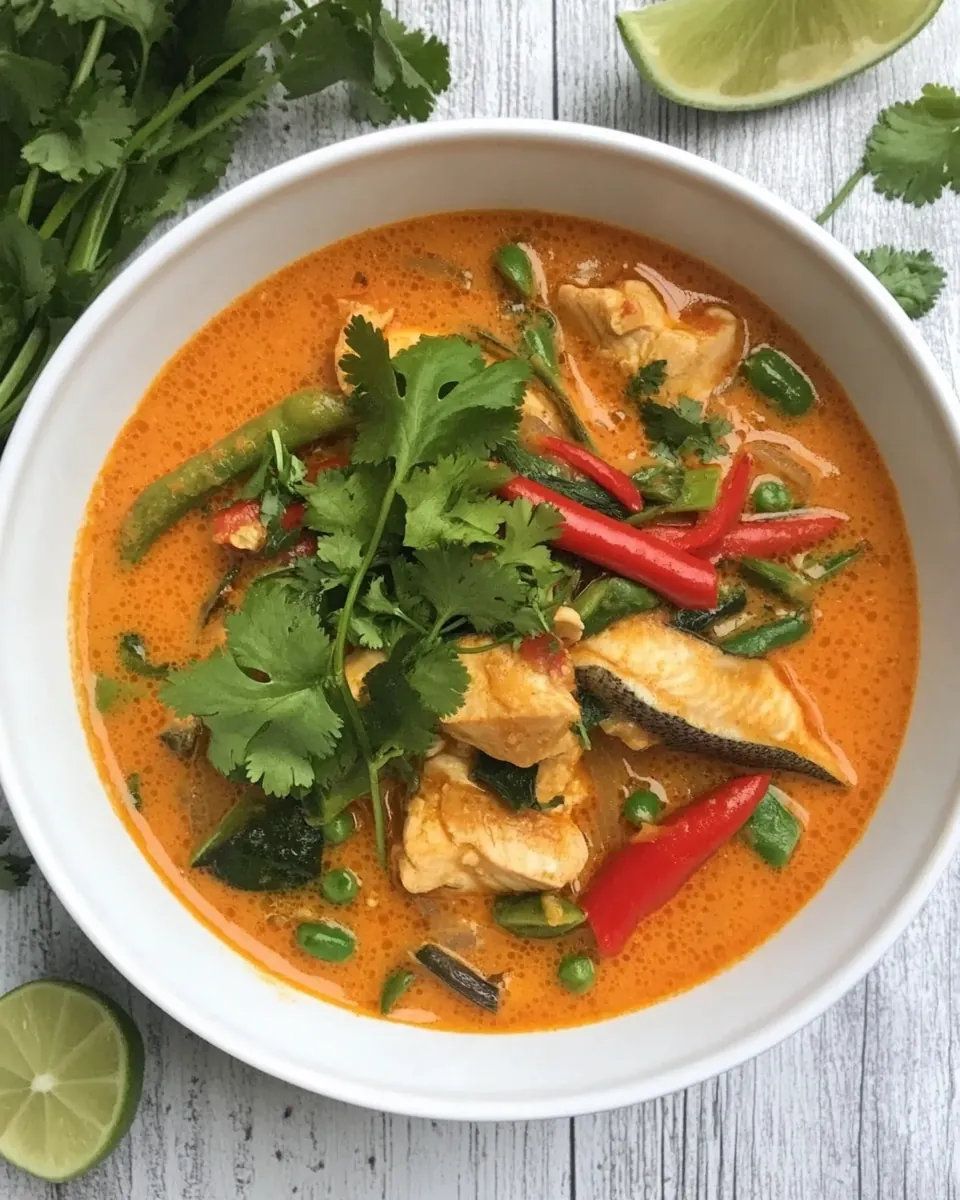
Thai Fish Curry is the kind of dish that arrives at my table with steam, color, and an immediate sense of comfort. The first spoonful always reminds me of a weekend market visit, where the chatter of vendors and the aroma of spices pull me in. I grew up loving bold flavors, and this curry blends tropical coconut with bright citrus and warm spice in a way that always feels like a small celebration at home.
The recipe became a staple after a rainy afternoon when I had a glut of fresh fish and some pantry staples. I wanted something fast, nourishing, and impressive enough to serve guests, yet forgiving enough for a busy weeknight. Thai Fish Curry checks all those boxes, and I often find myself tweaking the mix of seafood depending on what looks best at the market. It is flexible, which is why it sits in my regular rotation.
Recipe Snapshot
20 mins
10 mins
10 mins
Medium
450 kcal
Thai
Gluten-Free, Low FODMAP
Dinner
Wok, Cast iron skillet, Spatula
Why This Thai Fish Curry Hits Different
Vibrant and Balanced Flavors
I love how Thai Fish Curry layers tastes, so the coconut milk brings creaminess while the Thai red curry paste brings a bright punch. You get sweetness, heat, and a gentle briny note from the seafood that keeps every spoonful interesting.
Fast but Impressive
We can put this together quickly, and yet it looks and tastes like something you might order at a good neighborhood restaurant. The short cook time means you can have a special meal without stress.
Seafood-forward Flexibility
I often swap in whatever fish or shellfish I find, and the curry adapts beautifully. The technique here makes flaky fillets and scallops sing, so the dish works whether you use firm white fish or a mixed seafood medley.
Textural Contrast
The mix of crisp vegetables like snow peas and softer cooked pak choi adds contrast, so each bite has freshness and comfort. That interplay keeps the curry from feeling one dimensional.
Approachable Ingredients
Most of these items are pantry-friendly, especially the coconut milk and Thai red curry paste. I find that makes it easy to pull together a memorable meal without a big shopping trip.
What to Buy for Thai Fish Curry
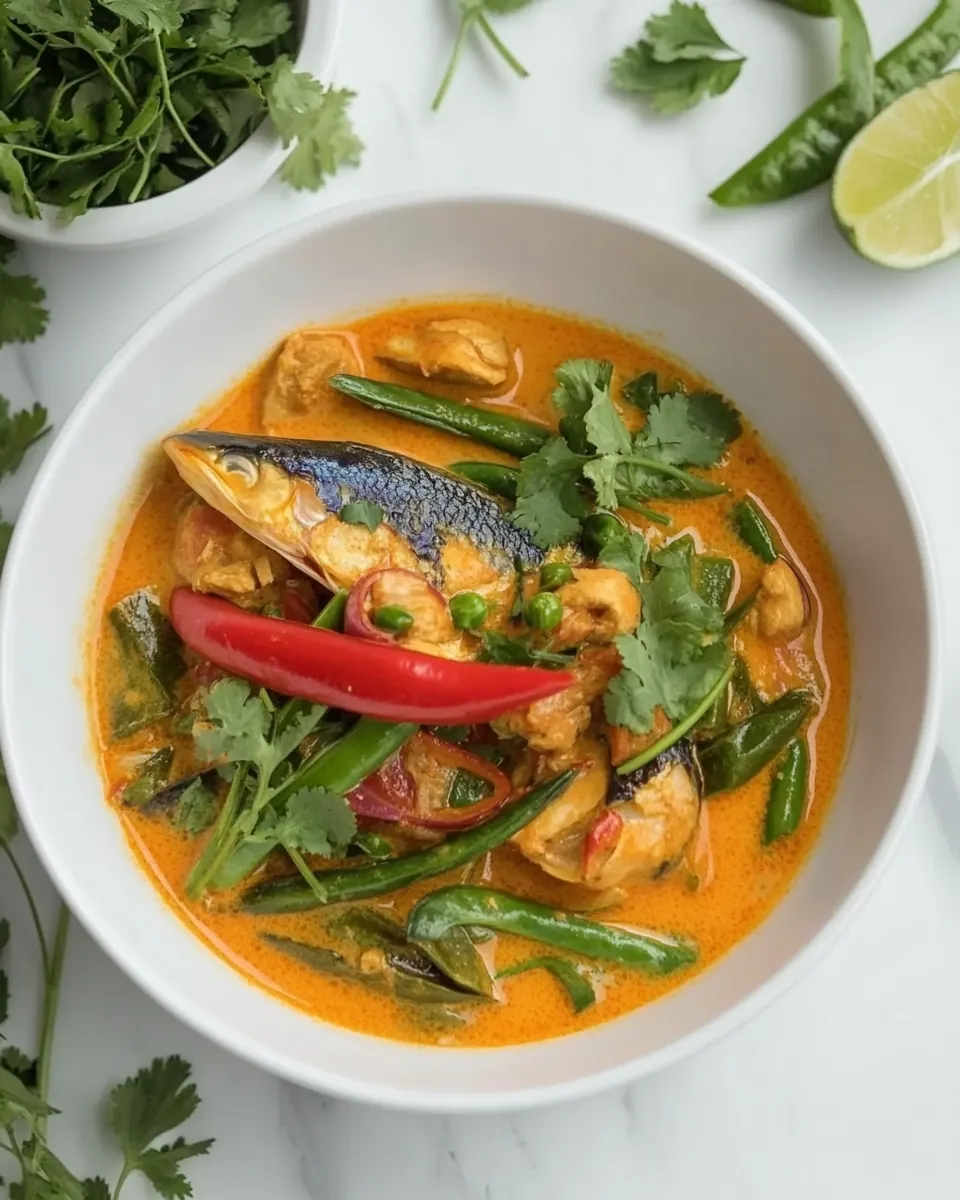
These ingredients are chosen to create a balanced, aromatic curry where the coconut milk calms the heat from the curry paste and the fish adds a delicate, savory base. The vegetables contribute crunch and color, while herbs and citrus lift the dish at the end. Key players are the Thai red curry paste for depth, the coconut milk for richness, and the assortment of seafood for texture and flavor.
- 2 tablespoon olive oil: Heat gently in the pan to provide the cooking fat and carry flavors; olive oil helps prevent sticking and distributes heat evenly while lightly browning aromatics. Use moderate quantity to keep the curry rich without overpowering the delicate seafood.
- 1 garlic clove, minced: Mince finely and sauté briefly to release pungent aromatic oils that form the savory backbone of the curry; garlic adds depth and mild sweetness when cooked. Add early to bloom into the oil and meld with ginger and curry paste.
- 1/2 teaspoon fresh ginger, minced: Grate or mince finely and fry briefly to contribute warm, zesty heat that complements the chili and curry paste; fresh ginger brightens the dish and aids digestion. Ensure it cooks slightly to mellow raw sharpness but retain fresh bite.
- 1 red chili pepper: Slice finely and toss in to introduce fresh heat and fruity capsaicin that lifts the curry’s spice profile; red chili also adds visual color. Adjust quantity to control overall spiciness and remove seeds if a milder result is desired.
- 1/2 onion: Chop and sweat until translucent to provide a subtle sweet-savory base that balances spicy and creamy elements; onion softens and adds body to the sauce. Use gentle heat so it dissolves into the coconut milk and melds with aromatics.
- 1/2 red bell pepper: Slice into strips and sauté briefly to contribute sweet, crisp texture and vibrant color; red bell pepper offers mild sweetness and a pleasant crunch. Add near the end of cooking to preserve its bright color and slight firmness.
- 1 carrot: Slice thinly and simmer until tender to add natural sweetness, texture, and earthiness that complements seafood; carrot also introduces color contrast. Cut uniformly so it cooks evenly alongside other vegetables.
- 1 pak choi, halved: Halve and quickly wilt to provide tender leafy greens that add freshness and slight bitterness to balance the curry’s richness. Add late in cooking to retain crispness and bright green color.
- 60 g snow peas: Trim and blanch or stir-fry briefly to supply crisp-snapped texture and a sweet, fresh flavor; snow peas add visual interest and contrast. Cook just until bright green to maintain crunch and nutritional value.
- 2 1/2 tablespoon Thai red curry paste: Measure and dissolve into the sauce early to deliver concentrated savory, spicy, and aromatic Thai flavor; red curry paste is the primary seasoning base. Fry briefly in oil to unlock its aromatic oils before adding liquids.
- 1 tablespoon brown sugar: Dissolve and simmer into the curry to introduce caramelized sweetness that balances spicy and salty notes; brown sugar also deepens color and mouthfeel. Add incrementally to taste so sweetness doesn’t overpower the seafood.
- 200 g fresh hake fillet: Cut into portions and gently poach to provide tender, flaky white fish that absorbs curry flavors; hake offers a mild profile that pairs well with bold sauce. Add near the end of cooking so it remains moist and doesn’t overcook.
- 1 medium trout fillet: Season and cook briefly to contribute rich, oily flesh with a distinct flavor that enhances the curry’s seafood complexity; trout offers a slightly stronger taste than white fish. Monitor doneness closely to prevent drying out delicate flesh.
- 5 fresh scallops: Pat dry and sear or poach quickly to add sweet, briny, and luxurious bite; scallops provide a tender, delicate texture that elevates the dish. Add at the final stage so they remain succulent and avoid becoming rubbery.
- 100 g fresh mussels, cleaned: Scrubbed and steamed or simmered to contribute briny, oceanic depth and chewy texture; mussels infuse the curry with seafood stock when cooked in the sauce. Discard any unopened shells after cooking and ensure they open fully.
- 1 can coconut milk: Shake or pour into the pan to create a creamy, slightly sweet coconut base that harmonizes spices and seafood; coconut milk forms the sauce’s body. Use full-fat for richness or light for a leaner curry, and simmer gently to prevent splitting.
- 1 tablespoon fish sauce: Measure and stir in to lend umami, salty depth, and authentic Thai savory character; fish sauce enhances complexity without overt fishiness when used sparingly. Taste as you go since it significantly affects overall saltiness.
- 1/2 lemongrass: Bruise and simmer briefly to release citrusy, herbal stalk oils that add floral lemongrass aroma and brightness to the curry. Remove larger pieces before serving to avoid fibrous texture in the finished dish.
- 1/2 lime: Zest or squeeze to contribute sharp, acidic brightness that cuts through the richness and lifts flavors; lime adds a refreshing finish and balances sweetness. Adjust amount to taste and add some juice just before serving for peak freshness.
- handful fresh coriander, chopped: Chop and sprinkle over the finished curry to provide fresh herbaceous brightness and a cooling contrast to spiciness; coriander adds citrusy, slightly peppery notes. Use as a garnish to enhance aroma and visual appeal.
- Jasmine rice, steamed, to serve: Steam and serve alongside to soak up the flavorful sauce and provide neutral, fragrant starch that completes the meal; jasmine rice’s floral aroma complements Thai spices. Keep fluffy and warm for the best texture when plated with the curry.
How to Cook Thai Fish Curry
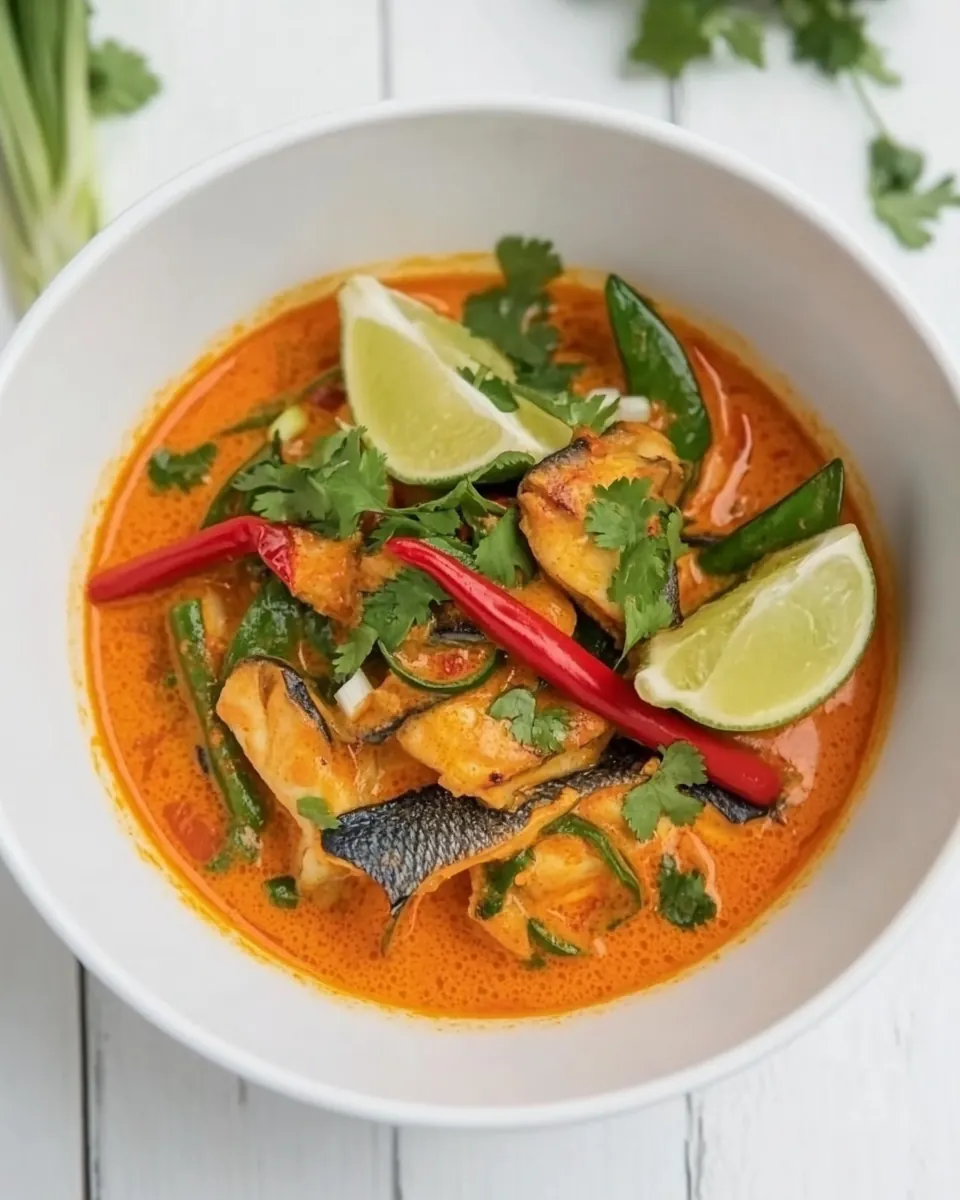
This curry comes together quickly, and the directions are written to help you time the vegetables and seafood so nothing overcooks. Keep your mise en place ready, because once heat is applied, things move fast. Use a large wok or skillet so flavors concentrate and the sauce reduces evenly.
- Finely slice the onion and carrot. Remove seeds and white filaments from the bell pepper and finely slice.: The aroma of thinly sliced onion hitting warm oil should be sweet and slightly pungent, while the carrot releases a subtle sugary scent. Visually, the vegetables will glisten and become slightly translucent at the edges, which tells you they are softening. This step matters because even cooking ensures the vegetables meld into the sauce instead of staying raw. A common mistake is cutting pieces unevenly, which leads to some bites being overcooked and others underdone. Keep sizes consistent so everything finishes at the same time.
- Remove skin from both the hake and trout, cut into chunks and set aside. Also remove the coral from the scallops and set them aside.: Fresh fish should smell clean and mild, not fishy, and when you cut chunks you will see firm flesh and glossy surfaces. Removing the skin prevents curling and uneven cooking, while taking out scallop coral leaves a sweeter center for even searing. This matters because uniform pieces cook at the same rate, preserving texture. Avoid overcrowding when you later add seafood, because crowding cools the pan and causes steaming rather than a quick sear.
- Heat a large wok or cast iron skillet with the olive oil over medium heat. Add in the garlic, ginger, whole chilli pepper, onion, bell pepper, carrot, pak choi and snow peas, and stir-fry for 2 minutes.: When the oil warms, it should shimmer and release a faint tobacco aroma, and the garlic and ginger will perfume the pan almost immediately. You will hear a lively sizzle as vegetables hit the skillet, and their edges will start to color slightly, which is the visual cue you want. Stir-frying on medium keeps vegetables crisp tender rather than limp. A frequent error here is cooking on too low heat, which causes sogginess, or too high heat, which burns aromatics. Keep motion steady, tossing every few seconds so nothing blackens.
- Add in the Thai red curry paste and sugar and cook for another minute.: The paste will darken slightly and bloom in the oil, releasing fragrant chili, lemongrass, and spice notes, while the sugar quickly begins to melt into a glossy sheen. This blooming magnifies flavor, making the paste taste rounder and less raw, which is crucial to a balanced curry. If you skip this, the paste can taste flat. Watch carefully because pastes can stick and scorch, so stir constantly during this brief step.
- Move the vegetables over the sides of the wok, and add into the center the hake and trout fillets, followed by the scallops and mussels, and stir-fry for 1 minute.: When seafood hits the hot center, you should hear a different, brisker sizzle and see immediate firming at the edges, signaling the Maillard reaction starting. The contrast between the lightly cooked vegetables around the rim and the seafood in the center helps the proteins sear without overcooking. This technique matters because a quick, high heat contact preserves juicy interior texture. Avoid stirring constantly in the first moments, or the seafood will not get the initial sear that locks in moisture.
- Pour in the coconut milk and fish sauce, and add in the lemongrass. Cook for 5 minutes, then remove the lemongrass and whole chilli pepper. If it's too thick, add a splash of water, and adjust seasoning to taste.: As the coconut milk pours, it will hiss softly and create a creamy pale pool that contrasts with the red curry, and steam will carry a rich, sweet aroma. Gentle simmering lets the flavors marry and the seafood finish cooking through, while the lemongrass infuses citrusy top notes. Removing aromatics prevents bitterness from over‑extraction. If the sauce reduces too far, a splash of water keeps the texture silky. A common mistake is leaving lemongrass too long, which can make the broth fibrous and overly potent.
- Remove from the heat, squeeze half lime over the curry, and sprinkle with fresh coriander on top.: The lime should hiss slightly as its juice meets the warm sauce and lift the whole flavor profile, brightening the coconut and cutting residual richness. The torn or chopped coriander scattered on top adds a green, peppery perfume and visual freshness. This finishing acidity is essential for balance, or the curry may feel one note heavy. Avoid using too much lime, which can flatten the curry; a measured squeeze is enough.
- Serve immediately with steamed jasmine rice on the side.: The final dish should be hot and aromatic, with steaming rice absorbing the saucy curry. Jasmine rice provides a fragrant cushion and neutral base so each spoonful highlights the curry components. Serving right away preserves the ideal textures, because seafood can become rubbery if held too long. Do not let the curry sit uncovered, or it will cool and lose vibrancy.
Recipe Tips about Thai Fish Curry
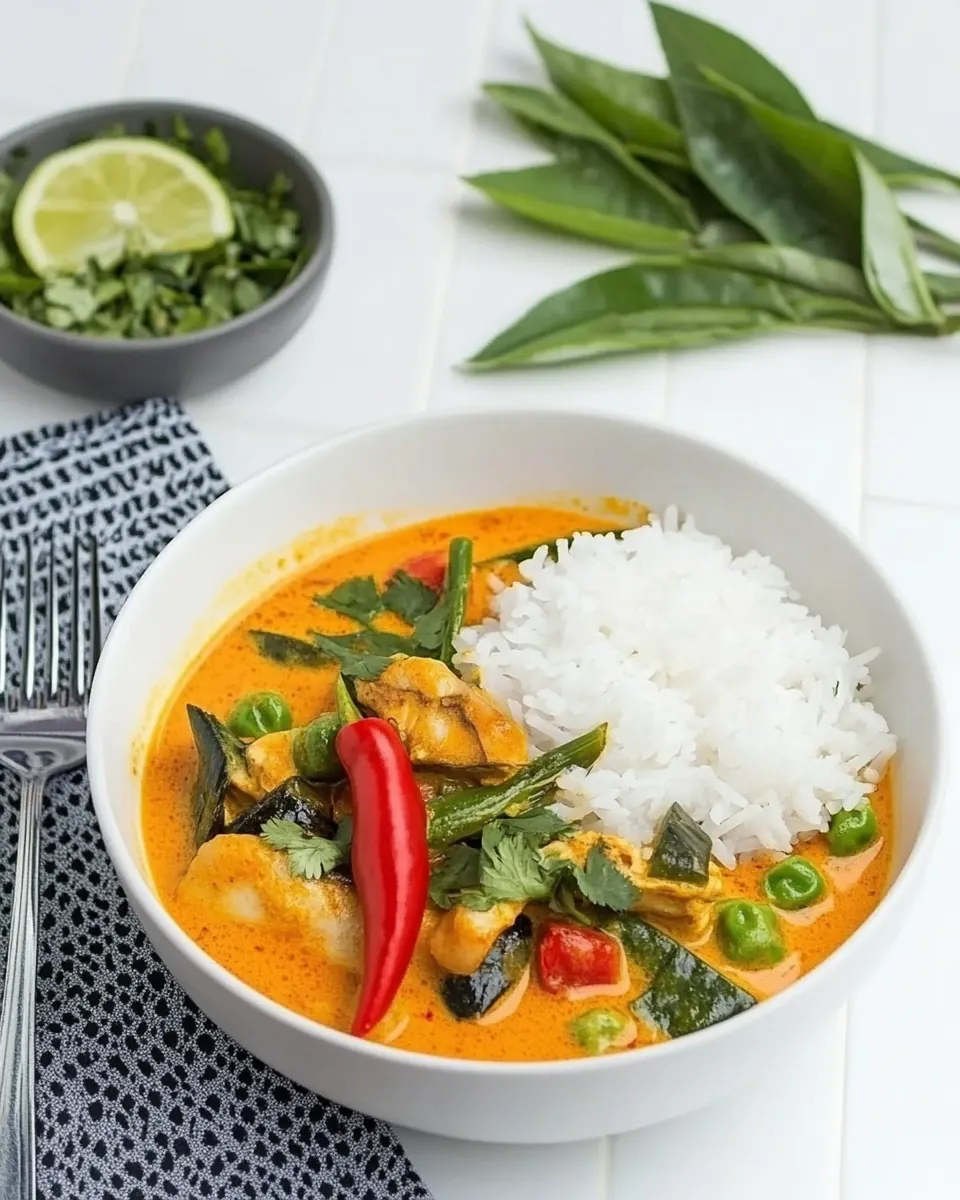
This curry benefits from a few practical habits, like prepping all ingredients beforehand and tasting at the end. Below are expanded tips to help you get consistent results every time.
- Prep everything first, because once you start stir frying the timeline is short and you do not want to scramble. Having fish cut, vegetables sliced, and aromatics measured keeps the cooking relaxed and precise.
- Control your heat, medium works well for this recipe to avoid burning the curry paste while still allowing a quick sear on seafood. If the pan gets too hot, reduce it slightly and move ingredients around so nothing scorches.
- Bloom the curry paste, this multiplies flavor by releasing oils and aromatics into the fat. Stir constantly for about a minute until it smells fragrant and glossy, which gives a deeper, more integrated taste.
- Taste and balance, after adding coconut milk and fish sauce taste the broth and adjust with a tiny pinch of sugar or more lime juice for brightness. The goal is a balanced interplay between sweet, salty, sour, and spicy.
- Finish with fresh herbs and lime, the last-minute acidity and herbaceousness cut through richness and brighten each bite, making the curry feel lively and layered.
Accompaniments for Thai Fish Curry
This curry pairs beautifully with simple sides that let the flavors shine. Think fragrant rice and light, crunchy salads for contrast. The suggestions below cover occasions and storage, and include seasonal variations so you can match the meal to the moment.
- Steamed jasmine rice, the classic pairing, so fluffy rice soaks up sauce and provides a fragrant, neutral base for the curry.
- Light cucumber salad, sliced cucumber with a touch of lime and a pinch of sugar provides cool crunch that contrasts with the warm curry, ideal for a summer meal.
- Simple green salad, peppery leaves dressed sparingly offer freshness and balance, making this a nice option for a lighter dinner.
- Weeknight dinner, this curry is fast enough for a busy evening, so consider it a go to for a satisfying, quick meal when time is tight.
- Special occasion, the mix of seafood and vibrant sauce feels celebratory, so it works well for intimate gatherings or a relaxed weekend dinner with friends.
- Storage tips, cool the curry quickly and refrigerate in an airtight container for up to two days. Reheat gently on low heat to avoid overcooking the seafood, or remove seafood and reheat sauce before adding fresh-cooked seafood back in.
- Seasonal pairing, in colder months serve with heartier rice and roasted vegetables on the side, while in warmer months keep sides crisp and bright to complement the curry‘s lively flavors.
FAQ
Conclusion
This Thai Fish Curry stands out because it balances creamy coconut, fragrant curry paste, and fresh seafood into a quick, satisfying meal. It is approachable enough for a weeknight, yet special enough for guests, with bright lime and coriander bringing everything to life. Try it when you want a fast dinner that still feels thoughtfully composed; the flexible seafood choices and short cook time make it a reliable favorite. I hope you enjoy the interplay of textures and flavors as much as I do, and that it becomes a welcoming routine in your meal rotation.
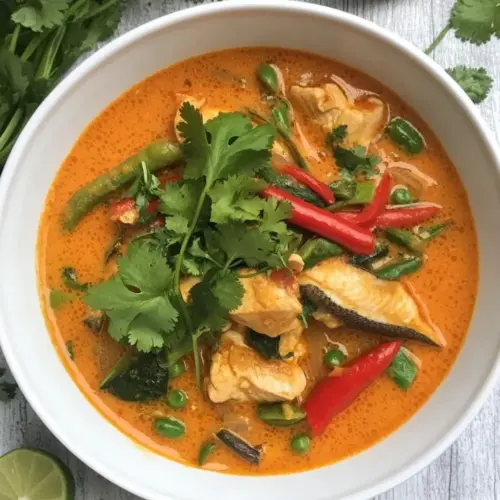
Thai Fish Curry
Equipment
- Wok
- Cast-Iron Skillet
- Spatula
Ingredients
- 2 tablespoon olive oil Heat gently in the pan to provide the cooking fat and carry flavors; olive oil helps prevent sticking and distributes heat evenly while lightly browning aromatics. Use moderate quantity to keep the curry rich without overpowering the delicate seafood.
- 1 garlic clove, minced Mince finely and sauté briefly to release pungent aromatic oils that form the savory backbone of the curry; garlic adds depth and mild sweetness when cooked. Add early to bloom into the oil and meld with ginger and curry paste.
- 1/2 teaspoon fresh ginger, minced Grate or mince finely and fry briefly to contribute warm, zesty heat that complements the chili and curry paste; fresh ginger brightens the dish and aids digestion. Ensure it cooks slightly to mellow raw sharpness but retain fresh bite.
- 1 red chili pepper Slice finely and toss in to introduce fresh heat and fruity capsaicin that lifts the curry’s spice profile; red chili also adds visual color. Adjust quantity to control overall spiciness and remove seeds if a milder result is desired.
- 1/2 onion Chop and sweat until translucent to provide a subtle sweet-savory base that balances spicy and creamy elements; onion softens and adds body to the sauce. Use gentle heat so it dissolves into the coconut milk and melds with aromatics.
- 1/2 red bell pepper Slice into strips and sauté briefly to contribute sweet, crisp texture and vibrant color; red bell pepper offers mild sweetness and a pleasant crunch. Add near the end of cooking to preserve its bright color and slight firmness.
- 1 carrot Slice thinly and simmer until tender to add natural sweetness, texture, and earthiness that complements seafood; carrot also introduces color contrast. Cut uniformly so it cooks evenly alongside other vegetables.
- 1 pak choi, halved Halve and quickly wilt to provide tender leafy greens that add freshness and slight bitterness to balance the curry’s richness. Add late in cooking to retain crispness and bright green color.
- 60 g snow peas Trim and blanch or stir-fry briefly to supply crisp-snapped texture and a sweet, fresh flavor; snow peas add visual interest and contrast. Cook just until bright green to maintain crunch and nutritional value.
- 2 -1/2 tablespoon Thai red curry paste Measure and dissolve into the sauce early to deliver concentrated savory, spicy, and aromatic Thai flavor; red curry paste is the primary seasoning base. Fry briefly in oil to unlock its aromatic oils before adding liquids.
- 1 tablespoon brown sugar Dissolve and simmer into the curry to introduce caramelized sweetness that balances spicy and salty notes; brown sugar also deepens color and mouthfeel. Add incrementally to taste so sweetness doesn’t overpower the seafood.
- 200 g fresh hake fillet Cut into portions and gently poach to provide tender, flaky white fish that absorbs curry flavors; hake offers a mild profile that pairs well with bold sauce. Add near the end of cooking so it remains moist and doesn’t overcook.
- 1 medium trout fillet Season and cook briefly to contribute rich, oily flesh with a distinct flavor that enhances the curry’s seafood complexity; trout offers a slightly stronger taste than white fish. Monitor doneness closely to prevent drying out delicate flesh.
- 5 fresh scallops Pat dry and sear or poach quickly to add sweet, briny, and luxurious bite; scallops provide a tender, delicate texture that elevates the dish. Add at the final stage so they remain succulent and avoid becoming rubbery.
- 100 g fresh mussels, cleaned Scrubbed and steamed or simmered to contribute briny, oceanic depth and chewy texture; mussels infuse the curry with seafood stock when cooked in the sauce. Discard any unopened shells after cooking and ensure they open fully.
- 1 can coconut milk Shake or pour into the pan to create a creamy, slightly sweet coconut base that harmonizes spices and seafood; coconut milk forms the sauce’s body. Use full-fat for richness or light for a leaner curry, and simmer gently to prevent splitting.
- 1 tablespoon fish sauce Measure and stir in to lend umami, salty depth, and authentic Thai savory character; fish sauce enhances complexity without overt fishiness when used sparingly. Taste as you go since it significantly affects overall saltiness.
- 1/2 lemongrass Bruise and simmer briefly to release citrusy, herbal stalk oils that add floral lemongrass aroma and brightness to the curry. Remove larger pieces before serving to avoid fibrous texture in the finished dish.
- 1/2 lime Zest or squeeze to contribute sharp, acidic brightness that cuts through the richness and lifts flavors; lime adds a refreshing finish and balances sweetness. Adjust amount to taste and add some juice just before serving for peak freshness.
- handful fresh coriander, chopped Chop and sprinkle over the finished curry to provide fresh herbaceous brightness and a cooling contrast to spiciness; coriander adds citrusy, slightly peppery notes. Use as a garnish to enhance aroma and visual appeal.
- Jasmine rice, steamed, to serve Steam and serve alongside to soak up the flavorful sauce and provide neutral, fragrant starch that completes the meal; jasmine rice’s floral aroma complements Thai spices. Keep fluffy and warm for the best texture when plated with the curry.
Instructions
- Finely slice the onion and carrot. Remove seeds and white filaments from the bell pepper and finely slice.: The aroma of thinly sliced onion hitting warm oil should be sweet and slightly pungent, while the carrot releases a subtle sugary scent. Visually, the vegetables will glisten and become slightly translucent at the edges, which tells you they are softening. This step matters because even cooking ensures the vegetables meld into the sauce instead of staying raw. A common mistake is cutting pieces unevenly, which leads to some bites being overcooked and others underdone. Keep sizes consistent so everything finishes at the same time.
- Remove skin from both the hake and trout, cut into chunks and set aside. Also remove the coral from the scallops and set them aside.: Fresh fish should smell clean and mild, not fishy, and when you cut chunks you will see firm flesh and glossy surfaces. Removing the skin prevents curling and uneven cooking, while taking out scallop coral leaves a sweeter center for even searing. This matters because uniform pieces cook at the same rate, preserving texture. Avoid overcrowding when you later add seafood, because crowding cools the pan and causes steaming rather than a quick sear.
- Heat a large wok or cast iron skillet with the olive oil over medium heat. Add in the garlic, ginger, whole chilli pepper, onion, bell pepper, carrot, pak choi and snow peas, and stir-fry for 2 minutes.: When the oil warms, it should shimmer and release a faint tobacco aroma, and the garlic and ginger will perfume the pan almost immediately. You will hear a lively sizzle as vegetables hit the skillet, and their edges will start to color slightly, which is the visual cue you want. Stir-frying on medium keeps vegetables crisp tender rather than limp. A frequent error here is cooking on too low heat, which causes sogginess, or too high heat, which burns aromatics. Keep motion steady, tossing every few seconds so nothing blackens.
- Add in the Thai red curry paste and sugar and cook for another minute.: The paste will darken slightly and bloom in the oil, releasing fragrant chili, lemongrass, and spice notes, while the sugar quickly begins to melt into a glossy sheen. This blooming magnifies flavor, making the paste taste rounder and less raw, which is crucial to a balanced curry. If you skip this, the paste can taste flat. Watch carefully because pastes can stick and scorch, so stir constantly during this brief step.
- Move the vegetables over the sides of the wok, and add into the center the hake and trout fillets, followed by the scallops and mussels, and stir-fry for 1 minute.: When seafood hits the hot center, you should hear a different, brisker sizzle and see immediate firming at the edges, signaling the Maillard reaction starting. The contrast between the lightly cooked vegetables around the rim and the seafood in the center helps the proteins sear without overcooking. This technique matters because a quick, high heat contact preserves juicy interior texture. Avoid stirring constantly in the first moments, or the seafood will not get the initial sear that locks in moisture.
- Pour in the coconut milk and fish sauce, and add in the lemongrass. Cook for 5 minutes, then remove the lemongrass and whole chilli pepper. If it's too thick, add a splash of water, and adjust seasoning to taste.: As the coconut milk pours, it will hiss softly and create a creamy pale pool that contrasts with the red curry, and steam will carry a rich, sweet aroma. Gentle simmering lets the flavors marry and the seafood finish cooking through, while the lemongrass infuses citrusy top notes. Removing aromatics prevents bitterness from over‑extraction. If the sauce reduces too far, a splash of water keeps the texture silky. A common mistake is leaving lemongrass too long, which can make the broth fibrous and overly potent.
- Remove from the heat, squeeze half lime over the curry, and sprinkle with fresh coriander on top.: The lime should hiss slightly as its juice meets the warm sauce and lift the whole flavor profile, brightening the coconut and cutting residual richness. The torn or chopped coriander scattered on top adds a green, peppery perfume and visual freshness. This finishing acidity is essential for balance, or the curry may feel one note heavy. Avoid using too much lime, which can flatten the curry; a measured squeeze is enough.
- Serve immediately with steamed jasmine rice on the side.: The final dish should be hot and aromatic, with steaming rice absorbing the saucy curry. Jasmine rice provides a fragrant cushion and neutral base so each spoonful highlights the curry components. Serving right away preserves the ideal textures, because seafood can become rubbery if held too long. Do not let the curry sit uncovered, or it will cool and lose vibrancy.
Notes
- Prep everything first, because once you start stir frying the timeline is short and you do not want to scramble. Having fish cut, vegetables sliced, and aromatics measured keeps the cooking relaxed and precise.
- Control your heat, medium works well for this recipe to avoid burning the curry paste while still allowing a quick sear on seafood. If the pan gets too hot, reduce it slightly and move ingredients around so nothing scorches.
- Bloom the curry paste, this multiplies flavor by releasing oils and aromatics into the fat. Stir constantly for about a minute until it smells fragrant and glossy, which gives a deeper, more integrated taste.
- Taste and balance, after adding coconut milk and fish sauce taste the broth and adjust with a tiny pinch of sugar or more lime juice for brightness. The goal is a balanced interplay between sweet, salty, sour, and spicy.
- Finish with fresh herbs and lime, the last-minute acidity and herbaceousness cut through richness and brighten each bite, making the curry feel lively and layered.