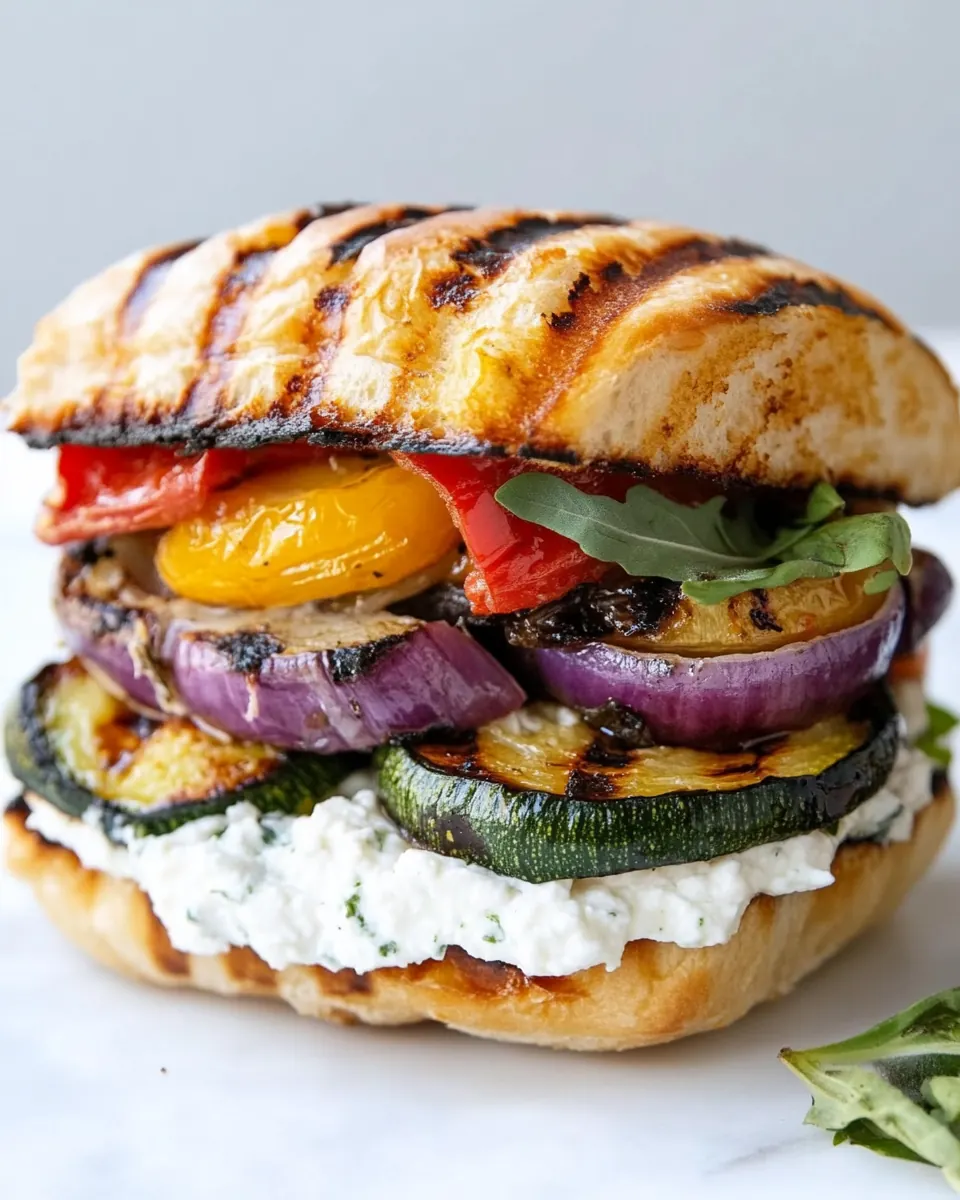
Grilled Vegetable Sandwich with Herbed Ricotta
Grilled Vegetable Sandwich with Herbed Ricotta has been my go to when the tomatoes at the farmers market are at their peak and I want a meal that feels both effortless and thoughtfully composed.
One summer afternoon I found myself juggling a handful of vegetables, a crusty loaf of bread, and a jar of ricotta that needed using. I wanted something that highlighted the grill marks on zucchini and eggplant, and that creamy dollop of herbed ricotta tied the whole sandwich together. That day, I assembled a stack of charred layers with a scatter of arugula, and every bite tasted like late afternoon on the porch.
I like to make this when friends drop by unexpectedly because it comes together fast, and you can easily scale it up. The recipe lives at the sweet spot between rustic and refined, where simple techniques let the ingredients sing, and where a little herbaceous ricotta makes the ordinary extraordinary. Whether you take it to a picnic or serve it for a relaxed weeknight, this sandwich is the sort of food that invites conversation as you eat.
Recipe Snapshot
35 mins
15 mins
20 mins
Medium
350 kcal
Mediterranean
Gluten-Free, Keto
Dinner
Grill, Spatula, Small bowl, Tongs
Why Try This Grilled Vegetable Sandwich with Herbed Ricotta
Fresh seasonal flavor
I love how the Grilled Vegetable Sandwich with Herbed Ricotta showcases summer produce. When the zucchini, yellow squash, and eggplant are ripe, their natural sweetness intensifies on the grill, and those charred edges add smoky depth without fuss.
Texture contrast
The sandwich balances creamy, crisp, and tender elements. The whipped herbed ricotta provides a cool richness, the grilled vegetables offer tender flesh with a slight bite, and the toasted ciabatta bread brings a pleasant chew so every mouthful has variety.
Easy to customize
I often tinker with the herbs in the ricotta, and the recipe handles substitutions well. You can swap the herb combo or change the vegetables depending on what you have, and it still reads as the same comforting sandwich I want to make again and again.
Great for sharing
This recipe is simple to scale, and it presents beautifully. I like arranging the grilled layers on a platter and letting guests assemble their sandwiches, which makes it feel casual and convivial. It is equally at home at a casual lunch or a light dinner.
Minimal fuss, maximum flavor
There is minimal technique but maximum payoff. A good sear and a bright herbed spread elevate straightforward ingredients into something memorable, and that balance is why I keep coming back to this sandwich.
Main Ingredients for Grilled Vegetable Sandwich with Herbed Ricotta
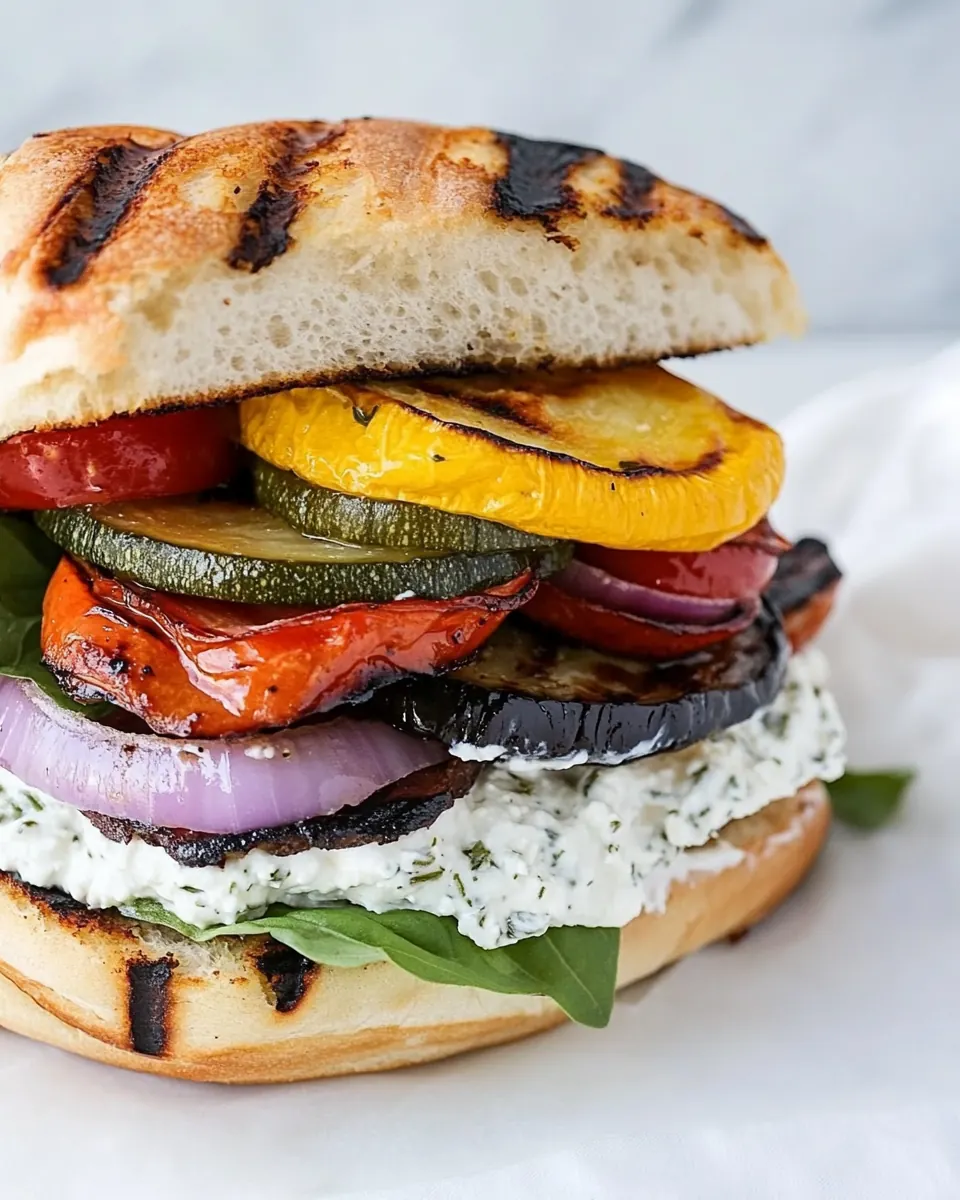
These ingredients are built around a simple philosophy: creamy, herbaceous spread; boldly seasoned, charred vegetables; and a sturdy bread to hold it all. The ricotta brings a cool, creamy anchor, while each grilled vegetable contributes a distinct texture and flavor. The ciabatta bread is the supporting actor, crisped to provide texture and to keep the filling from becoming soggy. Together they create a sandwich that sings in balance.
- 1 cup ricotta cheese: Provide creamy, mild richness and a soft base for the herbed filling; fold with herbs and garlic to create a spreadable ricotta that balances the charred vegetables.
- 1 tablespoon each of fresh basil, chives and parsley, chopped: Add bright, fresh herbaceous notes and a pop of color; finely chop and mix into the ricotta to lift savory flavors and add aromatic complexity.
- 1 clove garlic, minced: Impart pungent, savory depth and a subtle bite when minced and combined into the ricotta; helps meld the herbs and cheese for a cohesive spread.
- 1 tablespoon extra virgin olive oil plus more for drizzling: Coat vegetables lightly for grilling and enrich the ricotta with fruity, smooth fat; use for both dressing the vegetables and adding a drizzle for finishing.
- kosher salt and freshly ground black pepper: Season and enhance all components for balanced flavor; adjust to taste to bring out sweetness in vegetables and roundness in the ricotta spread.
- 1 portobello mushroom: Provide meaty, umami-packed texture and a substantial grilled element; slice or grill whole to add hearty flavor and a satisfying bite to the sandwich.
- 1 medium zucchini, sliced lengthwise: Offer tender, slightly sweet slices that char nicely on the grill; slice lengthwise so they layer flat and absorb seasoning and oil evenly.
- 1 medium yellow squash, sliced lengthwise: Contribute mild, summer squash sweetness and tender texture when grilled; slice lengthwise to create broad pieces that complement zucchini and eggplant.
- 1/2 medium eggplant, sliced into rounds: Bring slightly firm texture and mild bitterness that crisps at the edges when grilled; slice into rounds for even cooking and stacking in the sandwich.
- 1/2 red onion, peeled and sliced into rounds: Lend a sweet-sharp flavor and slight crunch when grilled; slice into rounds to create caramelized, savory layers in the sandwich.
- 1/2 red bell pepper, seeded and sliced in half or quarters: Add sweet, smoky flavor and vibrant color when grilled; slice into halves or quarters so pieces sear quickly and tuck neatly into the sandwich.
- 2 teaspoons dried oregano: Introduce an earthy, aromatic seasoning to the vegetables; sprinkle before or during grilling to reinforce Mediterranean flavors throughout the sandwich.
- 1 loaf ciabatta bread or other soft bread sliced into 6-inch sections and cut in half: Provide a crusty exterior and soft interior that holds fillings without overwhelming them; cut into sandwich-sized sections for easy assembly and handling.
- 1/2 cup arugula leaves: Contribute a peppery, fresh bite and textural contrast; tuck leaves into the sandwich just before serving to retain bright flavor and crispness.
- Balsamic glaze: Finish with concentrated sweet-tangy richness for glazing and visual appeal; drizzle over assembled sandwiches to balance savory ricotta and grilled vegetables.
Making This Grilled Vegetable Sandwich with Herbed Ricotta
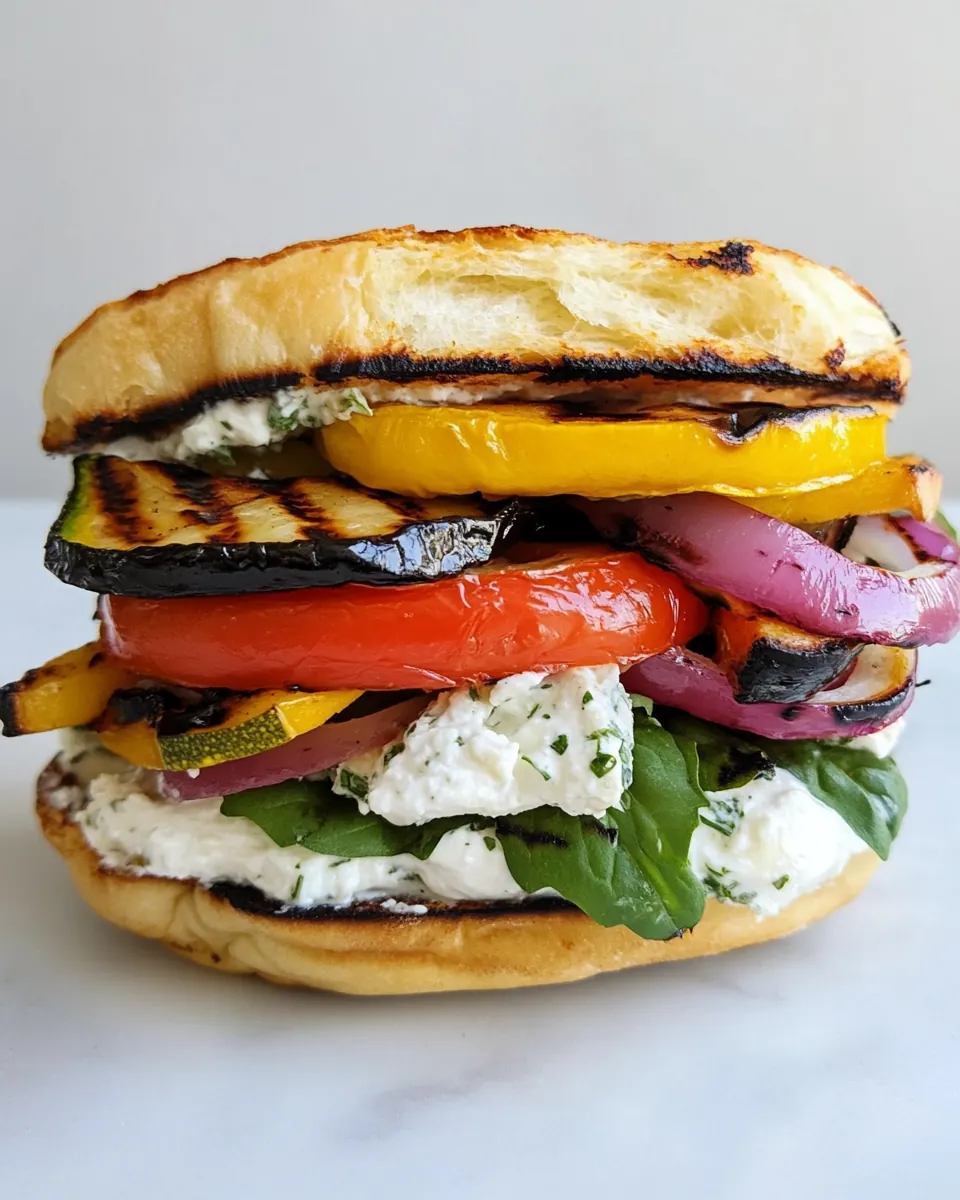
I like to approach the assembly like a small production, prepping the ricotta first, then getting the grill hot, and finally grilling everything to order. The steps below expand each direction into technique and sensory cues so you can get the same satisfying results I chase when I cook.
- In a small bowl, combine the ricotta cheese, fresh herbs, garlic clove, 1 tablespoon extra virgin olive oil, kosher salt and freshly ground black pepper and mix until smooth. Set aside.: The aroma of the minced garlic blooming into the ricotta should be immediate, with the herbs releasing green, floral notes as you stir. The texture should be glossy and just loose enough to spread easily, showing that the oil has emulsified with the cheese. This step matters because an evenly seasoned, smooth spread distributes flavor across every bite, preventing pockets of blandness. A common mistake is under mixing, which leaves clumps of herbs or grainy ricotta ; keep stirring until the mixture is silky. If it seems too thick, add a tiny drip of olive oil and taste again. The bowl should still hold its shape, but the spread should glide on bread without tearing it.
- Oil the grill grates with paper towels lightly coated with grapeseed or canola oil. Preheat the grill on medium high for 10-15 minutes.: You will smell a faint toasty scent as the grates heat up and any residual moisture evaporates, and the metal should feel hot when you hold your hand a safe distance above it. Oiling the grates prevents sticking and helps create clear grill marks, which adds visual appeal and concentrated caramelized flavor. If the grill is too cool, vegetables will steam rather than char, losing that essential depth, so preheat thoroughly. Be careful during oiling, as careless rubbing near an open flame can be hazardous; use tongs to hold the paper towel. A misstep here is rushing the preheat, which results in pale, limp veggies instead of those satisfying char lines.
- Drizzle the vegetables with extra virgin olive oil and season with dried oregano and kosher salt and pepper.: As the oil hits the cut surfaces, you will notice a slight sheen and the herbs clinging to the flesh, which helps the seasonings toast when they hit the grill. This coating promotes even browning and prevents the vegetables from drying out, so they become tender while retaining moisture. Toss gently to ensure every piece is coated; uneven seasoning can create hot and bland spots. Avoid drenching them, as too much oil can cause flare ups; a light, even drizzle is ideal. If your slices seem to soak up oil excessively, let them sit for a minute so the surface takes it in before placing on the grill.
- Drizzle some additional olive oil on the cut side of the ciabatta.: The smell should be faintly fruity and inviting as the bread takes up the oil, which helps it crisp instead of sticking to the grates. Oiling the cut side prevents the interior from becoming soggy and encourages a golden brown toast that provides structural support for the fillings. This step matters because a properly toasted interior holds the vegetables without collapsing, ensuring each bite is texturally satisfying. A common oversight is forgetting to oil the bread, which can lead to a muffled, soft sandwich rather than one with contrast.
- Place the vegetables on the grill and cook undisturbed for 5 minutes. Gently flip veggies with a spatula when veggies start to soften and grill marks develop. Cook for another 5 minutes. Toast the cut sides of the ciabatta. Transfer the veggies and ciabatta to a platter.: You should hear a low sizzle as the vegetables hit the hot grates, and after the first interval, distinct brown crosshatch marks will form where the sugars have caramelized. Leaving them undisturbed fosters those caramelized edges and prevents tearing, while flipping only once keeps the texture intact. The vegetables should be tender when pierced with a fork but still hold their shape, and the bread should be golden with a crisp surface and warm crumb. This step is crucial because overworking or flipping too often will result in uneven cooking and loss of char. Watch for flare ups from oil; move pieces if flames spike. If any pieces look pale after the second turn, give them another minute, but avoid long cooking that makes them mushy.
- Spread the herbed ricotta mixture on the cut sides of the bread slices. Top the bottom bread slices with layers of grilled vegetables and arugula then drizzle with balsamic glaze.: You will feel the cool, creamy ricotta against the warm toast, and the contrast in temperature amplifies the flavors. Layering the vegetables in alternating colors and textures creates a more interesting bite; tuck in the arugula last so its peppery freshness stands out against the char. The balsamic glaze should be thick and glossy, adding a bright, tangy finish that cuts through the richness. Technique matters because thoughtful layering prevents juices from soaking directly into the bread, preserving the crispness of the toast. A typical mistake is adding the arugula too early, which wilts it; add it just before serving for best texture.
- Serve warm or at room temperature.: The sandwich is flexible, and the flavors continue to knit together as it rests, so serving at room temperature brings forward the herbed notes while still celebrating the smokiness. Listen for the faint crisp from the toasted bread as you bite in, and notice how the creaminess of the ricotta balances the charred vegetables. This versatility lets you prepare components ahead of time, but avoid assembling too early or the bread may soften. If you must prepare ahead, keep the ricotta separate until just before serving to maintain texture.
How to Switch It Up
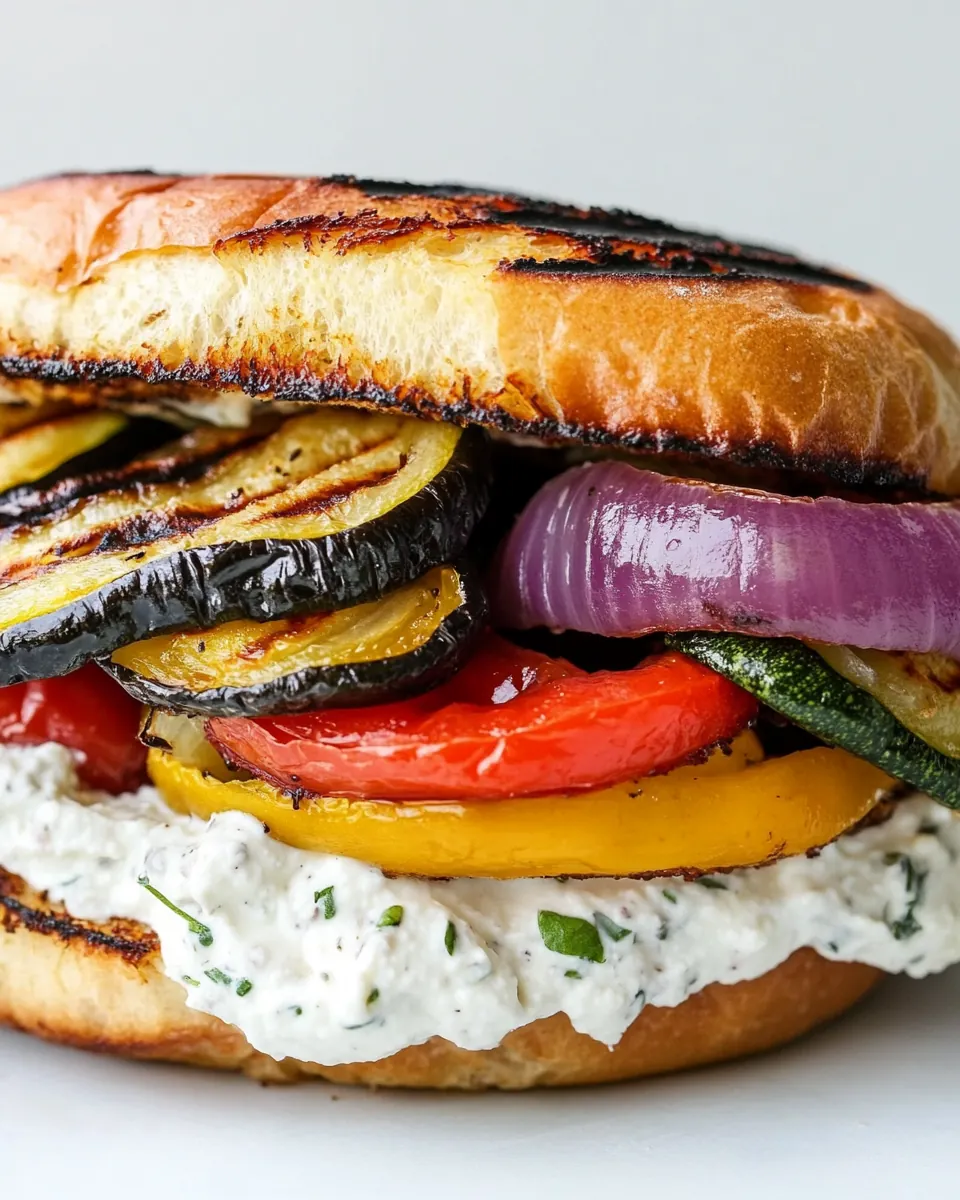
There are small ways to vary the Grilled Vegetable Sandwich with Herbed Ricotta to suit different occasions, palates, and pantry situations. Below are practical ideas for swaps and tweaks that keep the spirit of the sandwich intact while offering new textures and flavors.
- Change the herbs: Try swapping the basil, chives, and parsley for a handful of dill or tarragon for a different herbal profile, which will alter the brightness of the ricotta without changing the sandwich structure.
- Different bread options: Use a crusty baguette or a sturdy sourdough if you prefer a chewier bite; the important part is that the bread crisps well and supports the vegetables.
- Swap or add vegetables: If you have asparagus or cherry tomatoes, these make excellent additions that introduce new textures, just be mindful of cooking times so everything finishes together.
- Make it heartier: Add extra grilled portobello or double up on the eggplant for a more substantial sandwich that can stand in for a main course.
- Play with acidity: Replace the balsamic glaze with a quick vinaigrette drizzle for a punchier finish, which brightens each bite and contrasts the creamy ricotta.
Best Served With
This sandwich pairs well with simple sides and suits many occasions from casual lunches to light dinners. Below are ideas for serving, occasions, storage, and seasonal pairings that help you present it beautifully.
- Serve with a simple green salad: A crisp salad of mixed greens with a lemon vinaigrette complements the sandwich by adding acidity and crunch.
- Pair with roasted potatoes: Small roasted potatoes seasoned simply with olive oil and herbs make a comforting side that rounds out the meal.
- Perfect for lunch or light dinner: This sandwich works well for a mellow lunch, picnic, or a light evening meal when you want something flavorful but not heavy.
- Great for summer gatherings: Because it highlights grilled produce, it is especially well suited to backyard meals and warm weather entertaining.
- Storage tips: Keep the components separate if storing leftovers; refrigerate the grilled vegetables in an airtight container and spread the ricotta into a small jar so you can reassemble fresh when ready to eat.
- Seasonal pairings: Serve with ripe stone fruit or a chilled tomato salad in summer to echo the produce driven theme of the sandwich.
FAQ
Conclusion
This recipe is special because it balances smoky grilled vegetables with a bright, herb studded ricotta for a sandwich that feels both simple and refined. Give it a try when you want something that comes together quickly but delivers layered flavor and satisfying textures. I hope it becomes one of those go to meals you reach for on warm afternoons or casual dinners, and that you enjoy the little ritual of grilling and assembling it as much as I do.

Grilled Vegetable Sandwich with Herbed Ricotta
Equipment
- Grill
- Spatula
- Small Bowl
- Tongs
Ingredients
- 1 cup ricotta cheese Provide creamy, mild richness and a soft base for the herbed filling; fold with herbs and garlic to create a spreadable ricotta that balances the charred vegetables.
- 1 tablespoon each of fresh basil, chives and parsley, chopped Add bright, fresh herbaceous notes and a pop of color; finely chop and mix into the ricotta to lift savory flavors and add aromatic complexity.
- 1 clove garlic, minced Impart pungent, savory depth and a subtle bite when minced and combined into the ricotta; helps meld the herbs and cheese for a cohesive spread.
- 1 tablespoon extra virgin olive oil plus more for drizzling Coat vegetables lightly for grilling and enrich the ricotta with fruity, smooth fat; use for both dressing the vegetables and adding a drizzle for finishing.
- kosher salt and freshly ground black pepper Season and enhance all components for balanced flavor; adjust to taste to bring out sweetness in vegetables and roundness in the ricotta spread.
- 1 portobello mushroom Provide meaty, umami-packed texture and a substantial grilled element; slice or grill whole to add hearty flavor and a satisfying bite to the sandwich.
- 1 medium zucchini, sliced lengthwise Offer tender, slightly sweet slices that char nicely on the grill; slice lengthwise so they layer flat and absorb seasoning and oil evenly.
- 1 medium yellow squash, sliced lengthwise Contribute mild, summer squash sweetness and tender texture when grilled; slice lengthwise to create broad pieces that complement zucchini and eggplant.
- 1/2 medium eggplant, sliced into rounds Bring slightly firm texture and mild bitterness that crisps at the edges when grilled; slice into rounds for even cooking and stacking in the sandwich.
- 1/2 red onion, peeled and sliced into rounds Lend a sweet-sharp flavor and slight crunch when grilled; slice into rounds to create caramelized, savory layers in the sandwich.
- 1/2 red bell pepper, seeded and sliced in half or quarters Add sweet, smoky flavor and vibrant color when grilled; slice into halves or quarters so pieces sear quickly and tuck neatly into the sandwich.
- 2 teaspoons dried oregano Introduce an earthy, aromatic seasoning to the vegetables; sprinkle before or during grilling to reinforce Mediterranean flavors throughout the sandwich.
- 1 loaf ciabatta bread or other soft bread sliced into 6-inch sections and cut in half Provide a crusty exterior and soft interior that holds fillings without overwhelming them; cut into sandwich-sized sections for easy assembly and handling.
- 1/2 cup arugula leaves Contribute a peppery, fresh bite and textural contrast; tuck leaves into the sandwich just before serving to retain bright flavor and crispness.
- Balsamic glaze Finish with concentrated sweet-tangy richness for glazing and visual appeal; drizzle over assembled sandwiches to balance savory ricotta and grilled vegetables.
Instructions
- In a small bowl, combine the ricotta cheese, fresh herbs, garlic clove, 1 tablespoon extra virgin olive oil, kosher salt and freshly ground black pepper and mix until smooth. Set aside.: The aroma of the minced garlic blooming into the ricotta should be immediate, with the herbs releasing green, floral notes as you stir. The texture should be glossy and just loose enough to spread easily, showing that the oil has emulsified with the cheese. This step matters because an evenly seasoned, smooth spread distributes flavor across every bite, preventing pockets of blandness. A common mistake is under mixing, which leaves clumps of herbs or grainy ricotta ; keep stirring until the mixture is silky. If it seems too thick, add a tiny drip of olive oil and taste again. The bowl should still hold its shape, but the spread should glide on bread without tearing it.
- Oil the grill grates with paper towels lightly coated with grapeseed or canola oil. Preheat the grill on medium high for 10-15 minutes.: You will smell a faint toasty scent as the grates heat up and any residual moisture evaporates, and the metal should feel hot when you hold your hand a safe distance above it. Oiling the grates prevents sticking and helps create clear grill marks, which adds visual appeal and concentrated caramelized flavor. If the grill is too cool, vegetables will steam rather than char, losing that essential depth, so preheat thoroughly. Be careful during oiling, as careless rubbing near an open flame can be hazardous; use tongs to hold the paper towel. A misstep here is rushing the preheat, which results in pale, limp veggies instead of those satisfying char lines.
- Drizzle the vegetables with extra virgin olive oil and season with dried oregano and kosher salt and pepper.: As the oil hits the cut surfaces, you will notice a slight sheen and the herbs clinging to the flesh, which helps the seasonings toast when they hit the grill. This coating promotes even browning and prevents the vegetables from drying out, so they become tender while retaining moisture. Toss gently to ensure every piece is coated; uneven seasoning can create hot and bland spots. Avoid drenching them, as too much oil can cause flare ups; a light, even drizzle is ideal. If your slices seem to soak up oil excessively, let them sit for a minute so the surface takes it in before placing on the grill.
- Drizzle some additional olive oil on the cut side of the ciabatta.: The smell should be faintly fruity and inviting as the bread takes up the oil, which helps it crisp instead of sticking to the grates. Oiling the cut side prevents the interior from becoming soggy and encourages a golden brown toast that provides structural support for the fillings. This step matters because a properly toasted interior holds the vegetables without collapsing, ensuring each bite is texturally satisfying. A common oversight is forgetting to oil the bread, which can lead to a muffled, soft sandwich rather than one with contrast.
- Place the vegetables on the grill and cook undisturbed for 5 minutes. Gently flip veggies with a spatula when veggies start to soften and grill marks develop. Cook for another 5 minutes. Toast the cut sides of the ciabatta. Transfer the veggies and ciabatta to a platter.: You should hear a low sizzle as the vegetables hit the hot grates, and after the first interval, distinct brown crosshatch marks will form where the sugars have caramelized. Leaving them undisturbed fosters those caramelized edges and prevents tearing, while flipping only once keeps the texture intact. The vegetables should be tender when pierced with a fork but still hold their shape, and the bread should be golden with a crisp surface and warm crumb. This step is crucial because overworking or flipping too often will result in uneven cooking and loss of char. Watch for flare ups from oil; move pieces if flames spike. If any pieces look pale after the second turn, give them another minute, but avoid long cooking that makes them mushy.
- Spread the herbed ricotta mixture on the cut sides of the bread slices. Top the bottom bread slices with layers of grilled vegetables and arugula then drizzle with balsamic glaze.: You will feel the cool, creamy ricotta against the warm toast, and the contrast in temperature amplifies the flavors. Layering the vegetables in alternating colors and textures creates a more interesting bite; tuck in the arugula last so its peppery freshness stands out against the char. The balsamic glaze should be thick and glossy, adding a bright, tangy finish that cuts through the richness. Technique matters because thoughtful layering prevents juices from soaking directly into the bread, preserving the crispness of the toast. A typical mistake is adding the arugula too early, which wilts it; add it just before serving for best texture.
- Serve warm or at room temperature.: The sandwich is flexible, and the flavors continue to knit together as it rests, so serving at room temperature brings forward the herbed notes while still celebrating the smokiness. Listen for the faint crisp from the toasted bread as you bite in, and notice how the creaminess of the ricotta balances the charred vegetables. This versatility lets you prepare components ahead of time, but avoid assembling too early or the bread may soften. If you must prepare ahead, keep the ricotta separate until just before serving to maintain texture.
Notes
- Change the herbs: Try swapping the basil, chives, and parsley for a handful of dill or tarragon for a different herbal profile, which will alter the brightness of the ricotta without changing the sandwich structure.
- Different bread options: Use a crusty baguette or a sturdy sourdough if you prefer a chewier bite; the important part is that the bread crisps well and supports the vegetables.
- Swap or add vegetables: If you have asparagus or cherry tomatoes, these make excellent additions that introduce new textures, just be mindful of cooking times so everything finishes together.
- Make it heartier: Add extra grilled portobello or double up on the eggplant for a more substantial sandwich that can stand in for a main course.
- Play with acidity: Replace the balsamic glaze with a quick vinaigrette drizzle for a punchier finish, which brightens each bite and contrasts the creamy ricotta.
