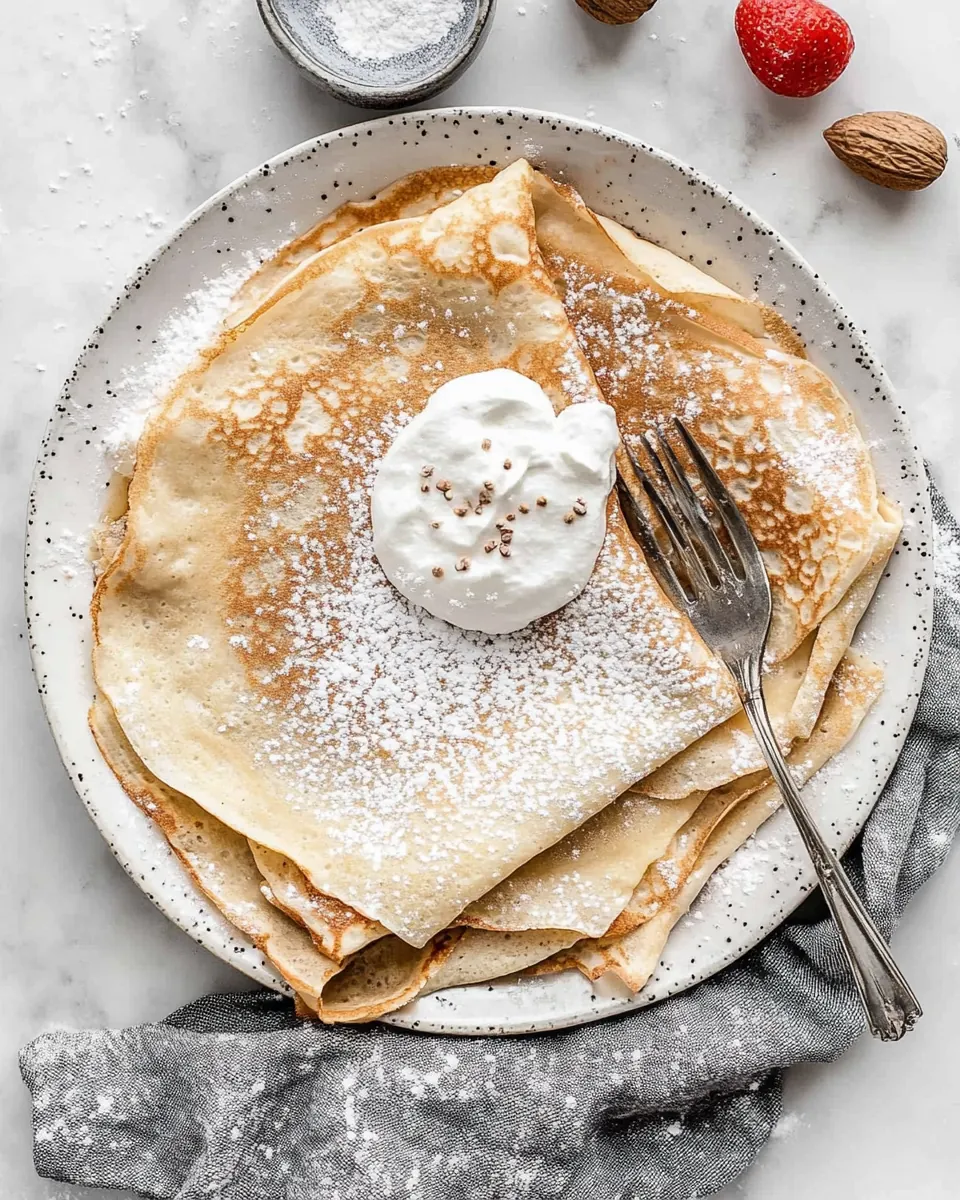
Healthy Whole Wheat Crêpes
Healthy Whole Wheat Crêpes have been a quiet staple in my kitchen for years, a recipe I turn to when I want something light yet satisfying for breakfast or a relaxed weekend brunch. The first time I made these, I was chasing a memory of thin, tender crêpes my grandmother used to serve, but I wanted a healthier twist that still felt indulgent. From that experiment I learned how simple swaps like whole-wheat pastry flour and unsweetened almond milk can transform a classic into something nourishing without losing its charm.
When friends come over on a slow Saturday morning, I often set up a small crêpe station. One person mans the pan and another arranges toppings, and conversation fills the pauses while the batter rests. I love that these Healthy Whole Wheat Crêpes invite that communal rhythm. They are flexible enough for sweet or savory toppings, and they carry both fruit and spice with grace.
There are days when I crave a quick, comforting breakfast; other times I want something that looks special without a fuss. These crêpes meet both needs because the batter is forgiving and the cooking is almost meditative, a gentle swish and a quick flip. Over time I have learned the small visual cues that tell me a crêpe is ready to turn, and that knowledge makes the process feel reliable and comforting. Once you make them a few times, you will find your own little rituals, and these Healthy Whole Wheat Crêpes will become one of those recipes you reach for again and again.
Recipe Snapshot
25 mins
10 mins
15 mins
Medium
150 kcal
American
Vegan, Gluten-Free
Breakfast
Blender, Crêpe pan, Measuring cups, Spatula
Why This Healthy Whole Wheat Crêpes Is So Good
They balance health and comfort effortlessly
I love how Healthy Whole Wheat Crêpes keep the soul of a classic treat while bringing in whole grain goodness. The whole-wheat pastry flour gives a gentle nutty flavor and a tender crumb that feels intentional, not heavy. You get the satisfaction of a thin, soft crêpe, and the nutritional boost of whole grains, so you can enjoy more without the same guilt.
Versatility that fits any meal
One of the best parts for me is how these crêpes adapt. I use them for breakfast with fruit and a light drizzle, or for a savory lunch stacked with greens and a simple spread. The neutral but slightly toasty profile of whole-wheat pastry flour and the mildness of unsweetened almond milk let the toppings shine, which is why I often treat the batter as a canvas rather than the headline act.
Simple technique, big payoff
Mixing everything in a blender makes the process delightfully hands off, and the texture comes out ultra smooth. I appreciate that the batter just needs time to rest so the flour hydrates, which improves elasticity and prevents tearing. That pause is key, and it rewards patience with crêpes that lift cleanly and cook evenly.
Great for feeding a group
Because the yield is generous, these Healthy Whole Wheat Crêpes are perfect for weekend gatherings. They cook quickly on a hot pan, so with a little organization you can turn out a stack in no time. I like how everyone can customize their own, which keeps things lively and relaxed around the table.
Ingredients you can trust
There is comfort in knowing exactly what goes into the batter. With straightforward items like eggs, whole-wheat pastry flour, and a bit of coconut oil, the recipe feels approachable and honest. That transparency is something I always return to when choosing which recipes to make regularly.
Ingredients to Make Healthy Whole Wheat Crêpes
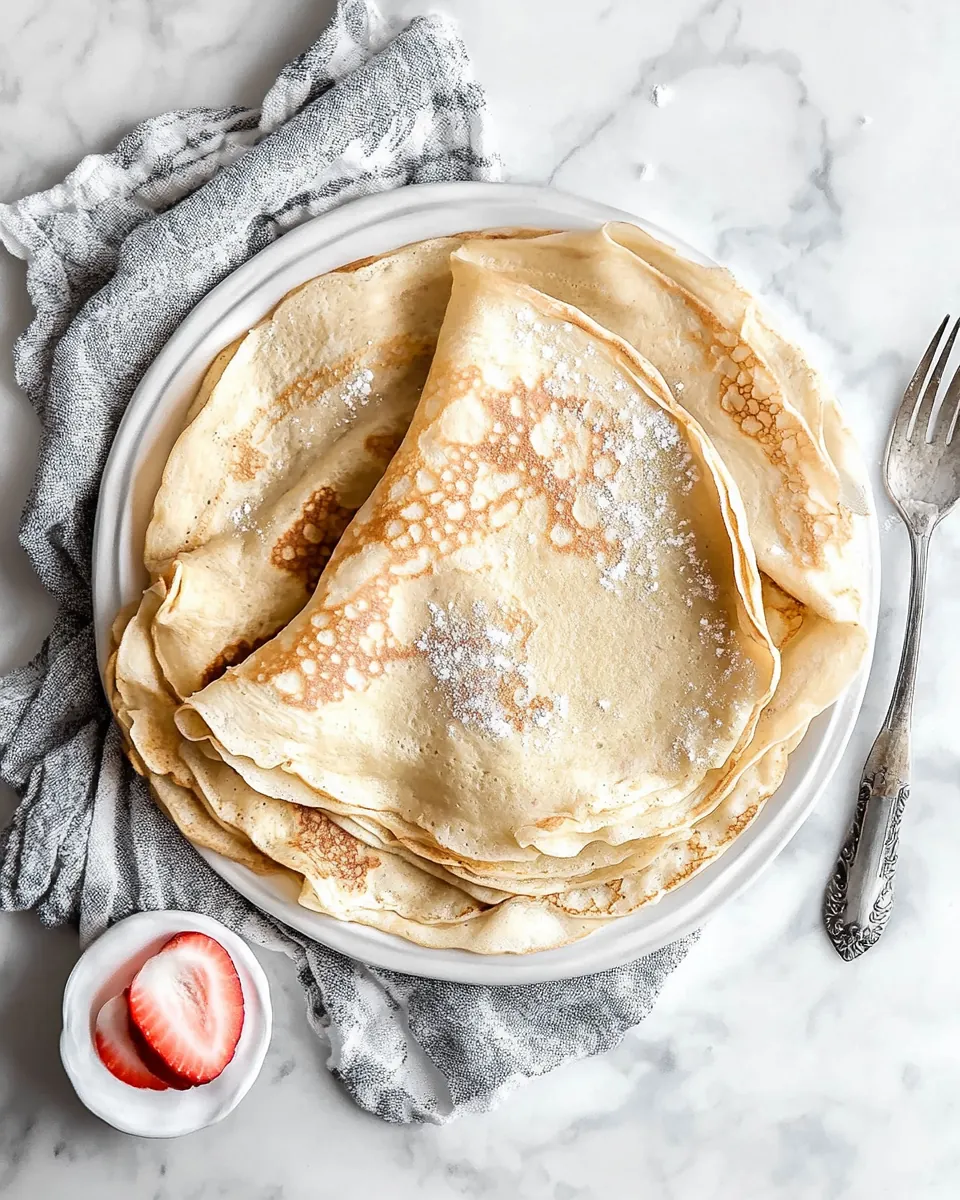
These ingredients are chosen to create a batter that is thin, elastic, and flavorful while staying wholesome. The key players are the whole-wheat pastry flour for a tender structure, the liquids for thinness and cookability, and the eggs for binding and lift. Together they form a batter that hydrates into delicate crêpes with a hint of nuttiness.
- 1 cup whole-wheat pastry flour: Provide structure and a nutty, wholesome base for the batter; whole–wheat pastry flour yields a lighter texture than regular whole–wheat flour and helps create thin, pliable crêpes while contributing fiber and nutrients to the recipe.
- 1 tablespoon sugar: Add subtle sweetness and help balance flavors; sugar enhances browning and improves the overall taste of the crêpes while a small amount keeps them healthy yet palatable.
- 1/4 teaspoon salt: Enhance overall flavor by balancing sweetness and bringing out other flavors; salt strengthens gluten slightly and rounds out the batter’s taste even in a small amount.
- 1 cup unsweetened almond milk: Create a dairy-free liquid base that hydrates the flour and contributes to the batter’s smoothness and tenderness; unsweetened almond milk keeps the recipe light while adding a mild, slightly nutty flavor.
- 1/2 cup water: Thin the batter to a pourable consistency and lighten the texture; water dilutes the mixture so crêpes spread easily in the pan and cook into delicate layers.
- 1/2 tablespoon fresh lemon juice: Brighten flavor and prevent bitterness while helping batter set; fresh lemon juice adds a gentle acidity that balances richness and can slightly tenderize the batter.
- 2 teaspoons coconut oil melted: Improve texture and add richness without dairy; melted coconut oil provides fat that helps crêpes brown evenly, prevents sticking, and contributes a subtle tropical aroma.
- 2 large eggs: Bind the batter, add richness, and help with leavening and structure; large eggs provide moisture, proteins, and emulsification that produce flexible, cohesive crêpes.
The Process for Making Healthy Whole Wheat Crêpes
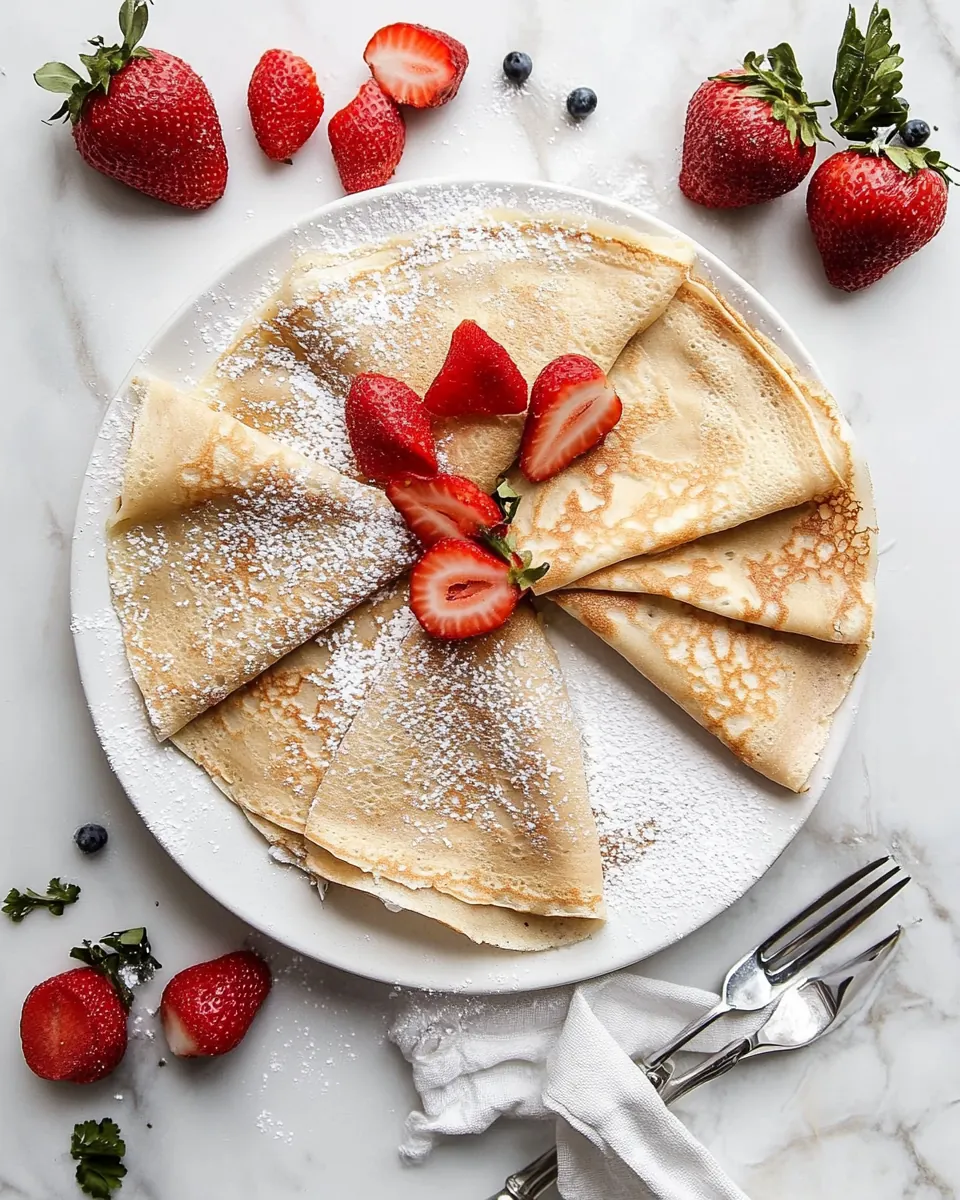
Making these crêpes is largely about patience and observation. The blender gives a silky batter, the rest lets the flour bloom, and the hot pan produces quick, golden rounds you can stack. Below I expand each direction into clear steps so you can feel confident at every turn.
- Place all the ingredients in a blender and blend until well combined.: When you blend the mixture, listen for a steady, even whirr and watch the batter take on a smooth, glossy sheen. You should see no lumps, and the texture should be free flowing, like heavy cream. The aroma will be gently wheaty with a whisper of coconut from the melted coconut oil . This step matters because blending fully hydrates the flour, eliminates grainy pockets, and incorporates air for tenderness. A common mistake is running the blender too briefly which leaves specks of flour. If that happens, pour the batter through a fine mesh strainer to catch bits and give it another short pulse.
- Refrigerate the batter for at least 1 hour to allow the flour to hydrate—don't skip this step! The longer you do this, the better.: The batter needs this quiet time so the whole–wheat pastry flour can absorb the liquids and relax. As it chills you will notice the surface become calmer and slightly thicker, and the scent will mellow. This resting helps gluten relax, resulting in flexible crêpes that do not tear when you swirl and flip them. Many people rush this step, which leads to crêpes that have a rough texture and are more likely to crack. If you are short on time, even thirty minutes helps, but an hour is ideal for the best mouthfeel.
- Lightly spray a crêpe pan (or a small pan) with cooking spray and heat to medium heat.: As the pan warms, you will hear a barely audible hum from the burner and feel a steady radiating heat if you hover your hand above it. A medium setting yields a surface that browns gradually, producing an even golden color rather than dark spots. Lightly greasing prevents sticking while avoiding excess oil that can fry the batter. A common trap is using too high heat which causes immediate darkening and an undercooked center, so aim for a controlled medium temperature and adjust after the first crêpe.
- Pour a scant 1/4 cup of the batter into the middle of the heated pan, swirling it around so the batter reaches the outside.: When you pour, the batter should spread thinly and quickly coat the pan in a near translucent sheet. The movement of the batter looks like a gentle tide extending to the rim. This thin layer is what gives crêpes their delicate texture, so the swirling technique matters more than the exact volume. If you pour too much, the crêpe will be thick and lose its signature suppleness. If the batter resists spreading, the pan may be too cool; give it a minute longer to warm up.
- Cook until the outside edges become lightly crisp and just begin to roll from the sides, and the underneath is golden brown, about 1 minute.: Watch the edges closely; they will lift and show tiny, dry ridges while the center still looks matte but set. The scent at this point is warm and wheaty with faint caramel notes, and the underside will be a soft, even gold. This cue tells you the proteins have set and the sugars have started to caramelize, which enhances flavor. A frequent error is flipping too soon, yielding a crepe that tears. Wait for those lifted edges and a firm center for a clean turn.
- Gently flip the crêpe—I use a crepe lifter and then quickly flip with my fingers. Cook an additional 30-40 seconds on the other side. Repeat with the remaining batter.: After flipping, the second side cooks faster and the surface will develop a delicate, pale browning. You should hear a very soft hiss, and the aroma will deepen slightly. This shorter cook time ensures the interior stays tender while the exterior finishes. Overcooking here makes crêpes dry and more brittle, so keep a watchful eye and remove them as soon as the surface loses its raw sheen. A typical mistake is leaving them on the heat until dark brown, which tightens texture and reduces pliability.
- Enjoy with whatever toppings you desire!: Serving is where these crêpes shine. You will notice the warm, slightly nutty base pairs beautifully with bright fruit or a light spread. The mouthfeel should be silky yet flexible, allowing you to roll or fold without cracking. Let the stack rest briefly under a clean towel if you are making ahead, which keeps them soft. Resist piling hot fillings directly onto just cooked crepes for long periods, as steam can make them soggy; instead, assemble right before serving for the best texture.
Pro Tips and Tweaks
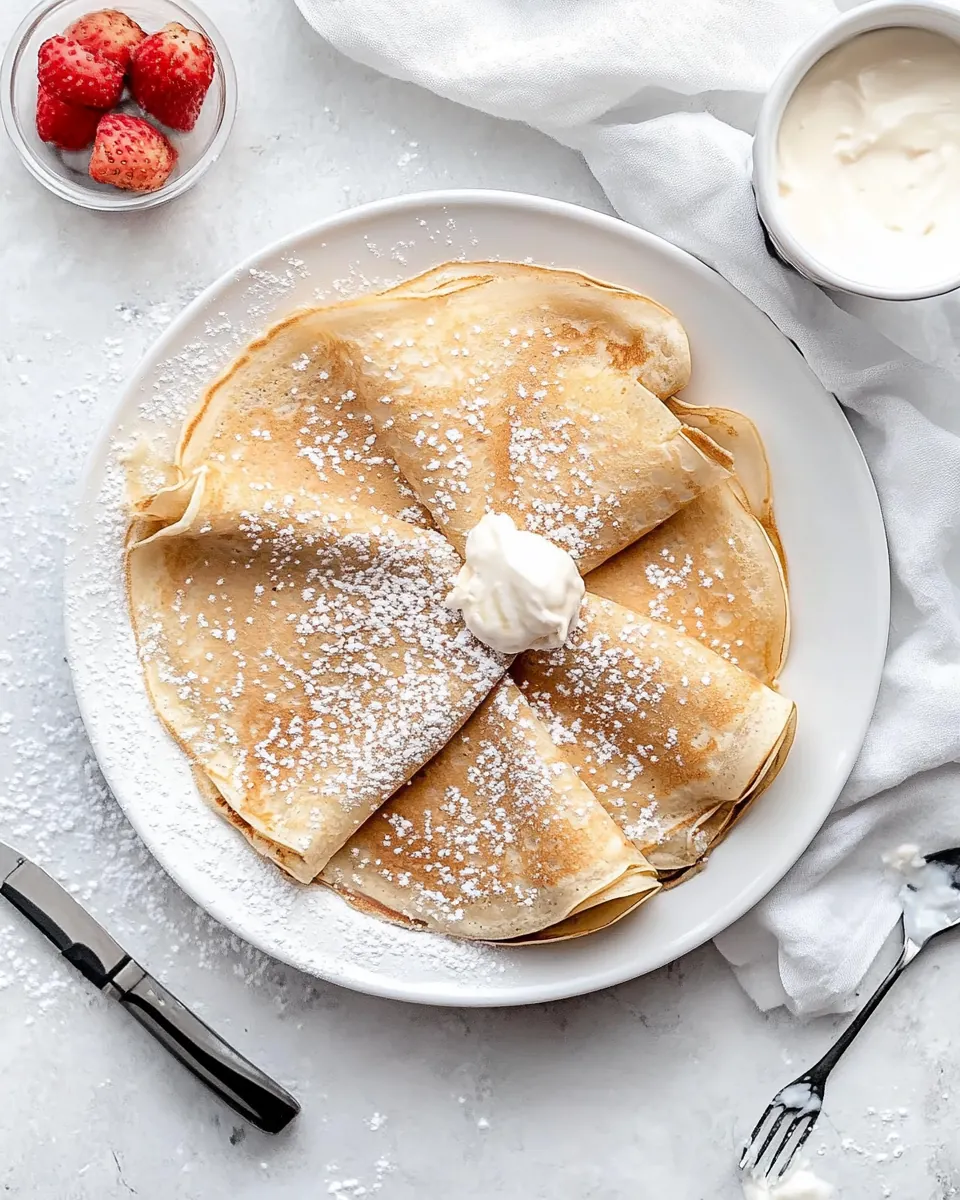
I always find a few small practices help the cooking flow. Below are the tips I use every time to ensure consistent, tender crêpes and easy service when feeding others.
- Measure for consistency: Use the same scant 1 4th cup for each crêpe to maintain uniform size and cooking time, which makes timing predictable and stacking easy.
- Temperature test: Cook the first crêpe as a test and adjust the heat if it browns too fast or too slow, that first round tells you everything about your pan and burner.
- Thin with water if needed: If the batter feels too thick after resting, add water by the tablespoon until it flows like heavy cream to ensure a paper thin spread.
- Cool slightly between stacks: Let crêpes cool a bit before stacking tightly to prevent trapped steam from making them soggy, a brief rest helps maintain texture.
- Keep tools ready: Have your topping station organized so you can assemble and serve immediately, which preserves the ideal warm, pliable texture of the crêpes.
Serve This Healthy Whole Wheat Crêpes With
These crêpes are wonderfully adaptable, which makes them easy to pair. Whether you are hosting a brunch, preparing a light dinner, or assembling a Ramadan suhoor, the serving ideas below cover presentation, sides, and storage.
- Fresh fruit and a light drizzle: Arrange sliced berries or stone fruit and a gentle drizzle of a fruit spread to highlight the crêpe’s nutty base, the contrast is bright and refreshing for breakfast or brunch.
- Yogurt or labneh dollops: Serve small spoons of thick yogurt alongside for guests to add, providing a creamy contrast that balances the whole wheat flavor and adds protein for a more filling meal.
- Simple greens for lunch: Pair with a crisp, lightly dressed salad to create a balanced midday plate, the crêpes act as a delicate vessel for savory fillings while the greens refresh the palate.
- Occasion friendly stacking: For gatherings, stack crepes on a warm platter and provide bowls of toppings so guests can customize, which keeps the serving casual and interactive for events like weekend brunches.
- Storage and make ahead: Cool completely, then layer between parchment and store in the refrigerator up to two days, or freeze separated by parchment for longer storage, thaw gently before reheating in a warm pan.
- Seasonal pairings: In spring and summer use ripe berries and citrus, while in cooler months roast pears or apples to complement the crêpe’s toasty notes, adjusting toppings to match the season.
FAQ
Conclusion
These Healthy Whole Wheat Crêpes are special because they marry the delicate texture of traditional crêpes with whole grain goodness, producing a tender, flexible base for any topping. I encourage you to give them a try, letting the batter rest and using a steady medium heat for cooking. They are forgiving, versatile, and rewarding to make, whether you serve them for a casual breakfast or a leisurely brunch with friends.
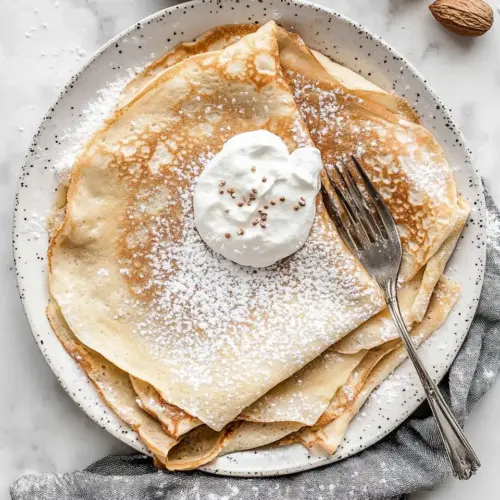
Healthy Whole Wheat Crêpes
Equipment
- Blender
- Crêpe pan
- Measuring Cups
- Spatula
Ingredients
- 1 cup whole-wheat pastry flour Provide structure and a nutty, wholesome base for the batter; whole-wheat pastry flour yields a lighter texture than regular whole-wheat flour and helps create thin, pliable crêpes while contributing fiber and nutrients to the recipe.
- 1 tablespoon sugar Add subtle sweetness and help balance flavors; sugar enhances browning and improves the overall taste of the crêpes while a small amount keeps them healthy yet palatable.
- 1/4 teaspoon salt Enhance overall flavor by balancing sweetness and bringing out other flavors; salt strengthens gluten slightly and rounds out the batter’s taste even in a small amount.
- 1 cup unsweetened almond milk Create a dairy-free liquid base that hydrates the flour and contributes to the batter’s smoothness and tenderness; unsweetened almond milk keeps the recipe light while adding a mild, slightly nutty flavor.
- 1/2 cup water Thin the batter to a pourable consistency and lighten the texture; water dilutes the mixture so crêpes spread easily in the pan and cook into delicate layers.
- 1/2 tablespoon fresh lemon juice Brighten flavor and prevent bitterness while helping batter set; fresh lemon juice adds a gentle acidity that balances richness and can slightly tenderize the batter.
- 2 teaspoons coconut oil melted Improve texture and add richness without dairy; melted coconut oil provides fat that helps crêpes brown evenly, prevents sticking, and contributes a subtle tropical aroma.
- 2 large eggs Bind the batter, add richness, and help with leavening and structure; large eggs provide moisture, proteins, and emulsification that produce flexible, cohesive crêpes.
Instructions
- Place all the ingredients in a blender and blend until well combined.: When you blend the mixture, listen for a steady, even whirr and watch the batter take on a smooth, glossy sheen. You should see no lumps, and the texture should be free flowing, like heavy cream. The aroma will be gently wheaty with a whisper of coconut from the melted coconut oil . This step matters because blending fully hydrates the flour, eliminates grainy pockets, and incorporates air for tenderness. A common mistake is running the blender too briefly which leaves specks of flour. If that happens, pour the batter through a fine mesh strainer to catch bits and give it another short pulse.
- Refrigerate the batter for at least 1 hour to allow the flour to hydrate—don't skip this step! The longer you do this, the better.: The batter needs this quiet time so the whole-wheat pastry flour can absorb the liquids and relax. As it chills you will notice the surface become calmer and slightly thicker, and the scent will mellow. This resting helps gluten relax, resulting in flexible crêpes that do not tear when you swirl and flip them. Many people rush this step, which leads to crêpes that have a rough texture and are more likely to crack. If you are short on time, even thirty minutes helps, but an hour is ideal for the best mouthfeel.
- Lightly spray a crêpe pan (or a small pan) with cooking spray and heat to medium heat.: As the pan warms, you will hear a barely audible hum from the burner and feel a steady radiating heat if you hover your hand above it. A medium setting yields a surface that browns gradually, producing an even golden color rather than dark spots. Lightly greasing prevents sticking while avoiding excess oil that can fry the batter. A common trap is using too high heat which causes immediate darkening and an undercooked center, so aim for a controlled medium temperature and adjust after the first crêpe.
- Pour a scant 1/4 cup of the batter into the middle of the heated pan, swirling it around so the batter reaches the outside.: When you pour, the batter should spread thinly and quickly coat the pan in a near translucent sheet. The movement of the batter looks like a gentle tide extending to the rim. This thin layer is what gives crêpes their delicate texture, so the swirling technique matters more than the exact volume. If you pour too much, the crêpe will be thick and lose its signature suppleness. If the batter resists spreading, the pan may be too cool; give it a minute longer to warm up.
- Cook until the outside edges become lightly crisp and just begin to roll from the sides, and the underneath is golden brown, about 1 minute.: Watch the edges closely; they will lift and show tiny, dry ridges while the center still looks matte but set. The scent at this point is warm and wheaty with faint caramel notes, and the underside will be a soft, even gold. This cue tells you the proteins have set and the sugars have started to caramelize, which enhances flavor. A frequent error is flipping too soon, yielding a crepe that tears. Wait for those lifted edges and a firm center for a clean turn.
- Gently flip the crêpe—I use a crepe lifter and then quickly flip with my fingers. Cook an additional 30-40 seconds on the other side. Repeat with the remaining batter.: After flipping, the second side cooks faster and the surface will develop a delicate, pale browning. You should hear a very soft hiss, and the aroma will deepen slightly. This shorter cook time ensures the interior stays tender while the exterior finishes. Overcooking here makes crêpes dry and more brittle, so keep a watchful eye and remove them as soon as the surface loses its raw sheen. A typical mistake is leaving them on the heat until dark brown, which tightens texture and reduces pliability.
- Enjoy with whatever toppings you desire!: Serving is where these crêpes shine. You will notice the warm, slightly nutty base pairs beautifully with bright fruit or a light spread. The mouthfeel should be silky yet flexible, allowing you to roll or fold without cracking. Let the stack rest briefly under a clean towel if you are making ahead, which keeps them soft. Resist piling hot fillings directly onto just cooked crepes for long periods, as steam can make them soggy; instead, assemble right before serving for the best texture.
Notes
- Measure for consistency: Use the same scant 1 4th cup for each crêpe to maintain uniform size and cooking time, which makes timing predictable and stacking easy.
- Temperature test: Cook the first crêpe as a test and adjust the heat if it browns too fast or too slow, that first round tells you everything about your pan and burner.
- Thin with water if needed: If the batter feels too thick after resting, add water by the tablespoon until it flows like heavy cream to ensure a paper thin spread.
- Cool slightly between stacks: Let crêpes cool a bit before stacking tightly to prevent trapped steam from making them soggy, a brief rest helps maintain texture.
- Keep tools ready: Have your topping station organized so you can assemble and serve immediately, which preserves the ideal warm, pliable texture of the crêpes.
