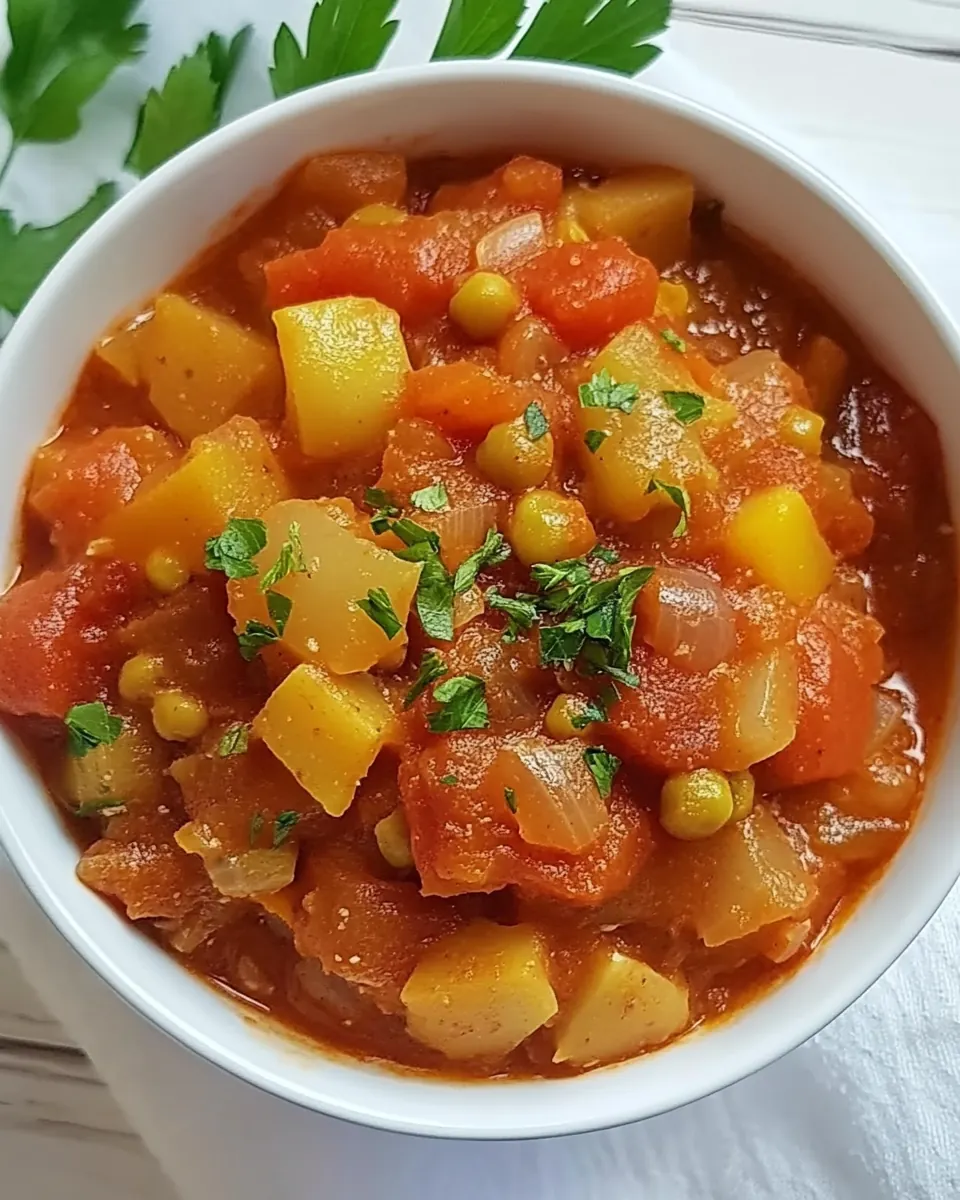
Healthy Vegan Stew
Healthy Vegan Stew has been my go to on cold evenings when I want something comforting without feeling weighed down. I remember the first time I made it for a friend who had just moved into a new apartment, and how the whole place smelled like warm spices and roasted vegetables, drawing neighbors to the door. That memory made this stew feel like more than food, it became a small ritual for welcoming people.
I often chop vegetables while listening to an old playlist, and the rhythm of the knife against the board makes the process feel almost meditative. The combination of butternut squash, zucchini, and chickpeas creates layers of texture, and the coconut milk lends a gentle creaminess that ties everything together. I love that it’s flexible, so when my pantry is sparse I still feel creative and satisfied. The balance of spice and mellow sweetness keeps the dish interesting from the first spoonful to the last.
What I enjoy most is how forgiving this stew is. It simmers patiently, and while it does, you can tidy up the kitchen or set the table. The final bowl, garnished with fresh cilantro, feels wholesome and intentional. Over time I’ve learned small adjustments that make the flavors pop, and sharing those has become one of my favorite kitchen moments. Whether you are feeding family or prepping lunches for the week, this is a recipe that keeps giving.
Recipe Snapshot
50 mins
15 mins
35 mins
Medium
300 kcal
Vegan
Vegan, Gluten-Free
Dinner
Large pot, Wooden spoon
Why We Love This Healthy Vegan Stew
Hearty but light
I love how Healthy Vegan Stew manages to be filling without feeling heavy. The combination of starchy butternut squash and fiber rich chickpeas gives a sustained, satisfying mouthfeel. It warms you from the inside, yet it never sits like a dense casserole. I reach for it on nights when I want comfort without a food coma.
Complex spice profile
We get bright, smoky, and earthy notes all at once thanks to the chipotles in adobo, cumin, coriander, and garam masala. I find that layering spices this way creates a melody of flavors, not just one loud note. The smokiness plays against the natural sweetness of the tomato and butternut squash, so each spoonful evolves as you eat it.
One pot, many textures
This stew shines because it mixes creamy, tender, and slightly firm components. The zucchini keeps some bite while the butternut squash melts into silk, and the chickpeas add chew. I love how the coconut milk smooths everything out, creating a comforting sauce that clings to each piece.
Easy pantry to plate
Most of the ingredients are pantry staples, so you can assemble it quickly. I often find myself improvising with what I have, and this recipe rewards small substitutions without losing its character. That reliability makes it ideal for busy weeknights when you want great flavor with minimal fuss.
Versatile serving options
We serve it solo or over grains for heartier meals. It pairs beautifully with rice or quinoa, and you can even stir in pasta for a homestyle twist. I appreciate a recipe that adapts to the moment, so you can make it as a quick dinner or a meal to feed guests.
Ingredients to Make Healthy Vegan Stew
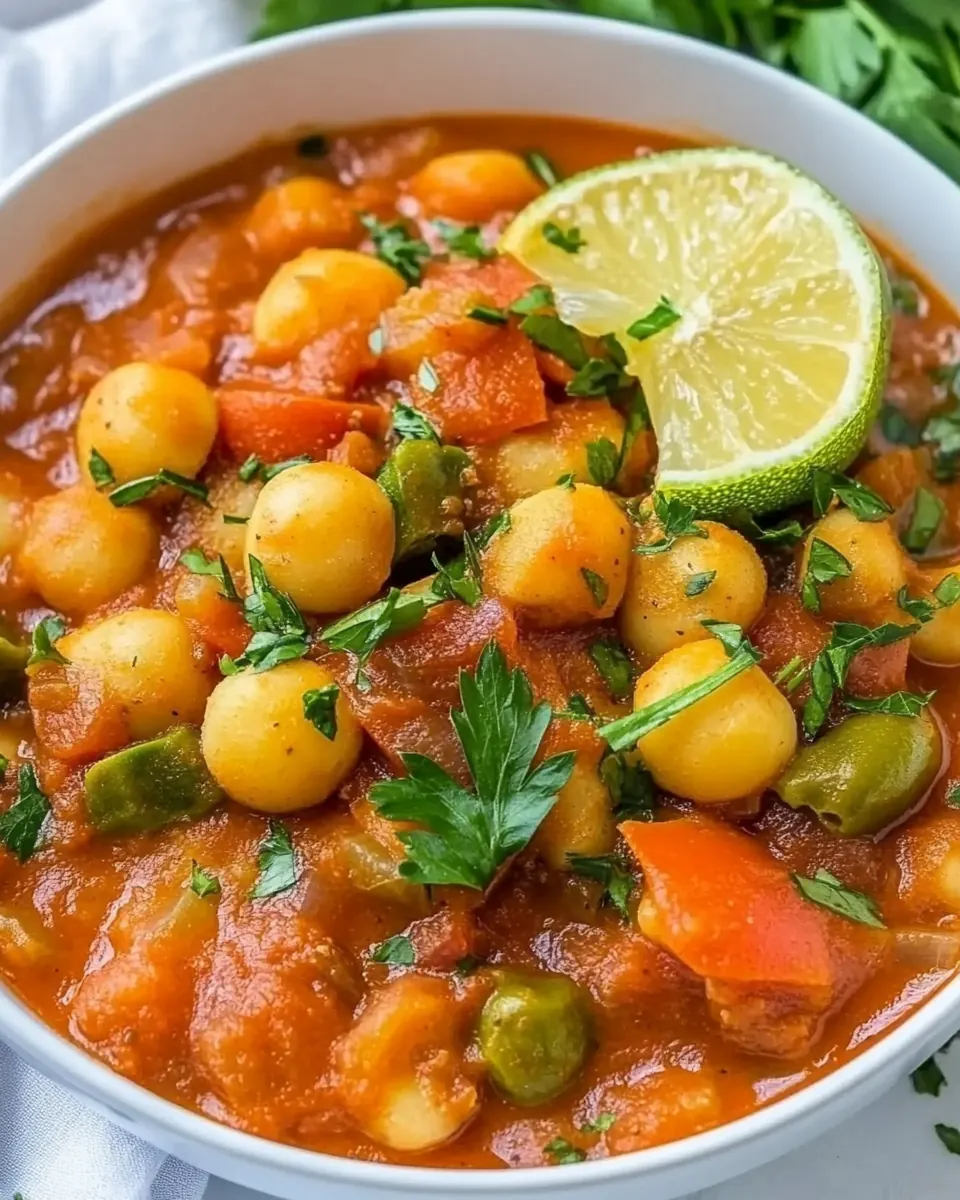
These ingredients are chosen to build layers of comfort and nourishment. The key players are the starchy butternut squash for body, the legumes for protein and texture, and the spices for warmth and depth. Coconut milk provides a silky finish while vegetable aromatics set the foundation, so each component has a clear role.
- 1 medium onion: Sauté to develop sweetness and a savory base; finely chop for even cooking and soft texture. Adds depth and aromatic complexity that supports the stew's flavors when caramelized gently.
- 3 tbsp olive oil: Use for frying and coating ingredients to carry flavors; measure for balanced richness without overpowering. Provides a healthy fat that helps meld spices and promote a silky mouthfeel in the final stew.
- 4 garlic cloves, minced: Mince and lightly cook to release pungent aromatics; stir in early to bloom spices and infuse oil. Contributes sharpness and warmth that brightens the overall flavor profile without dominating.
- 1 1/2 lbs butternut squash, peeled and cubed: Peel and cube to create hearty body and natural sweetness; roast or simmer until tender for a creamy texture. Supplies bulk, natural sugars, and a velvety mouthfeel that complements the coconut milk.
- 3 medium tomatoes, pureed or use 1 can of tomato sauce: Puree or substitute with tomato sauce to add acidity and umami; cook down slightly to concentrate flavor. Balances sweetness from squash and richness from coconut milk while providing a savory backbone.
- 1 1/2 lbs zucchini, cubed: Cube and add later in cooking to retain some firmness and freshness; avoid overcooking to preserve texture. Contributes light vegetal notes and moisture while offering contrast to softer elements.
- 2 cans chickpeas: Drain and rinse before adding to provide protein, fiber, and a chewy texture; simmer to absorb flavors. Acts as a sturdy protein source that enhances heartiness and makes the stew more satisfying.
- 1 can unsweetened coconut milk: Shake and stir in to lend creaminess and tropical richness without dairy; incorporate gradually. Smooths and enriches the broth, creating a luscious consistency and mellowing spicy or acidic elements.
- 1 tbsp chipotles in adobo sauce, minced: Mince sparingly to introduce smoky heat and complex chile flavor; adjust amount to taste for desired spiciness. Infuses the stew with a smoky, tangy kick that elevates depth and warmth throughout the dish.
- 1 tsp cumin powder: Sprinkle and toast briefly to release earthy, warm notes; pair with coriander for layered spice. Brings gentle warmth and aromatic earthiness that complements the coconut and tomato base.
- 1 tsp coriander powder: Add and bloom with cumin to introduce citrusy, floral undertones; toast lightly to maximize aroma. Provides bright, fragrant lift and a subtle sweetness that rounds out the spice blend.
- 1 tsp garam masala: Stir in to contribute a complex mix of warming spices and a hint of sweetness; use measured amounts. Delivers an aromatic, multi-dimensional spice character that ties together the stew's savory and sweet elements.
- 1 tsp salt or to taste: Season toward the end and taste-adjust to enhance all flavors; start conservatively and increase as needed. Balances and elevates the stew by intensifying other seasonings and harmonizing the overall taste.
How to Assemble Healthy Vegan Stew
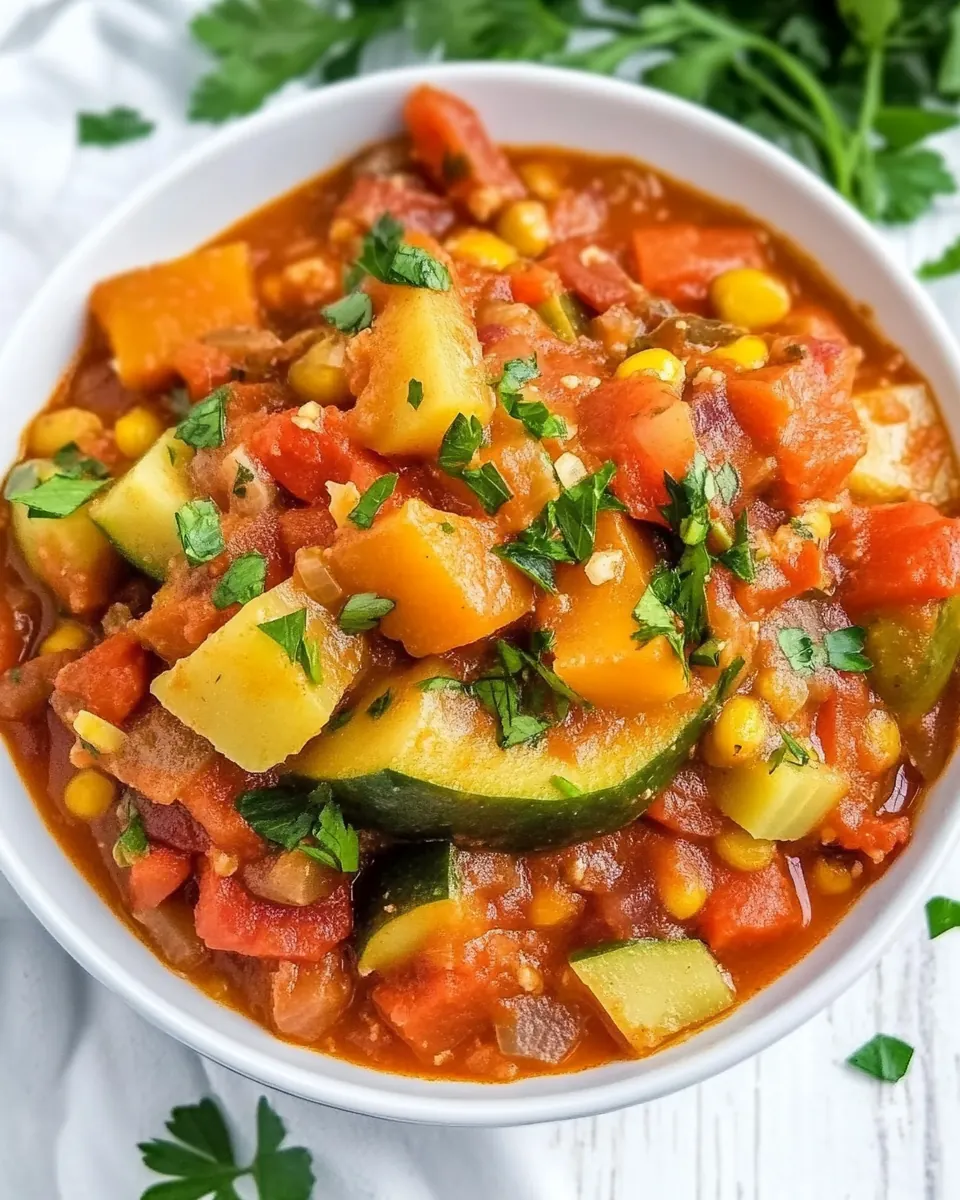
This stew comes together simply on the stovetop, and I like to move through the steps with attention to aroma and texture. Below you’ll find each instruction expanded with sensory cues, the reason behind the technique, and a troubleshooting tip to keep things on track.
- In a large pot, add the olive oil and onions. Cook the onions on the stovetop until they are soft and caramelized, stirring often to keep them from sticking.: The moment the olive oil warms and the onions hit the surface you will hear a gentle sizzle and soon smell a sweet, savory aroma as they soften, signaling flavor development. Allowing the onions to cook until soft and lightly caramelized brings out latent sugars that deepen the stew, creating a complex base. Keep the heat medium to prevent browning too quickly, and stir often to ensure even color and to avoid sticking. A common mistake is rushing this step with high heat, which can scorch the onions and introduce bitterness, so be patient and let them loosen their moisture gradually.
- Add the minced garlic, chipotle in adobo sauce, coriander, garam masala, cumin, and salt. Continue to stir until everything is mixed together thoroughly.: When you add the garlic and spices, the pot will release a fragrant burst, with the smoky chipotle cutting through the sweeter onion notes. Stir continuously and let the spices bloom for about thirty to sixty seconds so their essential oils infuse the oil, creating a layered aroma. This technique boosts flavor intensity and distributes spices evenly. Beware of leaving the garlic unattended in hot oil, it can brown in an instant and go bitter; keep stirring and lower the heat if necessary.
- Then, add the butternut squash and tomato puree to the pot, mixing well. Cover the pot and simmer for 10 minutes. Stir.: As the butternut squash and tomato mingle with the spiced oil, you will notice the pot filling with a sweet and tangy steam. Stir to coat the squash with the spiced tomato, ensuring each cube is kissed with flavor. Cover the pot and simmer for 10 minutes, which allows the squash to begin softening and the tomato to integrate into a saucy base. The cover traps steam so the squash cooks through evenly, but avoid overfilling the pot which can lead to uneven cooking. If the squash is not softening after the initial simmer, increase the simmer gently and allow more time rather than turning up heat abruptly.
- Add the zucchini, chickpeas, and coconut milk, stirring until the ingredients are well-incorporated. Cover and cook for another 20 minutes, stirring occasionally. Then, stir in the cilantro.: When you pour in the coconut milk and fold in the zucchini and chickpeas , the stew's texture will shift from chunky to luxuriously saucy, and a lighter, creamy aroma will rise. Stir to combine so the coconut milk envelops each piece, then cover and cook for another 20 minutes, stirring occasionally to prevent sticking and to check doneness. This step melds flavors and softens the zucchini without turning it to mush. A typical error is overcooking the zucchini so it becomes watery and loses structure, so keep an eye on the texture and remove the lid for the last few minutes if you need to thicken the liquid.
- Serve with some more fresh cilantro on top and enjoy.: After the stew has finished simmering, adding fresh cilantro brings a bright, herbaceous finish that contrasts with the dish's warm spices and creamy base. The fresh herb aroma will lift the bowl instantly and offer a clean note against the smoky chipotle. Stir gently so the herb wilts slightly without losing its vibrant color. Avoid cooking the cilantro for too long because it will fade and lose its fresh vibrancy; add it at the end and taste to adjust seasoning.
- Serve with some more fresh cilantro on top and enjoy: The final presentation should be a steaming bowl where the crema like surface of the stew glistens and curls of herb float on top, indicating freshness. Garnishing with extra cilantro adds visual contrast and a burst of fresh flavor on first bite. Serve immediately while the stew is hot so the textures and aromas remain vivid. A common serving issue is letting the stew sit too long, which mutes aromas and softens textures; if you must hold it, reheat gently and do a quick seasoning check before serving.
Recipe Variations about Healthy Vegan Stew
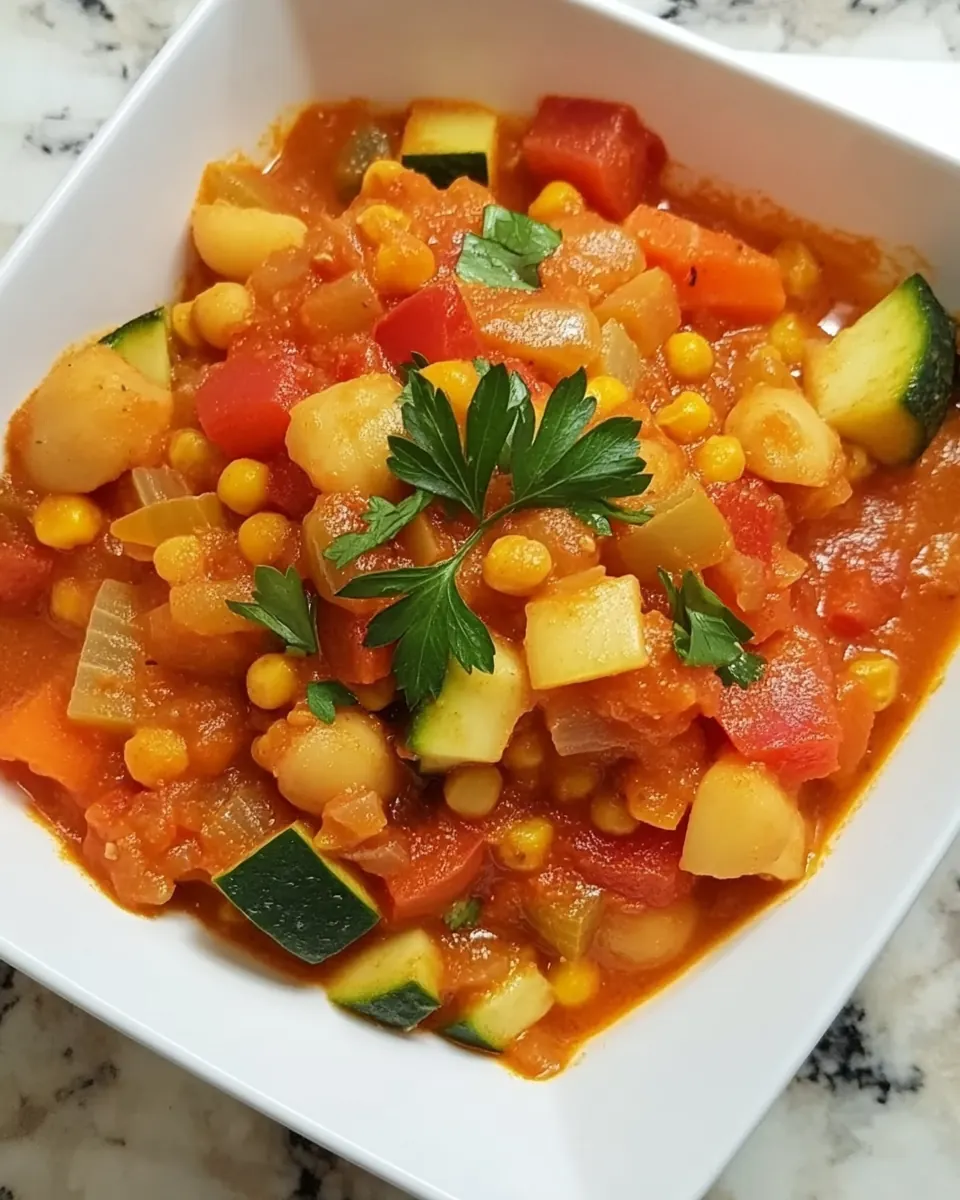
This stew is a wonderful canvas for personalization, so here are focused variations and serving ideas to expand its utility. Below I outline thoughtful options you can use without changing the stew’s core identity.
- With greens: Stir in fresh spinach or kale at the end to add color and extra nutrients, letting the leaves wilt briefly in the hot stew for two to three minutes before serving.
- Different beans: Swap the canned chickpeas for kidney beans or black beans for a different texture and flavor profile, ensuring they are pre cooked or canned and rinsed.
- Heartier starch: Add diced potatoes with the butternut squash for a more filling version, cutting them into uniform pieces so they cook at the same rate.
- Spice adjustment: Increase or decrease the amount of chipotles in adobo to control heat, and consider adding a pinch more salt to bring out subtle flavors after simmering.
- Herb swaps: Experiment with parsley or basil in place of cilantro to introduce different aromatic notes that complement the spices.
- Serve with grains: Spoon the stew over rice, quinoa, or couscous for a satisfying bowl that stretches servings and soaks up the sauce.
Serving Suggestions
I like to present this stew in wide bowls so the surface cools slightly and the aromas are more noticeable. The following detailed options help you match the meal to the occasion and storage needs.
- Simple bowl: Serve the stew on its own as a cozy, light main course, garnished with fresh cilantro.
- With grains: Pair with steamed rice, quinoa, or bulgur to create a heartier plate for dinner, allowing the grain to soak up the coconut spiced sauce.
- For guests: Offer crusty bread on the side so people can mop up the sauce, turning the meal into a casual communal experience.
- Meal prep: Portion into airtight containers and refrigerate for up to four days, reheating gently on the stovetop to preserve texture and avoid breaking down the zucchini further.
- Seasonal pairing: This stew is ideal for colder months like winter, providing warming spices and nourishing vegetables that match the season’s cravings.
- Occasions: Serve it for weeknight dinners, casual gatherings, or during times when you want an easy, nourishing dish that can scale well for guests.
- Garnish ideas: Keep toppings simple, like a squeeze of lemon or extra cilantro, to add brightness without overwhelming the stew’s balanced flavors.
- Storage tip: Freeze in portions for up to three months, thaw overnight in the refrigerator, and reheat slowly to maintain a pleasant texture.
- Presentation: Use shallow bowls to highlight the stew’s colorful chunks and creamy surface, making it feel more composed and inviting.
- Pairing: Serve alongside light salads or roasted vegetables if you want a multi course meal without heavy meats.
FAQ
Conclusion
Healthy Vegan Stew stands out because it balances smoky, sweet, and creamy elements into a single, comforting bowl that is also nourishing. Try it when you want a fuss free meal that still feels intentional and special, whether for a quiet weeknight or to feed friends. The recipe is forgiving and versatile, so you can adapt it slightly based on what you have in the pantry while keeping its essential character. I hope it becomes one of your go to meals for colder nights and busy schedules.
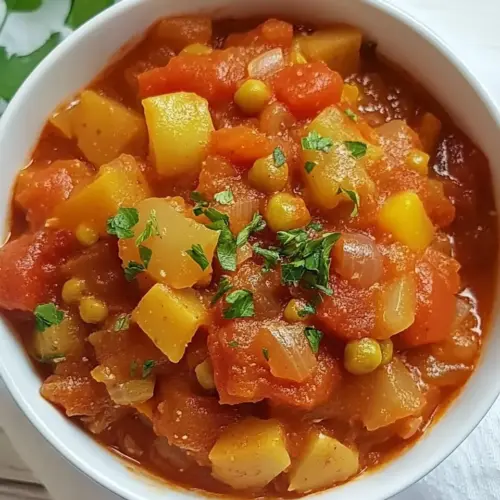
Healthy Vegan Stew
Equipment
- Large Pot
- Wooden Spoon
Ingredients
- 1 medium onion Sauté to develop sweetness and a savory base; finely chop for even cooking and soft texture. Adds depth and aromatic complexity that supports the stew's flavors when caramelized gently.
- 3 tbsp olive oil Use for frying and coating ingredients to carry flavors; measure for balanced richness without overpowering. Provides a healthy fat that helps meld spices and promote a silky mouthfeel in the final stew.
- 4 garlic cloves, minced Mince and lightly cook to release pungent aromatics; stir in early to bloom spices and infuse oil. Contributes sharpness and warmth that brightens the overall flavor profile without dominating.
- 1 1/2 lbs butternut squash, peeled and cubed Peel and cube to create hearty body and natural sweetness; roast or simmer until tender for a creamy texture. Supplies bulk, natural sugars, and a velvety mouthfeel that complements the coconut milk.
- 3 medium tomatoes, pureed or use 1 can of tomato sauce Puree or substitute with tomato sauce to add acidity and umami; cook down slightly to concentrate flavor. Balances sweetness from squash and richness from coconut milk while providing a savory backbone.
- 1 1/2 lbs zucchini, cubed Cube and add later in cooking to retain some firmness and freshness; avoid overcooking to preserve texture. Contributes light vegetal notes and moisture while offering contrast to softer elements.
- 2 cans chickpeas Drain and rinse before adding to provide protein, fiber, and a chewy texture; simmer to absorb flavors. Acts as a sturdy protein source that enhances heartiness and makes the stew more satisfying.
- 1 can unsweetened coconut milk Shake and stir in to lend creaminess and tropical richness without dairy; incorporate gradually. Smooths and enriches the broth, creating a luscious consistency and mellowing spicy or acidic elements.
- 1 tbsp chipotles in adobo sauce, minced Mince sparingly to introduce smoky heat and complex chile flavor; adjust amount to taste for desired spiciness. Infuses the stew with a smoky, tangy kick that elevates depth and warmth throughout the dish.
- 1 tsp cumin powder Sprinkle and toast briefly to release earthy, warm notes; pair with coriander for layered spice. Brings gentle warmth and aromatic earthiness that complements the coconut and tomato base.
- 1 tsp coriander powder Add and bloom with cumin to introduce citrusy, floral undertones; toast lightly to maximize aroma. Provides bright, fragrant lift and a subtle sweetness that rounds out the spice blend.
- 1 tsp garam masala Stir in to contribute a complex mix of warming spices and a hint of sweetness; use measured amounts. Delivers an aromatic, multi-dimensional spice character that ties together the stew's savory and sweet elements.
- 1 tsp salt or to taste Season toward the end and taste-adjust to enhance all flavors; start conservatively and increase as needed. Balances and elevates the stew by intensifying other seasonings and harmonizing the overall taste.
Instructions
- In a large pot, add the olive oil and onions. Cook the onions on the stovetop until they are soft and caramelized, stirring often to keep them from sticking.: The moment the olive oil warms and the onions hit the surface you will hear a gentle sizzle and soon smell a sweet, savory aroma as they soften, signaling flavor development. Allowing the onions to cook until soft and lightly caramelized brings out latent sugars that deepen the stew, creating a complex base. Keep the heat medium to prevent browning too quickly, and stir often to ensure even color and to avoid sticking. A common mistake is rushing this step with high heat, which can scorch the onions and introduce bitterness, so be patient and let them loosen their moisture gradually.
- Add the minced garlic, chipotle in adobo sauce, coriander, garam masala, cumin, and salt. Continue to stir until everything is mixed together thoroughly.: When you add the garlic and spices, the pot will release a fragrant burst, with the smoky chipotle cutting through the sweeter onion notes. Stir continuously and let the spices bloom for about thirty to sixty seconds so their essential oils infuse the oil, creating a layered aroma. This technique boosts flavor intensity and distributes spices evenly. Beware of leaving the garlic unattended in hot oil, it can brown in an instant and go bitter; keep stirring and lower the heat if necessary.
- Then, add the butternut squash and tomato puree to the pot, mixing well. Cover the pot and simmer for 10 minutes. Stir.: As the butternut squash and tomato mingle with the spiced oil, you will notice the pot filling with a sweet and tangy steam. Stir to coat the squash with the spiced tomato, ensuring each cube is kissed with flavor. Cover the pot and simmer for 10 minutes, which allows the squash to begin softening and the tomato to integrate into a saucy base. The cover traps steam so the squash cooks through evenly, but avoid overfilling the pot which can lead to uneven cooking. If the squash is not softening after the initial simmer, increase the simmer gently and allow more time rather than turning up heat abruptly.
- Add the zucchini, chickpeas, and coconut milk, stirring until the ingredients are well-incorporated. Cover and cook for another 20 minutes, stirring occasionally. Then, stir in the cilantro.: When you pour in the coconut milk and fold in the zucchini and chickpeas , the stew's texture will shift from chunky to luxuriously saucy, and a lighter, creamy aroma will rise. Stir to combine so the coconut milk envelops each piece, then cover and cook for another 20 minutes, stirring occasionally to prevent sticking and to check doneness. This step melds flavors and softens the zucchini without turning it to mush. A typical error is overcooking the zucchini so it becomes watery and loses structure, so keep an eye on the texture and remove the lid for the last few minutes if you need to thicken the liquid.
- Serve with some more fresh cilantro on top and enjoy.: After the stew has finished simmering, adding fresh cilantro brings a bright, herbaceous finish that contrasts with the dish's warm spices and creamy base. The fresh herb aroma will lift the bowl instantly and offer a clean note against the smoky chipotle. Stir gently so the herb wilts slightly without losing its vibrant color. Avoid cooking the cilantro for too long because it will fade and lose its fresh vibrancy; add it at the end and taste to adjust seasoning.
- Serve with some more fresh cilantro on top and enjoy: The final presentation should be a steaming bowl where the crema like surface of the stew glistens and curls of herb float on top, indicating freshness. Garnishing with extra cilantro adds visual contrast and a burst of fresh flavor on first bite. Serve immediately while the stew is hot so the textures and aromas remain vivid. A common serving issue is letting the stew sit too long, which mutes aromas and softens textures; if you must hold it, reheat gently and do a quick seasoning check before serving.
Notes
- With greens: Stir in fresh spinach or kale at the end to add color and extra nutrients, letting the leaves wilt briefly in the hot stew for two to three minutes before serving.
- Different beans: Swap the canned chickpeas for kidney beans or black beans for a different texture and flavor profile, ensuring they are pre cooked or canned and rinsed.
- Heartier starch: Add diced potatoes with the butternut squash for a more filling version, cutting them into uniform pieces so they cook at the same rate.
- Spice adjustment: Increase or decrease the amount of chipotles in adobo to control heat, and consider adding a pinch more salt to bring out subtle flavors after simmering.
- Herb swaps: Experiment with parsley or basil in place of cilantro to introduce different aromatic notes that complement the spices.
- Serve with grains: Spoon the stew over rice, quinoa, or couscous for a satisfying bowl that stretches servings and soaks up the sauce.