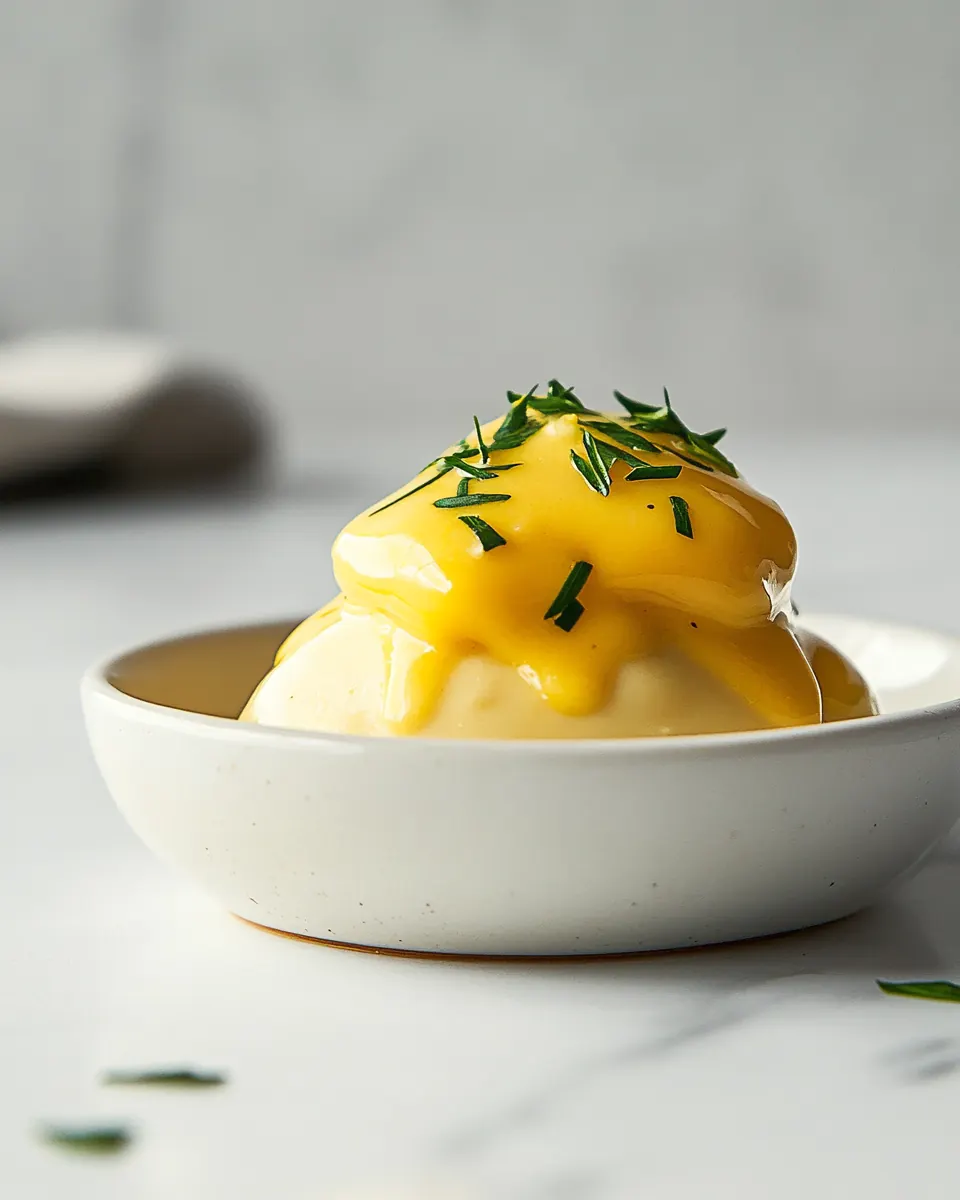
Healthier Hollandaise Sauce
Healthier Hollandaise Sauce is the streamlined, brighter take on a brunch classic that I reach for when I want the same creamy richness with a lighter feel. The first time I made this version I was trying to impress a friend who loved eggs Benedict but was watching their fat intake, and the sauce came together so smoothly that we both ended up spooning it over roasted asparagus until there was none left.
Over the years I’ve tweaked the balance of lemon, spices, and technique until the sauce is reliably silky without being heavy. I remember the nervous excitement of pouring warm melted butter into those whisked egg yolks while holding my breath, only to be rewarded with a glossy, emulsified sauce that clung beautifully to whatever I dipped into it. That moment convinced me that healthier does not mean compromising on indulgence.
What I love about this Healthier Hollandaise Sauce is that it plays well with weeknight simplicity and special morning gatherings alike. It reheats gently, it behaves when you need a quick sauce fix, and it forgives small timing hiccups as long as you’re mindful of temperature. I often portion leftovers into a jar and use it sparingly across sandwiches and steamed vegetables during the week.
Recipe Snapshot
10 mins
5 mins
5 mins
Easy
400 kcal
American
Keto, Gluten-Free
Side Dishes
Blender, Double boiler, Microwave safe bowl
Why This Healthier Hollandaise Sauce Shines
Silky texture without the guilt
I adore how this Healthier Hollandaise Sauce delivers that classic creamy mouthfeel while using technique to lighten the finish. By relying on a careful emulsion and the option to thin with warm water, you get a sauce that feels luxurious but is easier on the palate and stomach. I find this especially helpful when serving a mix of guests, some of whom prefer lighter fare.
Speed and simplicity
One of the reasons I keep this recipe on hand is how fast it comes together. With just a few minutes of melting and blending, you have a fresh sauce that tastes far superior to jarred versions. For busy mornings when I want to elevate eggs or steamed greens, the quick assembly means you can have something special with minimal fuss.
Flexible and forgiving
Because the recipe allows you to adjust thickness with warm water and tweak spices, it’s very forgiving if temperatures drift a bit. I once had the sauce thicken too quickly, and gentle whisking with a tablespoon of warm water saved it. That adaptability makes it a reliable choice whether you are an experienced cook or still building confidence.
Bright, balanced flavor
The combination of fresh lemon and a modest pinch of cayenne pepper lifts the rich notes of the melted butter and egg yolks so the sauce never feels cloying. A hint of onion and garlic powder deepens the savory base, while salt and black pepper keep the profile rounded. I like that each ingredient contributes purposefully, so nothing feels wasted.
Versatile pairing potential
I’ve served this sauce with everything from poached eggs to roasted vegetables, and it always complements without overpowering. Its lighter texture makes it ideal for times when you want elegance without heaviness. For weekend brunches or simple dinners, this sauce is the quiet star that brings other components together.
Ingredients You’ll Need for Healthier Hollandaise Sauce
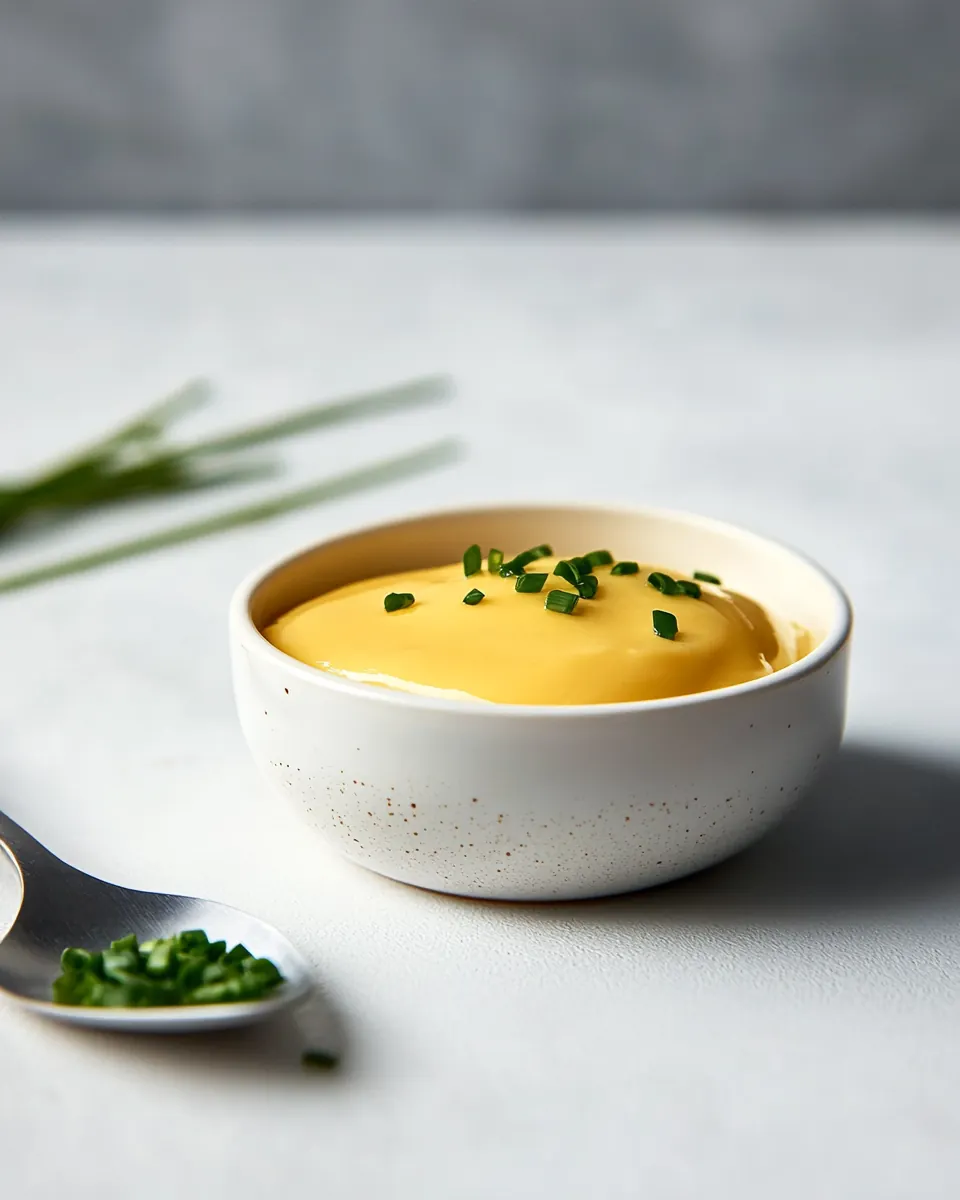
These ingredients are chosen to create a dependable emulsion that tastes bright and rich without excess heaviness. The egg yolks are the true binder, giving structure and velvet while the melted unsalted butter provides flavor and silky mouthfeel. Lemon juice adds acidity to balance richness, and the small measures of spices sharpen and round the profile without overwhelming the sauce.
- 1 cup unsalted butter: Melted to provide a rich, silky base and emulsifying fat, creating the classic creamy texture of hollandaise while contributing buttery flavor and body.
- 2 egg yolks: Whisked to supply emulsifying proteins and natural lecithin that stabilize the sauce and add a smooth, custard-like richness when tempered with warm butter.
- 1 tablespoon lemon juice: Squeezed to add bright acidity that balances the butteriness, cuts richness, and enhances overall flavor while helping to stabilize the emulsion.
- 1/4 teaspoon salt: Measured to season gently, enhancing other flavors without overpowering and helping to bring out the natural savory notes in the sauce.
- 1/4 teaspoon black pepper: Ground to provide a mild heat and aromatic warmth that complements the sauce, adding subtle depth and contrast to the creamy base.
- 1/4 teaspoon cayenne pepper, more to taste: Sprinkled to introduce a sharp, warming heat that enlivens the sauce and can be adjusted to taste for a spicier finish.
- 1/4 teaspoon onion powder: Scattered to offer a sweet, savory background note that enhances overall flavor complexity without adding moisture or texture.
- 1/4 teaspoon garlic powder: Sprinkled to contribute a roasted, savory undertone that deepens flavor and complements garlic and onion accents without changing texture.
- 1/4 cup warm water, if needed: Added sparingly only if needed to thin the sauce, helping to rescue a breaking emulsion and adjust consistency while preserving flavor.
Recipe Directions for Healthier Hollandaise Sauce
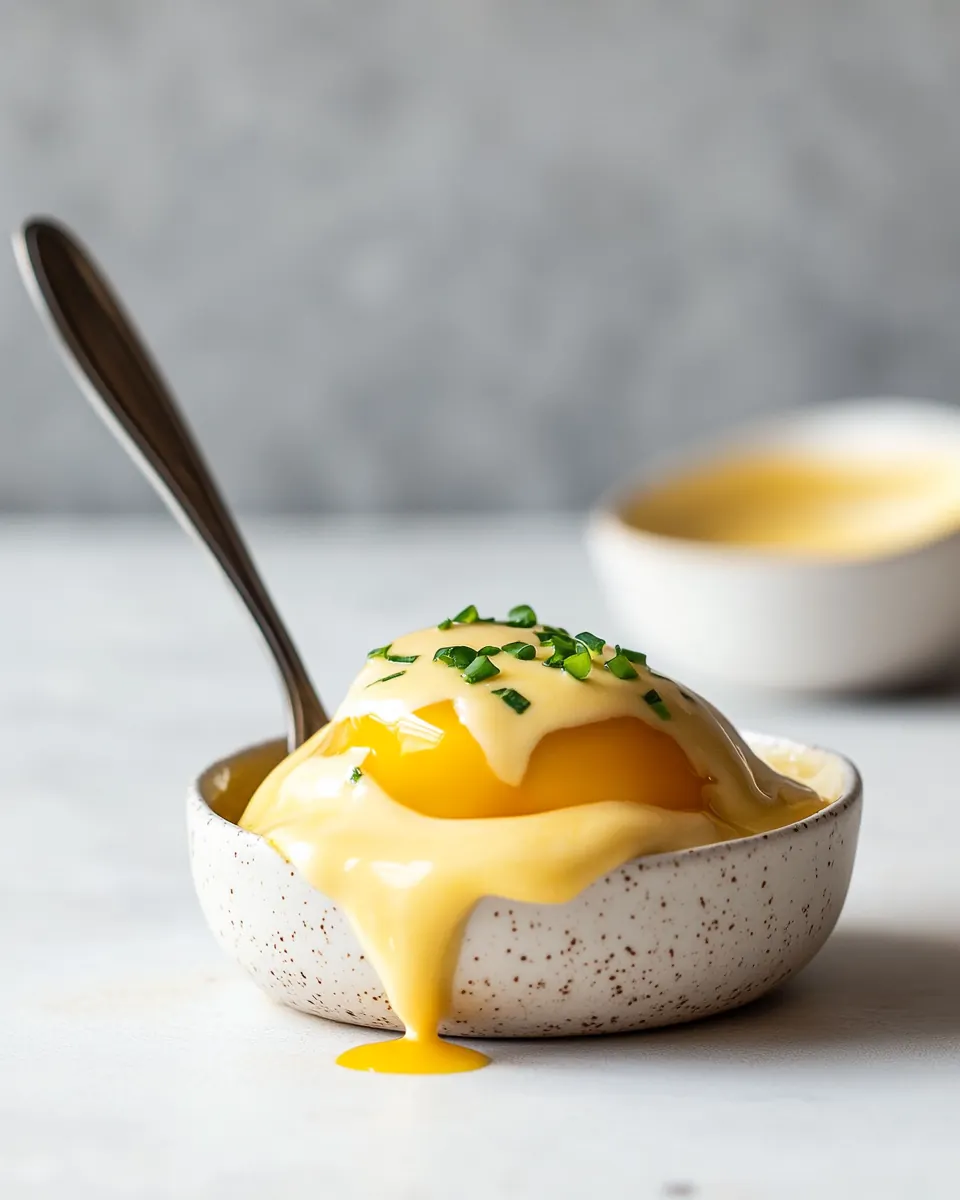
These directions will walk you through a gentle emulsion method that keeps the sauce smooth and stable. Read each step fully before starting, keep your tools close, and pay attention to temperature and flow rates when incorporating the melted butter.
- In a double boiler or microwave, melt butter.: The sound of butter softening is subtle, and visually you want a clear, warm liquid without bubbling or browning; this ensures the flavors remain pure. Using a double boiler keeps the heat diffuse so the butter warms evenly, which prevents scorching and the development of off flavors. If using a microwave, heat in short bursts and swirl to distribute heat. A common mistake is letting the butter get too hot and sizzling, which can cook the egg yolks later; aim for warm to the touch.
- While butter is melting, place egg yolks, lemon juice, and spices in a blender and cover. On low speed, slowly pour the melted butter into the blender in a steady stream until the butter and egg yolk are well blended.: When you blend, you'll hear a steady, low hum as the ingredients aerate slightly, creating a cohesive base. The lemon adds brightness and begins acidifying the yolks, which helps with emulsion stability. Blending these components first makes the next stage smoother and reduces the risk of curdling. Be careful not to overheat the yolks; if they feel warm from the bowl, let them rest briefly.
- If the sauce is thick slowly add in water, until you have reached a slightly thick and runny consistency.: As the butter incorporates you'll notice the sauce thicken and turn glossy, a visual cue that the emulsion is forming. The steady pour is crucial because adding the butter too quickly can break the emulsion and create a separated texture. Listen for a gentle change in blender sound, a sign of increased viscosity. If separation occurs, stop adding butter and blend with a teaspoon of warm water to coax it back together.
- Taste and adjust spices as needed. Serve warm in serving dish of choice!: Warm water will change the feel on your spoon from heavy and clingy to silky and pourable; add it sparingly and whisk to integrate. The aroma will open up as it loosens, making the lemon and spices more apparent. This step controls mouthfeel for different uses, from spooning over eggs to drizzling on vegetables. A frequent error is adding cold water, which can shock the sauce and cause it to seize, so always use warm water.
- Taste and adjust spices as needed.: The final tasting reveals whether the balance is right; you'll want a pleasant tang from the lemon, a warm backbone from the butter , and a subtle lift from the pepper and powders. Adjustments should be incremental, because each addition shifts the profile distinctly. If it needs brightness, add a drop more lemon juice ; for salt, a small pinch will suffice. Avoid oversalting, since the concentrated nature of the sauce magnifies seasoning quickly.
- Serve warm in serving dish of choice!: Serving warm keeps the texture glossy and fluid, making the sauce cling to food instead of pooling. The ideal visual cue is a smooth sheen and slow ribboning when poured; if it looks dull or oily, it may have separated. Keep it over a low warm surface if you need to hold it briefly, but avoid direct heat which can curdle the sauce. A common slip is reheating too aggressively, so gentle warmth is key.
Expert Tips about Healthier Hollandaise Sauce
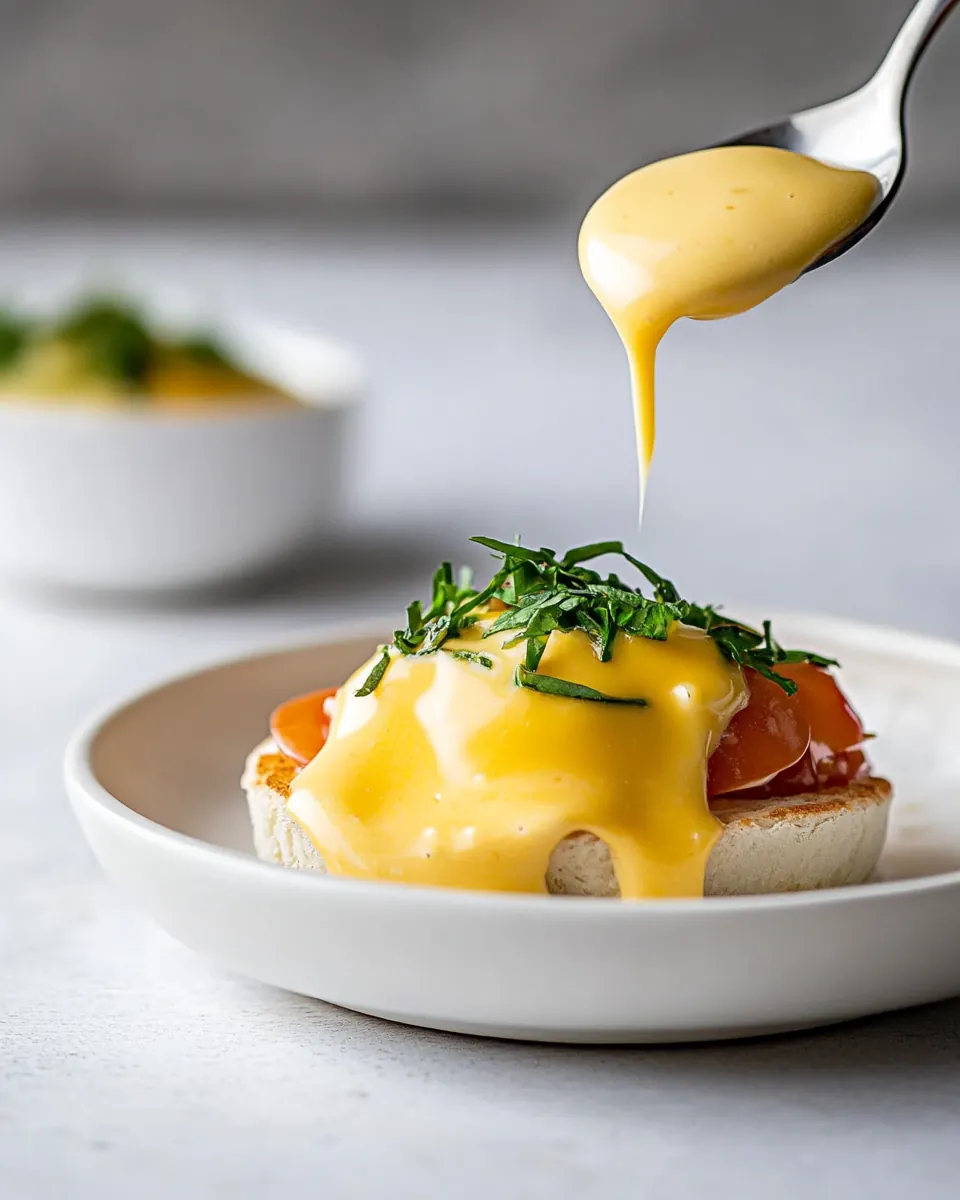
I like to keep a few simple practices that make this sauce reliable every time. Below are practical tips that come from repeated use and small experiments that yielded big improvements.
- Temperature control matters, always aim for warm rather than hot when melting butter, because intense heat can change flavor and jeopardize the emulsion with the egg yolks.
- Slow incorporation, pouring the butter gradually into the blended yolks is the single most important step to a stable hollandaise, so resist the urge to add it quickly.
- Warm water rescues, keep a small cup of warm water nearby to adjust consistency or to rebind the sauce if it starts to separate.
- Fresh lemon is best, fresh lemon juice brightens the sauce more naturally than bottled, giving a cleaner, livelier finish.
- Season last, finish with salt and black pepper to account for the concentrated flavors after emulsification, so you do not over-season early.
What Goes Well With This Healthier Hollandaise Sauce
This sauce pairs beautifully with classic brunch items and simple vegetables, lending a touch of richness without overwhelming lighter mains. Below are ideas for serving, occasions, and storage that will help you get the most from the sauce.
- Eggs Benedict and poached eggs, the canonical pairing where the sauce glues together textures and adds bright richness, ideal for a weekend brunch.
- Roasted or steamed vegetables, like asparagus or broccoli, where the sauce adds a silky finish and lifts vegetal sweetness, making simple sides feel celebratory.
- Grilled fish or mild white fish, as a spoonful brings fat and acid to delicate proteins without overpowering them, suitable for light dinners.
- Breakfast sandwiches and toasts, use sparingly to add luxurious mouthfeel to a quick sandwich, perfect for elevated weekday mornings.
- Occasions and timing, great for brunch gatherings, holiday mornings in spring, or any time you want an elegant sauce in minutes; keep it warm in a thermos briefly for transport.
- Storage tips, cool and refrigerate in a sealed jar for up to two days, and rewarm gently to preserve texture; avoid high heat which can cause separation.
- Seasonal pairings, spring vegetables and light proteins benefit most, as the lemon and spices complement fresh, green flavors commonly available in that season.
FAQ
Conclusion
This Healthier Hollandaise Sauce proves you can have the classic creamy, tangy hollandaise experience with lighter, thoughtful technique. Give it a try because it brightens eggs, vegetables, and simple proteins with minimal fuss and maximum flavor. I hope this version becomes a dependable staple in your kitchen for easy brunches and quick dinner upgrades, bringing that silky lift to many meals to come.
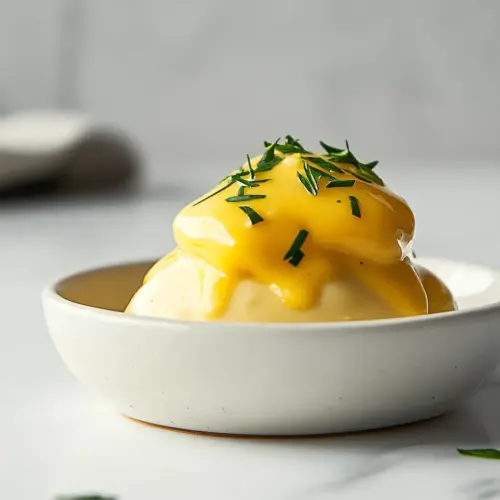
Healthier Hollandaise Sauce
Equipment
- Blender
- Double boiler
- Microwave-safe Bowl
Ingredients
- 1 cup unsalted butter Melted to provide a rich, silky base and emulsifying fat, creating the classic creamy texture of hollandaise while contributing buttery flavor and body.
- 2 egg yolks Whisked to supply emulsifying proteins and natural lecithin that stabilize the sauce and add a smooth, custard-like richness when tempered with warm butter.
- 1 tablespoon lemon juice Squeezed to add bright acidity that balances the butteriness, cuts richness, and enhances overall flavor while helping to stabilize the emulsion.
- 1/4 teaspoon salt Measured to season gently, enhancing other flavors without overpowering and helping to bring out the natural savory notes in the sauce.
- 1/4 teaspoon black pepper Ground to provide a mild heat and aromatic warmth that complements the sauce, adding subtle depth and contrast to the creamy base.
- 1/4 teaspoon cayenne pepper, more to taste Sprinkled to introduce a sharp, warming heat that enlivens the sauce and can be adjusted to taste for a spicier finish.
- 1/4 teaspoon onion powder Scattered to offer a sweet, savory background note that enhances overall flavor complexity without adding moisture or texture.
- 1/4 teaspoon garlic powder Sprinkled to contribute a roasted, savory undertone that deepens flavor and complements garlic and onion accents without changing texture.
- 1/4 cup warm water, if needed Added sparingly only if needed to thin the sauce, helping to rescue a breaking emulsion and adjust consistency while preserving flavor.
Instructions
- In a double boiler or microwave, melt butter.: The sound of butter softening is subtle, and visually you want a clear, warm liquid without bubbling or browning; this ensures the flavors remain pure. Using a double boiler keeps the heat diffuse so the butter warms evenly, which prevents scorching and the development of off flavors. If using a microwave, heat in short bursts and swirl to distribute heat. A common mistake is letting the butter get too hot and sizzling, which can cook the egg yolks later; aim for warm to the touch.
- While butter is melting, place egg yolks, lemon juice, and spices in a blender and cover. On low speed, slowly pour the melted butter into the blender in a steady stream until the butter and egg yolk are well blended.: When you blend, you'll hear a steady, low hum as the ingredients aerate slightly, creating a cohesive base. The lemon adds brightness and begins acidifying the yolks, which helps with emulsion stability. Blending these components first makes the next stage smoother and reduces the risk of curdling. Be careful not to overheat the yolks; if they feel warm from the bowl, let them rest briefly.
- If the sauce is thick slowly add in water, until you have reached a slightly thick and runny consistency.: As the butter incorporates you'll notice the sauce thicken and turn glossy, a visual cue that the emulsion is forming. The steady pour is crucial because adding the butter too quickly can break the emulsion and create a separated texture. Listen for a gentle change in blender sound, a sign of increased viscosity. If separation occurs, stop adding butter and blend with a teaspoon of warm water to coax it back together.
- Taste and adjust spices as needed. Serve warm in serving dish of choice!: Warm water will change the feel on your spoon from heavy and clingy to silky and pourable; add it sparingly and whisk to integrate. The aroma will open up as it loosens, making the lemon and spices more apparent. This step controls mouthfeel for different uses, from spooning over eggs to drizzling on vegetables. A frequent error is adding cold water, which can shock the sauce and cause it to seize, so always use warm water.
- Taste and adjust spices as needed.: The final tasting reveals whether the balance is right; you'll want a pleasant tang from the lemon, a warm backbone from the butter , and a subtle lift from the pepper and powders. Adjustments should be incremental, because each addition shifts the profile distinctly. If it needs brightness, add a drop more lemon juice ; for salt, a small pinch will suffice. Avoid oversalting, since the concentrated nature of the sauce magnifies seasoning quickly.
- Serve warm in serving dish of choice!: Serving warm keeps the texture glossy and fluid, making the sauce cling to food instead of pooling. The ideal visual cue is a smooth sheen and slow ribboning when poured; if it looks dull or oily, it may have separated. Keep it over a low warm surface if you need to hold it briefly, but avoid direct heat which can curdle the sauce. A common slip is reheating too aggressively, so gentle warmth is key.
Notes
- Temperature control matters, always aim for warm rather than hot when melting butter, because intense heat can change flavor and jeopardize the emulsion with the egg yolks.
- Slow incorporation, pouring the butter gradually into the blended yolks is the single most important step to a stable hollandaise, so resist the urge to add it quickly.
- Warm water rescues, keep a small cup of warm water nearby to adjust consistency or to rebind the sauce if it starts to separate.
- Fresh lemon is best, fresh lemon juice brightens the sauce more naturally than bottled, giving a cleaner, livelier finish.
- Season last, finish with salt and black pepper to account for the concentrated flavors after emulsification, so you do not over-season early.