Gruyere Herb Slab Biscuits
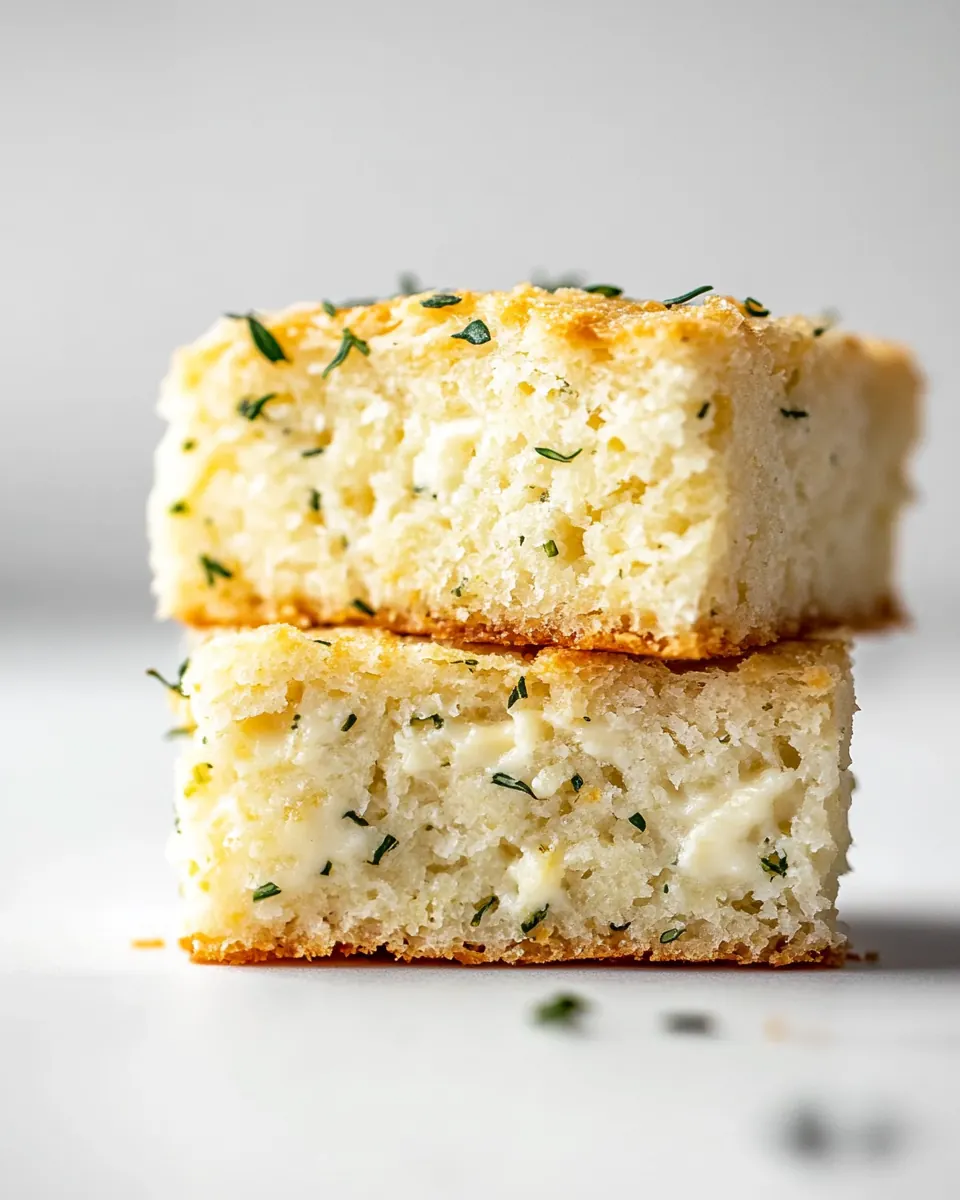
Gruyere Herb Slab Biscuits came into my life on a rainy Saturday when I wanted something comforting that could feed a crowd without fuss. I remember pulling a warm slab from the oven, the kitchen full of a nutty, cheesy aroma, and thinking this was exactly the kind of recipe I wanted to tuck into my regular rotation. The first bite was flaky, tender, and flecked with bright green herbs, an honest reminder that simple ingredients treated well can be extraordinary.
These biscuits have a memory attached for me, they are the kind I bring to potlucks when I want people to ask for the recipe rather than for compliments. I love how the melted butter brushed on top gives the crust a glossy finish and a subtle richness, and how the scoring before baking yields tidy squares that tear apart beautifully. Over the years I’ve tweaked small details, learning how cold butter and gentle handling keep the texture light, and how freshly grated gruyere sings differently than pre-shredded varieties.
Recipe Snapshot
1 hr 5 mins
30 mins
35 mins
Medium
220 kcal
American
Gluten-Free, Low FODMAP
Side Dishes
9 x 13 inch baking dish, Large bowl, Whisk, Fork or pastry blender, Knife
The Best Thing About This Gruyere Herb Slab Biscuits
Comforting and Crowd Friendly
I always reach for these when I need something that travels well and pleases many palates. The slab format means you can slice as many or as few as you need, and the texture stays moist for a long time, so you can make it ahead without losing charm.
Bakery Quality at Home
I’ve learned that a few technique choices transform a good biscuit into a bakery style one. Keeping the butter cold, grating the gruyere fresh, and not overworking the dough preserve flakiness. When I follow those steps, the crumb separates into layers with a tender, almost pillow like structure.
Herbaceous Brightness
Using a combination of rosemary, thyme, chives, parsley, and sage gives every bite a lively lift. I like to vary the amounts based on what’s freshest, because the herbs are the accent that keeps the richness from becoming heavy. You can taste the herbs in the aroma as the biscuits bake, and they pair well with soups, roasted veggies, or a simple salad.
Flexible and Forgiving
These biscuits are forgiving with mixing and timing. If your buttermilk is slightly warmer or you press the dough a bit firmer when placing it in the pan, you still get great results. I appreciate recipes that allow small kitchen mistakes and still reward you with deliciousness.
Simple Ingredients, Big Flavor
What I love most is how pantry staples become special thanks to technique. The all purpose flour provides structure, the gruyere contributes nuttiness and melt, and the combination of buttermilk and sour cream brings tender tang. Together they produce a savory biscuit that feels both homey and elevated.
Gruyere Herb Slab Biscuits Ingredients
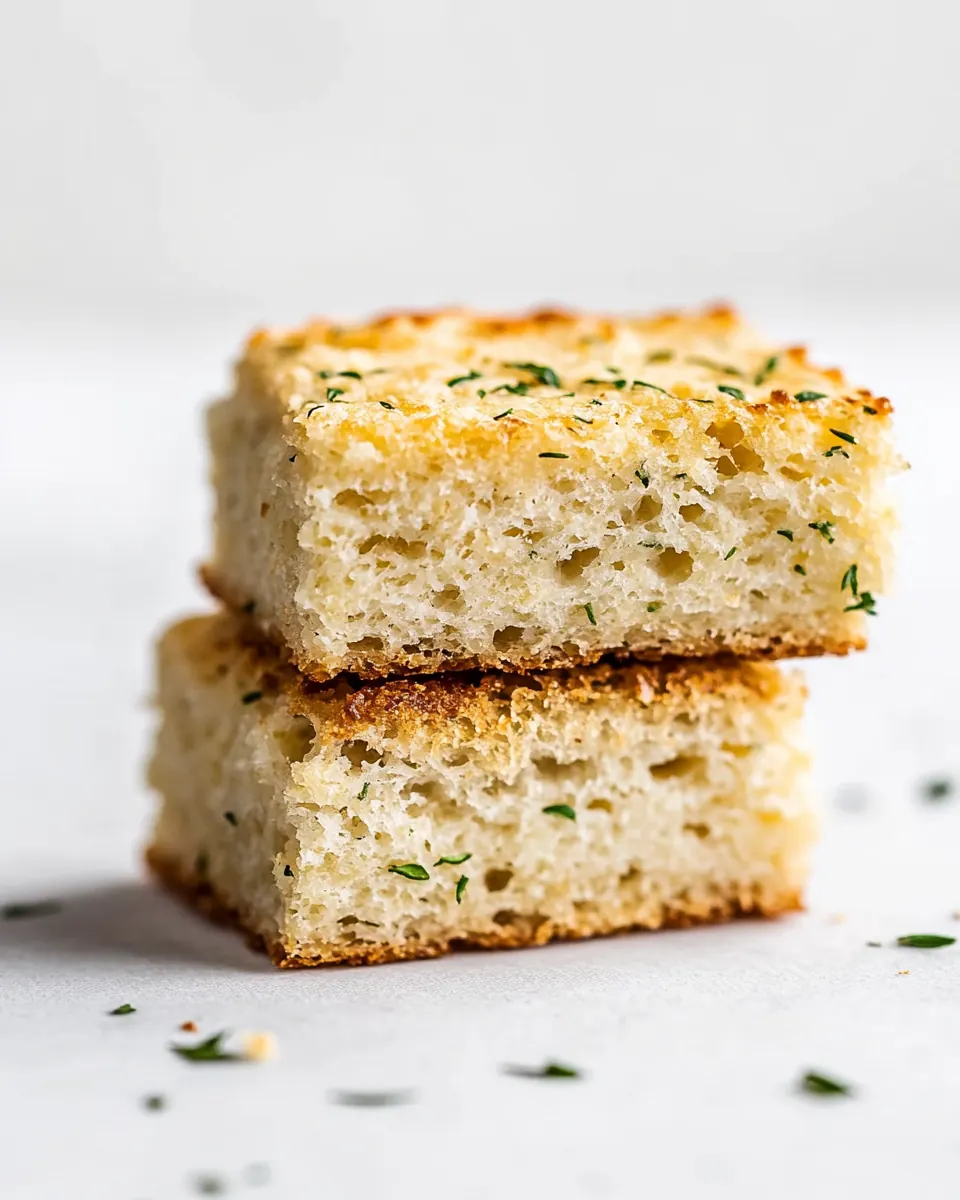
These ingredients are straightforward, yet they interact in precise ways to create a flaky, flavorful slab biscuit. The key players are the fats, the dairy acids, and the fresh herbs. Cold butter creates steam pockets when baked, producing lift and flakiness. The tangy duo of buttermilk and sour cream tenderize the dough and add moisture, while the grated gruyere melts into pockets of savory richness. The baking powder and all purpose flour form the structure, and the herbs bring brightness.
- 2 tablespoons butter, melted, for brushing: Coat the biscuit tops by brushing melted butter over them after baking to add a glossy finish and rich flavor; helps keep edges tender and enhances browning. Use a small amount to avoid sogginess while contributing a buttery aroma that complements the cheese and herbs.
- 4 1/2 cups all purpose flour: Provide structure and bulk to the dough, forming the framework that traps steam for flaky layers. Sift or whisk before measuring to ensure even leavening and consistent texture throughout the slab biscuits.
- 2 tablespoons baking powder: Leaven the dough by producing carbon dioxide when mixed and heated, creating lift and lightness in each biscuit. Use fresh baking powder and distribute it evenly through the flour to ensure uniform rise across the slab.
- 2 teaspoons kosher salt: Season the dough to elevate and balance flavors, helping to enhance the savory notes of cheese and herbs. Dissolve or mix evenly into the dry ingredients to avoid pockets of salt and ensure consistent taste.
- 1/2 cup cold unsalted butter, cut into small pieces: Introduce cold fat that creates flakiness by forming small pockets in the dough; cut into pieces so it remains chilled until baking. Maintain small, chilled bits throughout mixing to achieve tender layers and a slightly crisp exterior when baked.
- 8 oz gruyere cheese, freshly grated: Impart intense savory, nutty flavor and melt into pockets that bind the dough while adding richness and texture. Grate freshly to release aroma and ensure even distribution, which creates gooey, flavorful bites throughout the slab.
- 1/2 cup chopped fresh herbs – rosemary, thyme, chives, parsley, sage: Add bright, aromatic complexity and freshness; each herb contributes distinct floral, piney, oniony, or earthy notes to the biscuits. Chop uniformly and fold gently into the dough to distribute flavor without overworking, preserving visual flecks and herb integrity.
- 1 cup buttermilk: Provide acidity and moisture that tenderizes the dough and contributes to a soft, slightly tangy crumb and better rise when combined with baking powder. Keep chilled to help maintain cold-dough temperature for flaky layers and mix until just combined to avoid tough biscuits.
- 1 cup sour cream: Supply additional tang and richness that enhances tenderness and gives the crumb a creamy mouthfeel; helps hydrate the dry ingredients for a pliable dough. Use cold sour cream and fold in gently to maintain a light, moist texture without overmixing.
Making This Gruyere Herb Slab Biscuits
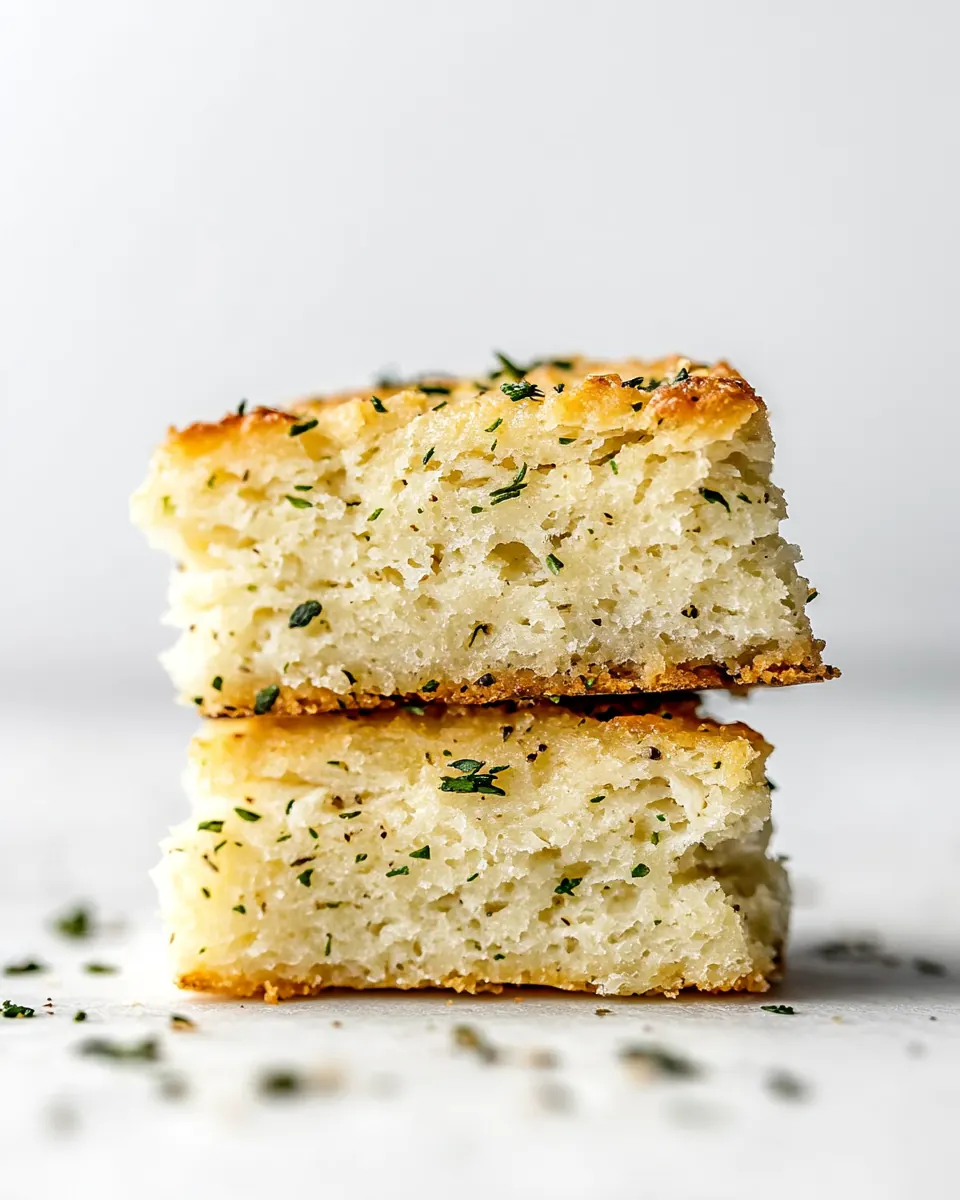
I like to think of making these slab biscuits as a series of little moments where attention pays off. The steps are few, but each one benefits from a gentle, mindful approach. Keep your tools ready, work with cold butter, and you will be rewarded with a golden slab that pulls apart in perfect squares.
- Preheat the oven to 425 degrees F. Brush a 9 x 13 inch baking dish with the melted butter.: As the oven warms you will notice a subtle hum and a steady rise in kitchen heat, which helps set the crust quickly and promotes lift, giving those edges a crisp, golden finish. Preheating is essential because placing the slab into a fully hot oven creates immediate steam from the cold butter pockets, driving the dough upward. A common mistake is under preheating, which yields a flatter, denser result. Pay attention to the oven indicator and give it time to reach the full temperature before baking.
- In a large bowl, whisk together the flour, baking powder and salt. Add in the butter and use a fork or pastry blender to work it into the flour, dispersing the small pieces throughout the mixture. Add in the grated cheese and fresh herbs.: The melted butter slicks the pan and contributes a toasty edge where the dough contacts the dish, producing a slightly crisp and flavorful perimeter. When you brush, you should see a thin glossy film coating the surface. If you skip this, the slab may stick or lack that caramelized base. Too much butter pooled in the dish can cause the bottom to become greasy, so use a light hand.
- Whisk together the buttermilk and sour cream. Pour it into the dry ingredients and mix until just combined. Press the mixture into the buttered baking dish. Use a knife to score the dough – basically pre-cutting the biscuits to make them easier to cut when finished.: Whisking aerates and evenly distributes the leavening and salt, creating a uniform base that encourages even rise. The dry mix should smell faintly of toasted flour and feel light when stirred. Neglecting this step can lead to pockets of baking powder or uneven seasoning, which affects rise and flavor balance. Aim for a consistent, homogenous dry blend before adding fats.
- Bake for 30 to 35 minutes, until golden and puffed. Let cool completely before cutting and serving.: As you cut the cold butter into the flour, you are creating the layered structure that makes biscuits flake. You should see pea sized bits dispersed, some smaller, some slightly larger, and the mixture will take on a coarse, crumbly texture. The sound is a quiet clinking as the tool breaks the fat into the flour. Overworking melts the butter and produces a greasy mass, so stop when you have visible chunks.
- Add in the grated cheese and fresh herbs: Folding in freshly grated gruyere and chopped herbs distributes pockets of savory flavor and aromatic flecks throughout the dough, which will brown and perfume the kitchen as it bakes. The texture should look variegated with pale dough, yellow cheese strands, and green herb bits. A trap here is adding too much herb, which can overwhelm the delicate dairy notes; balance is key.
- Whisk together the buttermilk and sour cream: Combining the buttermilk and sour cream yields a silky, slightly tangy liquid that hydrates the dry mix while contributing tenderness and flavor. The mixture should be smooth and pourable, with a faint tang on the nose. If this dairy mix is lumpy, whisk until smooth, because lumps make uneven pockets of moisture. Too warm dairy can soften butter prematurely when combined with the dry mix, so keep it cool.
- Pour it into the dry ingredients and mix until just combined: After adding the dairy, fold the ingredients until you see no large streaks of flour, but still a slightly shaggy, tacky dough. You want to feel a little resistance as the dough comes together, but not a stiff ball. The sound is minimal, a soft scrape as the spoon or spatula gathers the mixture. Overmixing activates gluten, which will make the biscuits tough rather than tender, so stop early and err on the side of undermixing.
- Press the mixture into the buttered baking dish: Pressing the dough evenly into the prepared 9 x 13 dish creates uniform thickness, so each biscuit bakes at the same rate and the slab rises consistently. Use light, even pressure until the surface is smooth and level; you may see faint fingerprints or indentations. If you press too firmly you compress the layers, reducing lift, so be gentle and purposeful.
- Use a knife to score the dough: Scoring pre cuts the biscuit shapes so they are easy to separate after baking and encourages even portioning. Run a sharp knife through the dough to define squares, and you will see a clear line without tearing the surface. The score should be shallow, not slicing all the way through, because deep cuts can encourage excess spreading. Avoid skipping this step if you want tidy, pull apart pieces.
- Bake for 30 to 35 minutes, until golden and puffed: While the slab bakes, your kitchen will fill with a warm, cheesy aroma and the top will develop a deep golden color. You should hear a soft crackle as the edges set and notice the dough has puffed visibly. Baking long enough ensures the interior cooks through without becoming gummy, but watch for overbrowning which will dry the crumb. If the top darkens too fast, tent a piece of foil loosely to protect the crust while the inside finishes cooking.
- Let cool completely before cutting and serving: Allowing the slab to cool stabilizes the crumb and prevents the biscuits from collapsing when cut, and you will notice the cheese pockets set rather than spilling. The surface will lose a bit of gloss and firm to the touch. Cutting too soon can cause the pieces to crumble or compress, so resist the urge to slice hot, even though the smell is irresistible.
Recipe Tips about Gruyere Herb Slab Biscuits
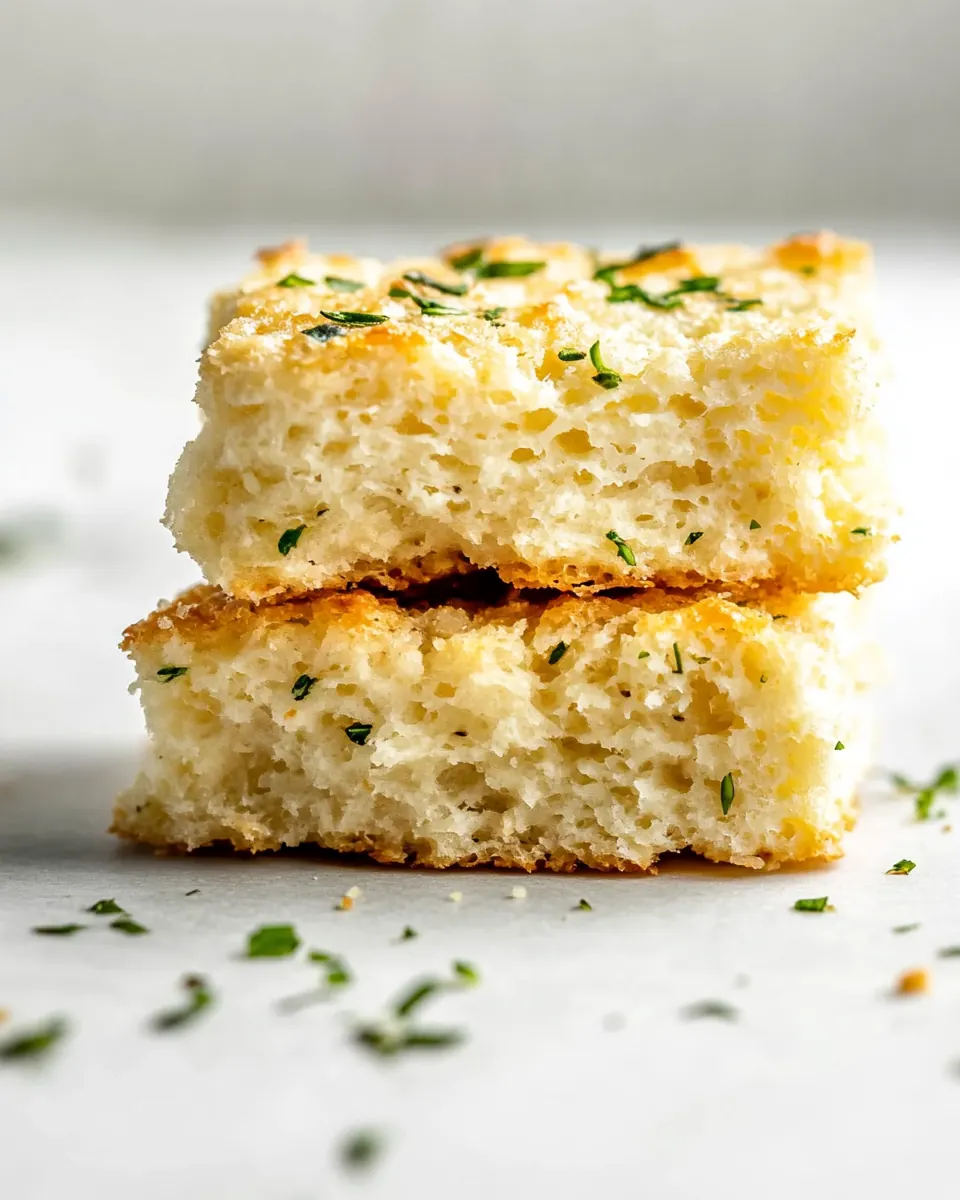
These tips reflect what I teach every time someone asks how to get bakery style results at home. Small habits in handling and timing make big differences, and these suggestions will help you avoid common missteps while enhancing flavor and texture.
- Keep everything cold: Chilled butter and cool dairy help create steam pockets that give lift, so work quickly and return butter to the fridge if it softens.
- Fresh cheese matters: Freshly grated gruyere melts into creamy pockets, while pre shredded cheese can contain anti clump additives that alter texture.
- Use a light hand mixing: Stop as soon as the dough holds together to prevent gluten development that causes toughness.
- Score before baking: Pre cutting yields neat pieces and helps with portion control without disturbing the rise during baking.
- Watch your oven: Ovens vary, so check a few minutes before the low end of the time to avoid over browning, tent with foil if needed.
Serving Options for Gruyere Herb Slab Biscuits
These biscuits are versatile and can anchor many meals, from casual lunches to special gatherings. Serve them warm or at room temperature depending on the occasion, and think about how pairings can balance richness with brightness.
- As a side for soup: Serve warm squares with a hearty vegetable or legume soup for a comforting meal, the biscuits soak up broth beautifully.
- For brunch spread: Include them on a platter with roasted tomatoes and greens for a relaxed mid morning gathering, their savory cheese notes play well with eggs.
- Potluck friendly: The slab format is ideal for transporting and slicing on arrival, making it perfect for gatherings where ease matters.
- Storage tips: Keep leftovers wrapped at room temperature for a day, refrigerate for up to three days, and re warm briefly to revive crisp edges before serving.
- Seasonal pairing: In spring and summer, pair with fresh herb salads; in cooler months, serve with roasted root vegetables for a heartier plate.
FAQ
Conclusion
These biscuits stand out because they transform simple pantry items into a rustic, sophisticated slab you can slice and share. The balance of nutty gruyere, bright herbs, and tender layers makes them both familiar and special. Give them a try on a weekend morning or bring a tray to your next gathering, you will likely find they disappear fast. I hope this recipe becomes one you reach for when you want something effortless yet impressive.
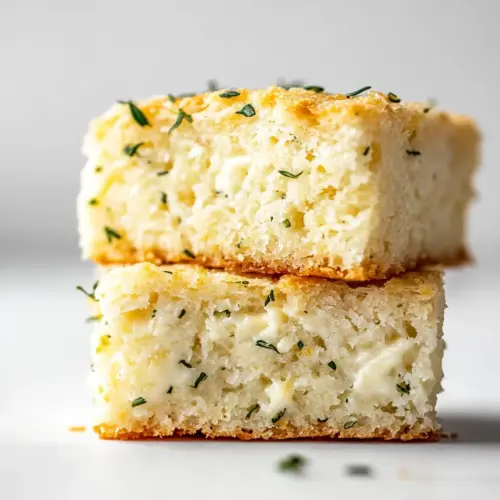
Gruyere Herb Slab Biscuits
Equipment
- 9 x 13 inch baking dish
- Large Bowl
- Whisk
- Fork or pastry blender
- Knife
Ingredients
- 2 tablespoons butter, melted, for brushing Coat the biscuit tops by brushing melted butter over them after baking to add a glossy finish and rich flavor; helps keep edges tender and enhances browning. Use a small amount to avoid sogginess while contributing a buttery aroma that complements the cheese and herbs.
- 4 1/2 cups all purpose flour Provide structure and bulk to the dough, forming the framework that traps steam for flaky layers. Sift or whisk before measuring to ensure even leavening and consistent texture throughout the slab biscuits.
- 2 tablespoons baking powder Leaven the dough by producing carbon dioxide when mixed and heated, creating lift and lightness in each biscuit. Use fresh baking powder and distribute it evenly through the flour to ensure uniform rise across the slab.
- 2 teaspoons kosher salt Season the dough to elevate and balance flavors, helping to enhance the savory notes of cheese and herbs. Dissolve or mix evenly into the dry ingredients to avoid pockets of salt and ensure consistent taste.
- 1/2 cup cold unsalted butter, cut into small pieces Introduce cold fat that creates flakiness by forming small pockets in the dough; cut into pieces so it remains chilled until baking. Maintain small, chilled bits throughout mixing to achieve tender layers and a slightly crisp exterior when baked.
- 8 oz gruyere cheese, freshly grated Impart intense savory, nutty flavor and melt into pockets that bind the dough while adding richness and texture. Grate freshly to release aroma and ensure even distribution, which creates gooey, flavorful bites throughout the slab.
- 1/2 cup chopped fresh herbs - rosemary, thyme, chives, parsley, sage Add bright, aromatic complexity and freshness; each herb contributes distinct floral, piney, oniony, or earthy notes to the biscuits. Chop uniformly and fold gently into the dough to distribute flavor without overworking, preserving visual flecks and herb integrity.
- 1 cup buttermilk Provide acidity and moisture that tenderizes the dough and contributes to a soft, slightly tangy crumb and better rise when combined with baking powder. Keep chilled to help maintain cold-dough temperature for flaky layers and mix until just combined to avoid tough biscuits.
- 1 cup sour cream Supply additional tang and richness that enhances tenderness and gives the crumb a creamy mouthfeel; helps hydrate the dry ingredients for a pliable dough. Use cold sour cream and fold in gently to maintain a light, moist texture without overmixing.
Instructions
- Preheat the oven to 425 degrees F. Brush a 9 x 13 inch baking dish with the melted butter.: As the oven warms you will notice a subtle hum and a steady rise in kitchen heat, which helps set the crust quickly and promotes lift, giving those edges a crisp, golden finish. Preheating is essential because placing the slab into a fully hot oven creates immediate steam from the cold butter pockets, driving the dough upward. A common mistake is under preheating, which yields a flatter, denser result. Pay attention to the oven indicator and give it time to reach the full temperature before baking.
- In a large bowl, whisk together the flour, baking powder and salt. Add in the butter and use a fork or pastry blender to work it into the flour, dispersing the small pieces throughout the mixture. Add in the grated cheese and fresh herbs.: The melted butter slicks the pan and contributes a toasty edge where the dough contacts the dish, producing a slightly crisp and flavorful perimeter. When you brush, you should see a thin glossy film coating the surface. If you skip this, the slab may stick or lack that caramelized base. Too much butter pooled in the dish can cause the bottom to become greasy, so use a light hand.
- Whisk together the buttermilk and sour cream. Pour it into the dry ingredients and mix until just combined. Press the mixture into the buttered baking dish. Use a knife to score the dough - basically pre-cutting the biscuits to make them easier to cut when finished.: Whisking aerates and evenly distributes the leavening and salt, creating a uniform base that encourages even rise. The dry mix should smell faintly of toasted flour and feel light when stirred. Neglecting this step can lead to pockets of baking powder or uneven seasoning, which affects rise and flavor balance. Aim for a consistent, homogenous dry blend before adding fats.
- Bake for 30 to 35 minutes, until golden and puffed. Let cool completely before cutting and serving.: As you cut the cold butter into the flour, you are creating the layered structure that makes biscuits flake. You should see pea sized bits dispersed, some smaller, some slightly larger, and the mixture will take on a coarse, crumbly texture. The sound is a quiet clinking as the tool breaks the fat into the flour. Overworking melts the butter and produces a greasy mass, so stop when you have visible chunks.
- Add in the grated cheese and fresh herbs: Folding in freshly grated gruyere and chopped herbs distributes pockets of savory flavor and aromatic flecks throughout the dough, which will brown and perfume the kitchen as it bakes. The texture should look variegated with pale dough, yellow cheese strands, and green herb bits. A trap here is adding too much herb, which can overwhelm the delicate dairy notes; balance is key.
- Whisk together the buttermilk and sour cream: Combining the buttermilk and sour cream yields a silky, slightly tangy liquid that hydrates the dry mix while contributing tenderness and flavor. The mixture should be smooth and pourable, with a faint tang on the nose. If this dairy mix is lumpy, whisk until smooth, because lumps make uneven pockets of moisture. Too warm dairy can soften butter prematurely when combined with the dry mix, so keep it cool.
- Pour it into the dry ingredients and mix until just combined: After adding the dairy, fold the ingredients until you see no large streaks of flour, but still a slightly shaggy, tacky dough. You want to feel a little resistance as the dough comes together, but not a stiff ball. The sound is minimal, a soft scrape as the spoon or spatula gathers the mixture. Overmixing activates gluten, which will make the biscuits tough rather than tender, so stop early and err on the side of undermixing.
- Press the mixture into the buttered baking dish: Pressing the dough evenly into the prepared 9 x 13 dish creates uniform thickness, so each biscuit bakes at the same rate and the slab rises consistently. Use light, even pressure until the surface is smooth and level; you may see faint fingerprints or indentations. If you press too firmly you compress the layers, reducing lift, so be gentle and purposeful.
- Use a knife to score the dough: Scoring pre cuts the biscuit shapes so they are easy to separate after baking and encourages even portioning. Run a sharp knife through the dough to define squares, and you will see a clear line without tearing the surface. The score should be shallow, not slicing all the way through, because deep cuts can encourage excess spreading. Avoid skipping this step if you want tidy, pull apart pieces.
- Bake for 30 to 35 minutes, until golden and puffed: While the slab bakes, your kitchen will fill with a warm, cheesy aroma and the top will develop a deep golden color. You should hear a soft crackle as the edges set and notice the dough has puffed visibly. Baking long enough ensures the interior cooks through without becoming gummy, but watch for overbrowning which will dry the crumb. If the top darkens too fast, tent a piece of foil loosely to protect the crust while the inside finishes cooking.
- Let cool completely before cutting and serving: Allowing the slab to cool stabilizes the crumb and prevents the biscuits from collapsing when cut, and you will notice the cheese pockets set rather than spilling. The surface will lose a bit of gloss and firm to the touch. Cutting too soon can cause the pieces to crumble or compress, so resist the urge to slice hot, even though the smell is irresistible.
Notes
- Keep everything cold: Chilled butter and cool dairy help create steam pockets that give lift, so work quickly and return butter to the fridge if it softens.
- Fresh cheese matters: Freshly grated gruyere melts into creamy pockets, while pre shredded cheese can contain anti clump additives that alter texture.
- Use a light hand mixing: Stop as soon as the dough holds together to prevent gluten development that causes toughness.
- Score before baking: Pre cutting yields neat pieces and helps with portion control without disturbing the rise during baking.
- Watch your oven: Ovens vary, so check a few minutes before the low end of the time to avoid over browning, tent with foil if needed.