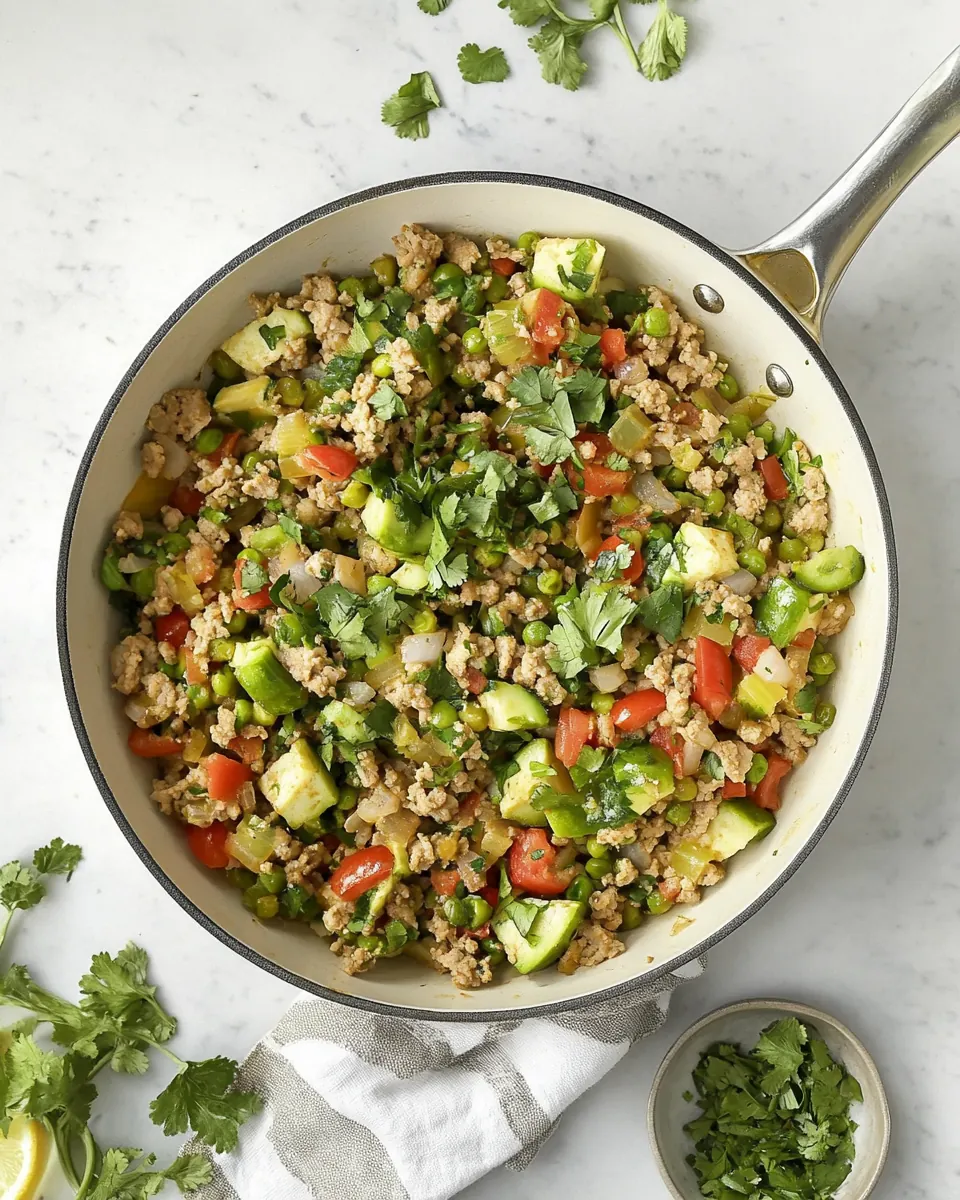
Ground Turkey Skillet
Ground Turkey Skillet has been one of those weeknight rescues I lean on when the fridge looks sparse and everyone is asking what’s for dinner. The first time I tossed together ground turkey with bright vegetables it felt a little experimental, but the combination of spices and quick skillet cooking made it a fast favorite in my household. I remember stirring the skillet while my kids set the table, the aroma shifting from warm cumin to sweet sautéed onion, and thinking this simple dish deserved a permanent spot in my rotation.
Over the years I have adjusted quantities, tried different bell pepper colors, and learned which textures to chase. What I love about Ground Turkey Skillet is how forgiving it is, how easily it adapts to what you have on hand, and how it fills the house with savory steam that says comfort without fuss. Some nights I serve it over rice, other nights we scoop it into warm tortillas, and sometimes we spoon it straight from the pan, leaning in for seconds. It’s one of those recipes that feels homemade even when you rush it.
Recipe Snapshot
30 mins
10 mins
20 mins
Easy
350 kcal
American
Gluten-Free, Low FODMAP
Dinner
Large skillet, Spatula
The Appeal of This Ground Turkey Skillet
Fast and reliable
I often need dinner on the table quickly, and Ground Turkey Skillet delivers in under an hour. The short cook times mean you get a hot, satisfying meal without a long commitment, so it’s perfect for busy evenings when you want a hearty plate without the marathon prep session.
Balanced nutrition
Using ground turkey keeps the dish lean while the mix of zucchinis, tomato, and black beans adds fiber and color. I appreciate that this skillet manages to be both filling and relatively light, so it works for weeknight family dinners and leftovers for lunch the next day.
One pan simplicity
Cooking everything in a single large skillet means fewer dishes and more time to relax after dinner. I value recipes that clean up easily, and this skillet lets you sear, sauté, and simmer in the same pan, preserving flavor from the fond and concentrating spices in the sauce.
Flexible flavor profile
I like that the spice mix of cumin, paprika, and aromatics like garlic and onion gives the dish depth without complication. You can nudge the flavors toward smoky, bright, or tangy simply by adjusting the seasoning and adding a squeeze of lime at the end.
Great for leftovers and meal prep
This skillet reheats beautifully, and the textures hold up when stored properly. I often double the batch for a couple of extra meals, and it keeps well for a few days in the fridge, making it a dependable option for planning ahead.
What to Buy for Ground Turkey Skillet
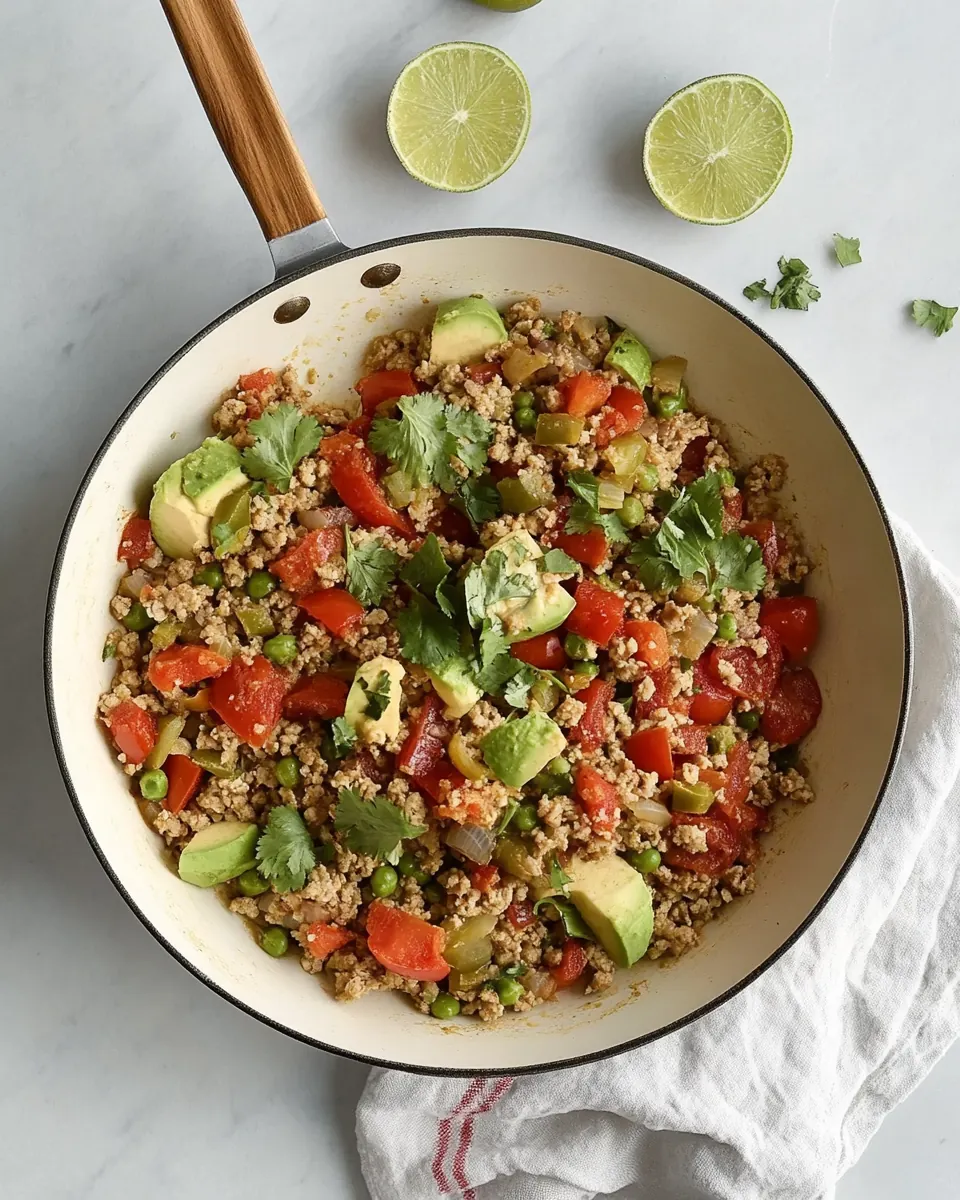
These ingredients are chosen to create a quick, layered skillet meal that balances protein, vegetables, and warm spices. The ground turkey brings lean protein, while the vegetables add moisture, texture, and bright notes. The spices tie everything together, and small additions like tomato paste and lime give concentrated savory and acidic snaps that lift the whole dish.
- 2 teaspoons olive oil: Provide a light cooking fat to prevent sticking and add subtle flavor; heat until shimmering before adding aromatics or protein to bloom their flavors. Use measured teaspoons to control fat content and ensure even sautéing without greasiness.
- 1 pound lean ground turkey 93% lean: Add lean, finely crumbled protein that browns quickly and absorbs seasonings; cook until no longer pink and any excess moisture evaporates for best texture. Use specified lean percentage to keep the skillet dish lower in fat while maintaining juiciness when not overcooked.
- 1/4 teaspoon garlic powder: Impart a concentrated garlic note and savory depth when sprinkled into the meat or vegetables; distribute evenly to avoid clumping and to build layered flavor. Use the small measure to complement fresh garlic without overpowering the dish.
- 1/2 teaspoon onion powder: Deliver a mild oniony sweetness when mixed into the seasoning blend; helps round out savory notes while remaining subtle compared with fresh onion. Use sparingly to add background flavor especially when fresh onion is already present.
- 1 teaspoon cumin: Introduce warm, earthy spice with slight citrusy undertones that complements the turkey and vegetables; add to the pan early to toast slightly and release its aroma. Measure precisely to balance with other spices and avoid dominance.
- 1/2 teaspoon paprika: Contribute mild smokiness and color to the dish; sprinkle with other spices to add depth without overwhelming the lighter turkey flavor. Adjust quantity cautiously to maintain balance with cumin and paprika.
- 1/2 teaspoon salt plus more to taste: Season the entire skillet and enhance other flavors while controlling sodium levels; add the stated amount then taste and adjust as needed at the end. Use the recommendation to avoid oversalting, especially if using canned ingredients.
- 1/4 teaspoon black pepper: Add a faint heat and aromatic sharpness that brightens the overall flavor profile; grind or measure to distribute evenly through the mixture. Use the small pinch to lift flavors without introducing pronounced pepperiness.
- 1 small white onion diced: Provide crunchy, savory foundation and aromatic sweetness when softened; dice uniformly to ensure even cooking and release natural sugars for caramelization. Add to the pan early so it can sweat and meld with the turkey and spices.
- 1 green bell pepper diced: Contribute fresh, crisp texture and a mild vegetal sweetness; dice into pieces similar to the onion for uniform cooking. Add early enough to soften but retain some bite, balancing texture against softer ingredients like zucchini.
- 2 cloves garlic minced: Deliver bright, pungent flavor and aroma that intensifies when lightly cooked; mince finely to distribute its pungency evenly throughout the dish. Add after the onions and peppers have softened to avoid burning and to preserve fresh garlic character.
- 2 medium zucchinis sliced into 3/4-inch rounds: Provide tender, slightly sweet rounds with high moisture that soak up seasonings; slice into consistent thickness to ensure uniform cooking without becoming mushy. Add later in cooking so they retain shape and a pleasant bite.
- 1 large tomato diced: Add juicy acidity and fresh tomato sweetness to brighten the skillet; dice finely so it integrates with beans and corn and releases juices. Stir in toward the end of cooking to preserve freshness and prevent excessive disintegration.
- 1 cup canned black beans rinsed and drained: Introduce creamy texture, protein, and earthy flavor while adding fiber; rinse and drain well to remove excess sodium and packing liquid. Fold in during the final simmer so beans heat through without falling apart.
- 2/3 cup corn kernels fresh or frozen: Add bursts of sweet corn flavor and a pop of texture; use fresh or frozen to keep the taste bright and seasonal. Stir in near the end of cooking to retain sweetness and slight crispness.
- 4 teaspoons tomato paste: Provide concentrated tomato flavor and body to thicken and deepen the sauce; dissolve into the water or oil before adding to ensure even distribution. Use measured teaspoons to avoid overwhelming the other tomato elements.
- 1/4 cup water: Create a small amount of liquid to loosen the mixture and help tomato paste integrate; add gradually to reach desired sauciness without thinning the dish. Use the specified amount to control consistency while allowing ingredients to simmer together.
- Fresh cilantro chopped, for garnish: Contribute bright herbal freshness and a leafy contrast when chopped and sprinkled as a finishing touch; add just before serving to preserve color and aroma. Use as garnish to elevate appearance and add a final flavor lift.
- Lime wedges , for garnish (optional): Offer sharp citrus acidity as an optional finishing squeeze to brighten flavors and balance richness; serve wedges alongside so diners can adjust acidity to taste. Use sparingly to accentuate herbs and cut through fat.
Instructions for Ground Turkey Skillet
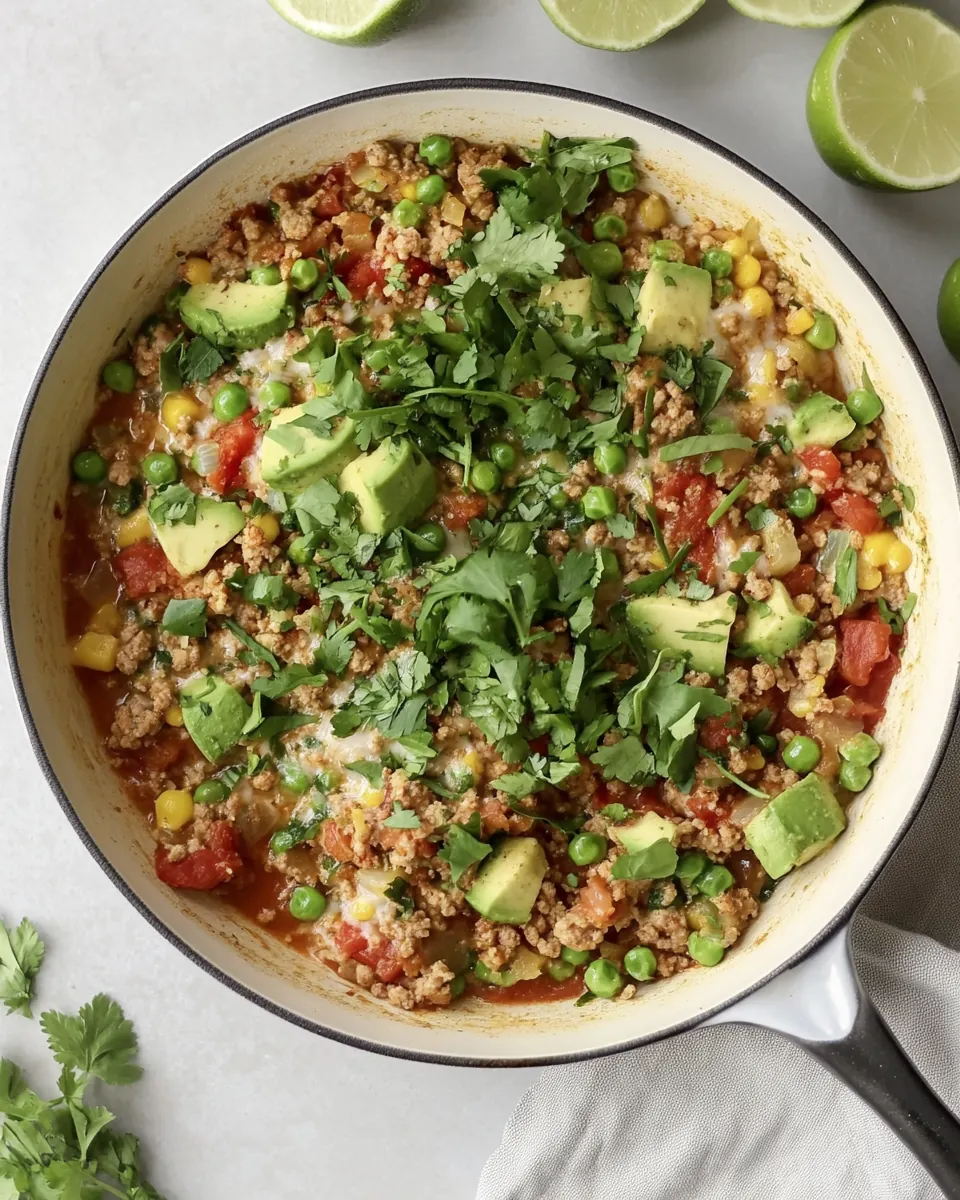
I like to think of these steps as a rhythm of searing, softening, and simmering. Keep your pan hot for good browning, then lower the heat when you build the sauce so flavors meld without overcooking the vegetables. Read each step fully before you start, and have your garlic, diced onion, and spices ready for a smooth, focused cooking flow.
- Preheat a large skillet over medium-high heat and pour in the olive oil. Then, incorporate the ground turkey along with garlic powder, onion powder, cumin, paprika, salt, and black pepper.: You will notice the oil shimmer and move easily across the pan when it is ready, which means it will provide a hot surface for quick searing. The initial sizzle when ingredients hit the oil creates a caramelized layer on the meat that builds serious flavor. If the oil smokes, lower the heat slightly to avoid burning, as burnt oil will add bitter notes. A common mistake is adding cold meat to a cold pan, which leads to steaming rather than browning, so make sure you see that shimmering surface before adding anything.
- Use a spatula to break up the meat while cooking it until browned and fully cooked, which should take about 5-7 minutes.: As the spices meet the hot pan, they bloom, releasing aromatic oils that perfume the kitchen. The turkey will start to change color and release some juices, which mix with spices to form a flavorful base. Stir gently to distribute seasoning evenly, and resist crowding the pan with too much at once, as that prevents good browning. If you notice the spices clumping, break them apart with the spatula so they toast evenly rather than sticking.
- In the skillet with the turkey, add the diced onion, green bell pepper, and minced garlic. Sauté for 2-3 minutes, allowing the vegetables to soften.: You will hear a steady sizzling as the meat browns and small browned bits develop on the skillet surface. Breaking the meat into uniform pieces ensures consistent texture and allows every morsel to pick up seasoning. Avoid overbreaking into a paste by using firm, decisive motions; also watch the color change to an even brown with no pink remaining. A frequent error is rushing the browning, which yields steamed and pale meat instead of deeply flavored crumbles.
- Add the sliced zucchini, diced tomatoes, black beans, corn kernels, tomato paste, and water. Mix thoroughly. Cover the skillet and allow the mixture to simmer over medium-low heat until the zucchini is tender but still crisp, about 5 to 7 minutes. Taste and adjust the seasonings as needed.: The vegetables will hiss as they meet the hot meat and oil, and within a few minutes the onion will turn translucent while the pepper softens. This step builds sweetness and aromatic layers that balance the spices. Stir intermittently so nothing sticks, and lower the heat if the garlic starts to darken too quickly, as burnt garlic tastes acrid. Many cooks mistakenly add garlic too early or let it brown; add it with the vegetables and watch it closely.
- Remove the skillet from heat. Garnish with freshly chopped cilantro and serve immediately with optional lime wedges for added zest.: You should see softened edges and a glossy sheen on the vegetables, with the onion smelling sweet and mild. This brief sauté keeps the vegetables lively rather than mushy, preserving bite and color. If you prefer a softer texture, extend the time slightly, but keep the heat moderated to avoid caramelizing too fast. Overcooking at this stage leads to droopy, flavorless vegetables.
- Add the sliced zucchini, diced tomatoes, black beans, corn kernels, tomato paste, and water: When these components hit the skillet you will get a mix of sizzling and gentle bubbling as liquids mingle. The tomato paste will thicken the mixture, and the water helps it spread into a cohesive sauce that clings to the meat and vegetables. Stir thoroughly so the paste dissolves and coats evenly. A common slip is adding too much liquid, which dilutes flavor, so measure the water precisely to keep the sauce concentrated.
- Mix thoroughly: As you stir, watch the colors marry together, with deep red streaks from the tomato paste and bright kernels of corn punctuating the pan. This visual harmony indicates that flavors are distributing uniformly. Continue stirring until you no longer see clumps of paste and the juices form a glossy coating. If you see pooling water, increase the heat briefly to reduce, but stay attentive to avoid over reducing and drying the pan.
- Cover the skillet and allow the mixture to simmer over medium-low heat until the zucchini is tender but still crisp, about 5 to 7 minutes: With the lid on you will notice gentle steam building, softening the zucchini while preserving a slight tooth. This controlled simmer marries the flavors without breaking down the vegetables into mush. Lift the lid occasionally to check texture and avoid oversteaming, which makes zucchini limp and watery. A typical mistake is leaving the skillet covered too long, resulting in a flat, one texture dish.
- Taste and adjust the seasonings as needed: Once things have melded, take a small spoonful and assess salt, pepper, and overall balance. Adjust incrementally, adding tiny pinches and tasting again, since spices concentrate as the mixture rests. If the dish tastes flat, a little extra salt or a squeeze of lime can brighten it. Over-seasoning is common when cooks add too much at once, so correct cautiously.
- Remove the skillet from heat: You will hear the pan quiet as it cools, and residual heat will continue to soften the ingredients slightly. Letting it rest for a short moment helps flavors settle and prevents burns when serving. If you leave it in a hot pan too long, vegetables can keep cooking and become too soft, so transferring or removing at the right moment preserves texture.
- Garnish with freshly chopped cilantro and serve immediately with optional lime wedges for added zest: The chopped cilantro introduces a fresh herbal note and a burst of green, while a squeeze of lime adds lively acidity that cuts through the richness. Serve right away so the cilantro remains bright and the flavors retain their contrast. A common misstep is garnishing too early, which causes herbs to wilt and lose their aromatic punch.
Making Adjustments
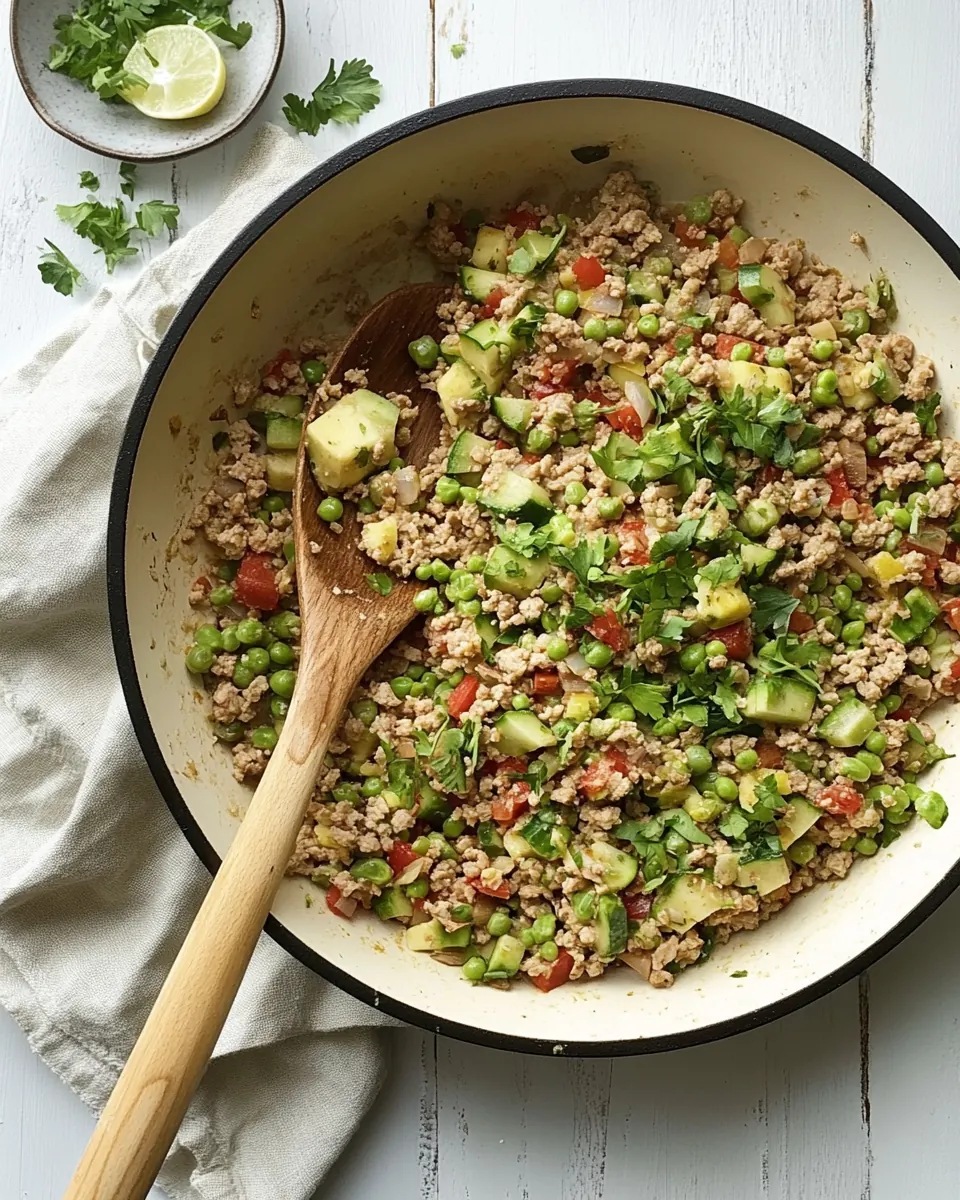
This section helps you adapt Ground Turkey Skillet to your pantry and preferences. Small swaps and timing changes can shift the dish from bright and fresh to smoky and robust, and I include practical adjustments I use depending on what I have on hand.
- Swap vegetables: If you prefer a crunchier texture, keep the zucchini slices thicker and add them later in the cook so they stay firmer.
- Increase heat: To deepen browning on the ground turkey, raise the heat briefly at the start and sear in batches to avoid steaming.
- Make it saucier: Stir in an extra tablespoon of tomato paste mixed with two tablespoons of water and simmer a couple more minutes to thicken the sauce.
- Milder spice: Reduce the cumin by half and omit the paprika for a subtler, family friendly flavor profile.
- Stretch the meal: Add another half cup of black beans or an extra cup of corn to increase volume without altering cooking time significantly.
Serving Ideas for Ground Turkey Skillet
This skillet is versatile and can be served across many occasions, from casual weeknights to simple gatherings. It pairs well with staples and can be adapted for different meals by changing the accompaniments. Below are detailed serving suggestions that highlight textures, temperatures, and presentation ideas to make dinner feel intentional.
- Over rice: Spoon the skillet over steamed white or brown rice for a hearty, comforting plate that absorbs the sauce. This is perfect for family dinners and provides a neutral backdrop for the spices.
- With warm tortillas: Serve with soft tortillas for quick tacos, letting everyone add a squeeze of lime and a sprinkle of chopped cilantro. This turns dinner into a hands on meal and is ideal for casual entertaining.
- As a bowl: Build bowls with a base of greens or grains, add the skillet, then top with avocado slices or a dollop of plain yogurt for creaminess. Bowls work well for meal prep and office lunches.
- Family style: Bring the skillet to the table and let people help themselves, offering optional lime wedges and extra cilantro. This style is warm and communal for low key dinners.
- Seasonal pairings: In spring and summer, emphasize fresh lime and cilantro for brightness; in cooler months, serve with a side of warm comfort carbs like bread or roasted potatoes to make it cozier.
- Storage tips: Cool completely before refrigerating in an airtight container for up to four days, or freeze portions for up to three months. Reheat gently on the stovetop to preserve texture, adding a splash of water if it seems dry.
FAQ
Conclusion
Ground Turkey Skillet stands out for its speed, balanced nutrition, and comforting flavor profile. It brings together lean protein, fresh vegetables, and warm spices for a meal that is simultaneously simple and satisfying. I encourage you to give it a try on a busy weeknight or when you want a dependable dish that reheats well for lunches. Enjoy the ease of one pan cooking and the bright lift of cilantro and lime, and feel free to adapt the recipe to match your pantry and palate.
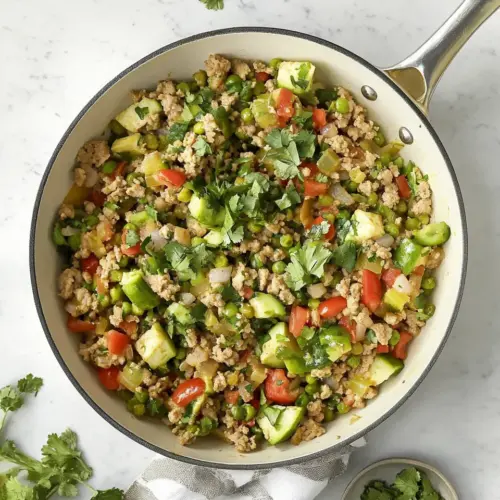
Ground Turkey Skillet
Equipment
- Large Skillet
- Spatula
Ingredients
- 2 teaspoons olive oil Provide a light cooking fat to prevent sticking and add subtle flavor; heat until shimmering before adding aromatics or protein to bloom their flavors. Use measured teaspoons to control fat content and ensure even sautéing without greasiness.
- 1 pound lean ground turkey 93% lean Add lean, finely crumbled protein that browns quickly and absorbs seasonings; cook until no longer pink and any excess moisture evaporates for best texture. Use specified lean percentage to keep the skillet dish lower in fat while maintaining juiciness when not overcooked.
- 1/4 teaspoon garlic powder Impart a concentrated garlic note and savory depth when sprinkled into the meat or vegetables; distribute evenly to avoid clumping and to build layered flavor. Use the small measure to complement fresh garlic without overpowering the dish.
- 1/2 teaspoon onion powder Deliver a mild oniony sweetness when mixed into the seasoning blend; helps round out savory notes while remaining subtle compared with fresh onion. Use sparingly to add background flavor especially when fresh onion is already present.
- 1 teaspoon cumin Introduce warm, earthy spice with slight citrusy undertones that complements the turkey and vegetables; add to the pan early to toast slightly and release its aroma. Measure precisely to balance with other spices and avoid dominance.
- 1/2 teaspoon paprika Contribute mild smokiness and color to the dish; sprinkle with other spices to add depth without overwhelming the lighter turkey flavor. Adjust quantity cautiously to maintain balance with cumin and paprika.
- 1/2 teaspoon salt plus more to taste Season the entire skillet and enhance other flavors while controlling sodium levels; add the stated amount then taste and adjust as needed at the end. Use the recommendation to avoid oversalting, especially if using canned ingredients.
- 1/4 teaspoon black pepper Add a faint heat and aromatic sharpness that brightens the overall flavor profile; grind or measure to distribute evenly through the mixture. Use the small pinch to lift flavors without introducing pronounced pepperiness.
- 1 small white onion diced Provide crunchy, savory foundation and aromatic sweetness when softened; dice uniformly to ensure even cooking and release natural sugars for caramelization. Add to the pan early so it can sweat and meld with the turkey and spices.
- 1 green bell pepper diced Contribute fresh, crisp texture and a mild vegetal sweetness; dice into pieces similar to the onion for uniform cooking. Add early enough to soften but retain some bite, balancing texture against softer ingredients like zucchini.
- 2 cloves garlic minced Deliver bright, pungent flavor and aroma that intensifies when lightly cooked; mince finely to distribute its pungency evenly throughout the dish. Add after the onions and peppers have softened to avoid burning and to preserve fresh garlic character.
- 2 medium zucchinis sliced into 3/4-inch rounds Provide tender, slightly sweet rounds with high moisture that soak up seasonings; slice into consistent thickness to ensure uniform cooking without becoming mushy. Add later in cooking so they retain shape and a pleasant bite.
- 1 large tomato diced Add juicy acidity and fresh tomato sweetness to brighten the skillet; dice finely so it integrates with beans and corn and releases juices. Stir in toward the end of cooking to preserve freshness and prevent excessive disintegration.
- 1 cup canned black beans rinsed and drained Introduce creamy texture, protein, and earthy flavor while adding fiber; rinse and drain well to remove excess sodium and packing liquid. Fold in during the final simmer so beans heat through without falling apart.
- 2/3 cup corn kernels fresh or frozen Add bursts of sweet corn flavor and a pop of texture; use fresh or frozen to keep the taste bright and seasonal. Stir in near the end of cooking to retain sweetness and slight crispness.
- 4 teaspoons tomato paste Provide concentrated tomato flavor and body to thicken and deepen the sauce; dissolve into the water or oil before adding to ensure even distribution. Use measured teaspoons to avoid overwhelming the other tomato elements.
- 1/4 cup water Create a small amount of liquid to loosen the mixture and help tomato paste integrate; add gradually to reach desired sauciness without thinning the dish. Use the specified amount to control consistency while allowing ingredients to simmer together.
- Fresh cilantro chopped, for garnish Contribute bright herbal freshness and a leafy contrast when chopped and sprinkled as a finishing touch; add just before serving to preserve color and aroma. Use as garnish to elevate appearance and add a final flavor lift.
- Lime wedges optional, for garnish Offer sharp citrus acidity as an optional finishing squeeze to brighten flavors and balance richness; serve wedges alongside so diners can adjust acidity to taste. Use sparingly to accentuate herbs and cut through fat.
Instructions
- Preheat a large skillet over medium-high heat and pour in the olive oil. Then, incorporate the ground turkey along with garlic powder, onion powder, cumin, paprika, salt, and black pepper.: You will notice the oil shimmer and move easily across the pan when it is ready, which means it will provide a hot surface for quick searing. The initial sizzle when ingredients hit the oil creates a caramelized layer on the meat that builds serious flavor. If the oil smokes, lower the heat slightly to avoid burning, as burnt oil will add bitter notes. A common mistake is adding cold meat to a cold pan, which leads to steaming rather than browning, so make sure you see that shimmering surface before adding anything.
- Use a spatula to break up the meat while cooking it until browned and fully cooked, which should take about 5-7 minutes.: As the spices meet the hot pan, they bloom, releasing aromatic oils that perfume the kitchen. The turkey will start to change color and release some juices, which mix with spices to form a flavorful base. Stir gently to distribute seasoning evenly, and resist crowding the pan with too much at once, as that prevents good browning. If you notice the spices clumping, break them apart with the spatula so they toast evenly rather than sticking.
- In the skillet with the turkey, add the diced onion, green bell pepper, and minced garlic. Sauté for 2-3 minutes, allowing the vegetables to soften.: You will hear a steady sizzling as the meat browns and small browned bits develop on the skillet surface. Breaking the meat into uniform pieces ensures consistent texture and allows every morsel to pick up seasoning. Avoid overbreaking into a paste by using firm, decisive motions; also watch the color change to an even brown with no pink remaining. A frequent error is rushing the browning, which yields steamed and pale meat instead of deeply flavored crumbles.
- Add the sliced zucchini, diced tomatoes, black beans, corn kernels, tomato paste, and water. Mix thoroughly. Cover the skillet and allow the mixture to simmer over medium-low heat until the zucchini is tender but still crisp, about 5 to 7 minutes. Taste and adjust the seasonings as needed.: The vegetables will hiss as they meet the hot meat and oil, and within a few minutes the onion will turn translucent while the pepper softens. This step builds sweetness and aromatic layers that balance the spices. Stir intermittently so nothing sticks, and lower the heat if the garlic starts to darken too quickly, as burnt garlic tastes acrid. Many cooks mistakenly add garlic too early or let it brown; add it with the vegetables and watch it closely.
- Remove the skillet from heat. Garnish with freshly chopped cilantro and serve immediately with optional lime wedges for added zest.: You should see softened edges and a glossy sheen on the vegetables, with the onion smelling sweet and mild. This brief sauté keeps the vegetables lively rather than mushy, preserving bite and color. If you prefer a softer texture, extend the time slightly, but keep the heat moderated to avoid caramelizing too fast. Overcooking at this stage leads to droopy, flavorless vegetables.
- Add the sliced zucchini, diced tomatoes, black beans, corn kernels, tomato paste, and water: When these components hit the skillet you will get a mix of sizzling and gentle bubbling as liquids mingle. The tomato paste will thicken the mixture, and the water helps it spread into a cohesive sauce that clings to the meat and vegetables. Stir thoroughly so the paste dissolves and coats evenly. A common slip is adding too much liquid, which dilutes flavor, so measure the water precisely to keep the sauce concentrated.
- Mix thoroughly: As you stir, watch the colors marry together, with deep red streaks from the tomato paste and bright kernels of corn punctuating the pan. This visual harmony indicates that flavors are distributing uniformly. Continue stirring until you no longer see clumps of paste and the juices form a glossy coating. If you see pooling water, increase the heat briefly to reduce, but stay attentive to avoid over reducing and drying the pan.
- Cover the skillet and allow the mixture to simmer over medium-low heat until the zucchini is tender but still crisp, about 5 to 7 minutes: With the lid on you will notice gentle steam building, softening the zucchini while preserving a slight tooth. This controlled simmer marries the flavors without breaking down the vegetables into mush. Lift the lid occasionally to check texture and avoid oversteaming, which makes zucchini limp and watery. A typical mistake is leaving the skillet covered too long, resulting in a flat, one texture dish.
- Taste and adjust the seasonings as needed: Once things have melded, take a small spoonful and assess salt, pepper, and overall balance. Adjust incrementally, adding tiny pinches and tasting again, since spices concentrate as the mixture rests. If the dish tastes flat, a little extra salt or a squeeze of lime can brighten it. Over-seasoning is common when cooks add too much at once, so correct cautiously.
- Remove the skillet from heat: You will hear the pan quiet as it cools, and residual heat will continue to soften the ingredients slightly. Letting it rest for a short moment helps flavors settle and prevents burns when serving. If you leave it in a hot pan too long, vegetables can keep cooking and become too soft, so transferring or removing at the right moment preserves texture.
- Garnish with freshly chopped cilantro and serve immediately with optional lime wedges for added zest: The chopped cilantro introduces a fresh herbal note and a burst of green, while a squeeze of lime adds lively acidity that cuts through the richness. Serve right away so the cilantro remains bright and the flavors retain their contrast. A common misstep is garnishing too early, which causes herbs to wilt and lose their aromatic punch.
Notes
- Swap vegetables: If you prefer a crunchier texture, keep the zucchini slices thicker and add them later in the cook so they stay firmer.
- Increase heat: To deepen browning on the ground turkey, raise the heat briefly at the start and sear in batches to avoid steaming.
- Make it saucier: Stir in an extra tablespoon of tomato paste mixed with two tablespoons of water and simmer a couple more minutes to thicken the sauce.
- Milder spice: Reduce the cumin by half and omit the paprika for a subtler, family friendly flavor profile.
- Stretch the meal: Add another half cup of black beans or an extra cup of corn to increase volume without altering cooking time significantly.
