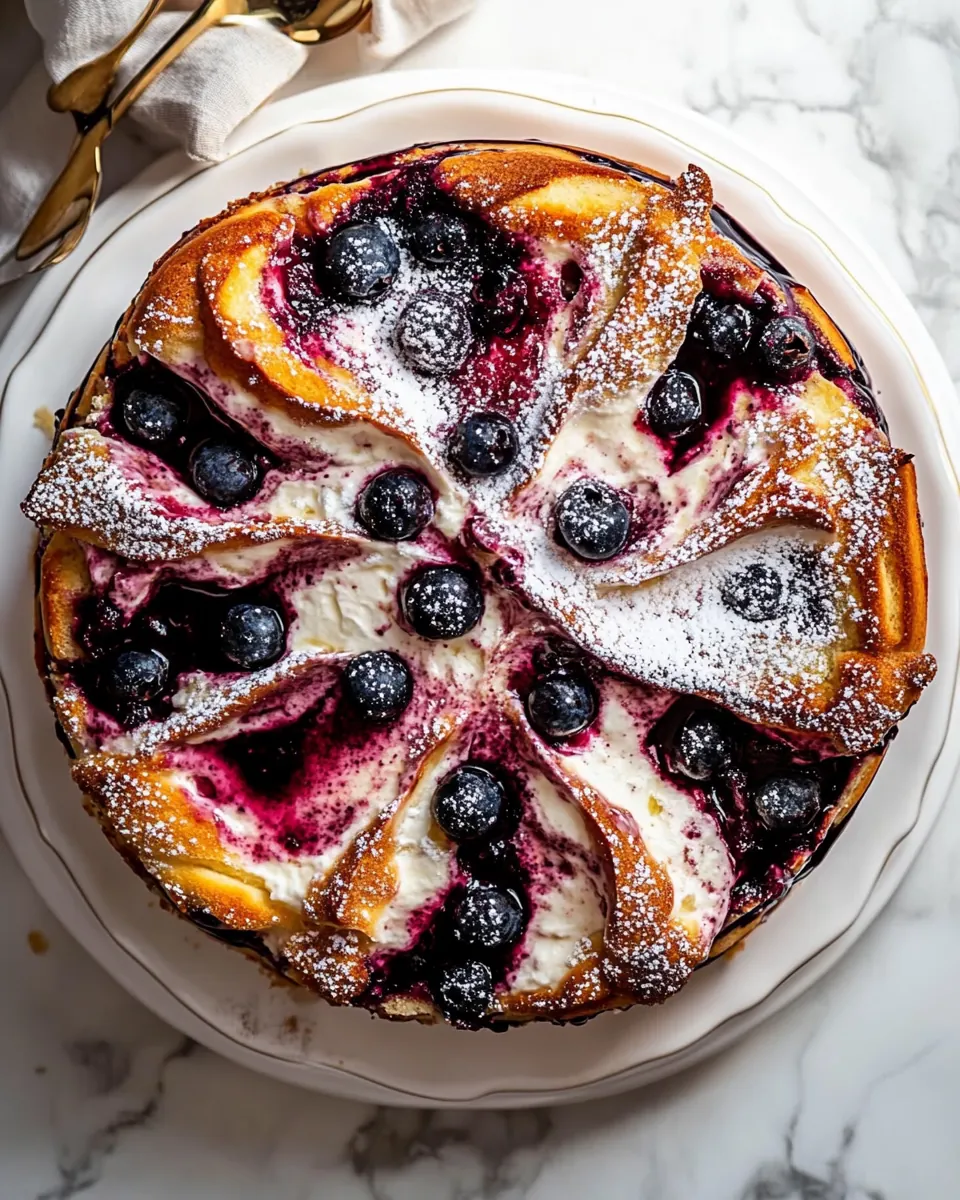
Blueberry Ricotta Pudding Cake
Blueberry Ricotta Pudding Cake is one of those recipes I reach for when I want something that feels both homey and a little bit special. The first time I made it, I was chasing the memory of a bakery cake that was light yet rich, with pockets of warm fruit. I remember the kitchen filling with a bright lemon aroma while the batter looked almost custardy as I folded in the fluffy egg whites.
That batch turned into an impromptu brunch that stretched into the afternoon, where friends dipped spoons and gave that particular silence that means good food. I loved how the texture sat somewhere between a pudding and a cake, the blueberry bursts balancing the creamy tang of the ricotta. I kept thinking about how approachable it is, yet how elegant it can feel with just a little glaze and whipped cream.
Over the years I have adjusted small things, like the amount of zest and how long I tent the cake with foil, and those tiny choices made a clear difference in the crumb and moisture. I enjoy serving it warm, and I often experiment with leaving the jam streaks looser or swirling them more deliberately so each slice looks painted. If you like baking that rewards patience and has a forgiving nature, you will probably take to this one fast.
Recipe Snapshot
1 hr 30 mins
30 mins
60 mins
Medium
350 kcal
American
Gluten-Free, Low FODMAP
Desserts
9 inch springform pan, Parchment paper, Electric mixer, Mixing bowls, Spatula
What Makes This Blueberry Ricotta Pudding Cake Special
Versatile Texture
I love that Blueberry Ricotta Pudding Cake delivers a dual personality, part pudding, part cake. The center stays moist and custardy because of the ricotta and whipped egg whites, while the edges set into a tender crumb. This contrast creates a satisfying mouthfeel, and I always find guests commenting on how different it feels from a regular cake.
Bright, Fresh Flavor
The interplay of lemon zest, lemon juice, and blueberry keeps the flavor lively. I use fresh zest to lift the whole dessert, and even frozen blueberries work because tossing them with a bit of flour prevents sinking and keeps little pockets of concentrated fruit. The result is a cake that never tastes flat.
Impressive, Yet Simple
I like recipes that look like effort without actually requiring complicated techniques. Folding in whipped egg whites is the main technique, and once you master the gentle motion, the rest is straightforward. You get a bakery worthy dessert with everyday pantry ingredients like all purpose flour and granulated sugar.
Make Ahead Friendly
I appreciate that you can bake it ahead and rewarm slices gently before serving. The glaze soaks in a bit and melds the flavors, which is perfect when you want to prep a brunch or a light dinner dessert. It also keeps well for a day or two, making planning easier.
Customizable Finish
The swirl of blueberry jam and a dusting of coarse sugar or a light powdered sugar glaze means you can dress it up or keep it rustic. I often change the amount of jam I swirl in to alter sweetness and appearance. It makes the cake adaptable to many occasions, from an easy family dessert to something more polished for guests.
Recipe Ingredients for Blueberry Ricotta Pudding Cake
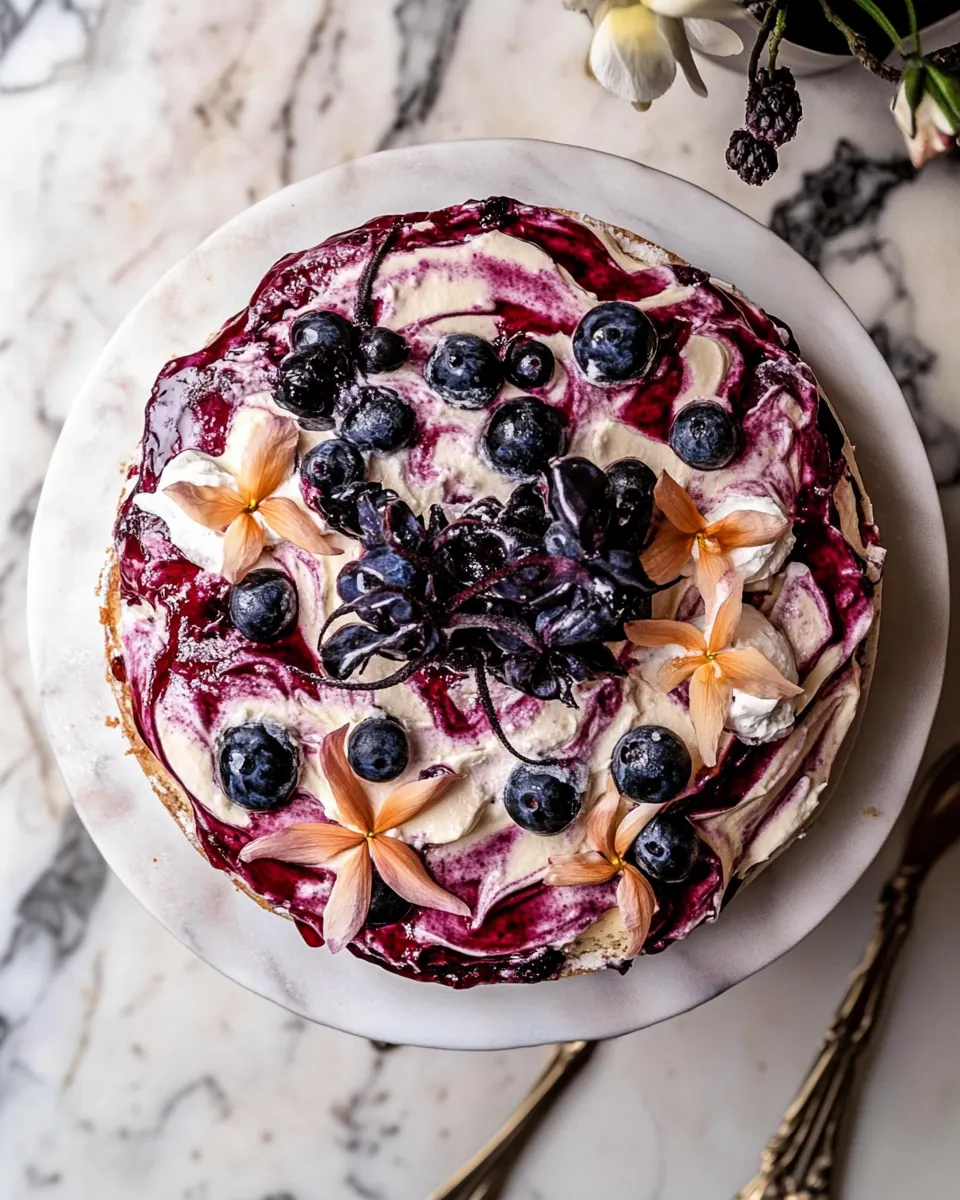
The ingredients for Blueberry Ricotta Pudding Cake are chosen to create a tender, moist crumb with bright pops of fruit. The key players are the creamy ricotta that keeps the interior custardy, the whipped egg whites that lighten the batter, and the blueberry additions that provide sweet tart bursts. These components work together to balance richness and freshness, giving you a cake that is both comforting and lively.
- 1 stick (8 tablespoons) salted butter, at room temperature: Creamed until soft and spreadable, provides rich fat and moisture while contributing to the cake’s tender crumb and golden crust development.
- 3/4 cup granulated sugar: Granulated sugar sweetens the batter, helps with structure by interacting with eggs and butter, and promotes browning for a pleasant crust.
- 2 tablespoons lemon zest: Finely grated lemon zest infuses bright citrus oils for aromatic lift, balancing richness and enhancing the blueberry flavor with fresh acidity.
- 3 large eggs at room temperature: Beaten until combined, eggs add structure, leavening, and moisture while enriching flavor and helping to set the pudding-like interior.
- 1 cup whole milk ricotta cheese: Whole milk ricotta adds creamy, slightly tangy moisture and light density, contributing to the pudding texture and tender crumb.
- 1/2 cup milk or cream, at room temperature: Milk or cream thinned to room temperature adjusts batter consistency, adds richness, and helps create a smooth, moist cake texture.
- 2 teaspoons vanilla extract: Vanilla extract contributes sweet, aromatic depth and rounds the flavors of the batter while complementing the citrus and berries.
- 2 cups all-purpose flour: All-purpose flour forms the cake’s structure by providing gluten and starch, supporting rise and creating a tender yet stable crumb.
- 2 teaspoons baking powder: Baking powder acts as the chemical leavening agent, producing lift and a light texture when combined with the batter’s moisture and heat.
- 1/2 teaspoons salt: Salt enhances overall flavor balance, brightens sweetness, and strengthens the gluten network slightly for improved structure.
- 1 1/2 cups fresh or frozen blueberries: Fresh or frozen blueberries provide bursts of fruity flavor and moisture, creating juicy pockets that complement the ricotta pudding texture.
- 1 tablespoon whole wheat or all-purpose flour: A light dusting of whole wheat or all-purpose flour coats berries to prevent sinking and helps distribute fruit evenly in the batter.
- 2 tablespoons blueberry jam: Blueberry jam adds concentrated fruit sweetness and color, enhancing blueberry flavor and creating swirls of sticky fruit throughout the cake.
- whipped cream, for serving: Lightly whipped for serving, whipped cream contributes airy richness and a cool, creamy contrast to the warm pudding cake.
- 2 tablespoons lemon juice: Fresh lemon juice provides bright acidity to balance sweetness and amplify the citrus notes from the zest for a fresher finish.
- 3 tablespoons coarse sugar: Coarse sugar sprinkled on top creates a crunchy, sparkling garnish that adds texture and visual appeal after baking.
- 1/2 cup powdered sugar: Powdered sugar used for finishing dusts the surface with fine sweetness, adding a delicate look and light additional sweetness.
- flaked salt: Flaked salt sprinkled as a finishing touch enhances flavors, contrasts sweetness, and provides occasional savory pops in each bite.
Blueberry Ricotta Pudding Cake Instructions
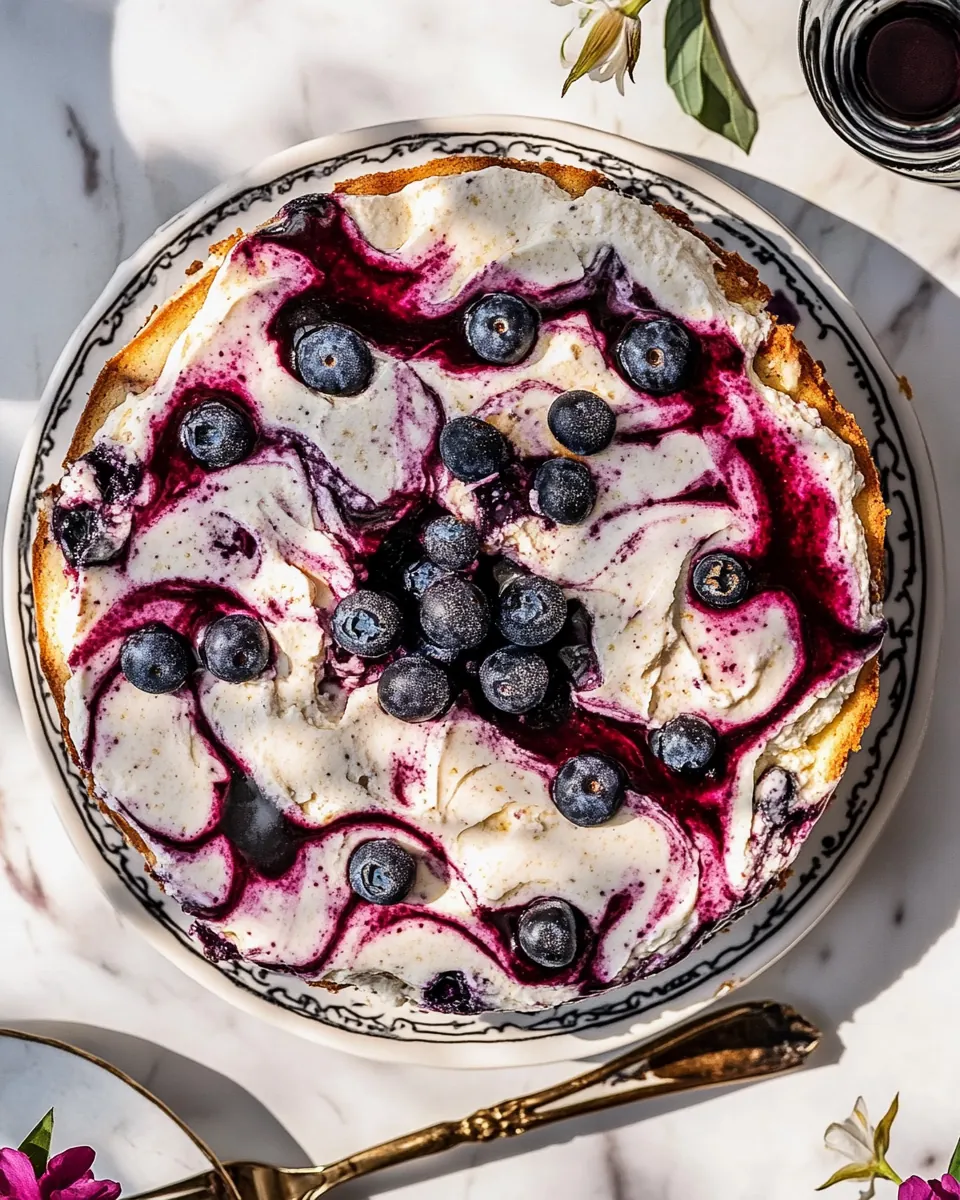
This cake is straightforward but rewards attentive, gentle handling. Take your time folding and watching visual cues, and the results will be a tender, custardy center with jammy pockets of blueberry. Below I expand each direction into detailed, sensory rich guidance so you can bake with confidence.
- Preheat the oven to 350°F. Butter a 9-inch springform pan and line the bottom with parchment paper. In a bowl, using an electric mixer, beat together the butter, sugar, and lemon zest until light and fluffy, 3 to 5 minutes. Add the egg yolks, beating to combine. Mix in the ricotta and vanilla. Add the flour, baking powder, and salt. Beat until smooth, then stream in the milk. Mix until combined. In a bowl, using an electric mixer, whisk the egg whites until stiff peaks form, 3 to 5 minutes. Gently mix the whites into the batter until the batter is smooth with no streaks. Toss the blueberries with 1 tablespoon flour. Mix the berries into the batter. Scrape the batter into the prepared pan. Swirl in the blueberry jam, leaving streaks of jam throughout the batter. Bake 50-60 minutes, tenting with foil at 30 minutes. The longer you bake, the more set your cake will become. I bake mine for 55 minutes. To make the glaze. In a bowl or glass measuring cup, whisk together all ingredients. The glaze will be thin. Pour the glaze over the cake. Serve warm with whipped cream or ice cream.: As the oven warms, you should notice a faint electrical hum and the heat slowly becoming steady, which helps the cake rise evenly. Make sure the rack is in the center so the top browns without overcooking the edges. A common error is placing the pan too close to the top heating element, which leads to uneven browning. If your oven runs hot, consider setting it a few degrees lower and using an oven thermometer for accuracy. Proper preheating ensures the leavening activates immediately, giving the batter lift rather than a slow, uneven rise.
- Butter a 9-inch springform pan and line the bottom with parchment paper: Greasing the pan and lining the bottom with parchment creates a smooth release and prevents sticking, while the edges can brown against the metal for texture contrast. Press the parchment into the base so it lays flat. Failing to properly grease the sides can cause the cake to tear when releasing. Butter also contributes subtle flavor to the crust, so don't skip it even with parchment in place.
- Beat together the butter, sugar, and lemon zest until light and fluffy, 3 to 5 minutes: During this creaming stage you will hear a quieter, aerating sound from the mixer and see the mixture turn paler and fluffier as air is incorporated. This trapped air helps form the cake's structure. Scrape down the bowl periodically to ensure even mixing. Overmixing at high speed can warm the butter too much, making the batter heavy. Aim for a light, billowy texture that holds soft peaks when shifted.
- Add the egg yolks, beating to combine: After adding the yolks, the batter will feel silkier and take on more volume, while the color deepens slightly. Incorporating yolks slowly keeps the mixture emulsified, preventing separation. If you add yolks too quickly, the batter can curdle, creating a grainy texture. Mixing until homogenous ensures the fat disperses and binds with the creamed butter and sugar .
- Mix in the ricotta and vanilla: When you add the ricotta , the batter becomes creamier, and you'll notice a gentle, milky aroma. The ricotta gives the cake its pudding like interior, contributing tenderness and tang. If the ricotta is too watery, drain it briefly on a towel to avoid thinning the batter. Stir just until the mixture is smooth and glossy to keep the emulsion intact.
- Add the flour, baking powder, and salt: As the dry ingredients are incorporated, the batter will thicken and take on a dough like quality before liquids are added. Use a gentle folding motion to combine to avoid activating gluten excessively, which would toughen the cake. Overworking here is a common mistake, leading to a denser crumb. Sifting the flour and baking powder beforehand can help a uniform texture and even rise.
- Beat until smooth, then stream in the milk: The batter should become smooth and cohesive; streaming in the room temperature milk helps loosen it without shocking the emulsion. You will notice a glossy sheen as the liquid integrates. Adding cold liquid or too quickly can deflate incorporated air. Aim for a pourable consistency that still holds some body, since the whipped egg whites will lighten it further.
- Whisk the egg whites until stiff peaks form, 3 to 5 minutes: As you whisk, the mixture will change from glossy to cloudlike, and you will hear a higher pitched, airy rhythm from the mixer. Stiff peaks mean the whites hold firm points when lifted but are still moist. Underwhipping makes the final cake dense, while overwhipping can cause dryness and difficulty folding. Stop when peaks hold shape but still look satiny.
- Gently mix the whites into the batter until the batter is smooth with no streaks: After folding in the whipped egg whites , the batter should feel light and airy, with no visible white streaks. Use a gentle scooping and turning motion to preserve the air. A mistake here is aggressive stirring, which knocks out the aeration and yields a heavier cake. The result should be a homogeneous, slightly billowy batter that ripples softly as you move the spatula.
- Toss the blueberries with 1 tablespoon flour: Coating the blueberries keeps them suspended and prevents them from sinking while baking. You will see the berries take on a dusting that absorbs surface moisture. If you skip this step, fruit can settle and create dense pockets. For frozen blueberries , toss them straight from the freezer to minimize bleeding into the batter.
- Mix the berries into the batter: When you fold in the dusted blueberries , you will spot vibrant dots of color and occasional juice streaks where the fruit rubs against the batter. Gentle folding distributes fruit without crushing the berries. Overmixing will burst too many berries, making the batter purple and wetter. Aim for even distribution so each slice has balanced fruit.
- Scrape the batter into the prepared pan: The batter should slide out in a thick ribbon, filling the pan evenly. Use a spatula to smooth the top so it bakes uniformly. Leaving uneven high spots can cause irregular rising and browning. Tapping the pan gently on the counter removes large air pockets for a consistent crumb.
- Swirl in the blueberry jam: As you dollop and drag blueberry jam through the batter, you will see glossy ribbons that promise concentrated bursts of flavor after baking. The jam both flavors and creates visual interest. Too much jam can create soggy pockets, so aim for streaks rather than large pools. The jam will caramelize slightly on the surface, adding depth to each bite.
- Bake 50 to 60 minutes, tenting with foil at 30 minutes: During baking the kitchen will fill with lemon and baked blueberry aromas, and the top should gently brown. Tenting with foil at the halfway mark prevents overbrowning while allowing the interior to continue setting. If you underbake, the center may wobble and be too soft, while overbaking will create a drier texture. I usually aim for about 55 minutes, checking for a slight jiggle in the center that signals a custardy finish.
- To make the glaze, whisk together all ingredients: The glaze will be thin and pourable, shining as it comes together. Pouring it over the warm cake allows it to soak in and add brightness from the lemon juice and sweetness from the powdered sugar . If the glaze is too thick, add a little more lemon juice , and if too thin, add a touch more powdered sugar . A lumpy glaze can be smoothed by whisking vigorously or straining.
- Pour the glaze over the cake and serve warm with whipped cream or ice cream: As the glaze settles, it gives the surface a glossy finish and a tangy kiss of citrus. Serving warm enhances the jam pockets and the custard like center, and a scoop of whipped cream adds cool contrast. Avoid serving it too hot, which can make the texture feel runny, or too cold, which mutes the aroma. A warm slice with a spoonful of cream is how I enjoy it most.
Tips and Variations
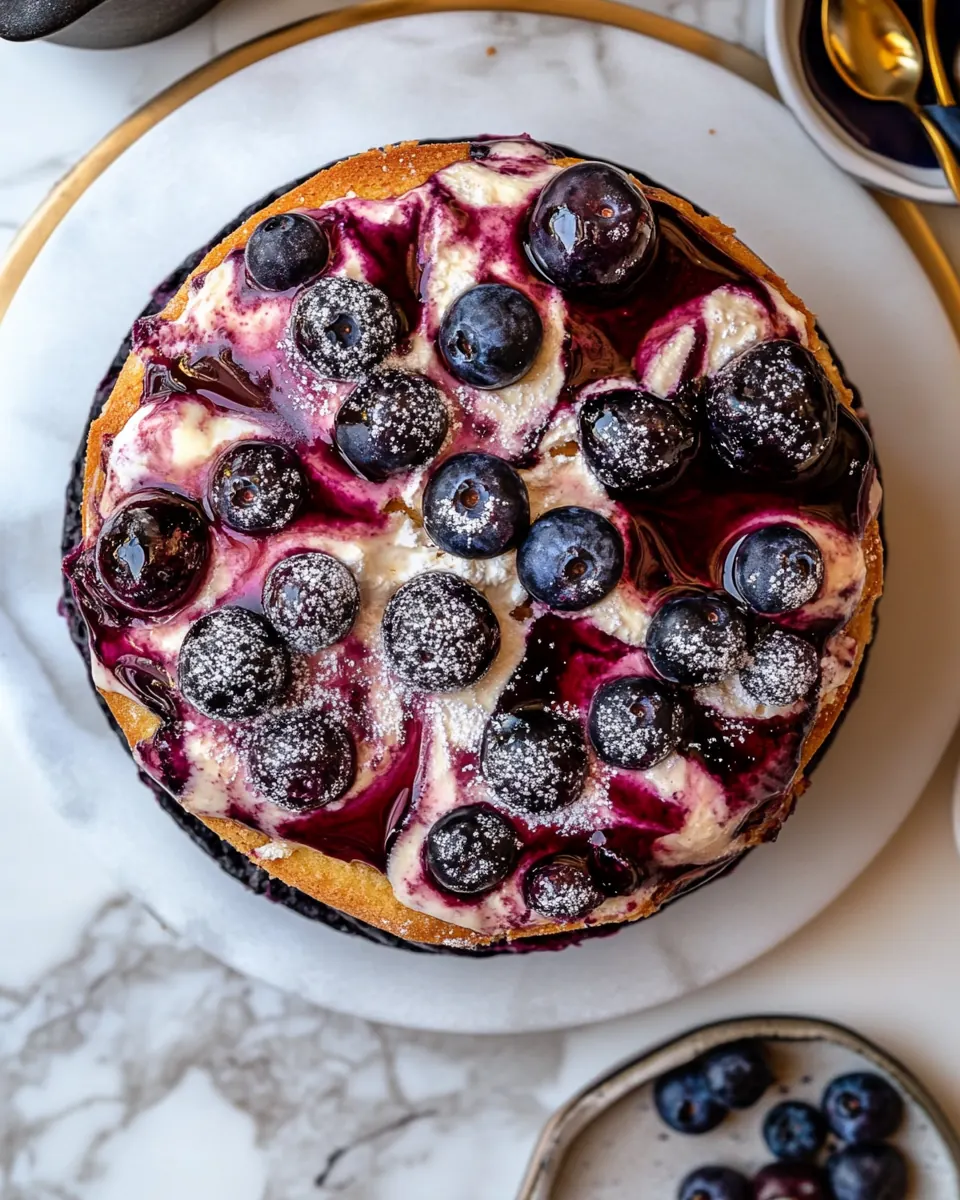
This section offers practical tweaks and serving ideas to make Blueberry Ricotta Pudding Cake your own. Below are tested tips that preserve texture and enhance flavor while keeping the recipe approachable.
- Use room temperature ingredients: Ensuring your butter, eggs, and milk are at room temperature helps them combine smoothly, preventing curdling and promoting an even crumb.
- Handle egg whites gently: When folding whipped egg whites into the batter, use a gentle scoop and fold to preserve the trapped air, which is key to the cake’s light interior.
- Coat fruit to prevent sinking: Tossing the blueberries with a tablespoon of flour keeps them suspended and maintains even distribution in each slice.
- Adjust jam swirl intensity: If you want bolder fruit ribbons, increase the amount of blueberry jam slightly, but be mindful that too much will make pockets of extra moisture.
- Protect the top while baking: Tenting with foil around the halfway mark stops excessive browning while allowing the center to set properly without drying out.
- Serve warm with contrast: A scoop of lightly sweetened whipped cream or a small scoop of ice cream provides temperature and texture contrast that elevates the dessert.
- Freeze slices for later: Wrap cooled slices tightly and freeze; thaw in the refrigerator overnight and gently rewarm to refresh the texture.
- Sift the powdered sugar for a smooth glaze: Sifting prevents lumps and ensures a glossy, even coating when mixed with lemon juice.
- Use an oven thermometer: Because bake times vary, an oven thermometer helps you judge the true 350°F so the cake bakes consistently.
- Finish with flaked salt: A tiny sprinkle of flaked salt just before serving heightens the sweetness and adds a sophisticated finishing touch.
Side Dish Ideas for Blueberry Ricotta Pudding Cake
This cake shines on its own but pairs well with simple accompaniments that complement its creamy and fruity profile. Below are serving ideas and seasonal pairings to fit different occasions.
- Brunch centerpiece: Serve slices alongside a spread of fresh fruit and strong coffee so guests can balance the cake’s sweetness with bright berries and bitter coffee notes.
- Light after dinner dessert: Present warm slices with a spoonful of whipped cream and a small bowl of extra blueberry jam for guests to add as they like, keeping the portion feeling refined.
- Summer gatherings: The cake pairs well with a platter of seasonal fruits like melon and stone fruit, making it an easy option for backyard meals and casual entertaining.
- Special occasion finish: Dress slices with a dusting of powdered sugar and a few flaked salt crystals to create a more polished presentation for celebratory dinners.
- Storage tips: Store leftover cake covered at room temperature for up to two days, or refrigerate in an airtight container for up to four days. To refresh, warm briefly in a low oven before serving.
- Make ahead strategy: Bake the cake the night before, hold at room temperature, and add the glaze and whipped cream just before serving to maintain freshness and texture.
- Seasonal pairings: In summer, pair with a simple citrus salad to echo the lemon zest; in cooler months, a spiced compote works well with the creamy ricotta base.
- Occasion suitability: The cake is versatile enough for casual family meals, brunches, and even modest holiday gatherings where you want a lighter, fruit forward dessert.
- Portioning ideas: Slice moderately thin for a dessert buffet so guests can sample multiple offerings, or serve thicker slices with a generous dollop of whipped cream for a standalone dessert.
- Presentation tip: Garnish plates with a few fresh blueberries and a small drizzle of any leftover blueberry jam for a cohesive, attractive plate.
FAQ
Conclusion
This cake stands out because it balances a creamy, custard like center with a tender cake crumb and bright pockets of blueberry flavor. It rewards gentle technique rather than complicated steps, so it is approachable for confident beginners and experienced bakers alike. I encourage you to try it warm with a spoonful of whipped cream to experience the contrast of textures and the bright lemon note. Baking this cake is a small act that yields comforting, shareable results, perfect for casual gatherings or a calm weekend baking session.
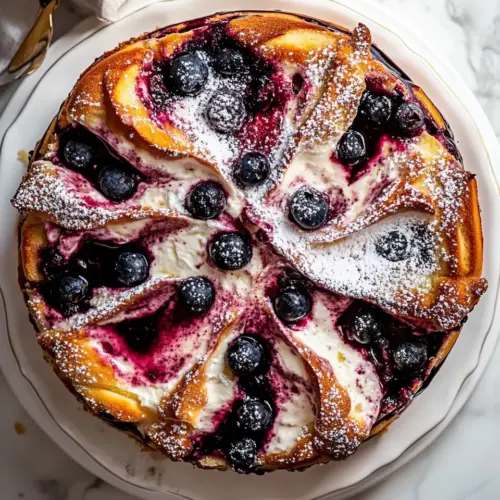
Blueberry Ricotta Pudding Cake
Equipment
- 9-inch Springform Pan
- Parchment Paper
- Electric Mixer
- Mixing Bowls
- Spatula
Ingredients
- 1 stick (8 tablespoons) salted butter, at room temperature Creamed until soft and spreadable, provides rich fat and moisture while contributing to the cake’s tender crumb and golden crust development.
- 3/4 cup granulated sugar Granulated sugar sweetens the batter, helps with structure by interacting with eggs and butter, and promotes browning for a pleasant crust.
- 2 tablespoons lemon zest Finely grated lemon zest infuses bright citrus oils for aromatic lift, balancing richness and enhancing the blueberry flavor with fresh acidity.
- 3 large eggs at room temperature Beaten until combined, eggs add structure, leavening, and moisture while enriching flavor and helping to set the pudding-like interior.
- 1 cup whole milk ricotta cheese Whole milk ricotta adds creamy, slightly tangy moisture and light density, contributing to the pudding texture and tender crumb.
- 1/2 cup milk or cream, at room temperature Milk or cream thinned to room temperature adjusts batter consistency, adds richness, and helps create a smooth, moist cake texture.
- 2 teaspoons vanilla extract Vanilla extract contributes sweet, aromatic depth and rounds the flavors of the batter while complementing the citrus and berries.
- 2 cups all-purpose flour All-purpose flour forms the cake’s structure by providing gluten and starch, supporting rise and creating a tender yet stable crumb.
- 2 teaspoons baking powder Baking powder acts as the chemical leavening agent, producing lift and a light texture when combined with the batter’s moisture and heat.
- 1/2 teaspoons salt Salt enhances overall flavor balance, brightens sweetness, and strengthens the gluten network slightly for improved structure.
- 1 1/2 cups fresh or frozen blueberries Fresh or frozen blueberries provide bursts of fruity flavor and moisture, creating juicy pockets that complement the ricotta pudding texture.
- 1 tablespoon whole wheat or all-purpose flour A light dusting of whole wheat or all-purpose flour coats berries to prevent sinking and helps distribute fruit evenly in the batter.
- 2 tablespoons blueberry jam Blueberry jam adds concentrated fruit sweetness and color, enhancing blueberry flavor and creating swirls of sticky fruit throughout the cake.
- whipped cream, for serving Lightly whipped for serving, whipped cream contributes airy richness and a cool, creamy contrast to the warm pudding cake.
- 2 tablespoons lemon juice Fresh lemon juice provides bright acidity to balance sweetness and amplify the citrus notes from the zest for a fresher finish.
- 3 tablespoons coarse sugar Coarse sugar sprinkled on top creates a crunchy, sparkling garnish that adds texture and visual appeal after baking.
- 1/2 cup powdered sugar Powdered sugar used for finishing dusts the surface with fine sweetness, adding a delicate look and light additional sweetness.
- flaked salt Flaked salt sprinkled as a finishing touch enhances flavors, contrasts sweetness, and provides occasional savory pops in each bite.
Instructions
- Preheat the oven to 350°F. Butter a 9-inch springform pan and line the bottom with parchment paper. In a bowl, using an electric mixer, beat together the butter, sugar, and lemon zest until light and fluffy, 3 to 5 minutes. Add the egg yolks, beating to combine. Mix in the ricotta and vanilla. Add the flour, baking powder, and salt. Beat until smooth, then stream in the milk. Mix until combined. In a bowl, using an electric mixer, whisk the egg whites until stiff peaks form, 3 to 5 minutes. Gently mix the whites into the batter until the batter is smooth with no streaks. Toss the blueberries with 1 tablespoon flour. Mix the berries into the batter. Scrape the batter into the prepared pan. Swirl in the blueberry jam, leaving streaks of jam throughout the batter. Bake 50-60 minutes, tenting with foil at 30 minutes. The longer you bake, the more set your cake will become. I bake mine for 55 minutes. To make the glaze. In a bowl or glass measuring cup, whisk together all ingredients. The glaze will be thin. Pour the glaze over the cake. Serve warm with whipped cream or ice cream.: As the oven warms, you should notice a faint electrical hum and the heat slowly becoming steady, which helps the cake rise evenly. Make sure the rack is in the center so the top browns without overcooking the edges. A common error is placing the pan too close to the top heating element, which leads to uneven browning. If your oven runs hot, consider setting it a few degrees lower and using an oven thermometer for accuracy. Proper preheating ensures the leavening activates immediately, giving the batter lift rather than a slow, uneven rise.
- Butter a 9-inch springform pan and line the bottom with parchment paper: Greasing the pan and lining the bottom with parchment creates a smooth release and prevents sticking, while the edges can brown against the metal for texture contrast. Press the parchment into the base so it lays flat. Failing to properly grease the sides can cause the cake to tear when releasing. Butter also contributes subtle flavor to the crust, so don't skip it even with parchment in place.
- Beat together the butter, sugar, and lemon zest until light and fluffy, 3 to 5 minutes: During this creaming stage you will hear a quieter, aerating sound from the mixer and see the mixture turn paler and fluffier as air is incorporated. This trapped air helps form the cake's structure. Scrape down the bowl periodically to ensure even mixing. Overmixing at high speed can warm the butter too much, making the batter heavy. Aim for a light, billowy texture that holds soft peaks when shifted.
- Add the egg yolks, beating to combine: After adding the yolks, the batter will feel silkier and take on more volume, while the color deepens slightly. Incorporating yolks slowly keeps the mixture emulsified, preventing separation. If you add yolks too quickly, the batter can curdle, creating a grainy texture. Mixing until homogenous ensures the fat disperses and binds with the creamed butter and sugar .
- Mix in the ricotta and vanilla: When you add the ricotta , the batter becomes creamier, and you'll notice a gentle, milky aroma. The ricotta gives the cake its pudding like interior, contributing tenderness and tang. If the ricotta is too watery, drain it briefly on a towel to avoid thinning the batter. Stir just until the mixture is smooth and glossy to keep the emulsion intact.
- Add the flour, baking powder, and salt: As the dry ingredients are incorporated, the batter will thicken and take on a dough like quality before liquids are added. Use a gentle folding motion to combine to avoid activating gluten excessively, which would toughen the cake. Overworking here is a common mistake, leading to a denser crumb. Sifting the flour and baking powder beforehand can help a uniform texture and even rise.
- Beat until smooth, then stream in the milk: The batter should become smooth and cohesive; streaming in the room temperature milk helps loosen it without shocking the emulsion. You will notice a glossy sheen as the liquid integrates. Adding cold liquid or too quickly can deflate incorporated air. Aim for a pourable consistency that still holds some body, since the whipped egg whites will lighten it further.
- Whisk the egg whites until stiff peaks form, 3 to 5 minutes: As you whisk, the mixture will change from glossy to cloudlike, and you will hear a higher pitched, airy rhythm from the mixer. Stiff peaks mean the whites hold firm points when lifted but are still moist. Underwhipping makes the final cake dense, while overwhipping can cause dryness and difficulty folding. Stop when peaks hold shape but still look satiny.
- Gently mix the whites into the batter until the batter is smooth with no streaks: After folding in the whipped egg whites , the batter should feel light and airy, with no visible white streaks. Use a gentle scooping and turning motion to preserve the air. A mistake here is aggressive stirring, which knocks out the aeration and yields a heavier cake. The result should be a homogeneous, slightly billowy batter that ripples softly as you move the spatula.
- Toss the blueberries with 1 tablespoon flour: Coating the blueberries keeps them suspended and prevents them from sinking while baking. You will see the berries take on a dusting that absorbs surface moisture. If you skip this step, fruit can settle and create dense pockets. For frozen blueberries , toss them straight from the freezer to minimize bleeding into the batter.
- Mix the berries into the batter: When you fold in the dusted blueberries , you will spot vibrant dots of color and occasional juice streaks where the fruit rubs against the batter. Gentle folding distributes fruit without crushing the berries. Overmixing will burst too many berries, making the batter purple and wetter. Aim for even distribution so each slice has balanced fruit.
- Scrape the batter into the prepared pan: The batter should slide out in a thick ribbon, filling the pan evenly. Use a spatula to smooth the top so it bakes uniformly. Leaving uneven high spots can cause irregular rising and browning. Tapping the pan gently on the counter removes large air pockets for a consistent crumb.
- Swirl in the blueberry jam: As you dollop and drag blueberry jam through the batter, you will see glossy ribbons that promise concentrated bursts of flavor after baking. The jam both flavors and creates visual interest. Too much jam can create soggy pockets, so aim for streaks rather than large pools. The jam will caramelize slightly on the surface, adding depth to each bite.
- Bake 50 to 60 minutes, tenting with foil at 30 minutes: During baking the kitchen will fill with lemon and baked blueberry aromas, and the top should gently brown. Tenting with foil at the halfway mark prevents overbrowning while allowing the interior to continue setting. If you underbake, the center may wobble and be too soft, while overbaking will create a drier texture. I usually aim for about 55 minutes, checking for a slight jiggle in the center that signals a custardy finish.
- To make the glaze, whisk together all ingredients: The glaze will be thin and pourable, shining as it comes together. Pouring it over the warm cake allows it to soak in and add brightness from the lemon juice and sweetness from the powdered sugar . If the glaze is too thick, add a little more lemon juice , and if too thin, add a touch more powdered sugar . A lumpy glaze can be smoothed by whisking vigorously or straining.
- Pour the glaze over the cake and serve warm with whipped cream or ice cream: As the glaze settles, it gives the surface a glossy finish and a tangy kiss of citrus. Serving warm enhances the jam pockets and the custard like center, and a scoop of whipped cream adds cool contrast. Avoid serving it too hot, which can make the texture feel runny, or too cold, which mutes the aroma. A warm slice with a spoonful of cream is how I enjoy it most.
Notes
- Use room temperature ingredients: Ensuring your butter, eggs, and milk are at room temperature helps them combine smoothly, preventing curdling and promoting an even crumb.
- Handle egg whites gently: When folding whipped egg whites into the batter, use a gentle scoop and fold to preserve the trapped air, which is key to the cake's light interior.
- Coat fruit to prevent sinking: Tossing the blueberries with a tablespoon of flour keeps them suspended and maintains even distribution in each slice.
- Adjust jam swirl intensity: If you want bolder fruit ribbons, increase the amount of blueberry jam slightly, but be mindful that too much will make pockets of extra moisture.
- Protect the top while baking: Tenting with foil around the halfway mark stops excessive browning while allowing the center to set properly without drying out.
- Serve warm with contrast: A scoop of lightly sweetened whipped cream or a small scoop of ice cream provides temperature and texture contrast that elevates the dessert.
- Freeze slices for later: Wrap cooled slices tightly and freeze; thaw in the refrigerator overnight and gently rewarm to refresh the texture.
- Sift the powdered sugar for a smooth glaze: Sifting prevents lumps and ensures a glossy, even coating when mixed with lemon juice.
- Use an oven thermometer: Because bake times vary, an oven thermometer helps you judge the true 350°F so the cake bakes consistently.
- Finish with flaked salt: A tiny sprinkle of flaked salt just before serving heightens the sweetness and adds a sophisticated finishing touch.
