
Homemade Cream of Chicken Soup
Homemade Cream of Chicken Soup is the kind of pantry magic I turn to when I want a cozy shortcut that still tastes homemade and thoughtful. The very first time I made this, I was trying to recreate the thick, comforting base my grandmother used to sneak into casseroles and pot pies, and I remember standing over the stove, whisk in hand, feeling strangely triumphant as the mixture transformed from chalky paste to glossy, velvety sauce. That memory makes me smile every time I stir a pot.
I love how this simple recipe lets you control the salt, the richness, and the texture, so you never have to worry about mystery ingredients. Over the years I’ve learned to tweak the ratio of butter and flour to suit the dish I am making, and I often double the batch to stash in the fridge for quick weeknight dinners. There is also a hands off satisfaction in watching that roux go from pale and doughy to fragrant and slightly nutty, a cue that good things are about to happen.
Recipe Snapshot
25 mins
5 mins
20 mins
Easy
150 kcal
American
Gluten-Free, Low FODMAP
Soups
Small saucepan, Whisk, Measuring cups
The Magic of This Homemade Cream of Chicken Soup
Reliable base for many recipes
I find Homemade Cream of Chicken Soup so useful because it behaves exactly like the canned version but with fresher flavor. I love using it in casseroles or to enrich a sauce, and it never dominates other flavors, it simply brings everything together with creamy body. When you make it at home, you know what is going into your food, and that matters to me.
Customizable and allergy friendly
I often swap to vegan butter or a gluten free flour when someone at the table needs it, and the recipe adapts beautifully. This flexibility is one reason I reach for this recipe during gatherings, because I can make a single batch that suits different needs without sacrificing taste.
Fast and forgiving
This recipe comes together quickly, which is a lifesaver on busy nights. The technique is forgiving, too, so even if your heat is too high or you whisk a little slowly, you can usually rescue the texture with patience and steady stirring. That calm confidence in the kitchen is something I treasure.
Bright, controlled seasoning
Using seasoned salt and poultry seasoning gives the final soup a gentle herbal lift that complements the creamy texture. I like that you can dial the salt and herbs up or down depending on what you plan to pair it with, giving you full control over the finished dish.
Economical and pantry friendly
Finally, this is a thrifty recipe. With a few pantry staples, you get a condensed soup equivalent that can replace a canned can in many recipes, saving money and reducing processed additives. I often make a batch when I have leftover chicken stock to turn it into something versatile for the week.
What to Gather for Homemade Cream of Chicken Soup
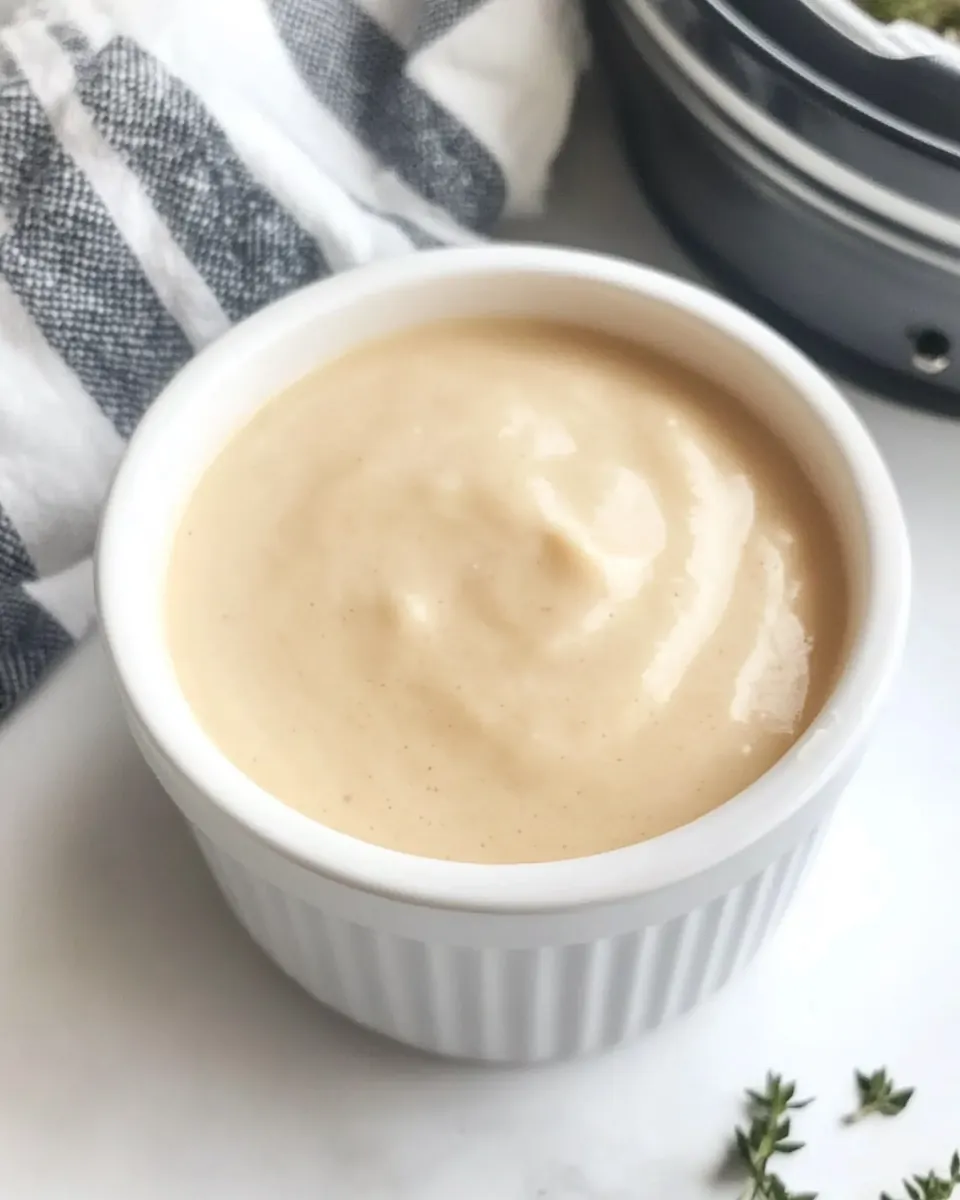
These ingredients are intentionally simple, selected to create a thick, silky condensed soup that can stand in for store bought canned varieties. The philosophy is classic French technique mixed with pantry pragmatism: a short roux, a smooth integration of stock and milk, and careful seasoning. Each element plays a role, from building body to lending savory and herbal notes.
- 1/4 cup unsalted butter, or vegan butter: Melted to provide a rich, silky base and help cook the flour for the roux; unsalted butter (or vegan butter) contributes fat for body and mouthfeel without adding extra salt, allowing control over seasoning in the soup.
- 1/4 cup all-purpose flour, or 1:1 gluten-free flour: Whisked into the melted butter to form a roux that thickens the soup; all-purpose flour (or 1:1 gluten–free flour) supplies starches that create a smooth, creamy consistency and help suspend flavors.
- 1/2 cup milk, see notes for non-dairy version: Stirred in gradually to loosen the roux and build creaminess; milk adds a creamy texture and mild dairy flavor, while non-dairy alternatives can be used for a lactose-free version with similar body.
- 1/2 cup low-sodium chicken stock: Poured in to adjust consistency and enhance savory depth; low-sodium chicken stock brings concentrated chicken flavor and saline balance without overpowering the recipe, making seasoning adjustments easier.
- 2 teaspoons seasoned salt: Sprinkled in to add a balanced blend of savory, salty, and aromatic notes; seasoned salt contributes layered seasoning that complements the poultry flavors and enhances overall taste.
- 1/4 teaspoon Homemade Poultry Seasoning, or store-bought poultry seasoning: Crumbled or mixed in to impart warm, herbaceous flavors typical of poultry dishes; Homemade Poultry Seasoning (or store–bought) adds sage, thyme, rosemary, and other herbs that deepen the soup's savory profile.
Recipe Steps for Homemade Cream of Chicken Soup
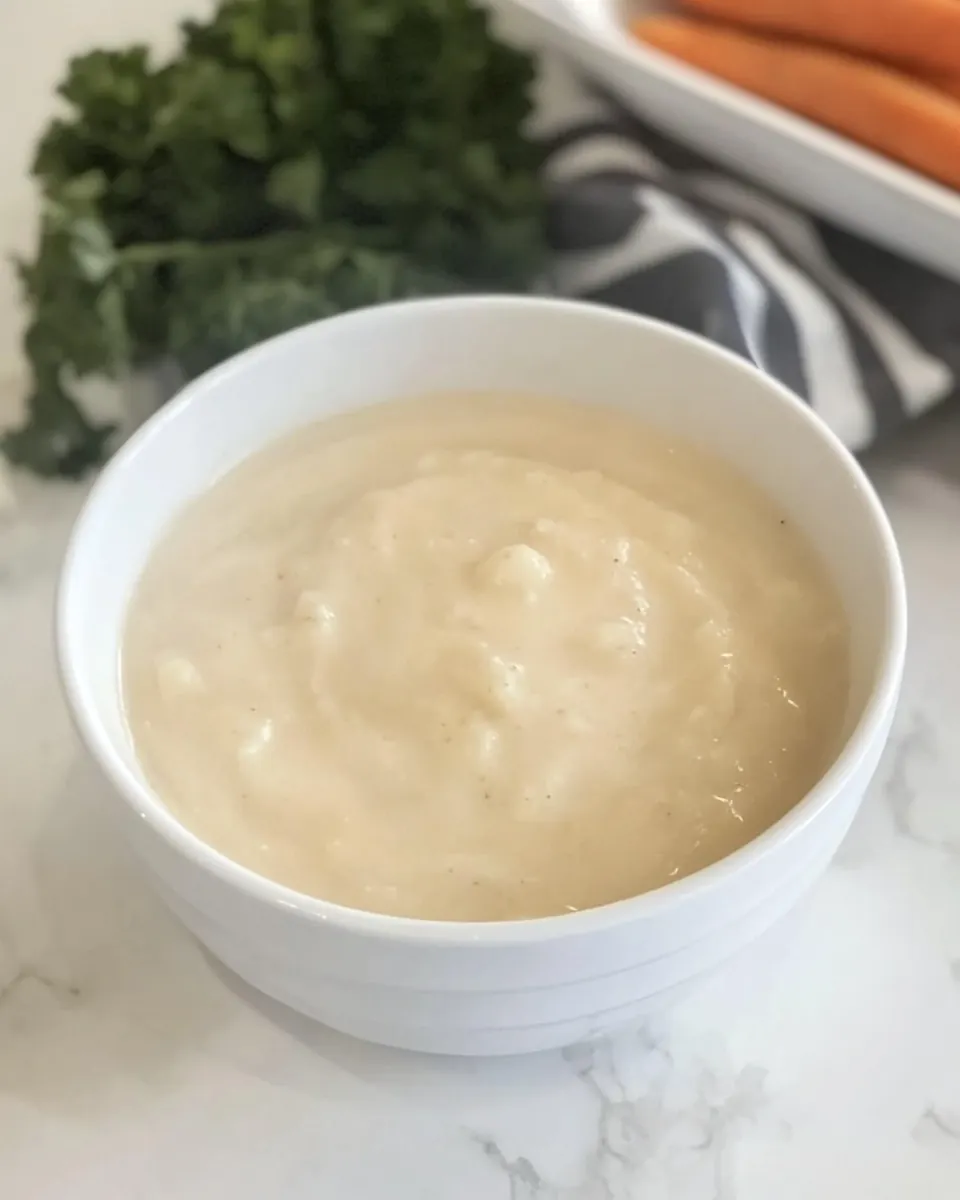
The method is straightforward, but I always take a moment to set out my tools and ingredients. A steady hand with the whisk and patient heat control are the real keys to success here, so let the process be calm and deliberate.
- In a small saucepan, melt 1/4 cup unsalted butter over medium heat. Once the butter has melted, whisk in 1/4 cup all-purpose flour to form a thick paste. Continue to cook for 1 minute to lightly toast the flour, whisking constantly.: The first sensory cue you will notice is the gentle sizzle and the butter becoming glossy as it liquefies, releasing a warm, buttery aroma that fills the kitchen. This step is important because fully melted butter provides an even medium for the flour to disperse, preventing lumps. If your pan is too hot you'll see foaming rapidly and browning, which can impart a bitter, toasted flavor; if that happens, lower the heat immediately and consider starting with a fresh bit of butter to avoid bitterness. I like to swirl the pan gently to ensure even melting and to watch for the moment the butter calms from vigorous bubbling to a steady shimmer.
- Slowly whisk in 1/2 cup low-sodium chicken stock, blending well. Once the stock is well combined in the roux, slowly whisk in 1/2 cup milk and season with 2 teaspoons seasoned salt and 1/4 teaspoon Homemade Poultry Seasoning.: After adding the flour , listen for a subtle change, from liquid movement to a denser, dough like texture, and smell the faint toasty, biscuity note that emerges as the flour hydrates. This short cooking time is crucial to remove the raw flour taste, and whisking constantly encourages a smooth paste. If you stop whisking you'll risk pockets of dry flour which make lumps later, so keep the motion constant and deliberate. The right consistency feels like a soft, spreadable paste that coats the whisk evenly.
- While still over medium heat, whisk until the mixture comes to a boil and cook until thickened. This takes about 2-5 minutes depending on the pan and heat source.: During this minute watch the color carefully, it should remain pale but develop a whisper of warmth, and the aroma will shift to a gently toasty scent. This minute deepens flavor without creating a dark roux that would change the character of the finished soup. A common error is extending this step until the roux browns; that will thicken differently and alter the taste. I set a quiet timer when I am distracted and keep whisk strokes even, which helps the heat distribute evenly.
- Remove from heat and use immediately or allow to cool and then store in an airtight container for up to 5 days in the refrigerator.: As you add the chicken stock in a slow, steady stream, you will see the roux loosen and the texture transform into a glossy, fluid sauce. The sound changes to a soft, steady simmer as the stock melds with the roux. Adding liquid gradually prevents the formation of lumps and ensures a silky finish; pour too quickly and you may trap dry pockets that are hard to whisk out. If lumps appear, remove from heat and whisk vigorously or strain if necessary, then return to gentle heat.
- Slowly whisk in 1/2 cup milk and season with 2 teaspoons seasoned salt and 1/4 teaspoon Homemade Poultry Seasoning: When the milk joins the mixture, the aroma becomes creamier and the mixture lightens visually to a pale, inviting color. The milk brings a soft sweetness and silkiness that rounds the savory stock, while the seasoned salt and Poultry Seasoning layer in balanced flavor notes. Add the milk gradually so the emulsion stays stable; if the pan is too hot the milk can curdle, creating a grainy texture. To avoid this, lower the heat and whisk continually until the milk is fully integrated.
- While still over medium heat, whisk until the mixture comes to a boil and cook until thickened: As the mixture heats, you will notice it begin to cling to the whisk and the surface will show the first gentle, even bubbles that indicate a simmer moving to a boil. This transformation is where the sauce gains body, and cooking until thickened gives you the condensed soup texture you want. The smell deepens into a comforting savory cream scent and the surface develops slow, large bubbles. Be careful not to let it scorch on the bottom, stir the entire time. A frequent mistake is to wander off and let it boil too violently, which can break down the smoothness and reduce volume quickly.
- Remove from heat and use immediately or allow to cool and then store in an airtight container for up to 5 days in the refrigerator: When you take the pan off the heat the scent will soften and the surface will settle to a glossy, thick appearance that coats a spoon. If you plan to store it, cool it slightly before transferring to a container to avoid temperature shock and condensation, which can water down the soup. Refrigerating within two hours is safest for food safety. If you notice any separation after chilling, whisk vigorously or gently reheat while stirring to restore the texture; do not boil vigorously when reheating to preserve creaminess.
Tips and Variations
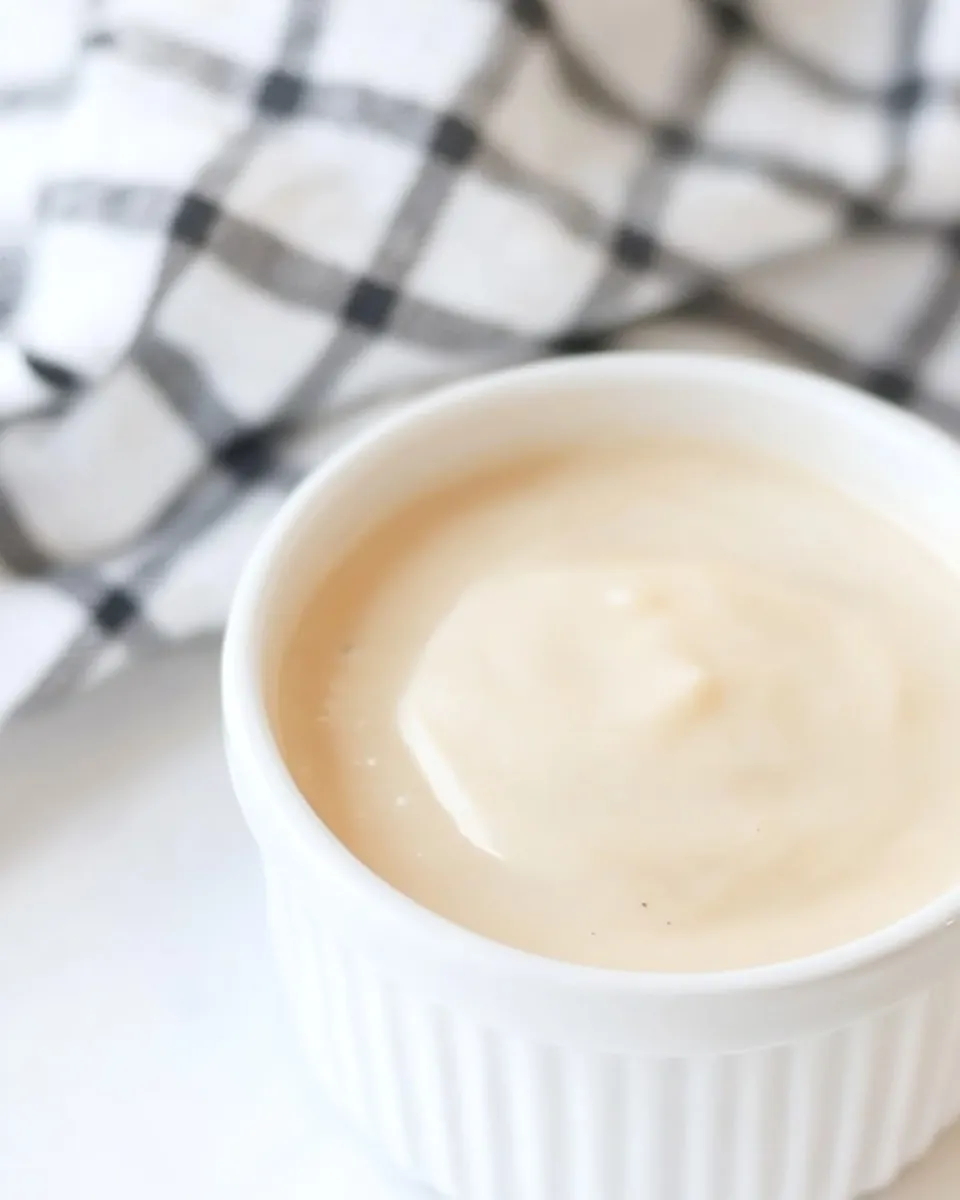
I like to think of this section as the creative playground for the recipe. Small adjustments can change the character from pantry standby to show stopping binder for a feast. Below are detailed tips and variations to help you get consistent results and to adapt the recipe to different needs.
- Use room temperature ingredients When possible, let your milk and chicken stock sit at room temperature for a few minutes or warm them slightly so they incorporate into the roux more smoothly and reduce the chance of clumping.
- Swap for dietary needs If you need a dairy free or vegan version, choose a neutral flavored non dairy milk and vegan butter, and use low sodium vegetable stock instead of chicken stock to keep the flavor balanced while staying within dietary restrictions.
- Make it lump free If you do end up with lumps, whisk vigorously off heat, or pass the mixture through a fine mesh sieve. For stubborn lumps, a quick blend with an immersion blender will restore silkiness without overcooking the mixture.
- Control thickness If your finished soup is too thick for your intended use, whisk in a tablespoon of warm chicken stock at a time until you reach the desired consistency. If it is too thin, simmer gently while stirring until it reduces and thickens.
- Batch and store smart Make a double batch and store single use portions in small airtight containers. Label them with the date and keep them in the refrigerator for up to five days. Avoid freezing, as texture may change upon thawing and reheating.
Accompaniments for Homemade Cream of Chicken Soup
This versatile condensed soup substitutes well in many dishes and pairs easily with a variety of sides. Below I outline thoughtful serving ideas, seasonal pairings, and storage notes to help you maximize this recipe’s usefulness.
- Use as a casserole binder Stir this Homemade Cream of Chicken Soup into cooked vegetables and protein to create a cohesive casserole that bakes up with a creamy interior and golden top.
- Enrich pot pies Add shredded cooked chicken and sautéed vegetables to this base, spoon into a pie shell, and bake for a comforting pot pie suitable for a family dinner or special occasion.
- Serve with crusty bread For a simple meal, ladle the finished soup over cooked grains or serve alongside warm, crusty bread to sop up every bit of the rich sauce during a casual lunch or weeknight dinner.
- Seasonal pairings In colder months like winter, use this recipe in heartier dishes such as hot casseroles or stews. Its warming, savory profile makes it especially welcome at holiday gatherings or anytime you want something comforting.
- Storage and reheating Keep in an airtight container in the refrigerator for up to five days. Reheat gently over low heat while stirring; avoid boiling which can break the emulsion and thin the texture.
- Occasion suitability This recipe is ideal for family dinners, potlucks, and anytime you need a reliable canned soup substitute. It works well in batch cooking and for meal prep during busy weeks.
FAQ
Conclusion
This Homemade Cream of Chicken Soup shines because it delivers the smooth, comforting body of a canned condensed soup with fresher, controllable flavors and simple pantry ingredients. Give it a try the next time a recipe calls for a can of cream of chicken or when you want a quick way to enrich casseroles and pot pies. With minimal fuss and a few tidy techniques, you can create a versatile, flavorful base that elevates weeknight dinners and special meals alike.

Homemade Cream of Chicken Soup
Equipment
- Small Saucepan
- Whisk
- Measuring Cups
Ingredients
- 1/4 cup unsalted butter, or vegan butter Melted to provide a rich, silky base and help cook the flour for the roux; unsalted butter (or vegan butter) contributes fat for body and mouthfeel without adding extra salt, allowing control over seasoning in the soup.
- 1/4 cup all-purpose flour, or 1:1 gluten-free flour Whisked into the melted butter to form a roux that thickens the soup; all-purpose flour (or 1:1 gluten-free flour) supplies starches that create a smooth, creamy consistency and help suspend flavors.
- 1/2 cup milk, see notes for non-dairy version Stirred in gradually to loosen the roux and build creaminess; milk adds a creamy texture and mild dairy flavor, while non-dairy alternatives can be used for a lactose-free version with similar body.
- 1/2 cup low-sodium chicken stock Poured in to adjust consistency and enhance savory depth; low-sodium chicken stock brings concentrated chicken flavor and saline balance without overpowering the recipe, making seasoning adjustments easier.
- 2 teaspoons seasoned salt Sprinkled in to add a balanced blend of savory, salty, and aromatic notes; seasoned salt contributes layered seasoning that complements the poultry flavors and enhances overall taste.
- 1/4 teaspoon Homemade Poultry Seasoning, or store-bought poultry seasoning Crumbled or mixed in to impart warm, herbaceous flavors typical of poultry dishes; Homemade Poultry Seasoning (or store-bought) adds sage, thyme, rosemary, and other herbs that deepen the soup's savory profile.
Instructions
- In a small saucepan, melt 1/4 cup unsalted butter over medium heat. Once the butter has melted, whisk in 1/4 cup all-purpose flour to form a thick paste. Continue to cook for 1 minute to lightly toast the flour, whisking constantly.: The first sensory cue you will notice is the gentle sizzle and the butter becoming glossy as it liquefies, releasing a warm, buttery aroma that fills the kitchen. This step is important because fully melted butter provides an even medium for the flour to disperse, preventing lumps. If your pan is too hot you'll see foaming rapidly and browning, which can impart a bitter, toasted flavor; if that happens, lower the heat immediately and consider starting with a fresh bit of butter to avoid bitterness. I like to swirl the pan gently to ensure even melting and to watch for the moment the butter calms from vigorous bubbling to a steady shimmer.
- Slowly whisk in 1/2 cup low-sodium chicken stock, blending well. Once the stock is well combined in the roux, slowly whisk in 1/2 cup milk and season with 2 teaspoons seasoned salt and 1/4 teaspoon Homemade Poultry Seasoning.: After adding the flour , listen for a subtle change, from liquid movement to a denser, dough like texture, and smell the faint toasty, biscuity note that emerges as the flour hydrates. This short cooking time is crucial to remove the raw flour taste, and whisking constantly encourages a smooth paste. If you stop whisking you'll risk pockets of dry flour which make lumps later, so keep the motion constant and deliberate. The right consistency feels like a soft, spreadable paste that coats the whisk evenly.
- While still over medium heat, whisk until the mixture comes to a boil and cook until thickened. This takes about 2-5 minutes depending on the pan and heat source.: During this minute watch the color carefully, it should remain pale but develop a whisper of warmth, and the aroma will shift to a gently toasty scent. This minute deepens flavor without creating a dark roux that would change the character of the finished soup. A common error is extending this step until the roux browns; that will thicken differently and alter the taste. I set a quiet timer when I am distracted and keep whisk strokes even, which helps the heat distribute evenly.
- Remove from heat and use immediately or allow to cool and then store in an airtight container for up to 5 days in the refrigerator.: As you add the chicken stock in a slow, steady stream, you will see the roux loosen and the texture transform into a glossy, fluid sauce. The sound changes to a soft, steady simmer as the stock melds with the roux. Adding liquid gradually prevents the formation of lumps and ensures a silky finish; pour too quickly and you may trap dry pockets that are hard to whisk out. If lumps appear, remove from heat and whisk vigorously or strain if necessary, then return to gentle heat.
- Slowly whisk in 1/2 cup milk and season with 2 teaspoons seasoned salt and 1/4 teaspoon Homemade Poultry Seasoning: When the milk joins the mixture, the aroma becomes creamier and the mixture lightens visually to a pale, inviting color. The milk brings a soft sweetness and silkiness that rounds the savory stock, while the seasoned salt and Poultry Seasoning layer in balanced flavor notes. Add the milk gradually so the emulsion stays stable; if the pan is too hot the milk can curdle, creating a grainy texture. To avoid this, lower the heat and whisk continually until the milk is fully integrated.
- While still over medium heat, whisk until the mixture comes to a boil and cook until thickened: As the mixture heats, you will notice it begin to cling to the whisk and the surface will show the first gentle, even bubbles that indicate a simmer moving to a boil. This transformation is where the sauce gains body, and cooking until thickened gives you the condensed soup texture you want. The smell deepens into a comforting savory cream scent and the surface develops slow, large bubbles. Be careful not to let it scorch on the bottom, stir the entire time. A frequent mistake is to wander off and let it boil too violently, which can break down the smoothness and reduce volume quickly.
- Remove from heat and use immediately or allow to cool and then store in an airtight container for up to 5 days in the refrigerator: When you take the pan off the heat the scent will soften and the surface will settle to a glossy, thick appearance that coats a spoon. If you plan to store it, cool it slightly before transferring to a container to avoid temperature shock and condensation, which can water down the soup. Refrigerating within two hours is safest for food safety. If you notice any separation after chilling, whisk vigorously or gently reheat while stirring to restore the texture; do not boil vigorously when reheating to preserve creaminess.
Notes
- Use room temperature ingredients When possible, let your milk and chicken stock sit at room temperature for a few minutes or warm them slightly so they incorporate into the roux more smoothly and reduce the chance of clumping.
- Swap for dietary needs If you need a dairy free or vegan version, choose a neutral flavored non dairy milk and vegan butter, and use low sodium vegetable stock instead of chicken stock to keep the flavor balanced while staying within dietary restrictions.
- Make it lump free If you do end up with lumps, whisk vigorously off heat, or pass the mixture through a fine mesh sieve. For stubborn lumps, a quick blend with an immersion blender will restore silkiness without overcooking the mixture.
- Control thickness If your finished soup is too thick for your intended use, whisk in a tablespoon of warm chicken stock at a time until you reach the desired consistency. If it is too thin, simmer gently while stirring until it reduces and thickens.
- Batch and store smart Make a double batch and store single use portions in small airtight containers. Label them with the date and keep them in the refrigerator for up to five days. Avoid freezing, as texture may change upon thawing and reheating.
