Grilled Cauliflower Steaks with Pesto
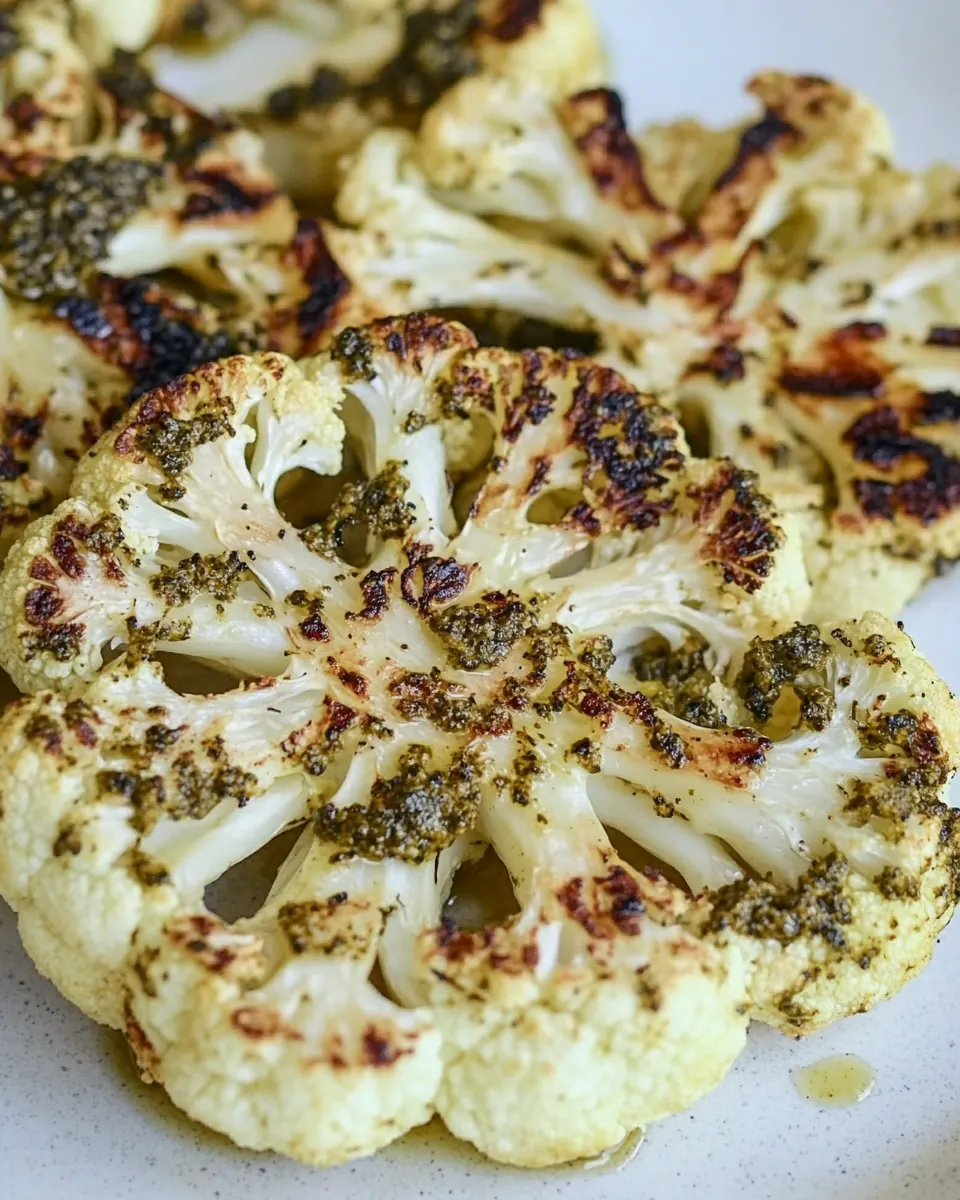
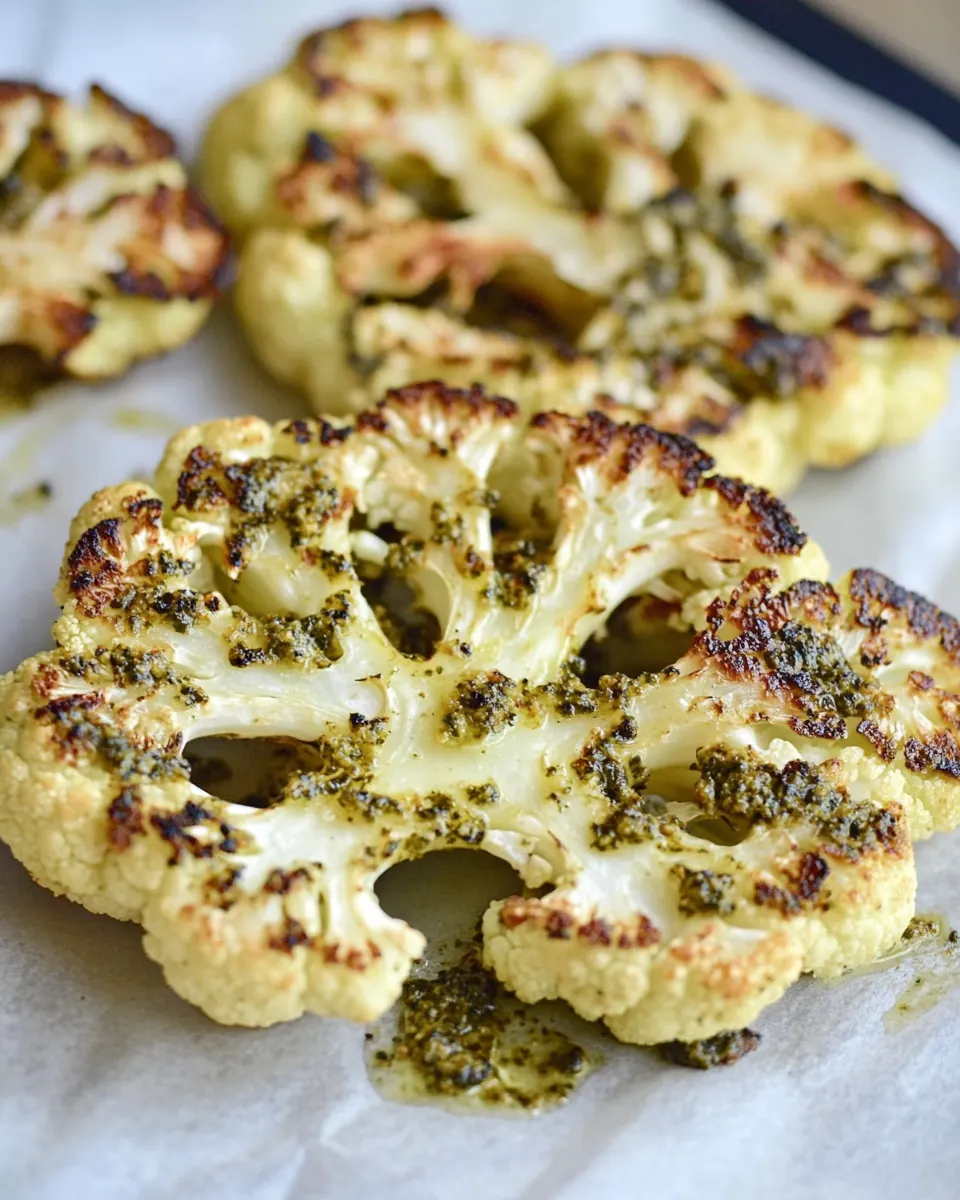
Grilled Cauliflower Steaks with Pesto became my go to for relaxed summer nights when I want something smoky and bright without fuss. The first time I served it I remember the grill marks searing a little caramel note into the outer florets while the vibrant green pesto cut through with a lemony lift, and friends insisted it deserved center stage on the plate.
I usually pull this out when the weekend stretches ahead and the company is casual. I like how the recipe lets the cauliflower be the hero, not hidden under heavy sauces, and how a few simple pantry staples transform into a glossy, herb forward pesto. It feels celebratory but not precious, the sort of dish you can chat over while turning steaks on the grill and pouring another iced tea. That balance of rustic char and fresh herb keeps people coming back for seconds.
Recipe Snapshot
18 mins
10 mins
8 mins
Easy
200 kcal
Mediterranean
Vegan, Gluten-Free
Dinner
Grill or Grill Pan, Food Processor or Blender, Rubber Spatula, Tongs
The Best Thing About This Grilled Cauliflower Steaks with Pesto
1. Simple but impressive
I love that Grilled Cauliflower Steaks with Pesto looks like a showstopper, yet it is incredibly simple. A whole small head of cauliflower becomes three beautiful steaks that take just minutes on each side to develop deep color. Guests often ooh at the cross section, and I enjoy the easy confidence this recipe gives me when entertaining.
2. Bright herb flavor
The pesto’s combination of basil, garlic, and lemon juice brings lift and brightness. I make the pesto right before grilling so the aroma is fresh and punchy, which contrasts wonderfully with the charred notes of the cauliflower. It keeps the dish tasting lively rather than heavy.
3. Versatile and diet friendly
I often make a vegan pesto for this recipe, so it slots easily into meatless menus. It pairs well with many side dishes and is perfect for summer gatherings or a relaxed weeknight. Because the ingredients are simple and recognizable, it’s a crowd pleaser across varied diets.
4. Minimal equipment, maximal impact
You do not need fancy tools, just a bowl and a grill or grill pan. The technique emphasizes quick cooking and careful attention to color and texture, so the results feel elevated without being complicated. I appreciate recipes that reward attention rather than effort.
5. Freshness meets comfort
The texture of the cauliflower stays firm yet tender when grilled properly, and the pesto lends a silky, herbaceous coating that makes each bite satisfying. The combination of smoke, citrus, and herb keeps the dish balanced, and it always feels like a seasonal favorite at my table.
What to Gather for Grilled Cauliflower Steaks with Pesto
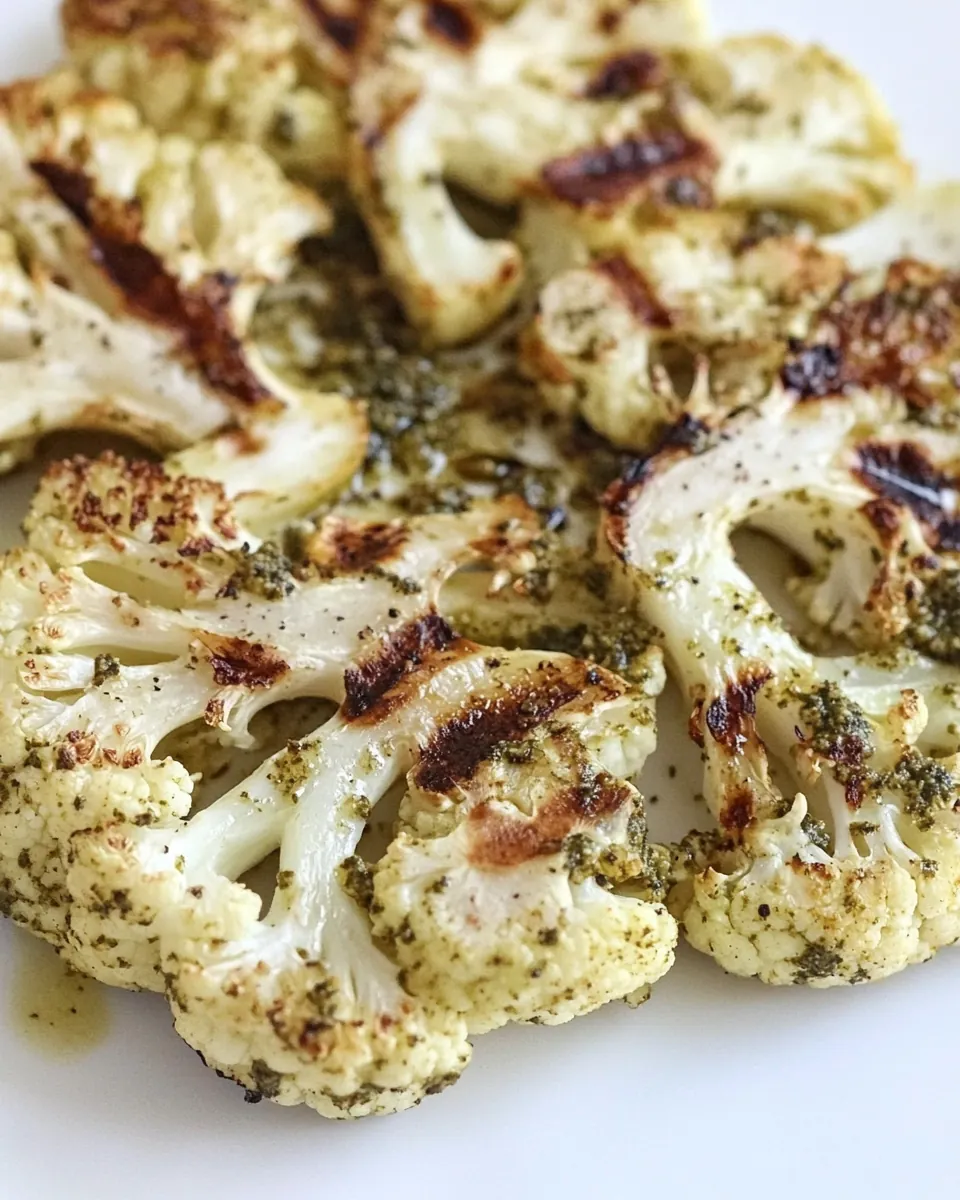
These ingredients are intentionally few and focused. The philosophy here is to let the cauliflower and the herb forward pesto play off one another. The key players are the head of cauliflower for texture and presence, the basil and garlic for aromatic punch, lemon juice for acidity, and olive oil to bring everything together with a silky mouthfeel. Salt and pepper finish and balance the flavors.
- 1 small head of cauliflower: Provide a sturdy, milky-flavored base when sliced into steaks and grilled, offering a substantial texture that soaks up char and seasonings. Serve as the main vehicle for pesto and charred notes, creating an impressive vegetarian centerpiece. Trim outer leaves and core for even cooking and presentation.
- 1 cup basil: Add aromatic, peppery freshness to the pesto when tightly packed and blended, contributing bright green color and herbaceous depth. Balance richer components and lend familiar basil-forward flavor that ties the sauce to classic pesto preparations.
- 1 clove garlic: Impart sharp, pungent bite when minced into the pesto, enhancing savory complexity and providing a subtle heat that complements the basil. Crush or finely chop to release oils and aromatics for a more pronounced garlicky backbone.
- 1 tablespoon fresh lemon juice: Introduce bright acidity and citrus lift to the pesto, cutting through the richness of oil and balancing the roasted cauliflower. Squeeze fresh to preserve lively flavor and avoid bitterness from over-extraction of pith.
- 1/3 cup olive oil: Bind the pesto into a silky emulsion while adding fruity, savory richness that helps coat the cauliflower steaks evenly. Drizzle or brush during grilling to promote caramelization and provide mouthfeel to the sauce.
- Salt and black pepper to taste: Season to taste to enhance all flavors and provide necessary contrast; use coarse salt to bring out natural sweetness and freshly ground black pepper for warmth. Add gradually and adjust after tasting to avoid over-salting the pesto or steaks.
How to Make Grilled Cauliflower Steaks with Pesto
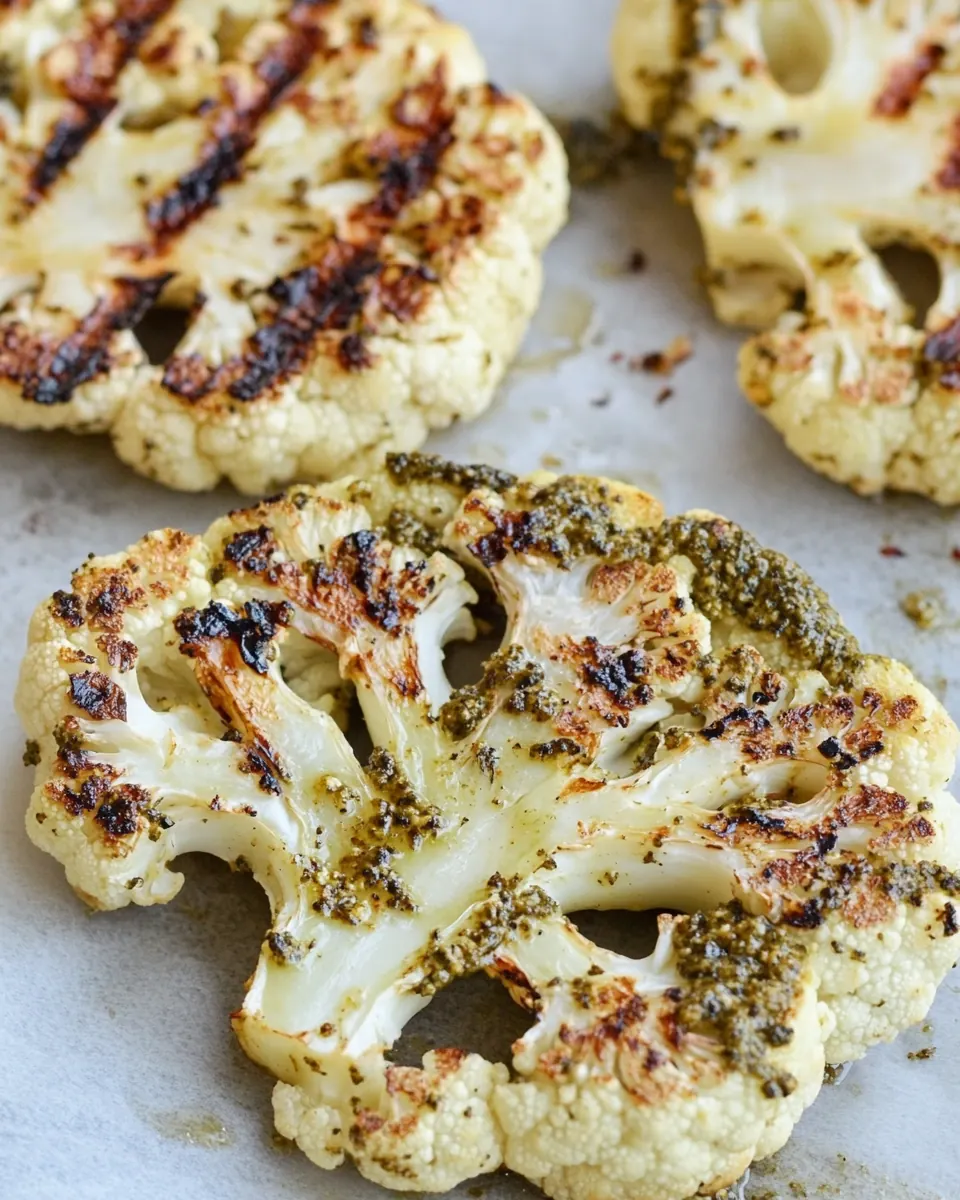
These directions are straightforward, but small choices change the final texture and flavor dramatically. I like to move confidently from prep to grill, keeping the pesto ready so I can brush it on while the steaks are hot. Work steadily and use sensory cues like aroma and color to guide you.
- Cut the cauliflower lengthwise, including the stalk, into 3/4-inch slices. Set aside.: When I slice the cauliflower , the first sensory clue is the weight under my knife and the firm resistance of the core, which tells me the head is fresh. Aim for uniform, three quarter inch thickness so steaks cook evenly and develop similar grill marks. The visual cue you want is a clean cross section with intact florets, not a crumbly, broken edge. A common mistake is cutting too thin, which causes the pieces to overcook and lose structural integrity on the grill.
- In the bowl of a food processor or blender, add the basil, garlic, and lemon juice. Turn on the machine and pulse a few times. Slowly add the olive oil in a constant stream while the food processor or blender is running. Stop to scrape down the sides of the food processor with a rubber spatula. Pulse again until smooth. Season with salt and pepper.: After slicing, I lay the steaks on a tray and let them rest briefly so any moisture on the surface evaporates a little, encouraging better browning. You can pat them dry with a towel, and you should notice less sputtering when they hit the hot grill. Avoid stacking the steaks, which traps steam and prevents searing, leading to a steamed texture rather than a charred one.
- Brush both sides of the cauliflower steaks with pesto. Place on a grill over medium heat. Grill for 3 to 4 minutes on each side or until cauliflower is tender but still firm. Serve warm.: The fresh basil and garlic immediately release aroma when pulsed, filling the kitchen with herbal perfume. Start with a few short pulses so the mixture breaks down gently before adding oil. The pulse rhythm helps prevent over processing, which can make the pesto turn pasty. One pitfall is running the machine too long at high speed, which can heat the herbs and dull the freshness.
- Note: I made a vegan pesto for this recipe, but the cauliflower steaks are also great with Spinach Basil Pesto. You can also use store bought pesto if you wish.: As the mixture comes together, listen for a change in pitch from the motor and watch the texture shift to a coarse paste. This step preserves some texture and keeps the pesto lively. If you over process here, the pesto can become too uniform and lose its appealing flecks of green, so pulse in short bursts.
- Slowly add the olive oil in a constant stream while the food processor or blender is running: Pouring the olive oil slowly creates a glossy emulsion and a silky mouthfeel, which helps the pesto cling to the cauliflower . The visual cue is the mixture smoothing out and taking on a sheen, and the aroma will become rounder. If you add oil too fast the sauce can separate or feel greasy, so steady streaming is essential.
- Stop to scrape down the sides of the food processor with a rubber spatula: Scraping ensures no pockets of herbs remain high and dry, which preserves flavor balance. You want an even blend and a uniformly green paste. A mistake people make is skipping this step, leaving uneven texture and flavor pockets in the pesto.
- Pulse again until smooth: Finish with short pulses until the pesto reaches a texture you like, smooth but still vibrant. The smell should be bright and herb forward, and the color a lively green. If it looks dull or brownish, it was over processed or the basil was past its prime.
- Season with salt and pepper: Tasting the pesto at this point is crucial; salt unlocks the basil's aroma and seasoning brings harmony. Add black pepper to lift the profile. A helpful trick is to taste with a small amount of olive oil or on a piece of the cauliflower to verify how it will translate on the finished steak. Underseasoning is easy to forgive, but overseasoning is hard to correct.
- Brush both sides of the cauliflower steaks with pesto: When you brush on the pesto, notice how it glistens and clings to the texture of the florets, seeping into crevices. Applying pesto before grilling gives a protective layer that helps develop caramelization while infusing herb flavor. Be careful not to apply a puddle of sauce which can drip and cause flare ups on the grill.
- Place on a grill over medium heat: As the steaks meet the hot grates you will hear a gentle sizzle, and the smell of caramelizing sugars will begin. Medium heat allows the exterior to color without burning while the interior tenderizes. If the grill is too hot, the exterior chars before the center becomes tender, so manage the heat accordingly.
- Grill for 3 to 4 minutes on each side or until cauliflower is tender but still firm: Pay attention to visual and tactile cues, like a deep golden char and a slight give when pressed with tongs. The texture should be tender through yet retain a pleasant bite, not mushy. Overcooking will yield limp, watery steaks, so check early and often.
- Serve warm: Serving right away preserves the contrast between the warm, smoky cauliflower and the cool, herbaceous pesto. I like to spoon a touch more pesto over the top for contrast and freshness. If you let the steaks sit too long they cool and the pesto can lose vibrancy.
- Note: I made a vegan pesto for this recipe, but the cauliflower steaks are also great with Spinach Basil Pesto : The pesto variation changes the flavor profile slightly, offering a milder, leafy taste if you use spinach with basil . Both approaches highlight the grilled cauliflower in different ways. If you choose a different pesto, taste it first to ensure it balances with the grilled notes and does not overpower the vegetable.
- You can also use store bought pesto if you wish: Store bought pesto is a convenient shortcut and still yields excellent results, especially if you select a high quality jarred sauce. When using it, I taste and adjust acidity with a squeeze of lemon juice and a pinch of salt to brighten the flavor. Beware overly oily commercial pestos which can slide off the steaks, so blot excess oil if needed.
Helpful Notes about Grilled Cauliflower Steaks with Pesto
I like to think of these notes as the little adjustments that make the recipe sing every time. They cover timing, texture, and small flavor nudges that keep the results consistent and flavorful.
- Choose quality basil Fresh, vibrant basil makes a dramatic difference in pesto flavor and color, so pick bright green leaves with no brown spots.
- Room temperature olive oil Cold oil can cause the emulsion to seize, so let your olive oil warm slightly before adding it to the blender for a glossy pesto.
- Pat steaks dry Removing surface moisture from the cauliflower helps achieve better caramelization and reduces flare ups on the grill.
- Grill in batches Avoid overcrowding the grill so steaks sear evenly, maintaining steady heat around each piece for consistent color and texture.
- Adjust acidity at the end A final splash of lemon juice brightens the pesto and balances richness; add it after tasting the finished sauce.
Serve This Grilled Cauliflower Steaks with Pesto With
This dish is flexible for many occasions, from a casual weeknight to a summer barbecue. Below are thoughtful serving ideas, seasonal pairings, and storage tips that keep the meal feeling special.
- As a main for a meatless dinner Present the steaks with a simple green salad and crusty bread for a satisfying, balanced meal that feels substantial but light.
- As a side dish at a barbecue Offer the steaks alongside grilled vegetables and a grain salad, letting the pesto’s herb notes tie the platter together for a cohesive spread.
- Occasions This is ideal for summer gatherings, casual dinners, and Ramadan if you are planning evening meals that are flavorful and easy to eat after fasting.
- Storage Refrigerate leftover steaks in an airtight container for up to two days, and keep pesto separate to maintain color and texture. Reheat gently in a warm oven so the steaks do not dry out.
- Seasonal pairings Serve with other summer produce like grilled tomatoes or roasted peppers to emphasize bright, fresh flavors and seasonal abundance.
- Presentation tip Slice the steaks into wedges and drizzle extra pesto before serving so each bite has an herbaceous lift and visual appeal.
FAQ
Conclusion
Grilled Cauliflower Steaks with Pesto stand out because they combine smoky, caramelized texture with a bright, herbaceous sauce that lets simple ingredients shine. Give them a try for an easy summer meal that feels special and satisfying, whether you are hosting friends or enjoying a quiet dinner at home. The recipe rewards small attentions like proper slicing, careful emulsifying, and moderate grill heat, and it consistently produces a dish that looks impressive and tastes fresh.
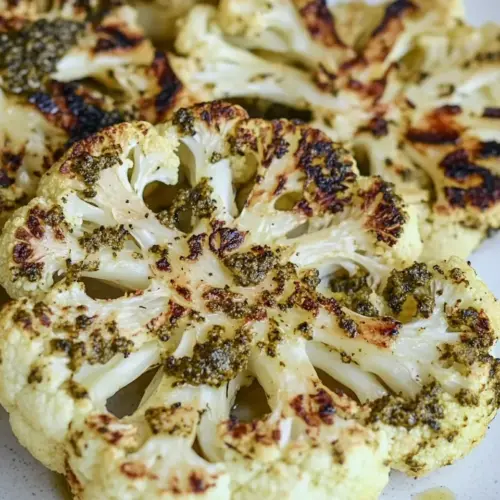
Grilled Cauliflower Steaks with Pesto
Equipment
- Grill or Grill Pan
- Food processor or blender
- Rubber spatula
- Tongs
Ingredients
- 1 small head of cauliflower Provide a sturdy, milky-flavored base when sliced into steaks and grilled, offering a substantial texture that soaks up char and seasonings. Serve as the main vehicle for pesto and charred notes, creating an impressive vegetarian centerpiece. Trim outer leaves and core for even cooking and presentation.
- 1 cup basil Add aromatic, peppery freshness to the pesto when tightly packed and blended, contributing bright green color and herbaceous depth. Balance richer components and lend familiar basil-forward flavor that ties the sauce to classic pesto preparations.
- 1 clove garlic Impart sharp, pungent bite when minced into the pesto, enhancing savory complexity and providing a subtle heat that complements the basil. Crush or finely chop to release oils and aromatics for a more pronounced garlicky backbone.
- 1 tablespoon fresh lemon juice Introduce bright acidity and citrus lift to the pesto, cutting through the richness of oil and balancing the roasted cauliflower. Squeeze fresh to preserve lively flavor and avoid bitterness from over-extraction of pith.
- 1/3 cup olive oil Bind the pesto into a silky emulsion while adding fruity, savory richness that helps coat the cauliflower steaks evenly. Drizzle or brush during grilling to promote caramelization and provide mouthfeel to the sauce.
- Salt and black pepper to taste Season to taste to enhance all flavors and provide necessary contrast; use coarse salt to bring out natural sweetness and freshly ground black pepper for warmth. Add gradually and adjust after tasting to avoid over-salting the pesto or steaks.
Instructions
- Cut the cauliflower lengthwise, including the stalk, into 3/4-inch slices. Set aside.: When I slice the cauliflower , the first sensory clue is the weight under my knife and the firm resistance of the core, which tells me the head is fresh. Aim for uniform, three quarter inch thickness so steaks cook evenly and develop similar grill marks. The visual cue you want is a clean cross section with intact florets, not a crumbly, broken edge. A common mistake is cutting too thin, which causes the pieces to overcook and lose structural integrity on the grill.
- In the bowl of a food processor or blender, add the basil, garlic, and lemon juice. Turn on the machine and pulse a few times. Slowly add the olive oil in a constant stream while the food processor or blender is running. Stop to scrape down the sides of the food processor with a rubber spatula. Pulse again until smooth. Season with salt and pepper.: After slicing, I lay the steaks on a tray and let them rest briefly so any moisture on the surface evaporates a little, encouraging better browning. You can pat them dry with a towel, and you should notice less sputtering when they hit the hot grill. Avoid stacking the steaks, which traps steam and prevents searing, leading to a steamed texture rather than a charred one.
- Brush both sides of the cauliflower steaks with pesto. Place on a grill over medium heat. Grill for 3 to 4 minutes on each side or until cauliflower is tender but still firm. Serve warm.: The fresh basil and garlic immediately release aroma when pulsed, filling the kitchen with herbal perfume. Start with a few short pulses so the mixture breaks down gently before adding oil. The pulse rhythm helps prevent over processing, which can make the pesto turn pasty. One pitfall is running the machine too long at high speed, which can heat the herbs and dull the freshness.
- Note: I made a vegan pesto for this recipe, but the cauliflower steaks are also great with Spinach Basil Pesto. You can also use store bought pesto if you wish.: As the mixture comes together, listen for a change in pitch from the motor and watch the texture shift to a coarse paste. This step preserves some texture and keeps the pesto lively. If you over process here, the pesto can become too uniform and lose its appealing flecks of green, so pulse in short bursts.
- Slowly add the olive oil in a constant stream while the food processor or blender is running: Pouring the olive oil slowly creates a glossy emulsion and a silky mouthfeel, which helps the pesto cling to the cauliflower . The visual cue is the mixture smoothing out and taking on a sheen, and the aroma will become rounder. If you add oil too fast the sauce can separate or feel greasy, so steady streaming is essential.
- Stop to scrape down the sides of the food processor with a rubber spatula: Scraping ensures no pockets of herbs remain high and dry, which preserves flavor balance. You want an even blend and a uniformly green paste. A mistake people make is skipping this step, leaving uneven texture and flavor pockets in the pesto.
- Pulse again until smooth: Finish with short pulses until the pesto reaches a texture you like, smooth but still vibrant. The smell should be bright and herb forward, and the color a lively green. If it looks dull or brownish, it was over processed or the basil was past its prime.
- Season with salt and pepper: Tasting the pesto at this point is crucial; salt unlocks the basil's aroma and seasoning brings harmony. Add black pepper to lift the profile. A helpful trick is to taste with a small amount of olive oil or on a piece of the cauliflower to verify how it will translate on the finished steak. Underseasoning is easy to forgive, but overseasoning is hard to correct.
- Brush both sides of the cauliflower steaks with pesto: When you brush on the pesto, notice how it glistens and clings to the texture of the florets, seeping into crevices. Applying pesto before grilling gives a protective layer that helps develop caramelization while infusing herb flavor. Be careful not to apply a puddle of sauce which can drip and cause flare ups on the grill.
- Place on a grill over medium heat: As the steaks meet the hot grates you will hear a gentle sizzle, and the smell of caramelizing sugars will begin. Medium heat allows the exterior to color without burning while the interior tenderizes. If the grill is too hot, the exterior chars before the center becomes tender, so manage the heat accordingly.
- Grill for 3 to 4 minutes on each side or until cauliflower is tender but still firm: Pay attention to visual and tactile cues, like a deep golden char and a slight give when pressed with tongs. The texture should be tender through yet retain a pleasant bite, not mushy. Overcooking will yield limp, watery steaks, so check early and often.
- Serve warm: Serving right away preserves the contrast between the warm, smoky cauliflower and the cool, herbaceous pesto. I like to spoon a touch more pesto over the top for contrast and freshness. If you let the steaks sit too long they cool and the pesto can lose vibrancy.
- Note: I made a vegan pesto for this recipe, but the cauliflower steaks are also great with Spinach Basil Pesto : The pesto variation changes the flavor profile slightly, offering a milder, leafy taste if you use spinach with basil . Both approaches highlight the grilled cauliflower in different ways. If you choose a different pesto, taste it first to ensure it balances with the grilled notes and does not overpower the vegetable.
- You can also use store bought pesto if you wish: Store bought pesto is a convenient shortcut and still yields excellent results, especially if you select a high quality jarred sauce. When using it, I taste and adjust acidity with a squeeze of lemon juice and a pinch of salt to brighten the flavor. Beware overly oily commercial pestos which can slide off the steaks, so blot excess oil if needed.
Notes
- Choose quality basil Fresh, vibrant basil makes a dramatic difference in pesto flavor and color, so pick bright green leaves with no brown spots.
- Room temperature olive oil Cold oil can cause the emulsion to seize, so let your olive oil warm slightly before adding it to the blender for a glossy pesto.
- Pat steaks dry Removing surface moisture from the cauliflower helps achieve better caramelization and reduces flare ups on the grill.
- Grill in batches Avoid overcrowding the grill so steaks sear evenly, maintaining steady heat around each piece for consistent color and texture.
- Adjust acidity at the end A final splash of lemon juice brightens the pesto and balances richness; add it after tasting the finished sauce.