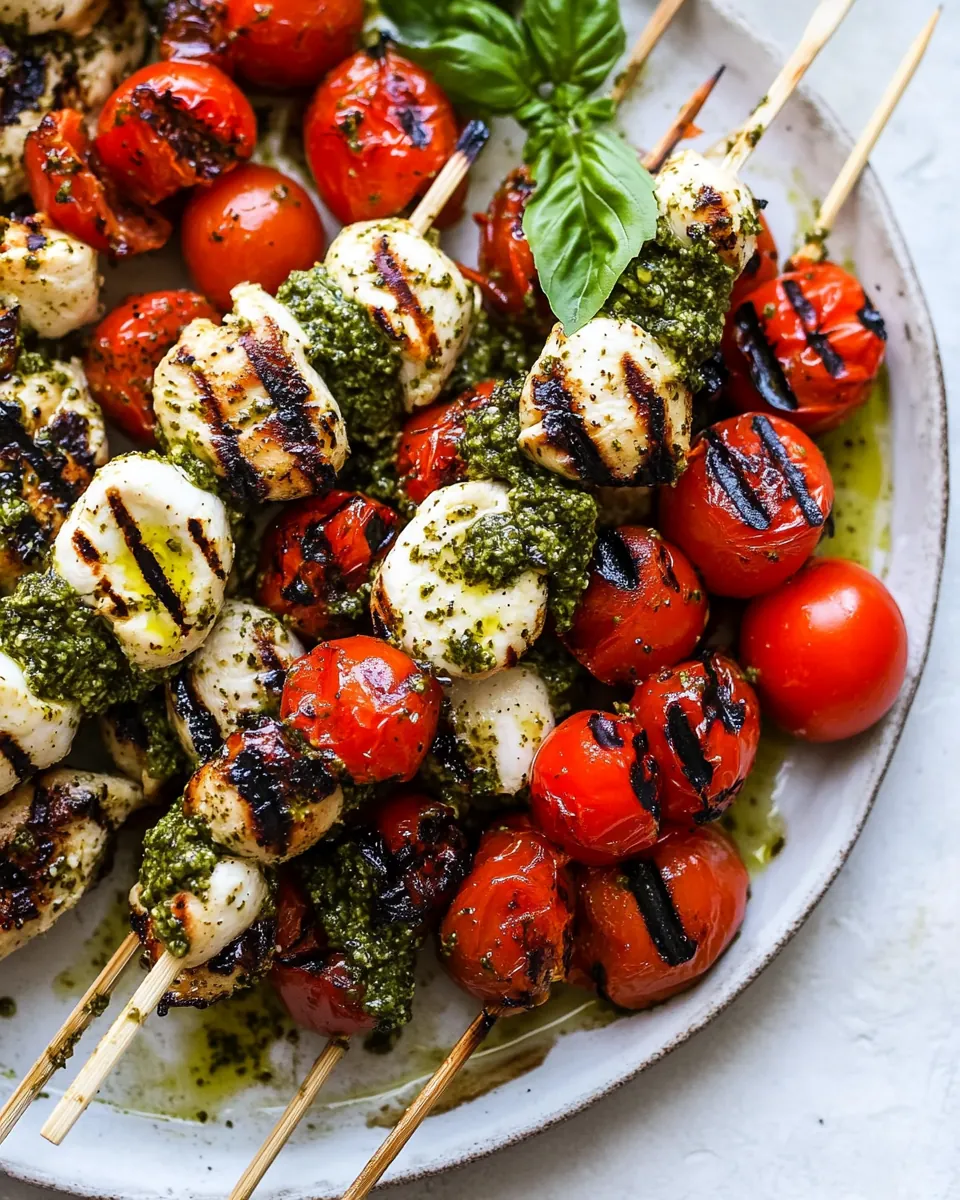
Grilled Caprese Pesto Chicken Skewers
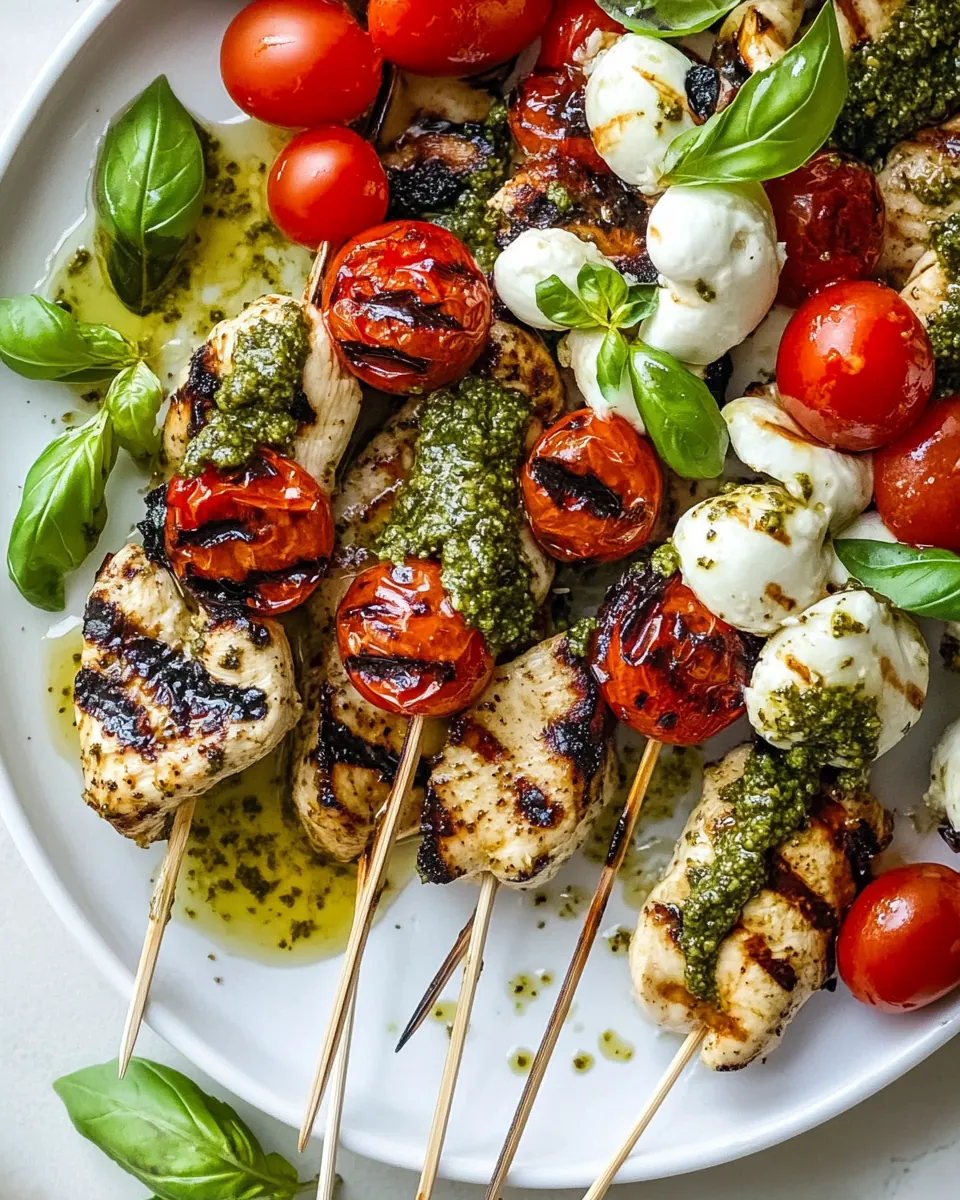
Grilled Caprese Pesto Chicken Skewers are one of those recipes I reach for whenever the sun is high and friends drop by unannounced. The first time I grilled these, the scent of basil and charred chicken pulled neighbors to the fence, and we ended up turning a casual afternoon into an impromptu backyard gathering. I still remember the bright pop of cherry tomatoes against the soft, milky burrata, and how the pesto vinaigrette tied everything together like a warm, familiar tune.
I like to think of this dish as a mashup of two favorites, combined into stickable, shareable bites you can pass around easily. Each skewer feels like a tiny celebration of summer, with basil leaves folding like confetti and mozzarella balls sneaking between pieces of juicy chicken. It’s an approach that keeps things relaxed, because skewers ask for a glass of something cold, a low conversation, and no pretense.
Recipe Snapshot
30 mins
15 mins
15 mins
Easy
450 kcal
Italian
Gluten-Free, Paleo
Dinner
Grill, Grill pan, Skillet, Mixing bowls, Glass jar
What You’ll Enjoy About This Grilled Caprese Pesto Chicken Skewers
Bright, Fresh Flavors That Pop
I love how the combination of basil, pesto, and tomatoes creates a lively, herbaceous profile. The vinaigrette makes each bite sing, with the sweet tang of balsamic and a hint of honey rounding the edges. When you take a forkful with a little burrata underneath, the contrast between the creamy cheese and the acidic vinaigrette elevates every mouthful.
Handheld and Social
These skewers are perfect for casual entertaining, because they travel well from grill to plate. I can set them out family style and watch people nibble and chat, without fussing over plates. They encourage the kind of relaxed sharing I love, and cleanup is minimal.
Fast, Yet Impressive
From marinade to char, this dish comes together quickly, so it’s ideal for busy weeknights or last minute guests. The marinated chicken soaks up flavor without long overnight waits, and the quick grill gives that desirable exterior color while keeping the inside tender. I appreciate that you can get amazing results without spending hours in the kitchen.
Texture Play
I adore the textural contrasts here. The grilled chicken gets a slight char and firmness, while the mozzarella balls stay soft and the burrata is luxuriously creamy. Cherry tomatoes burst with juice and the fresh basil adds a leafy lift. That variety on one skewer keeps every bite interesting.
Customizable and Crowd Friendly
One of the reasons I come back to this recipe is its flexibility. You can thread extra tomatoes, adjust the vinaigrette, or serve more cheese on the side. I often double the pesto vinaigrette because guests love to drizzle more over everything. It’s forgiving and fun, so even if you tweak quantities, the heart of the recipe stays intact.
Shopping List for Grilled Caprese Pesto Chicken Skewers
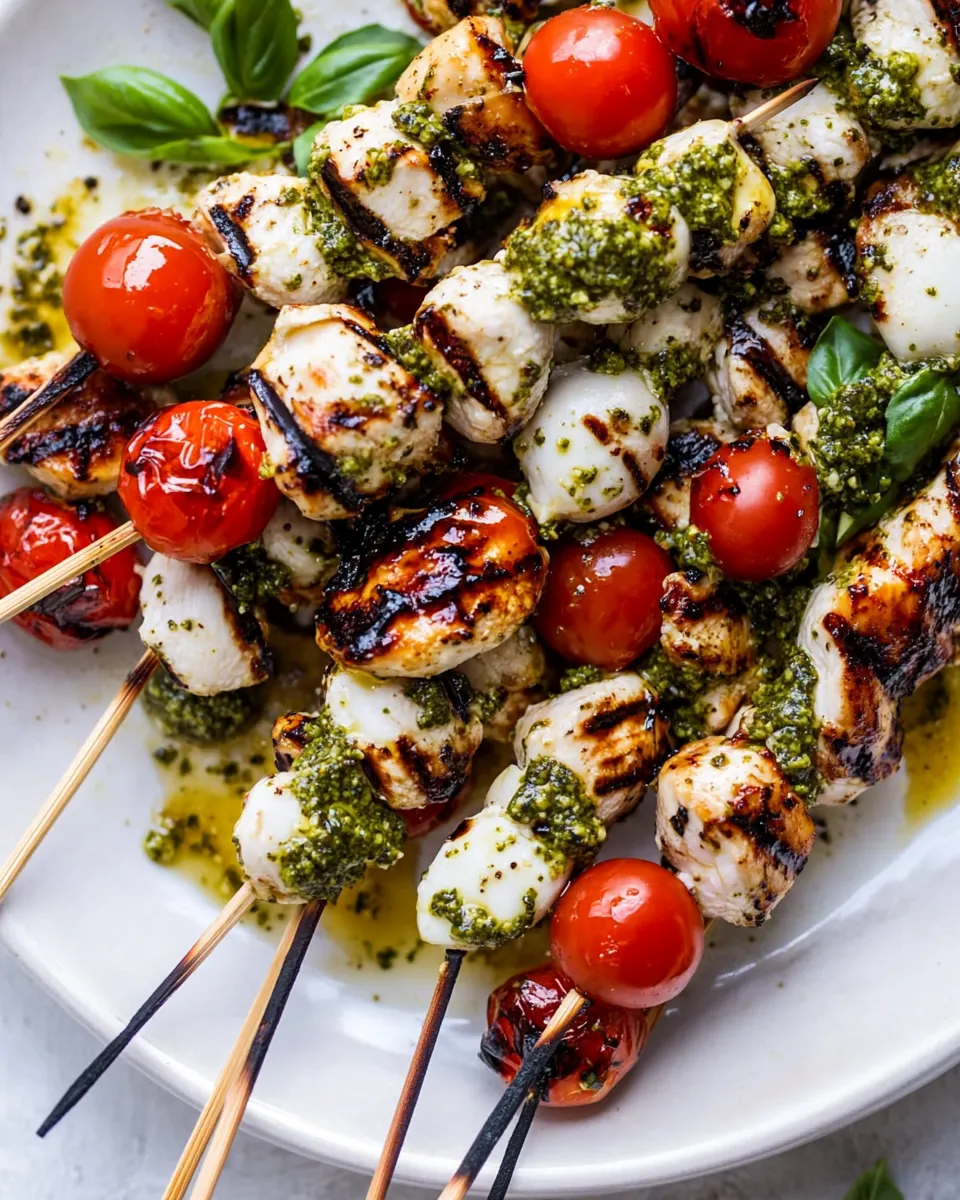
These ingredients work together like a small orchestra, each part supporting the others while keeping its own voice. The vinaigrette acts as the conductor, marrying the herbaceous pesto with bright vinegar and honey. The chicken is the main player, absorbing those flavors, while the tomatoes, mozzarella, and burrata add fresh, creamy, and acidic notes that balance the dish.
- 2 tablespoons extra virgin olive oil: Drizzle extra virgin olive oil over chicken and vegetables to prevent sticking and add fruity, rich flavor during grilling; use it in marinades or to brush skewers for crisp edges and moisture retention.
- 2/3 cup basil pesto: Spread basil pesto on chicken pieces or toss with tomatoes and mozzarella to infuse bright, herby, garlicky notes; use it as a flavorful coating that brings classic Caprese and Italian aromatics to the skewers.
- 1/3 cup balsamic vinegar: Splash balsamic vinegar into a marinade or glaze to contribute tangy sweetness and complex acidity; reduce slightly if desired to create a glossy, concentrated drizzle that complements the pesto and cheese.
- 3 tablespoons honey: Whisk honey into the balsamic and olive oil mixture to balance acidity with natural sweetness and encourage caramelization on the grilled chicken; its sticky texture helps glazes cling to skewers.
- 2 tablespoons lemon juice: Squeeze lemon juice into the marinade to lift flavors with fresh citrus brightness and to slightly tenderize the chicken; it provides a lively contrast to richer components like pesto and cheese.
- kosher salt, black pepper, and chili flakes: Season with kosher salt, black pepper, and chili flakes to enhance overall flavor, add savory seasoning, and introduce a touch of heat; adjust quantities to balance the pesto's richness and the burrata's creaminess.
- 2 pounds boneless skinless chicken breasts, cut into bite-size chunks: Cut boneless skinless chicken breasts into bite–size chunks to ensure quick, even grilling and uniform coating with pesto and glaze; use skewering to cook pieces through while maintaining juicy texture.
- 2 cups cherry tomatoes: Skewer cherry tomatoes whole to add bursts of juicy sweetness and acidity that roast beautifully on the grill; they provide color, moisture, and a fresh counterpoint to the savory chicken and cheese.
- 1/2 cup mozzarella balls (use marinated, if you can find): Toss mozzarella balls with a little pesto or olive oil before skewering to keep them moist and flavorful; their mild, creamy texture melts slightly when warm, echoing classic Caprese components.
- 8 ounces burrata cheese, at room temperature: Serve burrata cheese at room temperature to maximize its creamy, oozing center as a decadent finishing element; tear and spoon over finished skewers for a rich, luxurious contrast to charred chicken.
- 2 cups fresh basil leaves: Tuck fresh basil leaves between skewered components or use as a garnish to deliver intense herbal aroma and bright green flavor; its aromatic oils tie together pesto, tomato, and cheese into a cohesive Caprese profile.
Step by Step Instructions for Grilled Caprese Pesto Chicken Skewers
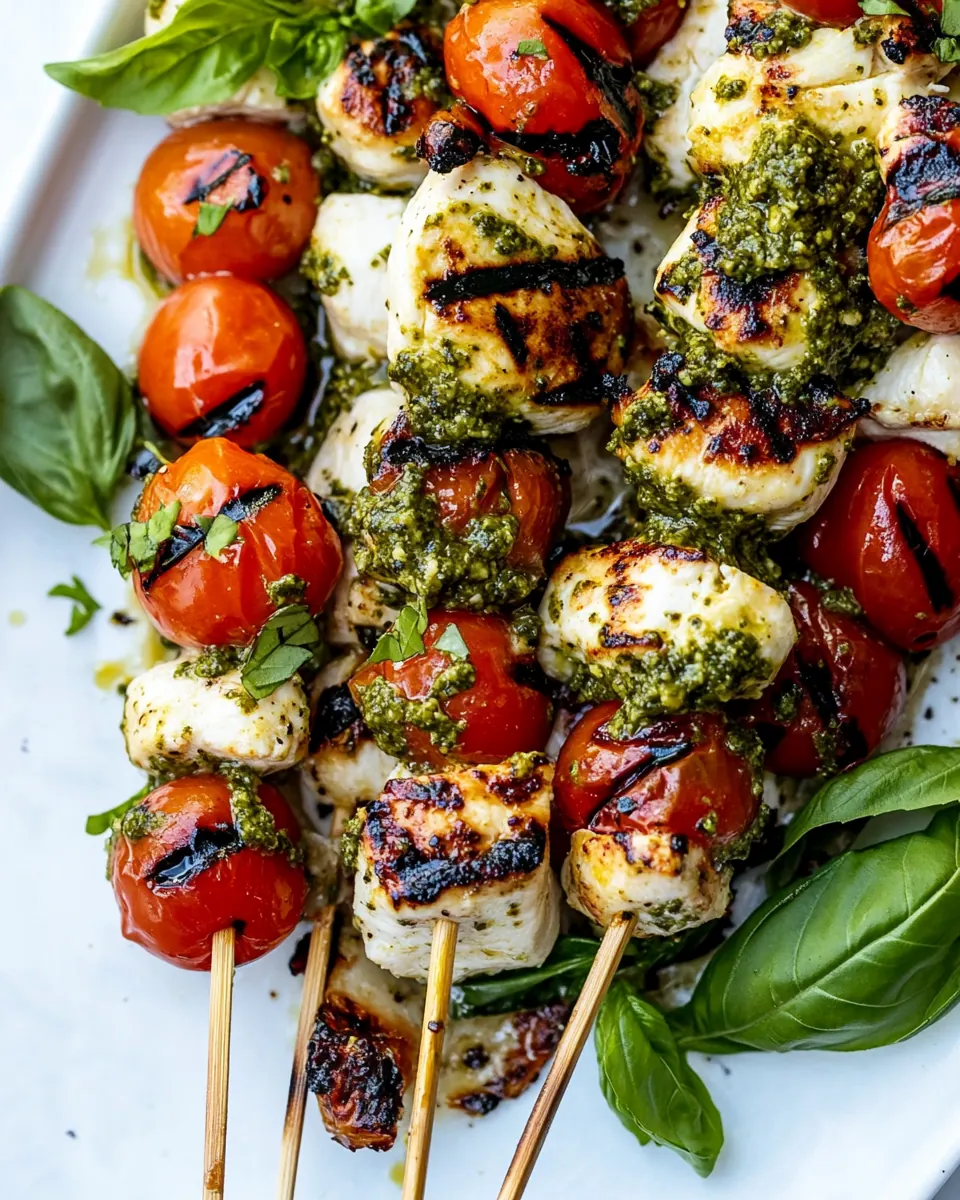
These instructions walk you through flavor building and grilling so each skewer comes out balanced and satisfying. Take your time with the vinaigrette and pay attention to visual cues on the grill, because color and texture tell you when things are ready.
- To make the vinaigrette. In a glass jar, combine the pesto, balsamic vinegar, honey, and lemon. Season with chili flakes, salt, and pepper. In a bowl, toss the chicken with half of the vinaigrette and 1 tablespoon olive oil. In a separate bowl toss the tomatoes with 1 tablespoon olive oil, salt, and pepper. Set your grill, grill pan, or skillet to medium-high heat. Take skewers and thread the chicken with the tomatoes. If you have additional tomatoes, thread them on additional skewers and grill them up with the chicken. Grill the skewers until lightly charred and cooked through, turning them occasionally throughout cooking, about 10 to 12 minutes total. To serve, toss the mozzarella balls with a couple tablespoons of the vinaigrette. Arrange the mozzarella and burrata on a serving plate. Place the skewers over the cheese. Spoon the remaining vinaigrette over everything. I usually add additional olive oil + balsamic too. Top with basil. Enjoy!: The aroma will hit you first, a green, herbal scent from the pesto brightened by the sharp perfume of balsamic vinegar and the citrus twang of lemon juice . When you shake the jar, you should see the oil emulsify slightly and the mixture take on a glossy sheen, indicating the honey is melding with the acids. This matters because a well blended vinaigrette will cling to the chicken and tomatoes , coating each morsel with balanced flavor. If it separates, whisk it again just before using. A common mistake is under seasoning at this stage, so taste for salt and pepper now and adjust. Expect a harmonious scent of basil and vinegar, not one overpowering note.
- In a glass jar, combine the pesto, balsamic vinegar, honey, and lemon: As you spoon in the pesto , its oily texture softens the sharpness of the vinegar, while the honey tames acidity. Close the jar and shake vigorously until the vinaigrette looks cohesive and slightly thickened. You should see tiny bubbles as air folds into the mixture, giving it a glossy texture that will cling to the chicken . If the vinaigrette tastes too sharp, a touch more honey smooths it out. Avoid adding too much oil at once, because that can make the dressing heavy rather than bright.
- Season with chili flakes, salt, and pepper: The first puff of aroma after adding chili flakes is a hint of warmth, which plays beautifully against the sweet honey. Salt helps unlock flavors, and freshly cracked black pepper gives a fragrant, piney note. Stir and taste, thinking of the final skewers rather than the dressing alone, because the marinade will concentrate on the chicken . Over-salting is a common pitfall, so err on the side of less, and correct later if needed.
- In a bowl, toss the chicken with half of the vinaigrette and 1 tablespoon olive oil: As you mix, notice how the vinaigrette clings to the chicken chunks, their surfaces taking on a glossy coat. That initial soak allows surface flavors to penetrate when heat is applied. The added olive oil helps with searing and prevents sticking on the grill. Massage the pieces gently so every side has a chance to be seasoned. If you crowd the bowl, pieces might not get coated evenly, so use a roomy container. A mistake here is letting the chicken sit too long in acidic marinade, which can firm the texture; for bite size pieces, a short marinate is ideal.
- In a separate bowl toss the tomatoes with 1 tablespoon olive oil, salt, and pepper: Coat the cherry tomatoes so they develop a light sheen that helps them blister and caramelize instead of just stewing. When heated, their skins should start to tighten and bloom with color, releasing fragrant tomato sugars. This step matters because properly dressed tomatoes will burst with concentrated flavor on the skewer rather than collapse. Over-oiling can dampen the grill sizzle, so use just enough to gloss them.
- Set your grill, grill pan, or skillet to medium high heat: You want a hot surface that creates quick searing and attractive char marks, without overcooking the small chicken pieces. Heat until it screams slightly when a drop of water hits, or until you see a faint wisp of smoke on a gas grill. This temperature lets surfaces caramelize, producing that irresistible grilled aroma. A common error is cooking on too low heat, which yields gray, steamed meat instead of flavorful sear.
- Take skewers and thread the chicken with the tomatoes: Thread pieces so each skewer alternates chicken and tomato , leaving a little space between pieces for even heat flow. As you assemble, you can feel the weight and balance of each skewer, making sure nothing is overloaded. Proper spacing allows heat to circulate and gives each component a chance to brown. Avoid packing pieces too tightly, because that traps steam and prevents desirable charring.
- If you have additional tomatoes, thread them on additional skewers and grill them up with the chicken: Extra cherry tomatoes make excellent vegetable-only skewers that cook quickly and add color to the platter. They will blister and sometimes burst, releasing sweet juices that caramelize on the grill surface. Grill them alongside the chicken skewers so timing aligns and everything is hot together. A mistake to avoid is placing them directly over the hottest flame where they may blacken too quickly without softening internally.
- Grill the skewers until lightly charred and cooked through, turning them occasionally throughout cooking, about 10 to 12 minutes total: As they cook, listen for that steady sizzle and watch for golden brown edges and light char marks. The chicken pieces should lose their raw sheen and firm slightly, while the exterior gets a flavorful crust. Turning them ensures even color development and prevents burning one side. Use a quick cut to check doneness or an instant read thermometer aimed for a safe internal temperature. Common troubleshooting includes overcooking, which dries the chicken , so pull them when just done to keep them juicy.
- To serve, toss the mozzarella balls with a couple tablespoons of the vinaigrette: The scent of warm vinaigrette on the mozzarella brings out milky notes and a subtle warmth that complements the grilled flavors. Tossing helps the mozzarella pick up seasoning so it is not bland against the savory chicken . The texture should remain soft and slightly springy. Avoid over mixing, which can break the cheese into an undesired mushy texture.
- Arrange the mozzarella and burrata on a serving plate: Place the burrata at room temperature so it feels yielding under your fingers, and scatter the dressed mozzarella around it. The visual contrast between the glossy cheese and charred skewers is part of the appeal. Spoon a little vinaigrette into the plate to create a flavorbed for the skewers. A common misstep is serving burrata straight from the fridge, which dulls its creaminess.
- Place the skewers over the cheese: As you lay them across the platter, the warm skewers will slightly soften the exterior of the burrata , letting it mingle with the vinaigrette. This creates an indulgent mix of hot and cool textures. Drizzle remaining vinaigrette over the top so each skewer gets a final bright note. Avoid overstacking, which can crush the cheese under weight and hide the dish's attractive presentation.
- Spoon the remaining vinaigrette over everything: The final drizzle should glint on the skewers and cheese, tying all components together with a concentrated hit of herb and acid. After this, let everyone serve themselves while the skewers are still warm. If the vinaigrette pools too heavily, blot a bit to keep bites balanced. One last tweak is to add fresh basil leaves over the top for aroma and color.
- I usually add additional olive oil + balsamic too: If you prefer more gloss and acidity, a light additional drizzle will amplify flavors and create a prettier shine on the platter. The extra oil can enhance mouthfeel, while balsamic deepens sweetness and complexity. Do this sparingly, tasting as you go, because it is easy to tip the balance. Avoid drowning the plate, which flattens textures rather than enhancing them.
- Top with basil: Finish with scattered fresh basil leaves for an aromatic flourish. The final herbal scent should lift each bite, and visually the vibrant green signals freshness. Add leaves whole or torn, depending on your preference, but avoid over chopping which can bruise them and reduce aroma.
- Enjoy: Sit down, take in the layered aromas of char, pesto, and fresh herbs, and savor a skewer with a little burrata for a perfect bite. Eating these feels celebratory, with textures and flavors combining in satisfying ways. If something tastes off, revisit seasoning and vinaigrette balance before serving more.
Making Adjustments
Small tweaks can make this recipe suit different tastes and timelines, while keeping the core character intact. Below are focused tips you can apply without changing ingredients, only technique or timing.
- Adjust the marination time: If you are short on time, marinate the chicken for 15 to 30 minutes and still get a flavorful result; longer marination can deepen the flavor but avoid overmaceration which can change texture.
- Control heat level: For a gentler char, grill at medium instead of medium high, watching color development so the surface browns evenly without drying the chicken.
- Cheese temperature matters: Bring the burrata to room temperature for at least 20 minutes before serving so its center becomes creamy and spreadable under the warm skewers.
- Vinaigrette thickness: If your dressing separates, give it a quick whisk or shake before drizzling; a slightly emulsified vinaigrette will cling better to the chicken and mozzarella.
- Skewer safety: If using wooden skewers, soak them in water for 30 minutes to prevent burning on the grill and to ensure safe handling.
- Balance sweetness: If the balsamic is particularly tangy, add an extra half teaspoon of honey at a time until it brightens without becoming syrupy.
Serving Ideas for Grilled Caprese Pesto Chicken Skewers
This dish presents beautifully for casual gatherings and more formal lunches alike. You can serve skewers family style on a platter or pass them around as finger food. Think about seasonality when choosing sides and pairings, and aim for simple complements that echo the bright, herb forward profile.
- Casual backyard barbecue: Serve skewers straight from the grill atop the burrata, paired with a simple green salad and iced tea for an easy outdoor meal.
- Weeknight dinner: Plate two skewers per person with a scoop of cooked grains and a drizzle of extra vinaigrette for a satisfying, balanced plate.
- Appetizer for parties: Cut the skewers shorter or serve as individual bites with toothpicks over a large platter, letting guests help themselves to extra mozzarella and basil.
- Occasions: These are lovely for summer gatherings, Eid gatherings, or Ramadan if you want a light option for iftar when paired with fresh fruit and cooling beverages.
- Storage tips: Store leftover components separately in airtight containers, keeping the vinaigrette aside and the burrata refrigerated; reheat skewers gently to avoid overcooking the chicken.
- Seasonal pairings: In peak summer, add extra ripe tomatoes on the side; in cooler months, serve alongside roasted vegetables for a heartier meal.
- Presentation: Use whole basil leaves for garnish and a final drizzle of high quality olive oil and aged balsamic vinegar to finish the platter right before serving.
FAQ
Conclusion
Grilled Caprese Pesto Chicken Skewers shine because they pair smoky, herbaceous flavors with creamy cheese and juicy tomatoes for an unforgettable bite. I encourage you to give them a try the next time you want a vibrant, social meal that looks impressive but is easy to execute. The balance of charred chicken, bright pesto vinaigrette, and soft burrata creates a memorable combination that’s perfect for summer gatherings and weeknight dinners alike. Serve hot, finish with fresh basil, and enjoy the simple pleasure of shared food.
Grilled Caprese Pesto Chicken Skewers
Equipment
- Grill
- Grill pan
- Skillet
- Mixing Bowls
- Glass jar
Ingredients
- 2 tablespoons extra virgin olive oil Drizzle extra virgin olive oil over chicken and vegetables to prevent sticking and add fruity, rich flavor during grilling; use it in marinades or to brush skewers for crisp edges and moisture retention.
- 2/3 cup basil pesto Spread basil pesto on chicken pieces or toss with tomatoes and mozzarella to infuse bright, herby, garlicky notes; use it as a flavorful coating that brings classic Caprese and Italian aromatics to the skewers.
- 1/3 cup balsamic vinegar Splash balsamic vinegar into a marinade or glaze to contribute tangy sweetness and complex acidity; reduce slightly if desired to create a glossy, concentrated drizzle that complements the pesto and cheese.
- 3 tablespoons honey Whisk honey into the balsamic and olive oil mixture to balance acidity with natural sweetness and encourage caramelization on the grilled chicken; its sticky texture helps glazes cling to skewers.
- 2 tablespoons lemon juice Squeeze lemon juice into the marinade to lift flavors with fresh citrus brightness and to slightly tenderize the chicken; it provides a lively contrast to richer components like pesto and cheese.
- kosher salt, black pepper, and chili flakes Season with kosher salt, black pepper, and chili flakes to enhance overall flavor, add savory seasoning, and introduce a touch of heat; adjust quantities to balance the pesto's richness and the burrata's creaminess.
- 2 pounds boneless skinless chicken breasts, cut into bite-size chunks Cut boneless skinless chicken breasts into bite-size chunks to ensure quick, even grilling and uniform coating with pesto and glaze; use skewering to cook pieces through while maintaining juicy texture.
- 2 cups cherry tomatoes Skewer cherry tomatoes whole to add bursts of juicy sweetness and acidity that roast beautifully on the grill; they provide color, moisture, and a fresh counterpoint to the savory chicken and cheese.
- 1/2 cup mozzarella balls (use marinated, if you can find) Toss mozzarella balls with a little pesto or olive oil before skewering to keep them moist and flavorful; their mild, creamy texture melts slightly when warm, echoing classic Caprese components.
- 8 ounces burrata cheese, at room temperature Serve burrata cheese at room temperature to maximize its creamy, oozing center as a decadent finishing element; tear and spoon over finished skewers for a rich, luxurious contrast to charred chicken.
- 2 cups fresh basil leaves Tuck fresh basil leaves between skewered components or use as a garnish to deliver intense herbal aroma and bright green flavor; its aromatic oils tie together pesto, tomato, and cheese into a cohesive Caprese profile.
Instructions
- To make the vinaigrette. In a glass jar, combine the pesto, balsamic vinegar, honey, and lemon. Season with chili flakes, salt, and pepper. In a bowl, toss the chicken with half of the vinaigrette and 1 tablespoon olive oil. In a separate bowl toss the tomatoes with 1 tablespoon olive oil, salt, and pepper. Set your grill, grill pan, or skillet to medium-high heat. Take skewers and thread the chicken with the tomatoes. If you have additional tomatoes, thread them on additional skewers and grill them up with the chicken. Grill the skewers until lightly charred and cooked through, turning them occasionally throughout cooking, about 10 to 12 minutes total. To serve, toss the mozzarella balls with a couple tablespoons of the vinaigrette. Arrange the mozzarella and burrata on a serving plate. Place the skewers over the cheese. Spoon the remaining vinaigrette over everything. I usually add additional olive oil + balsamic too. Top with basil. Enjoy!: The aroma will hit you first, a green, herbal scent from the pesto brightened by the sharp perfume of balsamic vinegar and the citrus twang of lemon juice . When you shake the jar, you should see the oil emulsify slightly and the mixture take on a glossy sheen, indicating the honey is melding with the acids. This matters because a well blended vinaigrette will cling to the chicken and tomatoes , coating each morsel with balanced flavor. If it separates, whisk it again just before using. A common mistake is under seasoning at this stage, so taste for salt and pepper now and adjust. Expect a harmonious scent of basil and vinegar, not one overpowering note.
- In a glass jar, combine the pesto, balsamic vinegar, honey, and lemon: As you spoon in the pesto , its oily texture softens the sharpness of the vinegar, while the honey tames acidity. Close the jar and shake vigorously until the vinaigrette looks cohesive and slightly thickened. You should see tiny bubbles as air folds into the mixture, giving it a glossy texture that will cling to the chicken . If the vinaigrette tastes too sharp, a touch more honey smooths it out. Avoid adding too much oil at once, because that can make the dressing heavy rather than bright.
- Season with chili flakes, salt, and pepper: The first puff of aroma after adding chili flakes is a hint of warmth, which plays beautifully against the sweet honey. Salt helps unlock flavors, and freshly cracked black pepper gives a fragrant, piney note. Stir and taste, thinking of the final skewers rather than the dressing alone, because the marinade will concentrate on the chicken . Over-salting is a common pitfall, so err on the side of less, and correct later if needed.
- In a bowl, toss the chicken with half of the vinaigrette and 1 tablespoon olive oil: As you mix, notice how the vinaigrette clings to the chicken chunks, their surfaces taking on a glossy coat. That initial soak allows surface flavors to penetrate when heat is applied. The added olive oil helps with searing and prevents sticking on the grill. Massage the pieces gently so every side has a chance to be seasoned. If you crowd the bowl, pieces might not get coated evenly, so use a roomy container. A mistake here is letting the chicken sit too long in acidic marinade, which can firm the texture; for bite size pieces, a short marinate is ideal.
- In a separate bowl toss the tomatoes with 1 tablespoon olive oil, salt, and pepper: Coat the cherry tomatoes so they develop a light sheen that helps them blister and caramelize instead of just stewing. When heated, their skins should start to tighten and bloom with color, releasing fragrant tomato sugars. This step matters because properly dressed tomatoes will burst with concentrated flavor on the skewer rather than collapse. Over-oiling can dampen the grill sizzle, so use just enough to gloss them.
- Set your grill, grill pan, or skillet to medium high heat: You want a hot surface that creates quick searing and attractive char marks, without overcooking the small chicken pieces. Heat until it screams slightly when a drop of water hits, or until you see a faint wisp of smoke on a gas grill. This temperature lets surfaces caramelize, producing that irresistible grilled aroma. A common error is cooking on too low heat, which yields gray, steamed meat instead of flavorful sear.
- Take skewers and thread the chicken with the tomatoes: Thread pieces so each skewer alternates chicken and tomato , leaving a little space between pieces for even heat flow. As you assemble, you can feel the weight and balance of each skewer, making sure nothing is overloaded. Proper spacing allows heat to circulate and gives each component a chance to brown. Avoid packing pieces too tightly, because that traps steam and prevents desirable charring.
- If you have additional tomatoes, thread them on additional skewers and grill them up with the chicken: Extra cherry tomatoes make excellent vegetable-only skewers that cook quickly and add color to the platter. They will blister and sometimes burst, releasing sweet juices that caramelize on the grill surface. Grill them alongside the chicken skewers so timing aligns and everything is hot together. A mistake to avoid is placing them directly over the hottest flame where they may blacken too quickly without softening internally.
- Grill the skewers until lightly charred and cooked through, turning them occasionally throughout cooking, about 10 to 12 minutes total: As they cook, listen for that steady sizzle and watch for golden brown edges and light char marks. The chicken pieces should lose their raw sheen and firm slightly, while the exterior gets a flavorful crust. Turning them ensures even color development and prevents burning one side. Use a quick cut to check doneness or an instant read thermometer aimed for a safe internal temperature. Common troubleshooting includes overcooking, which dries the chicken , so pull them when just done to keep them juicy.
- To serve, toss the mozzarella balls with a couple tablespoons of the vinaigrette: The scent of warm vinaigrette on the mozzarella brings out milky notes and a subtle warmth that complements the grilled flavors. Tossing helps the mozzarella pick up seasoning so it is not bland against the savory chicken . The texture should remain soft and slightly springy. Avoid over mixing, which can break the cheese into an undesired mushy texture.
- Arrange the mozzarella and burrata on a serving plate: Place the burrata at room temperature so it feels yielding under your fingers, and scatter the dressed mozzarella around it. The visual contrast between the glossy cheese and charred skewers is part of the appeal. Spoon a little vinaigrette into the plate to create a flavorbed for the skewers. A common misstep is serving burrata straight from the fridge, which dulls its creaminess.
- Place the skewers over the cheese: As you lay them across the platter, the warm skewers will slightly soften the exterior of the burrata , letting it mingle with the vinaigrette. This creates an indulgent mix of hot and cool textures. Drizzle remaining vinaigrette over the top so each skewer gets a final bright note. Avoid overstacking, which can crush the cheese under weight and hide the dish's attractive presentation.
- Spoon the remaining vinaigrette over everything: The final drizzle should glint on the skewers and cheese, tying all components together with a concentrated hit of herb and acid. After this, let everyone serve themselves while the skewers are still warm. If the vinaigrette pools too heavily, blot a bit to keep bites balanced. One last tweak is to add fresh basil leaves over the top for aroma and color.
- I usually add additional olive oil + balsamic too: If you prefer more gloss and acidity, a light additional drizzle will amplify flavors and create a prettier shine on the platter. The extra oil can enhance mouthfeel, while balsamic deepens sweetness and complexity. Do this sparingly, tasting as you go, because it is easy to tip the balance. Avoid drowning the plate, which flattens textures rather than enhancing them.
- Top with basil: Finish with scattered fresh basil leaves for an aromatic flourish. The final herbal scent should lift each bite, and visually the vibrant green signals freshness. Add leaves whole or torn, depending on your preference, but avoid over chopping which can bruise them and reduce aroma.
- Enjoy: Sit down, take in the layered aromas of char, pesto, and fresh herbs, and savor a skewer with a little burrata for a perfect bite. Eating these feels celebratory, with textures and flavors combining in satisfying ways. If something tastes off, revisit seasoning and vinaigrette balance before serving more.
Notes
- Adjust the marination time: If you are short on time, marinate the chicken for 15 to 30 minutes and still get a flavorful result; longer marination can deepen the flavor but avoid overmaceration which can change texture.
- Control heat level: For a gentler char, grill at medium instead of medium high, watching color development so the surface browns evenly without drying the chicken.
- Cheese temperature matters: Bring the burrata to room temperature for at least 20 minutes before serving so its center becomes creamy and spreadable under the warm skewers.
- Vinaigrette thickness: If your dressing separates, give it a quick whisk or shake before drizzling; a slightly emulsified vinaigrette will cling better to the chicken and mozzarella.
- Skewer safety: If using wooden skewers, soak them in water for 30 minutes to prevent burning on the grill and to ensure safe handling.
- Balance sweetness: If the balsamic is particularly tangy, add an extra half teaspoon of honey at a time until it brightens without becoming syrupy.