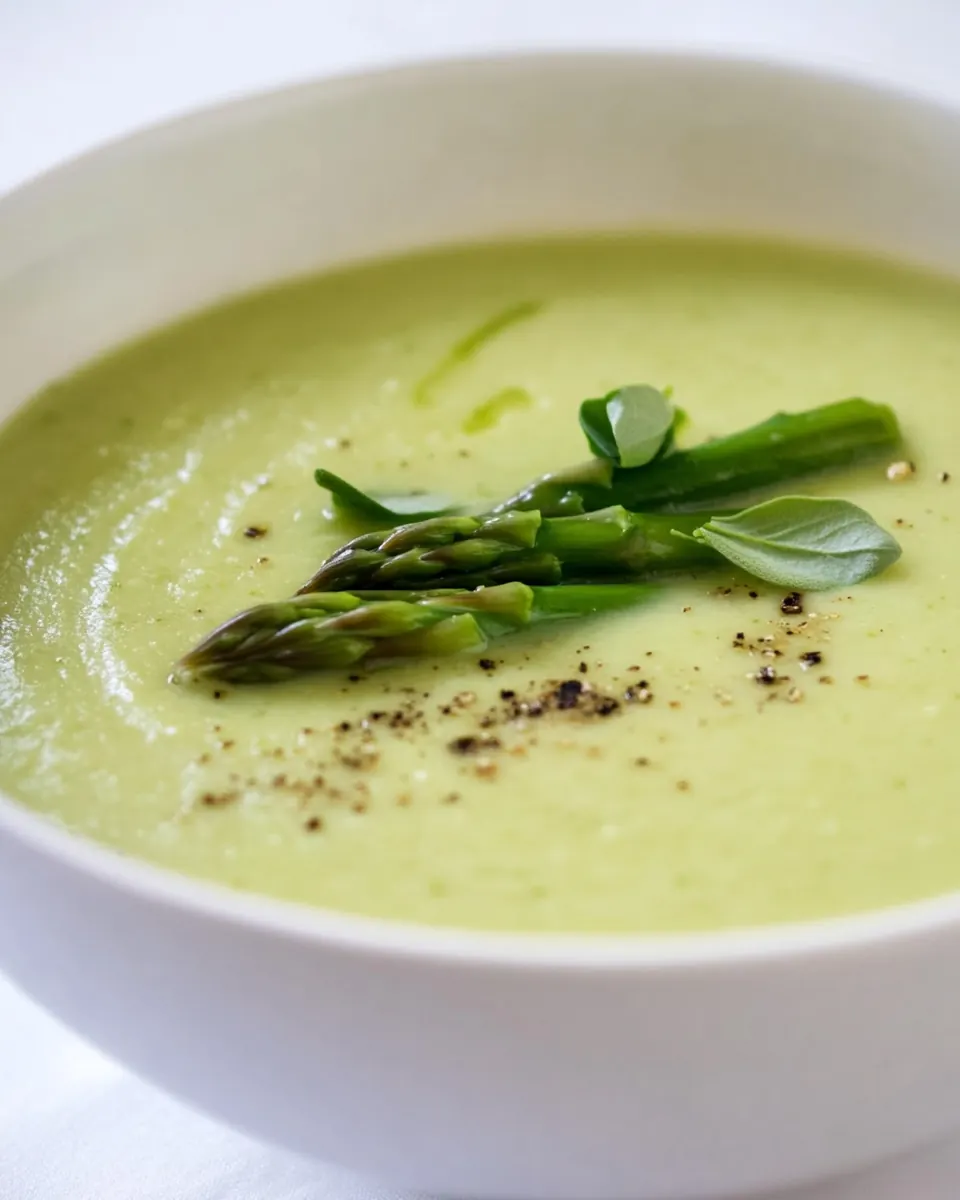
Cream of Asparagus Soup
Cream of Asparagus Soup is one of those recipes I reach for when spring shows up at the market with the first bright bunches of asparagus. I remember the first time I made it for a small dinner with friends, how the kitchen filled with the fresh, green aroma of asparagus and the soft sweetness of cooked leeks. That evening felt relaxed, like the soup itself, and everyone kept coming back for more until the bowls were empty.
Over the years I have learned to trust simple techniques that coax maximum flavor from a few good ingredients. I like to trim the stalks carefully, reserve the tender tips to brighten the plate, and gently sweat the leeks and chopped spears so they release their juices without browning. The result is a velvety soup that tastes like spring in a spoon, and it always makes me feel quietly proud when I serve it to guests.
Recipe Snapshot
30 mins
10 mins
20 mins
Easy
180 kcal
American
Gluten-Free, Low FODMAP
Soups
Large saucepan, Small saucepan, Blender
Why This Cream of Asparagus Soup Is So Good
Bright seasonal flavor
I love how Cream of Asparagus Soup lets the fresh, green notes of asparagus sing. When asparagus is in season, its flavor is vivid rather than vegetal, and that brightness carries through even after blending. I want you to notice that springy aroma and that clean finish on the palate, which is why I keep the recipe focused and light.
Smooth texture that feels luxurious
The combination of cooked vegetables and a bit of half and half produces a creamy mouthfeel without weighing the soup down. I find that a gentle finish of Parmesan cheese adds depth and a slightly savory tang that elevates the soup into something memorable. This texture is what makes the soup work as a starter or a light main.
Quick and approachable technique
I love recipes that do not demand special gear or endless hands on time, and Cream of Asparagus Soup is exactly that. From trimming to blending, you can get this on the table in about half an hour. That ease makes it perfect for a casual weeknight or an impromptu lunch with a neighbor.
Smart use of reserved tips and garnish
The small flourish of reserved, blanched asparagus tips is more than decoration, it gives the soup a textural contrast and a bright visual pop. I always keep some tips out to blanch separately because they stay tender and presentable, and they make the dish feel thoughtfully finished.
Versatile and forgiving
Whether you are cooking for vegetarians by swapping in vegetable broth or trimming extra stalks to bulk up the pot, this soup adapts. I appreciate how forgiving it is with seasonality and small adjustments, so you can make it your own without worrying about precise measurements.
Essential Ingredients for Cream of Asparagus Soup
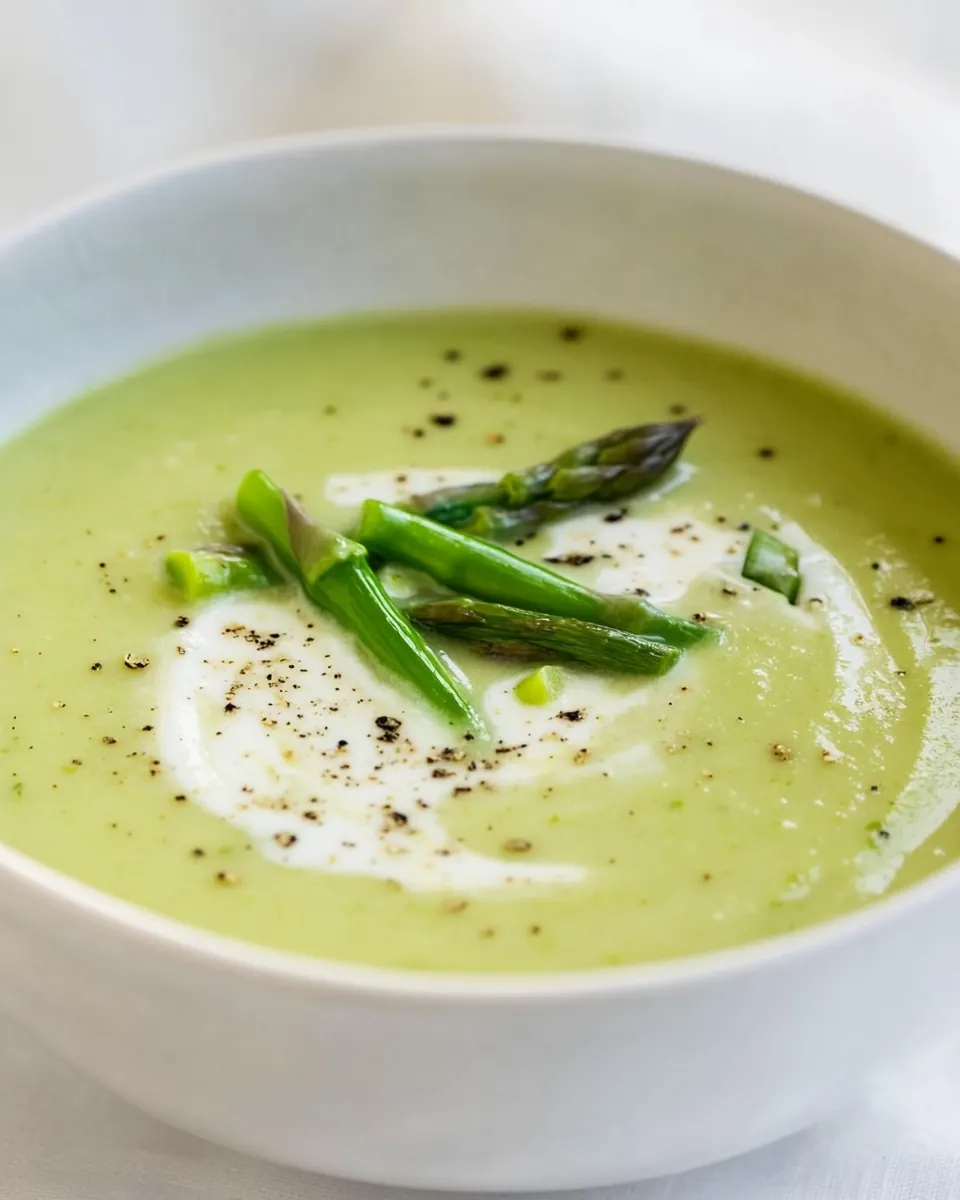
These ingredients work together to showcase asparagus while building a silky texture and savory depth. The vegetables carry the primary flavor, the broth provides volume and seasoning, and a touch of dairy and cheese brings a rounded mouthfeel. Each item plays a deliberate role in balancing freshness, body, and umami.
- 2 pounds thin asparagus trimmed (see note 1): Trimmed and tender asparagus provides the primary fresh vegetable flavor and body to the soup, contributing both texture and vibrant green color. Chop or cut into pieces so it cooks evenly and blends smoothly for a silky puree. Use the trimmed tips and stalks as directed to balance tenderness and grassy flavor.
- 1 tablespoon unsalted butter: Melted unsalted butter adds a gentle richness and helps gently sauté the leeks to build the soup's aromatic base without adding extra salt. Use it to sweat the vegetables until softened, which deepens flavor through mild caramelization and creates a smooth mouthfeel when blended.
- 2 leeks white and light green parts only, halved lengthwise, washed thoroughly, and thinly sliced: Thinly sliced leeks offer a sweet, mild onion-like aroma and form the savory backbone of the soup's flavor profile when cooked down. Washing thoroughly removes grit from the layers, and halving before slicing exposes the soft light green and white parts to even heat for optimal tenderness.
- 3 1/2 cups chicken broth or vegetable broth (see note 2): Chicken or vegetable broth supplies the liquid medium that cooks the vegetables and determines the soup's overall savory depth and body. Choose chicken for a richer taste or vegetable broth for a vegetarian option, and use the specified amount to achieve the intended consistency before blending.
- 1/2 cup frozen peas: Frozen peas contribute a touch of natural sweetness, extra green color, and a slightly creamy texture when pureed into the soup, complementing the asparagus. Add them toward the end of cooking so they retain their bright hue and sweet flavor without overcooking.
- 2 tablespoons freshly grated Parmesan cheese (see note 3): Freshly grated Parmesan cheese lends savory umami and a subtle salty, nutty complexity that enriches the soup's flavor while helping to thicken the finished puree slightly. Stir in toward the end of cooking or after blending to melt evenly and integrate its savory depth.
- 1/4 cup half-and-half (see note 4): Half-and-half provides a light creamy finish and smooth mouthfeel without making the soup overly heavy, balancing the vegetable flavors with gentle richness. Add it off heat or briefly warm it in the finished soup to preserve its texture and prevent curdling.
- 1/2 teaspoon lemon juice: Lemon juice offers bright acidity that lifts and balances the soup's richness, enhancing the asparagus's fresh flavors and preventing a flat taste. Add sparingly and taste as you go to achieve a subtle, refreshing brightness without overt sourness.
- Salt: Salt seasoningly enhances all other flavors in the soup, bringing out the natural sweetness of the vegetables and the umami of the Parmesan. Add gradually and taste throughout cooking, adjusting at the end to reach the desired balance without oversalting.
Putting Together Cream of Asparagus Soup
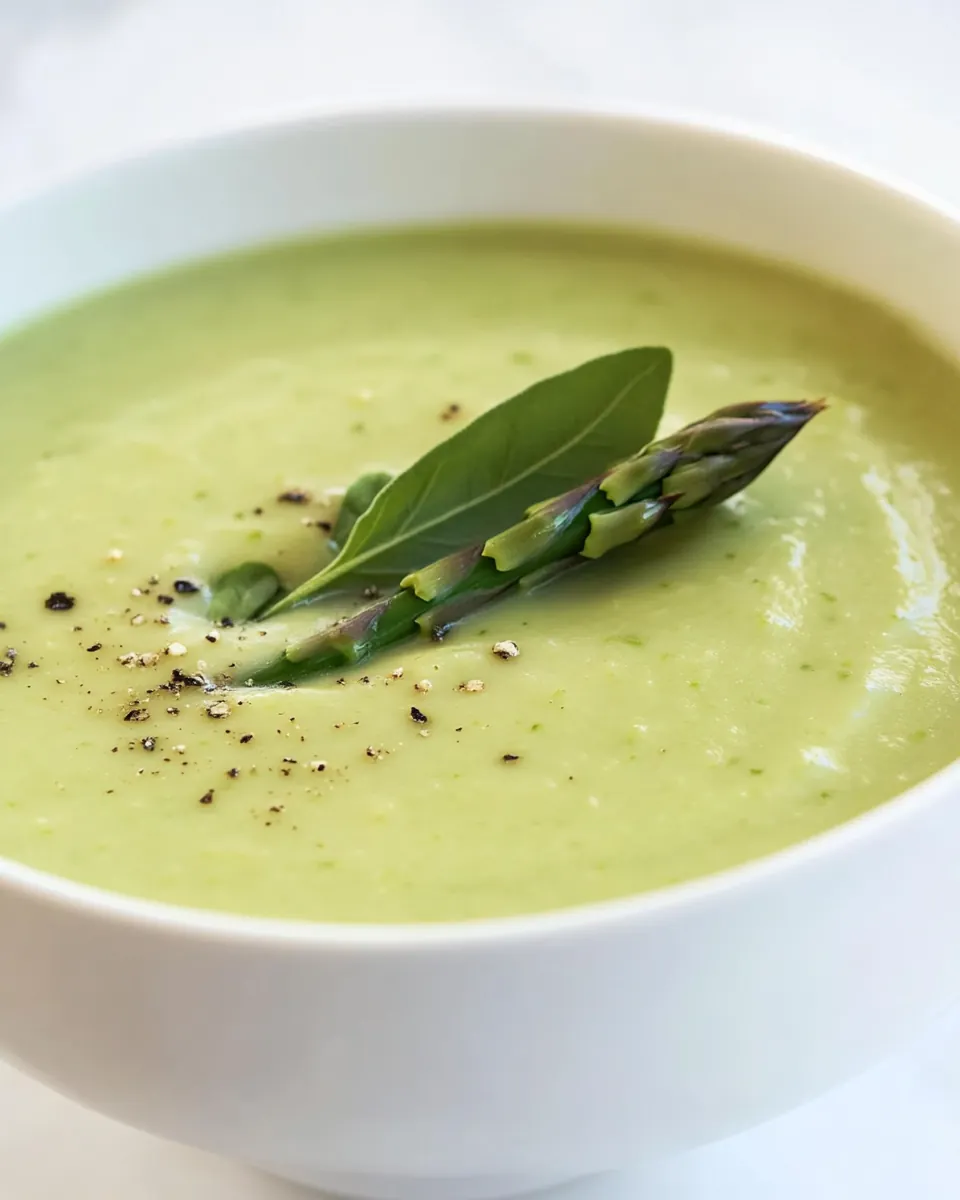
Bringing this soup together is straightforward, and the steps reward a patient, sensory approach. Below I break each direction into detailed guidance so you know what to listen for and what to look for at every turn.
- Cut off asparagus tips and set aside (they will be blanched and used as a garnish). Chop remaining spears into 1/2-inch pieces.: The delicate tips make a lovely garnish when blanched, offering a tender contrast to the blended body of the soup. As you trim, notice the clean snap of fresh asparagus and the bright green inside. Chopping the remaining spears into uniform 1/2 inch pieces ensures even cooking, and smaller pieces help the blender process everything smoothly. A common mistake is leaving uneven pieces which can cause some parts to overcook while others stay firm. If your stalks are uneven, shave the thicker parts with a peeler so cooking times match. Keep the reserved tips whole and set them aside on a plate while you continue.
- In a small skillet or saucepan, bring 1/2 cup water to boil. Add asparagus tips, cover, and cook until tender, about 2 minutes. Remove from the pan and set aside to cool.: When the water hits a full boil, add the reserved tips and cover immediately so they steam rather than simmer aggressively. You want the tips to stay vivid green and tender, not mushy. After about 2 minutes they should be just tender when pierced with a fork, and their bright color will be locked in. Remove them quickly and let them cool on a plate so they do not continue to cook from residual heat. Overcooking here results in limp garnish and a dull color, which undermines the presentation. Use cold water or an ice bath if you want to stop the cooking instantly for extra snap.
- In a large saucepan over medium heat, melt butter. Stir in chopped asparagus spears and leeks and cook until softened, about 8 to 10 minutes.: As the butter gently melts, it should foam slightly and carry the aroma of the leeks and asparagus. Add the chopped spears and sliced leeks and keep the heat at medium so they sweat and soften slowly. You want the vegetables to collapse and release their moisture without taking on brown spots. The sound will be a soft sizzle and the pan should smell sweet and green after several minutes. This slow softening builds flavor and prevents harsh raw onion notes. A typical mistake is turning the heat too high, which browns the vegetables and introduces bitterness. Stir every couple of minutes and scrape the pan bottom so nothing sticks.
- Add broth and bring to a simmer. Cook until vegetables are completely tender, about 5 minutes. Stir in peas and Parmesan.: Pour in the broth and raise the heat to bring the pot to a gentle simmer, where small bubbles rise steadily but do not boil furiously. The broth will take on the green scent of the cooked vegetables. Simmering softens any remaining texture so the mixture blends silky later. The visual cue is that the spears and leeks will look translucent and will fall apart easily when nudged with a spoon. A common pitfall is undercooking the vegetables before blending, which results in a slightly fibrous or gritty mouthfeel. If you notice resistance when mashing a piece against the side of the pot, cook a few minutes longer.
- Working in batches, transfer to a blender and process soup until smooth, about 2 to 3 minutes. Wash out saucepan, then add back blended soup.: Adding the peas and freshly grated Parmesan cheese at this point enriches the pot. The peas will cook quickly in the hot broth and boost the soup's verdant color, while the Parmesan melts into the liquid and deepens the savory profile. As the cheese warms, you will smell a warm, nutty note that signals the soup is gaining complexity. Stir well so the cheese dissolves and does not clump. Avoid adding pre grated dry cheese because it can be grainy; freshly grated melts more smoothly. If your soup seems bland after adding cheese, a pinch more salt will balance it.
- Over medium-low heat, stir in half-and-half and lemon juice. Season to taste with salt (I like 3/4 teaspoon). Garnish with reserved asparagus tips.: Hot liquids expand in a blender, so work in batches and vent the lid slightly to release steam safely. As you blend, watch the texture change from chunky to glossy and listen for the blender's steady hum as pieces break down. The soup should be uniformly smooth with no fibrous bits remaining. If it seems coarse, blend a little longer. After pouring back into the cleaned saucepan, scrape the sides so every bit returns to the pot. A mistake here is overfilling the blender which can cause splatters. Use smaller batches for safety and consistency.
- Over medium-low heat, stir in half-and-half and lemon juice. Season to taste with salt (I like 3/4 teaspoon). Garnish with reserved asparagus tips: Lowering to medium low prevents the dairy from curdling as you stir in the half and half and the bright hint of lemon juice lifts the flavors. Stir gently until the soup is warmed through and silky. Taste and season with salt gradually until the balance feels right, I often aim for about 3/4 teaspoon but adjust to your broth's saltiness. The final texture should coat the spoon and move in slow, glossy ribbons as you stir. Add the chilled blanched tips on top to finish the bowl with a tender bite and a pretty accent. Watch for boiling once the dairy is in; avoid boiling to keep the texture smooth and prevent separation.
Change It Up
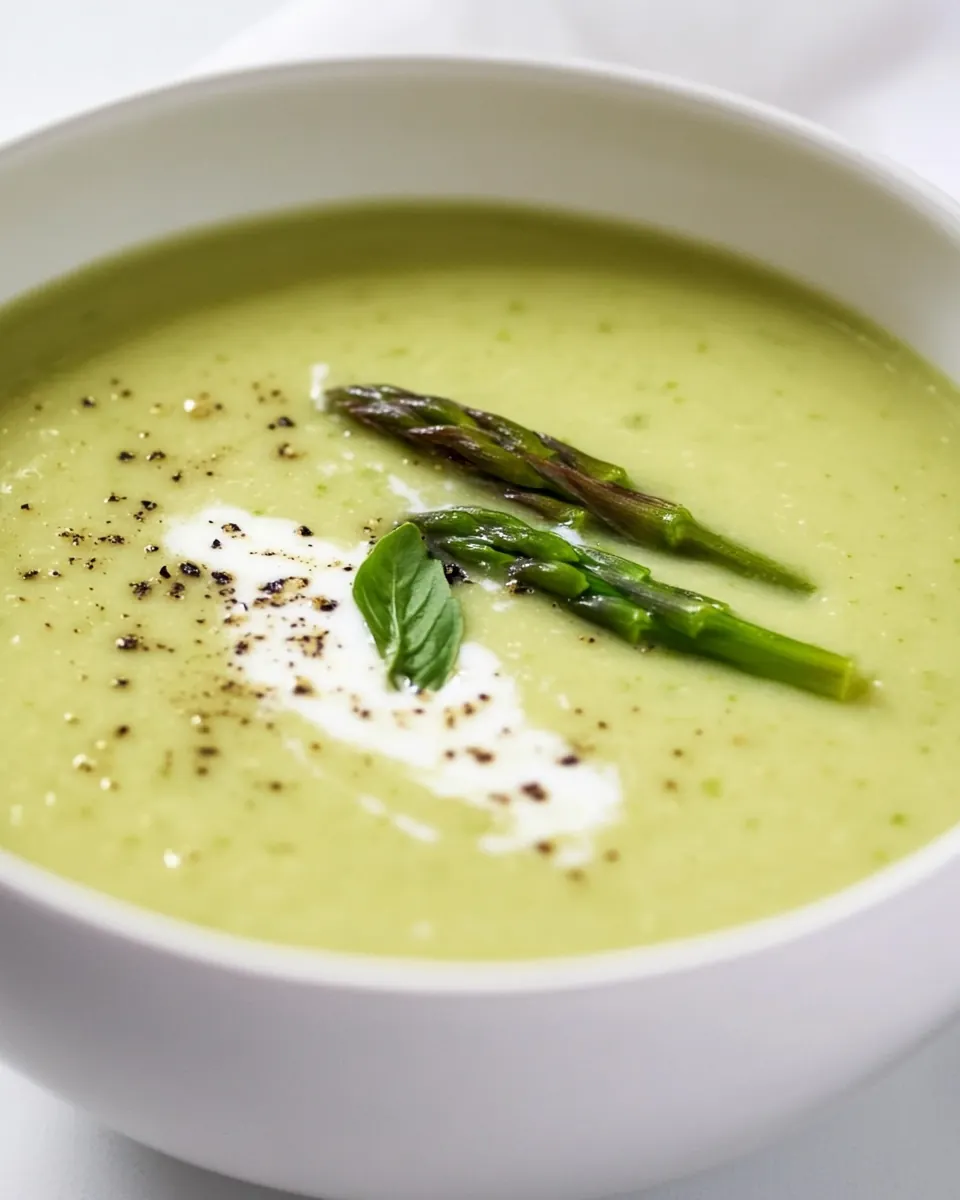
This section explores variations, swaps, and smart tweaks to make Cream of Asparagus Soup suit your pantry and preferences. Treat each tip as a small opportunity to personalize the bowl while keeping the core identity intact.
- Quick vegetarian swap Swap the chicken broth for a full flavored vegetable broth to keep the soup entirely plant based while preserving depth.
- Boost the green color Add an extra handful of blanched peas before blending for an even brighter hue and a touch more sweetness.
- Richer finish Replace the half and half with plain Greek yogurt off heat for a tangy creaminess, whisking it in gently to avoid curdling.
- Cheese alternative Swap Parmesan for Pecorino for a bolder, saltier finish, but grate it fresh for the best texture.
- Presentation trick For an elegant bowl, swirl a tablespoon of half and half on top and arrange the blanched tips in a fan so the garnish reads as intentional and refined.
- Make ahead strategy Cook the soup fully, cool, and refrigerate up to three days; rewarm gently and add a splash of extra half and half if it tightens up in the fridge.
What to Serve With Cream of Asparagus Soup
This soup pairs beautifully with simple, fresh sides that complement the green, silky character. Think light breads, crisp salads, and seasonal touches to make a complete meal for lunch or a springtime dinner. Below are serving ideas, occasions, and practical storage notes to help you plan.
- Crusty bread A slice of rustic country loaf or a warm baguette is perfect for dipping and provides a satisfying contrast to the soup’s smooth texture.
- Light green salad Toss baby greens with a lemon vinaigrette to echo the soup’s brightness and add a crunchy, peppery element to the meal.
- Grilled vegetables Serve alongside simply grilled asparagus or spring vegetables to extend the seasonal theme without overpowering the bowl.
- Lunch or dinner This soup serves well as a light lunch with bread, or as a starter for a spring dinner where you might follow with a roasted fish or a composed vegetable main.
- Ramadan and special occasions Its gentle flavors and comforting texture make it a soothing option for iftar or any meal when you want something nourishing and not heavy.
- Storage tips Refrigerate covered for up to four days. For freezing, cool completely and freeze in containers leaving 1/2 inch head space to allow for expansion.
- Seasonal pairing Best in spring when asparagus is at peak, but frozen peas and well stored asparagus can extend enjoyment into other months.
- Serving temperature Serve warm rather than piping hot to allow the flavors to settle and the finish to be silky on the palate.
- Portioning This recipe yields about six 1 cup servings, making it simple to scale for a small gathering or a dinner party starter.
FAQ
Conclusion
Cream of Asparagus Soup stands out for its bright green flavor, silky texture, and effortless springtime appeal. It is a recipe that feels both comforting and elegant, perfect for a light lunch or a refined starter when hosting. I encourage you to try it because the steps are simple and the payoff is a memorable bowl that celebrates fresh produce. Once you taste the balance of sweet leeks, tender asparagus, and a gentle finish of Parmesan and half and half, you may find yourself returning to this recipe every spring.

Cream of Asparagus Soup
Equipment
- Large saucepan
- Small Saucepan
- Blender
Ingredients
- 2 pounds thin asparagus trimmed (see note 1) Trimmed and tender asparagus provides the primary fresh vegetable flavor and body to the soup, contributing both texture and vibrant green color. Chop or cut into pieces so it cooks evenly and blends smoothly for a silky puree. Use the trimmed tips and stalks as directed to balance tenderness and grassy flavor.
- 1 tablespoon unsalted butter Melted unsalted butter adds a gentle richness and helps gently sauté the leeks to build the soup's aromatic base without adding extra salt. Use it to sweat the vegetables until softened, which deepens flavor through mild caramelization and creates a smooth mouthfeel when blended.
- 2 leeks white and light green parts only, halved lengthwise, washed thoroughly, and thinly sliced Thinly sliced leeks offer a sweet, mild onion-like aroma and form the savory backbone of the soup's flavor profile when cooked down. Washing thoroughly removes grit from the layers, and halving before slicing exposes the soft light green and white parts to even heat for optimal tenderness.
- 3 1/2 cups chicken broth or vegetable broth (see note 2) Chicken or vegetable broth supplies the liquid medium that cooks the vegetables and determines the soup's overall savory depth and body. Choose chicken for a richer taste or vegetable broth for a vegetarian option, and use the specified amount to achieve the intended consistency before blending.
- 1/2 cup frozen peas Frozen peas contribute a touch of natural sweetness, extra green color, and a slightly creamy texture when pureed into the soup, complementing the asparagus. Add them toward the end of cooking so they retain their bright hue and sweet flavor without overcooking.
- 2 tablespoons freshly grated Parmesan cheese (see note 3) Freshly grated Parmesan cheese lends savory umami and a subtle salty, nutty complexity that enriches the soup's flavor while helping to thicken the finished puree slightly. Stir in toward the end of cooking or after blending to melt evenly and integrate its savory depth.
- 1/4 cup half-and-half (see note 4) Half-and-half provides a light creamy finish and smooth mouthfeel without making the soup overly heavy, balancing the vegetable flavors with gentle richness. Add it off heat or briefly warm it in the finished soup to preserve its texture and prevent curdling.
- 1/2 teaspoon lemon juice Lemon juice offers bright acidity that lifts and balances the soup's richness, enhancing the asparagus's fresh flavors and preventing a flat taste. Add sparingly and taste as you go to achieve a subtle, refreshing brightness without overt sourness.
- Salt Salt seasoningly enhances all other flavors in the soup, bringing out the natural sweetness of the vegetables and the umami of the Parmesan. Add gradually and taste throughout cooking, adjusting at the end to reach the desired balance without oversalting.
Instructions
- Cut off asparagus tips and set aside (they will be blanched and used as a garnish). Chop remaining spears into 1/2-inch pieces.: The delicate tips make a lovely garnish when blanched, offering a tender contrast to the blended body of the soup. As you trim, notice the clean snap of fresh asparagus and the bright green inside. Chopping the remaining spears into uniform 1/2 inch pieces ensures even cooking, and smaller pieces help the blender process everything smoothly. A common mistake is leaving uneven pieces which can cause some parts to overcook while others stay firm. If your stalks are uneven, shave the thicker parts with a peeler so cooking times match. Keep the reserved tips whole and set them aside on a plate while you continue.
- In a small skillet or saucepan, bring 1/2 cup water to boil. Add asparagus tips, cover, and cook until tender, about 2 minutes. Remove from the pan and set aside to cool.: When the water hits a full boil, add the reserved tips and cover immediately so they steam rather than simmer aggressively. You want the tips to stay vivid green and tender, not mushy. After about 2 minutes they should be just tender when pierced with a fork, and their bright color will be locked in. Remove them quickly and let them cool on a plate so they do not continue to cook from residual heat. Overcooking here results in limp garnish and a dull color, which undermines the presentation. Use cold water or an ice bath if you want to stop the cooking instantly for extra snap.
- In a large saucepan over medium heat, melt butter. Stir in chopped asparagus spears and leeks and cook until softened, about 8 to 10 minutes.: As the butter gently melts, it should foam slightly and carry the aroma of the leeks and asparagus. Add the chopped spears and sliced leeks and keep the heat at medium so they sweat and soften slowly. You want the vegetables to collapse and release their moisture without taking on brown spots. The sound will be a soft sizzle and the pan should smell sweet and green after several minutes. This slow softening builds flavor and prevents harsh raw onion notes. A typical mistake is turning the heat too high, which browns the vegetables and introduces bitterness. Stir every couple of minutes and scrape the pan bottom so nothing sticks.
- Add broth and bring to a simmer. Cook until vegetables are completely tender, about 5 minutes. Stir in peas and Parmesan.: Pour in the broth and raise the heat to bring the pot to a gentle simmer, where small bubbles rise steadily but do not boil furiously. The broth will take on the green scent of the cooked vegetables. Simmering softens any remaining texture so the mixture blends silky later. The visual cue is that the spears and leeks will look translucent and will fall apart easily when nudged with a spoon. A common pitfall is undercooking the vegetables before blending, which results in a slightly fibrous or gritty mouthfeel. If you notice resistance when mashing a piece against the side of the pot, cook a few minutes longer.
- Working in batches, transfer to a blender and process soup until smooth, about 2 to 3 minutes. Wash out saucepan, then add back blended soup.: Adding the peas and freshly grated Parmesan cheese at this point enriches the pot. The peas will cook quickly in the hot broth and boost the soup's verdant color, while the Parmesan melts into the liquid and deepens the savory profile. As the cheese warms, you will smell a warm, nutty note that signals the soup is gaining complexity. Stir well so the cheese dissolves and does not clump. Avoid adding pre grated dry cheese because it can be grainy; freshly grated melts more smoothly. If your soup seems bland after adding cheese, a pinch more salt will balance it.
- Over medium-low heat, stir in half-and-half and lemon juice. Season to taste with salt (I like 3/4 teaspoon). Garnish with reserved asparagus tips.: Hot liquids expand in a blender, so work in batches and vent the lid slightly to release steam safely. As you blend, watch the texture change from chunky to glossy and listen for the blender's steady hum as pieces break down. The soup should be uniformly smooth with no fibrous bits remaining. If it seems coarse, blend a little longer. After pouring back into the cleaned saucepan, scrape the sides so every bit returns to the pot. A mistake here is overfilling the blender which can cause splatters. Use smaller batches for safety and consistency.
- Over medium-low heat, stir in half-and-half and lemon juice. Season to taste with salt (I like 3/4 teaspoon). Garnish with reserved asparagus tips: Lowering to medium low prevents the dairy from curdling as you stir in the half and half and the bright hint of lemon juice lifts the flavors. Stir gently until the soup is warmed through and silky. Taste and season with salt gradually until the balance feels right, I often aim for about 3/4 teaspoon but adjust to your broth's saltiness. The final texture should coat the spoon and move in slow, glossy ribbons as you stir. Add the chilled blanched tips on top to finish the bowl with a tender bite and a pretty accent. Watch for boiling once the dairy is in; avoid boiling to keep the texture smooth and prevent separation.
Notes
- Quick vegetarian swap Swap the chicken broth for a full flavored vegetable broth to keep the soup entirely plant based while preserving depth.
- Boost the green color Add an extra handful of blanched peas before blending for an even brighter hue and a touch more sweetness.
- Richer finish Replace the half and half with plain Greek yogurt off heat for a tangy creaminess, whisking it in gently to avoid curdling.
- Cheese alternative Swap Parmesan for Pecorino for a bolder, saltier finish, but grate it fresh for the best texture.
- Presentation trick For an elegant bowl, swirl a tablespoon of half and half on top and arrange the blanched tips in a fan so the garnish reads as intentional and refined.
- Make ahead strategy Cook the soup fully, cool, and refrigerate up to three days; rewarm gently and add a splash of extra half and half if it tightens up in the fridge.
