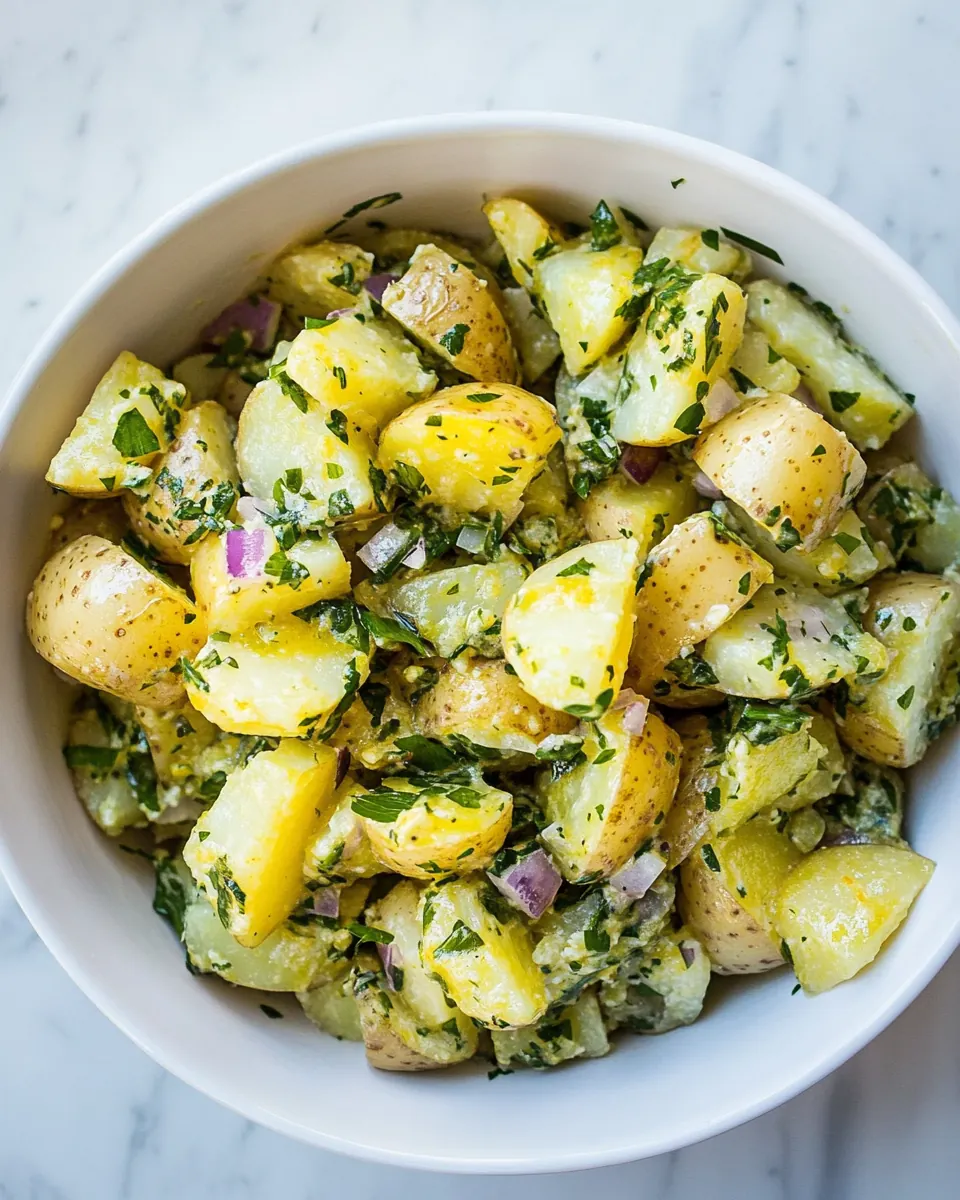
Honey Mustard Potato Salad
Honey Mustard Potato Salad is one of those bowls I reach for when I want something that feels both comforting and bright, a recipe that pairs well with a backyard grill out or a simple weeknight supper. The first time I made this, I remember juggling a toddler and a timer, and still managing to pull together a dressing that tasted like sunshine, with tang from lemon, a gentle sweetness from honey, and the rustic pop of whole grain mustard. That balance made me realize potato salad does not have to be heavy to be satisfying.
Over the years I’ve tweaked the mix of textures to favor bite size chunks of tender baby yellow potatoes, soft but not mushy, and the occasional crisp green of green onions. I try to keep things simple, because a short ingredient list lets each element shine. Whenever guests ask for the recipe I tell them it is one of those easy victories you can pull off without stress, whether you serve it warm, at room temperature, or chilled the next day.
Recipe Snapshot
30 mins
15 mins
15 mins
Medium
250 kcal
American
Paleo, Gluten-Free
Side Dishes
Medium pot, Large bowl, Small bowl, Whisk, Knife
Why This Honey Mustard Potato Salad Works
Bright, balanced flavor
I love how Honey Mustard Potato Salad manages to be tangy, sweet, and savory all at once. The combination of lemon, honey, and whole grain mustard creates layers of flavor that wake up the palate, making this more than just a starchy side. When I taste it, I notice the citrus first, then the mustard seeds, and finally a gentle sweetness that lingers.
Textural harmony
Texture is a big reason I keep coming back to this recipe. The tender yet intact chunks of baby yellow potatoes contrast with the creamy diced hard boiled eggs and the slight crunch from the sliced green onions. I specifically like to quarter or halve the potatoes so each bite has a mix of creamy and slightly firm elements, which keeps the salad from feeling one note.
Simple pantry ingredients
This recipe shines because it relies on things you likely have on hand. A bit of olive oil, a squeeze of lemon, a spoonful of honey, and a dab of whole grain mustard come together to make a dressing that feels composed, not fussy. I appreciate recipes that can be pulled together quickly without a trip to specialty stores.
Flexible serving options
I often let the salad rest, because the flavors meld beautifully over time. You can serve Honey Mustard Potato Salad warm straight from the pot for a comforting side, at room temperature for casual gatherings, or chilled the next day when the dressing has soaked into every nook. Each option changes the experience slightly, and I enjoy that versatility when planning meals.
Great for gatherings
Finally, this dish scales well, and it holds up when made ahead. I make it for spring picnics and weekday lunches alike. Because the core elements are robust, it tolerates a bit of sitting time without losing its character, which makes it a reliable choice when I have other dishes to manage.
What You Need for Honey Mustard Potato Salad
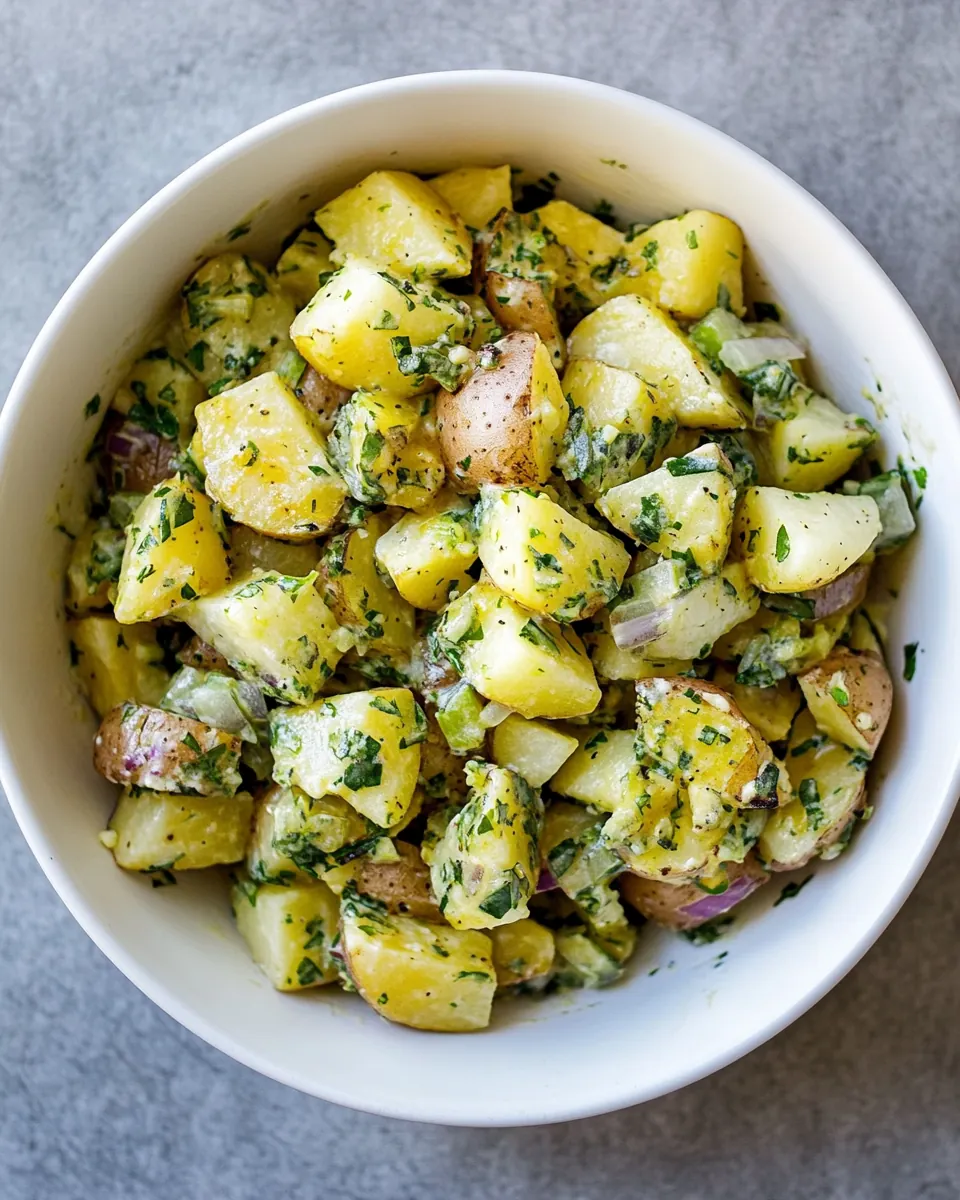
These ingredients are purposeful and straightforward. I think of the potatoes as the canvas, the eggs and herbs as texture and notes, and the citrus mustard dressing as the glue that brings everything together. Each item plays a role, whether it provides body, brightness, or a touch of seasoning.
- 1 1/2 pounds baby yellow potatoes: Boil or steam until fork-tender, then halve or quarter to provide a creamy, tender base that soaks up dressing and balances textures in the salad.
- 3 hard-boiled eggs, diced: Dice finely after cooling to add rich, custardy texture and protein, helping to bind the salad and offer savory pockets throughout each bite.
- 2 green onions, thinly sliced green part only: Slice thinly and use only the green part to lend a mild onion flavor and bright color while avoiding overpowering raw sharpness in the dressing.
- 1 medium shallot, minced: Mince finely to contribute a delicate sweet-onion aroma and subtle pungency that enhances depth without overwhelming the other fresh flavors.
- 2 tablespoons minced fresh parsley: Chop into small pieces to deliver fresh herbal brightness and a clean, grassy note that lightens the richness of the potatoes and eggs.
- 1 lemon, juiced: Squeeze fresh juice to provide bright acidity that brightens the overall flavor, helps balance fat, and adds a zesty lift to the dressing.
- 1 lemon, zested: Zest finely to contribute concentrated citrus oils for aromatic brightness and a fragrant lift that complements the lemon juice without adding more acidity.
- 2 tablespoons olive oil: Drizzle and whisk into the dressing to add smooth mouthfeel and a fruity, slightly peppery fat that helps emulsify flavors together.
- 1 tablespoon whole grain mustard: Stir into the dressing to provide tangy, grainy texture and acidic sharpness that anchors the honey and balances the salad's creaminess.
- 1 tablespoon honey: Whisk in to add natural sweetness and floral notes that mellow the mustard's bite while creating a harmonious sweet-tangy dressing.
- Kosher salt, to taste: Season to taste to enhance and round out all flavors; use sparingly at first to avoid over-salting the potatoes and dressing.
- Black pepper, to taste: Grind freshly to taste to add subtle heat and aromatic complexity, finishing the salad with a gentle spice that lifts the other ingredients.
Instructions for Honey Mustard Potato Salad
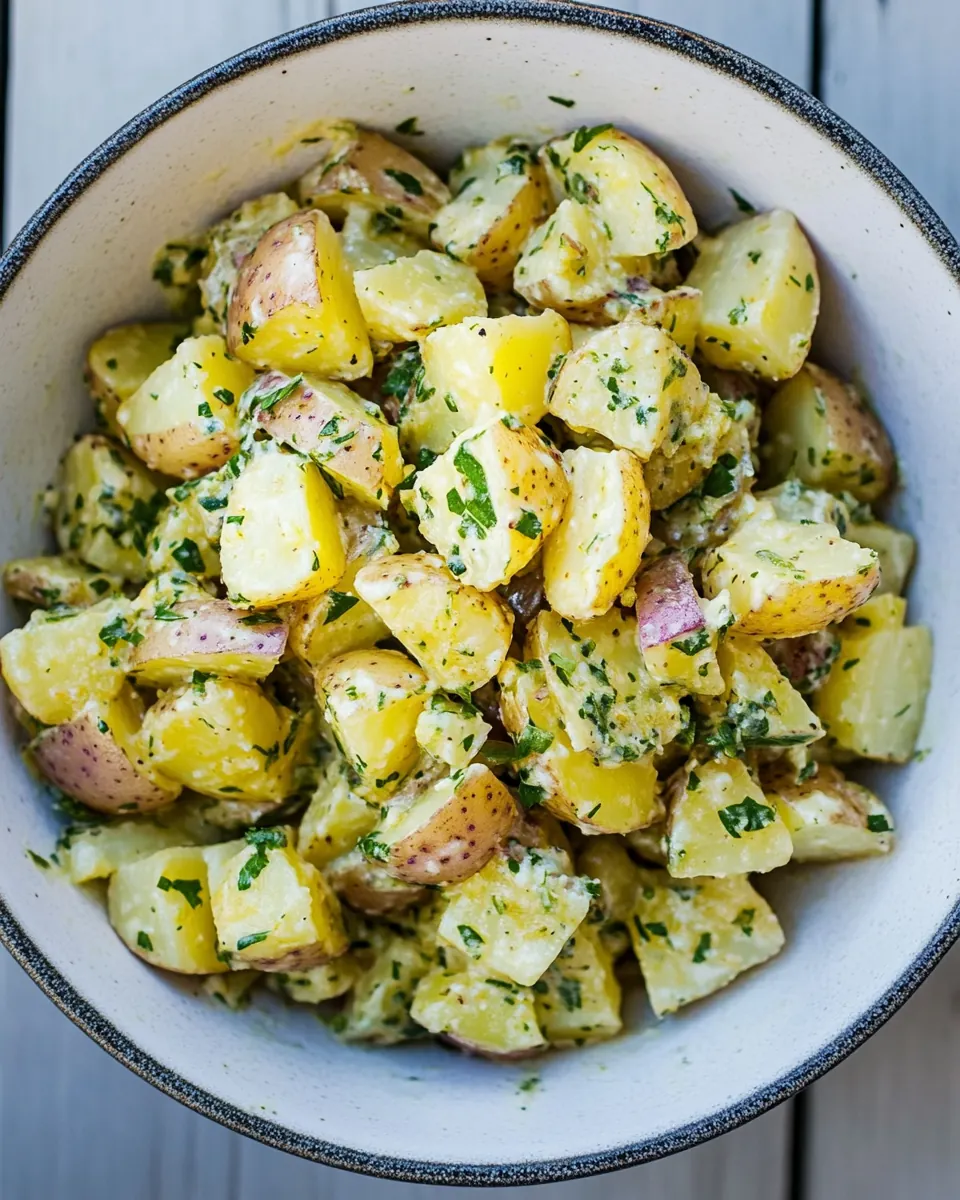
These steps are straightforward, but I want you to know what to listen for and why each technique matters. Move through them at a relaxed pace, focusing on texture and seasoning as you go. The goal is a salad where the dressing clings and every bite is balanced.
- Quarter or halve baby potatoes based on their size. You’re looking for a chunky potato salad but you want each potato chunk to be about bite size.: The aroma of freshly cut baby yellow potatoes is subtle and earthy, and you should aim for pieces that are roughly bite sized so they cook evenly. Using uniform pieces ensures consistent doneness, and visually you get an appealing bowl with similar sized chunks. A common mistake is leaving some pieces much larger than others, which causes uneven cooking where some are underdone while others fall apart. Take your time to cut them thoughtfully and feel the weight of each piece as you assess size.
- Add the potatoes to a medium-sized pot and fill with cold water. Set over high heat and boil until just tender. Drain and let cool slightly.: Starting the baby yellow potatoes in cold water lets them heat gradually so the exterior and interior cook at the same rate, which prevents the outside from overcooking before the center is tender. You will hear a gentle rolling simmer as they approach doneness, and the smell will be faintly starchy. A frequent slip up is adding potatoes to already boiling water, which can cause the outside to break down before the center cooks. Make sure the pot is large enough so the potatoes move freely while boiling.
- Add potatoes to a large bowl.: Listen for a steady boil and watch for a fork to glide into a piece with slight resistance but not mushiness, that is your cue. The potatoes should keep their shape with a glossy surface when drained, and they will still feel slightly firm to the touch. Overcooking yields mealy, grainy pieces that will fall apart when tossed, so check early and often starting around the shorter end of the expected time.
- To the potatoes add diced egg, green onions, shallot, and parsley, and set aside.: Draining releases the hot steam and you will notice a warm, faintly sweet potato scent. Letting them cool briefly makes them easier to handle and prevents the dressing from wilting the other ingredients. If you dress piping hot potatoes, the eggs may overheat and break down, and the herbs can lose vibrancy. Avoid rinsing under cold water unless you need to stop cooking immediately, since that can wash away some flavor.
- In a small bowl whisk together lemon juice, lemon zest, olive oil, whole-grain mustard, honey, kosher salt, and black pepper.: The large bowl gives you room to toss without splashing, and as you transfer the warm baby yellow potatoes you will see steam rise, carrying citrus and starch notes. This is a good moment to check for any overcooked pieces and remove them if needed. Crowding in a small bowl can make it hard to fold in other ingredients consistently, leading to pockets of undressed potato.
- Pour dressing over the potato mixture and toss to combine. If it looks dry add a few more drizzles of olive oil.: When you fold in the diced hard boiled eggs and minced shallot , the contrast of textures becomes obvious, and the chopped green onions and parsley add visual brightness and a fresh scent. Mixing them while the potatoes are still warm helps the dressing cling later, without cooking the eggs. A typical error here is overmixing which can mash the potatoes and make the salad gummy; fold gently instead.
- Give it a taste and season with more kosher salt and black pepper if needed.: As you whisk the lemon juice with olive oil and whole grain mustard , you will notice the dressing emulsify into a silky, fragrant sauce with visible mustard seeds. The zest releases aromatic oils that will perfume the dressing. Whisking well ensures the honey disperses evenly, preventing sweet pockets. If you skip a vigorous whisk, the dressing may separate and fail to coat evenly.
- At this point, you can either let it sit and eat the salad at room temperature OR let it chill in the refrigerator until cold (or even overnight!) and you’ll salad will be super flavorful since it was able to rest in the fridge to really absorb all the flavors.: When you pour the dressing you will see it sheen over the potatoes and vegetables, and tossing helps it cling into every crevice. The salad should look glossy rather than oily, and you can add a few extra drizzles of olive oil if it appears dry. A common oversight is adding all the dressing at once without tasting; add most, then adjust to preference.
- If it looks dry add a few more drizzles of olive oil: The extra olive oil brings silk and helps the dressing coat better, giving a luxurious mouthfeel. You will notice the texture shift from matte to slightly glossy, and the oil will carry the aroma of the lemon and mustard . Be cautious not to overdo it, as too much oil can weigh down the salad and mask the bright flavors.
- Give it a taste and season with more kosher salt and black pepper if needed: Tasting at this stage is crucial; adjust with kosher salt and freshly ground black pepper until the flavors sing in balance. Salt enhances the savory notes while pepper introduces a mild heat. Many cooks forget to taste before serving, which leads to bland results, so take a spoonful and refine seasoning to your liking.
- At this point you can either let it sit and eat the salad at room temperature OR let it chill in the refrigerator until cold: Allowing the salad to rest will let the dressing penetrate the potatoes and mellow the sharp edges of the shallot and lemon . Chilling overnight intensifies the flavors, producing a more cohesive taste where the mustard seeds and honey have time to blend. A mistake to avoid is leaving it out too long in hot weather; if you plan to serve later, refrigerate to maintain food safety and texture.
Recipe Tips about Honey Mustard Potato Salad
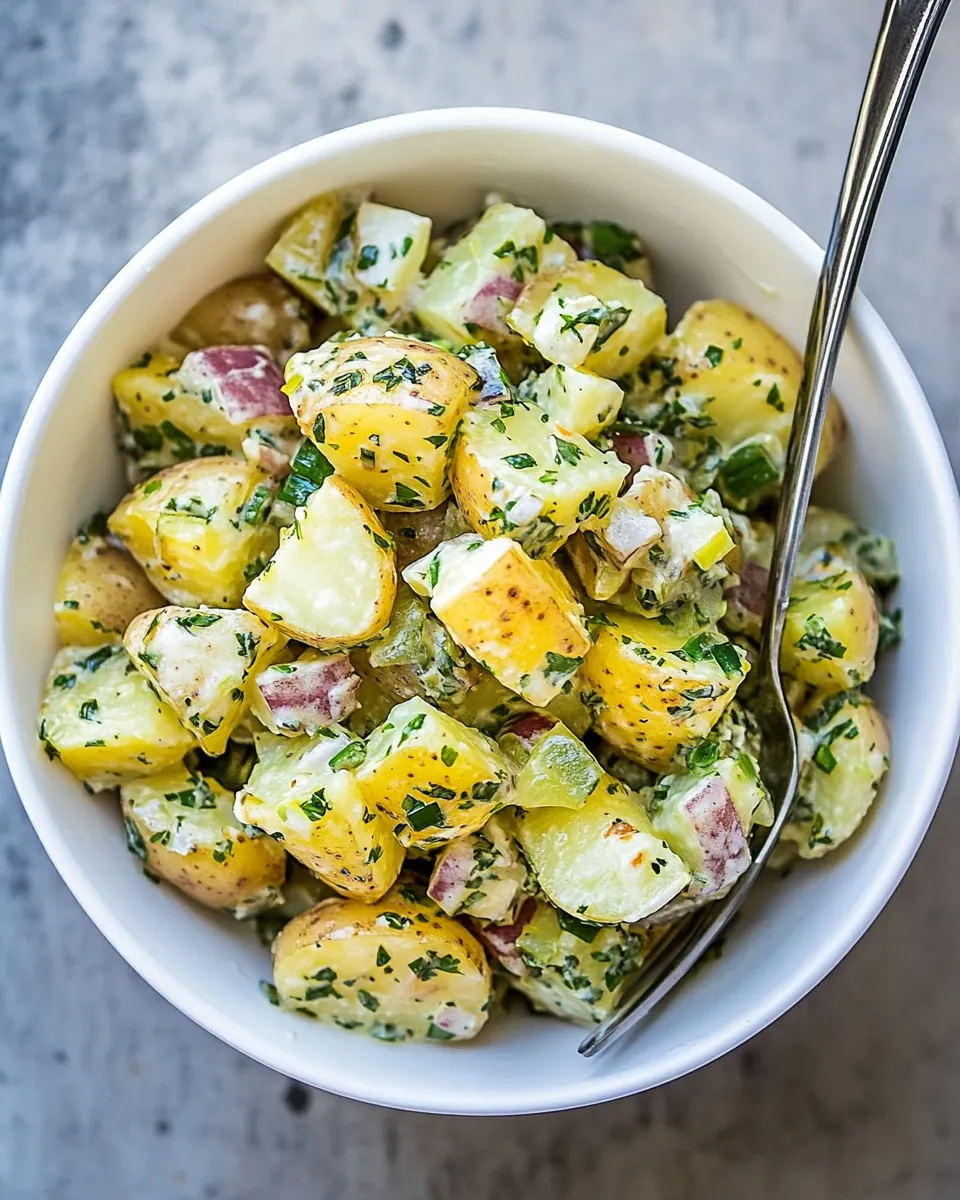
I like to give practical tips that save time and improve flavor without adding complexity. These notes focus on timing, seasoning, and small techniques that change the final texture and aroma of the salad.
- Choose small waxy potatoes: Using baby yellow potatoes ensures you get creamy interiors that hold their shape, which is ideal for chunkier salads that do not turn mushy.
- Don’t overcook the eggs: Cook hard boiled eggs just until done to avoid a gray ring and sulfur smell; immediate cooling improves texture and color.
- Use fresh lemon zest and juice: Fresh lemon zest adds aromatic oils that bottled juice cannot replicate, boosting the dressing’s brightness.
- Adjust honey to taste: The spoonful of honey balances acidity, but sweetness preference varies, so add incrementally and taste between additions.
- Fold gently: When incorporating the diced hard boiled eggs and herbs, fold gently to preserve the potatoes shape and avoid a mashed texture.
- Make ahead advantage: This salad often tastes better the next day after chilling, as the dressing permeates the potatoes, making it a great make ahead side.
Perfect Matches for Honey Mustard Potato Salad
This salad pairs beautifully with casual meals and special gatherings alike. Think about contrasts in texture and flavor when choosing accompaniments, and consider serving temperatures to complement the overall menu.
- Grilled vegetables and proteins: Serve alongside a platter of simply seasoned grilled vegetables or plant based proteins for a balanced meal where the salad adds brightness.
- Picnic and potluck staple: Bring this salad to outdoor gatherings because it holds up well and can be enjoyed warm or chilled, making it ideal for unpredictable serving conditions.
- Weeknight family dinners: Because it reheats and chills well, it makes an easy side for everyday dinners, offering comforting starch and fresh herb notes.
- Seasonal spring menus: The fresh parsley and lemon make it a lovely accompaniment for springtime feasts, pairing well with lighter mains and crisp salads.
- Storage tips: Refrigerate in an airtight container for up to three days; the flavors will intensify, so wait to add delicate herbs if you plan to store for longer.
FAQ
Conclusion
Honey Mustard Potato Salad stands out for its bright lemony dressing, the gentle sweetness of honey, and the satisfying bite of baby yellow potatoes and diced eggs. It is the kind of side that can anchor a picnic spread or add comfort to a weeknight meal, and its flavors only deepen if you make it ahead. Try it chilled or at room temperature, and notice how each component plays a part in the overall balance. I hope you make it soon and find it as reliably delicious as I do.
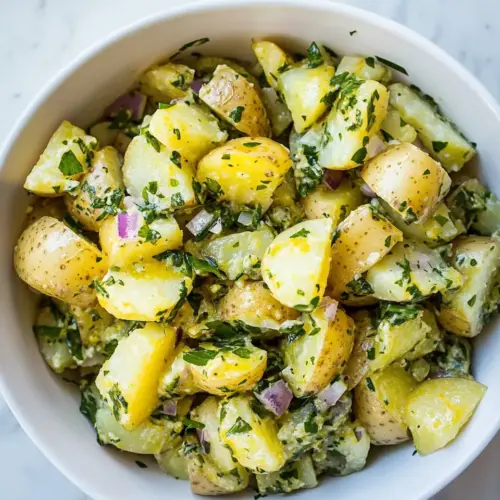
Honey Mustard Potato Salad
Equipment
- Medium Pot
- Large Bowl
- Small Bowl
- Whisk
- Knife
Ingredients
- 1 -1/2 pounds baby yellow potatoes Boil or steam until fork-tender, then halve or quarter to provide a creamy, tender base that soaks up dressing and balances textures in the salad.
- 3 hard-boiled eggs, diced Dice finely after cooling to add rich, custardy texture and protein, helping to bind the salad and offer savory pockets throughout each bite.
- 2 green onions, thinly sliced green part only Slice thinly and use only the green part to lend a mild onion flavor and bright color while avoiding overpowering raw sharpness in the dressing.
- 1 medium shallot, minced Mince finely to contribute a delicate sweet-onion aroma and subtle pungency that enhances depth without overwhelming the other fresh flavors.
- 2 tablespoons minced fresh parsley Chop into small pieces to deliver fresh herbal brightness and a clean, grassy note that lightens the richness of the potatoes and eggs.
- 1 lemon, juiced Squeeze fresh juice to provide bright acidity that brightens the overall flavor, helps balance fat, and adds a zesty lift to the dressing.
- 1 lemon, zested Zest finely to contribute concentrated citrus oils for aromatic brightness and a fragrant lift that complements the lemon juice without adding more acidity.
- 2 tablespoons olive oil Drizzle and whisk into the dressing to add smooth mouthfeel and a fruity, slightly peppery fat that helps emulsify flavors together.
- 1 tablespoon whole grain mustard Stir into the dressing to provide tangy, grainy texture and acidic sharpness that anchors the honey and balances the salad's creaminess.
- 1 tablespoon honey Whisk in to add natural sweetness and floral notes that mellow the mustard's bite while creating a harmonious sweet-tangy dressing.
- Kosher salt, to taste Season to taste to enhance and round out all flavors; use sparingly at first to avoid over-salting the potatoes and dressing.
- Black pepper, to taste Grind freshly to taste to add subtle heat and aromatic complexity, finishing the salad with a gentle spice that lifts the other ingredients.
Instructions
- Quarter or halve baby potatoes based on their size. You’re looking for a chunky potato salad but you want each potato chunk to be about bite size.: The aroma of freshly cut baby yellow potatoes is subtle and earthy, and you should aim for pieces that are roughly bite sized so they cook evenly. Using uniform pieces ensures consistent doneness, and visually you get an appealing bowl with similar sized chunks. A common mistake is leaving some pieces much larger than others, which causes uneven cooking where some are underdone while others fall apart. Take your time to cut them thoughtfully and feel the weight of each piece as you assess size.
- Add the potatoes to a medium-sized pot and fill with cold water. Set over high heat and boil until just tender. Drain and let cool slightly.: Starting the baby yellow potatoes in cold water lets them heat gradually so the exterior and interior cook at the same rate, which prevents the outside from overcooking before the center is tender. You will hear a gentle rolling simmer as they approach doneness, and the smell will be faintly starchy. A frequent slip up is adding potatoes to already boiling water, which can cause the outside to break down before the center cooks. Make sure the pot is large enough so the potatoes move freely while boiling.
- Add potatoes to a large bowl.: Listen for a steady boil and watch for a fork to glide into a piece with slight resistance but not mushiness, that is your cue. The potatoes should keep their shape with a glossy surface when drained, and they will still feel slightly firm to the touch. Overcooking yields mealy, grainy pieces that will fall apart when tossed, so check early and often starting around the shorter end of the expected time.
- To the potatoes add diced egg, green onions, shallot, and parsley, and set aside.: Draining releases the hot steam and you will notice a warm, faintly sweet potato scent. Letting them cool briefly makes them easier to handle and prevents the dressing from wilting the other ingredients. If you dress piping hot potatoes, the eggs may overheat and break down, and the herbs can lose vibrancy. Avoid rinsing under cold water unless you need to stop cooking immediately, since that can wash away some flavor.
- In a small bowl whisk together lemon juice, lemon zest, olive oil, whole-grain mustard, honey, kosher salt, and black pepper.: The large bowl gives you room to toss without splashing, and as you transfer the warm baby yellow potatoes you will see steam rise, carrying citrus and starch notes. This is a good moment to check for any overcooked pieces and remove them if needed. Crowding in a small bowl can make it hard to fold in other ingredients consistently, leading to pockets of undressed potato.
- Pour dressing over the potato mixture and toss to combine. If it looks dry add a few more drizzles of olive oil.: When you fold in the diced hard boiled eggs and minced shallot , the contrast of textures becomes obvious, and the chopped green onions and parsley add visual brightness and a fresh scent. Mixing them while the potatoes are still warm helps the dressing cling later, without cooking the eggs. A typical error here is overmixing which can mash the potatoes and make the salad gummy; fold gently instead.
- Give it a taste and season with more kosher salt and black pepper if needed.: As you whisk the lemon juice with olive oil and whole grain mustard , you will notice the dressing emulsify into a silky, fragrant sauce with visible mustard seeds. The zest releases aromatic oils that will perfume the dressing. Whisking well ensures the honey disperses evenly, preventing sweet pockets. If you skip a vigorous whisk, the dressing may separate and fail to coat evenly.
- At this point, you can either let it sit and eat the salad at room temperature OR let it chill in the refrigerator until cold (or even overnight!) and you’ll salad will be super flavorful since it was able to rest in the fridge to really absorb all the flavors.: When you pour the dressing you will see it sheen over the potatoes and vegetables, and tossing helps it cling into every crevice. The salad should look glossy rather than oily, and you can add a few extra drizzles of olive oil if it appears dry. A common oversight is adding all the dressing at once without tasting; add most, then adjust to preference.
- If it looks dry add a few more drizzles of olive oil: The extra olive oil brings silk and helps the dressing coat better, giving a luxurious mouthfeel. You will notice the texture shift from matte to slightly glossy, and the oil will carry the aroma of the lemon and mustard . Be cautious not to overdo it, as too much oil can weigh down the salad and mask the bright flavors.
- Give it a taste and season with more kosher salt and black pepper if needed: Tasting at this stage is crucial; adjust with kosher salt and freshly ground black pepper until the flavors sing in balance. Salt enhances the savory notes while pepper introduces a mild heat. Many cooks forget to taste before serving, which leads to bland results, so take a spoonful and refine seasoning to your liking.
- At this point you can either let it sit and eat the salad at room temperature OR let it chill in the refrigerator until cold: Allowing the salad to rest will let the dressing penetrate the potatoes and mellow the sharp edges of the shallot and lemon . Chilling overnight intensifies the flavors, producing a more cohesive taste where the mustard seeds and honey have time to blend. A mistake to avoid is leaving it out too long in hot weather; if you plan to serve later, refrigerate to maintain food safety and texture.
Notes
- Choose small waxy potatoes: Using baby yellow potatoes ensures you get creamy interiors that hold their shape, which is ideal for chunkier salads that do not turn mushy.
- Don’t overcook the eggs: Cook hard boiled eggs just until done to avoid a gray ring and sulfur smell; immediate cooling improves texture and color.
- Use fresh lemon zest and juice: Fresh lemon zest adds aromatic oils that bottled juice cannot replicate, boosting the dressing’s brightness.
- Adjust honey to taste: The spoonful of honey balances acidity, but sweetness preference varies, so add incrementally and taste between additions.
- Fold gently: When incorporating the diced hard boiled eggs and herbs, fold gently to preserve the potatoes shape and avoid a mashed texture.
- Make ahead advantage: This salad often tastes better the next day after chilling, as the dressing permeates the potatoes, making it a great make ahead side.
