Gluten Free Blueberry Goat Cheese Focaccia
Gluten Free Blueberry Goat Cheese Focaccia came into my life on a rainy afternoon when I wanted warm bread that felt both rustic and a little bit fancy. I remember standing at the counter with flour dust on my fingertips, thinking about how crisp edges and pillowy centers can change a quiet day into something celebratory. That first bite, with the tart pop of blueberries and the tang of crumbled goat cheese, convinced me this was a loaf worth keeping in my repertoire.
Since then I’ve made Gluten Free Blueberry Goat Cheese Focaccia for casual brunches, last minute guests, and nights when I wanted bread that paired well with soup or a simple salad. The texture surprises people, because gluten free often gets typecast as dense, yet here the crumb is airy and the top turns golden with little pools of olive oil and bursts of berry juice. I like serving it warm so the goat cheese softens but does not melt away completely.
What I love most is how forgiving the dough is. You do not need perfect technique, and the recipe adapts when blueberries are in season or when you want to swap herbs. For me, the simple addition of fresh thyme turns a basic loaf into something memorable. Over time I learned a few tricks to coax the best rise from the mix and to protect those delicate berries while baking, and I enjoy sharing those little pointers with friends who pass through my kitchen.
Recipe Snapshot
55 mins
15 mins
40 mins
Medium
180 kcal
American
Gluten-Free, Low FODMAP
Appetizers
9 inch cake pan, Large mixing bowl, Spoon or paddle, Oven
What’s Great About This Gluten Free Blueberry Goat Cheese Focaccia
1. Flavor Contrast That Works
I adore the way the sweetness of blueberries and the tang of goat cheese play off the savory, olive oil scented crust. Each bite hits multiple notes, which keeps people coming back for another slice. The balance feels intentional, like a well tuned chord.
2. Gluten Free, Not Compromised
I know many expect gluten free breads to be heavy, yet this focaccia proves otherwise. Using a reliable gluten free bread mix creates an airy crumb, while the modest rise time gives it lift without fuss. I love that it delivers the experience of real focaccia without the gluten.
3. Versatility for Meals
This focaccia can be the centerpiece for brunch, a side for soups, or a snack at a picnic. I often slice it warm for guests, and it pairs beautifully with simple spreads. The recipe is flexible so it adapts to what you have on hand.
4. Simple, Fast Process
The technique is straightforward, and you do not need specialized skills. From mixing to bake, the hands on time is short, which makes this perfect for midweek baking when I still want something homemade but manageable.
5. Beautiful Presentation
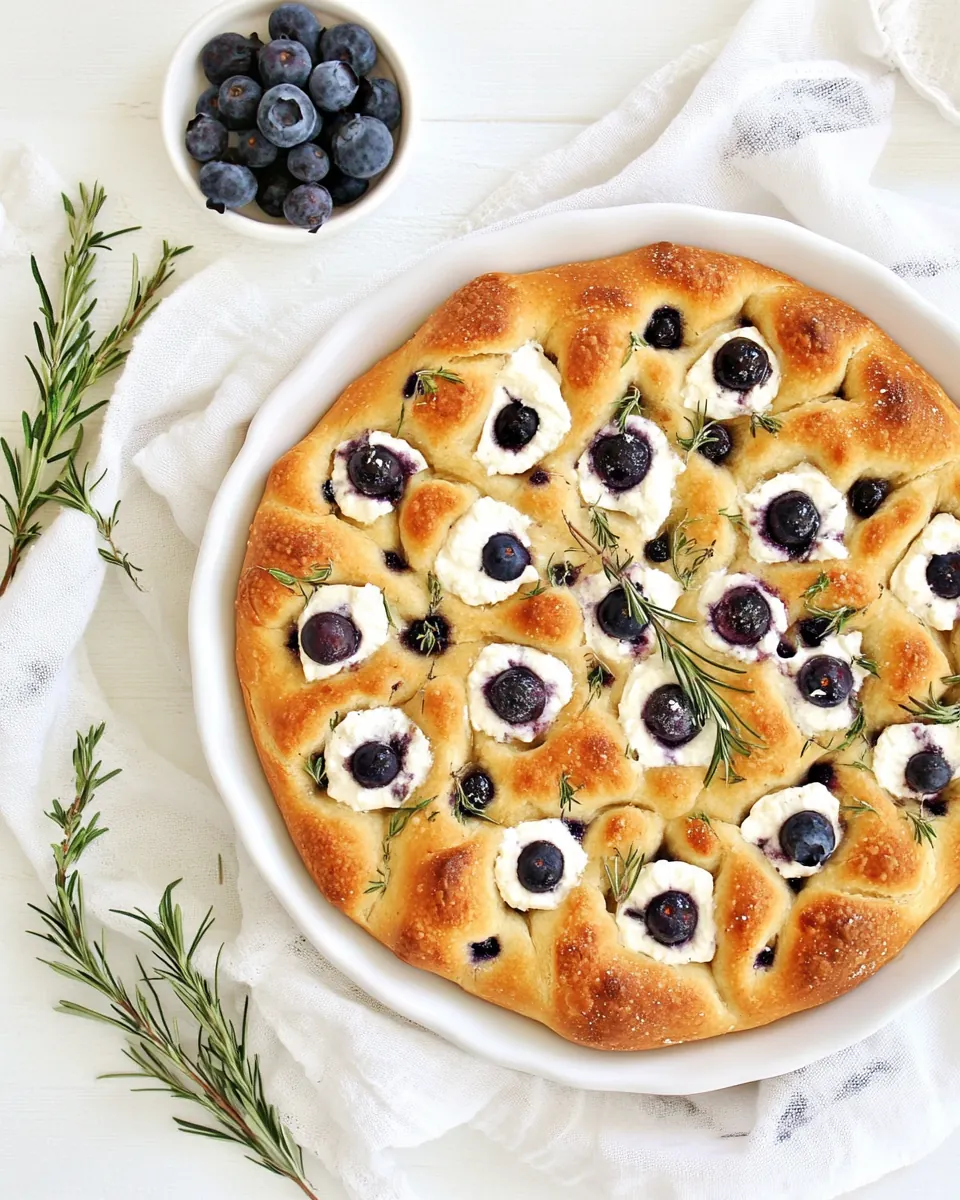
When blueberries and crumbled goat cheese dot the top, the loaf looks like it belongs on a cafe menu. I often find that the visual appeal makes people more excited to try it, and that small detail makes hosting feel special without extra effort.
What You Need for Gluten Free Blueberry Goat Cheese Focaccia
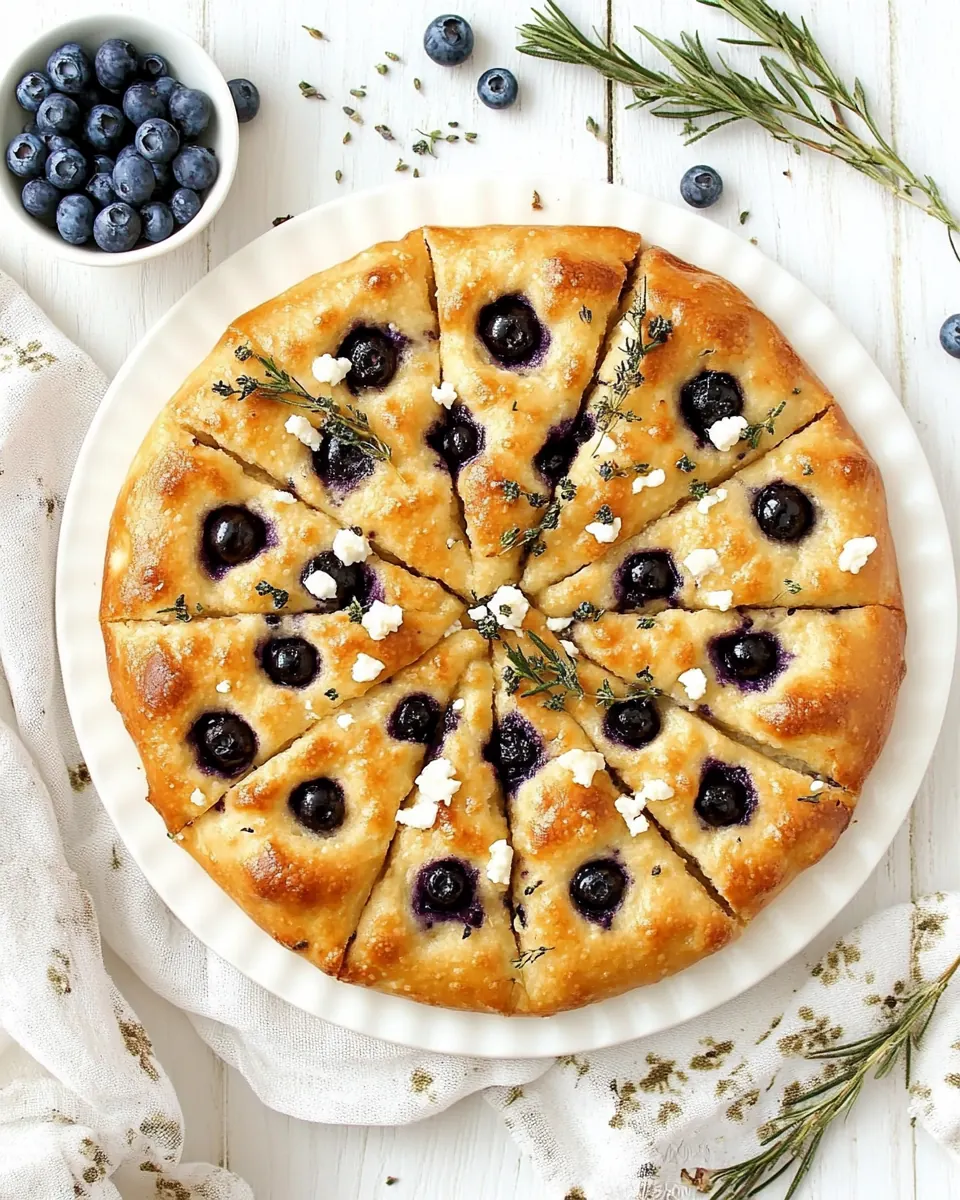
The ingredients here are about harmony. A dependable gluten free bread mix forms the base, while yeast and a touch of sugar wake the dough. Olive oil provides the characteristic focaccia richness, and the small but impactful additions of blueberries, crumbled goat cheese, and fresh thyme deliver aroma, pops of flavor, and visual contrast. Each player has a role, from structure to seasoning to finishing note.
- 1 yeast packet (included in bread mix): Activate and leaven the dough by dissolving the yeast in warm water to create gas bubbles that help the bread rise; bloom until foamy for best results. Provide lightness and structure in this gluten–free focaccia when combined with the bread mix.
- 1 teaspoon sugar: Sweeten and feed the yeast briefly to encourage fermentation and a proper rise; dissolve fully into the warm water for even distribution. Balance the savory flavors and support browning of the crust during baking.
- 1 3/4 cup warm water: Warm and hydrate the dry mix while activating the yeast; maintain a temperature that feels warm to the touch but not hot to preserve yeast activity. Determine dough consistency and overall moisture, influencing crumb texture and final rise.
- 1 (19 ounce) bag Pamela's Gluten-Free Bread Mix: Provide the gluten–free base and structure for the focaccia, supplying flours, starches, and binding agents tailored for non-gluten baking. Combine with liquids, yeast, oil, and flavorings to form the dough and produce the characteristic focaccia crumb.
- 1/4 cup olive oil: Tenderize the dough and enhance mouthfeel by coating and enriching the batter; drizzle or fold in to promote a soft, moist interior and a slightly crisp exterior. Contribute a fruity, savory note that complements blueberries and goat cheese.
- 1/3 cup fresh blueberries: Add bursts of fresh, sweet-tart flavor and moist pockets throughout the focaccia; gently fold in to avoid crushing and utilitize whole berries for visual appeal. Provide seasonal brightness that contrasts with rich cheese.
- 1/3 cup crumbled goat cheese: Introduce creamy tang and savory richness in small crumbled bits that melt slightly into the warm bread; scatter on top or fold lightly for balanced distribution. Contribute a tangy counterpoint to the sweet blueberries and herbaceous thyme.
- 2 teaspoon s fresh thyme leaves: Impart aromatic, earthy, and slightly minty notes when sprinkled over the dough before baking; gently press leaves into the surface to release oils and fragrance. Complement the fruit and cheese while enhancing overall flavor complexity.
Step by Step Instructions for Gluten Free Blueberry Goat Cheese Focaccia
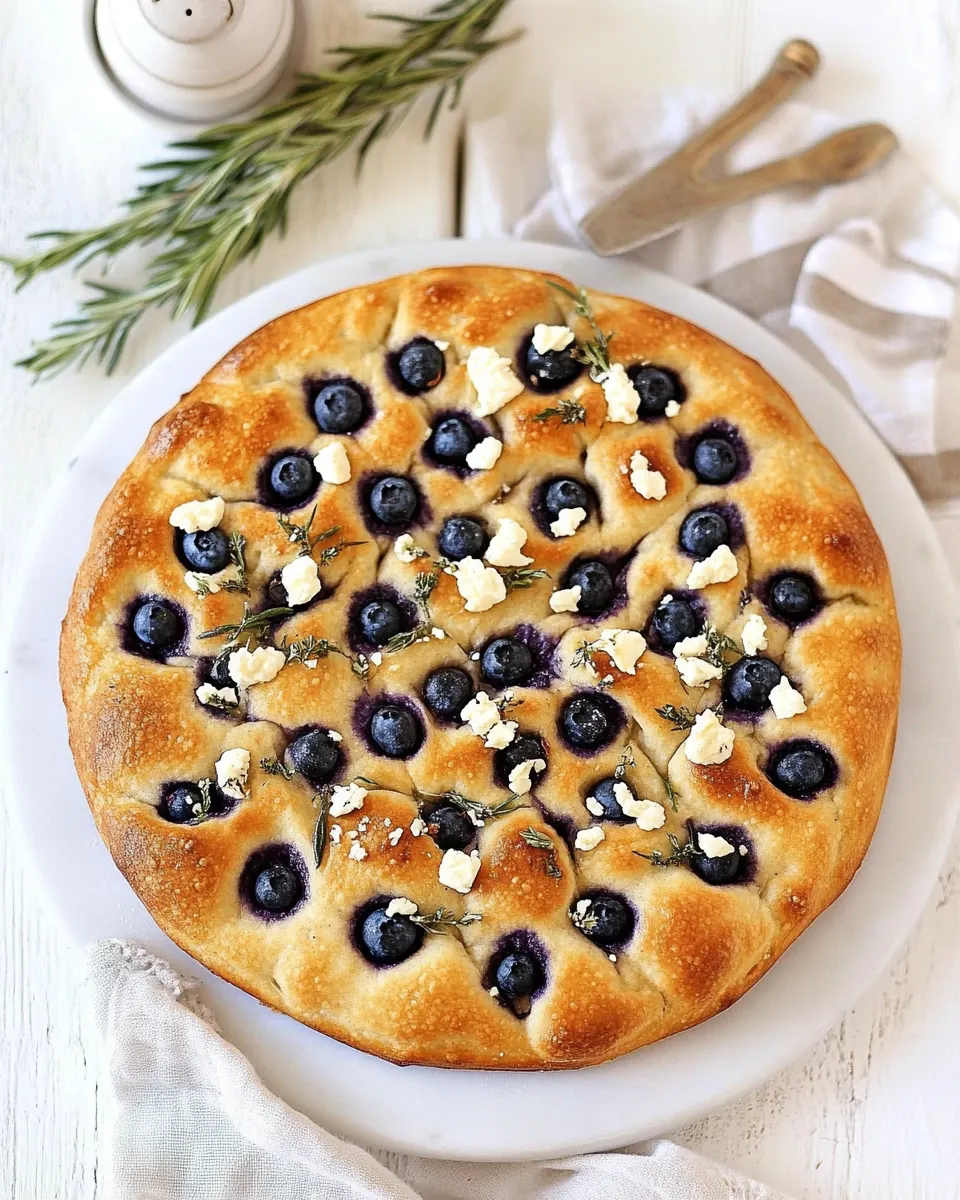
This focaccia recipe moves quickly once the yeast is active, and the steps are approachable for bakers of many levels. I find the process most enjoyable when I pay attention to sensory cues, so look for foam on the water, feel the dough for elasticity, and watch the top for golden color. Below I expand each direction into detailed guidance so you can follow along with confidence.
- Spray a 9 inch cake pan with non-stick spray, set aside.: The faint scent of oil on the pan helps the dough glide during spreading, and a slick surface prevents sticking as the focaccia bakes. Lightly coating the pan ensures the underside develops even warmth and a golden crust. A common mistake is over spraying, which can pool oil and create greasy spots, so use a light, even mist and set the pan near your workspace so it is ready when the dough arrives.
- In a large mixing bowl add yeast packet, sugar, and 1/4 cup warm water. Let sit for 5 minutes until you see foam on the top of the water.: Within minutes you will notice tiny bubbles and an aromatic, slightly yeasty scent that signals active fermentation. This foam is the most important visual cue, it shows the yeast is alive and ready to leaven the dough, and it should be frothy rather than flat. If nothing happens, the yeast may be old or water too hot, which will prevent rising. Avoid stirring aggressively during this rest, gentle stillness helps the foam form uninterrupted.
- Add olive oil, remaining 1-1/2 cups warm water, and Pamela's Gluten-Free Bread Mix. Mix for three minutes.: As you combine the ingredients the bowl will fill with a slightly wet, tacky batter that smells faintly of olive oil. Mixing for the full three minutes helps hydrate the mix and encourages a uniform texture, which leads to a better crumb after baking. Use a sturdy spoon or paddle and watch for a homogeneous appearance, no dry pockets. Over mixing can introduce excess heat, so stop once evenly combined.
- Sprinkle top of dough with olive oil to help spread it in the pan. Cover the dough and let rise in a warm area for 1 hour.: The glossy surface of oil makes the dough more cooperative when you spread it into the pan, and covering traps gentle warmth so the dough can expand. After about an hour you will see visible puffiness and a softer, springy feel when pressed lightly. If the room is cool, place the bowl near a warm oven or in a slightly warm spot to encourage activity. A common error is rushing the rise, which yields denser bread; patience pays off here.
- Once the dough has risen preheat the oven to 400 degrees.: Preheating builds consistent oven heat so the focaccia begins baking immediately and forms structure before the interior collapses. You will hear the oven click as it reaches temperature and smell a faint warming scent. Make sure the rack is centered for even browning. Opening the oven repeatedly while preheating causes temperature drops, so avoid peeking until it is ready.
- Top the dough with blueberries, goat cheese and thyme. Gently press them into the dough.: As you scatter blueberries and crumbled goat cheese , you will see color and texture contrast take shape, and the fragrant, earthy scent of thyme will lift the aroma. Gently pressing each piece anchors them so they stay visible after rising in the oven, and the berry juices will lightly stain the dough creating beautiful spots of color. Press too hard and you will flatten the air pockets, so ease them in just to the surface.
- Bake for about 40 minutes until the dough is fully cooked. If the top starts browning too much cover with foil until the bread is fully cooked.: During baking you will notice a deepening golden color and a rich, warm aroma of olive oil and bread; the surface may develop small, toasted spots where cheeses and berries caramelize. A toothpick or thin skewer inserted into the center should come out clean of wet batter though it may carry berry stains. If the top browns faster than the interior cooks, tent with foil to prevent burning while allowing the center to finish. Avoid opening the oven in the first 25 minutes to maintain steady heat.
Pro Tips and Tweaks
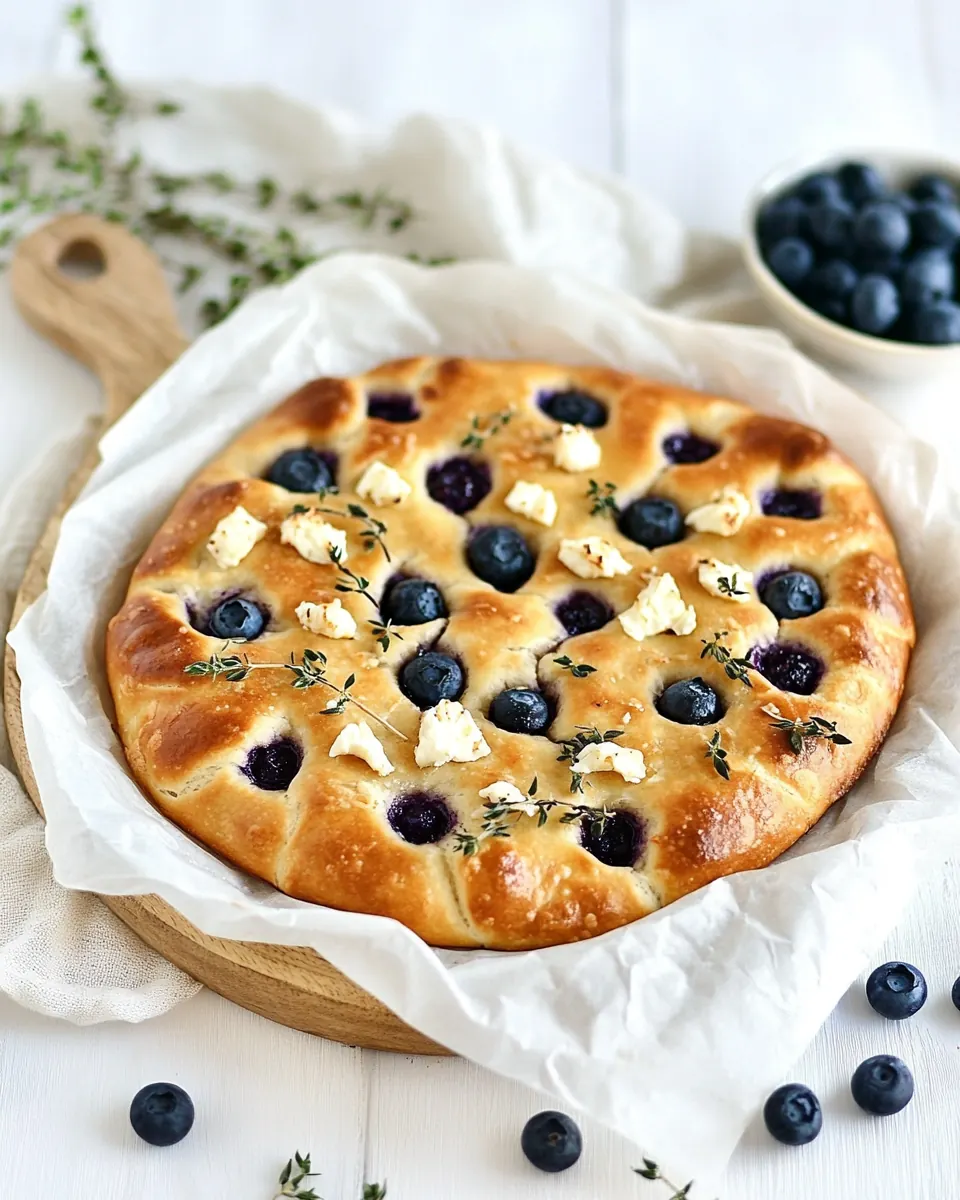
I like to keep these pro tips short and actionable so you can get reliably great results every time. Below I expand on practical adjustments and little techniques that have helped me bake this focaccia many times with consistent success.
- Check your yeast date: Always verify the packet is fresh, because active yeast is the foundation of rise and texture.
- Warm water temperature matters: Use comfortably warm water, not hot, to wake the yeast without killing it.
- Even berry distribution: Space blueberries evenly to avoid soggy zones and to ensure each slice has fruit.
- Moderate cheese use: Scatter crumbled goat cheese in small clusters so each oven pocket gets a creamy note, without overwhelming the dough.
- Cover if browning too fast: Tent with foil to let the interior finish cooking while protecting the top from burning.
- Let it rest briefly: Allow the focaccia to cool five to ten minutes before slicing so the crumb sets and the cheese firms slightly.
Pairing Suggestions for Gluten Free Blueberry Goat Cheese Focaccia
This focaccia can be served in many ways, depending on the occasion. I often offer it warm for brunch, slice it as a side for a weeknight soup, or pack it for a picnic. Below are serving ideas, storage tips, and occasion suggestions to help you integrate the loaf into meals.
- Brunch pairing: Serve warm slices alongside a simple green salad and a platter of fresh fruit for a relaxed late morning meal.
- Light dinner side: Offer the focaccia with a bowl of vegetable soup or a hearty salad to create a satisfying but not heavy dinner.
- Entertaining: Present the loaf on a board with small bowls of olive oil and flaked salt, letting guests tear pieces as they like.
- Picnic friendly: Cool completely and wrap slices in parchment for an easy addition to an outdoor meal that holds up well without refrigeration for a few hours.
- Storage: Keep leftover focaccia in an airtight container at room temperature for up to two days, or freeze individual slices wrapped tightly for longer storage and reheat gently to restore texture.
- Seasonal notes: This loaf shines when blueberries are at peak freshness in summer, but frozen berries can be used sparingly when fresh are not available.
FAQ
Conclusion
This focaccia stands out because it pairs the light, airy texture of a well made gluten free loaf with the bright burst of blueberries and creamy tang of goat cheese. I encourage you to give it a try the next time you want bread that feels both homey and a little special. It is approachable, forgiving, and rewarding to serve warm to friends or family, and I think you will enjoy how a few simple ingredients can transform a plain loaf into something memorable.
Gluten Free Blueberry Goat Cheese Focaccia
Equipment
- 9 inch cake pan
- Large Mixing Bowl
- Spoon or paddle
- Oven
Ingredients
- 1 yeast packet (included in bread mix) Activate and leaven the dough by dissolving the yeast in warm water to create gas bubbles that help the bread rise; bloom until foamy for best results. Provide lightness and structure in this gluten-free focaccia when combined with the bread mix.
- 1 teaspoon sugar Sweeten and feed the yeast briefly to encourage fermentation and a proper rise; dissolve fully into the warm water for even distribution. Balance the savory flavors and support browning of the crust during baking.
- 1 -3/4 cup warm water Warm and hydrate the dry mix while activating the yeast; maintain a temperature that feels warm to the touch but not hot to preserve yeast activity. Determine dough consistency and overall moisture, influencing crumb texture and final rise.
- 1 (19 ounce) bag Pamela's Gluten-Free Bread Mix Provide the gluten-free base and structure for the focaccia, supplying flours, starches, and binding agents tailored for non-gluten baking. Combine with liquids, yeast, oil, and flavorings to form the dough and produce the characteristic focaccia crumb.
- 1/4 cup olive oil Tenderize the dough and enhance mouthfeel by coating and enriching the batter; drizzle or fold in to promote a soft, moist interior and a slightly crisp exterior. Contribute a fruity, savory note that complements blueberries and goat cheese.
- 1/3 cup fresh blueberries Add bursts of fresh, sweet-tart flavor and moist pockets throughout the focaccia; gently fold in to avoid crushing and utilitize whole berries for visual appeal. Provide seasonal brightness that contrasts with rich cheese.
- 1/3 cup crumbled goat cheese Introduce creamy tang and savory richness in small crumbled bits that melt slightly into the warm bread; scatter on top or fold lightly for balanced distribution. Contribute a tangy counterpoint to the sweet blueberries and herbaceous thyme.
- 2 teaspoon s fresh thyme leaves Impart aromatic, earthy, and slightly minty notes when sprinkled over the dough before baking; gently press leaves into the surface to release oils and fragrance. Complement the fruit and cheese while enhancing overall flavor complexity.
Instructions
- Spray a 9 inch cake pan with non-stick spray, set aside.: The faint scent of oil on the pan helps the dough glide during spreading, and a slick surface prevents sticking as the focaccia bakes. Lightly coating the pan ensures the underside develops even warmth and a golden crust. A common mistake is over spraying, which can pool oil and create greasy spots, so use a light, even mist and set the pan near your workspace so it is ready when the dough arrives.
- In a large mixing bowl add yeast packet, sugar, and 1/4 cup warm water. Let sit for 5 minutes until you see foam on the top of the water.: Within minutes you will notice tiny bubbles and an aromatic, slightly yeasty scent that signals active fermentation. This foam is the most important visual cue, it shows the yeast is alive and ready to leaven the dough, and it should be frothy rather than flat. If nothing happens, the yeast may be old or water too hot, which will prevent rising. Avoid stirring aggressively during this rest, gentle stillness helps the foam form uninterrupted.
- Add olive oil, remaining 1-1/2 cups warm water, and Pamela's Gluten-Free Bread Mix. Mix for three minutes.: As you combine the ingredients the bowl will fill with a slightly wet, tacky batter that smells faintly of olive oil. Mixing for the full three minutes helps hydrate the mix and encourages a uniform texture, which leads to a better crumb after baking. Use a sturdy spoon or paddle and watch for a homogeneous appearance, no dry pockets. Over mixing can introduce excess heat, so stop once evenly combined.
- Sprinkle top of dough with olive oil to help spread it in the pan. Cover the dough and let rise in a warm area for 1 hour.: The glossy surface of oil makes the dough more cooperative when you spread it into the pan, and covering traps gentle warmth so the dough can expand. After about an hour you will see visible puffiness and a softer, springy feel when pressed lightly. If the room is cool, place the bowl near a warm oven or in a slightly warm spot to encourage activity. A common error is rushing the rise, which yields denser bread; patience pays off here.
- Once the dough has risen preheat the oven to 400 degrees.: Preheating builds consistent oven heat so the focaccia begins baking immediately and forms structure before the interior collapses. You will hear the oven click as it reaches temperature and smell a faint warming scent. Make sure the rack is centered for even browning. Opening the oven repeatedly while preheating causes temperature drops, so avoid peeking until it is ready.
- Top the dough with blueberries, goat cheese and thyme. Gently press them into the dough.: As you scatter blueberries and crumbled goat cheese , you will see color and texture contrast take shape, and the fragrant, earthy scent of thyme will lift the aroma. Gently pressing each piece anchors them so they stay visible after rising in the oven, and the berry juices will lightly stain the dough creating beautiful spots of color. Press too hard and you will flatten the air pockets, so ease them in just to the surface.
- Bake for about 40 minutes until the dough is fully cooked. If the top starts browning too much cover with foil until the bread is fully cooked.: During baking you will notice a deepening golden color and a rich, warm aroma of olive oil and bread; the surface may develop small, toasted spots where cheeses and berries caramelize. A toothpick or thin skewer inserted into the center should come out clean of wet batter though it may carry berry stains. If the top browns faster than the interior cooks, tent with foil to prevent burning while allowing the center to finish. Avoid opening the oven in the first 25 minutes to maintain steady heat.
Notes
- Check your yeast date: Always verify the packet is fresh, because active yeast is the foundation of rise and texture.
- Warm water temperature matters: Use comfortably warm water, not hot, to wake the yeast without killing it.
- Even berry distribution: Space blueberries evenly to avoid soggy zones and to ensure each slice has fruit.
- Moderate cheese use: Scatter crumbled goat cheese in small clusters so each oven pocket gets a creamy note, without overwhelming the dough.
- Cover if browning too fast: Tent with foil to let the interior finish cooking while protecting the top from burning.
- Let it rest briefly: Allow the focaccia to cool five to ten minutes before slicing so the crumb sets and the cheese firms slightly.