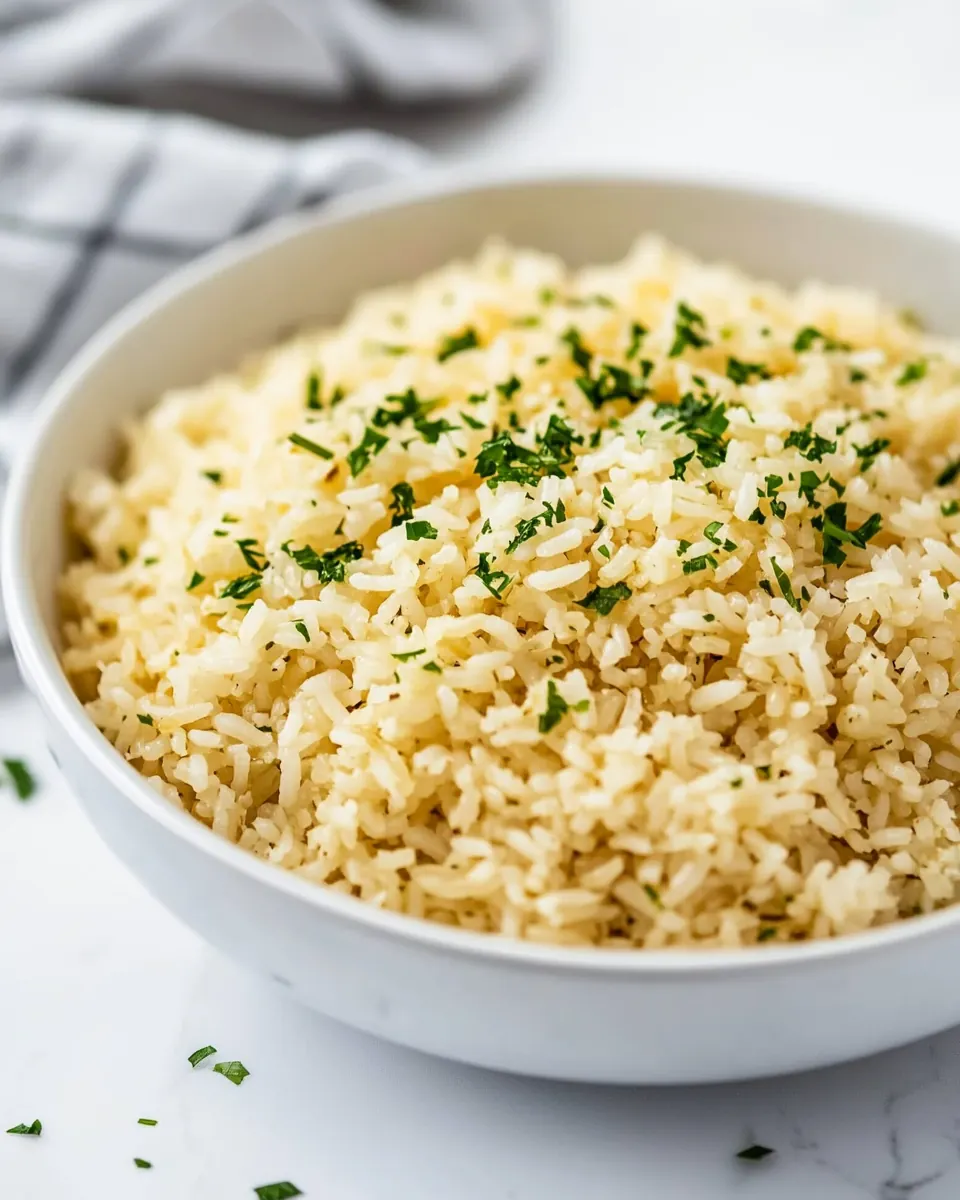
Garlic Rice
Garlic Rice is the kind of simple, comforting dish I come back to on busy weeknights and lazy weekends alike. The first time I made it for friends, they kept asking what made it taste so bright and savory, and I realized how a few humble ingredients can transform plain rice into something unexpectedly special. I remember standing at the stove, the small pan hissing gently as the olive oil warmed, and the kitchen filling with that unmistakable roasted garlic aroma, which immediately felt like home.
Over the years I learned a few little rituals that make this recipe reliably delicious. I always rinse the long grain white rice until the water runs clear, because it helps the grains stay light and separate. Toasting the rice briefly in the garlicky oil creates a faintly nutty backdrop that lifts the whole dish. Once the broth simmers, patience matters, I let it cook quietly on low so each grain absorbs flavor without turning mushy. When I stir in chopped fresh parsley at the end, it adds a pop of color and a little herbal brightness that feels like the last, crucial note of a melody.
Recipe Snapshot
25 mins
5 mins
20 mins
Easy
200 kcal
Mediterranean
Vegan, Gluten-Free
Side Dishes
Medium saucepan, Fork
What We Adore About This Garlic Rice
Pure, unfussy flavor
I love how Garlic Rice relies on a handful of honest ingredients to deliver deep savory flavor. The combination of garlic and olive oil infuses the rice at the molecular level, so every bite tastes intentional, not just salted. It proves that technique matters more than complexity.
Fast and reliable
I’ve turned to this recipe when time was tight, because it comes together quickly and consistently. From rinsing to fluffing, the method moves in clear, manageable stages. That steady rhythm is what makes it my go to for easy weeknight dinners and last minute sides when guests arrive.
Versatile partner
One of the reasons I reach for Garlic Rice is how well it pairs with other dishes. It stands up to boldly seasoned mains, and it also complements delicate preparations without stealing the show. Use it to soak up sauces, or serve it plain to highlight a centerpiece protein, the choice is yours.
Comfort in every spoonful
There is something deeply comforting about warm, garlicky rice. I find it soothing after long days, and it brings people together around the table. The texture, aroma, and the subtle herbal lift from fresh parsley turn a basic grain into something you want to share.
Beginner friendly, chef approved
This recipe is accessible for cooks with any experience, yet it rewards attention to detail. Small steps like rinsing the rice and toasting it briefly make a noticeable difference, and mastering those techniques builds confidence for more involved recipes.
Ingredients You’ll Need for Garlic Rice
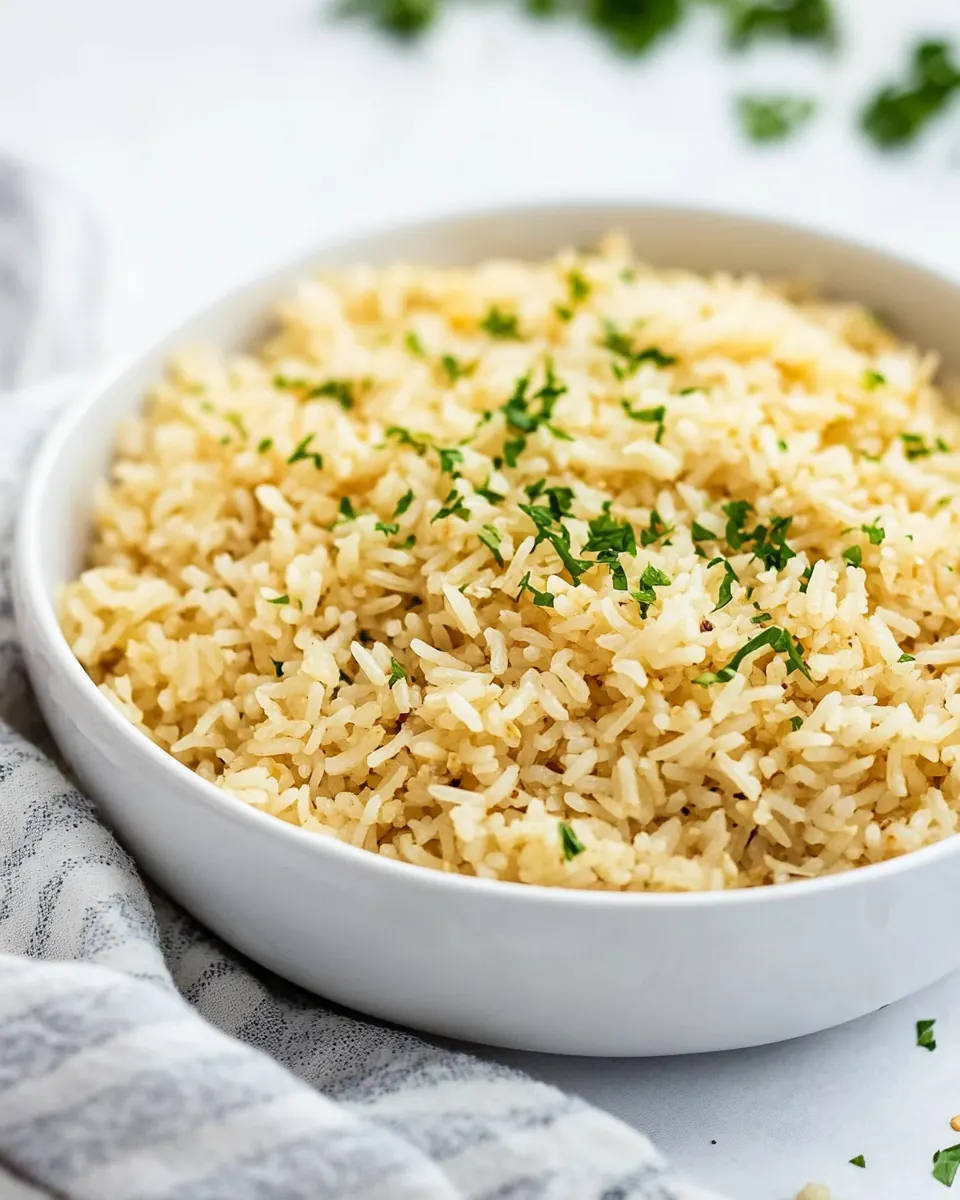
These ingredients are intentionally minimal, each playing a specific role in building the final flavor. The olive oil carries and softens the punch of the garlic, the long grain white rice provides a light, separate texture, and the vegetable broth adds depth without overpowering the dish. A touch of seasoning rounds everything out, and a sprinkle of fresh parsley at the end brightens the plate.
- 1 tablespoon olive oil: Adds healthy fat and prevents sticking while providing a subtle fruity flavor; warms gently to bloom aromatics when sautéing garlic. Helps create a glossy texture on the rice and assists in transferring heat evenly during toasting.
- 4 cloves garlic minced: Infuses the dish with pungent, aromatic flavor when minced and sautéed; releases essential oils that perfume the oil and rice. Builds the foundational savory profile and enhances overall depth through caramelization.
- 1 cup long-grain white rice rinsed: Provides structure and body to the dish as a neutral, fluffy grain when rinsed; absorbs flavored liquid to become tender and separate. Rinsing removes excess starch for less clumping and a light, non-gummy texture.
- 2 cups low-sodium vegetable broth: Serves as the cooking liquid that hydrates the rice and imparts savory depth; low-sodium vegetable broth contributes umami without excess salt. Controls final texture and allows the rice to simmer gently until fully cooked and flavorful.
- 1/4 teaspoons salt: Balances and enhances flavors by seasoning the cooking liquid sparingly; helps bring out natural savory notes without overwhelming the dish. Small amount keeps sodium moderate while highlighting garlic and broth nuances.
- 1/4 teaspoon black pepper: Adds a mild heat and subtle bitterness to round out flavors; seasons the rice to create a balanced savory finish. Ground black pepper contributes aroma and a gentle bite that complements garlic and herbs.
- 2 tablespoons fresh parsley chopped () (optional): Provides a bright, herbal finish when chopped and sprinkled over the rice; optional parsley adds color and fresh, slightly peppery notes. Acts as a garnish to lift richness and add visual appeal.
Preparation Steps for Garlic Rice
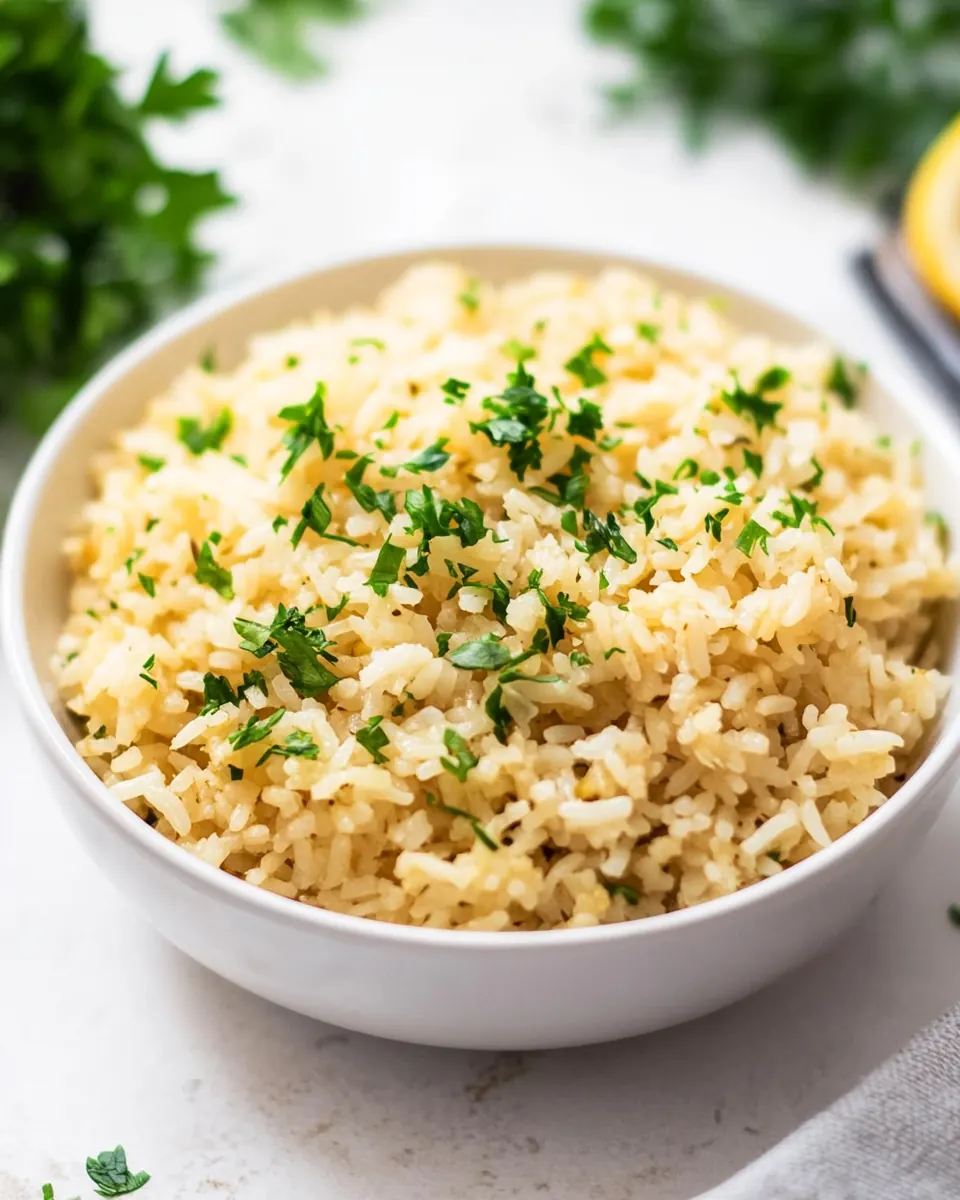
These steps walk you through the process with sensory cues and troubleshooting advice so you can recreate the ideal texture and aroma. Take your time with the early stages, because small choices here shape the finished dish. Keep an eye on heat and rely on sound and smell as your guides.
- Heat the olive oil in a medium saucepan over medium heat. Add the minced garlic and sauté until fragrant, about 1 minute, being careful not to burn it.: As the olive oil warms, you should see it shimmer and hear a faint, gentle ripple in the pan, signaling even heat distribution. The aroma will be neutral at first, and then the surface will look slightly more fluid. This step matters because properly heated oil extracts the aromatic compounds from the garlic quickly, allowing flavor to infuse without prolonged cooking. If your pan runs hot and the oil smokes, reduce the heat right away to prevent a bitter taste. A common mistake is jumping ahead before the oil is warm, which can lead to uneven sautéing and a flat garlic flavor.
- Stir in the rinsed rice and cook for another 2 minutes, toasting it slightly while stirring continuously.: You'll smell the garlic almost immediately, a warm, nutty scent that announces when to move on. The pieces should sizzle softly and turn a pale gold, not brown, because browning creates bitterness. Stir constantly to keep the heat gentle and the pieces separated. This brief sauté unlocks the essential oils in the garlic , which are crucial for the rice's aroma. If you notice any dark flecks, remove the pan from heat briefly and allow the residual warmth to finish the step, as burnt garlic will ruin the dish.
- Pour in the vegetable broth and season with salt and pepper. Bring to a boil, then reduce heat to low, cover, and simmer for 18 minutes, or until the rice is tender and the liquid is absorbed.: Toasting the long grain white rice gives the grains a faintly nutty backbone and helps them stay separate after cooking. You should hear a soft, dry popping and see the grains take on a translucent edge. Keep stirring so each grain meets the oil and the warm garlic flavor. This technique also helps the rice absorb the broth evenly later. Avoid leaving the rice unattended, because uneven toasting can cause some grains to brown too much and alter the taste.
- Remove from heat and let the rice sit, covered, for 5 minutes. Then, fluff with a fork and, if desired, stir in the fresh parsley before serving.: When you add the hot vegetable broth , expect a brief hiss as it meets the warm rice, and the aroma will swell into a savory steam. Stir once to distribute the seasoning, then bring the mixture to a gentle boil so the grains start absorbing liquid. Using hot broth helps maintain a steady simmer, which is key to even cooking. If the broth is cold, it can shock the rice and extend cooking time. A common error is over seasoning at this point; remember the broth may already contain sodium, so taste and adjust cautiously.
- Bring to a boil, then reduce heat to low, cover, and simmer for 18 minutes, or until the rice is tender and the liquid is absorbed: The surface should show small, steady bubbles as it moves from boil to simmer, and steam will escape around the lid. Cooking on low prevents the bottom from scorching while the center cooks through. After about 15 minutes you can peek at the edge to check if liquid remains, but avoid lifting the lid frequently, which releases steam and interrupts even cooking. If you end up with too much liquid when time's up, remove the lid and cook a few minutes uncovered to evaporate excess. Conversely, if the rice is undercooked, add a splash more hot broth and continue to simmer gently.
- Remove from heat and let the rice sit, covered, for 5 minutes: As the pan rests, the remaining steam finishes the cooking process, resulting in tender, fully hydrated grains. You may notice a soft, settling sound as the heat evens out. This resting period helps the texture set and prevents the rice from becoming gluey when fluffed. Resist the urge to fluff immediately, because doing so too soon can release steam and dry the top layer. A typical mistake is skipping this rest, which often leads to a less cohesive texture and uneven moisture.
- Then, fluff with a fork and, if desired, stir in the fresh parsley before serving: When you remove the lid, the rice should look glossy and separate; use a fork to gently lift and separate the grains, creating light, airy texture. The fresh parsley added at the end brings a crisp green note and a burst of visual contrast. If the rice seems clumpy, fluffing helps break clusters apart without mashing the grains. Avoid vigorous stirring, which can crush the grains and produce a pasty texture.
Ways to Adapt This Recipe
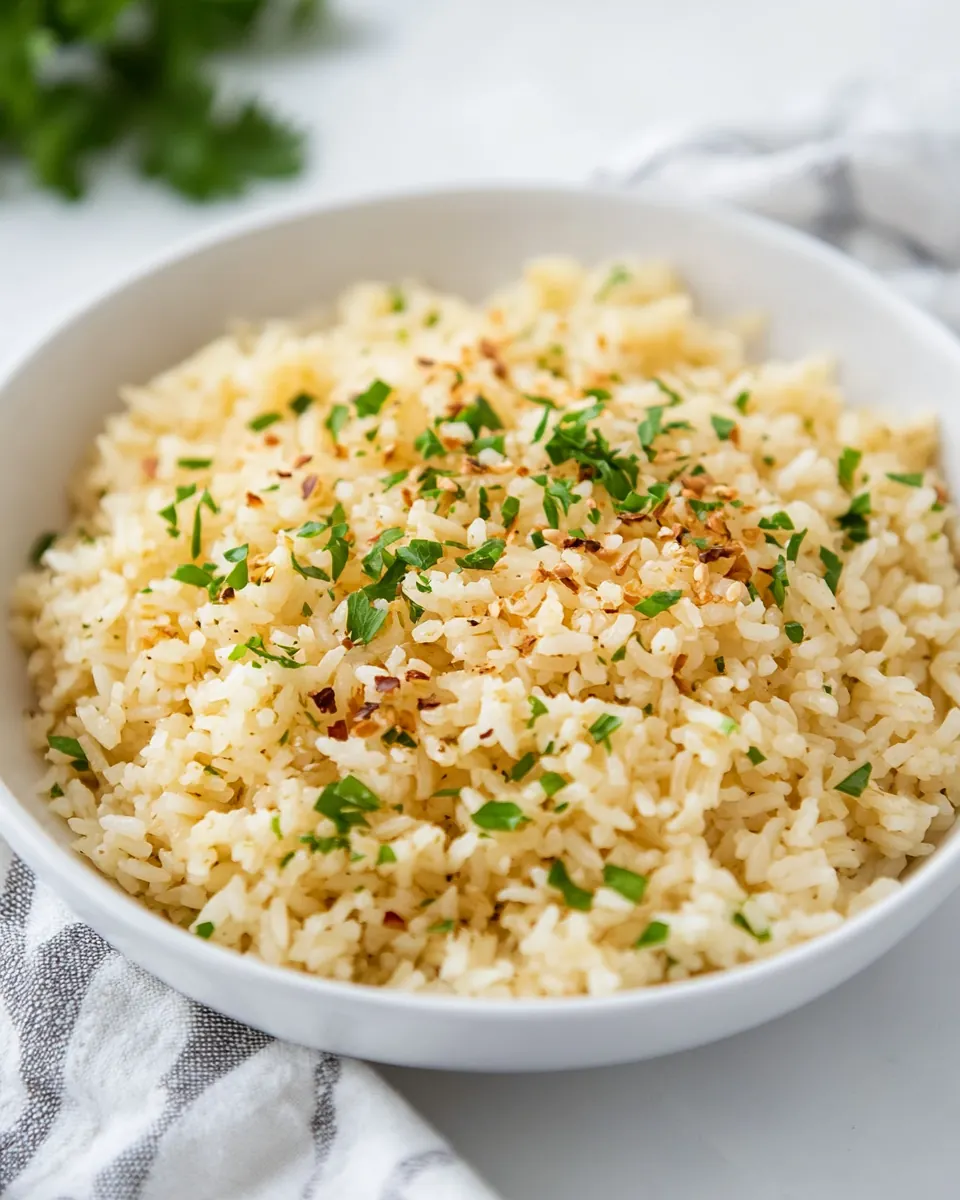
This section offers adaptable ideas to make Garlic Rice suit different meals and preferences. Each tip begins with a bold phrase, followed by a focused suggestion to modify flavor, texture, or presentation while keeping the core technique intact.
- Boost the aromatics Add a pinch of additional minced garlic or stir in a small amount of finely chopped fresh herbs at the end to intensify aroma without changing the basic cooking method.
- Adjust the liquid Swap part of the vegetable broth for a light stock or strained cooking liquid from another dish to layer flavors, while keeping total liquid the same for consistent texture.
- Make it herby Increase the amount of chopped fresh parsley for a greener finish, or fold the herbs in right before serving so they remain bright and slightly crunchy.
- Control salt Use a low sodium vegetable broth and add the measured salt at the end if needed, so you avoid over salting and can tailor the seasoning to accompanying dishes.
- Keep it light Reduce the olive oil slightly if you prefer a lighter mouthfeel, but maintain enough to coat the rice during toasting so it still gets that toasty aroma.
Side Dish Ideas for Garlic Rice
Garlic Rice is a versatile side that fits many occasions, from simple family dinners to festive gatherings. Below are serving suggestions, pairing ideas, and storage tips to help you plan meals around this staple. Each list item highlights a serving concept and explains why it pairs well.
- Everyday dinners Serve the rice alongside simply seasoned proteins and vegetables for a balanced meal that comes together quickly. The savory base of the rice absorbs sauces, making it ideal for saucy mains.
- Weeknight proteins Pair with roasted or pan seared fish or a vegetable stew, because the rice offers a neutral yet flavorful backdrop that complements stronger flavors without competing.
- Special occasions Use the rice at gatherings as a filler for family style meals, since it scales easily and pleases diverse palates while providing a comforting, familiar element.
- Ramadan and communal meals The dish works well for iftar or large shared meals, because it is easy to make in quantity and pairs harmoniously with richly spiced mains and legume dishes.
- Seasonal sides In spring and summer, accent plates with fresh herbs and lemon for brightness; in cooler months, serve with heartier stews where the rice soaks up warming broths.
- Storage and reheating Cool rice quickly and store it in the refrigerator for up to four days. Reheat gently with a splash of hot broth or water to refresh the grains and restore moisture.
FAQ
Conclusion
Garlic Rice stands out because a few simple ingredients combine to create a flavorful, comforting side that is fast and reliable. If you enjoy food that tastes bigger than the effort it requires, this recipe is a perfect addition to your routine. Give it a try on a busy weeknight or when you need a dependable dish to round out dinner, and notice how a small technique, like toasting the rice, can make an everyday grain feel special.
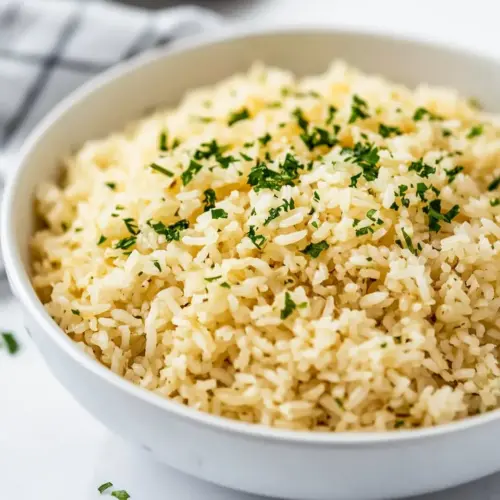
Garlic Rice
Equipment
- Medium Saucepan
- Fork
Ingredients
- 1 tablespoon olive oil Adds healthy fat and prevents sticking while providing a subtle fruity flavor; warms gently to bloom aromatics when sautéing garlic. Helps create a glossy texture on the rice and assists in transferring heat evenly during toasting.
- 4 cloves garlic minced Infuses the dish with pungent, aromatic flavor when minced and sautéed; releases essential oils that perfume the oil and rice. Builds the foundational savory profile and enhances overall depth through caramelization.
- 1 cup long-grain white rice rinsed Provides structure and body to the dish as a neutral, fluffy grain when rinsed; absorbs flavored liquid to become tender and separate. Rinsing removes excess starch for less clumping and a light, non-gummy texture.
- 2 cups low-sodium vegetable broth Serves as the cooking liquid that hydrates the rice and imparts savory depth; low-sodium vegetable broth contributes umami without excess salt. Controls final texture and allows the rice to simmer gently until fully cooked and flavorful.
- 1/4 teaspoons salt Balances and enhances flavors by seasoning the cooking liquid sparingly; helps bring out natural savory notes without overwhelming the dish. Small amount keeps sodium moderate while highlighting garlic and broth nuances.
- 1/4 teaspoon black pepper Adds a mild heat and subtle bitterness to round out flavors; seasons the rice to create a balanced savory finish. Ground black pepper contributes aroma and a gentle bite that complements garlic and herbs.
- 2 tablespoons fresh parsley chopped (optional) Provides a bright, herbal finish when chopped and sprinkled over the rice; optional parsley adds color and fresh, slightly peppery notes. Acts as a garnish to lift richness and add visual appeal.
Instructions
- Heat the olive oil in a medium saucepan over medium heat. Add the minced garlic and sauté until fragrant, about 1 minute, being careful not to burn it.: As the olive oil warms, you should see it shimmer and hear a faint, gentle ripple in the pan, signaling even heat distribution. The aroma will be neutral at first, and then the surface will look slightly more fluid. This step matters because properly heated oil extracts the aromatic compounds from the garlic quickly, allowing flavor to infuse without prolonged cooking. If your pan runs hot and the oil smokes, reduce the heat right away to prevent a bitter taste. A common mistake is jumping ahead before the oil is warm, which can lead to uneven sautéing and a flat garlic flavor.
- Stir in the rinsed rice and cook for another 2 minutes, toasting it slightly while stirring continuously.: You'll smell the garlic almost immediately, a warm, nutty scent that announces when to move on. The pieces should sizzle softly and turn a pale gold, not brown, because browning creates bitterness. Stir constantly to keep the heat gentle and the pieces separated. This brief sauté unlocks the essential oils in the garlic , which are crucial for the rice's aroma. If you notice any dark flecks, remove the pan from heat briefly and allow the residual warmth to finish the step, as burnt garlic will ruin the dish.
- Pour in the vegetable broth and season with salt and pepper. Bring to a boil, then reduce heat to low, cover, and simmer for 18 minutes, or until the rice is tender and the liquid is absorbed.: Toasting the long grain white rice gives the grains a faintly nutty backbone and helps them stay separate after cooking. You should hear a soft, dry popping and see the grains take on a translucent edge. Keep stirring so each grain meets the oil and the warm garlic flavor. This technique also helps the rice absorb the broth evenly later. Avoid leaving the rice unattended, because uneven toasting can cause some grains to brown too much and alter the taste.
- Remove from heat and let the rice sit, covered, for 5 minutes. Then, fluff with a fork and, if desired, stir in the fresh parsley before serving.: When you add the hot vegetable broth , expect a brief hiss as it meets the warm rice, and the aroma will swell into a savory steam. Stir once to distribute the seasoning, then bring the mixture to a gentle boil so the grains start absorbing liquid. Using hot broth helps maintain a steady simmer, which is key to even cooking. If the broth is cold, it can shock the rice and extend cooking time. A common error is over seasoning at this point; remember the broth may already contain sodium, so taste and adjust cautiously.
- Bring to a boil, then reduce heat to low, cover, and simmer for 18 minutes, or until the rice is tender and the liquid is absorbed: The surface should show small, steady bubbles as it moves from boil to simmer, and steam will escape around the lid. Cooking on low prevents the bottom from scorching while the center cooks through. After about 15 minutes you can peek at the edge to check if liquid remains, but avoid lifting the lid frequently, which releases steam and interrupts even cooking. If you end up with too much liquid when time's up, remove the lid and cook a few minutes uncovered to evaporate excess. Conversely, if the rice is undercooked, add a splash more hot broth and continue to simmer gently.
- Remove from heat and let the rice sit, covered, for 5 minutes: As the pan rests, the remaining steam finishes the cooking process, resulting in tender, fully hydrated grains. You may notice a soft, settling sound as the heat evens out. This resting period helps the texture set and prevents the rice from becoming gluey when fluffed. Resist the urge to fluff immediately, because doing so too soon can release steam and dry the top layer. A typical mistake is skipping this rest, which often leads to a less cohesive texture and uneven moisture.
- Then, fluff with a fork and, if desired, stir in the fresh parsley before serving: When you remove the lid, the rice should look glossy and separate; use a fork to gently lift and separate the grains, creating light, airy texture. The fresh parsley added at the end brings a crisp green note and a burst of visual contrast. If the rice seems clumpy, fluffing helps break clusters apart without mashing the grains. Avoid vigorous stirring, which can crush the grains and produce a pasty texture.
Notes
- Boost the aromatics Add a pinch of additional minced garlic or stir in a small amount of finely chopped fresh herbs at the end to intensify aroma without changing the basic cooking method.
- Adjust the liquid Swap part of the vegetable broth for a light stock or strained cooking liquid from another dish to layer flavors, while keeping total liquid the same for consistent texture.
- Make it herby Increase the amount of chopped fresh parsley for a greener finish, or fold the herbs in right before serving so they remain bright and slightly crunchy.
- Control salt Use a low sodium vegetable broth and add the measured salt at the end if needed, so you avoid over salting and can tailor the seasoning to accompanying dishes.
- Keep it light Reduce the olive oil slightly if you prefer a lighter mouthfeel, but maintain enough to coat the rice during toasting so it still gets that toasty aroma.
