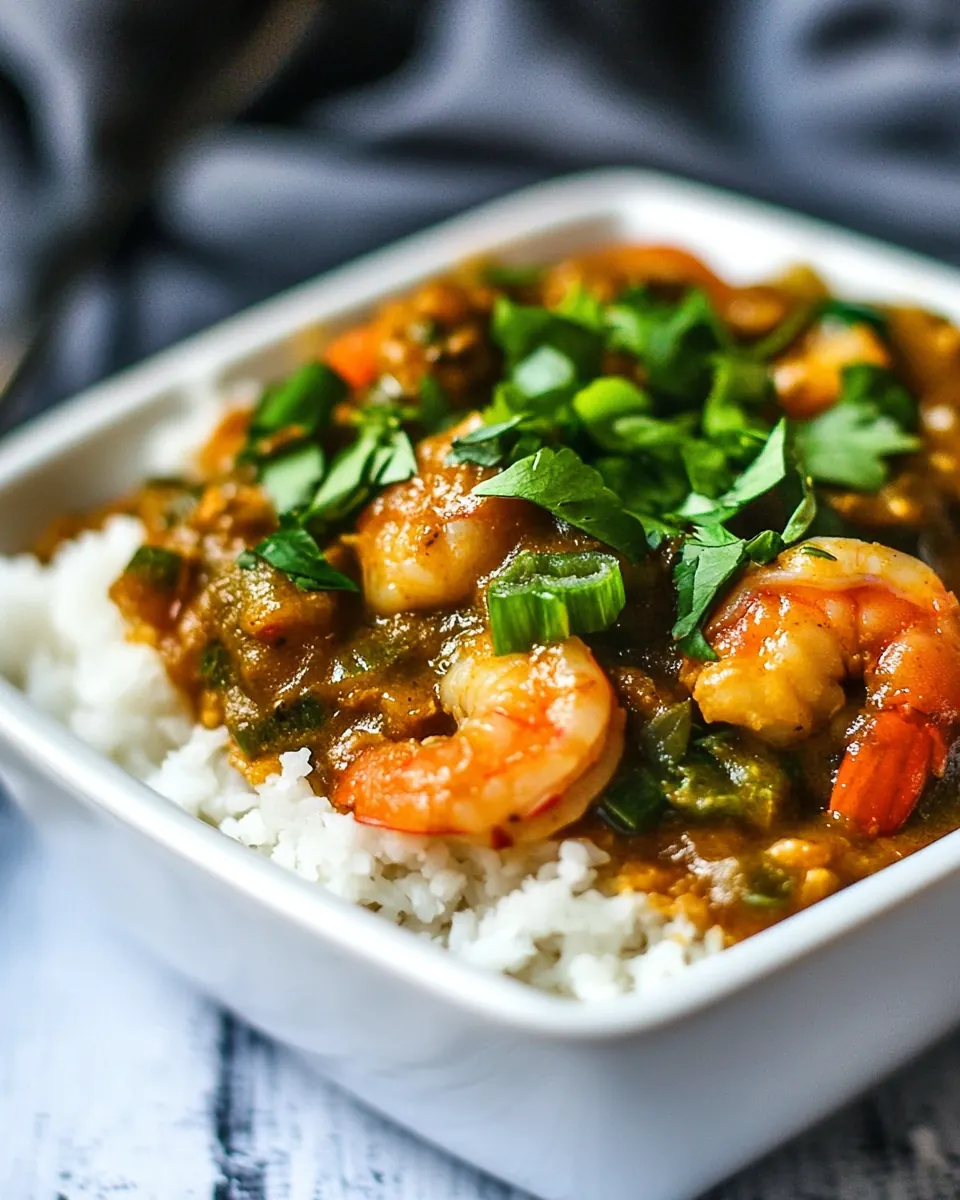
Authentic Crawfish or Shrimp Étouffée
Authentic Crawfish or Shrimp Étouffée is the kind of dish that pulls people into the kitchen and keeps them talking long after the plates are cleared. I first fell for this version on a humid summer evening when a neighbor brought over a steaming pot and the aroma of browned butter and spices drifted down the hall. My curiosity turned into obsession as I watched the glossy, chocolate colored roux ladder into a fragrant bath of peppers and onions, and the tender crawfish tails sinking into it felt like a small, savory victory.
There is a comfort to this recipe that feels both festive and homey, and it taught me a lesson about patience. When I learned to make the roux slowly, whisking and waiting for that deep color to develop, the payoff was immediate, every bite richer and more balanced. Friends kept asking for seconds, and the pot became a shorthand for slow afternoons, easy conversations, and the kind of food that invites you to linger.
Over time I adapted small things, but I always come back to the essentials: a medium dark roux, lots of aromatic onion, celery, and bell pepper, and bright finishes like fresh green onions and lemon. You can make it with crawfish or swap in shrimp when you need a quicker fix. Either way, the dish keeps its soulful personality, and I love how it pairs with fluffy steamed white rice, making each spoonful sing.
Recipe Snapshot
1 hr 5 mins
20 mins
45 mins
Medium
450 kcal
American
Gluten-Free, Low FODMAP
Dinner
Cast iron skillet, Large pot, Dutch oven
What You’ll Enjoy About This Authentic Crawfish or Shrimp Étouffée
Deep, layered flavor from a simple technique
I became a fan the first time I used a medium dark roux, because it creates a deep, nutty backbone that other methods just cannot mimic. When you take the time to coax the roux to the color of milk chocolate, you get roasted flour notes that make the finished Authentic Crawfish or Shrimp Étouffée feel complex, even though the ingredient list is straightforward.
Versatility to suit any pantry
I love that this recipe accepts small swaps without losing its identity. You can use crawfish or shrimp, and the base flavors hold up beautifully. That flexibility means you can make it for a casual weeknight or a larger gathering, and it still delivers an impressive dish.
Comfort food with a celebratory edge
To me this dish reads as picnic friendly and special occasion ready at the same time. The warm, savory sauce cuddles the seafood and the rice, making each serving feel indulgent and approachable. It’s one of the few recipes that both calms and excites the crowd.
Balance of heat and brightness
I appreciate how the heat from jalapeno and cayenne pepper is tempered by citrus and fresh herbs. That balance ensures the spice enhances the flavors instead of dominating them. If guests prefer milder food, it’s easy to make small adjustments and still preserve the character of the dish.
Make ahead and improve overnight
I always tell friends that this étouffée is even better the next day. The flavors meld in the fridge, and reheating gently brings everything back to life. That make ahead quality makes it ideal for batch cooking and entertaining, and it becomes a real ally when you want a low stress dinner that tastes like you spent hours on it.
Essential Ingredients for Authentic Crawfish or Shrimp Étouffée
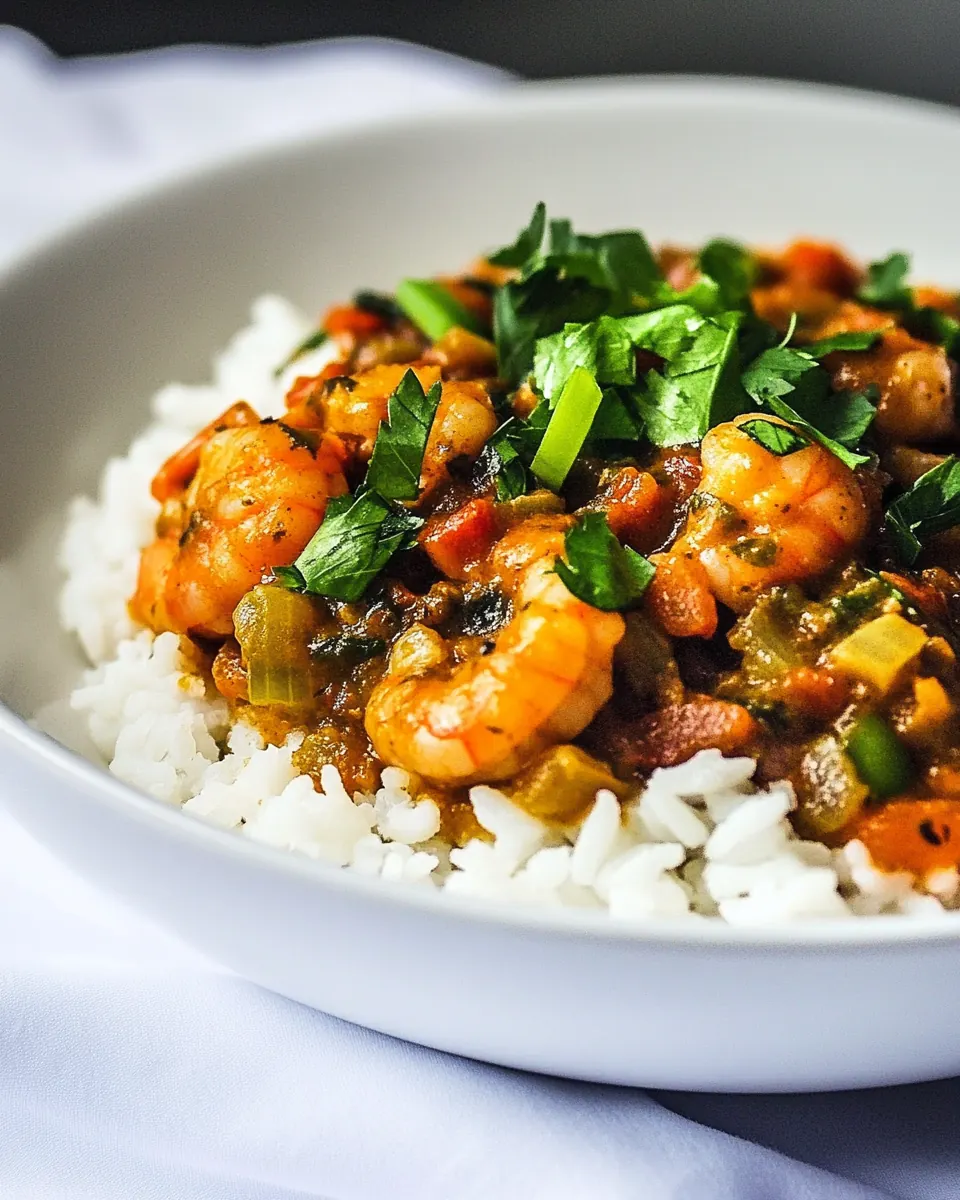
The philosophy behind these ingredients is all about layers. A well made roux becomes the foundation, while the holy trinity of onion, celery, and green bell pepper builds aromatic depth. Peppers and spices bring heat and smoky notes, and the seafood stock and crawfish or shrimp give the dish its briny, coastal signature.
Below are the exact ingredients from the recipe, listed in order, each followed by a practical description to help you understand its role and how to treat it for the best results.
- 1/2 cup vegetable oil or unsalted butter: Provide a hot fat base for cooking and browning; use vegetable oil for a neutral flavor or unsalted butter for a richer, traditional taste, monitoring heat to avoid burning during roux-making.
- 1/2 cup all-purpose flour: Create a roux when cooked with fat until golden to deep brown; whisk constantly to thicken the sauce and develop nutty, complex flavors for the étouffée.
- 1 cup onion chopped: Add aromatic sweetness and body when chopped; sweat or brown to release sugars and form the foundational flavor of the holy trinity in Creole cooking.
- 1 cup celery chopped: Contribute crisp, savory texture and subtle bitterness when chopped; cook with onions and bell pepper to build layered savory depth in the dish.
- 1 cup green bell pepper chopped: Deliver bright, vegetal flavor and moisture when chopped; combine with onions and celery to form the signature trinity that supports the sauce.
- 3 cloves garlic minced: Impart pungent, aromatic heat when minced; add near the beginning or later depending on desired garlic intensity, enhancing savoriness and complexity.
- 1 poblano pepper seeded and chopped: Introduce mild smoky heat when seeded and chopped; provide a deeper pepper flavor without overwhelming heat and complement other peppers in the sauce.
- 1 jalapeno seeded and chopped: Bring sharp, fresh heat when seeded and chopped; balance spiciness with other aromatics and control inclusion for desired kick in the étouffée.
- 2 tablespoons flat-leaf parsley chopped: Give fresh herbaceousness when chopped; sprinkle into the pot for green, slightly bitter notes that brighten the rich sauce.
- 3 cups seafood stock heated in a large pot: Provide seafood umami and saline depth when heated in a pot; use as the main liquid to simmer the roux and meld flavors into a cohesive sauce.
- 1 teaspoon white pepper: Add warm, slightly floral heat when measured; stir in to lift background flavors without overtaking the other seasonings for gentle heat balance.
- 1/2 teaspoon black pepper: Supply earthy sharpness and subtle heat when measured; use alongside white pepper to create layered peppery notes throughout the dish.
- 1 teaspoon cayenne pepper: Contribute bright, sharp spiciness when measured; incorporate carefully to set the étouffée’s overall heat profile and enhance other spices.
- 2 teaspoons smoked paprika: Impart smoky, sweet depth when measured; stir in to add color and a roasted pepper-like undertone that complements seafood and roux flavors.
- 1 1/2 teaspoons thyme leaves dried: Provide savory, slightly minty herbal notes when dried; sprinkle in to add classic Creole aromatic depth and a lingering savory finish.
- 1 tablespoon Kosher salt: Offer essential seasoning and flavor enhancement when measured; distribute evenly to bring out the natural flavors of seafood and vegetables.
- 3 bay leaves: Add an aromatic, slightly bitter bay-like note when simmered whole; tuck leaves into the sauce to slowly release savory, woodsy elements.
- 1/2 cup unsalted butter 1 stick: Melt into the finished dish for richness and silkiness; add at the end or during simmering to fortify mouthfeel and deepen buttery flavor.
- 2 lbs crawfish meat tails, or shrimp, skins and tails removed and deveined: Supply the primary protein and flavor base when using crawfish tails or shrimp; choose fresh or properly thawed meat and add at appropriate cooking stages to avoid overcooking.
- 1 cup green onions scallions, chopped, plus more for garnish: Introduce a mild oniony freshness and crisp green flavor when chopped; stir in near the end for vibrant, textural contrast and garnish use.
- Juice 1/2 lemon: Provide bright acidity when juiced; squeeze half a lemon to lift and balance the richness of the sauce and enhance seafood flavors.
- 4 cups steamed white rice cooked: Serve as the traditional starch and vehicle for sauce; cook white rice to fluffy perfection and portion beneath the étouffée to absorb the savory sauce.
- Cayenne hot sauce for garnish (optional): Offer optional concentrated heat and vinegar tang when used as a garnish; drizzle sparingly to customize spiciness and add a sharp finishing kick.
The Process for Making Authentic Crawfish or Shrimp Étouffée
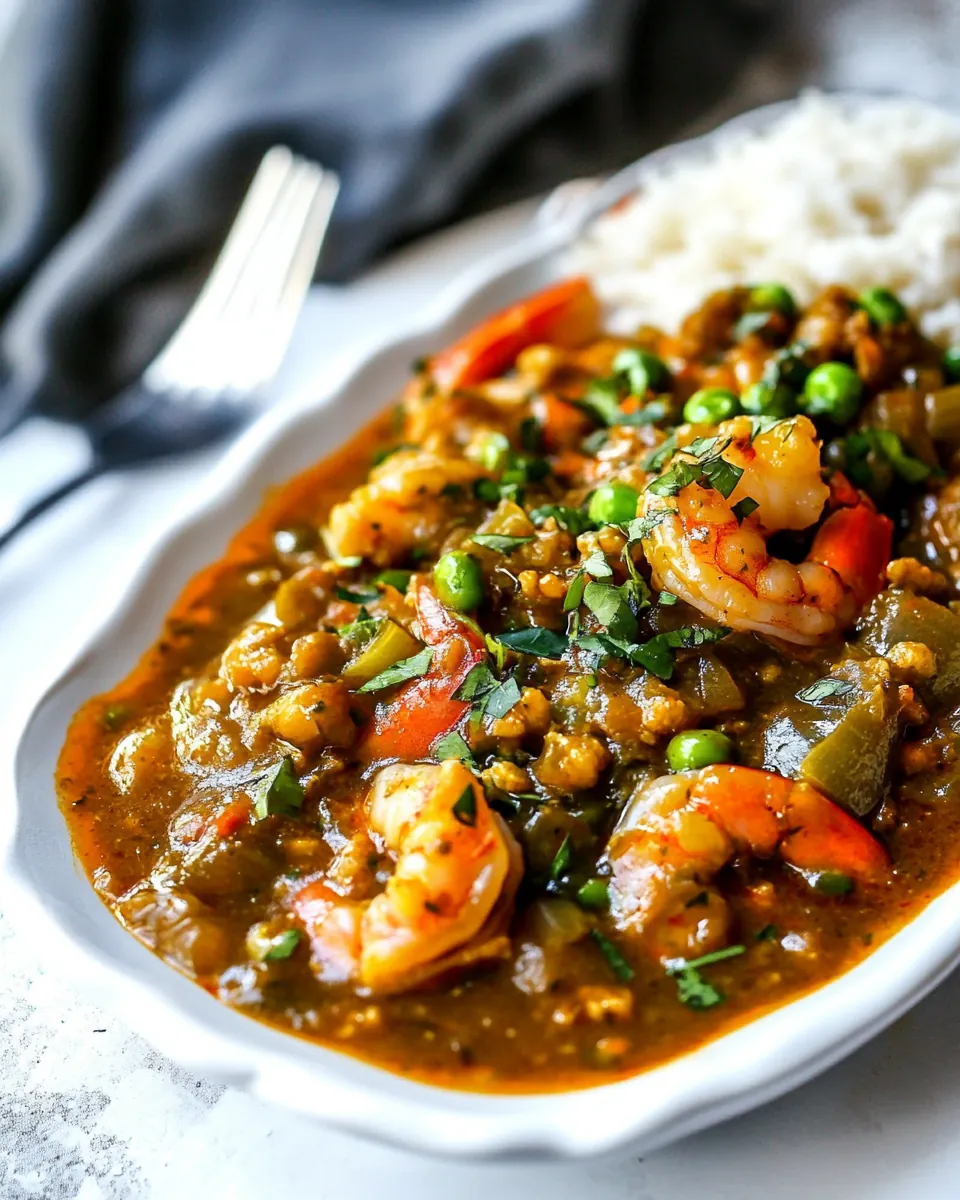
I like to approach the cooking in clear, purposeful stages so every element gets attention. Below, the original directions are preserved as the core steps, and I expand on them with sensory cues, practical reasons for each technique, and one common troubleshooting tip so you can feel confident as you cook.
- Heat the oil and flour in a heavy-duty skillet (i. e., cast-iron) over medium-low heat. Whisk continuously until a dark roux has formed, about 15 to 25 minutes. Remove from heat.: As the mixture warms, you will first notice a nutty aroma, then the color will progress from sandy to chestnut to a milk chocolate tone, which signals readiness. The sound is subtle, mostly the soft hiss as moisture leaves the flour, and the surface will take on a glossy sheen when it is smooth and homogeneous. The reason we work medium low is to give the starch molecules time to toast without burning, which would create sharp, acrid flavors. If you rush this step with high heat, the roux can develop black flecks and a bitter taste, so keep the whisk moving and patience on your side. If you see dark streaks, discard and start over, because burnt flour will ruin the sauce.
- Carefully, to the roux, add the onions, celery, bell pepper, garlic, poblano, jalapeno, and parsley. Stir until well coated and slightly softened about 2 minutes.: When these aromatics hit the warm roux, the pan will bloom with an intensified fragrance, and the vegetables should pick up a light sheen from the fat. This quick coating step tames raw edges and begins the integration of flavors; the surface will look glossy and the onion will begin to go translucent. Working quickly but gently helps retain texture while allowing the aromatics to release juices that thin the roux slightly. The common mistake here is overcrowding the pan or holding too high heat, which can cause uneven cooking and scorching, so stir constantly and keep the temperature moderate.
- Add the roux/veggie mixture to the heated seafood stock in a large pot, preferably a Dutch oven. Stir in the peppers, paprika, thyme, salt, and bay leaves. Bring to a simmer and stir frequently. The etouffee will begin to thicken as you stir.: As the hot stock meets the roux, you will watch the mixture homogenize into a glossy, velvety sauce. The aroma will deepen into a savory, almost meaty scent thanks to the stock and toasted flour. Bringing it to a gentle simmer helps the starches fully swell and thicken the liquid; vigorous boiling can break the emulsion and dull flavors. Stirring frequently prevents scorching on the pot bottom and ensures even thickening. If lumps form, reduce the heat and whisk briskly until they disappear; if bubbling becomes violent, lower the flame to avoid a broken sauce.
- Meanwhile, melt the butter in a large skillet. Add the crawfish (or shrimp) and green onions and cook for 5 minutes, stirring occasionally.: When the butter melts, it will foam a little as moisture leaves, and then settle into a shiny pool. Adding the seafood at this point allows it to sear gently and pick up rich buttered edges, while the scallions will release a fragrant oniony note. The sound is a light sizzle, and the color of the shrimp or crawfish will shift to opaque and pink, signaling doneness. This step is brief because overcooking will toughen the protein, so pay attention to texture. A common pitfall is crowding the skillet, which causes steaming rather than searing, so cook in batches if needed.
- Transfer the crawfish mixture to the large pot along with the lemon juice and simmer for another 5 minutes.: As the cooked seafood enters the sauce, you will notice the pot release a bright citrus steam from the lemon, which balances richness. The simmer after combining allows flavors to marry and the sauce to finish thickening around the seafood . Watch the consistency, you want a saucy coating that will sit over rice without being gluey. If the sauce becomes too thick, add a splash of warm stock; if too thin, simmer gently to reduce. Avoid prolonged vigorous boiling because it can break down the delicate texture of the seafood .
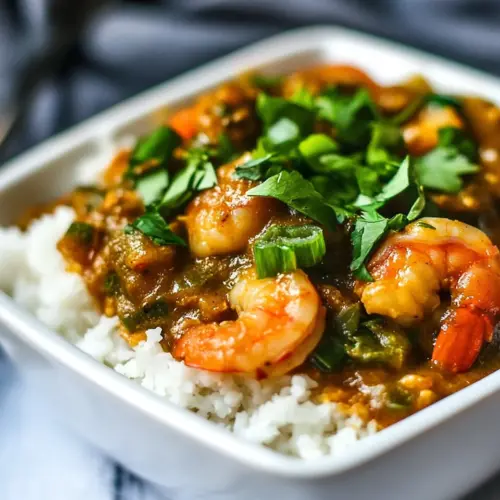
- Serve warm over steamed white rice and garnish with chopped green onions. Passing cayenne hot sauce at the table.: The final presentation should be aromatic and inviting, with the glossy étouffée ladled generously over hot, fluffy white rice . The garnish of fresh scallions adds a bright crunch and color contrast, while optional hot sauce lets guests calibrate heat. Serve immediately so the rice soaks up the sauce without becoming mushy. A common mistake is letting the dish sit too long before serving, which dulls the vibrancy of the herbs and softens the rice excessively.
Recipe Notes about Authentic Crawfish or Shrimp Étouffée
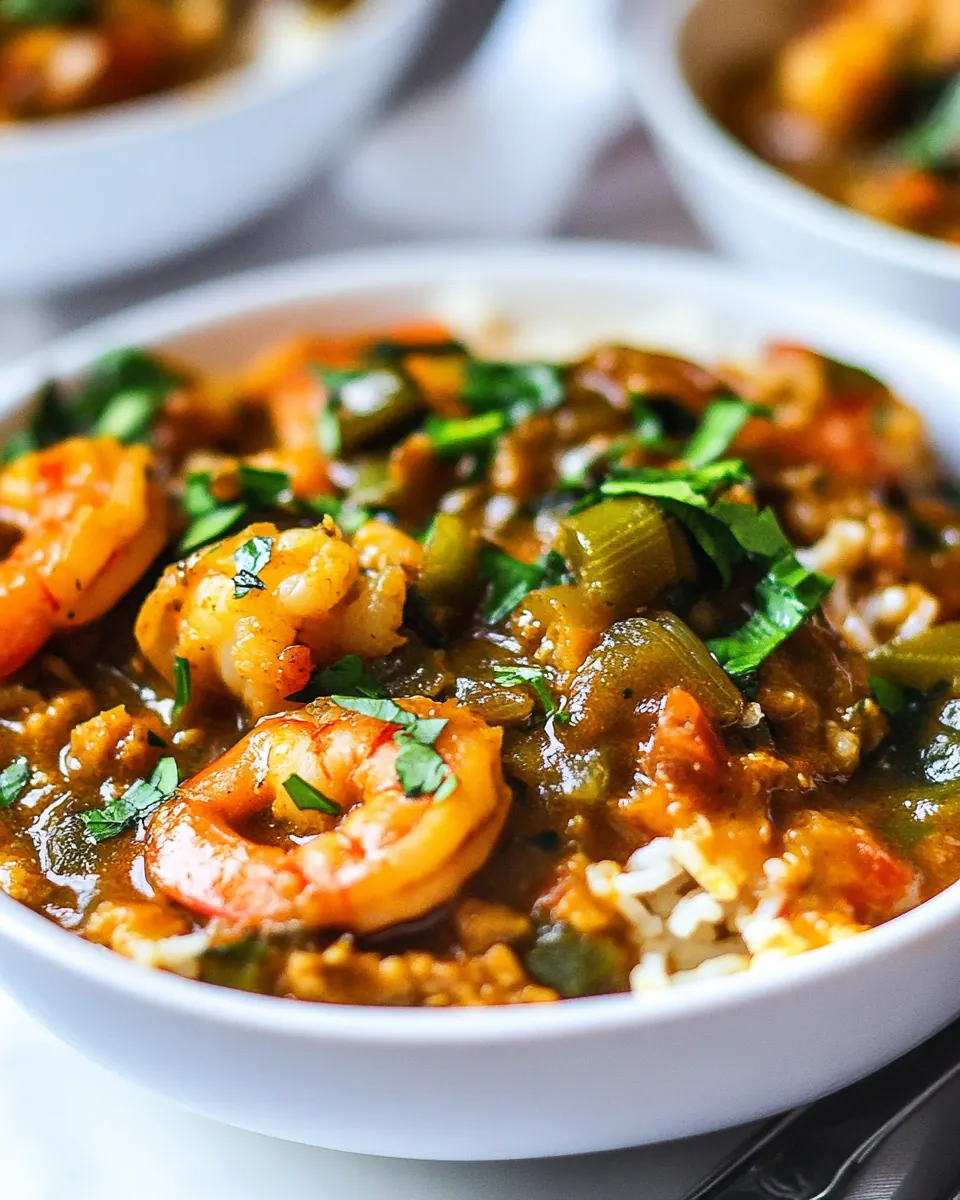
This section collects the practical notes and expanded tips that make a huge difference when you cook. I pull from experience and the recipe author’s guidance so you avoid common pitfalls and get the most satisfying result every time.
- Roux patience: Keep the heat low and whisk constantly when developing a medium dark roux, because rushing will burn the flour and create bitter flavors.
- Seafood timing: Cook the crawfish or shrimp just until they turn opaque, because overcooking will result in tough, rubbery texture.
- Stock temperature: Add warm seafood stock to the roux and vegetables to prevent clumping and to help the sauce come together smoothly.
- Salt mindfully: Season gradually and taste as the sauce reduces, because concentrated liquids can become over salted if you add too much early on.
- Make ahead benefit: This étouffée often tastes better the next day after the flavors have melded, making it perfect for preparing in advance.
- Storage: Refrigerate in airtight containers for up to one week or freeze for up to two months, thawing overnight in the refrigerator before reheating gently.
Pairing Suggestions for Authentic Crawfish or Shrimp Étouffée
This étouffée pairs beautifully with simple sides and works for many occasions from relaxed dinners to celebratory summer feasts. Below are serving ideas, storage notes, and occasion pairings that help you present it well.
- Classic rice serving: Spoon the étouffée over hot steamed white rice, creating the traditional bed for the saucy mixture so every bite has a perfect ratio of sauce to grain.
- Casual summer gatherings: Serve in a large pot family style for a summer supper where diners can help themselves, and set out extra chopped green onions and cayenne hot sauce for personalization.
- Weeknight dinner: Make a batch earlier in the day and reheat gently, pairing with a crisp side salad for a balanced, easy weeknight meal that still feels special.
- Entertaining tip: Keep the étouffée warm in a Dutch oven on the stove over the lowest heat and serve in warmed bowls so it stays glossy and inviting for guests.
- Storage and reheating: Cool quickly and refrigerate in airtight containers for up to one week, or freeze in portioned containers for up to two months; thaw overnight and reheat gently on the stovetop.
- Seasonal notes: Although great in summer, this dish is comforting any time you want a taste of the coast, and it scales well for larger gatherings because it keeps and reheats beautifully.
FAQ
Conclusion
What makes this recipe special is the way a simple, patient technique turns humble ingredients into a deeply flavored, soulful dish. Authentically built on a medium dark roux and brightened with fresh herbs and lemon, the étouffée balances richness and spice while highlighting the sweet brininess of the seafood. I encourage you to give it a try, take your time with the roux, and adjust the heat to your taste; it rewards patience and becomes even more flavorful the next day. Share it with friends or family, and enjoy the way a single pot can make an ordinary evening feel celebratory.
Authentic Crawfish or Shrimp Étouffée
Equipment
- Cast-Iron Skillet
- Large Pot
- Dutch Oven
Ingredients
- 1/2 cup vegetable oil or unsalted butter Provide a hot fat base for cooking and browning; use vegetable oil for a neutral flavor or unsalted butter for a richer, traditional taste, monitoring heat to avoid burning during roux-making.
- 1/2 cup all-purpose flour Create a roux when cooked with fat until golden to deep brown; whisk constantly to thicken the sauce and develop nutty, complex flavors for the étouffée.
- 1 cup onion chopped Add aromatic sweetness and body when chopped; sweat or brown to release sugars and form the foundational flavor of the holy trinity in Creole cooking.
- 1 cup celery chopped Contribute crisp, savory texture and subtle bitterness when chopped; cook with onions and bell pepper to build layered savory depth in the dish.
- 1 cup green bell pepper chopped Deliver bright, vegetal flavor and moisture when chopped; combine with onions and celery to form the signature trinity that supports the sauce.
- 3 cloves garlic minced Impart pungent, aromatic heat when minced; add near the beginning or later depending on desired garlic intensity, enhancing savoriness and complexity.
- 1 poblano pepper seeded and chopped Introduce mild smoky heat when seeded and chopped; provide a deeper pepper flavor without overwhelming heat and complement other peppers in the sauce.
- 1 jalapeno seeded and chopped Bring sharp, fresh heat when seeded and chopped; balance spiciness with other aromatics and control inclusion for desired kick in the étouffée.
- 2 tablespoons flat-leaf parsley chopped Give fresh herbaceousness when chopped; sprinkle into the pot for green, slightly bitter notes that brighten the rich sauce.
- 3 cups seafood stock heated in a large pot Provide seafood umami and saline depth when heated in a pot; use as the main liquid to simmer the roux and meld flavors into a cohesive sauce.
- 1 teaspoon white pepper Add warm, slightly floral heat when measured; stir in to lift background flavors without overtaking the other seasonings for gentle heat balance.
- 1/2 teaspoon black pepper Supply earthy sharpness and subtle heat when measured; use alongside white pepper to create layered peppery notes throughout the dish.
- 1 teaspoon cayenne pepper Contribute bright, sharp spiciness when measured; incorporate carefully to set the étouffée’s overall heat profile and enhance other spices.
- 2 teaspoons smoked paprika Impart smoky, sweet depth when measured; stir in to add color and a roasted pepper-like undertone that complements seafood and roux flavors.
- 1 1/2 teaspoons thyme leaves dried Provide savory, slightly minty herbal notes when dried; sprinkle in to add classic Creole aromatic depth and a lingering savory finish.
- 1 tablespoon Kosher salt Offer essential seasoning and flavor enhancement when measured; distribute evenly to bring out the natural flavors of seafood and vegetables.
- 3 bay leaves Add an aromatic, slightly bitter bay-like note when simmered whole; tuck leaves into the sauce to slowly release savory, woodsy elements.
- 1/2 cup unsalted butter 1 stick Melt into the finished dish for richness and silkiness; add at the end or during simmering to fortify mouthfeel and deepen buttery flavor.
- 2 lbs crawfish meat tails, or shrimp, skins and tails removed and deveined Supply the primary protein and flavor base when using crawfish tails or shrimp; choose fresh or properly thawed meat and add at appropriate cooking stages to avoid overcooking.
- 1 cup green onions scallions, chopped, plus more for garnish Introduce a mild oniony freshness and crisp green flavor when chopped; stir in near the end for vibrant, textural contrast and garnish use.
- Juice 1/2 lemon Provide bright acidity when juiced; squeeze half a lemon to lift and balance the richness of the sauce and enhance seafood flavors.
- 4 cups steamed white rice cooked Serve as the traditional starch and vehicle for sauce; cook white rice to fluffy perfection and portion beneath the étouffée to absorb the savory sauce.
- Cayenne hot sauce for garnish, optional Offer optional concentrated heat and vinegar tang when used as a garnish; drizzle sparingly to customize spiciness and add a sharp finishing kick.
Instructions
- Heat the oil and flour in a heavy-duty skillet (i. e., cast-iron) over medium-low heat. Whisk continuously until a dark roux has formed, about 15 to 25 minutes. Remove from heat.: As the mixture warms, you will first notice a nutty aroma, then the color will progress from sandy to chestnut to a milk chocolate tone, which signals readiness. The sound is subtle, mostly the soft hiss as moisture leaves the flour, and the surface will take on a glossy sheen when it is smooth and homogeneous. The reason we work medium low is to give the starch molecules time to toast without burning, which would create sharp, acrid flavors. If you rush this step with high heat, the roux can develop black flecks and a bitter taste, so keep the whisk moving and patience on your side. If you see dark streaks, discard and start over, because burnt flour will ruin the sauce.
- Carefully, to the roux, add the onions, celery, bell pepper, garlic, poblano, jalapeno, and parsley. Stir until well coated and slightly softened about 2 minutes.: When these aromatics hit the warm roux, the pan will bloom with an intensified fragrance, and the vegetables should pick up a light sheen from the fat. This quick coating step tames raw edges and begins the integration of flavors; the surface will look glossy and the onion will begin to go translucent. Working quickly but gently helps retain texture while allowing the aromatics to release juices that thin the roux slightly. The common mistake here is overcrowding the pan or holding too high heat, which can cause uneven cooking and scorching, so stir constantly and keep the temperature moderate.
- Add the roux/veggie mixture to the heated seafood stock in a large pot, preferably a Dutch oven. Stir in the peppers, paprika, thyme, salt, and bay leaves. Bring to a simmer and stir frequently. The etouffee will begin to thicken as you stir.: As the hot stock meets the roux, you will watch the mixture homogenize into a glossy, velvety sauce. The aroma will deepen into a savory, almost meaty scent thanks to the stock and toasted flour. Bringing it to a gentle simmer helps the starches fully swell and thicken the liquid; vigorous boiling can break the emulsion and dull flavors. Stirring frequently prevents scorching on the pot bottom and ensures even thickening. If lumps form, reduce the heat and whisk briskly until they disappear; if bubbling becomes violent, lower the flame to avoid a broken sauce.
- Meanwhile, melt the butter in a large skillet. Add the crawfish (or shrimp) and green onions and cook for 5 minutes, stirring occasionally.: When the butter melts, it will foam a little as moisture leaves, and then settle into a shiny pool. Adding the seafood at this point allows it to sear gently and pick up rich buttered edges, while the scallions will release a fragrant oniony note. The sound is a light sizzle, and the color of the shrimp or crawfish will shift to opaque and pink, signaling doneness. This step is brief because overcooking will toughen the protein, so pay attention to texture. A common pitfall is crowding the skillet, which causes steaming rather than searing, so cook in batches if needed.
- Transfer the crawfish mixture to the large pot along with the lemon juice and simmer for another 5 minutes.: As the cooked seafood enters the sauce, you will notice the pot release a bright citrus steam from the lemon, which balances richness. The simmer after combining allows flavors to marry and the sauce to finish thickening around the seafood . Watch the consistency, you want a saucy coating that will sit over rice without being gluey. If the sauce becomes too thick, add a splash of warm stock; if too thin, simmer gently to reduce. Avoid prolonged vigorous boiling because it can break down the delicate texture of the seafood .
- Serve warm over steamed white rice and garnish with chopped green onions. Passing cayenne hot sauce at the table.: The final presentation should be aromatic and inviting, with the glossy étouffée ladled generously over hot, fluffy white rice . The garnish of fresh scallions adds a bright crunch and color contrast, while optional hot sauce lets guests calibrate heat. Serve immediately so the rice soaks up the sauce without becoming mushy. A common mistake is letting the dish sit too long before serving, which dulls the vibrancy of the herbs and softens the rice excessively.
Notes
- Roux patience: Keep the heat low and whisk constantly when developing a medium dark roux, because rushing will burn the flour and create bitter flavors.
- Seafood timing: Cook the crawfish or shrimp just until they turn opaque, because overcooking will result in tough, rubbery texture.
- Stock temperature: Add warm seafood stock to the roux and vegetables to prevent clumping and to help the sauce come together smoothly.
- Salt mindfully: Season gradually and taste as the sauce reduces, because concentrated liquids can become over salted if you add too much early on.
- Make ahead benefit: This étouffée often tastes better the next day after the flavors have melded, making it perfect for preparing in advance.
- Storage: Refrigerate in airtight containers for up to one week or freeze for up to two months, thawing overnight in the refrigerator before reheating gently.