Mississippi Pot Roast
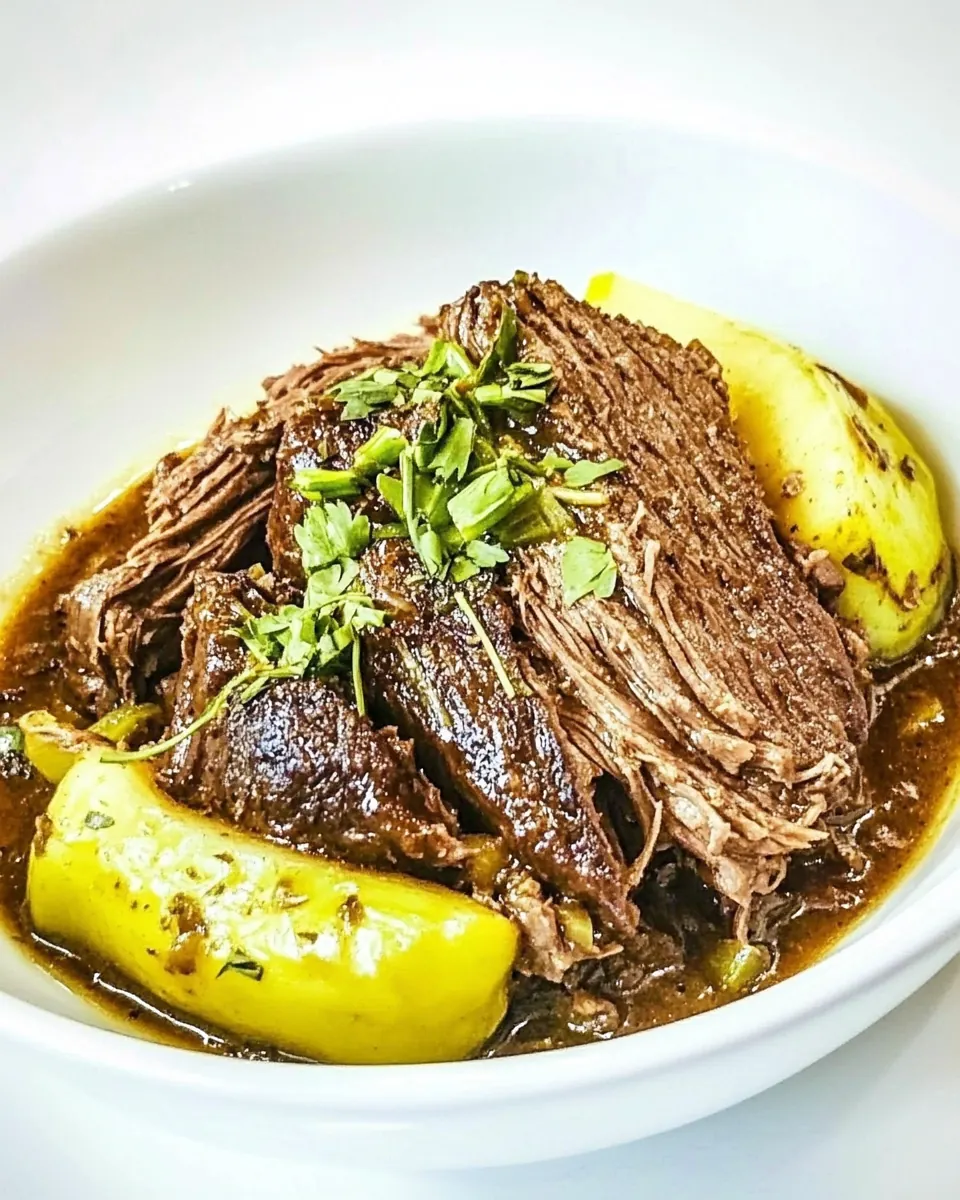
Mississippi Pot Roast is one of those recipes I turn to when I want something comforting that still feels a little bit special. I first made it on a rainy weekend when friends were due to drop by unexpectedly, and the house filled with a slow savory aroma that made everyone linger in the kitchen. The moment I lifted the foil and saw the roast falling-apart tender, studded with bubbling butter and pepperoncini, I knew this dish would become a repeat request.
Over time I have adapted small rituals around serving Mississippi Pot Roast. I like to let it rest a brief moment before shredding so the juices settle, and I reserve a few pepperoncinis to scatter on top at the table for a bright, tangy hit. Every cook I know has a slight twist, but the heart of the dish remains the same simple magic: a well seared chuck roast, a cozy oven, and a few bold pantry players that do most of the heavy lifting.
Recipe Snapshot
2 hr 40 mins
10 mins
150 mins
Hard
450 kcal
American
Keto, Gluten-Free
Dinner
Skillet, Roasting pan, Tin foil
Why This Mississippi Pot Roast Works
Comfort that shows up effortlessly
I adore how Mississippi Pot Roast delivers classic comfort without demanding constant babysitting. You sear briefly, assemble simply, and let time and gentle heat do the rest. That slow braise softens the chuck roast until it practically melts, leaving you free to set the table, pour a drink, and visit with guests.
Bold flavors from a tiny ingredient list
What I find irresistible is how a handful of pantry ingredients create a complex profile. Tangy brine from the pepperoncinis meets the savory punch of au jus and ranch powders, while the melted butter cloaks everything in richness. It feels indulgent, yet it is startlingly simple to achieve.
Weekend friendly and weeknight doable
I often make it on weekends, but it is also an excellent easy weeknight dinner if you plan ahead. The long cook time is mostly hands off, so you can prepare other parts of the meal, tidy up, or relax. When you come back the kitchen smells like you’ve been slaving all day, but you actually haven’t.
Great for gatherings
When I host, this dish rarely lasts long. It stretches well to feed a crowd, and because it holds in its juices, it stays moist even after sitting for a bit. The presentation is humble but inviting, and guests always ask for seconds.
Versatile serving options
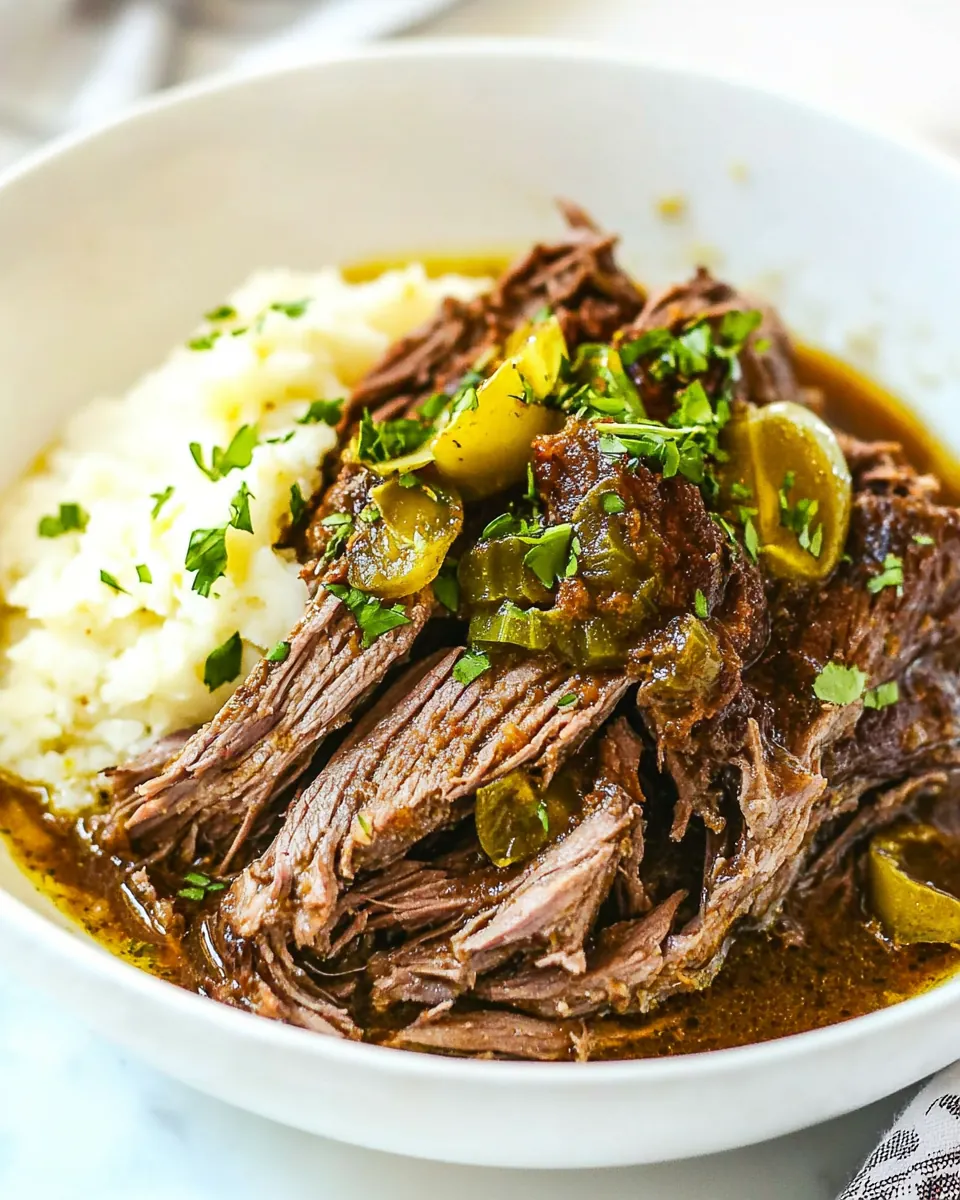
I love that Mississippi Pot Roast pairs with so many sides. Serve it shredded on mashed potatoes for a cozy bowl, or pull it onto bread for messy sandwiches. You get hearty comfort or casual party food depending on the moment, and that versatility keeps it in my rotation.
Everything You Need for Mississippi Pot Roast
These ingredients are chosen for harmony and depth. The key idea is contrast: a robust chuck roast provides meaty backbone, while tangy pepperoncinis and savory powdered mixes brighten and amplify flavor. The melted butter smooths everything into a luscious sauce that clings to the meat. Together they create a dish that is both deeply savory and brightly balanced.
- 1 3-4 pound chuck roast: Season and tenderize the roast by allowing it to sear and develop a deep brown crust, which adds rich flavor and texture while helping to lock in juices during slow cooking. Use a 3–4 pound chuck roast for ideal marbling; its connective tissue breaks down over long cooking to create fork-tender meat. Bring to room temperature before searing to ensure even cooking and better browning.
- salt and pepper: Enhance overall flavor balance by seasoning the meat generously before and after searing, which highlights savory notes and helps form a flavorful crust. Use salt to amplify natural meat flavors and pepper to add a mild heat and aromatic complexity. Adjust amounts to taste, remembering that slow-cooked dishes concentrate seasonings.
- 1 tbsp olive oil: Develop a flavorful sear and prevent sticking by heating a tablespoon of olive oil in the pan before browning the roast; the oil also carries fat-soluble flavors into the meat. Use moderate-high heat to achieve a Maillard reaction without burning the oil, and it will contribute subtle fruity and peppery notes to the dish.
- 1/4 cup liquid from pepperoncinis jar: Introduce a tangy, acidic element by adding a quarter cup of pepperoncini jar liquid, which brightens the rich beef and helps balance the buttery and savory components. The brine contributes mild heat and vinegar notes that penetrate the roast during slow cooking, tenderizing slightly and adding complexity. Measure carefully to avoid overpowering acidity.
- 1 envelope au jus mix: Contribute concentrated beefy and savory umami through an envelope of au jus mix, which dissolves into the cooking liquid to form a robust, flavorful gravy. Use it to enhance the pan juices and create a sauce for serving, complementing the natural meat juices and other seasonings. Follow package directions for integration with liquids.
- 1 envelope ranch dressing mix: Provide a creamy, herby seasoning boost by incorporating an envelope of ranch dressing mix, which adds dried herbs, spices, and tangy powdered dairy flavors. The mix melds with other seasonings to create a familiar, savory profile commonly associated with classic Mississippi pot roast recipes. Stir evenly so the flavors disperse throughout the cooking liquid.
- 1/2 cup salted butter: Add rich, luscious mouthfeel and mellow butteriness by placing half a cup of salted butter on or near the roast so it melts into the sauce as it cooks. The butter enriches the braising liquid and helps carry flavors across the dish, while a small amount of salt contributes to seasoning—adjust other salt accordingly. Use high-quality butter for the best flavor contribution.
- 5 pepperoncinis: Bring tangy, mildly spicy bites and aromatic brine flavor by adding five pepperoncinis to the cooking vessel, where they will soften and infuse the meat with their pickled pepper character. Slice or leave whole depending on preferred intensity, and distribute them so their juices mingle with the roast. They provide both texture contrast and bright acidity.
- 2 cloves of garlic minced: Introduce aromatic pungency and savory depth by using two cloves of minced garlic, which will release a robust, roasted garlic flavor into the braising liquid. Mince finely to ensure even distribution and prevent large raw pieces; garlic mellows and sweetens during long cooking, contributing to the overall savory profile. Add with other seasonings so it infuses throughout.
The Process for Making Mississippi Pot Roast
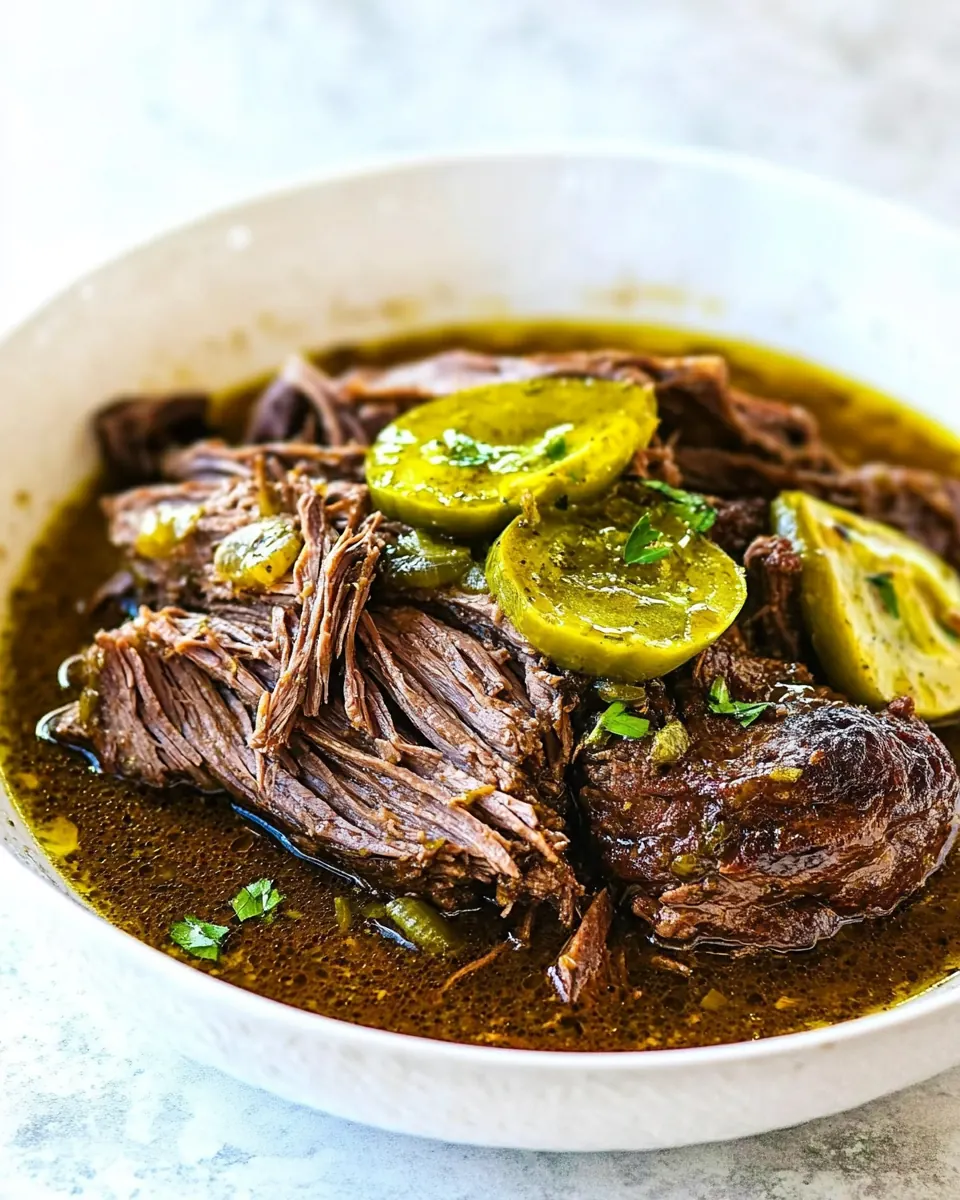
These steps are relaxed and approachable, but the payoff relies on attention to sensory cues. Follow the cues for color, sound, and aroma to know when to move on. Read each step fully before starting so you can work smoothly and avoid overcooking or missing a key moment.
- Preheat the oven to 300 degrees Fahrenheit.: The warm, low oven creates the gentle environment where collagen in the chuck roast breaks down into silky gelatin, producing tender meat and a glossy pan sauce. You should feel a steady warmth from the oven rather than intense heat, which allows even cooking. Listen for the faint hum of the oven as it settles, and avoid opening the door frequently, because dropping the temperature interrupts the long braise and can lengthen cook time.
- Season the roast by sprinkling it with salt and pepper. Place olive oil in a large skillet. Over medium-high heat sear the roast for about 2-3 minutes per side, just to get it slightly brown.: As you sear, watch for the meat surface to transform from dull red to deep brown and release a fragrant, toasty aroma. The sizzling sound should be steady, not frantic, indicating proper oil temperature. Searing creates flavor through caramelization, which later infuses the sauce. A common mistake is using too cool a pan, which leads to a gray surface; ensure the oil shimmers before adding the roast.
- Place the roast in the roasting pan. Pour on the liquid from the pepperoncinis jar. Sprinkle on the au jus powder and ranch dressing powder.: When the brine hits the hot pan, it will hiss softly and begin to mingle with the roast juices, producing a bright steam and tangy scent. The powdered mixes dissolve into this liquid to build the base of your gravy, and you should see the liquid pick up color and gloss as it warms. Stirring here is unnecessary, but ensure the powders are scattered evenly so the flavors distribute. Avoid adding too much extra liquid, or the braise will become too diluted and the sauce may lack depth.
- Cut up the butter and place small chunks of it over the roast. Place the pepperoncinis and garlic on top. Place the lid on the roasting pan or cover it tightly with tin foil.: The visible dollops of butter will slowly melt and baste the meat, creating a rich, velvety sauce; you will notice a glossy sheen form as the fat emulsifies with the cooking juices. The minced garlic will become soft and aromatic rather than sharp, adding savory complexity. Tenting the pan traps steam, which promotes even tenderness; do not leave gaps that allow too much steam to escape, because that can dry the surface.
- Bake for 150 minutes. Check for doneness. If it is not easy to tear apart, continue cooking for another 30 minutes.: During this long, patient bake you will smell layers of savory aromas that evolve from roasted meat to deeper, braised notes. Check the roast near the end of this window for visual cues, such as edges pulling away from the meat and the sauce thickening slightly. The fork should pierce with little resistance and the meat should begin to pull apart at the grain. A common oversight is checking too early, before the connective tissue has broken down; if the meat resists, give it more time rather than increasing oven temperature.
- Check for doneness. If it is not easy to tear apart, continue cooking for another 30 minutes: When you test doneness, use tongs and a fork and look for that satisfying, shreddable texture; the roast should yield easily and the center should be warm and flecked with softened fat. If it still resists, the collagen needs more time to gelatinize, so extend the cook in 30 minute increments and recheck. Avoid slicing against the grain too early, because that can make the meat feel tougher and dry out the interior.
Tips and Tricks about Mississippi Pot Roast
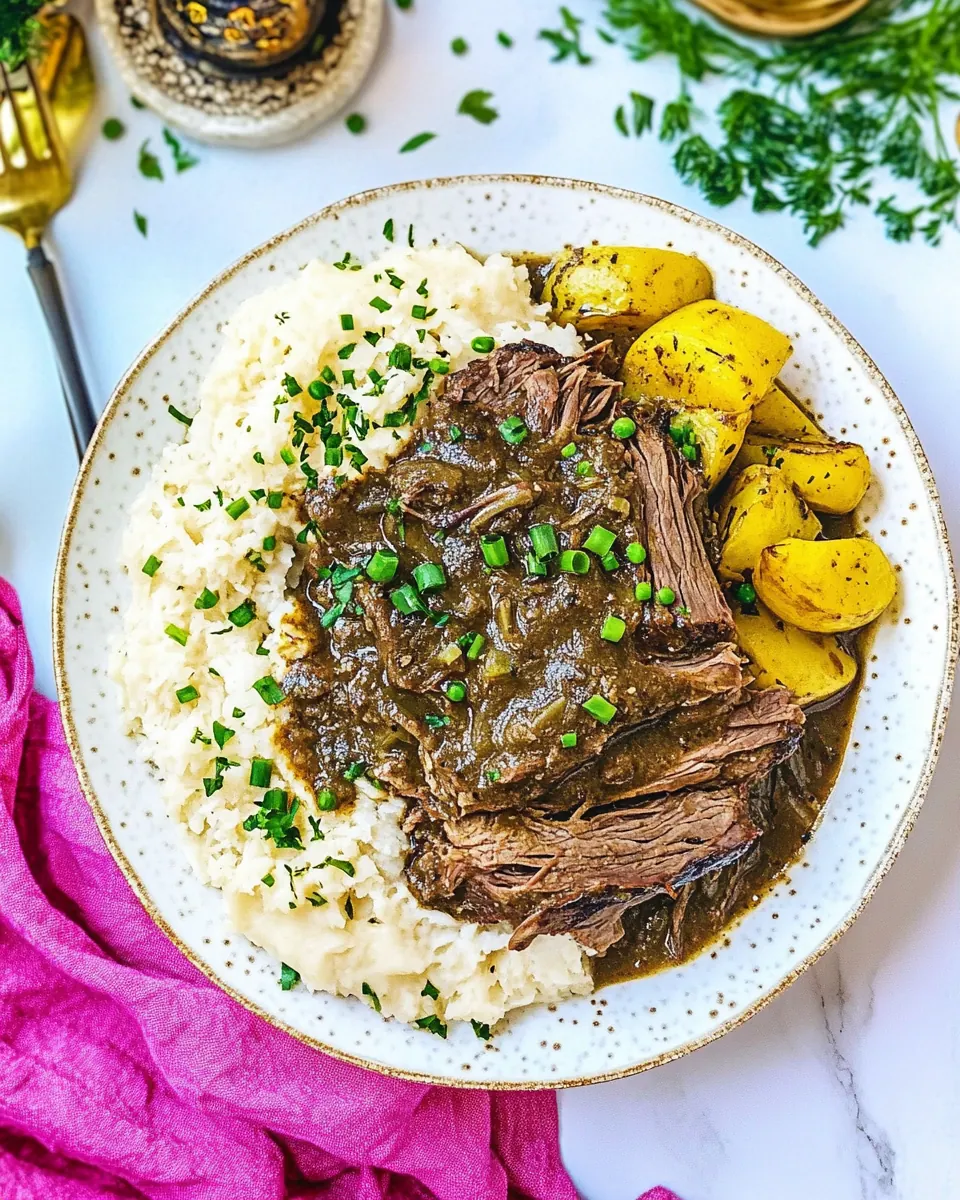
This dish rewards small attentions. A good sear, careful seasoning, and patience in the oven transform a simple roast into something remarkable. The list below expands on those moments and gives practical ideas to improve texture and flavor.
- Sear for color: Invest time in building a deep brown crust on the chuck roast. That initial browning contributes complex, roasted flavors to the final sauce. If your roast looks pale after searing, brown it a bit longer, but watch for burning.
- Room temperature meat: Allow the roast to sit on the counter for about 30 minutes before searing. This promotes even cooking and better sear. Avoid leaving it out too long for food safety reasons.
- Even butter distribution: Cut the butter into small pieces so it melts evenly over the roast, basting as it cooks. Large chunks can pool in the pan and not coat the meat uniformly.
- Use the pepperoncini brine: That 1 quarter cup of liquid adds bright, tangy balance. If you prefer milder notes, reduce it slightly, but do not omit entirely or the dish loses its characteristic lift.
- Check doneness with a fork: Look for tender, pull apart texture rather than relying solely on time. Every oven and roast vary slightly; texture is the best indicator.
Serving Ideas for Mississippi Pot Roast
This roast is flexible and crowd friendly, adapting to casual and more formal meals. Think about the texture and sauce and choose sides that soak up the juices, or create contrasting brightness with a crisp vegetable. Below are thoughtful serving options and scenarios to help you plan.
- Mashed potatoes companion: Serve the shredded roast over a generous scoop of creamy mashed potatoes so the gravy and juices mingle with the potatoes creating a comforting bowl that is perfect for dinner.
- Hearty sandwiches: Pile the shredded meat onto sturdy rolls or bread for a messy, delicious sandwich. Toast the rolls slightly so they hold up to the juices and offer a satisfying texture contrast.
- Simple vegetable sides: Pair with roasted carrots or steamed green beans for a balanced plate. The freshness and crunch of the vegetables cut through the rich sauce and make the meal feel complete.
- Family gatherings: This dish feeds well for casual get togethers or special occasions in colder months, such as winter dinners. It keeps warm in the pan for serving and invites people to help themselves.
- Storage and reheating: Store leftovers in an airtight container with some sauce to keep meat moist. Reheat gently over low heat on the stove so the butter reintegrates into the juices and the meat stays tender.
- Make ahead option: You can assemble the roast a day ahead and refrigerate it covered; bring it to room temperature then reheat slowly in the oven for an easy entertaining plan.
FAQ
Conclusion
What makes this recipe special is the effortless transformation of a simple chuck roast into a deeply flavored, tender meal using a small group of pantry ingredients. The combination of searing, a slow braise, and tangy pepperoncini creates a balance of richness and brightness that is hard to beat. I encourage you to give it a try on a cool evening or when you need a crowd pleasing dish that lets you enjoy your guests rather than stand in the kitchen. It’s one of those recipes that becomes more comforting with each serving and often shows up on my menu again and again.
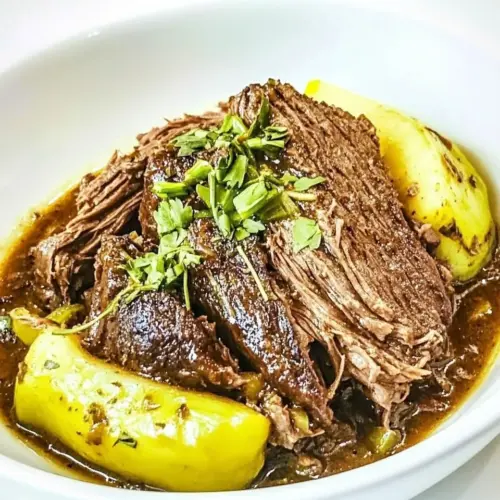
Mississippi Pot Roast
Equipment
- Skillet
- Roasting Pan
- Tin foil
Ingredients
- 1 3-4 pound chuck roast Season and tenderize the roast by allowing it to sear and develop a deep brown crust, which adds rich flavor and texture while helping to lock in juices during slow cooking. Use a 3–4 pound chuck roast for ideal marbling; its connective tissue breaks down over long cooking to create fork-tender meat. Bring to room temperature before searing to ensure even cooking and better browning.
- salt and pepper Enhance overall flavor balance by seasoning the meat generously before and after searing, which highlights savory notes and helps form a flavorful crust. Use salt to amplify natural meat flavors and pepper to add a mild heat and aromatic complexity. Adjust amounts to taste, remembering that slow-cooked dishes concentrate seasonings.
- 1 tbsp olive oil Develop a flavorful sear and prevent sticking by heating a tablespoon of olive oil in the pan before browning the roast; the oil also carries fat-soluble flavors into the meat. Use moderate-high heat to achieve a Maillard reaction without burning the oil, and it will contribute subtle fruity and peppery notes to the dish.
- 1/4 cup liquid from pepperoncinis jar Introduce a tangy, acidic element by adding a quarter cup of pepperoncini jar liquid, which brightens the rich beef and helps balance the buttery and savory components. The brine contributes mild heat and vinegar notes that penetrate the roast during slow cooking, tenderizing slightly and adding complexity. Measure carefully to avoid overpowering acidity.
- 1 envelope au jus mix Contribute concentrated beefy and savory umami through an envelope of au jus mix, which dissolves into the cooking liquid to form a robust, flavorful gravy. Use it to enhance the pan juices and create a sauce for serving, complementing the natural meat juices and other seasonings. Follow package directions for integration with liquids.
- 1 envelope ranch dressing mix Provide a creamy, herby seasoning boost by incorporating an envelope of ranch dressing mix, which adds dried herbs, spices, and tangy powdered dairy flavors. The mix melds with other seasonings to create a familiar, savory profile commonly associated with classic Mississippi pot roast recipes. Stir evenly so the flavors disperse throughout the cooking liquid.
- 1/2 cup salted butter Add rich, luscious mouthfeel and mellow butteriness by placing half a cup of salted butter on or near the roast so it melts into the sauce as it cooks. The butter enriches the braising liquid and helps carry flavors across the dish, while a small amount of salt contributes to seasoning—adjust other salt accordingly. Use high-quality butter for the best flavor contribution.
- 5 pepperoncinis Bring tangy, mildly spicy bites and aromatic brine flavor by adding five pepperoncinis to the cooking vessel, where they will soften and infuse the meat with their pickled pepper character. Slice or leave whole depending on preferred intensity, and distribute them so their juices mingle with the roast. They provide both texture contrast and bright acidity.
- 2 cloves of garlic minced Introduce aromatic pungency and savory depth by using two cloves of minced garlic, which will release a robust, roasted garlic flavor into the braising liquid. Mince finely to ensure even distribution and prevent large raw pieces; garlic mellows and sweetens during long cooking, contributing to the overall savory profile. Add with other seasonings so it infuses throughout.
Instructions
- Preheat the oven to 300 degrees Fahrenheit.: The warm, low oven creates the gentle environment where collagen in the chuck roast breaks down into silky gelatin, producing tender meat and a glossy pan sauce. You should feel a steady warmth from the oven rather than intense heat, which allows even cooking. Listen for the faint hum of the oven as it settles, and avoid opening the door frequently, because dropping the temperature interrupts the long braise and can lengthen cook time.
- Season the roast by sprinkling it with salt and pepper. Place olive oil in a large skillet. Over medium-high heat sear the roast for about 2-3 minutes per side, just to get it slightly brown.: As you sear, watch for the meat surface to transform from dull red to deep brown and release a fragrant, toasty aroma. The sizzling sound should be steady, not frantic, indicating proper oil temperature. Searing creates flavor through caramelization, which later infuses the sauce. A common mistake is using too cool a pan, which leads to a gray surface; ensure the oil shimmers before adding the roast.
- Place the roast in the roasting pan. Pour on the liquid from the pepperoncinis jar. Sprinkle on the au jus powder and ranch dressing powder.: When the brine hits the hot pan, it will hiss softly and begin to mingle with the roast juices, producing a bright steam and tangy scent. The powdered mixes dissolve into this liquid to build the base of your gravy, and you should see the liquid pick up color and gloss as it warms. Stirring here is unnecessary, but ensure the powders are scattered evenly so the flavors distribute. Avoid adding too much extra liquid, or the braise will become too diluted and the sauce may lack depth.
- Cut up the butter and place small chunks of it over the roast. Place the pepperoncinis and garlic on top. Place the lid on the roasting pan or cover it tightly with tin foil.: The visible dollops of butter will slowly melt and baste the meat, creating a rich, velvety sauce; you will notice a glossy sheen form as the fat emulsifies with the cooking juices. The minced garlic will become soft and aromatic rather than sharp, adding savory complexity. Tenting the pan traps steam, which promotes even tenderness; do not leave gaps that allow too much steam to escape, because that can dry the surface.
- Bake for 150 minutes. Check for doneness. If it is not easy to tear apart, continue cooking for another 30 minutes.: During this long, patient bake you will smell layers of savory aromas that evolve from roasted meat to deeper, braised notes. Check the roast near the end of this window for visual cues, such as edges pulling away from the meat and the sauce thickening slightly. The fork should pierce with little resistance and the meat should begin to pull apart at the grain. A common oversight is checking too early, before the connective tissue has broken down; if the meat resists, give it more time rather than increasing oven temperature.
- Check for doneness. If it is not easy to tear apart, continue cooking for another 30 minutes: When you test doneness, use tongs and a fork and look for that satisfying, shreddable texture; the roast should yield easily and the center should be warm and flecked with softened fat. If it still resists, the collagen needs more time to gelatinize, so extend the cook in 30 minute increments and recheck. Avoid slicing against the grain too early, because that can make the meat feel tougher and dry out the interior.
Notes
- Sear for color: Invest time in building a deep brown crust on the chuck roast. That initial browning contributes complex, roasted flavors to the final sauce. If your roast looks pale after searing, brown it a bit longer, but watch for burning.
- Room temperature meat: Allow the roast to sit on the counter for about 30 minutes before searing. This promotes even cooking and better sear. Avoid leaving it out too long for food safety reasons.
- Even butter distribution: Cut the butter into small pieces so it melts evenly over the roast, basting as it cooks. Large chunks can pool in the pan and not coat the meat uniformly.
- Use the pepperoncini brine: That 1 quarter cup of liquid adds bright, tangy balance. If you prefer milder notes, reduce it slightly, but do not omit entirely or the dish loses its characteristic lift.
- Check doneness with a fork: Look for tender, pull apart texture rather than relying solely on time. Every oven and roast vary slightly; texture is the best indicator.