Fish Seasoning
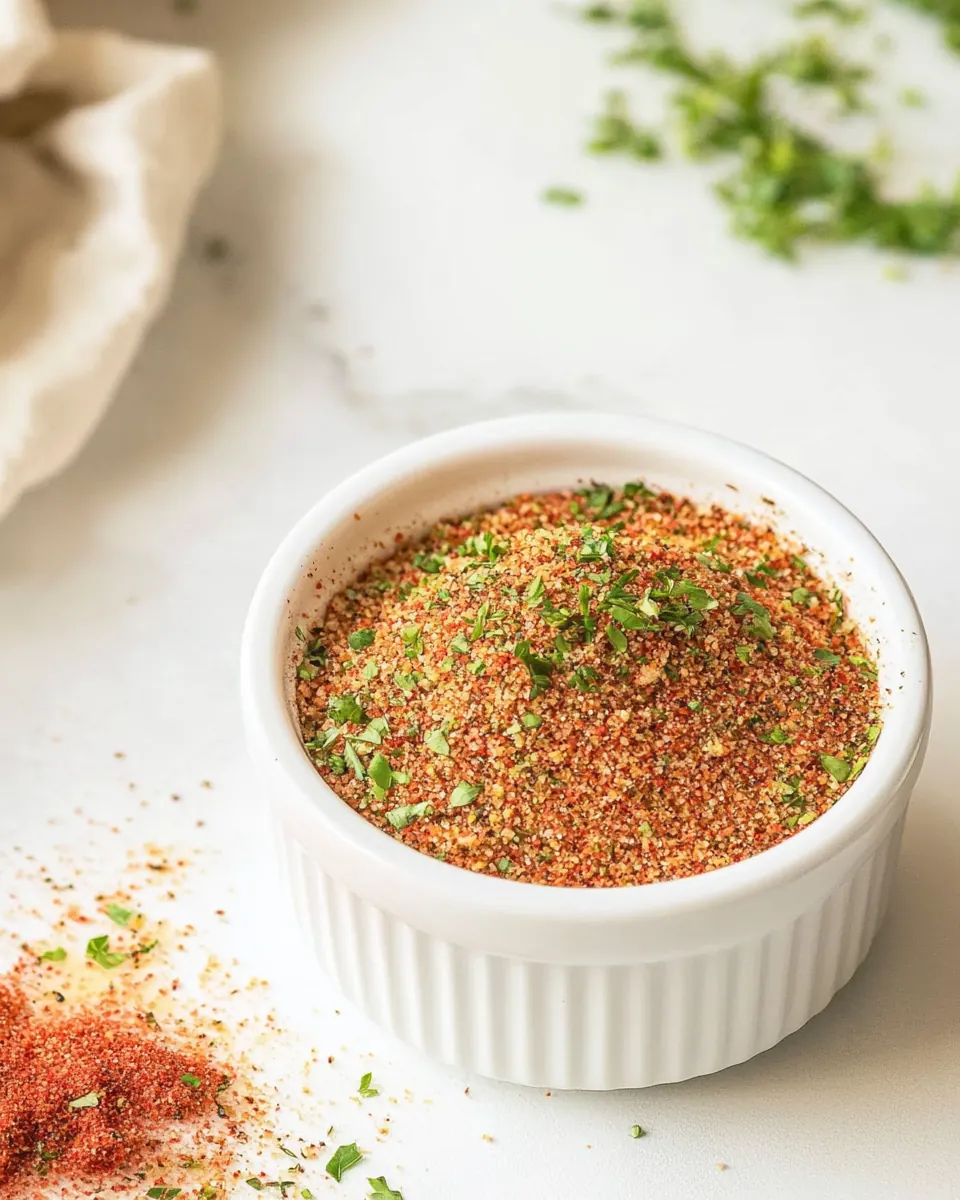
Fish Seasoning has been my little secret for turning simple fillets into something memorable. I still recall the first time I mixed these spices together at my tiny kitchen counter, the dry herbs releasing a brightness that made plain fish feel special. That evening, a rushed weeknight dinner became a small celebration at our table, and ever since I reach for this blend whenever I want fish to sing.
Over the years I have tweaked the balance so it is robust but never overbearing, so it enhances the natural flavor of fish without masking it. I love how the smoked paprika adds a whisper of warmth, while the dried dill and parsley bring a green, herbaceous lift. When friends ask for the recipe I tell them it is less about measurements and more about confidence, though the exact proportions below are the ones that always work for me.
There are mornings when I toss this mix into a shallow bowl and quickly rub it onto fillets before a brisk pan sear, and other times I sprinkle it on before a gentle roast. Either way, the mixture stores beautifully, and I often make a double batch so I have it ready. This is comfort food for people who want clean, honest flavor, and it makes every fish dinner feel cared for.
Recipe Snapshot
6 mins
5 mins
1 mins
Easy
30 kcal
American
Keto, Paleo
Dinner
Small bowl, Spoon or whisk, Airtight container
What We Adore About This Fish Seasoning
Bright herb forward flavor
I love how Fish Seasoning lifts the delicate profile of fish without stealing the show. The dried dill and parsley provide an aromatic freshness that cuts through richness, making each bite lively and balanced.
Smoky warmth without heat
The smoked paprika adds a soft, smoky quality, so you get a sense of char and depth even if you are baking or pan searing. I rely on that nuance when I want the impression of grill flavor without firing up outdoor equipment.
Simple, pantry friendly
This blend is incredibly approachable, uses common pantry items, and stores well. I often make it in minutes, so it is perfect for last minute dinners when you want something quick but flavorful.
Versatile application
Beyond seasoning raw fish, I use this mix as a finishing sprinkle on roasted vegetables or stirred into butter for a compound spread. Its flexibility means one jar does many jobs in my kitchen.
Consistent results
Because the proportions are balanced, I get reliable results every time, which is golden for a busy cook. I appreciate an easy formula that yields the same pleasing outcome, so I can focus on technique and timing.
Ingredient List for Fish Seasoning
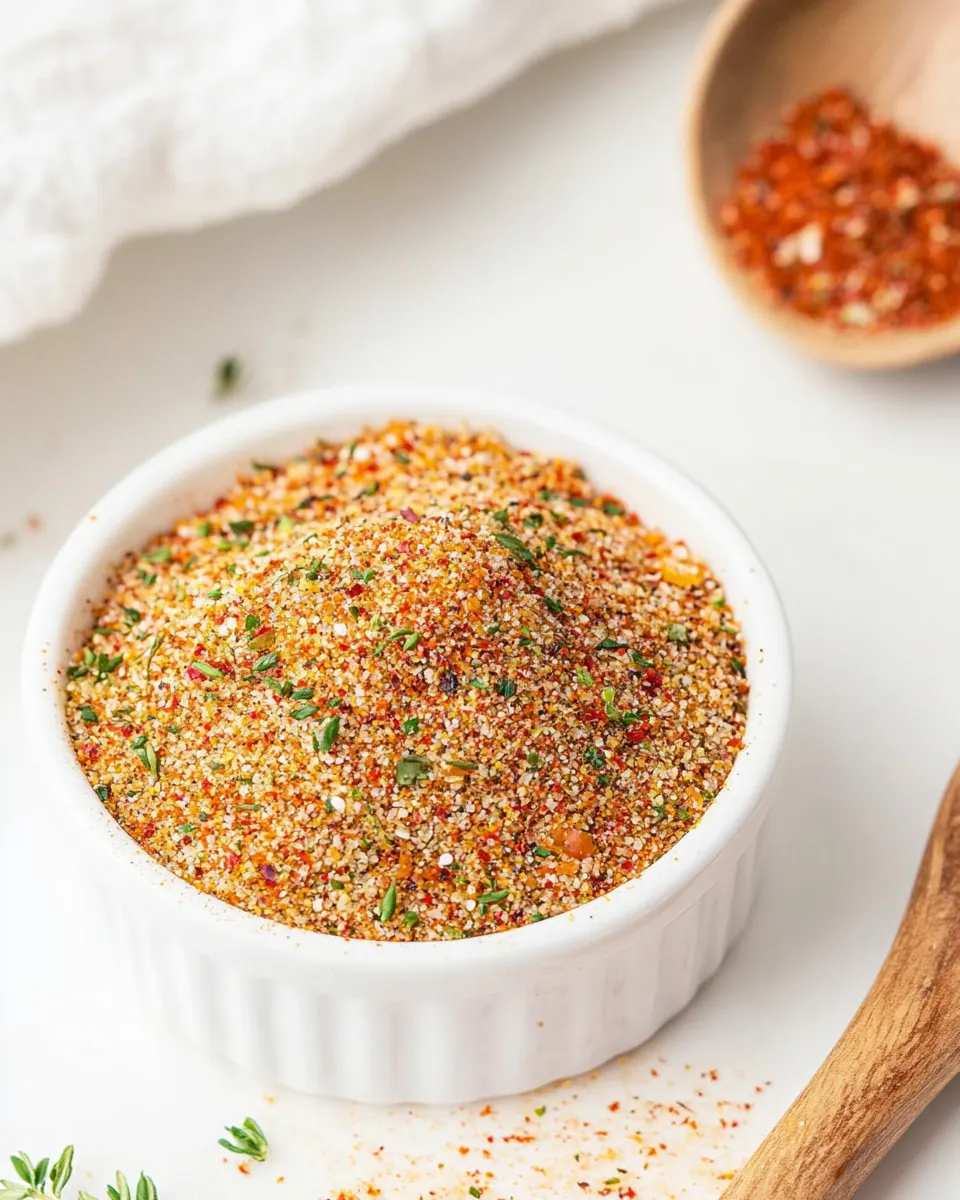
I believe simple blends are the backbone of a confident cook. This small collection of dried herbs and spices is designed to work together: the herbs bring brightness, the paprika brings warmth, and the salt and aromatics amplify the natural taste of fish. Each ingredient plays a key role in building a layered, balanced seasoning that enhances rather than overpowers.
- 1 tablespoon dried dill weed: Adds a bright, slightly grassy herbal note that lifts fish flavors and provides aromatic complexity; use sparingly to avoid overpowering delicate seafood. Enhances freshness and pairs well with citrus or butter-based sauces when sprinkled before serving.
- 1 tablespoon dried parsley: Contributes a mild, clean herbaceous flavor and subtle color that complements other dried herbs; helps balance smoky and savory elements in the seasoning blend. Provides a familiar, leafy backdrop that supports stronger spices without masking them.
- 1 tablespoon smoked paprika: Provides deep smoky warmth and vibrant color that gives fish a roasted, savory character; works well to create a barbecue-like profile without charring. Adds visual appeal and a mildly sweet, earthy undertone to the overall seasoning.
- 2 teaspoons sea salt: Delivers essential saline seasoning to enhance natural fish flavors and bind the other spices; it elevates taste perception and can help draw out moisture for better crusting. Use measured amounts to avoid oversalting, especially with fresh or brined seafood.
- 1 teaspoon garlic powder: Imparts concentrated savory-garlicky notes and a gentle umami boost that enhances overall savory depth; it distributes well in dry rubs for even flavoring. Offers convenience and consistency compared with fresh garlic, especially in quick-cook preparations.
- 1 teaspoon onion powder: Adds a sweet-onion backbone and subtle savory aroma that rounds out the blend; it complements garlic powder and herbs for a fuller, more complex profile. Helps create a balanced seasoning that supports both mild and robust fish varieties.
- 1/2 teaspoon ground black pepper: Provides sharp, warming heat and slight bite that brightens the blend and accentuates other flavors; it helps cut through richness from butter or oil. Use in moderation to maintain balance and avoid overwhelming delicate seafood textures.
Cooking Method for Fish Seasoning
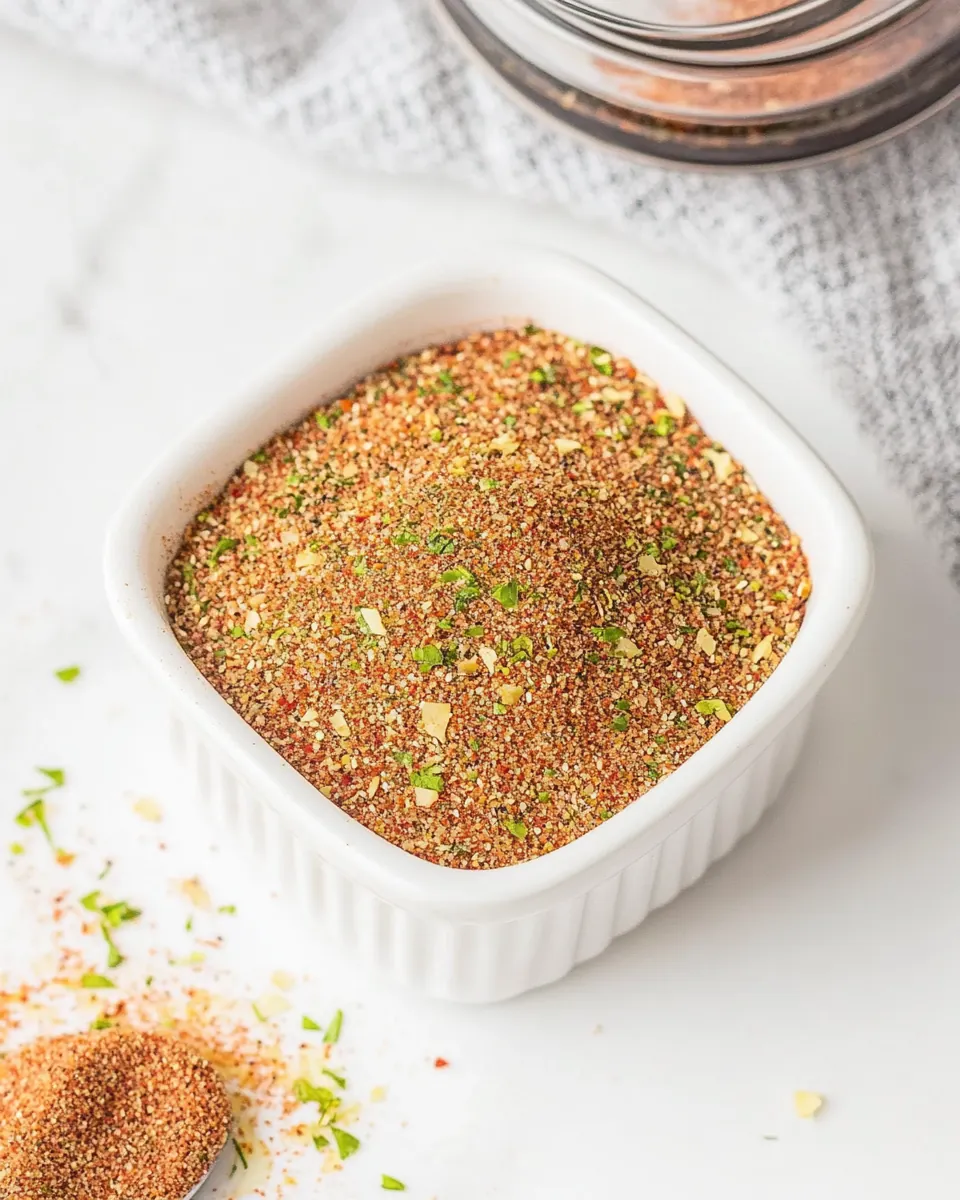
This seasoning is a breeze to prepare and store, and it transforms plain fish into something special. Below I expand the original directions into detailed, sensory guided steps so you can get predictable, delicious results every time.
- In a small bowl, combine all ingredients until well mixed.: You will notice the combined aroma immediately, a union of herbaceous dill and parsley with the warm red notes of smoked paprika , and the faint onion and garlic backbone. Use a whisk or a spoon to ensure the salt and powders are evenly distributed so each pinch tastes balanced. The visual cue is a uniform color, with no streaks of salt or concentrated paprika. A common mistake is not breaking up clumps in dried herbs, which can lead to uneven seasoning. If you detect any lumps, press them between your fingers or sift briefly to get a fine, cohesive mix.
- Transfer the seasoning blend to an airtight container or spice jar and store at room temperature away from direct sunlight.: The scent will mellow slightly as the mix rests, and storing it in a cool, dark place preserves volatile oils in the herbs. Use a glass jar with a tight lid to minimize air exposure and keep moisture out. I often label the jar with the date so I know when I made it, since fresh aroma fades over months. Avoid keeping it above a stove, as heat can accelerate degradation. If the mix smells flat after long storage, refresh by making a new batch for optimum flavor.
- Use this seasoning to flavor fish before cooking. Apply a generous amount to both sides of the fish fillets and cook as desired.: When you apply the mix, the herbs and spices will form a fragrant crust that browns attractively during cooking. For pan searing, you will hear an immediate sizzle as the seasoning contacts hot oil, and the paprika will bloom, deepening in color. With baking, the herbs will crisp slightly and perfume the kitchen. A typical error is seasoning too early on wet fillets, which can draw out moisture and make the coating fall off; pat fish dry before applying the blend to ensure adhesion and even browning.
- Apply a generous amount to both sides of the fish fillets and cook as desired: Rubbing the mix gently into the surface helps it cling, and you will feel the texture change as it forms a thin layer. Whether you pan sear, bake, or grill, watch for visual cues like a deepening of the paprika color and the edges turning opaque and flakeable for doneness. The aroma will go from herbaceous to toasty as proteins react to heat. A common pitfall is overcooking; remove the fish as soon as it flakes with a fork to keep it moist and tender.
Substitutions and Tips
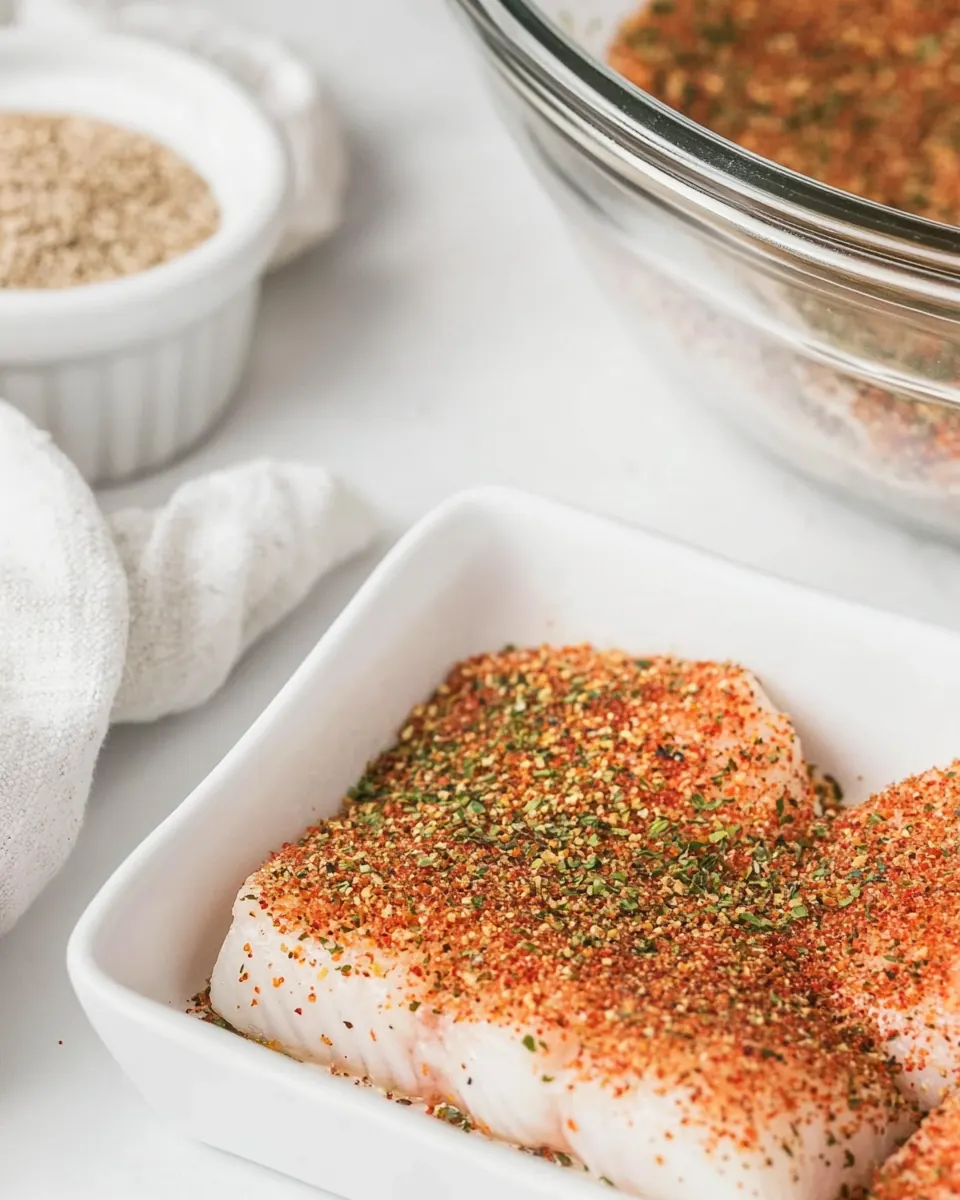
This section shares practical ideas I use when I do not have a particular spice on hand, plus storage and usage suggestions. Each tip starts with a clear highlighted phrase so you can scan for what matters most.
- Swap smoked paprika sparingly If you do not have smoked paprika, a sweet paprika will work though you will lose smoke notes. To mimic smoke, toast the paprika gently in a dry pan for a few seconds, stirring constantly, but be careful as it can burn quickly which will make it bitter.
- Adjust salt to taste Sea salt grain size affects salinity, so if you use a finer table salt reduce the amount slightly. Always taste a cooked sample before adding more salt to the whole batch.
- Keep herbs dry Moisture ruins dried herb blends quickly, so avoid metal jars that sweat, and do not store near the stove or a sunny window. A small desiccant pack can help in humid climates.
- Make small batches for peak flavor While the blend stores well, herbs are most vibrant within the first one to two months. If you want the freshest aroma, make smaller amounts more often.
- Use as a compound butter base Mix the seasoning into softened butter for a quick finishing spread that melts over warm fish and adds an instant flavor boost.
Serve This Fish Seasoning With
This seasoning makes serving straightforward and flexible. Below are ideas for pairings, occasions, and storage that help you get the most from the blend. I focus on approachable, complementary options that let the fish shine.
- Simple roasted vegetables Roast seasonal vegetables with a light sprinkle of the seasoning for a coherent plate that echoes the herbal notes on the fish. The vegetables will take on a subtle smokiness that ties them to the main course.
- Light salads Serve a green salad dressed simply with lemon and olive oil to contrast the warm, savory quality of the seasoned fish. Crisp textures keep the meal balanced and refreshing.
- Weeknight dinners This seasoning is perfect for easy weeknight dinners when you want fast but satisfying flavor. It requires minimal prep and pairs well with grains or quick sides.
- Special occasions Use the blend for a casual dinner party to add consistent flavor that looks intentional. It is an effortless way to elevate a modest menu without extra fuss.
- Storage tips Keep a labeled jar in your pantry and replace after two to three months for best aroma. If the scent fades, make a fresh batch for peak performance.
FAQ
Conclusion
This Fish Seasoning stands out because it brings layered, herbaceous brightness and a touch of smoky warmth to simple fillets. Give it a try next time you want to elevate a quick seafood dinner with minimal fuss. It is forgiving, easy to store, and consistently delivers balanced flavor that makes fish feel a little more special.
Fish Seasoning
Equipment
- Small Bowl
- Spoon or whisk
- Airtight Container
Ingredients
- 1 tablespoon dried dill weed Adds a bright, slightly grassy herbal note that lifts fish flavors and provides aromatic complexity; use sparingly to avoid overpowering delicate seafood. Enhances freshness and pairs well with citrus or butter-based sauces when sprinkled before serving.
- 1 tablespoon dried parsley Contributes a mild, clean herbaceous flavor and subtle color that complements other dried herbs; helps balance smoky and savory elements in the seasoning blend. Provides a familiar, leafy backdrop that supports stronger spices without masking them.
- 1 tablespoon smoked paprika Provides deep smoky warmth and vibrant color that gives fish a roasted, savory character; works well to create a barbecue-like profile without charring. Adds visual appeal and a mildly sweet, earthy undertone to the overall seasoning.
- 2 teaspoons sea salt Delivers essential saline seasoning to enhance natural fish flavors and bind the other spices; it elevates taste perception and can help draw out moisture for better crusting. Use measured amounts to avoid oversalting, especially with fresh or brined seafood.
- 1 teaspoon garlic powder Imparts concentrated savory-garlicky notes and a gentle umami boost that enhances overall savory depth; it distributes well in dry rubs for even flavoring. Offers convenience and consistency compared with fresh garlic, especially in quick-cook preparations.
- 1 teaspoon onion powder Adds a sweet-onion backbone and subtle savory aroma that rounds out the blend; it complements garlic powder and herbs for a fuller, more complex profile. Helps create a balanced seasoning that supports both mild and robust fish varieties.
- 1/2 teaspoon ground black pepper Provides sharp, warming heat and slight bite that brightens the blend and accentuates other flavors; it helps cut through richness from butter or oil. Use in moderation to maintain balance and avoid overwhelming delicate seafood textures.
Instructions
- In a small bowl, combine all ingredients until well mixed.: You will notice the combined aroma immediately, a union of herbaceous dill and parsley with the warm red notes of smoked paprika , and the faint onion and garlic backbone. Use a whisk or a spoon to ensure the salt and powders are evenly distributed so each pinch tastes balanced. The visual cue is a uniform color, with no streaks of salt or concentrated paprika. A common mistake is not breaking up clumps in dried herbs, which can lead to uneven seasoning. If you detect any lumps, press them between your fingers or sift briefly to get a fine, cohesive mix.
- Transfer the seasoning blend to an airtight container or spice jar and store at room temperature away from direct sunlight.: The scent will mellow slightly as the mix rests, and storing it in a cool, dark place preserves volatile oils in the herbs. Use a glass jar with a tight lid to minimize air exposure and keep moisture out. I often label the jar with the date so I know when I made it, since fresh aroma fades over months. Avoid keeping it above a stove, as heat can accelerate degradation. If the mix smells flat after long storage, refresh by making a new batch for optimum flavor.
- Use this seasoning to flavor fish before cooking. Apply a generous amount to both sides of the fish fillets and cook as desired.: When you apply the mix, the herbs and spices will form a fragrant crust that browns attractively during cooking. For pan searing, you will hear an immediate sizzle as the seasoning contacts hot oil, and the paprika will bloom, deepening in color. With baking, the herbs will crisp slightly and perfume the kitchen. A typical error is seasoning too early on wet fillets, which can draw out moisture and make the coating fall off; pat fish dry before applying the blend to ensure adhesion and even browning.
- Apply a generous amount to both sides of the fish fillets and cook as desired: Rubbing the mix gently into the surface helps it cling, and you will feel the texture change as it forms a thin layer. Whether you pan sear, bake, or grill, watch for visual cues like a deepening of the paprika color and the edges turning opaque and flakeable for doneness. The aroma will go from herbaceous to toasty as proteins react to heat. A common pitfall is overcooking; remove the fish as soon as it flakes with a fork to keep it moist and tender.
Notes
- Swap smoked paprika sparingly If you do not have smoked paprika, a sweet paprika will work though you will lose smoke notes. To mimic smoke, toast the paprika gently in a dry pan for a few seconds, stirring constantly, but be careful as it can burn quickly which will make it bitter.
- Adjust salt to taste Sea salt grain size affects salinity, so if you use a finer table salt reduce the amount slightly. Always taste a cooked sample before adding more salt to the whole batch.
- Keep herbs dry Moisture ruins dried herb blends quickly, so avoid metal jars that sweat, and do not store near the stove or a sunny window. A small desiccant pack can help in humid climates.
- Make small batches for peak flavor While the blend stores well, herbs are most vibrant within the first one to two months. If you want the freshest aroma, make smaller amounts more often.
- Use as a compound butter base Mix the seasoning into softened butter for a quick finishing spread that melts over warm fish and adds an instant flavor boost.