Feta Tomato Pasta
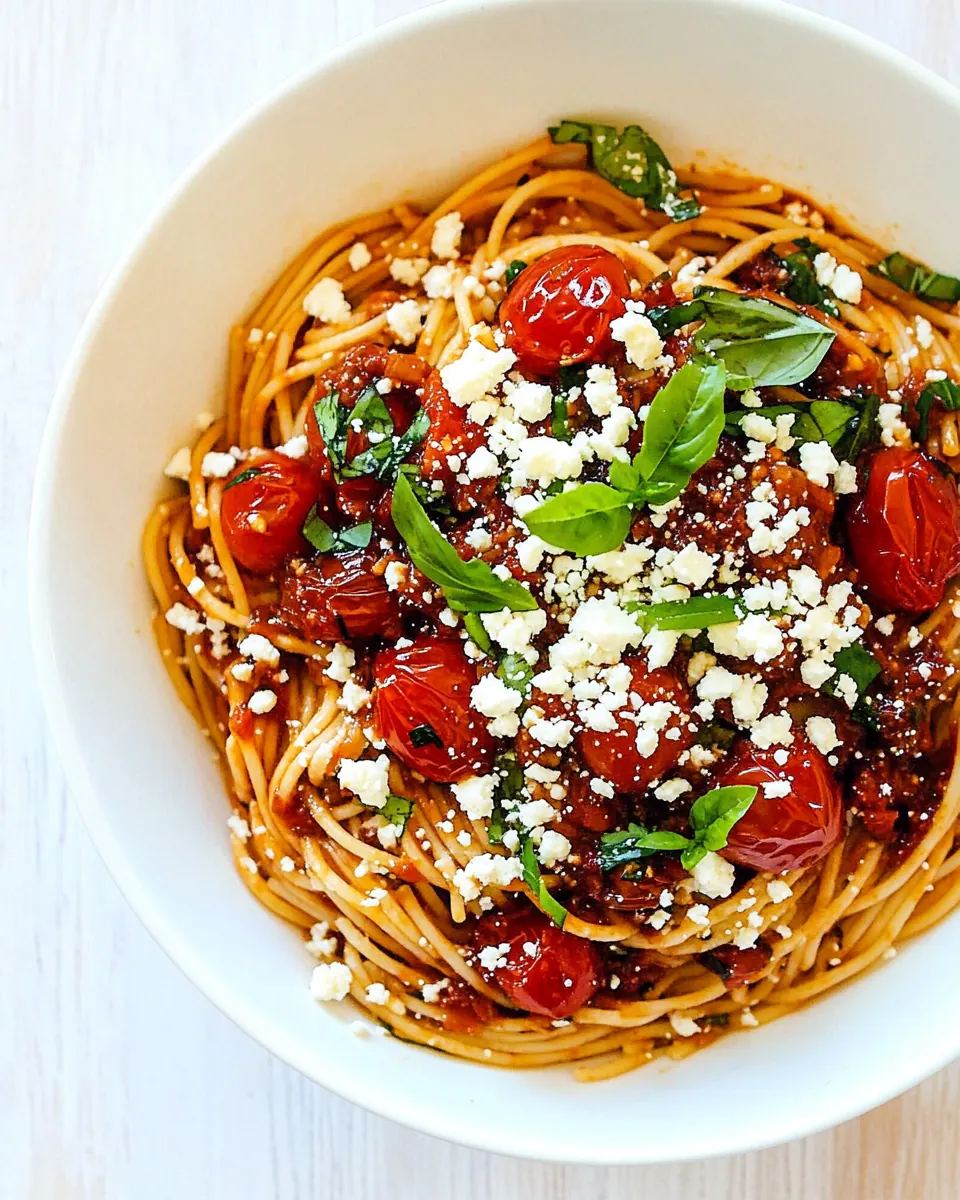
Feta Tomato Pasta is the sort of comfort food that sneaks up on you, the kind I reach for when I want something effortless but unforgettable. The first time I baked cherry tomatoes with a block of brined feta, I wasn’t expecting the kitchen to fill with that warm, caramelized tomato aroma while the cheese softened into something lusciously spreadable. I remember pulling it from the oven and thinking, why had I not tried this sooner, because the moment I stirred the mixture into hot pasta, it felt like a small culinary triumph.
Over the years this dish has become my go to for late weeknights, casual dinner guests, or when I need a cozy one bowl meal that still looks special. I love how simple ingredients become greater than the sum of their parts, and how a few pantry staples transform into a sauce that clings to every twist of pasta. Friends always ask for the recipe after one bite, and I always tell them it’s as much about timing and texture as it is about good olive oil and ripe tomatoes.
Recipe Snapshot
45 mins
10 mins
35 mins
Medium
450 kcal
Mediterranean
Gluten-Free, Keto
Dinner
Oven, Baking dish, Large pot, Spatula
What You’ll Enjoy About This Feta Tomato Pasta
Flavor That Feels Fancy
I find the combination of roasted cherry tomatoes and creamy feta remarkably satisfying, because roasting concentrates the sweetness while the brine in the feta lifts the whole dish. That contrast between sweet and tangy keeps each bite interesting, and you get rich mouthfeel without heavy cream.
Ridiculously Easy Technique
I love it when a recipe looks complex but is actually simple to execute. This one mostly needs an oven bake and a pot of boiling water, so you can relax and focus on timing. The technique rewards straightforward steps with a deeply flavored sauce that feels like you spent way more effort than you did.
Versatile Weeknight Winner
This dish adapts to what you have on hand. I’ll sometimes add a handful of chopped sun dried tomatoes or stir in extra basil for brightness. Because it pairs so well with many pastas, I often change the pasta shape to match the mood of the meal.
Comfortable Yet Impressive
When I serve this to guests they always think I slaved over it, but the truth is it’s the roasting and the cheese that do the heavy lifting. The presentation is rustic and inviting, and it reheats nicely for next day lunches.
Easy to Tweak
I appreciate how forgiving the recipe is. If the sauce seems too tangy I’ll balance it with a touch of sweetness, and if it’s too thick I’ll loosen it with reserved pasta water. You can control salt and heat to match your palate, which makes this a reliable favorite in my rotation.
Ingredients to Make Feta Tomato Pasta
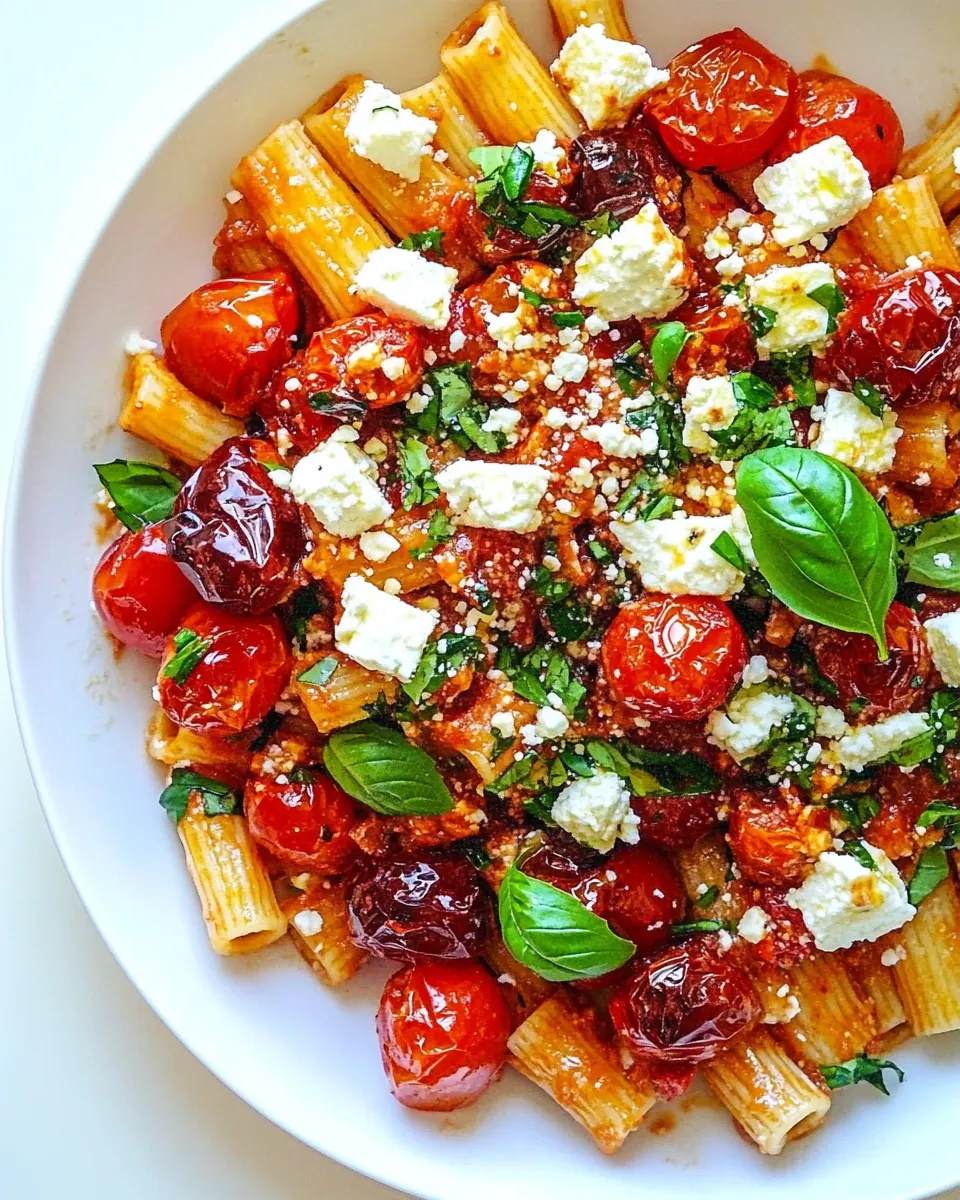
These ingredients are intentionally straightforward, relying on a few key players to build a layered sauce. The star is the brined feta, which melts into a silky backbone, while the roasted cherry tomatoes add concentrated sweetness. Olive oil and herbs round out the flavor, and the pasta captures every bit of sauce so each forkful feels balanced.
- 8 12 ounces medium pasta like gemilli, rotini, fusilli (see notes): Cooked to al dente and providing the base of the dish, medium pasta like gemelli, rotini, or fusilli holds sauce and captures tomato and feta flavors in its grooves, making every bite balanced and texturally satisfying.
- 2 pints cherry tomatoes (20-25 ounces): Bursting with natural sweetness and acidity, cherry tomatoes roast down to create a jammy sauce that brightens the pasta and contrasts the richness of feta while contributing moisture and fresh flavor.
- 1/2 cup chopped sun dried tomatoes in oil () (optional): Rehydrated and savory, sun dried tomatoes in oil add concentrated umami and chewy texture that deepens the tomato profile and brings a slightly tangy, intense tomato note when stirred into the sauce.
- 1/4 cup basil pesto: Bold and herbaceous, basil pesto introduces concentrated basil, garlic, and nutty cheese elements that layer extra freshness and richness, helping to round and unify the tomato-feta–pasta combination.
- 2 tablespoons olive oil + more for drizzling: Smooth and fruity, olive oil helps to sauté, coat, and finish the dish while adding mouthfeel and carrying fat-soluble flavors; additional oil can be drizzled to amplify silkiness and shine.
- 1/2 tsp EACH dried oregano, dried parsley: Earthy and aromatic, dried oregano and dried parsley contribute Mediterranean herb notes that enhance tomato and feta flavors while providing a background savory complexity.
- 1/4 tsp EACH dried thyme, red pepper flakes, salt, pepper: Warm and piquant, dried thyme, red pepper flakes, salt, and pepper season the dish with subtle depth, gentle heat, and essential seasoning to balance sweetness and creaminess.
- 17 8 oz. block feta in brine, preferably French feta/100% sheep's milk (see notes): Salty and creamy, a block of feta in brine—preferably French or 100% sheep's milk—melts into a tangy, custard-like component that forms the sauce’s creamy backbone and contrasts the sweet tomatoes.
- 2 cloves garlic, minced: Fragrant and pungent, minced garlic infuses bright, savory aromatics during roasting or sautéing that deepen flavor layers and complement both tomatoes and feta.
- 2 3 tablespoons chopped basil: Fresh and aromatic, chopped basil provides a final burst of herbal brightness and color that lifts the rich, savory elements and ties the Mediterranean flavors together.
Instructions for Feta Tomato Pasta
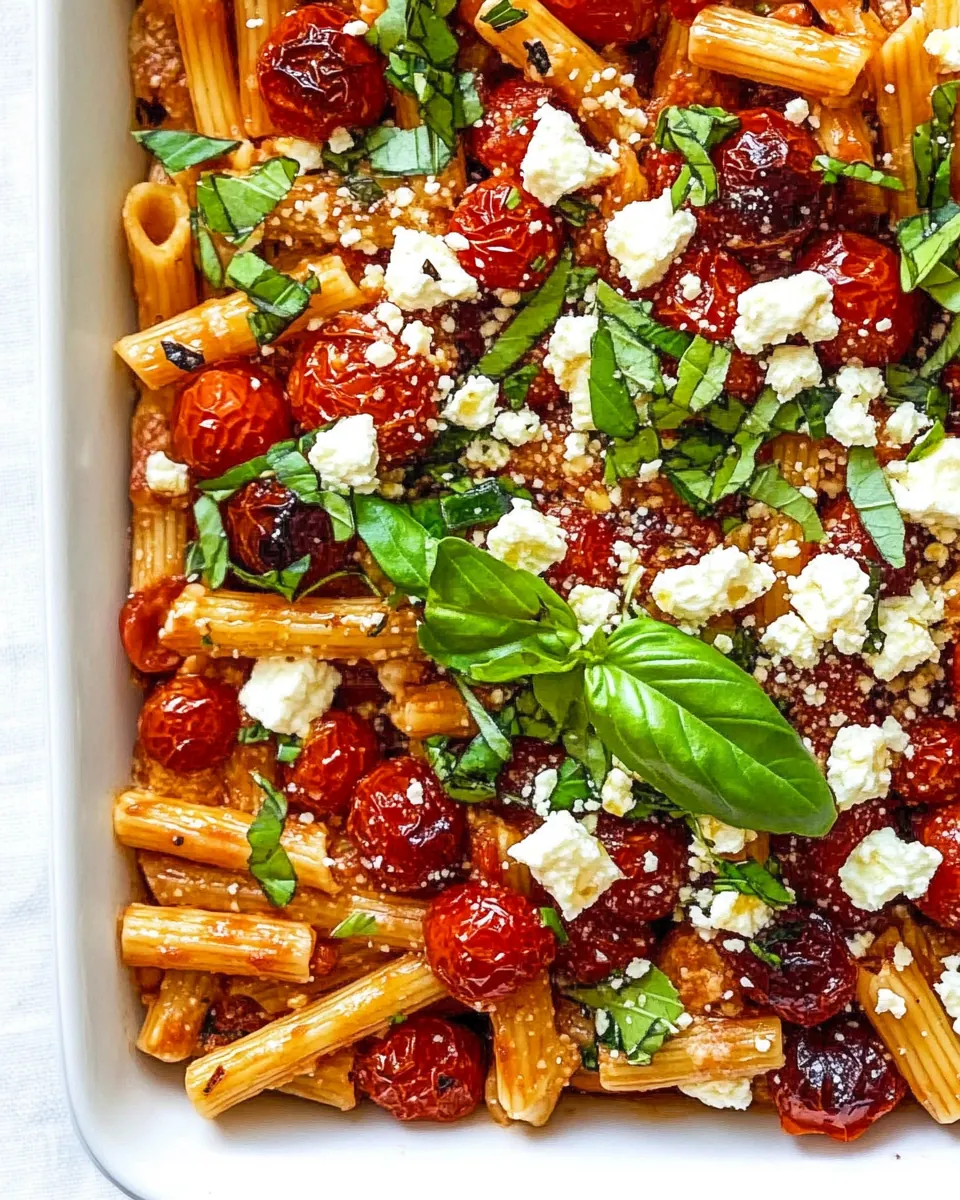
This method is intentionally relaxed, but rhythm matters. Start with an oven bake for the tomatoes and feta, and time your pasta so it finishes just as the sauce is ready. Below I expand each direction with sensory cues and troubleshooting so you can nail the texture and flavor.
- Preheat oven to 425 degrees F.: You will notice the oven building dry heat, which encourages the tomatoes to blister rather than steam, creating concentrated sweetness and caramelized edges. Getting the oven to a true 425 degrees matters because a lower temperature yields a softer roast and less pop from the skins; use an oven thermometer if yours runs cool. A common error is placing the dish in before the oven is hot, which prolongs roasting time and can underdevelop flavor.
- Add the tomatoes, sun-dried tomatoes, pesto, olive oil, oregano, parsley, salt, pepper, thyme and red pepper flakes. Stir all of the ingredients together until evenly coated.: As you mix, you will see the tomatoes glisten with olive oil and the herbs speckle the surface. The scents of herbaceous pesto and fruity oil rise up, hinting at the roast to come. Ensuring each tomato is coated promotes even roasting and prevents any from drying out. Avoid overcrowding the pan, because crowded tomatoes steam instead of roast.
- Make room in the center of the dish and add the feta. Drizzle the top of the feta with olive oil.: The block should sit exposed so it takes on heat directly while the surrounding tomatoes burst. Drizzling olive oil over the feta encourages browning at the edges and keeps the cheese moist. If you bury the cheese, it will not soften uniformly, so leave it centered and exposed.
- Bake uncovered for 35 minutes or until the until the feta is soft and tomatoes are bursting.: You will hear occasional pops as the cherry tomatoes split and their juices release, and the feta will collapse slightly and look pillowy. Visual cues matter more than a strict timer here, so aim for wrinkled tomato skins and a soft, pressable cheese. If the top seems to brown too quickly, tent with foil to prevent burning while the center finishes.
- Meanwhile, chop the garlic and basil and cook the pasta in salted water according to the package directions (plan on adding the pasta to the boiling water 10 minutes before the feta and tomatoes are done). Before draining the pasta, reserve 1 cup of the pasta cooking water for later.: Boiling water should have a lively rolling boil, and the salted water seasons the pasta from within. The reserved cooking water holds starch that helps emulsify the sauce, giving it a glossy, silky texture. A mistake is not reserving water, which can make the sauce cling poorly or seem dry when tossed.
- Remove the dish from the oven and immediately add the garlic and basil and stir for 30 seconds so the residual heat can cook the garlic.: The pan will be steaming hot, and stirring right away allows the garlic to release fragrance without becoming raw. You should smell a bright, aromatic note, and the basil will wilt but stay vibrant. Avoid letting the garlic sit in the hot dish too long, as it can become bitter if it overcooks.
- Using a spatula, press down on the feta cheese to break it down and make it creamy; then stir everything together until completely combined to create the sauce. Add the pasta and toss to evenly coat with the sauce. For a creamier pasta (recommended), stir in desired amount of reserved pasta water 1/4 cup at a time until it reaches desired consistency (I use 1/2 cup).: When you press the feta , it will break into creamy ribbons that emulsify with the roasted juices, creating a glossy sauce that clings to the pasta . The sound is gentle, a soft stirring and gentle scraping of the dish. Add reserved pasta water slowly to achieve a silky texture, because too much will thin the sauce and too little will leave it clumpy. A frequent misstep is dumping all the water at once and losing control of the sauce consistency.
- Taste and season with additional salt, pepper and/or red pepper flakes to taste (I like 1/4 tsp EACH more salt and pepper). For a less tangy pasta, stir in a couple teaspoons sugar or honey to taste (like you do in any tomatoes-based sauce).: Now is the moment to personalize the balance, since the brined feta and roasted tomatoes will have concentrated flavors. Tasting hot food can mute salt, so adjust in small increments and re-taste. If you oversalt, a quick remedy is adding a splash more reserved pasta water or a bit of unsalted dairy if acceptable. Avoid adding too much sweetener, which can flatten the tomato brightness.
Change It Up
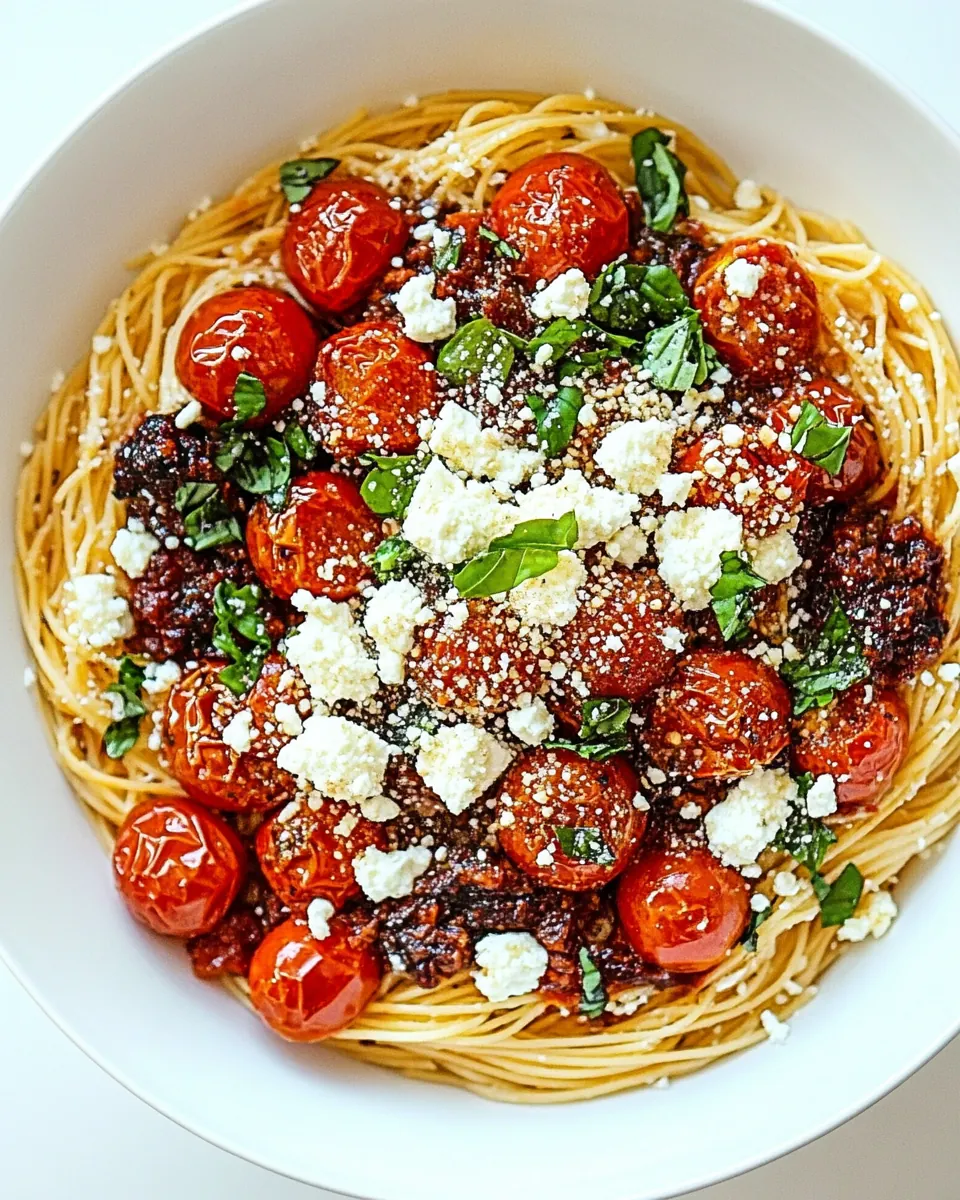
There are a few easy variations and adjustments that keep this recipe exciting. Below I expand the author’s notes into practical tips you can use to customize texture and flavor while staying true to the core technique.
- Use the right feta — Choose a young brined feta made predominantly of sheep‘s milk for the creamiest result; French or Israeli styles are excellent. These styles retain moisture in the oven and transform into a spreadable cream, whereas drier aged blocks will remain crumbly and resist breaking down, which can leave the sauce uneven.
- Half and half option — If the tang of feta is intense for you, use half feta and half cream cheese for a milder, richer sauce. This swap softens the sharpness while preserving that luscious creamy texture; note that cream cheese will mellow the salty tang, so you may need less added salt when seasoning.
- Pasta shape matters — Medium shaped pastas like gemelli, casarecce, rotini and fusilli are ideal because their curves trap sauce. Denser pastas may weigh more by volume, so adjust weight if switching shapes to ensure you have enough sauce for coating, otherwise the pasta can feel under sauced.
- Sweetness adjustment — If the roasted tomatoes taste too tangy for your palate, stir in a small amount of sugar or honey to balance acidity. Add it sparingly and taste between additions, because a little goes a long way and you do not want to mask the tomato character.
- Gluten free swap — The sauce is naturally gluten free, so serve it over gluten free pasta or alternatives like zoodles or rice to keep the dish suitable for gluten sensitive diners. Cook the alternative according to its package directions and use reserved cooking liquid if possible to help the sauce bind.
Pairing Suggestions for Feta Tomato Pasta
This pasta shines in casual dinners and special weeknights alike. Below are serving ideas, side pairings, and storage tips that help you plan occasions around this dish, and make the most of leftovers.
- Simple green salad — Serve alongside a crisp mixed green salad dressed with a vinaigrette to cut through the richness and provide textural contrast, making it perfect for a light dinner.
- Charred vegetables — Roasted or grilled vegetables like zucchini or eggplant add smoky depth and pair well if you want to stretch the meal into a heartier vegetarian spread for family dinner.
- Casual dinner parties — Present the pasta family style in a warm baking dish so guests can serve themselves, which makes it ideal for relaxed gatherings or when you want to spend more time at the table.
- Storage and reheating — Store in an airtight container in the refrigerator for up to five days. When reheating, add a splash of milk or reserved cooking water and warm gently on the stove, stirring until glossy to restore creaminess.
- Seasonal serving — This is especially lovely in summer when cherry tomatoes are at their peak; serve it during picnic style dinners or light evening meals when tomatoes taste their sweetest.
FAQ
Conclusion
What makes this recipe special is how a few humble ingredients transform into a silky, flavorful sauce that clings to every noodle. Give it a try the next time you want a comforting yet elegant meal with minimal fuss. I hope it becomes a staple in your rotation, one you reach for when you want something quick, satisfying, and endlessly adaptable.
Feta Tomato Pasta
Equipment
- Oven
- Baking Dish
- Large Pot
- Spatula
Ingredients
- 8 -12 ounces medium pasta like gemilli, rotini, fusilli (see notes) Cooked to al dente and providing the base of the dish, medium pasta like gemelli, rotini, or fusilli holds sauce and captures tomato and feta flavors in its grooves, making every bite balanced and texturally satisfying.
- 2 pints cherry tomatoes (20-25 ounces) Bursting with natural sweetness and acidity, cherry tomatoes roast down to create a jammy sauce that brightens the pasta and contrasts the richness of feta while contributing moisture and fresh flavor.
- 1/2 cup chopped sun dried tomatoes in oil (optional) Rehydrated and savory, sun dried tomatoes in oil add concentrated umami and chewy texture that deepens the tomato profile and brings a slightly tangy, intense tomato note when stirred into the sauce.
- 1/4 cup basil pesto Bold and herbaceous, basil pesto introduces concentrated basil, garlic, and nutty cheese elements that layer extra freshness and richness, helping to round and unify the tomato-feta-pasta combination.
- 2 tablespoons olive oil + more for drizzling Smooth and fruity, olive oil helps to sauté, coat, and finish the dish while adding mouthfeel and carrying fat-soluble flavors; additional oil can be drizzled to amplify silkiness and shine.
- 1/2 tsp EACH dried oregano, dried parsley Earthy and aromatic, dried oregano and dried parsley contribute Mediterranean herb notes that enhance tomato and feta flavors while providing a background savory complexity.
- 1/4 tsp EACH dried thyme, red pepper flakes, salt, pepper Warm and piquant, dried thyme, red pepper flakes, salt, and pepper season the dish with subtle depth, gentle heat, and essential seasoning to balance sweetness and creaminess.
- 17 -8 oz. block feta in brine, preferably French feta/100% sheep's milk (see notes) Salty and creamy, a block of feta in brine—preferably French or 100% sheep's milk—melts into a tangy, custard-like component that forms the sauce’s creamy backbone and contrasts the sweet tomatoes.
- 2 cloves garlic, minced Fragrant and pungent, minced garlic infuses bright, savory aromatics during roasting or sautéing that deepen flavor layers and complement both tomatoes and feta.
- 2 -3 tablespoons chopped basil Fresh and aromatic, chopped basil provides a final burst of herbal brightness and color that lifts the rich, savory elements and ties the Mediterranean flavors together.
Instructions
- Preheat oven to 425 degrees F.: You will notice the oven building dry heat, which encourages the tomatoes to blister rather than steam, creating concentrated sweetness and caramelized edges. Getting the oven to a true 425 degrees matters because a lower temperature yields a softer roast and less pop from the skins; use an oven thermometer if yours runs cool. A common error is placing the dish in before the oven is hot, which prolongs roasting time and can underdevelop flavor.
- Add the tomatoes, sun-dried tomatoes, pesto, olive oil, oregano, parsley, salt, pepper, thyme and red pepper flakes. Stir all of the ingredients together until evenly coated.: As you mix, you will see the tomatoes glisten with olive oil and the herbs speckle the surface. The scents of herbaceous pesto and fruity oil rise up, hinting at the roast to come. Ensuring each tomato is coated promotes even roasting and prevents any from drying out. Avoid overcrowding the pan, because crowded tomatoes steam instead of roast.
- Make room in the center of the dish and add the feta. Drizzle the top of the feta with olive oil.: The block should sit exposed so it takes on heat directly while the surrounding tomatoes burst. Drizzling olive oil over the feta encourages browning at the edges and keeps the cheese moist. If you bury the cheese, it will not soften uniformly, so leave it centered and exposed.
- Bake uncovered for 35 minutes or until the until the feta is soft and tomatoes are bursting.: You will hear occasional pops as the cherry tomatoes split and their juices release, and the feta will collapse slightly and look pillowy. Visual cues matter more than a strict timer here, so aim for wrinkled tomato skins and a soft, pressable cheese. If the top seems to brown too quickly, tent with foil to prevent burning while the center finishes.
- Meanwhile, chop the garlic and basil and cook the pasta in salted water according to the package directions (plan on adding the pasta to the boiling water 10 minutes before the feta and tomatoes are done). Before draining the pasta, reserve 1 cup of the pasta cooking water for later.: Boiling water should have a lively rolling boil, and the salted water seasons the pasta from within. The reserved cooking water holds starch that helps emulsify the sauce, giving it a glossy, silky texture. A mistake is not reserving water, which can make the sauce cling poorly or seem dry when tossed.
- Remove the dish from the oven and immediately add the garlic and basil and stir for 30 seconds so the residual heat can cook the garlic.: The pan will be steaming hot, and stirring right away allows the garlic to release fragrance without becoming raw. You should smell a bright, aromatic note, and the basil will wilt but stay vibrant. Avoid letting the garlic sit in the hot dish too long, as it can become bitter if it overcooks.
- Using a spatula, press down on the feta cheese to break it down and make it creamy; then stir everything together until completely combined to create the sauce. Add the pasta and toss to evenly coat with the sauce. For a creamier pasta (recommended), stir in desired amount of reserved pasta water 1/4 cup at a time until it reaches desired consistency (I use 1/2 cup).: When you press the feta , it will break into creamy ribbons that emulsify with the roasted juices, creating a glossy sauce that clings to the pasta . The sound is gentle, a soft stirring and gentle scraping of the dish. Add reserved pasta water slowly to achieve a silky texture, because too much will thin the sauce and too little will leave it clumpy. A frequent misstep is dumping all the water at once and losing control of the sauce consistency.
- Taste and season with additional salt, pepper and/or red pepper flakes to taste (I like 1/4 tsp EACH more salt and pepper). For a less tangy pasta, stir in a couple teaspoons sugar or honey to taste (like you do in any tomatoes-based sauce).: Now is the moment to personalize the balance, since the brined feta and roasted tomatoes will have concentrated flavors. Tasting hot food can mute salt, so adjust in small increments and re-taste. If you oversalt, a quick remedy is adding a splash more reserved pasta water or a bit of unsalted dairy if acceptable. Avoid adding too much sweetener, which can flatten the tomato brightness.
Notes
- Use the right feta — Choose a young brined feta made predominantly of sheep's milk for the creamiest result; French or Israeli styles are excellent. These styles retain moisture in the oven and transform into a spreadable cream, whereas drier aged blocks will remain crumbly and resist breaking down, which can leave the sauce uneven.
- Half and half option — If the tang of feta is intense for you, use half feta and half cream cheese for a milder, richer sauce. This swap softens the sharpness while preserving that luscious creamy texture; note that cream cheese will mellow the salty tang, so you may need less added salt when seasoning.
- Pasta shape matters — Medium shaped pastas like gemelli, casarecce, rotini and fusilli are ideal because their curves trap sauce. Denser pastas may weigh more by volume, so adjust weight if switching shapes to ensure you have enough sauce for coating, otherwise the pasta can feel under sauced.
- Sweetness adjustment — If the roasted tomatoes taste too tangy for your palate, stir in a small amount of sugar or honey to balance acidity. Add it sparingly and taste between additions, because a little goes a long way and you do not want to mask the tomato character.
- Gluten free swap — The sauce is naturally gluten free, so serve it over gluten free pasta or alternatives like zoodles or rice to keep the dish suitable for gluten sensitive diners. Cook the alternative according to its package directions and use reserved cooking liquid if possible to help the sauce bind.