Fennel and Cabbage Slaw
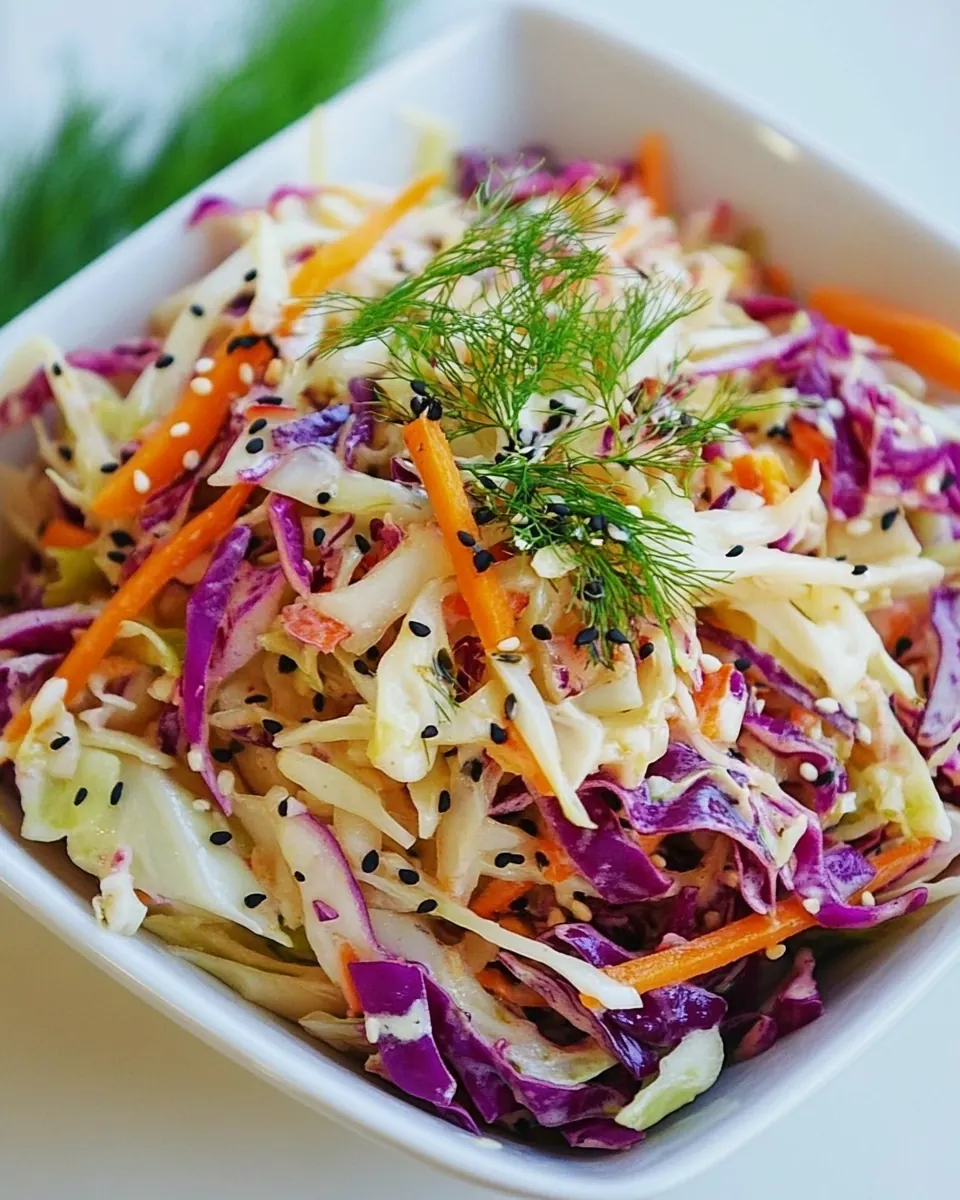
Fennel and Cabbage Slaw has been my go to when I need something bright, crunchy, and utterly uncomplicated at the table. I first tossed this slaw together on a windy spring afternoon, juggling groceries and a stubbornly curious toddler who insisted on sampling every vegetable. The result was a crunchy, tang driven salad that cut through rich mains and made weeknight meals feel a little more festive. I still remember the first forkful, the way the lemon zest popped against the cool, creamy dressing and how the fennel offered that subtle anise whisper, tying everything together.
That day I learned that a simple bowl of shredded cabbage, crisp carrots, and thinly sliced fennel can transform a rushed dinner into something I actually pause to savor. The dressing is forgiving, so I often riff on it depending on what I have on hand, but the core combination—crisp vegetables, a tangy yogurt base, and a tiny kiss of sweetness—never fails. Friends started asking for the recipe after one backyard dinner, and I found myself making large batches because it keeps its texture and flavor even after a few hours. It’s perfect for sandwiches, tacos, or as a bright counterpoint to a heavier main.
Recipe Snapshot
15 mins
15 mins
Easy
150 kcal
American
Gluten-Free, Vegan
Side Dishes
Large bowl, Whisk, Measuring cup
The Best Thing About This Fennel and Cabbage Slaw
Freshness in every bite
I adore how Fennel and Cabbage Slaw delivers pure vegetable crunch on the first forkful. The combination of shredded cabbage and grated carrots gives a satisfying texture contrast, while the thinly sliced fennel adds a delicate, slightly sweet anise note that keeps things interesting.
Balanced, creamy dressing
The dressing, built on plain Greek yogurt, lemon, and a touch of maple, feels indulgent without weighing the salad down. I like that the yogurt gives a creamy mouthfeel and tang, the lemon brightens, and the whole grain mustard adds a subtle savory depth. It is easy to tweak yet reliable as written.
Versatile and team player
We often use this slaw as a topping for sandwiches or tacos, and it also shines as a side dish at potlucks. It pairs with grilled or roasted mains, and because it keeps well, you can prepare it ahead and still enjoy crisp texture for hours. That convenience is a huge reason I reach for this recipe again and again.
Simple pantry friendly ingredients
Most elements are pantry or fridge staples: lemon, rice vinegar, a bit of maple syrup, and sea salt. It is comforting to know you can pull this together on short notice and still produce something that tastes intentional.
Healthy but satisfying
This slaw feels nourishing without being preachy. The vegetables provide fiber and crunch, the yogurt supplies creaminess and protein, and sesame seeds offer a gentle nutty finish. If you want something that reads as both light and substantial on the plate, this one delivers.
What You’ll Need for Fennel and Cabbage Slaw
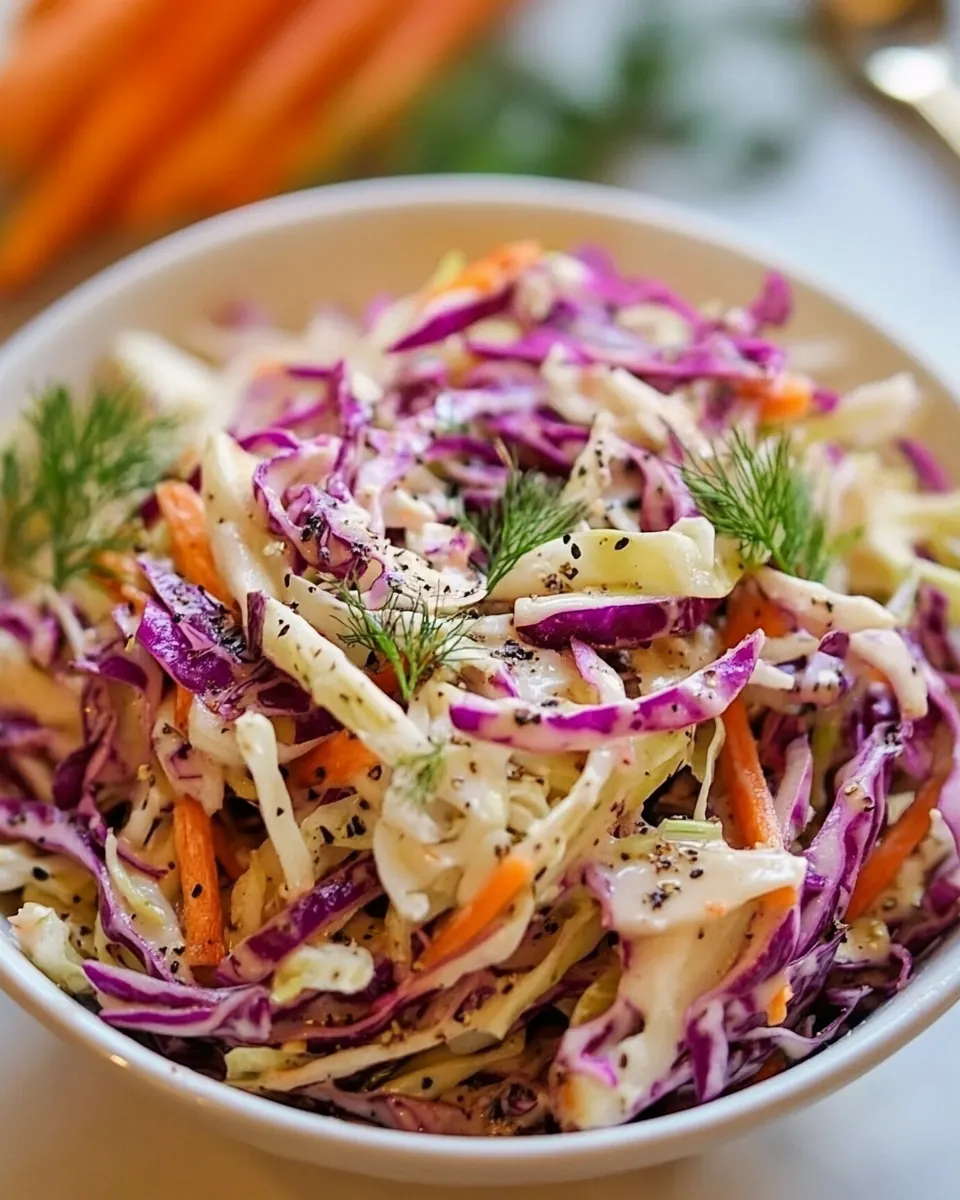
I think of these ingredients as the small orchestra behind a single clear melody. The vegetables bring texture and volume, the yogurt and mustard create a silky, tangy binder, and lemon and vinegar lift the entire mix. Together they balance crunch, cream, acid, and a hint of sweetness so every bite stays lively.
- 1/2 medium red cabbage sliced about 4 cups: Adds crunchy, colorful base and mild peppery flavor; thin slicing ensures tender bite and even dressing coating in the slaw. Provides visual appeal and fiber while balancing richer dressing components for a refreshing texture contrast.
- 2 large carrots peeled and grated: Contributes subtle sweetness and vibrant color; peeling and grating yields delicate strands that meld seamlessly with cabbage for uniform mouthfeel. Supplies natural sugars and moisture to offset tangy and savory elements while enhancing overall crunch.
- 1 fennel bulb thinly sliced: Offers crisp anise-like flavor and aromatic freshness; thin slicing distributes its licorice notes throughout the salad without overpowering other ingredients. Brings a juicy, tender crunch and aromatic complexity that brightens the slaw.
- 3 green onions sliced: Imparts mild oniony sharpness and fresh green flavor; slicing thinly ensures small, evenly distributed bursts of savory bite. Adds aromatic lift and a gentle allium presence that complements the fennel and cabbage.
- Zest of 1 lemon: Provides bright citrus aroma and concentrated lemon oils; zest lends lively fragrance and a hint of bitterness that elevates the dressing. Enhances freshness and balances richness while contributing nuanced citrus complexity.
- 1/2 cup plain Greek yogurt: Delivers creamy body and tangy base for the dressing; plain Greek yogurt thickens the vinaigrette and adds protein for a richer mouthfeel. Helps emulsify liquids and binds ingredients together while adding subtle acidity.
- 2 tbsp fresh squeezed lemon juice: Adds bright acidity and citrus flavor to the dressing; fresh–squeezed juice balances creaminess and sweetness for a vibrant finish. Acts as a primary acid to brighten the slaw and help tenderize raw vegetables slightly.
- 1 tsp pure maple syrup (optional): Introduces gentle sweetness and subtle complexity when used; optional maple syrup rounds out acidity and enhances overall balance. Helps mellow sharp flavors and creates a smoother, more harmonious dressing.
- 2 tbsp rice vinegar: Contributes mild tangy acidity and subtle sweetness; rice vinegar lightens the dressing and brings a delicate, slightly floral note. Works with lemon juice to create layered acidity and aids in softening raw vegetables.
- 1 tablespoon whole grain mustard: Provides robust, tangy flavor and coarse texture; whole grain mustard adds savory depth and helps emulsify the dressing for stability. Imparts piquant mustard seeds and a rustic mouthfeel that complements crunchy vegetables.
- 1 tsp sesame seeds: Adds light nutty crunch and visual interest; sesame seeds contribute subtle toasted flavor and small textural pops throughout the slaw. Enhances the salad's aroma and provides a complementary sesame note.
- 1 tsp sea salt: Season with mineral-rich salt to enhance and balance all flavors; sprinkling evenly ensures consistent seasoning across the slaw. Helps draw out some moisture from vegetables and intensifies the overall taste.
The Method for Fennel and Cabbage Slaw
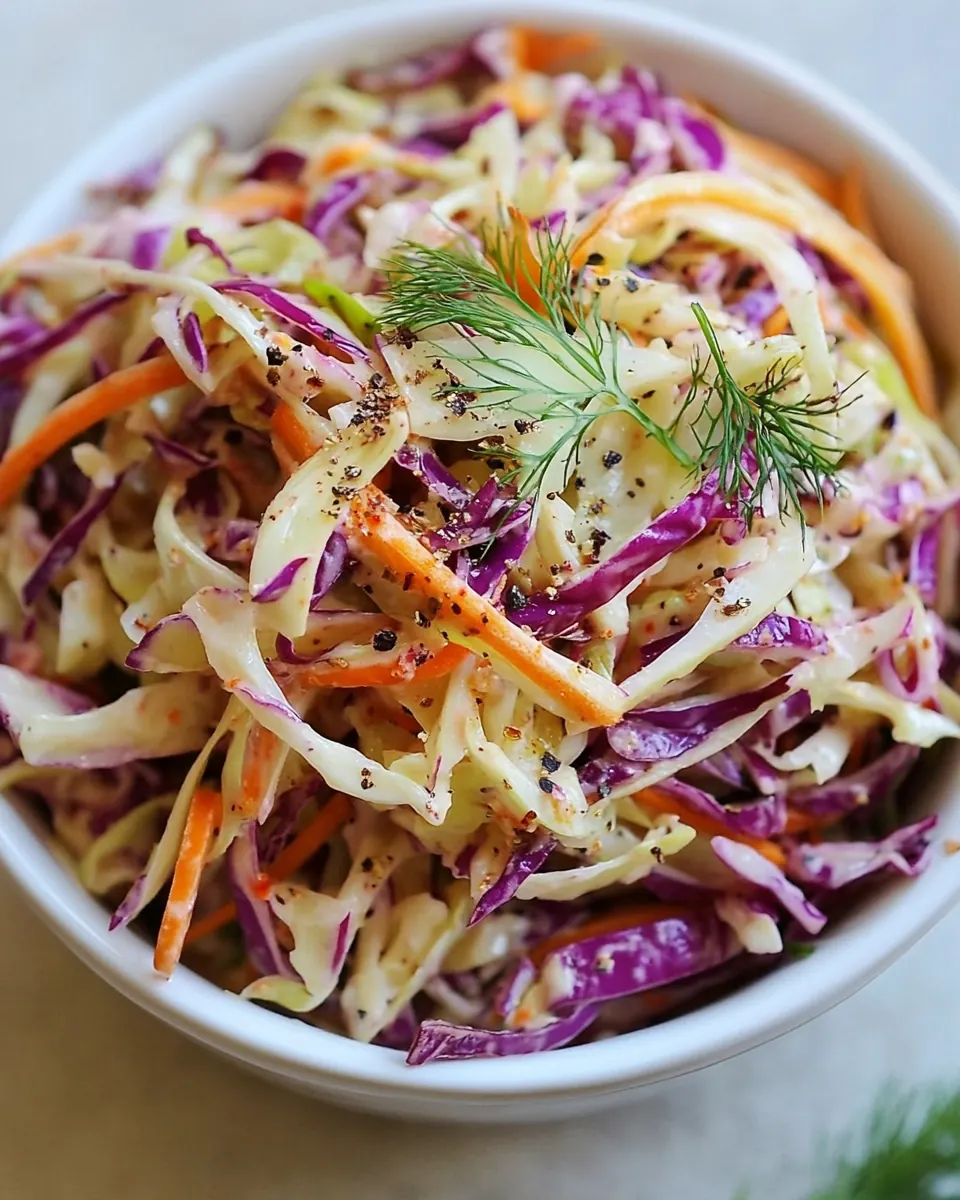
This slaw comes together quickly, and the directions are straightforward. Below I expand each step with sensory cues, reasons why the action matters, and troubleshooting to help you nail texture and balance. Read each step so you know what to look, smell, and listen for.
- Transfer the sliced cabbage, grated carrots, sliced fennel, and chopped green onions to a large bowl.: The first sensory sign is an immediate chorus of color and crunch, the deep purple of the cabbage contrasting with orange carrots and pale fennel . Combining everything in a roomy bowl lets you toss freely without smashing the vegetables. This dry mix should feel crisp and slightly dry to the touch, which helps the dressing cling rather than pool. Why this matters, the loose texture ensures even coating and preserves snap. Troubleshooting tip, if pieces are wet from washing, pat them very dry or the dressing will dilute and the slaw can become limp.
- Whisk together the remaining ingredients in a small bowl or measuring cup to make a dressing for the slaw. Pour the dressing over the veggies and mix well. Taste the slaw for flavor and add more sea salt or lemon juice to taste. Use this slaw on your sandwiches, burgers, tacos, or serve it as a side dish.: As you whisk, the aroma of fresh lemon juice and the nuttiness of whole grain mustard will lift from the bowl. The dressing should look smooth and slightly glossy, with tiny mustard seeds suspended throughout. This emulsification is important because it helps the dressing cling to the vegetables rather than separate. If the dressing appears thin, taste and gently adjust with a bit more Greek yogurt or a touch less acid. A common mistake is overwhisking to the point where yogurt becomes too thin, so whisk until combined and balanced.
- Pour the dressing over the veggies and mix well: When the dressing hits the vegetables you should hear a faint rustle as the greens move against one another, and visually you will see the dressing coat each strand with a pearly sheen. Folding gently with tongs or salad servers preserves the crispness; aggressive stirring can bruise the cabbage and release water. The why, even coating ensures every bite has a balance of cream, acid, and crunch. Common troubleshooting, if some pockets look dry, pause and fold again, letting the dressing settle into crevices rather than adding more liquid immediately.
- Taste the slaw for flavor and add more sea salt or lemon juice to taste: This tasting step is where the slaw comes alive, and you should look for harmony between the tang of lemon , the cream of Greek yogurt , and the sweet background from carrots and optional maple syrup . Adjust in small increments, because acid and salt are powerful. Why this matters, finishing seasoning tailors the dish to your produce and palate. A troubleshooting note, if it tastes flat, add a squeeze of lemon, not more yogurt, which can mute brightness.
- Use this slaw on your sandwiches, burgers, tacos, or serve it as a side dish: The final sensory cue is how the slaw interacts with other textures; on a sandwich the crunch contrasts with soft bread, while next to a warm main the cool dressing provides relief. Serving cold or at room temperature both work, though chilling for a short time lets flavors meld. The why, pairing with richer mains gives balance and freshness. Common mistake, don't let it sit too long with very wet ingredients, as it will gradually lose snap; time your assembly to keep optimal texture.
Helpful Hints
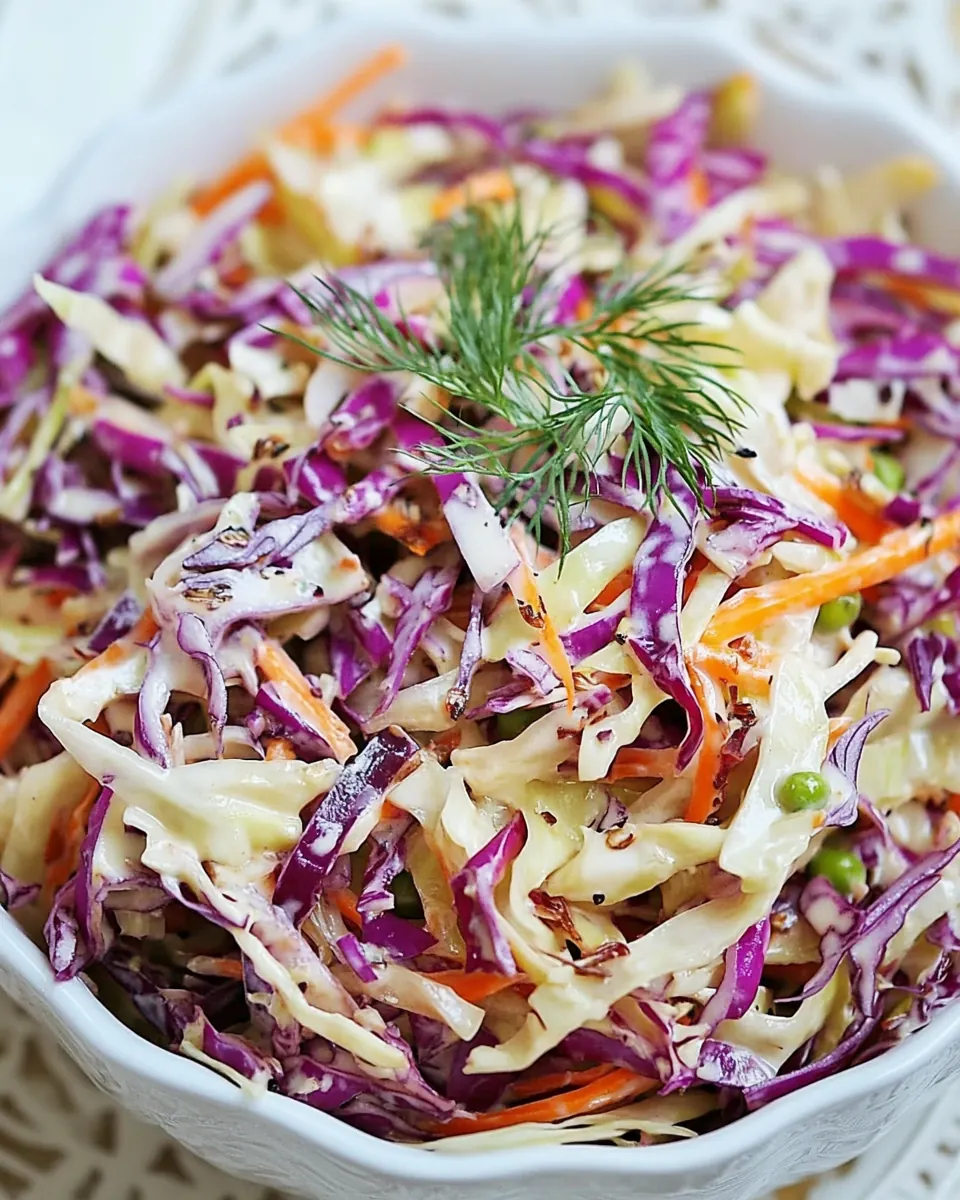
This recipe rewards small, thoughtful choices, and a few practical hints go a long way. Below I expand on ways to keep the textures bright, flavors balanced, and make the slaw work for different uses.
- Use a sharp knife or mandoline to get even slices of cabbage and fennel, which ensures consistent texture across every bite and prevents large pieces from dominating.
- Pat vegetables dry after washing, because excess moisture dilutes the dressing and can make the slaw limp instead of crisp.
- Toast the sesame seeds briefly in a dry pan until fragrant for added aroma, but watch carefully because they burn quickly and will taste bitter.
- Mix dressing separately to control seasoning and texture before adding to the vegetables, making it easier to adjust acid and sweetness without overdressing.
- Let the slaw rest briefly if you like melded flavors, about 15 to 30 minutes in the fridge, but avoid very long storage if you want the maximum crunch.
What to Serve Alongside Fennel and Cabbage Slaw
This slaw is a versatile companion that fits many meals and occasions. Below are ideas for pairings, serving styles, and ways to adapt it for seasons or gatherings.
- As a sandwich topper, use the slaw to add crunch and tang to grilled vegetables or cold sandwiches, offering a refreshing contrast to soft bread.
- With tacos, spoon the slaw on top of roasted or grilled fillings to introduce brightness and a cooling counterpoint to spicy flavors.
- At potlucks, serve in a large bowl with a spoon and label as a spring friendly side; it holds well and offers a vegetarian option.
- For weeknight dinners, pair with a protein forward main and let the slaw cut through richness, making heavy meals feel lighter and more balanced.
- Storage tips, keep the slaw in an airtight container up to two days for best texture; if it softens, refresh with a squeeze of lemon and a pinch of sea salt before serving.
- Seasonal pairing, this slaw shines in spring when fennel and crisp cabbage are at their best, but it also brightens winter meals when you need a fresh counterpoint.
FAQ
Conclusion
What makes this recipe special is its balance of crisp textures and bright, creamy flavor that comes together with minimal effort. I encourage you to try it because a small bowl of Fennel and Cabbage Slaw can change the way you think about sides, bringing freshness and personality to simple meals. Give it a go at your next lunch or dinner, and notice how a few thoughtful ingredients make a big difference on the plate.
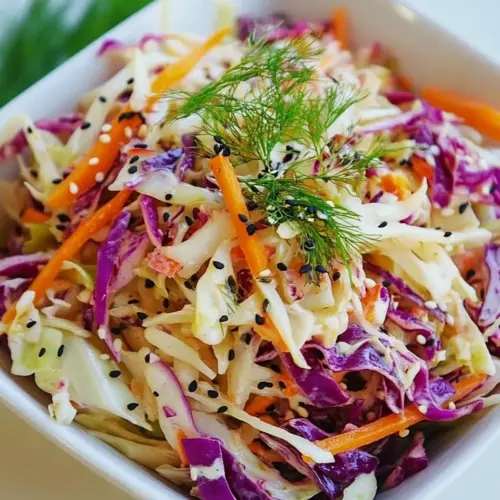
Fennel and Cabbage Slaw
Equipment
- Large Bowl
- Whisk
- Measuring Cup
Ingredients
- 1/2 medium red cabbage sliced about 4 cups Adds crunchy, colorful base and mild peppery flavor; thin slicing ensures tender bite and even dressing coating in the slaw. Provides visual appeal and fiber while balancing richer dressing components for a refreshing texture contrast.
- 2 large carrots peeled and grated Contributes subtle sweetness and vibrant color; peeling and grating yields delicate strands that meld seamlessly with cabbage for uniform mouthfeel. Supplies natural sugars and moisture to offset tangy and savory elements while enhancing overall crunch.
- 1 fennel bulb thinly sliced Offers crisp anise-like flavor and aromatic freshness; thin slicing distributes its licorice notes throughout the salad without overpowering other ingredients. Brings a juicy, tender crunch and aromatic complexity that brightens the slaw.
- 3 green onions sliced Imparts mild oniony sharpness and fresh green flavor; slicing thinly ensures small, evenly distributed bursts of savory bite. Adds aromatic lift and a gentle allium presence that complements the fennel and cabbage.
- Zest of 1 lemon Provides bright citrus aroma and concentrated lemon oils; zest lends lively fragrance and a hint of bitterness that elevates the dressing. Enhances freshness and balances richness while contributing nuanced citrus complexity.
- 1/2 cup plain Greek yogurt Delivers creamy body and tangy base for the dressing; plain Greek yogurt thickens the vinaigrette and adds protein for a richer mouthfeel. Helps emulsify liquids and binds ingredients together while adding subtle acidity.
- 2 tbsp fresh squeezed lemon juice Adds bright acidity and citrus flavor to the dressing; fresh-squeezed juice balances creaminess and sweetness for a vibrant finish. Acts as a primary acid to brighten the slaw and help tenderize raw vegetables slightly.
- 1 tsp pure maple syrup optional Introduces gentle sweetness and subtle complexity when used; optional maple syrup rounds out acidity and enhances overall balance. Helps mellow sharp flavors and creates a smoother, more harmonious dressing.
- 2 tbsp rice vinegar Contributes mild tangy acidity and subtle sweetness; rice vinegar lightens the dressing and brings a delicate, slightly floral note. Works with lemon juice to create layered acidity and aids in softening raw vegetables.
- 1 tablespoon whole grain mustard Provides robust, tangy flavor and coarse texture; whole grain mustard adds savory depth and helps emulsify the dressing for stability. Imparts piquant mustard seeds and a rustic mouthfeel that complements crunchy vegetables.
- 1 tsp sesame seeds Adds light nutty crunch and visual interest; sesame seeds contribute subtle toasted flavor and small textural pops throughout the slaw. Enhances the salad's aroma and provides a complementary sesame note.
- 1 tsp sea salt Season with mineral-rich salt to enhance and balance all flavors; sprinkling evenly ensures consistent seasoning across the slaw. Helps draw out some moisture from vegetables and intensifies the overall taste.
Instructions
- Transfer the sliced cabbage, grated carrots, sliced fennel, and chopped green onions to a large bowl.: The first sensory sign is an immediate chorus of color and crunch, the deep purple of the cabbage contrasting with orange carrots and pale fennel . Combining everything in a roomy bowl lets you toss freely without smashing the vegetables. This dry mix should feel crisp and slightly dry to the touch, which helps the dressing cling rather than pool. Why this matters, the loose texture ensures even coating and preserves snap. Troubleshooting tip, if pieces are wet from washing, pat them very dry or the dressing will dilute and the slaw can become limp.
- Whisk together the remaining ingredients in a small bowl or measuring cup to make a dressing for the slaw. Pour the dressing over the veggies and mix well. Taste the slaw for flavor and add more sea salt or lemon juice to taste. Use this slaw on your sandwiches, burgers, tacos, or serve it as a side dish.: As you whisk, the aroma of fresh lemon juice and the nuttiness of whole grain mustard will lift from the bowl. The dressing should look smooth and slightly glossy, with tiny mustard seeds suspended throughout. This emulsification is important because it helps the dressing cling to the vegetables rather than separate. If the dressing appears thin, taste and gently adjust with a bit more Greek yogurt or a touch less acid. A common mistake is overwhisking to the point where yogurt becomes too thin, so whisk until combined and balanced.
- Pour the dressing over the veggies and mix well: When the dressing hits the vegetables you should hear a faint rustle as the greens move against one another, and visually you will see the dressing coat each strand with a pearly sheen. Folding gently with tongs or salad servers preserves the crispness; aggressive stirring can bruise the cabbage and release water. The why, even coating ensures every bite has a balance of cream, acid, and crunch. Common troubleshooting, if some pockets look dry, pause and fold again, letting the dressing settle into crevices rather than adding more liquid immediately.
- Taste the slaw for flavor and add more sea salt or lemon juice to taste: This tasting step is where the slaw comes alive, and you should look for harmony between the tang of lemon , the cream of Greek yogurt , and the sweet background from carrots and optional maple syrup . Adjust in small increments, because acid and salt are powerful. Why this matters, finishing seasoning tailors the dish to your produce and palate. A troubleshooting note, if it tastes flat, add a squeeze of lemon, not more yogurt, which can mute brightness.
- Use this slaw on your sandwiches, burgers, tacos, or serve it as a side dish: The final sensory cue is how the slaw interacts with other textures; on a sandwich the crunch contrasts with soft bread, while next to a warm main the cool dressing provides relief. Serving cold or at room temperature both work, though chilling for a short time lets flavors meld. The why, pairing with richer mains gives balance and freshness. Common mistake, don't let it sit too long with very wet ingredients, as it will gradually lose snap; time your assembly to keep optimal texture.
Notes
- Use a sharp knife or mandoline to get even slices of cabbage and fennel, which ensures consistent texture across every bite and prevents large pieces from dominating.
- Pat vegetables dry after washing, because excess moisture dilutes the dressing and can make the slaw limp instead of crisp.
- Toast the sesame seeds briefly in a dry pan until fragrant for added aroma, but watch carefully because they burn quickly and will taste bitter.
- Mix dressing separately to control seasoning and texture before adding to the vegetables, making it easier to adjust acid and sweetness without overdressing.
- Let the slaw rest briefly if you like melded flavors, about 15 to 30 minutes in the fridge, but avoid very long storage if you want the maximum crunch.