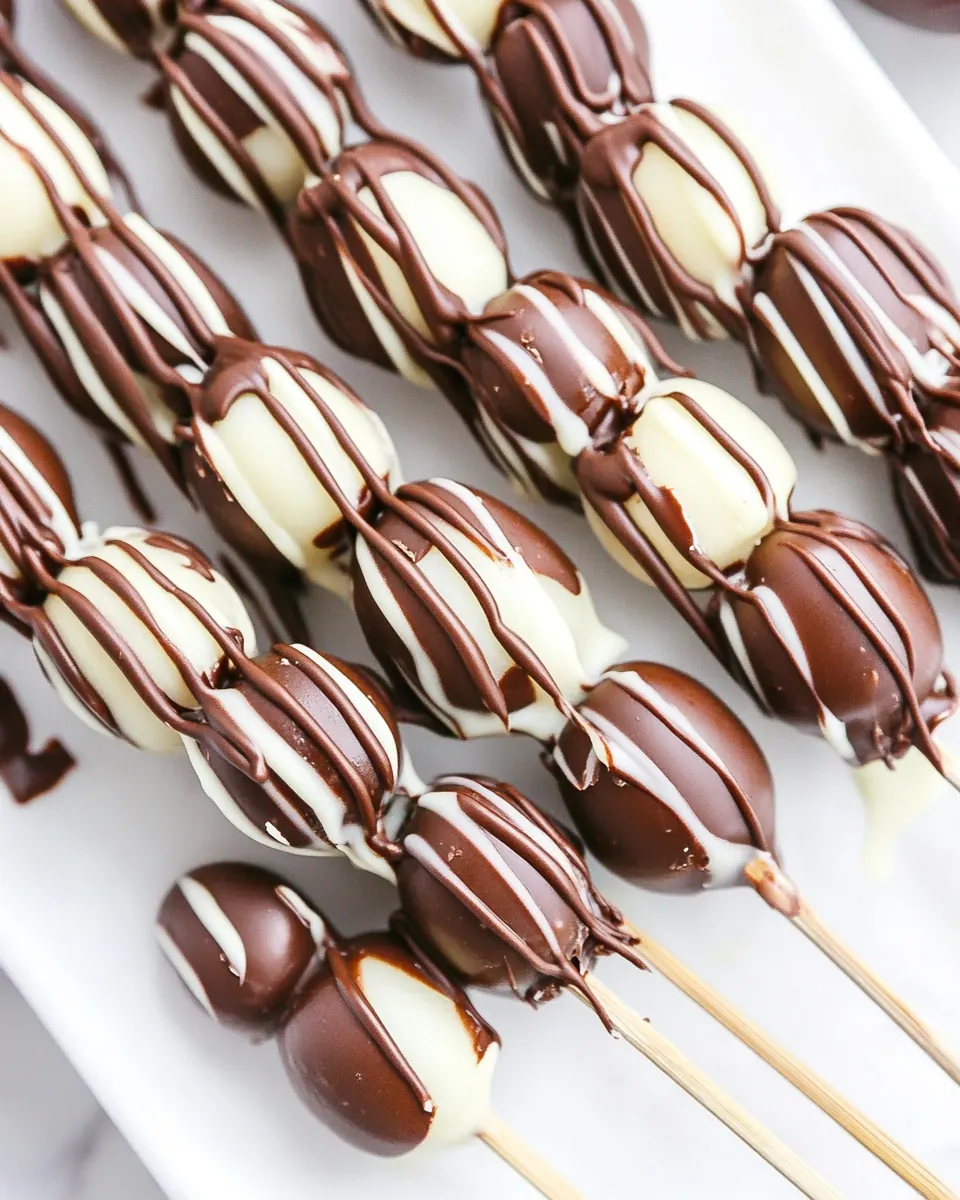
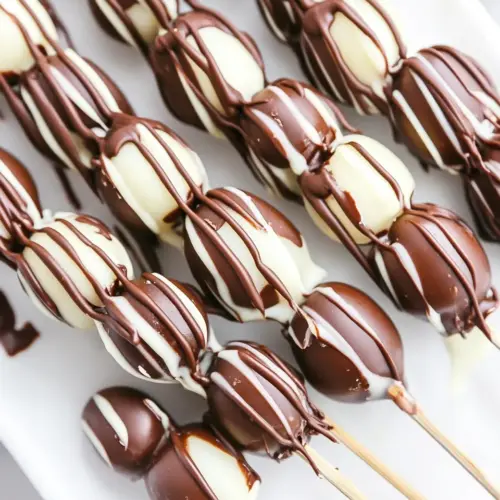
Embarrassingly Easy Chocolate Covered Grape Skewers
Embarrassingly Easy Chocolate Covered Grape Skewers started showing up at summer gatherings long before I kept a proper recipe box, and they still feel like a tiny, indulgent surprise every time I pull them out. The first time I made them I was short on time and had very modest expectations, yet the combination of cool, juicy grapes and crackling chocolate turned a simple snack into a moment people remembered. I love how effortless they are, and how they somehow manage to feel both playful and elegant.
Over the years I have tweaked the technique, learned which chocolate brands give the best snap, and discovered how a light dusting of sea salt or some colorful sprinkles can transform these into party showstoppers. Friends assume they took ages to prepare, which is exactly the kind of small deception I enjoy. I often make a few extra skewers because they disappear the fastest, and I always stash one for myself while no one is looking.
Recipe Snapshot
30 mins
10 mins
20 mins
Easy
150 kcal
American
Paleo, Vegan
Desserts
Bowl, Spoon, Bamboo skewers, Parchment paper, Refrigerator
Why You Need This Embarrassingly Easy Chocolate Covered Grape Skewers
They are unbelievably simple
I adore recipes that ask for minimal effort and deliver maximum payoff, and Embarrassingly Easy Chocolate Covered Grape Skewers fit that bill perfectly. With just a handful of ingredients and a few bowls, you get a treat that looks much fancier than the work required. I appreciate that these come together quickly when guests arrive unexpectedly.
Great textural contrast
The crunch and snap of properly tempered chocolate against the burst of juicy grapes is what keeps me making these over and over. The mouthfeel is fun and surprising, and every bite balances smooth, rich coating with fresh, bright fruit. That contrast is what makes people reach for seconds.
Flexible for presentation
Whether I want a casual platter or a refined dessert, these skewers adapt. I can drizzle white chocolate for a decorative finish, sprinkle with colorful toppings, or keep them minimalist with just a pinch of sea salt. Presentation becomes a personal touch that never feels forced.
Kid friendly and crowd pleasing
Kids love the novelty of fruit on sticks dipped in chocolate, and adults appreciate that the treat is made from real grapes. This recipe is a reliable choice for gatherings, because it caters to different ages and tastes without much fuss.
Requires no special equipment
All you need are simple kitchen basics, so I can make these while traveling or in a tiny rental kitchen. The low barrier to entry is part of the charm, and I often find myself teaching friends how to make them in minutes.
Ingredients to Make Embarrassingly Easy Chocolate Covered Grape Skewers
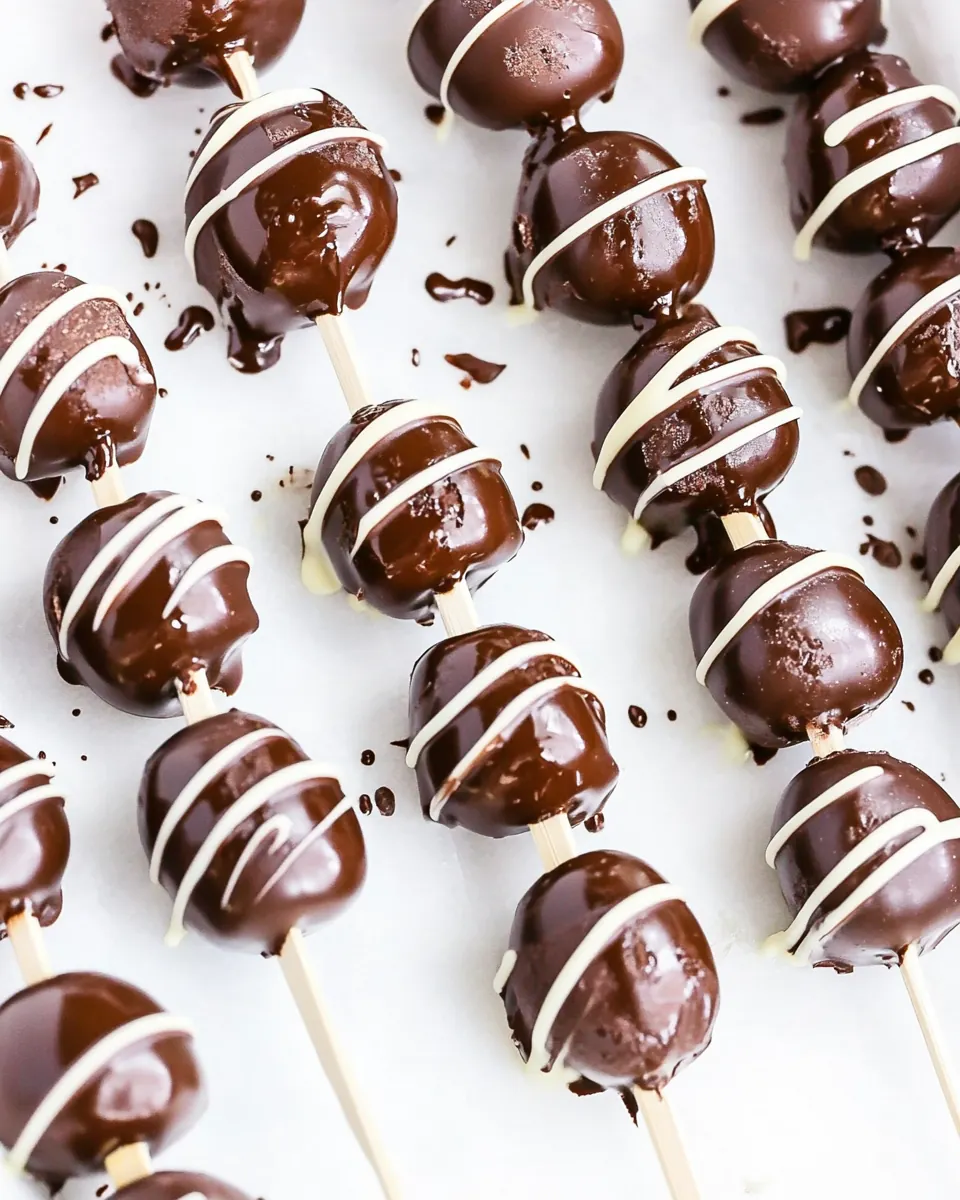
The philosophy here is pure and playful: a few quality ingredients that celebrate contrast. The grapes provide juiciness and brightness, while the dark chocolate gives depth and snap. White chocolate adds sweetness and visual interest, and a touch of coconut oil helps the coating set with a glossy finish. Tiny toppings are optional, but they let you customize texture and look.
- 1 1/5 cups seedless black grapes: Provide juicy sweetness and body to the skewers, offering a firm texture that holds up when dipped in melted chocolate. Rinse and dry thoroughly to prevent chocolate from seizing, and select uniformly sized grapes for even presentation. Serve chilled for a refreshing contrast to the warm chocolate coating.
- 6 ounces high-quality dark chocolate, melted: Add rich, deep cocoa flavor and glossy coating when melted, creating the primary chocolate layer that sets firm around each grape. Temper or stir gently after melting with a little coconut oil for a smoother sheen and easier dipping. Use high–quality dark chocolate for balanced bitterness that complements the fruit.
- 3 ounces high-quality white chocolate, melted: Deliver sweet, creamy contrast and decorative drip when melted, perfect for drizzling over dark chocolate-covered grapes for visual appeal. Melt slowly and stir until completely smooth to avoid graininess, then pipe or spoon in thin lines for an elegant finish. Use good white chocolate to prevent overpowering sweetness.
- 1 tablespoon coconut oil: Improve texture and sheen of melted chocolate by loosening and smoothing the consistency, making dipping easier and giving a glossy finish. Add sparingly while melting and stir well to incorporate, adjusting amount to achieve desired fluidity without thinning flavor. Use refined coconut oil for neutral taste and high shine.
- for topping: sprinkles, sea salt: Provide optional finishing touches that add color, texture, and flavor contrast to each skewer, keeping presentation playful or refined depending on choice. Sprinkle colorful decorations while chocolate is still wet or finish with a light dusting of sea salt to enhance chocolate intensity. Offer toppings on the side for guests to customize their skewers.
How to Make Embarrassingly Easy Chocolate Covered Grape Skewers
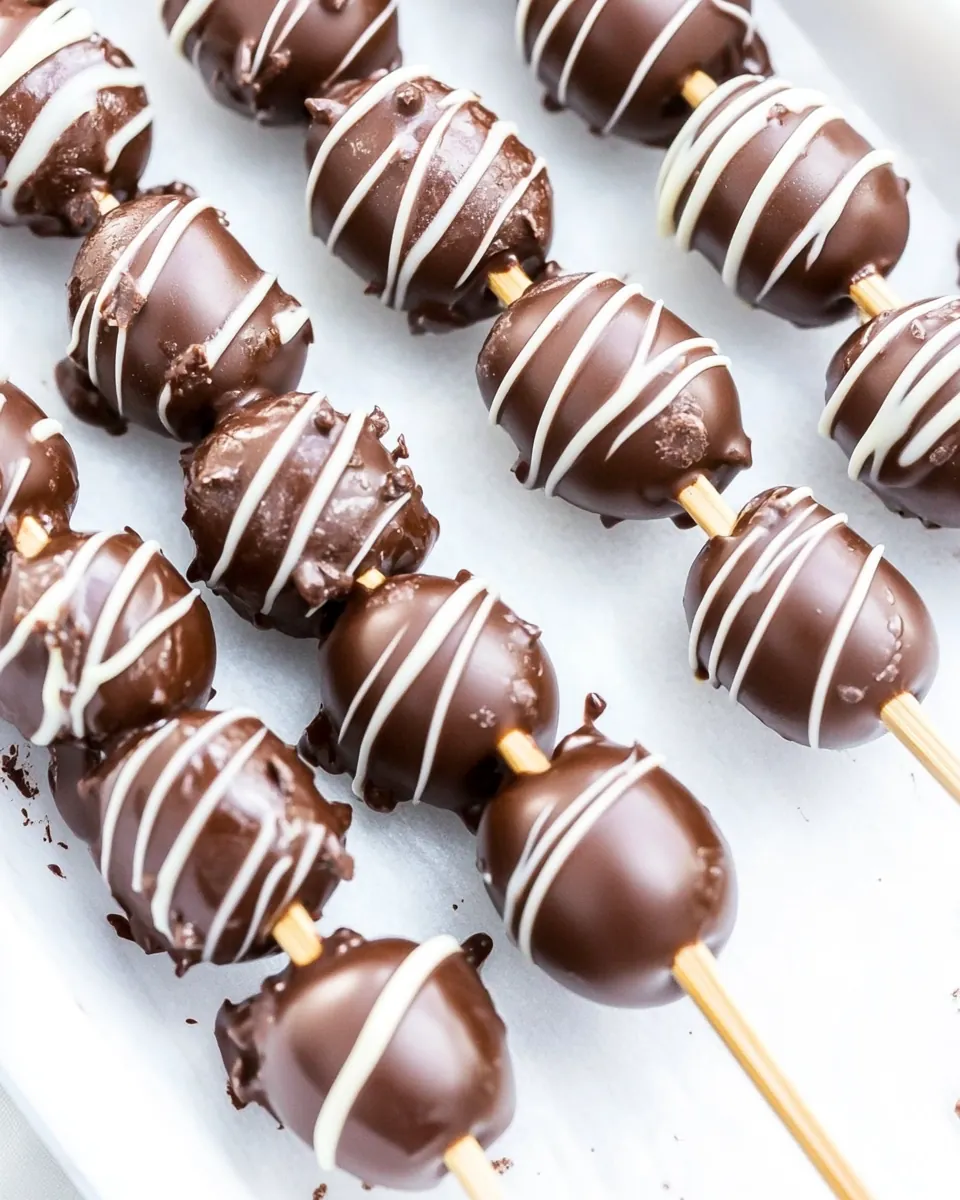
These steps are approachable and conversational, and they guide you through cleaning, skewering, dipping, and finishing. Read each step slowly, and take pleasure in the sensory cues like glossy chocolate and the chilled, quiet pop of cool fruit meeting warm coating.
- Wash and dry the grapes thoroughly. Melt the dark and white chocolate, stirring 1/2 tablespoons of coconut oil into each. I like to do this to create a firmer coating.: The skins should feel cool and slightly taut, and it is important to remove any moisture because water will cause the chocolate to seize. Gently pat each grape with a clean towel, listening for that faint slickness to disappear, which tells you they are dry enough. Why this matters, the dryness ensures the coating adheres in a smooth, even shell rather than beading up or cracking. A typical mistake is rushing this step and dipping damp fruit, which leads to dull, uneven chocolate and potential slipping off the skewer.
- Skewer 4 or 5 (or more, whatever!) grapes on bamboo skewers. Dip the grapes into the dark chocolate and use a spoon to pour the chocolate over the grapes, covering them all, and then let the excess run back into the bowl. Place on a sheet of parchment paper to firm up. Once the dark chocolate is firm, drizzle the white chocolate on top. At this time you can cover the chocolate with sprinkles or sea salt or let it be. These stay firm at room temperature, but they taste the best when refrigerated!: As the chocolate melts you should see the glossy liquid become ribbonlike when stirred, and the faint scent will shift from beanlike to toasty. I prefer a gentle, low heat method so the mixture stays velvety rather than grainy, and the added coconut oil gives a sheen and faster setting time. The reason this technique matters is that properly melted chocolate creates a crisp shell once cooled, sealing the fruit inside. Avoid overheating, because burnt chocolate tastes acrid and will ruin the texture.
- Skewer 4 or 5 grapes on bamboo skewers: When threading each grape , aim for even spacing so the chocolate flows and pools consistently during dipping, producing a balanced bite. The sound is nearly silent, but you can tell by touch if the skewer is secure without puncturing the fruit. This arrangement helps with handling, and it creates a pleasing visual rhythm. One common error is packing too many grapes on a skewer, which can cause them to rotate or slip when dipped, making the coating uneven.
- Dip the grapes into the dark chocolate and use a spoon to pour the chocolate over the grapes: As you immerse the skewered grapes , watch for the moment the liquid chocolate smooths over the surface like a glossy cloak; that sheen is your cue to lift. Use a spoon to encourage even coverage, and let excess chocolate drip back into the bowl so the layer is not excessively thick. The sensory detail is lovely here, the chocolate will make a soft, viscous sound as it cascades and the aroma will deepen. This technique yields a uniform shell that sets attractively, and a frequent slip is dunking too quickly which traps air bubbles, causing pockmarks when the chocolate firms.
- Place on a sheet of parchment paper to firm up: Once coated, lay each skewer gently on parchment and leave space between skewers to avoid sticking. You will notice the chocolate begin to dull slightly as it cools, and eventually it will develop a crisp snap when tapped. This resting stage allows the shell to contract and harden properly, creating that satisfying contrast. A common oversight is transferring the skewers to a warm surface, which slows setting and can lead to smudged or sagging coatings.
- Once the dark chocolate is firm, drizzle the white chocolate on top: Wait until the dark layer is set to the touch, then use a fork or spoon to flick the white chocolate into decorative lines. The white drizzle should be fluid enough to create thin ribbons, and it will harden into delicate contrast against the dark shell. This not only brightens the presentation but balances flavors by adding a creamy note. Mistakes here include applying the drizzle too soon, which will mix the layers and lose the crisp visual distinction.
- At this time you can cover the chocolate with sprinkles or sea salt or let it be: Add toppings immediately after drizzling while the surface is still tacky, so they adhere firmly. Sprinkles give a festive crunch while a pinch of sea salt amplifies the chocolate's complexity. The tactile pleasure of sprinkling is part of the fun, and the difference in flavors will be obvious on the first bite. If you wait too long the toppings will not stick, so timing matters.
- These stay firm at room temperature, but they taste the best when refrigerated: Chilling brings a crisp snap to the shell and intensifies the contrast between chilled grapes and chocolate, and you will notice a firmer bite and a cleaner break when you eat them. Store them uncovered briefly to avoid condensation, then cover once fully cool to preserve texture. An error to avoid is placing hot skewers directly into the fridge, which can create condensation that dulls the chocolate and softens the shell.
Recipe Notes about Embarrassingly Easy Chocolate Covered Grape Skewers
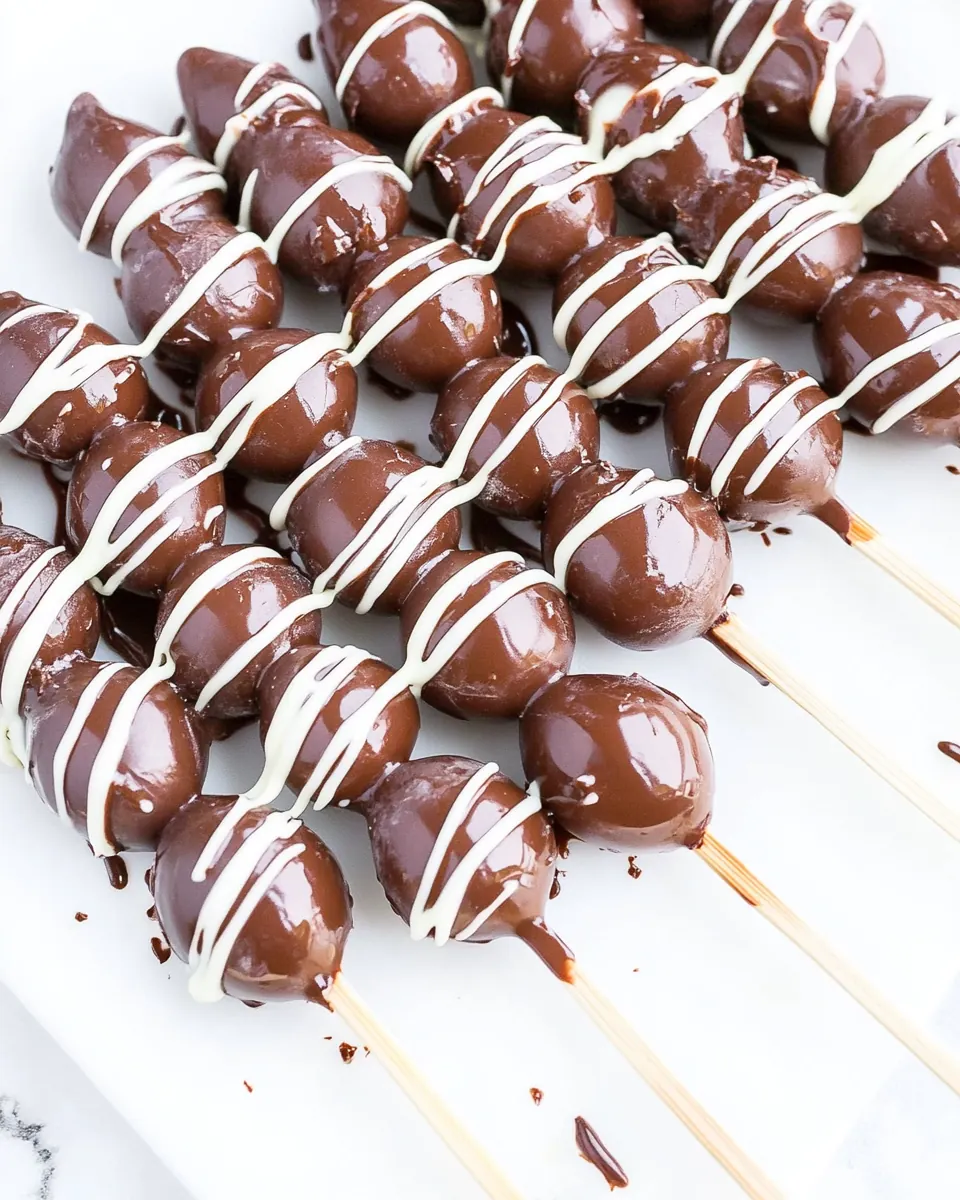
These notes capture little tricks I use every time I prepare this recipe, from melting techniques to storage. They help the process stay relaxed and the results consistent. Read them and tuck a few ideas into your routine so the skewers come out perfect each time.
- Choose quality chocolate: Invest in a good dark and white chocolate for the best flavor and mouthfeel; inferior bars can be grainy or overly sweet, and quality shows even in simple recipes.
- Temperature control: Keep the melted chocolate warm but not hot, stirring often to maintain a glossy pour; overheating will change the flavor and texture dramatically.
- Prep toppings ahead: Arrange sprinkles and sea salt in small bowls so you can add them quickly while the chocolate is still tacky for optimal adhesion.
- Chill appropriately: Refrigerate the skewers after the chocolate firms at room temperature to achieve a crisp shell, but let them sit uncovered briefly to avoid condensation.
- Skewer care: Use bamboo skewers and avoid overcrowding grapes on a single skewer to ensure even coating and easier handling when dipping.
Perfect Matches for Embarrassingly Easy Chocolate Covered Grape Skewers
These skewers are versatile, so consider how you want to serve them. Whether for a casual snack, a festive dessert, or a light finish after a meal, they pair beautifully with a few companion elements. Below are thoughtful serving ideas, occasions, and storage suggestions to help you present them with confidence.
- Casual get togethers: Serve a platter of skewers at an outdoor barbecue or picnic because they are handheld and mess free, perfect for mingling guests.
- Kids parties: Offer them as a fun treat during birthday celebrations, adding colorful sprinkles for visual excitement and easier portion control.
- Elegant dessert tables: Arrange skewers on a slate board with alternating drizzle patterns for a refined look during dinner parties or showers.
- Seasonal summer menus: These are ideal for summer gatherings when grapes are at their peak, offering a cool, refreshing contrast to heavier dishes.
- Storage tips: Keep skewers in a single layer in the refrigerator, covered once fully set, and consume within two to three days for best texture and flavor retention.
- Portion strategy: Offer one to two skewers per guest as a light dessert or three to four skewers for a more generous serving at a party.
FAQ
Conclusion
Embarrassingly Easy Chocolate Covered Grape Skewers win you over with their perfect simplicity and playful contrast of textures. They are a quick, crowd friendly treat that feels special without demanding much time or equipment. Give them a try at your next summer gathering or casual get together, because they are one of those recipes that reliably impress and are fun to make. I hope you enjoy making them as much as I do, and that they become one of your go to party favorites.
Embarrassingly Easy Chocolate Covered Grape Skewers
Equipment
- Bowl
- Spoon
- Bamboo skewers
- Parchment Paper
- Refrigerator
Ingredients
- 1 1/5 cups seedless black grapes Provide juicy sweetness and body to the skewers, offering a firm texture that holds up when dipped in melted chocolate. Rinse and dry thoroughly to prevent chocolate from seizing, and select uniformly sized grapes for even presentation. Serve chilled for a refreshing contrast to the warm chocolate coating.
- 6 ounces high-quality dark chocolate, melted Add rich, deep cocoa flavor and glossy coating when melted, creating the primary chocolate layer that sets firm around each grape. Temper or stir gently after melting with a little coconut oil for a smoother sheen and easier dipping. Use high-quality dark chocolate for balanced bitterness that complements the fruit.
- 3 ounces high-quality white chocolate, melted Deliver sweet, creamy contrast and decorative drip when melted, perfect for drizzling over dark chocolate-covered grapes for visual appeal. Melt slowly and stir until completely smooth to avoid graininess, then pipe or spoon in thin lines for an elegant finish. Use good white chocolate to prevent overpowering sweetness.
- 1 tablespoon coconut oil Improve texture and sheen of melted chocolate by loosening and smoothing the consistency, making dipping easier and giving a glossy finish. Add sparingly while melting and stir well to incorporate, adjusting amount to achieve desired fluidity without thinning flavor. Use refined coconut oil for neutral taste and high shine.
- for topping: sprinkles, sea salt Provide optional finishing touches that add color, texture, and flavor contrast to each skewer, keeping presentation playful or refined depending on choice. Sprinkle colorful decorations while chocolate is still wet or finish with a light dusting of sea salt to enhance chocolate intensity. Offer toppings on the side for guests to customize their skewers.
Instructions
- Wash and dry the grapes thoroughly. Melt the dark and white chocolate, stirring 1/2 tablespoons of coconut oil into each. I like to do this to create a firmer coating.: The skins should feel cool and slightly taut, and it is important to remove any moisture because water will cause the chocolate to seize. Gently pat each grape with a clean towel, listening for that faint slickness to disappear, which tells you they are dry enough. Why this matters, the dryness ensures the coating adheres in a smooth, even shell rather than beading up or cracking. A typical mistake is rushing this step and dipping damp fruit, which leads to dull, uneven chocolate and potential slipping off the skewer.
- Skewer 4 or 5 (or more, whatever!) grapes on bamboo skewers. Dip the grapes into the dark chocolate and use a spoon to pour the chocolate over the grapes, covering them all, and then let the excess run back into the bowl. Place on a sheet of parchment paper to firm up. Once the dark chocolate is firm, drizzle the white chocolate on top. At this time you can cover the chocolate with sprinkles or sea salt or let it be. These stay firm at room temperature, but they taste the best when refrigerated!: As the chocolate melts you should see the glossy liquid become ribbonlike when stirred, and the faint scent will shift from beanlike to toasty. I prefer a gentle, low heat method so the mixture stays velvety rather than grainy, and the added coconut oil gives a sheen and faster setting time. The reason this technique matters is that properly melted chocolate creates a crisp shell once cooled, sealing the fruit inside. Avoid overheating, because burnt chocolate tastes acrid and will ruin the texture.
- Skewer 4 or 5 grapes on bamboo skewers: When threading each grape , aim for even spacing so the chocolate flows and pools consistently during dipping, producing a balanced bite. The sound is nearly silent, but you can tell by touch if the skewer is secure without puncturing the fruit. This arrangement helps with handling, and it creates a pleasing visual rhythm. One common error is packing too many grapes on a skewer, which can cause them to rotate or slip when dipped, making the coating uneven.
- Dip the grapes into the dark chocolate and use a spoon to pour the chocolate over the grapes: As you immerse the skewered grapes , watch for the moment the liquid chocolate smooths over the surface like a glossy cloak; that sheen is your cue to lift. Use a spoon to encourage even coverage, and let excess chocolate drip back into the bowl so the layer is not excessively thick. The sensory detail is lovely here, the chocolate will make a soft, viscous sound as it cascades and the aroma will deepen. This technique yields a uniform shell that sets attractively, and a frequent slip is dunking too quickly which traps air bubbles, causing pockmarks when the chocolate firms.
- Place on a sheet of parchment paper to firm up: Once coated, lay each skewer gently on parchment and leave space between skewers to avoid sticking. You will notice the chocolate begin to dull slightly as it cools, and eventually it will develop a crisp snap when tapped. This resting stage allows the shell to contract and harden properly, creating that satisfying contrast. A common oversight is transferring the skewers to a warm surface, which slows setting and can lead to smudged or sagging coatings.
- Once the dark chocolate is firm, drizzle the white chocolate on top: Wait until the dark layer is set to the touch, then use a fork or spoon to flick the white chocolate into decorative lines. The white drizzle should be fluid enough to create thin ribbons, and it will harden into delicate contrast against the dark shell. This not only brightens the presentation but balances flavors by adding a creamy note. Mistakes here include applying the drizzle too soon, which will mix the layers and lose the crisp visual distinction.
- At this time you can cover the chocolate with sprinkles or sea salt or let it be: Add toppings immediately after drizzling while the surface is still tacky, so they adhere firmly. Sprinkles give a festive crunch while a pinch of sea salt amplifies the chocolate's complexity. The tactile pleasure of sprinkling is part of the fun, and the difference in flavors will be obvious on the first bite. If you wait too long the toppings will not stick, so timing matters.
- These stay firm at room temperature, but they taste the best when refrigerated: Chilling brings a crisp snap to the shell and intensifies the contrast between chilled grapes and chocolate, and you will notice a firmer bite and a cleaner break when you eat them. Store them uncovered briefly to avoid condensation, then cover once fully cool to preserve texture. An error to avoid is placing hot skewers directly into the fridge, which can create condensation that dulls the chocolate and softens the shell.
Notes
- Choose quality chocolate: Invest in a good dark and white chocolate for the best flavor and mouthfeel; inferior bars can be grainy or overly sweet, and quality shows even in simple recipes.
- Temperature control: Keep the melted chocolate warm but not hot, stirring often to maintain a glossy pour; overheating will change the flavor and texture dramatically.
- Prep toppings ahead: Arrange sprinkles and sea salt in small bowls so you can add them quickly while the chocolate is still tacky for optimal adhesion.
- Chill appropriately: Refrigerate the skewers after the chocolate firms at room temperature to achieve a crisp shell, but let them sit uncovered briefly to avoid condensation.
- Skewer care: Use bamboo skewers and avoid overcrowding grapes on a single skewer to ensure even coating and easier handling when dipping.
