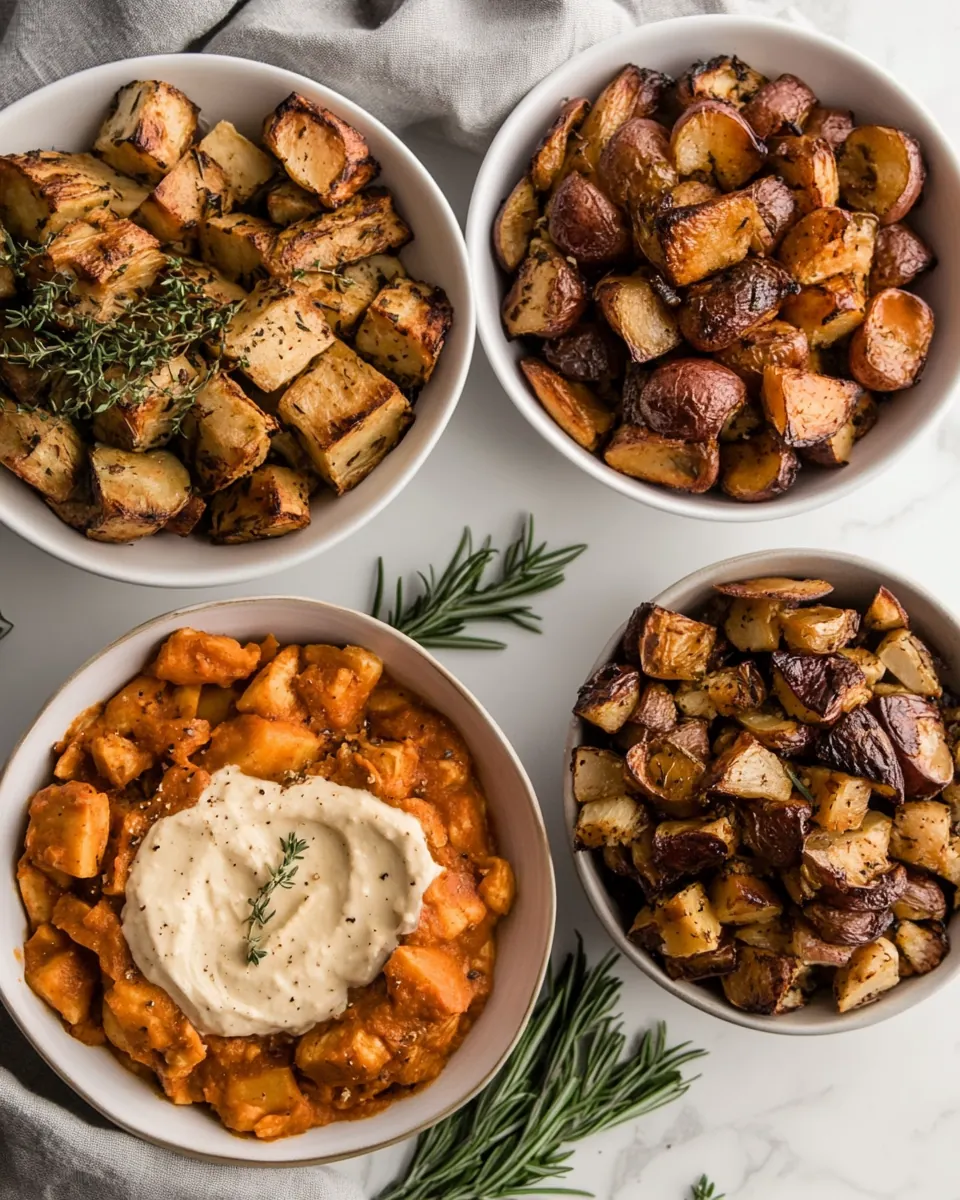
Easy Vegetarian Thanksgiving Side Dishes
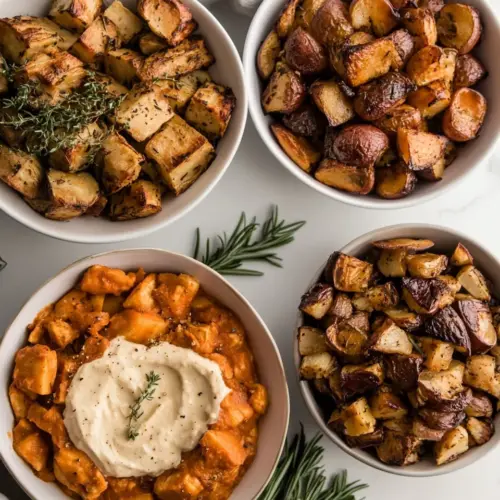
Easy Vegetarian Thanksgiving Side Dishes is the kind of recipe collection I turn to when I want comforting, unfussy food that still feels festive. The first time I made these dishes I was juggling a million things, guests arriving, and a last minute change to the menu when a friend announced a vegetarian request. I wanted something that would sit proudly on the table, pair with turkey or stand alone, and not require babysitting every minute.
That evening I learned fast that humble ingredients like sweet potatoes, butter, and fragrant sage can be transformed with a few small techniques into something that tastes deliberate, warm, and homey. I remember the small victories that night, like the moment browned butter filled the kitchen with a nutty aroma, and how guests kept coming back for seconds. It taught me to trust simple methods and seasonal produce, especially during fall celebrations.
Over the years I have refined the timing and the little tricks that make these side dishes shine without stealing the show. I like recipes that let me chat with friends while still delivering consistent results. If you want a set of sides that are easy to scale and reliably crowd pleasing, this collection will become one of your go to solutions. You can mix and match, and each component was chosen so it complements roast meats, plant based mains, and everything in between.
Recipe Snapshot
30 mins
10 mins
20 mins
Easy
250 kcal
American
Gluten-Free, Low FODMAP
Side Dishes
Large pot, Small skillet, Colander, Masher
What Sets This Easy Vegetarian Thanksgiving Side Dishes Apart
Versatile for the whole table
I love that Easy Vegetarian Thanksgiving Side Dishes work equally well for folks who eat meat and those who do not. The flavors are bold but approachable, so you can set out a big platter without worrying about picky eaters. The texture contrasts, like creamy sweet potatoes and crisp toppings, keep people interested at the table.
Simple techniques, big payoff
What draws me to these dishes is that they use easy steps that yield impressive results. Browning butter for example is a single small action that adds deep, toasty notes, lifting what would otherwise be mundane mash into something memorable. I trust these techniques because they are repeatable and forgiving.
Speed without sacrificing flavor
Time is precious on holidays, and I appreciate how these recipes come together quickly. The components are chosen for efficient cooking, so you can prepare most of the work ahead and rehearse the finishing touches. That means less stress for you and more time enjoying company.
Seasonal, comforting ingredients
I deliberately rely on seasonal produce like sweet potatoes and fresh herbs. They not only taste at their peak in fall, they also give the table a warm, homey look. Using what’s in season makes the sides feel rooted in celebration, and people respond to that authenticity.
Adaptable and forgiving
Finally, these sides are easy to scale and tweak, so you can adjust salt, creaminess, or herb intensity without derailing the dish. I often adapt the quantities when I am feeding a crowd, and the results stay consistent. That reliability is why I keep returning to this set of recipes.
What You’ll Need for Easy Vegetarian Thanksgiving Side Dishes
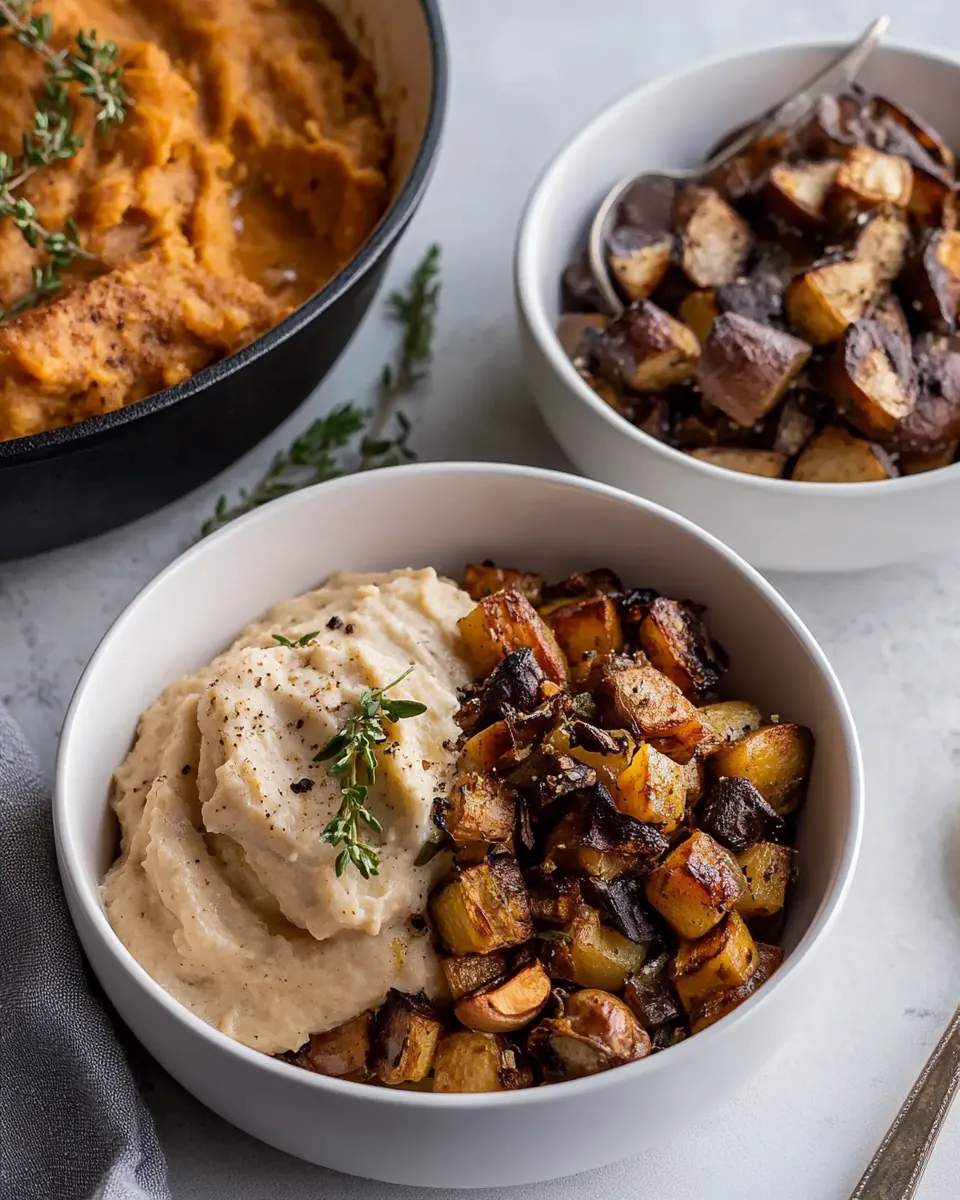
These ingredients are intentionally few and focused on harmony. The philosophy here is that each item plays a clear role: starch for body, butter for richness, cream for silkiness, and aromatics for lift. Together they create balance, letting texture and seasoning shine without overcomplicating the process.
- 3 large sweet potatoes or yams peeled: Provide natural sweetness and a creamy texture when baked or mashed; peeled to ensure a smooth mouthfeel and even cooking. Layer with other flavors for a classic holiday side that balances savory notes.
- 3 tablespoons butter: Adds richness and helps create a silky mouthfeel when melted into hot vegetables; use sparingly to avoid overwhelming delicate flavors. Brown briefly for a nutty aroma that enhances depth.
- 2 tablespoons fresh sage chopped finely: Contributes an earthy, aromatic note and fresh herbal brightness when finely chopped; disperses evenly to perfume the dish without overpowering. Works well when lightly sautéed to release essential oils.
- 1/3 cup whipping/heavy cream: Imparts creaminess and a luxurious texture when combined with warm potatoes or purees; a small amount is enough to bind and smooth. Warms quickly and melds flavors while preventing dryness.
- 3 cloves garlic minced: Builds savory depth and subtle pungency when minced and cooked; soften in fat to tame sharpness and integrate into the overall flavor profile. Adds complexity without requiring large quantities.
- Salt & pepper to taste: Balances and elevates all other components by enhancing sweetness and reducing bitterness; season gradually to achieve the desired harmony. Provides finishing contrast that highlights aromatics and creaminess.
How to Assemble Easy Vegetarian Thanksgiving Side Dishes
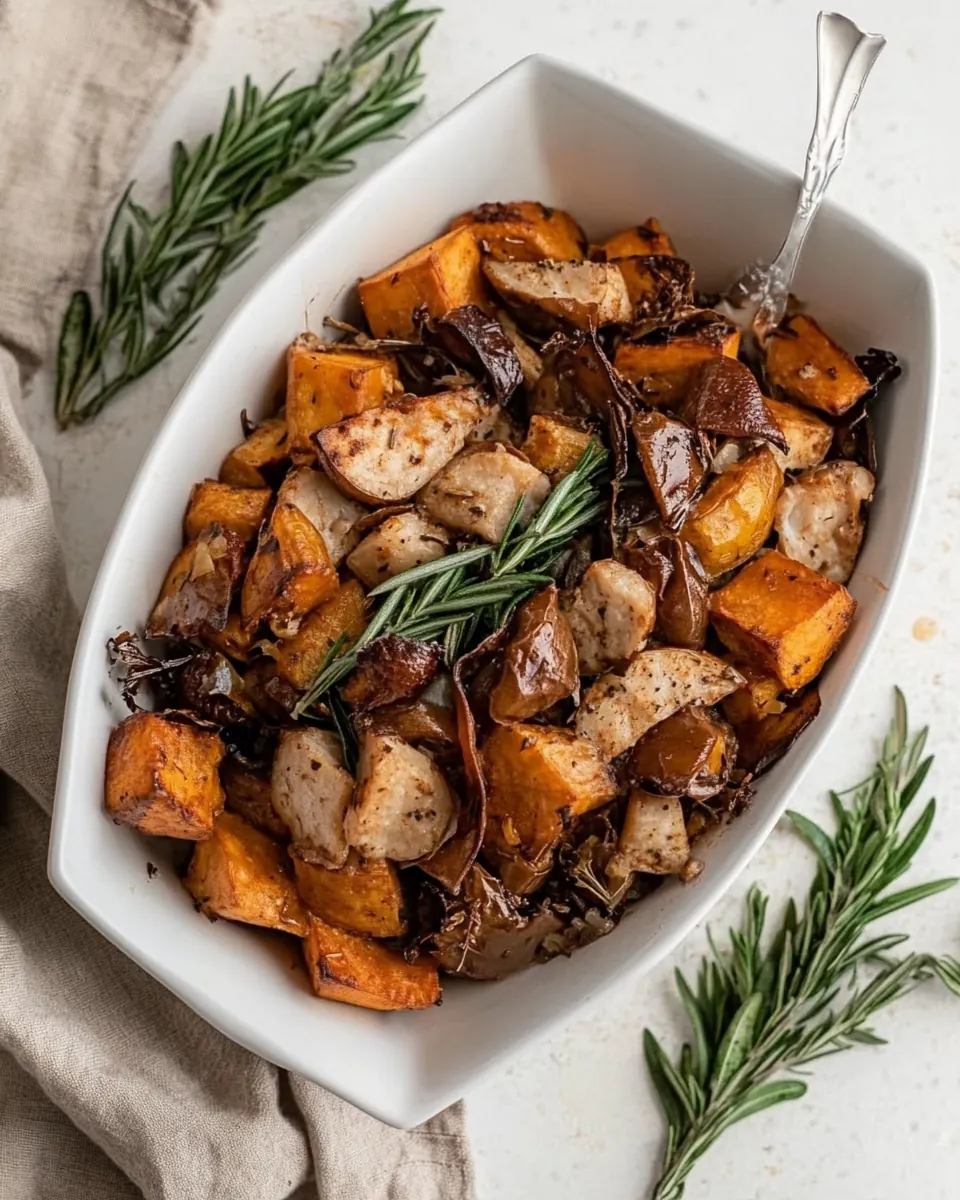
Bringing these sides together is straightforward, and the key is attention during the few critical moments. The instructions below expand on each action so you can sense when things are progressing correctly and avoid common pitfalls.
- Cut sweet potatoes into smaller pieces so they cook faster. Add to a large pot and boil until they're soft – about 15-20 minutes. Once a knife easily pierces through, they're done.: The water should sound lively as it comes to a simmer, and when the pieces are small they cook evenly, resulting in a uniformly soft texture that is easy to mash. You will notice a gentle bubbling as the pot nears a boil, and the sweet scent of the potatoes will begin to rise. If you leave pieces too large, the centers will stay firm while the outsides overcook, which makes for an inconsistent mash. A common mistake is overcrowding the pot, which drops the water temperature and lengthens cooking time; use a pot big enough so the potatoes move freely.
- About 10 minutes into boiling the sweet potatoes, add the butter into a small skillet or saucepan. Cook over medium heat until the butter is golden brown and smells nutty. There's a fine line between browned butter and burned butter, so watch it closely. You don't want it to go too dark. Add the chopped sage when you think the butter is about done. Add the garlic in after you've cooked the sage for about a minute. Let the garlic cook for about 15 seconds, then remove the brown butter from the heat.: As the pot simmers, steam will escape and the aroma will become comforting and earthy. You'll know the potatoes are done when a knife slides through a piece with almost no resistance; that tactile cue beats watching the clock. Boiling for the right amount of time yields a tender texture that mashes smoothly without becoming gluey. Overcooking can make them waterlogged, diluting flavor, so test a few pieces before draining.
- Drain the sweet potatoes and mash them with the brown butter, cream, garlic, and salt and pepper. Serve immediately.: The butter will sizzle softly as it hits the warm pan and tiny foam will form, turning from pale yellow to golden. That audible shift is a helpful indicator that the browning process has begun. Browning concentrates flavor, adding toasty, nutty notes that lift the mash. Keep the heat moderate because high heat can burn the milk solids quickly, leaving you with a scorched flavor that is hard to mask.
- Cook over medium heat until the butter is golden brown and smells nutty: The smell is the most reliable signal here, a warm, toasty perfume that fills the kitchen. Visual cues include small brown specks forming in the foam of the butter . This adds complexity to the final dish, giving it depth beyond simple richness. If the butter turns very dark, discard and start over to avoid bitterness. Stir gently to ensure even browning and avoid hot spots that can burn.
- There's a fine line between browned butter and burned butter, so watch it closely: Listen for the subtle crescendo of bubbling and watch as the foam subsides; that combination signals that the milk solids are browning. The mixture should be moved off heat as soon as the color is right because residual heat continues to darken it. A common slip is walking away during this step, which often results in overcooked, acrid butter that will negatively impact the whole dish.
- Add the chopped sage when you think the butter is about done: The sage will sizzle and release fragrant oils, infusing the browned butter with herbaceous notes. This melding of flavors happens quickly, and you will see the herb wilt slightly and darken in the fat. Adding the sage at this moment ensures the herb's flavor becomes part of the sauce rather than a separate, raw note. Avoid leaving the herb too long in the pan, or it can become brittle and bitter.
- Add the garlic in after you've cooked the sage for about a minute: The minced garlic should sing briefly in the hot fat, releasing a bright, savory aroma. You will see tiny bubbles around the garlic as it cooks quickly; only about 15 seconds is needed to bloom its flavor without allowing it to brown. Overcooked garlic becomes bitter and harsh, so remove the pan from heat promptly to preserve a sweet, aromatic note that complements the browned butter .
- Let the garlic cook for about 15 seconds, then remove the brown butter from the heat: Those few seconds let the garlic and sage infuse the fat without developing bitter tones. The resulting mixture should smell warmly herbal and nutty, and you will notice a glossy sheen on the surface where the aromatics have released their oils. Cooling the pan slightly prevents further browning and helps retain the intended flavors. A frequent error is leaving the pan on high, which continues cooking even after you think it is done.
- Drain the sweet potatoes: As you drain, steam will billow and you will feel the warmth of the cooked tubers. Proper draining prevents excess water from thinning the mash, which preserves a creamy, thick texture. Give the pot a gentle shake to release trapped water, but avoid dropping the pieces into a colander roughly, which can make them break apart unevenly. If too much water remains, the mash will be runny and lack body.
- Mash them with the brown butter, cream, garlic, and salt and pepper: The act of mashing should feel satisfying, with the tubers collapsing into a fluffy, creamy mass as you fold in the warm cream and aromatic browned butter . The aroma will be rich and inviting, and visually you will see a glossy, homogenous texture. Season gradually, tasting as you go to avoid over salting. Overworking the potatoes can make them gluey, so aim for a gentle fold that preserves some lightness.
- Serve immediately: Serve while warm so the texture stays soft and the flavors are at their peak. Steam rising from the dish is part of the appeal, and guests often note the warm, herbed scent. If you need to hold the mash briefly, keep it in a warm oven set to a low temperature, but avoid long holds which will dry the surface. A common mistake is preparing everything too far ahead without proper reheating, which can flatten both texture and aroma.
Substitutions and Tips
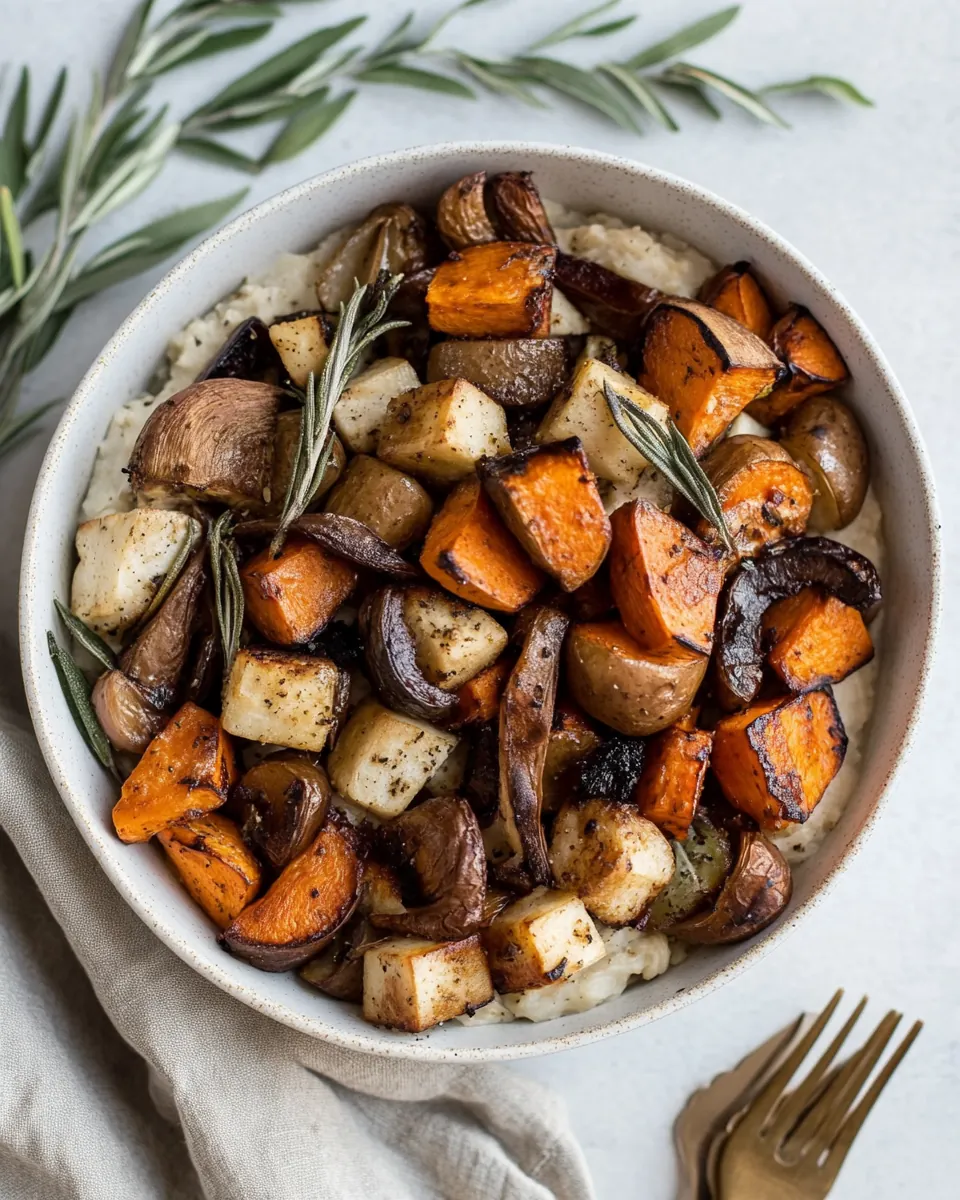
Below are focused tips and practical substitutions to help you adapt the dish to your pantry while keeping the same flavor profile. Each tip highlights a small change that preserves the character of the recipe.
- Use plant based butter alternative if you need a dairy free option, but note the flavor will be less nutty when browning; increase the sage slightly to compensate.
- Swap whipping cream for a lighter cream if you prefer, though the mash may be less luxurious; warm the lighter cream before folding it in to maintain a smooth texture.
- If you cannot find fresh sage, use half the amount of dried sage and add it earlier in the butter to rehydrate and release flavor.
- To speed up cooking, cut the sweet potatoes into smaller cubes so they reach tenderness faster, keeping an eye on the pot to avoid overcooking.
- Make ahead strategy involves preparing the mash, chilling it, and gently reheating in a low oven with a splash of warm cream to refresh texture and temperature.
Perfect Matches for Easy Vegetarian Thanksgiving Side Dishes
These sides pair beautifully with a range of mains and other sides. Below I describe serving ideas, occasions, storage guidance, and seasonal pairings so you can plan a cohesive meal.
- Serve alongside roast turkey, the sweet and savory notes complement traditional Thanksgiving mains and bridge flavors across the plate.
- Pair with roasted root vegetables like carrots and parsnips for a hearty, rustic spread that emphasizes seasonal fall produce.
- Offer as part of a vegetarian holiday menu, where these rich, herb forward sides act as satisfying anchors for grain based mains or stuffed squashes.
- For casual weeknight dinners, present a smaller portion with a crisp salad to keep the meal balanced and not overly heavy.
- Storage tips, refrigerate leftovers in an airtight container for up to four days and reheat gently with a splash of warm cream to restore creaminess.
- Seasonal pairing, highlight other fall flavors such as roasted apples or cranberry chutney to add brightness and contrast on the table.
FAQ
Conclusion
This recipe set stands out because it turns a few seasonal ingredients into a rich, comforting side that complements a holiday table. Give these techniques a try, and you will find they save time while delivering consistent, flavorful results that guests enjoy. Whether you are hosting a large gathering or preparing a small meal, these sides are forgiving, easy to scale, and reliably delicious. I hope they become one of your go to dishes for special occasions and weeknight meals alike.
Easy Vegetarian Thanksgiving Side Dishes
Equipment
- Large Pot
- Small skillet
- Colander
- Masher
Ingredients
- 3 large sweet potatoes or yams peeled Provide natural sweetness and a creamy texture when baked or mashed; peeled to ensure a smooth mouthfeel and even cooking. Layer with other flavors for a classic holiday side that balances savory notes.
- 3 tablespoons butter Adds richness and helps create a silky mouthfeel when melted into hot vegetables; use sparingly to avoid overwhelming delicate flavors. Brown briefly for a nutty aroma that enhances depth.
- 2 tablespoons fresh sage chopped finely Contributes an earthy, aromatic note and fresh herbal brightness when finely chopped; disperses evenly to perfume the dish without overpowering. Works well when lightly sautéed to release essential oils.
- 1/3 cup whipping/heavy cream Imparts creaminess and a luxurious texture when combined with warm potatoes or purees; a small amount is enough to bind and smooth. Warms quickly and melds flavors while preventing dryness.
- 3 cloves garlic minced Builds savory depth and subtle pungency when minced and cooked; soften in fat to tame sharpness and integrate into the overall flavor profile. Adds complexity without requiring large quantities.
- Salt & pepper to taste Balances and elevates all other components by enhancing sweetness and reducing bitterness; season gradually to achieve the desired harmony. Provides finishing contrast that highlights aromatics and creaminess.
Instructions
- Cut sweet potatoes into smaller pieces so they cook faster. Add to a large pot and boil until they're soft - about 15-20 minutes. Once a knife easily pierces through, they're done.: The water should sound lively as it comes to a simmer, and when the pieces are small they cook evenly, resulting in a uniformly soft texture that is easy to mash. You will notice a gentle bubbling as the pot nears a boil, and the sweet scent of the potatoes will begin to rise. If you leave pieces too large, the centers will stay firm while the outsides overcook, which makes for an inconsistent mash. A common mistake is overcrowding the pot, which drops the water temperature and lengthens cooking time; use a pot big enough so the potatoes move freely.
- About 10 minutes into boiling the sweet potatoes, add the butter into a small skillet or saucepan. Cook over medium heat until the butter is golden brown and smells nutty. There's a fine line between browned butter and burned butter, so watch it closely. You don't want it to go too dark. Add the chopped sage when you think the butter is about done. Add the garlic in after you've cooked the sage for about a minute. Let the garlic cook for about 15 seconds, then remove the brown butter from the heat.: As the pot simmers, steam will escape and the aroma will become comforting and earthy. You'll know the potatoes are done when a knife slides through a piece with almost no resistance; that tactile cue beats watching the clock. Boiling for the right amount of time yields a tender texture that mashes smoothly without becoming gluey. Overcooking can make them waterlogged, diluting flavor, so test a few pieces before draining.
- Drain the sweet potatoes and mash them with the brown butter, cream, garlic, and salt and pepper. Serve immediately.: The butter will sizzle softly as it hits the warm pan and tiny foam will form, turning from pale yellow to golden. That audible shift is a helpful indicator that the browning process has begun. Browning concentrates flavor, adding toasty, nutty notes that lift the mash. Keep the heat moderate because high heat can burn the milk solids quickly, leaving you with a scorched flavor that is hard to mask.
- Cook over medium heat until the butter is golden brown and smells nutty: The smell is the most reliable signal here, a warm, toasty perfume that fills the kitchen. Visual cues include small brown specks forming in the foam of the butter . This adds complexity to the final dish, giving it depth beyond simple richness. If the butter turns very dark, discard and start over to avoid bitterness. Stir gently to ensure even browning and avoid hot spots that can burn.
- There's a fine line between browned butter and burned butter, so watch it closely: Listen for the subtle crescendo of bubbling and watch as the foam subsides; that combination signals that the milk solids are browning. The mixture should be moved off heat as soon as the color is right because residual heat continues to darken it. A common slip is walking away during this step, which often results in overcooked, acrid butter that will negatively impact the whole dish.
- Add the chopped sage when you think the butter is about done: The sage will sizzle and release fragrant oils, infusing the browned butter with herbaceous notes. This melding of flavors happens quickly, and you will see the herb wilt slightly and darken in the fat. Adding the sage at this moment ensures the herb's flavor becomes part of the sauce rather than a separate, raw note. Avoid leaving the herb too long in the pan, or it can become brittle and bitter.
- Add the garlic in after you've cooked the sage for about a minute: The minced garlic should sing briefly in the hot fat, releasing a bright, savory aroma. You will see tiny bubbles around the garlic as it cooks quickly; only about 15 seconds is needed to bloom its flavor without allowing it to brown. Overcooked garlic becomes bitter and harsh, so remove the pan from heat promptly to preserve a sweet, aromatic note that complements the browned butter .
- Let the garlic cook for about 15 seconds, then remove the brown butter from the heat: Those few seconds let the garlic and sage infuse the fat without developing bitter tones. The resulting mixture should smell warmly herbal and nutty, and you will notice a glossy sheen on the surface where the aromatics have released their oils. Cooling the pan slightly prevents further browning and helps retain the intended flavors. A frequent error is leaving the pan on high, which continues cooking even after you think it is done.
- Drain the sweet potatoes: As you drain, steam will billow and you will feel the warmth of the cooked tubers. Proper draining prevents excess water from thinning the mash, which preserves a creamy, thick texture. Give the pot a gentle shake to release trapped water, but avoid dropping the pieces into a colander roughly, which can make them break apart unevenly. If too much water remains, the mash will be runny and lack body.
- Mash them with the brown butter, cream, garlic, and salt and pepper: The act of mashing should feel satisfying, with the tubers collapsing into a fluffy, creamy mass as you fold in the warm cream and aromatic browned butter . The aroma will be rich and inviting, and visually you will see a glossy, homogenous texture. Season gradually, tasting as you go to avoid over salting. Overworking the potatoes can make them gluey, so aim for a gentle fold that preserves some lightness.
- Serve immediately: Serve while warm so the texture stays soft and the flavors are at their peak. Steam rising from the dish is part of the appeal, and guests often note the warm, herbed scent. If you need to hold the mash briefly, keep it in a warm oven set to a low temperature, but avoid long holds which will dry the surface. A common mistake is preparing everything too far ahead without proper reheating, which can flatten both texture and aroma.
Notes
- Use plant based butter alternative if you need a dairy free option, but note the flavor will be less nutty when browning; increase the sage slightly to compensate.
- Swap whipping cream for a lighter cream if you prefer, though the mash may be less luxurious; warm the lighter cream before folding it in to maintain a smooth texture.
- If you cannot find fresh sage, use half the amount of dried sage and add it earlier in the butter to rehydrate and release flavor.
- To speed up cooking, cut the sweet potatoes into smaller cubes so they reach tenderness faster, keeping an eye on the pot to avoid overcooking.
- Make ahead strategy involves preparing the mash, chilling it, and gently reheating in a low oven with a splash of warm cream to refresh texture and temperature.