Easy Salmon Patties
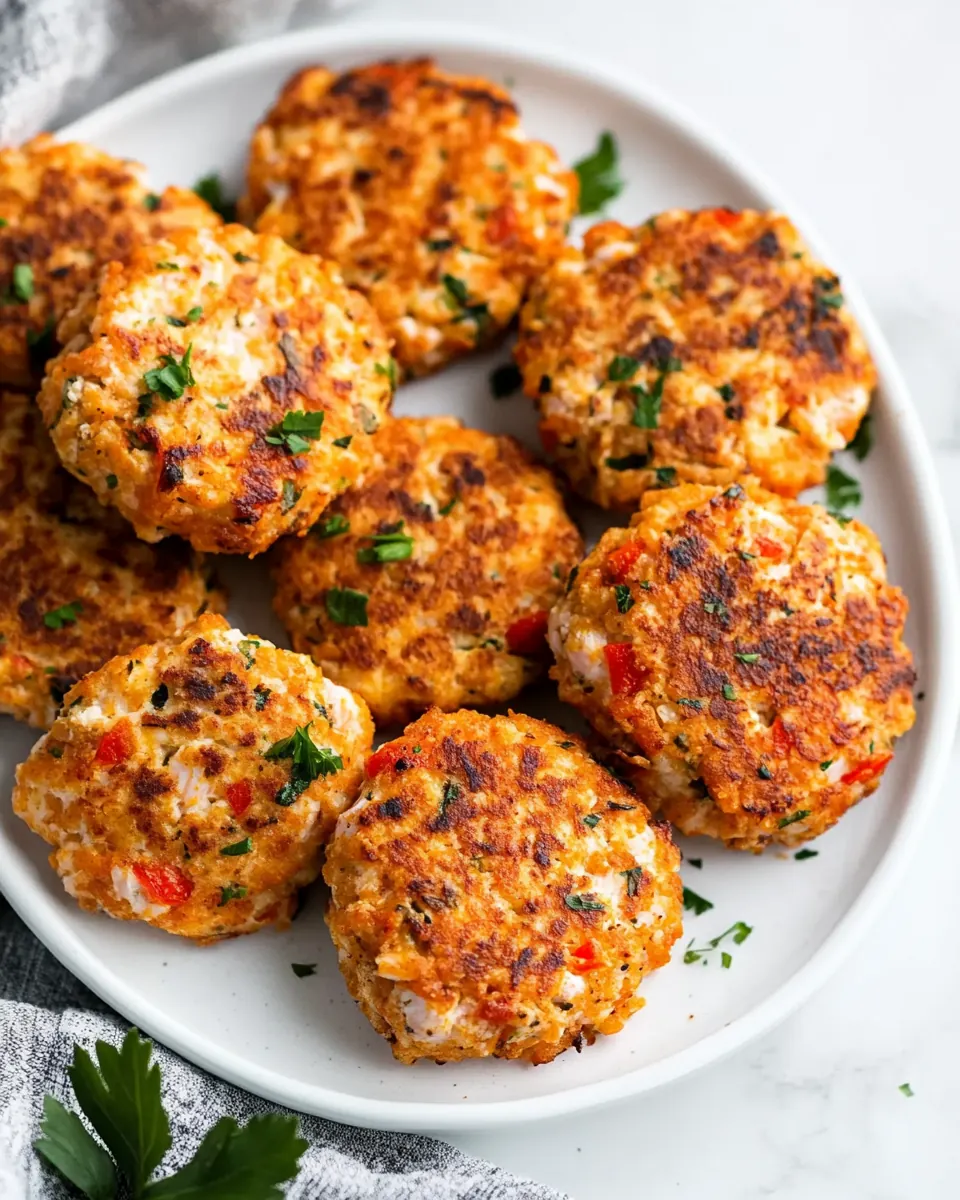
Easy Salmon Patties are one of those recipes I reach for when I want something comforting, quick, and wholly satisfying. The first time I made them was after a long week when I had a lone salmon filet in the fridge and nothing planned for dinner. I did not want fussy prep, just a hands on, cozy cooking session that rewards with crispy edges and a soft interior. Those first bites, warm and flaky, convinced me that simple ingredients can sing when treated with a little patience.
Since then I have tweaked the formula in small ways while keeping the spirit intact. I love how the combination of tender flaked salmon, crunchy Panko bread crumbs, and a whisper of Old Bay seasoning creates texture and depth without a long ingredient list. When friends come by, I often make a double batch because these patties vanish fast, especially when they have that golden crust from the skillet.
What keeps me coming back is versatility. I’ll plate the patties for a lazy weekend lunch, or stack them into sandwiches for a crowd pleasing appetizer. They also travel well, so I’ve packed them for picnics and informal gatherings. Every time I make Easy Salmon Patties I notice how reliable they are, and how the small rituals of forming and frying bring calm after busy days.
Recipe Snapshot
45 mins
15 mins
30 mins
Medium
250 kcal
American
Gluten-Free, Keto
Dinner
Oven, Baking sheet, Skillet, Mixing bowl, Fork
Why We Love This Easy Salmon Patties
They are unfussy and fast
I adore recipes that let you get to a satisfying meal without a long parade of steps. With Easy Salmon Patties you spend minutes mixing and then enjoying. I can often get these on the table on a weeknight when I want an easy weeknight dinner that still feels homemade.
Textural magic
The contrast between the crunchy exterior and the tender interior is the real reason these patties stand out. When I sear them in a skillet the sound of the crust forming tells me they will have that coveted crispness. The Panko bread crumbs and the gentle egg binder keep them from falling apart while adding satisfying mouthfeel.
Bright flavor with minimal fuss
A little Old Bay seasoning, a touch of Worcestershire sauce, and a hint of sriracha lift the natural richness of the salmon without masking it. I like that each bite carries a balance of savory, tangy, and mildly spicy notes, which keeps people reaching for more.
Adaptable to occasions
I often serve these for a casual family dinner, but they also make great appetizers for gatherings. You can scale the recipe easily and the patties travel well, so they work for picnics or potlucks. I appreciate that flexibility when planning menus.
Minimal pantry requirements
One of the things I praise most is how this recipe relies on everyday pantry items like eggs, mayo, and Panko bread crumbs. You do not need anything exotic, which makes it a perfect rescue recipe when you want something impressive with what you already have.
What to Gather for Easy Salmon Patties
These ingredients are straightforward and purposeful. Each element plays a clear role: the salmon is the star providing rich, flaky protein, the Panko bread crumbs and eggs bind and create texture, while aromatics like the onion and red bell pepper bring sweetness and depth. The small additions such as Old Bay seasoning, Worcestershire sauce, and sriracha add layered savory notes that lift the whole dish.
- 1 lb fresh salmon filet: Provide flaky, rich protein and a moist base for the patties; season lightly and remove any bones or skin before flaking to ensure even texture and safe eating. Cook gently or use cooked leftover salmon to maintain tenderness; cold salmon is easier to mix with binding ingredients without overworking. Balance salmon's natural oiliness with breadcrumbs and binders to form cohesive patties that hold shape during frying.
- Kosher Salt: Season to enhance overall flavor and help bring out the natural taste of the salmon; sprinkle sparingly and taste as you go to avoid over-salting. Combine with other seasonings like Old Bay and black pepper for a layered savory profile. Use kosher salt for even distribution because of its coarser grains.
- Black Pepper: Add sharp, warm heat and aromatic depth that brightens the salmon mixture; freshly ground pepper provides more pronounced flavor than pre-ground. Adjust amount to personal preference since it complements salt and Old Bay. Grind directly over the mixture for maximum aroma and flavor impact.
- 4 tbsp Olive Oil divided: Provide a cooking fat for sautéing vegetables and frying patties; divide the oil so some is used to cook aromatics and the rest to crisp the patties. Use a neutral-flavored olive oil to avoid overpowering the salmon while contributing to a golden crust. Monitor heat to prevent burning and maintain a pleasant mouthfeel.
- 1 medium onion finely diced: Bring sweet, savory depth and moisture when finely diced and gently sautéed until softened; small uniform pieces melt into the mixture and add body. Cook until translucent to release sugars that balance the fishiness and enhance overall aroma. Cool slightly before mixing with salmon to avoid scrambling eggs or melting mayo.
- 1 red bell pepper diced: Contribute bright, sweet flavor and crunchy texture when diced; sauté with onion to soften and integrate its flavor throughout the patties. Choose medium dice so pieces remain noticeable without overpowering the bite. Red bell pepper also adds color contrast and a mild, fresh sweetness.
- 2 tbsp unsalted butter divided: Add richness and a silky finish when used to sauté vegetables or to pan-fry patties; divide so some butter flavors the aromatics and some helps with browning. Use unsalted butter to better control overall salt levels in the recipe. Melt gently to avoid browning too quickly and impart a clean, buttery taste.
- 1 cup Panko bread crumbs: Supply structure and absorb moisture so patties hold together without being gummy; panko delivers a lighter, airier crumb than traditional breadcrumbs for a crisp exterior. Measure and mix in gradually to reach the desired tacky consistency for shaping. Toast lightly if extra crunch is desired in the final patties.
- 2 large eggs slightly beaten: Provide binding power and richness when slightly beaten and folded into the salmon mixture; eggs help coagulate proteins during cooking to keep patties intact. Use room-temperature eggs for easier incorporation and more uniform texture. Adjust quantity if mixture seems too wet or too dry to achieve proper cohesion.
- 4 tbsp mayo: Add creaminess, tang, and a bit of fat that helps keep the patties moist both inside and out; fold in thoroughly for even distribution. Use full-fat mayonnaise for maximum richness and mouthfeel, or lighter versions to reduce calories while maintaining texture. Chill the mixture briefly after adding mayo to firm it for easier shaping.
- 1 tsp Worcestershire sauce: Contribute a deep, savory umami note and gentle complexity that complements salmon without overwhelming it; a small amount goes a long way. Mix evenly to ensure consistent flavor in each patty. Balance with acids or heat if Worcestershire makes the mixture too assertive.
- 1 tsp sriracha: Bring bright, spicy heat and a subtle chili flavor to lift the overall profile of the patties; sriracha also adds a touch of sweetness and color. Start with the listed amount and adjust to taste, keeping in mind some brands vary in heat. Blend thoroughly to distribute the heat evenly throughout the mixture.
- 1.5 tsp Old Bay seasoning: Provide classic seafood seasoning with celery, paprika, and other spices to echo coastal flavors and tie the dish together; Old Bay enhances the natural taste of the salmon. Sprinkle into the mixture for consistent seasoning and consider a light finishing dusting before frying for extra aroma. Use measured amounts to avoid overpowering the delicate fish.
Putting Together Easy Salmon Patties
These instructions walk you through a comfortable, step by step approach. I like to keep the workflow flowing, so I roast the salmon first, sauté the aromatics while it cools, and then form patties for a quick skillet finish. The sensory cues will guide you as much as the clock.
- Preheat oven to 400 degrees. Line a baking sheet with foil for easy cleanup. Place salmon filet on baking sheet, season with salt and pepper, brush with 1 tablespoon olive oil. Bake for 15-20 minutes until cooked through. Allow to cool, then flake with a fork. Remove any bones or skin you find.: You will notice a gentle roasting aroma as the oven warms, and the surface of the salmon will go from glossy to opaque when it is done, signaling perfect flakiness. When you brush with that first tablespoon of olive oil , it helps the seasoning adhere and promotes even browning, which adds visual appeal and slight caramelization. As it bakes you might hear a faint pop from rendered fats, and the fish should lift easily from the foil once cooked. Letting it cool is important because warm flakes can make the mixture too loose; cooling firms up the flesh so you can handle and flake it without steaming the other ingredients. A common mistake here is undercooking the salmon , which leaves a raw center and makes the patties unstable, or overcooking so it becomes dry. To avoid this, check at 15 minutes and aim for an internal flake rather than a tough texture.
- Heat a skillet over medium heat, add 1 tablespoon olive oil and one tablespoon butter. Saute the onion and bell pepper until soft and golden, about 10 minutes. Remove from heat.: As the skillet warms, the butter will foam and give off a toasty, nutty scent that foreshadows the rich flavor it will impart to the aromatics. When the onion and red bell pepper begin to sizzle, stir them so the edges take on golden spots; that caramelization builds sweetness and complexity. You should be able to smell the sweetness deepen and see the pieces soften and become translucent, a visual cue that the aromatic base is ready. Removing them from heat prevents them from turning bitter, which can happen if they scorch. One frequent oversight is cooking too hot; if you hear loud popping and see dark browning too quickly, the vegetables are burning instead of sweetening, so lower the heat and be patient for the best flavor.
- In a large bowl, combine the flaked salmon, onion and bell pepper, eggs, panko breadcrumbs, mayo, worcestershire sauce, sriracha and old bay seasoning. Mix until combined.: When you fold these components together, you will feel the mixture change from loose flakes into a cohesive mass thanks to the eggs and mayo . The Panko bread crumbs absorb moisture and give structure while preserving airiness. Smelling the bowl at this stage should reveal a layered profile, salt and spice beneath the sweet aromatics. Mixing evenly is crucial for consistent seasoning and texture, so use a gentle hand to avoid mashing the flakes apart. A common misstep is overworking the mixture which results in dense patties, so stop when the components are uniformly combined.
- Wipe out the skillet and heat over medium high heat. Add 1 more tablespoon each of olive oil and butter. Form the salmon mixture into patties, about 1 and 1/2 tablespoons in size.: The clean skillet ensures a perfect sear without burnt bits. The sizzle you hear when the patties hit the hot fat is the best indicator that the crust will form; it should be a steady, confident sound, not a violent splatter. Using a scoop or spoon helps keep the size consistent, so each patty cooks evenly. You should feel a light tack from the Panko bread crumbs , and the formed patties should hold their shape without falling apart. If they feel too wet, let the mixture rest briefly so the crumbs can absorb excess moisture. A frequent error is forming patties that are too thin, which makes them dry out during cooking; aim for a compact, slightly thick shape.
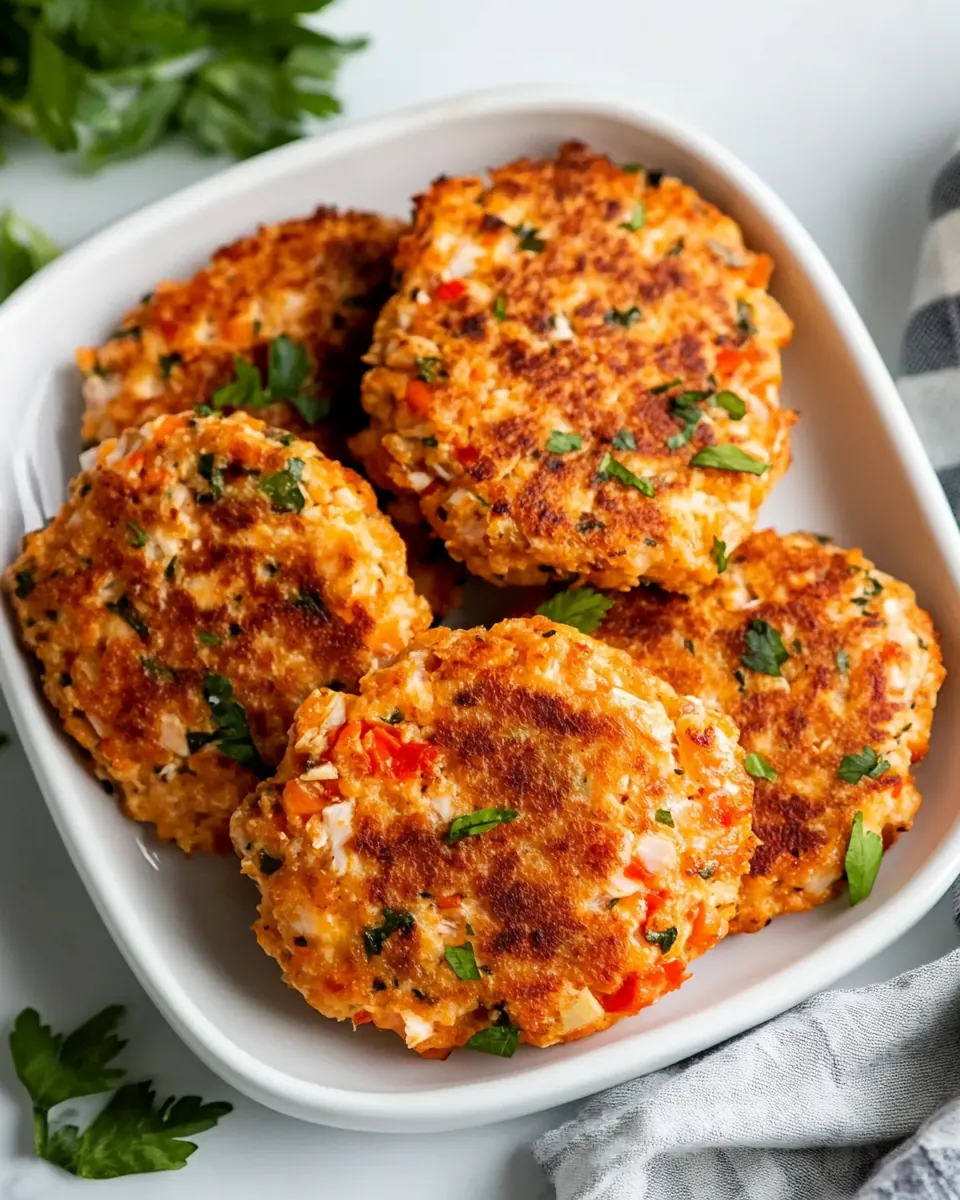
- Cook the patties in the skillet 3-4 minutes, until golden and crispy, then flip and repeat. Cook in batches, do not overcrowd the pan. Repeat until all of the patties are cooked.: As they cook you will see the edges turn a warm golden brown and smell a rich, toasty fragrance from the butter and Panko bread crumbs . The first side should release easily from the pan when it has developed its crust, which is the moment to flip for an even finish. Cooking in batches preserves pan temperature so each batch gets the same sizzling treatment; overcrowding drops the heat and leads to steaming instead of searing. Listen for a crisp, steady sizzle rather than a soft simmer which means the crust is forming properly. A common trap is flipping too often; resist the urge and let the patties develop that deep color before turning, otherwise you will not get the ideal texture contrast.
Ways to Adapt This Recipe

There are small, effective ways to adapt Easy Salmon Patties so they suit different meals and preferences. Below are practical tips that I have used over time, each starting with a clear idea then explaining how to implement it and why it helps.
- Make them milder: Reduce the sriracha or omit it entirely for a gentler flavor profile that will appeal to children or those who prefer little heat. You can compensate with a touch more Worcestershire sauce for depth without spiciness.
- Boost the crunch: Swap half the Panko bread crumbs for crushed crackers or briefly toast the Panko bread crumbs in a dry pan before mixing to create an extra crunchy texture that holds up in sandwiches.
- Make ahead: Shape the patties and freeze them on a tray until firm, then transfer to a bag. Cook from frozen by adding a minute or two to each side to allow them to heat through without burning the crust.
- Adjust seasoning: If you prefer more herbaceous notes, add chopped fresh herbs into the mixture right before forming patties; fresh herbs add brightness but add them sparingly to avoid overpowering the salmon.
- Pan sear to oven finish: For thicker patties, brown them in the skillet and finish in a 375 degree oven until cooked through. This keeps the exterior crisp while ensuring the center is cooked evenly.
Serve This Easy Salmon Patties With
These patties are versatile at the table. I like to present them in a few different ways depending on the occasion, whether as a quick lunch, an appetizer for company, or a relaxed dinner. The list below outlines pairing ideas, serving styles, and storage tips that highlight how to enjoy them best.
- Sandwich style: Layer a warm patty on toasted bread or a soft bun with crisp lettuce and a tart sauce for contrast, making an easy lunch that travels well for picnics.
- Light dinner: Serve a small stack of patties with a side salad dressed brightly to balance the richness, perfect for a casual weeknight meal.
- Appetizer platter: Arrange several smaller patties on a platter with dipping sauces like lemon mayo or a yogurt dip, ideal for gatherings where guests can graze.
- Seasonal pairings: In warmer months pair the patties with citrusy slaws or chilled grain salads, while in cooler months roasted vegetables make a hearty complement.
- Storage: Keep leftovers in an airtight container in the fridge for up to three days, and reheat in a skillet to restore crispness rather than the microwave which softens the crust.
- Occasions: These work well for casual lunches, potlucks, or Ramadan if you need a savory protein that can be prepared in advance and served warm or at room temperature.
FAQ
Conclusion
What makes this recipe special is its perfect blend of simplicity and satisfying texture, delivering crispy edges and tender, flavorful interiors every time. Give Easy Salmon Patties a try and you will likely discover a new weeknight favorite that is quick to assemble and endlessly adaptable. They are forgiving, travel well, and please both kids and adults alike, so I encourage you to cook a batch soon and enjoy the ease and flavor they bring to your table.

Easy Salmon Patties
Equipment
- Oven
- Baking Sheet
- Skillet
- Mixing Bowl
- Fork
Ingredients
- 1 lb fresh salmon filet Provide flaky, rich protein and a moist base for the patties; season lightly and remove any bones or skin before flaking to ensure even texture and safe eating. Cook gently or use cooked leftover salmon to maintain tenderness; cold salmon is easier to mix with binding ingredients without overworking. Balance salmon's natural oiliness with breadcrumbs and binders to form cohesive patties that hold shape during frying.
- Kosher Salt Season to enhance overall flavor and help bring out the natural taste of the salmon; sprinkle sparingly and taste as you go to avoid over-salting. Combine with other seasonings like Old Bay and black pepper for a layered savory profile. Use kosher salt for even distribution because of its coarser grains.
- Black Pepper Add sharp, warm heat and aromatic depth that brightens the salmon mixture; freshly ground pepper provides more pronounced flavor than pre-ground. Adjust amount to personal preference since it complements salt and Old Bay. Grind directly over the mixture for maximum aroma and flavor impact.
- 4 tbsp Olive Oil divided Provide a cooking fat for sautéing vegetables and frying patties; divide the oil so some is used to cook aromatics and the rest to crisp the patties. Use a neutral-flavored olive oil to avoid overpowering the salmon while contributing to a golden crust. Monitor heat to prevent burning and maintain a pleasant mouthfeel.
- 1 medium onion finely diced Bring sweet, savory depth and moisture when finely diced and gently sautéed until softened; small uniform pieces melt into the mixture and add body. Cook until translucent to release sugars that balance the fishiness and enhance overall aroma. Cool slightly before mixing with salmon to avoid scrambling eggs or melting mayo.
- 1 red bell pepper diced Contribute bright, sweet flavor and crunchy texture when diced; sauté with onion to soften and integrate its flavor throughout the patties. Choose medium dice so pieces remain noticeable without overpowering the bite. Red bell pepper also adds color contrast and a mild, fresh sweetness.
- 2 tbsp unsalted butter divided Add richness and a silky finish when used to sauté vegetables or to pan-fry patties; divide so some butter flavors the aromatics and some helps with browning. Use unsalted butter to better control overall salt levels in the recipe. Melt gently to avoid browning too quickly and impart a clean, buttery taste.
- 1 cup Panko bread crumbs Supply structure and absorb moisture so patties hold together without being gummy; panko delivers a lighter, airier crumb than traditional breadcrumbs for a crisp exterior. Measure and mix in gradually to reach the desired tacky consistency for shaping. Toast lightly if extra crunch is desired in the final patties.
- 2 large eggs slightly beaten Provide binding power and richness when slightly beaten and folded into the salmon mixture; eggs help coagulate proteins during cooking to keep patties intact. Use room-temperature eggs for easier incorporation and more uniform texture. Adjust quantity if mixture seems too wet or too dry to achieve proper cohesion.
- 4 tbsp mayo Add creaminess, tang, and a bit of fat that helps keep the patties moist both inside and out; fold in thoroughly for even distribution. Use full-fat mayonnaise for maximum richness and mouthfeel, or lighter versions to reduce calories while maintaining texture. Chill the mixture briefly after adding mayo to firm it for easier shaping.
- 1 tsp Worcestershire sauce Contribute a deep, savory umami note and gentle complexity that complements salmon without overwhelming it; a small amount goes a long way. Mix evenly to ensure consistent flavor in each patty. Balance with acids or heat if Worcestershire makes the mixture too assertive.
- 1 tsp sriracha Bring bright, spicy heat and a subtle chili flavor to lift the overall profile of the patties; sriracha also adds a touch of sweetness and color. Start with the listed amount and adjust to taste, keeping in mind some brands vary in heat. Blend thoroughly to distribute the heat evenly throughout the mixture.
- 1.5 tsp Old Bay seasoning Provide classic seafood seasoning with celery, paprika, and other spices to echo coastal flavors and tie the dish together; Old Bay enhances the natural taste of the salmon. Sprinkle into the mixture for consistent seasoning and consider a light finishing dusting before frying for extra aroma. Use measured amounts to avoid overpowering the delicate fish.
Instructions
- Preheat oven to 400 degrees. Line a baking sheet with foil for easy cleanup. Place salmon filet on baking sheet, season with salt and pepper, brush with 1 tablespoon olive oil. Bake for 15-20 minutes until cooked through. Allow to cool, then flake with a fork. Remove any bones or skin you find.: You will notice a gentle roasting aroma as the oven warms, and the surface of the salmon will go from glossy to opaque when it is done, signaling perfect flakiness. When you brush with that first tablespoon of olive oil , it helps the seasoning adhere and promotes even browning, which adds visual appeal and slight caramelization. As it bakes you might hear a faint pop from rendered fats, and the fish should lift easily from the foil once cooked. Letting it cool is important because warm flakes can make the mixture too loose; cooling firms up the flesh so you can handle and flake it without steaming the other ingredients. A common mistake here is undercooking the salmon , which leaves a raw center and makes the patties unstable, or overcooking so it becomes dry. To avoid this, check at 15 minutes and aim for an internal flake rather than a tough texture.
- Heat a skillet over medium heat, add 1 tablespoon olive oil and one tablespoon butter. Saute the onion and bell pepper until soft and golden, about 10 minutes. Remove from heat.: As the skillet warms, the butter will foam and give off a toasty, nutty scent that foreshadows the rich flavor it will impart to the aromatics. When the onion and red bell pepper begin to sizzle, stir them so the edges take on golden spots; that caramelization builds sweetness and complexity. You should be able to smell the sweetness deepen and see the pieces soften and become translucent, a visual cue that the aromatic base is ready. Removing them from heat prevents them from turning bitter, which can happen if they scorch. One frequent oversight is cooking too hot; if you hear loud popping and see dark browning too quickly, the vegetables are burning instead of sweetening, so lower the heat and be patient for the best flavor.
- In a large bowl, combine the flaked salmon, onion and bell pepper, eggs, panko breadcrumbs, mayo, worcestershire sauce, sriracha and old bay seasoning. Mix until combined.: When you fold these components together, you will feel the mixture change from loose flakes into a cohesive mass thanks to the eggs and mayo . The Panko bread crumbs absorb moisture and give structure while preserving airiness. Smelling the bowl at this stage should reveal a layered profile, salt and spice beneath the sweet aromatics. Mixing evenly is crucial for consistent seasoning and texture, so use a gentle hand to avoid mashing the flakes apart. A common misstep is overworking the mixture which results in dense patties, so stop when the components are uniformly combined.
- Wipe out the skillet and heat over medium high heat. Add 1 more tablespoon each of olive oil and butter. Form the salmon mixture into patties, about 1 and 1/2 tablespoons in size.: The clean skillet ensures a perfect sear without burnt bits. The sizzle you hear when the patties hit the hot fat is the best indicator that the crust will form; it should be a steady, confident sound, not a violent splatter. Using a scoop or spoon helps keep the size consistent, so each patty cooks evenly. You should feel a light tack from the Panko bread crumbs , and the formed patties should hold their shape without falling apart. If they feel too wet, let the mixture rest briefly so the crumbs can absorb excess moisture. A frequent error is forming patties that are too thin, which makes them dry out during cooking; aim for a compact, slightly thick shape.
- Cook the patties in the skillet 3-4 minutes, until golden and crispy, then flip and repeat. Cook in batches, do not overcrowd the pan. Repeat until all of the patties are cooked.: As they cook you will see the edges turn a warm golden brown and smell a rich, toasty fragrance from the butter and Panko bread crumbs . The first side should release easily from the pan when it has developed its crust, which is the moment to flip for an even finish. Cooking in batches preserves pan temperature so each batch gets the same sizzling treatment; overcrowding drops the heat and leads to steaming instead of searing. Listen for a crisp, steady sizzle rather than a soft simmer which means the crust is forming properly. A common trap is flipping too often; resist the urge and let the patties develop that deep color before turning, otherwise you will not get the ideal texture contrast.
Notes
- Make them milder: Reduce the sriracha or omit it entirely for a gentler flavor profile that will appeal to children or those who prefer little heat. You can compensate with a touch more Worcestershire sauce for depth without spiciness.
- Boost the crunch: Swap half the Panko bread crumbs for crushed crackers or briefly toast the Panko bread crumbs in a dry pan before mixing to create an extra crunchy texture that holds up in sandwiches.
- Make ahead: Shape the patties and freeze them on a tray until firm, then transfer to a bag. Cook from frozen by adding a minute or two to each side to allow them to heat through without burning the crust.
- Adjust seasoning: If you prefer more herbaceous notes, add chopped fresh herbs into the mixture right before forming patties; fresh herbs add brightness but add them sparingly to avoid overpowering the salmon.
- Pan sear to oven finish: For thicker patties, brown them in the skillet and finish in a 375 degree oven until cooked through. This keeps the exterior crisp while ensuring the center is cooked evenly.