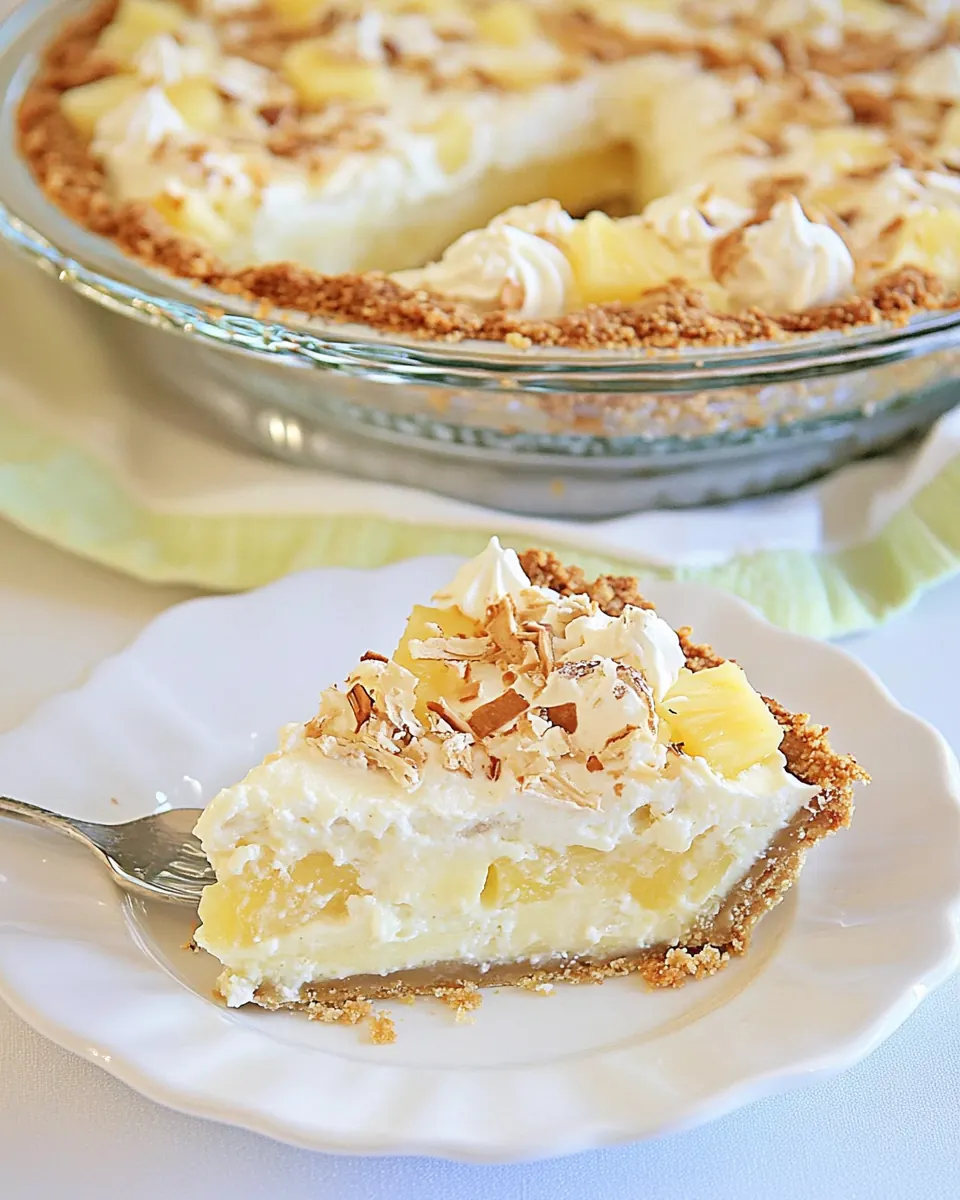
Furrs Cafeteria Pineapple Millionaire Pie
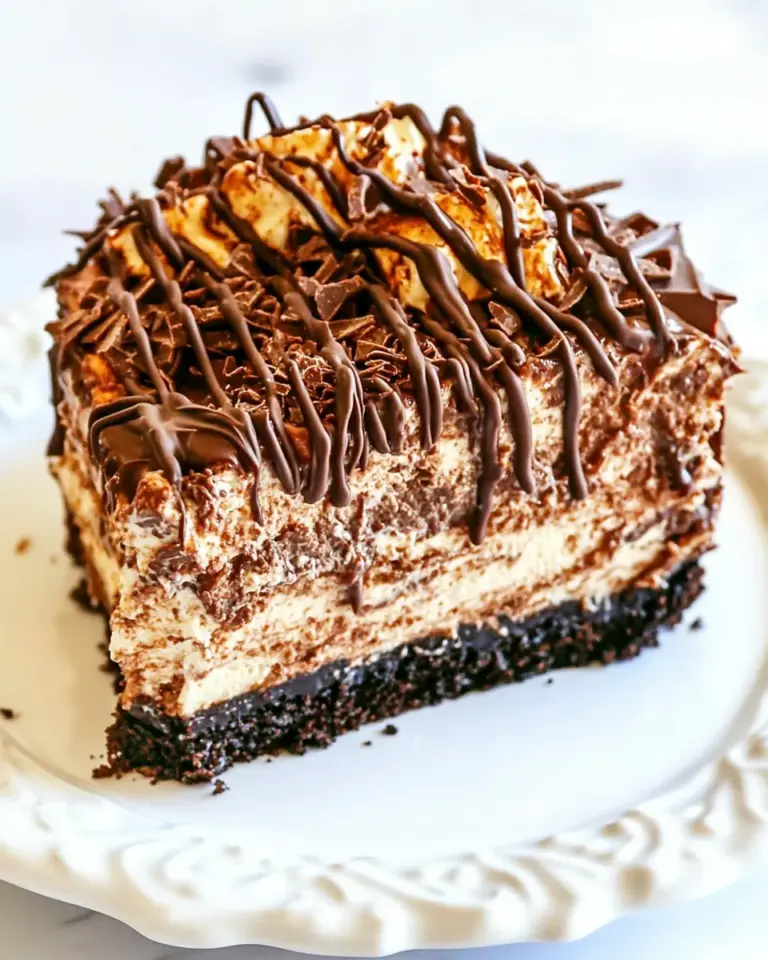
Furrs Cafeteria Pineapple Millionaire Pie has a way of arriving at family gatherings like a cheerful relative, already adored before anyone takes a bite. I first tasted this one at a potluck where my aunt tucked a modest paper plate into my hands and insisted I try the slice with extra pecans. It was creamy and nostalgic, and I remember thinking how the bright, slightly tangy pineapple cut through the lush sweetness in such a satisfying way that I scribbled the name down right away.
Over the years I adapted the recipe, learning small tricks that make the texture silkier and the topping stay fluffy longer. I don’t shy away from classic recipes, especially when they let a few star ingredients shine. The combination of a baked crust, a custardy base, and a whipped, fruit studded topping feels like a comforting hug with a tropical wink. When I bring this pie to a summer barbecue or a holiday table, people ask for seconds and the recipe becomes the conversation starter.
What I love most is how forgiving the pie is. If you prefer a graham crust instead of a pastry crust, it still sings. If you are careful about eggs, pasteurized or imitation options help you keep the flavor without worry. Over time I learned that chilling it well brings everything together, letting the filling set so slices come out neat and the topping holds its texture. There is a reason this pie is a perennial favorite at cafeterias and potlucks, it balances richness and brightness in a way that makes both kids and adults smile.
Recipe Snapshot
20 mins
10 mins
10 mins
Easy
300 kcal
American
Gluten-Free, Low FODMAP
Desserts
Electric mixer, Mixing bowl, Offset spatula, Refrigerator, Sieve
Why This Furrs Cafeteria Pineapple Millionaire Pie Is a Winner
Comforting, familiar flavors
I grew up around recipes that everyone knew by heart, and Furrs Cafeteria Pineapple Millionaire Pie fits that category perfectly. The sweet cream filling paired with crunchy pecans and bright pineapple evokes lunchroom pies and community tables. I keep coming back to this one because the combination feels timeless, comforting, and reliably crowd pleasing.
Textural contrast that matters
The magic is in the contrasts, from the flaky pastry pie crusts to the velvety custard and the airy whipped topping studded with fruit and nuts. I always notice how the crisp crust gives a satisfying bite before you reach the creamy interior. That interplay is why I consider it more than just a sweet pie, it is an experience on the plate.
Simple ingredients, big payoff
One of the reasons I recommend this recipe is how approachable the shopping list is. You do not need fancy pantry items to get a stellar result. The recipe leans on staples like powdered sugar, butter, and eggs, and a modest addition like crushed pineapple transforms everything. For busy cooks, the simplicity is a real advantage.
Adaptability and safety
I respect dietary concerns, so I appreciate that the recipe allows for pasteurized or imitation egg options if you prefer to avoid raw eggs. I also like swapping crusts, depending on the occasion. This versatility means I can bring the pie to a potluck, a picnic, or a more formal dinner and it will fit right in.
Built for sharing
Finally, this is a recipe that was meant to be multiplied. The yield and easy assembly make it ideal for feeding a group. Whenever I make Furrs Cafeteria Pineapple Millionaire Pie, I picture smiling faces and everyone reaching for another plate, which is why I keep it in my rotation.
What to Buy for Furrs Cafeteria Pineapple Millionaire Pie
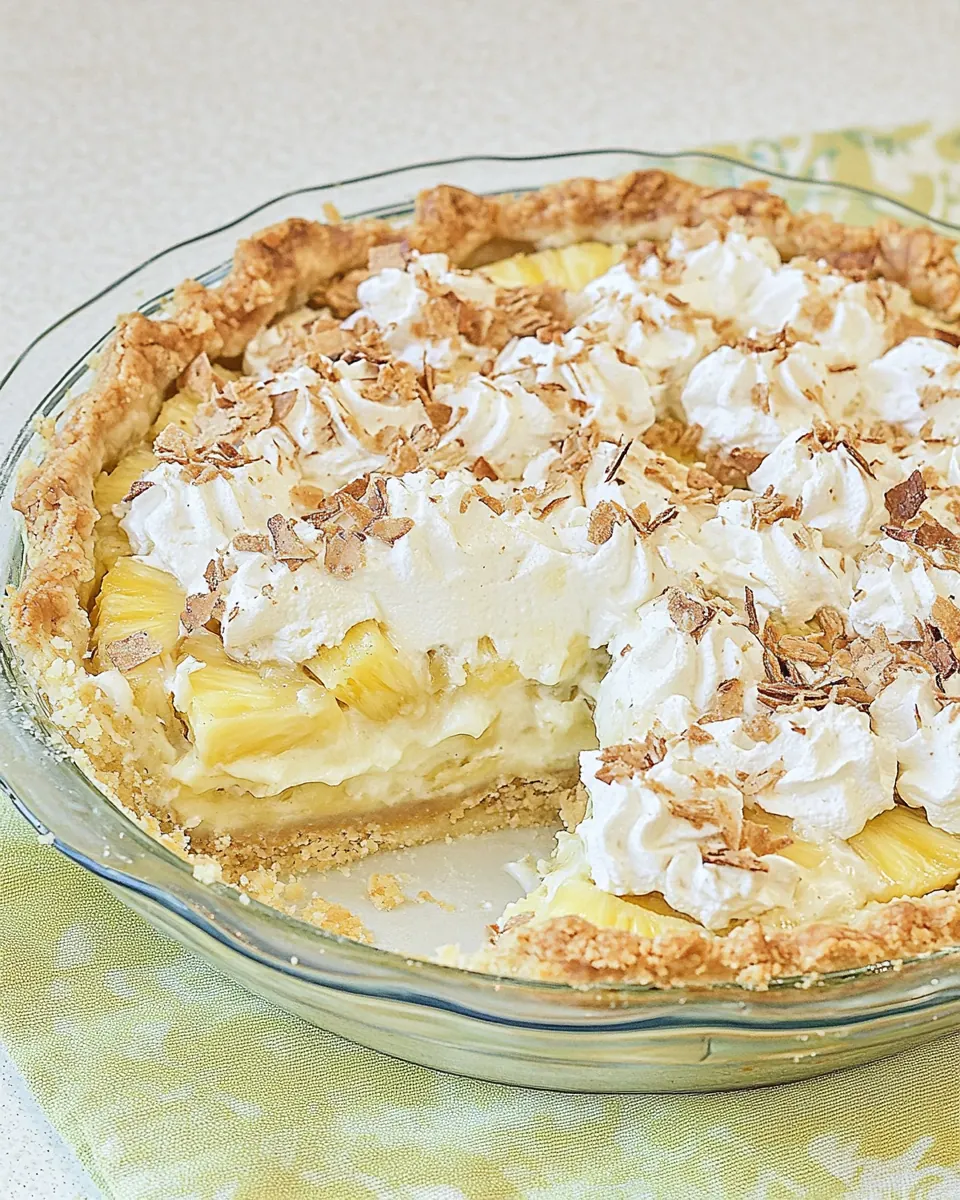
These ingredients come together to create a balance of creamy sweetness, nutty crunch, and a touch of tropical brightness. The philosophy here is straightforward: a sturdy crust to hold a rich custard, a whipped topping to lift the whole pie, and crunchy pecans to add texture. Each component plays a clear role, so choosing good quality basics yields a better final pie.
- 2 baked 9-inch pastry pie crusts: Prebaked and fluted, provides the sturdy, flaky base and structure for holding the pie filling and toppings; two 9-inch shells ensure a double-crust presentation or a backup if one cracks. Keeps the dessert crisp by separating the moist filling from direct contact with plate surfaces, and offers a classic visual frame for the pie.
- 2 cups sifted powdered sugar: Sifted fine powder used to sweeten and stabilize the creamy filling; two cups deliver an even, lump-free sweetness that blends smoothly with butter and eggs. Helps achieve the desired texture and sweetness level without graininess, contributing to a silky custard consistency.
- 1/2 cup butter softened: Softened for easy creaming, contributes rich dairy fat that adds smoothness, tenderness, and a glossy mouthfeel to the filling; half a cup builds body and flavor. Incorporates air when beaten with sugar to lighten the mixture and helps set the custard during baking or chilling.
- 2 eggs see not: Beaten and incorporated to bind, thicken, and enrich the filling while providing structure through coagulated proteins; two eggs add richness and help the filling set. Also contributes to emulsification of fats and liquids, improving texture and preventing separation.
- 1/8 teaspoons salt: Tiny amount added to balance sweetness and enhance overall flavor; one eighth teaspoon of salt sharpens and rounds the pie's taste profile without making it salty. Suppresses any flat or cloying notes and accentuates the buttery and fruity components.
- 1/4 teaspoon vanilla extract: Added for delicate aromatic flavor, enhances the sweet filling with warm, familiar vanilla notes; one quarter teaspoon subtly rounds out the overall profile. Blends into the custard to heighten perceived sweetness and complement pineapple and pecan flavors.
- 1 cup heavy cream: Whipped or folded in to create lightness and creaminess, one cup of heavy cream contributes richness and a silky mouthfeel to the topping or filling. When whipped, it adds volume and airy texture that balances the dense custard and crunchy crust.
- 1/2 cups sifted powdered sugar: Finely sifted to ensure smoothness and to gently sweeten whipped cream or garnishes; half a cup keeps the topping lump-free and stable. Adds body and sweetness without altering texture, making the cream component cohesive and pleasant.
- 1 cup crushed pineapple, well drained: Well drained to prevent excess moisture from making the filling soggy, crushed pineapple introduces bright, tangy sweetness and tropical fruitiness; one cup provides bursts of pineapple flavor throughout. Contributes acidity and texture contrast that lifts the richness of the pie.
- 1/2 cup chopped pecans: Lightly chopped to provide nutty crunch and toasty flavor contrast, half a cup of pecans adds pleasant texture and depth to each bite. Offers buttery, earthy notes and visual appeal while complementing the pie's sweet and creamy elements.
How to Prepare Furrs Cafeteria Pineapple Millionaire Pie
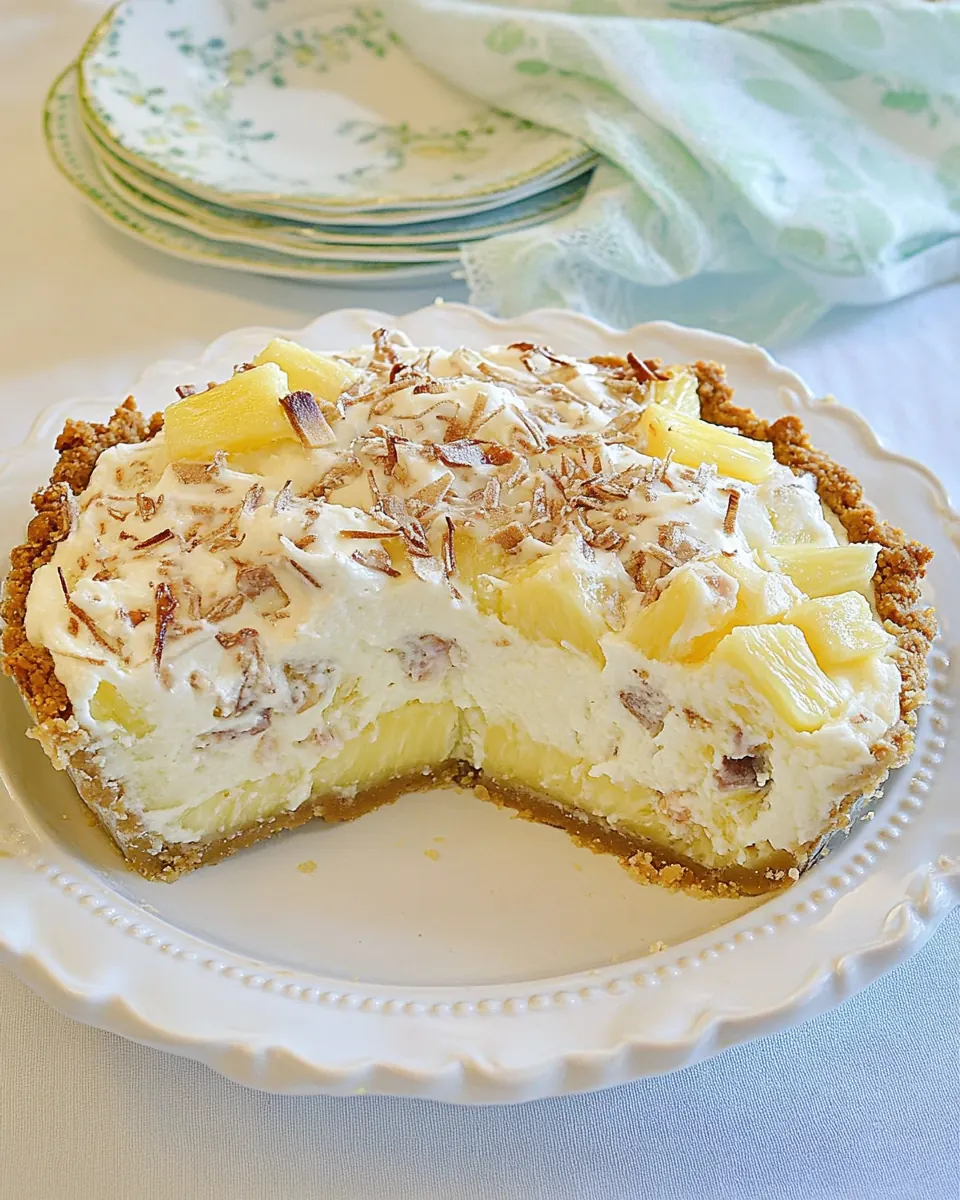
This recipe assembles quickly, but attention to texture and temperature makes all the difference. I like to have the crusts baked and cooled ahead of time, and the cream chilled so it whips to stiff peaks without effort. Keep your tools and ingredients organized, and you will find the process satisfying and straightforward.
- Cream 2 cups powdered sugar and butter with an electric mixer. Add eggs, salt, and vanilla. Beat until light and fluffy. Spread mixture evenly into baked pie crusts. Chill.: The kitchen fills with a sweet, buttery aroma as the butter and sifted powdered sugar aerate. You should see the mixture become paler and take on a ribbon like texture as the beaters lift it, which indicates enough air has been incorporated to lighten the filling. This aeration matters because it creates a softer mouthfeel and helps the filling set without being dense. A common mistake is starting with butter that is too warm, which makes the mixture greasy, so aim for room temperature butter that still holds shape. If you notice separation, chilling the bowl briefly and rebeating on low can help bring it back together.
- Whip cream until stiff. Blend in powdered sugar. Fold in pineapple and pecans.: As you add the eggs , the mixture takes on a creamier sheen and a richer scent from the vanilla . The eggs bind the fats and sugars, providing structure so the filling sets firm enough to slice. Incorporate them one at a time for the best emulsion, and stop mixing as soon as the mixture is uniform to avoid overworking. If the batter curdles slightly, a teaspoon of warm water whisked in can help smooth it out, but excessive mixing can make the texture tough.
- Spread mixture on top of filling and chill thoroughly.: You will notice the sound of the mixer change, and the texture becomes lighter, almost mousse like, with tiny air pockets visible on the surface. This stage is key for a tender filling that is not heavy in the mouth. Overbeating here can deflate the air and produce a denser result, so monitor visually and by touch, looking for a soft lift when the beaters are lifted. If the mixture seems too thin, refrigerate for a few minutes to firm up before proceeding.
- Spread mixture evenly into baked pie crusts: When you spoon the filling into the two pre baked pastry pie crusts , use an offset spatula to create a smooth, level surface that will make slicing easier after chilling. The contrast between the golden crust edge and the creamy filling is a visual cue that your pies are shaping up. If you press too hard you can compress the filling and cause air pockets, so settle it gently and level without creating ridges. If the crust shows signs of sogginess, a short bake at low heat can crisp it again before filling.
- Chill: Placing the filled crusts in the refrigerator allows the filling to set and firm, which makes clean slices and a stable base for the topping. You should feel the pie becoming denser to the touch after a couple of hours, and the flavors meld during this rest. A typical mistake is serving too early when the filling is still loose, resulting in collapse when sliced, so plan for sufficient chilling time. Cover loosely to avoid absorbing fridge odors while chilling.
- Whip cream until stiff: As you whip the chilled heavy cream , watch the texture shift from liquid to soft peaks and then to stiff peaks, which hold their shape when the whisk is lifted. The room will smell fresher and the cream will look glossy when it reaches the correct stage. Chilled equipment and cream speed the process and give better volume. Overwhipping will lead to grainy texture and eventually butter, so stop once the peaks stand firmly.
- Blend in powdered sugar: Folding in the additional sifted powdered sugar sweetens the whipped cream and offers stability so the topping remains fluffy longer. The sugar also smooths the whipped cream, making it glide over the filling. Add the sugar gradually while beating on low to prevent sudden deflation. If you find the cream softens, chill the bowl briefly and beat on medium to restore firmness.
- Fold in pineapple and pecans: Gently folding the well drained crushed pineapple and chopped pecans into the whipped cream introduces bursts of flavor and crunchy contrast. You will hear a soft rustle as the spoon moves and see flecks of fruit and nut distributed evenly. The folding technique preserves the whipped cream's airiness, which is crucial for lightness. Avoid vigorous stirring that would flatten the cream and release excess juice from the pineapple, which would make the topping watery.
- Spread mixture on top of filling and chill thoroughly: When you spread this airy, fruit studded topping over the set filling, the pie takes on a layered look that promises varied textures in every bite. Use a gentle hand to keep the topping lofty and create an attractive finish; a small offset spatula or spoon works well. Thorough chilling after topping is essential so the layers bond and slicing yields neat portions. A common error is skipping the final chill which results in a soft topping that slides when cut, so allow ample refrigeration time for best presentation and texture.
Making Adjustments
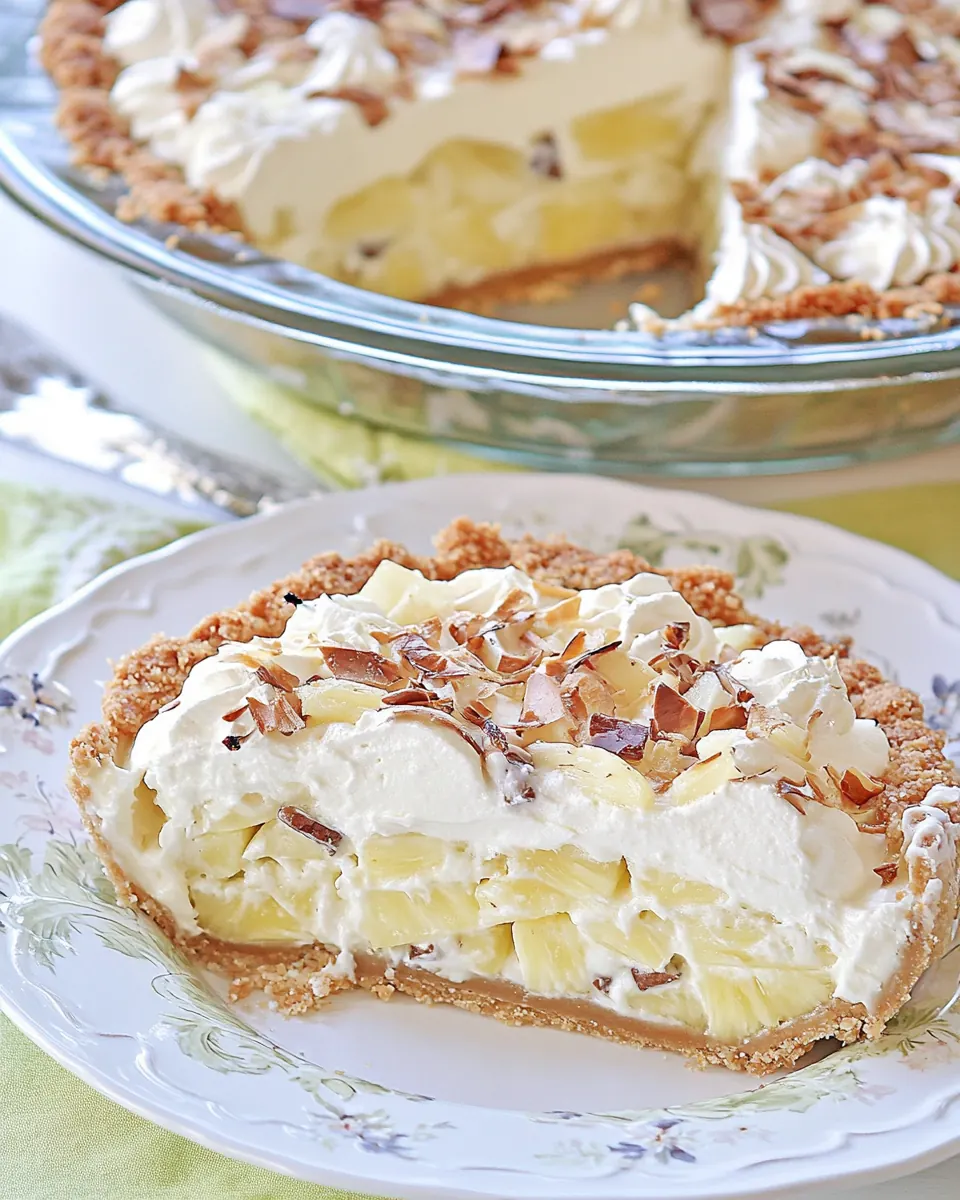
I like to present adjustments as practical options rather than hard rules. Small swaps or techniques can make the recipe fit your pantry and comfort level while keeping the pie’s core character intact. Below I expand on the note suggestions and offer ways to tailor texture and safety without compromising taste.
- Egg alternatives If you are concerned about raw eggs, use pasteurized eggs or imitation egg products such as Egg Beaters. Both options perform well in the filling, maintaining structure and flavor while reducing risk. When using pasteurized eggs, measure and beat them the same way as fresh eggs to keep the custard consistency intact.
- Crust swap If you prefer a different base, a graham cracker crust is a lovely substitute for the pastry crusts. Press the graham mixture firmly and prebake briefly to set, which helps prevent sogginess. The toasty, sweet note of graham crackers pairs very well with the fruity topping.
- Toasting nuts Toasting the pecans in a dry skillet or oven enhances their aroma and crunch. Do this over medium heat and stir constantly to avoid burning, then let them cool before chopping. This step deepens the nutty profile without altering the pie assembly.
- Stabilizing whipped cream If you need the topping to hold longer at room temperature, fold in a small amount of sifted powdered sugar and refrigerate until just firm. Alternatively, use a chilled stainless steel bowl and whip to stiff peaks to improve stability naturally without additives.
- Serving ahead You can assemble the pie a day in advance and store it covered in the refrigerator. This actually helps the flavors meld and makes slicing neater. Avoid freezing, as the whipped topping will lose its texture upon thawing.
Great Combinations for Furrs Cafeteria Pineapple Millionaire Pie
This pie works in many contexts, from backyard gatherings to celebratory holiday tables. The creamy filling and tropical notes pair well with light beverages and simple sides. Below I outline serving ideas, occasions, and storage tips to help you plan how to present the pie.
- Casual gatherings Serve slices on paper plates for picnics or backyard barbecues; the pie is forgiving and still impressive when eaten outdoors. Its bright pineapple keeps it feeling summery and approachable for mixed age groups.
- Holiday table Offer this pie as a sweet finish to a family meal during festive occasions. Its rich texture contrasts nicely with lighter main dishes, making it suitable for holiday spreads where a variety of desserts are appreciated.
- Potluck favorite Because the recipe yields multiple pies, it is ideal for potlucks and community meals. Bring the pie chilled and ready to slice, and include spare pecans for guests who like extra crunch on top.
- Storage tips Store covered in the refrigerator for up to three days for best texture. Avoid freezing as the whipped topping and fruit texture degrade when thawed, leading to a watery finish.
- Seasonal pairing This pie shines in warm months when light, fruity desserts are welcome, but its creamy richness makes it suitable year round. Pair with iced tea for a relaxed afternoon treat, or a small espresso for a more structured dessert course.
FAQ
Conclusion
Furrs Cafeteria Pineapple Millionaire Pie stands out because it balances a creamy custard and a light, fruit studded whipped topping with a crisp crust, creating layers of texture and flavor that appeal to many palates. I encourage you to try it for your next gathering, whether a picnic, potluck, or holiday table, because it is simple to assemble and reliably crowd pleasing. Once you taste the combination of sweet, tangy, and crunchy elements, you will understand why this version has endured in cafeterias and home kitchens alike. Enjoy the process of assembling it, and take pride in the smiles it will bring to your guests.
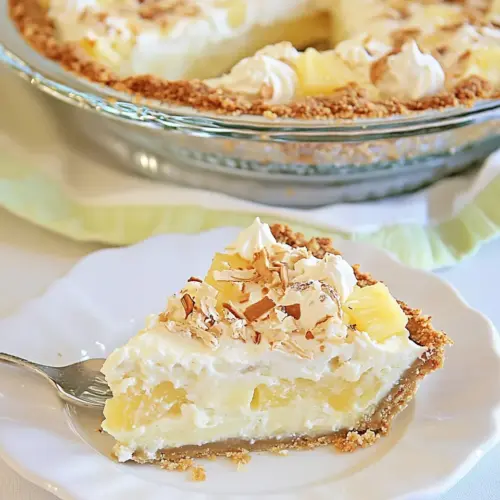
Furrs Cafeteria Pineapple Millionaire Pie
Equipment
- Electric Mixer
- Mixing Bowl
- Offset Spatula
- Refrigerator
- Sieve
Ingredients
- 2 baked 9-inch pastry pie crusts Prebaked and fluted, provides the sturdy, flaky base and structure for holding the pie filling and toppings; two 9-inch shells ensure a double-crust presentation or a backup if one cracks. Keeps the dessert crisp by separating the moist filling from direct contact with plate surfaces, and offers a classic visual frame for the pie.
- 2 cups sifted powdered sugar Sifted fine powder used to sweeten and stabilize the creamy filling; two cups deliver an even, lump-free sweetness that blends smoothly with butter and eggs. Helps achieve the desired texture and sweetness level without graininess, contributing to a silky custard consistency.
- 1/2 cup butter softened Softened for easy creaming, contributes rich dairy fat that adds smoothness, tenderness, and a glossy mouthfeel to the filling; half a cup builds body and flavor. Incorporates air when beaten with sugar to lighten the mixture and helps set the custard during baking or chilling.
- 2 eggs see not Beaten and incorporated to bind, thicken, and enrich the filling while providing structure through coagulated proteins; two eggs add richness and help the filling set. Also contributes to emulsification of fats and liquids, improving texture and preventing separation.
- 1/8 teaspoons salt Tiny amount added to balance sweetness and enhance overall flavor; one eighth teaspoon of salt sharpens and rounds the pie's taste profile without making it salty. Suppresses any flat or cloying notes and accentuates the buttery and fruity components.
- 1/4 teaspoon vanilla extract Added for delicate aromatic flavor, enhances the sweet filling with warm, familiar vanilla notes; one quarter teaspoon subtly rounds out the overall profile. Blends into the custard to heighten perceived sweetness and complement pineapple and pecan flavors.
- 1 cup heavy cream Whipped or folded in to create lightness and creaminess, one cup of heavy cream contributes richness and a silky mouthfeel to the topping or filling. When whipped, it adds volume and airy texture that balances the dense custard and crunchy crust.
- 1/2 cups sifted powdered sugar Finely sifted to ensure smoothness and to gently sweeten whipped cream or garnishes; half a cup keeps the topping lump-free and stable. Adds body and sweetness without altering texture, making the cream component cohesive and pleasant.
- 1 cup crushed pineapple, well drained Well drained to prevent excess moisture from making the filling soggy, crushed pineapple introduces bright, tangy sweetness and tropical fruitiness; one cup provides bursts of pineapple flavor throughout. Contributes acidity and texture contrast that lifts the richness of the pie.
- 1/2 cup chopped pecans Lightly chopped to provide nutty crunch and toasty flavor contrast, half a cup of pecans adds pleasant texture and depth to each bite. Offers buttery, earthy notes and visual appeal while complementing the pie's sweet and creamy elements.
Instructions
- Cream 2 cups powdered sugar and butter with an electric mixer. Add eggs, salt, and vanilla. Beat until light and fluffy. Spread mixture evenly into baked pie crusts. Chill.: The kitchen fills with a sweet, buttery aroma as the butter and sifted powdered sugar aerate. You should see the mixture become paler and take on a ribbon like texture as the beaters lift it, which indicates enough air has been incorporated to lighten the filling. This aeration matters because it creates a softer mouthfeel and helps the filling set without being dense. A common mistake is starting with butter that is too warm, which makes the mixture greasy, so aim for room temperature butter that still holds shape. If you notice separation, chilling the bowl briefly and rebeating on low can help bring it back together.
- Whip cream until stiff. Blend in powdered sugar. Fold in pineapple and pecans.: As you add the eggs , the mixture takes on a creamier sheen and a richer scent from the vanilla . The eggs bind the fats and sugars, providing structure so the filling sets firm enough to slice. Incorporate them one at a time for the best emulsion, and stop mixing as soon as the mixture is uniform to avoid overworking. If the batter curdles slightly, a teaspoon of warm water whisked in can help smooth it out, but excessive mixing can make the texture tough.
- Spread mixture on top of filling and chill thoroughly.: You will notice the sound of the mixer change, and the texture becomes lighter, almost mousse like, with tiny air pockets visible on the surface. This stage is key for a tender filling that is not heavy in the mouth. Overbeating here can deflate the air and produce a denser result, so monitor visually and by touch, looking for a soft lift when the beaters are lifted. If the mixture seems too thin, refrigerate for a few minutes to firm up before proceeding.
- Spread mixture evenly into baked pie crusts: When you spoon the filling into the two pre baked pastry pie crusts , use an offset spatula to create a smooth, level surface that will make slicing easier after chilling. The contrast between the golden crust edge and the creamy filling is a visual cue that your pies are shaping up. If you press too hard you can compress the filling and cause air pockets, so settle it gently and level without creating ridges. If the crust shows signs of sogginess, a short bake at low heat can crisp it again before filling.
- Chill: Placing the filled crusts in the refrigerator allows the filling to set and firm, which makes clean slices and a stable base for the topping. You should feel the pie becoming denser to the touch after a couple of hours, and the flavors meld during this rest. A typical mistake is serving too early when the filling is still loose, resulting in collapse when sliced, so plan for sufficient chilling time. Cover loosely to avoid absorbing fridge odors while chilling.
- Whip cream until stiff: As you whip the chilled heavy cream , watch the texture shift from liquid to soft peaks and then to stiff peaks, which hold their shape when the whisk is lifted. The room will smell fresher and the cream will look glossy when it reaches the correct stage. Chilled equipment and cream speed the process and give better volume. Overwhipping will lead to grainy texture and eventually butter, so stop once the peaks stand firmly.
- Blend in powdered sugar: Folding in the additional sifted powdered sugar sweetens the whipped cream and offers stability so the topping remains fluffy longer. The sugar also smooths the whipped cream, making it glide over the filling. Add the sugar gradually while beating on low to prevent sudden deflation. If you find the cream softens, chill the bowl briefly and beat on medium to restore firmness.
- Fold in pineapple and pecans: Gently folding the well drained crushed pineapple and chopped pecans into the whipped cream introduces bursts of flavor and crunchy contrast. You will hear a soft rustle as the spoon moves and see flecks of fruit and nut distributed evenly. The folding technique preserves the whipped cream's airiness, which is crucial for lightness. Avoid vigorous stirring that would flatten the cream and release excess juice from the pineapple, which would make the topping watery.
- Spread mixture on top of filling and chill thoroughly: When you spread this airy, fruit studded topping over the set filling, the pie takes on a layered look that promises varied textures in every bite. Use a gentle hand to keep the topping lofty and create an attractive finish; a small offset spatula or spoon works well. Thorough chilling after topping is essential so the layers bond and slicing yields neat portions. A common error is skipping the final chill which results in a soft topping that slides when cut, so allow ample refrigeration time for best presentation and texture.
Notes
- Egg alternatives If you are concerned about raw eggs, use pasteurized eggs or imitation egg products such as Egg Beaters. Both options perform well in the filling, maintaining structure and flavor while reducing risk. When using pasteurized eggs, measure and beat them the same way as fresh eggs to keep the custard consistency intact.
- Crust swap If you prefer a different base, a graham cracker crust is a lovely substitute for the pastry crusts. Press the graham mixture firmly and prebake briefly to set, which helps prevent sogginess. The toasty, sweet note of graham crackers pairs very well with the fruity topping.
- Toasting nuts Toasting the pecans in a dry skillet or oven enhances their aroma and crunch. Do this over medium heat and stir constantly to avoid burning, then let them cool before chopping. This step deepens the nutty profile without altering the pie assembly.
- Stabilizing whipped cream If you need the topping to hold longer at room temperature, fold in a small amount of sifted powdered sugar and refrigerate until just firm. Alternatively, use a chilled stainless steel bowl and whip to stiff peaks to improve stability naturally without additives.
- Serving ahead You can assemble the pie a day in advance and store it covered in the refrigerator. This actually helps the flavors meld and makes slicing neater. Avoid freezing, as the whipped topping will lose its texture upon thawing.