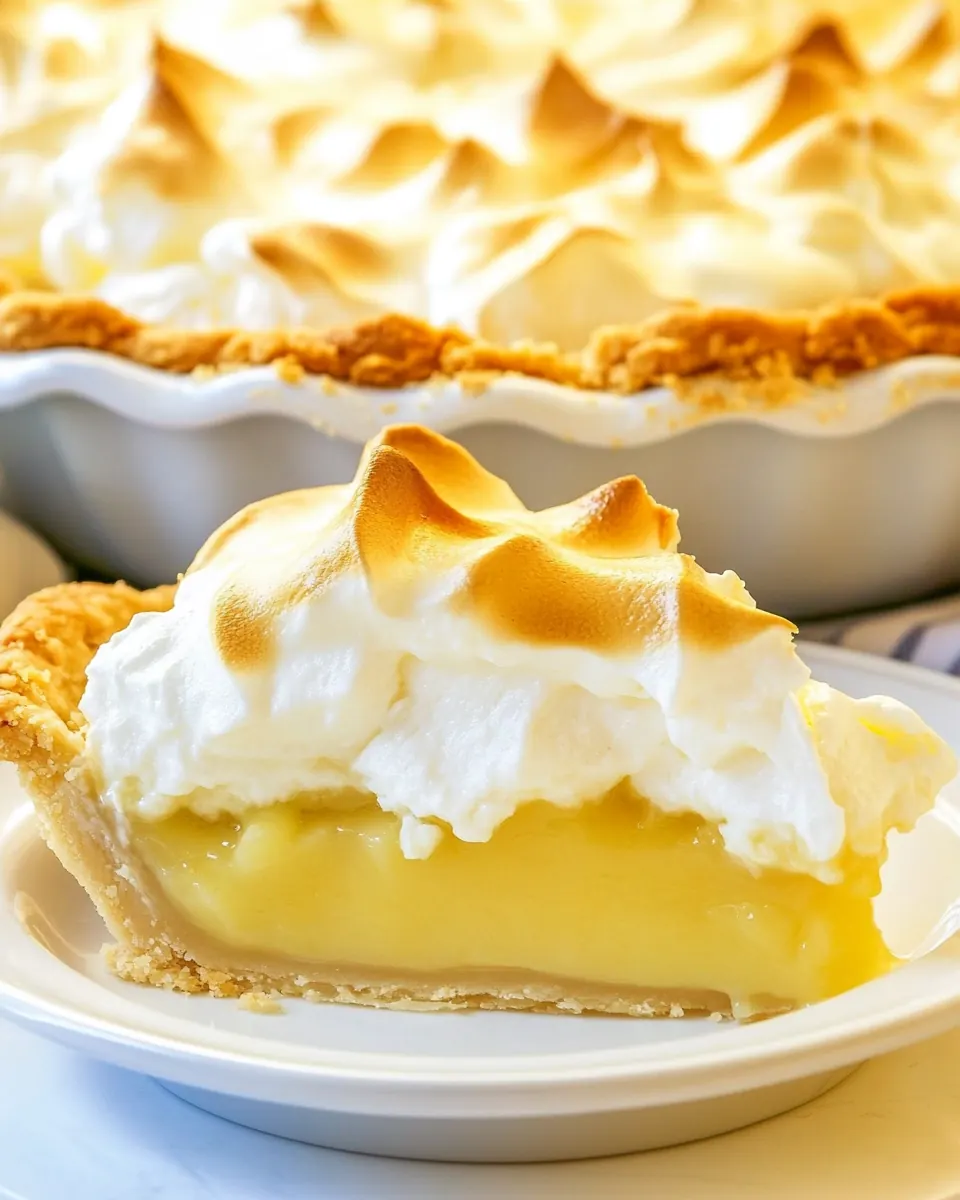
Best Ever Lemon Meringue Pie
Best Ever Lemon Meringue Pie is the kind of dessert that has been my go to when I want to celebrate a sunny afternoon or cheer up a friend who needs a little brightness. I remember the first time I made this pie, flour on my sleeves and a curious neighbor peeking in, asking if a slice would change their day. It did, and that small moment is why this recipe lives in my regular rotation.
When I make Best Ever Lemon Meringue Pie I like to slow down for the full experience, from zesting the lemons to listening for the soft crackle of meringue as it cools. There is a comfort in the ritual, and every element, from the tart lemon juice to the billowy egg whites, sings together in a way that always brings people to the table. I have adapted timing and small techniques after many trials, and what I share here is the version that reliably wows my family and guests.
I often pair this pie with casual gatherings when I want something that feels both classic and a little showy. It travels well to potlucks, and the bright flavor cuts beautifully through richer meals. Let me walk you through why this particular assembly of ingredients and methods makes the best lemon meringue pie I know, and how to avoid the small mistakes that could keep the meringue from shining.
Recipe Snapshot
40 mins
15 mins
25 mins
Easy
350 kcal
American
Gluten-Free, Low FODMAP
Desserts
Kitchen Aid Mixer, Hand Mixer
What You’ll Enjoy About This Best Ever Lemon Meringue Pie
1. Balance of tart and sweet
I love how Best Ever Lemon Meringue Pie balances the sharpness of lemon juice and lemon zest with a smooth, sweet custard. The lemon cuts through the sweetness so each bite feels bright rather than cloying. I think that contrast makes the pie irresistible, and I always remind myself to taste the curd for that precise harmony before filling the shell.
2. Creamy, stable filling
The filling uses egg yolks, milk, and cornstarch to create a thick, velvety custard that holds its shape when sliced. I appreciate how the cornstarch gives structure without making the texture gummy, and the inclusion of a little butter and lemon zest rounds the flavor with silkiness and aroma.
3. Cloudlike meringue that toasts beautifully
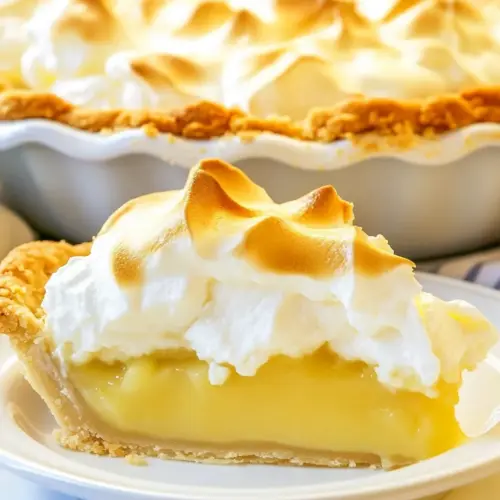
The meringue, whipped from egg whites, cream of tartar, and a portion of sugar, creates a light cap that browns evenly in the oven. In my experience, whipping to stiff peaks and spreading it immediately over the warm filling prevents weeping, and that is the trick that keeps the pie looking like a showstopper.
4. Familiar technique, dependable results
There is comfort in the straightforward, reliable steps. From whisking the curd on the stove to whipping the meringue with an electric mixer, these are techniques most home bakers already know. I like recipes that reward attention to small details, and this one does just that. Follow the signals I note in the method and you will get consistent results.
5. Crowd friendly and versatile
I find Best Ever Lemon Meringue Pie works for formal dinners and casual get togethers alike. It slices neatly and stores well in the fridge, so you can prepare it ahead. That versatility is one of the reasons I keep this recipe bookmarked, and why guests often ask for the recipe after their first bite.
Essential Ingredients for Best Ever Lemon Meringue Pie
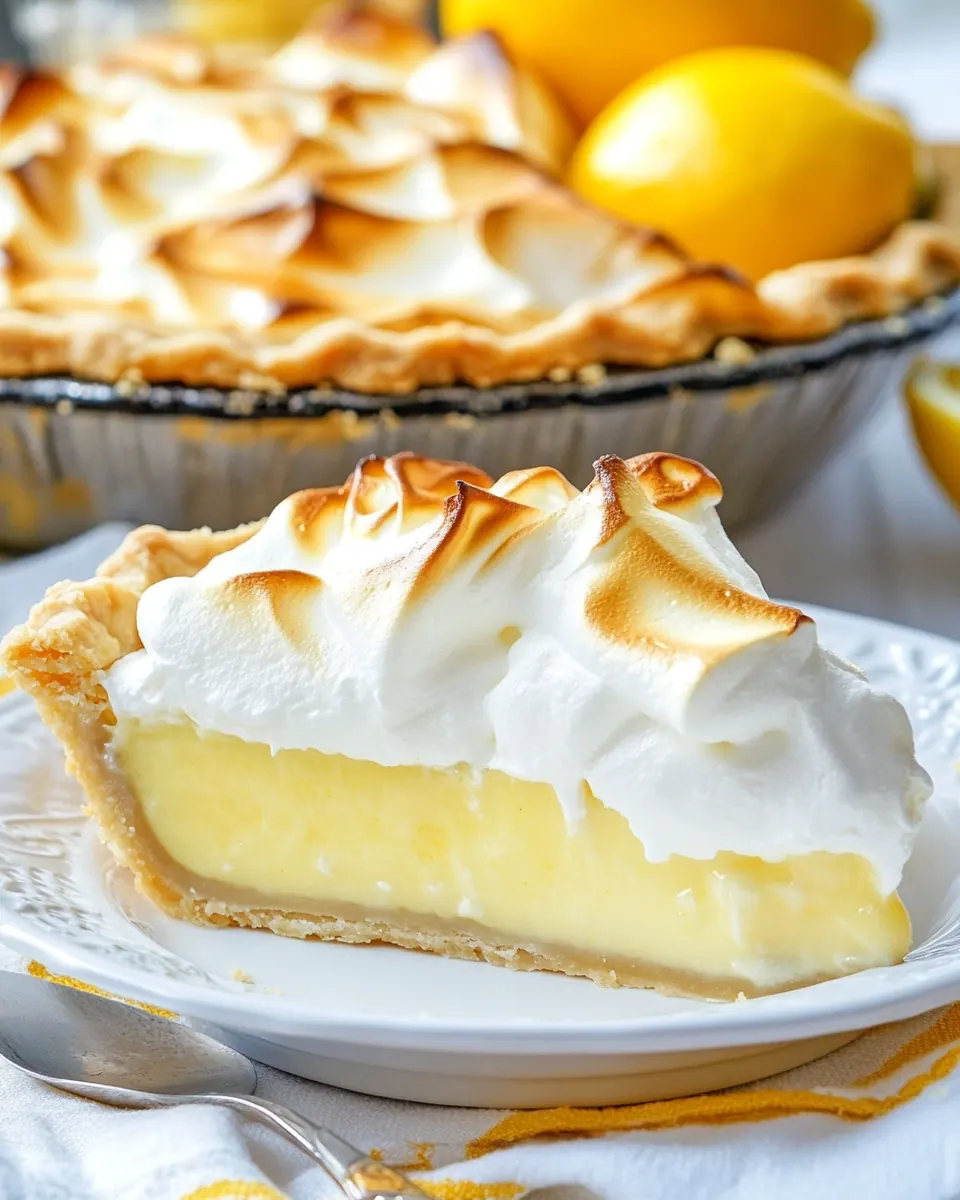
These ingredients form a classic trio of elements: a crisp pie shell, a tangy custard, and a glossy meringue. Each player has a clear job to do, and together they create contrasting textures and flavors that make the pie sing. I always emphasize quality of citrus and fresh eggs because they have an outsized effect on the final result.
- 1 1/2 cups sugar: Sweeten and structure the lemon curd by dissolving into the custard base; sugar provides bulk, balances tartness, and helps thicken when combined with cornstarch and egg yolks during cooking.
- 1/3 cup cornstarch: Thicken and stabilize the filling by absorbing moisture and creating a gel when heated; cornstarch gives the curd a smooth, glossy texture and prevents it from running.
- 1/8 tsp salt: Enhance flavor balance and slightly intensify brightness while controlling sweetness; a pinch of salt rounds flavors and enhances the tartness of lemon in the filling.
- 4 egg yolks: Enrich and emulsify the lemon filling with a rich, silky texture; egg yolks add body, color, and help set the custard when cooked gently with the starch and milk.
- 1 3/4 cups milk: Provide the liquid base and creamy mouthfeel for the custard; milk dilutes the starch, carries flavor, and contributes to the final smoothness of the filling.
- 1/2 cup lemon juice: Impart the primary tart, acidic flavor and structure to the curd; lemon juice provides acidity that thickens proteins and balances the sweetness for bright lemon flavor.
- 3 tbsp butter: Add richness and a glossy finish while smoothing the curd; butter enriches flavor, contributes to mouthfeel, and helps create a satiny texture when whisked in off the heat.
- 1 tsp lemon zest: Concentrate and intensify lemon aroma and flavor; lemon zest delivers essential oils that boost fragrance and deepen citrus complexity without adding acidity.
- 1 (9-inch) deep-dish pie shell, cooked and cooled: Hold and support the filling as the baked base; a pre-baked deep–dish pie shell provides a crisp, stable vessel that prevents sogginess and complements the tart meringue contrast.
- 6 egg whites: Aerate and create volume for the topping; egg whites whip into a foam that forms the meringue, providing lightness and a tender cloud-like texture when baked.
- 1/2 tsp cream of tartar: Stabilize the whipped egg whites to hold peaks and resist weeping; cream of tartar strengthens foam structure and helps achieve glossy, long-lasting meringue.
- 1/2 cup sugar: Sweeten and stabilize the meringue while contributing to structure; additional sugar dissolves into the egg white foam to form a glossy, stable topping that browns lightly.
- 1/2 tsp vanilla extract: Flavor and round out the meringue with a warm, sweet aromatics; vanilla extract enhances overall taste, complementing lemon while adding subtle depth to the topping.
The Method for Best Ever Lemon Meringue Pie
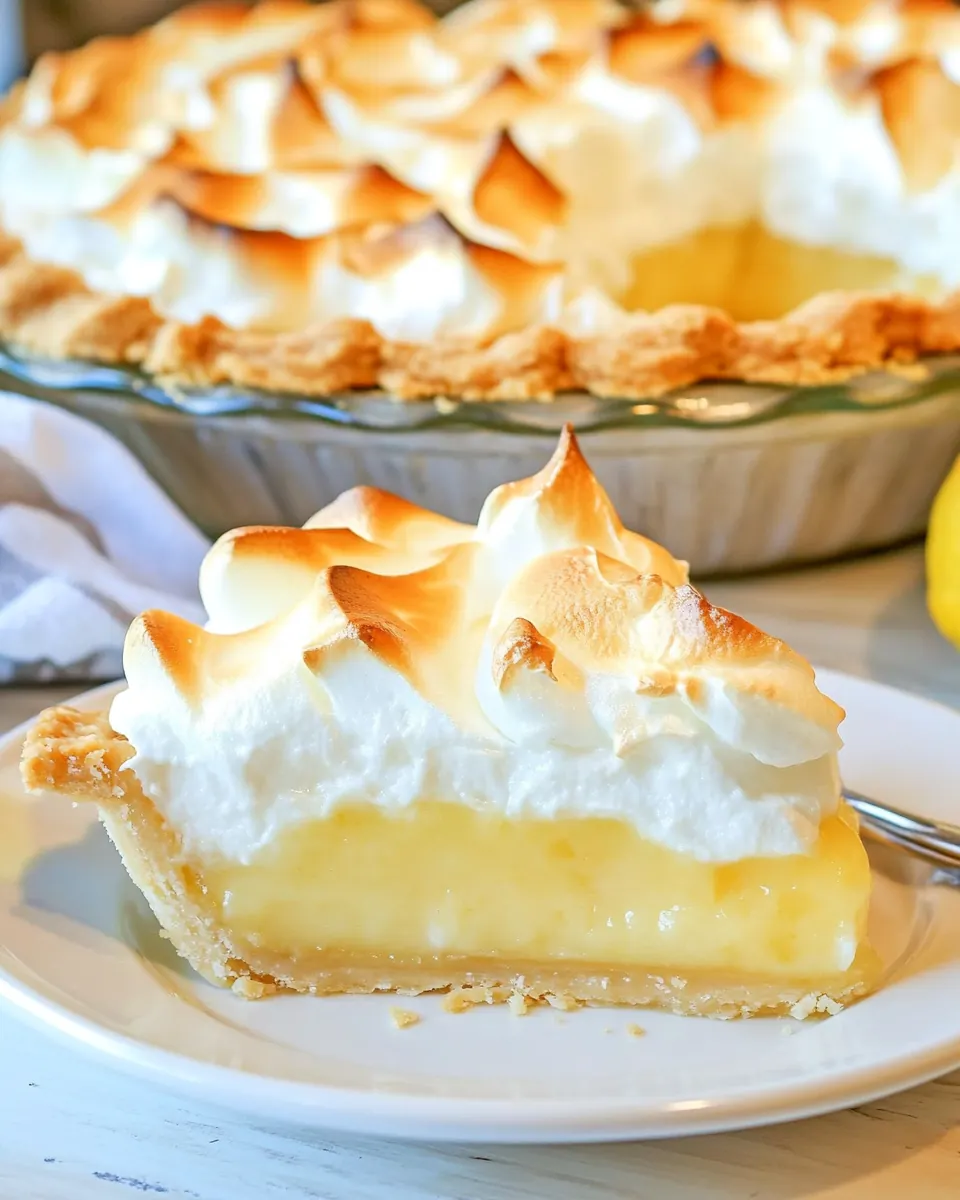
This method walks you through building the curd, whipping a resilient meringue, and combining them into a show stopping pie. Work steadily and pay attention to visual and tactile cues at each stage for best results.
- Preheat oven to 325ºF.: As your oven warms to 325ºF , you should notice a steady hum and gentle heat spreading through the chamber, which helps the meringue brown evenly without scorching. Preheating ensures that when you bake the assembled pie the exterior of the meringue develops that delicate tan while the interior remains soft. A common mistake is not preheating long enough, which leads to uneven browning, so wait until the oven registers the full temperature before baking.
- In a medium saucepan, whisk together sugar, cornstarch, salt, egg yolks, milk and lemon juice. Bring to a boil over medium heat, continue whisking constantly for 1 minute. Remove from heat. Whisk in butter and lemon zest. Pour into cooked pie crust.: When these ingredients come together in the saucepan you will first hear a light simmer and then the mixture will thicken noticeably as the cornstarch activates. The aroma shifts from powdered to custardy, and you will feel the sauce coat the back of a spoon. Whisking constantly prevents lumps and keeps the texture smooth. After boiling for the short, specified time, removing from heat and whisking in the butter adds gloss and richness, while the lemon zest releases fragrant oils that lift the whole filling. One pitfall is overheating, which can scramble the egg yolks , so maintain medium heat and steady whisking to avoid curdling.
- In the bowl of an electric mixer fitted with the whisk attachment, beat egg whites and cream of tartar until foamy. Gradually add sugar, 1 tablespoon at a time, beating until stiff peaks form (about 4 minutes). Add vanilla, beat well. Spread meringue over pie filling.: As you begin whipping the egg whites with cream of tartar , the mixture will go from clear to opaque and then to glossy white foam; you will hear the mixer change tone as the structure builds. Adding the sugar slowly helps dissolve the crystals and prevents a grainy texture, and achieving stiff peaks means the meringue will hold lofty shapes when spread. The aroma will be sweet and clean, and the texture should feel satiny between your whisk and spatula. A common misstep is adding sugar too quickly, which can deflate the foam, so patience is essential here.
- Bake for 20 to 25 minutes, until meringue is lightly browned. Remove from oven and cool on wire rack for an hour. Refrigerate until ready to serve.: As the pie bakes, the meringue will puff and the surface will go from glossy white to a warm, golden hue with subtle, toasted notes in the scent. You may hear a soft crackle as moisture escapes and the peaks set. Cooling on a wire rack allows air to circulate beneath the pie so condensation does not make the crust soggy, and refrigerating afterwards helps the filling finish setting to a sliceable consistency. Avoid overbaking which dries the meringue and causes excessive shrinkage; aim for a light brown color and touch the surface gently only once to check firmness.
Making Adjustments
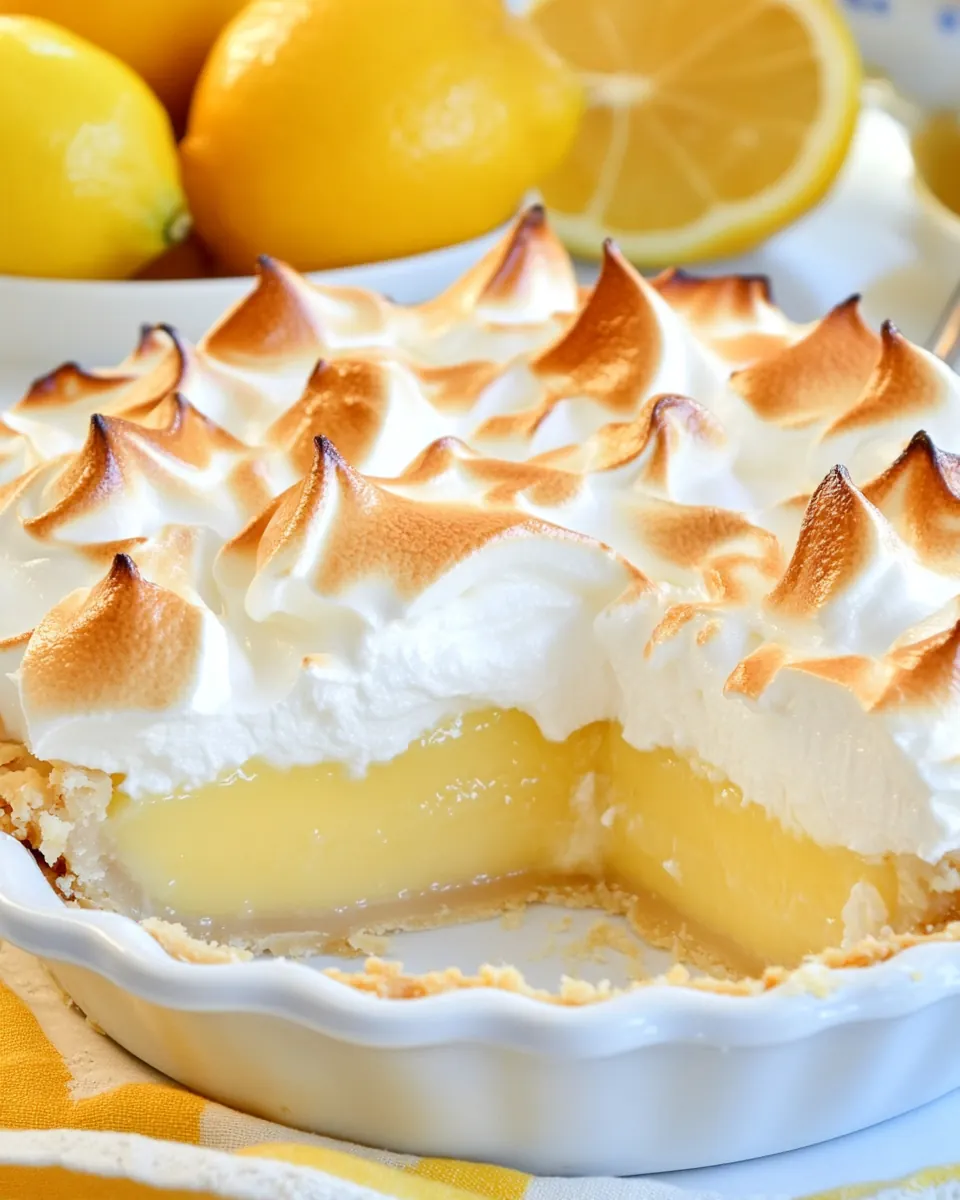
Small adjustments can make a big difference when you are aiming for a perfect meringue and silky curd. Below are tips I use and recommend, each expanded so you can apply them confidently based on what you notice while baking.
- Control sweetness Use the sugar measurements as written, but taste the curd before chilling and adjust only if the lemons are exceptionally sweet or tart.
- Stabilize meringue Adding the cream of tartar early helps create a stable foam that resists weeping and holds peaks for a glossy finish.
- Check oven color Watch for a light golden hue on the meringue rather than deep brown, which indicates the sugars are caramelizing too much.
- Prevent shrinkage Press the meringue to the edge of the crust to seal the filling and reduce the chance the meringue pulls away as it cools.
- Use proper bowls Ensure the mixer bowl and whisk are free of grease, as any fat will inhibit the egg whites from whipping properly.
- Cool gradually Let the pie rest on a rack at room temperature before refrigerating, abrupt temperature changes can cause the meringue to weep.
How to Serve Best Ever Lemon Meringue Pie
Serving this pie is part of the ritual, and a few simple choices help it shine on any table. Whether for a weekday treat or a special occasion, consider timing and accompaniments to enhance the experience.
- Serve chilled Slice the pie after it has fully chilled so the custard sets cleanly and the meringue retains its structure.
- Pairings Offer light accompaniments like a cup of tea or a fresh fruit salad to complement the tartness without overpowering it.
- Occasions This is perfect for spring gatherings, brunches, and celebrations where a citrus forward dessert brings brightness to the menu.
- Plating Use a sharp knife wiped between cuts for clean slices and present with a small spoonful of whipped cream if extra indulgence is desired.
- Storage Keep leftovers refrigerated, covered lightly to protect the meringue, and consume within two to three days for best texture and flavor.
- Transporting If taking the pie to another location, chill thoroughly and place it in a snug pie carrier to avoid tipping and preserve the meringue’s shape.
FAQ
Conclusion
This pie is special because it marries a bright, silky lemon curd with a lofted, toasted meringue that makes every slice feel celebratory. Give the method the attention it deserves, especially when whipping the meringue and tempering the curd, and you will be rewarded with a dessert that looks as good as it tastes. Gather your ingredients, enjoy the process, and serve slices to people you love because this classic reliably brings smiles and a little sunshine to the table.
Best Ever Lemon Meringue Pie
Equipment
- Kitchen-Aid Mixer
- Hand Mixer
Ingredients
- 1 1/2 cups sugar Sweeten and structure the lemon curd by dissolving into the custard base; sugar provides bulk, balances tartness, and helps thicken when combined with cornstarch and egg yolks during cooking.
- 1/3 cup cornstarch Thicken and stabilize the filling by absorbing moisture and creating a gel when heated; cornstarch gives the curd a smooth, glossy texture and prevents it from running.
- 1/8 tsp salt Enhance flavor balance and slightly intensify brightness while controlling sweetness; a pinch of salt rounds flavors and enhances the tartness of lemon in the filling.
- 4 egg yolks Enrich and emulsify the lemon filling with a rich, silky texture; egg yolks add body, color, and help set the custard when cooked gently with the starch and milk.
- 1 3/4 cups milk Provide the liquid base and creamy mouthfeel for the custard; milk dilutes the starch, carries flavor, and contributes to the final smoothness of the filling.
- 1/2 cup lemon juice Impart the primary tart, acidic flavor and structure to the curd; lemon juice provides acidity that thickens proteins and balances the sweetness for bright lemon flavor.
- 3 tbsp butter Add richness and a glossy finish while smoothing the curd; butter enriches flavor, contributes to mouthfeel, and helps create a satiny texture when whisked in off the heat.
- 1 tsp lemon zest Concentrate and intensify lemon aroma and flavor; lemon zest delivers essential oils that boost fragrance and deepen citrus complexity without adding acidity.
- 1 (9-inch) deep-dish pie shell, cooked and cooled Hold and support the filling as the baked base; a pre-baked deep-dish pie shell provides a crisp, stable vessel that prevents sogginess and complements the tart meringue contrast.
- 6 egg whites Aerate and create volume for the topping; egg whites whip into a foam that forms the meringue, providing lightness and a tender cloud-like texture when baked.
- 1/2 tsp cream of tartar Stabilize the whipped egg whites to hold peaks and resist weeping; cream of tartar strengthens foam structure and helps achieve glossy, long-lasting meringue.
- 1/2 cup sugar Sweeten and stabilize the meringue while contributing to structure; additional sugar dissolves into the egg white foam to form a glossy, stable topping that browns lightly.
- 1/2 tsp vanilla extract Flavor and round out the meringue with a warm, sweet aromatics; vanilla extract enhances overall taste, complementing lemon while adding subtle depth to the topping.
Instructions
- Preheat oven to 325ºF.: As your oven warms to 325ºF , you should notice a steady hum and gentle heat spreading through the chamber, which helps the meringue brown evenly without scorching. Preheating ensures that when you bake the assembled pie the exterior of the meringue develops that delicate tan while the interior remains soft. A common mistake is not preheating long enough, which leads to uneven browning, so wait until the oven registers the full temperature before baking.
- In a medium saucepan, whisk together sugar, cornstarch, salt, egg yolks, milk and lemon juice. Bring to a boil over medium heat, continue whisking constantly for 1 minute. Remove from heat. Whisk in butter and lemon zest. Pour into cooked pie crust.: When these ingredients come together in the saucepan you will first hear a light simmer and then the mixture will thicken noticeably as the cornstarch activates. The aroma shifts from powdered to custardy, and you will feel the sauce coat the back of a spoon. Whisking constantly prevents lumps and keeps the texture smooth. After boiling for the short, specified time, removing from heat and whisking in the butter adds gloss and richness, while the lemon zest releases fragrant oils that lift the whole filling. One pitfall is overheating, which can scramble the egg yolks , so maintain medium heat and steady whisking to avoid curdling.
- In the bowl of an electric mixer fitted with the whisk attachment, beat egg whites and cream of tartar until foamy. Gradually add sugar, 1 tablespoon at a time, beating until stiff peaks form (about 4 minutes). Add vanilla, beat well. Spread meringue over pie filling.: As you begin whipping the egg whites with cream of tartar , the mixture will go from clear to opaque and then to glossy white foam; you will hear the mixer change tone as the structure builds. Adding the sugar slowly helps dissolve the crystals and prevents a grainy texture, and achieving stiff peaks means the meringue will hold lofty shapes when spread. The aroma will be sweet and clean, and the texture should feel satiny between your whisk and spatula. A common misstep is adding sugar too quickly, which can deflate the foam, so patience is essential here.
- Bake for 20 to 25 minutes, until meringue is lightly browned. Remove from oven and cool on wire rack for an hour. Refrigerate until ready to serve.: As the pie bakes, the meringue will puff and the surface will go from glossy white to a warm, golden hue with subtle, toasted notes in the scent. You may hear a soft crackle as moisture escapes and the peaks set. Cooling on a wire rack allows air to circulate beneath the pie so condensation does not make the crust soggy, and refrigerating afterwards helps the filling finish setting to a sliceable consistency. Avoid overbaking which dries the meringue and causes excessive shrinkage; aim for a light brown color and touch the surface gently only once to check firmness.
Notes
- Control sweetness Use the sugar measurements as written, but taste the curd before chilling and adjust only if the lemons are exceptionally sweet or tart.
- Stabilize meringue Adding the cream of tartar early helps create a stable foam that resists weeping and holds peaks for a glossy finish.
- Check oven color Watch for a light golden hue on the meringue rather than deep brown, which indicates the sugars are caramelizing too much.
- Prevent shrinkage Press the meringue to the edge of the crust to seal the filling and reduce the chance the meringue pulls away as it cools.
- Use proper bowls Ensure the mixer bowl and whisk are free of grease, as any fat will inhibit the egg whites from whipping properly.
- Cool gradually Let the pie rest on a rack at room temperature before refrigerating, abrupt temperature changes can cause the meringue to weep.
