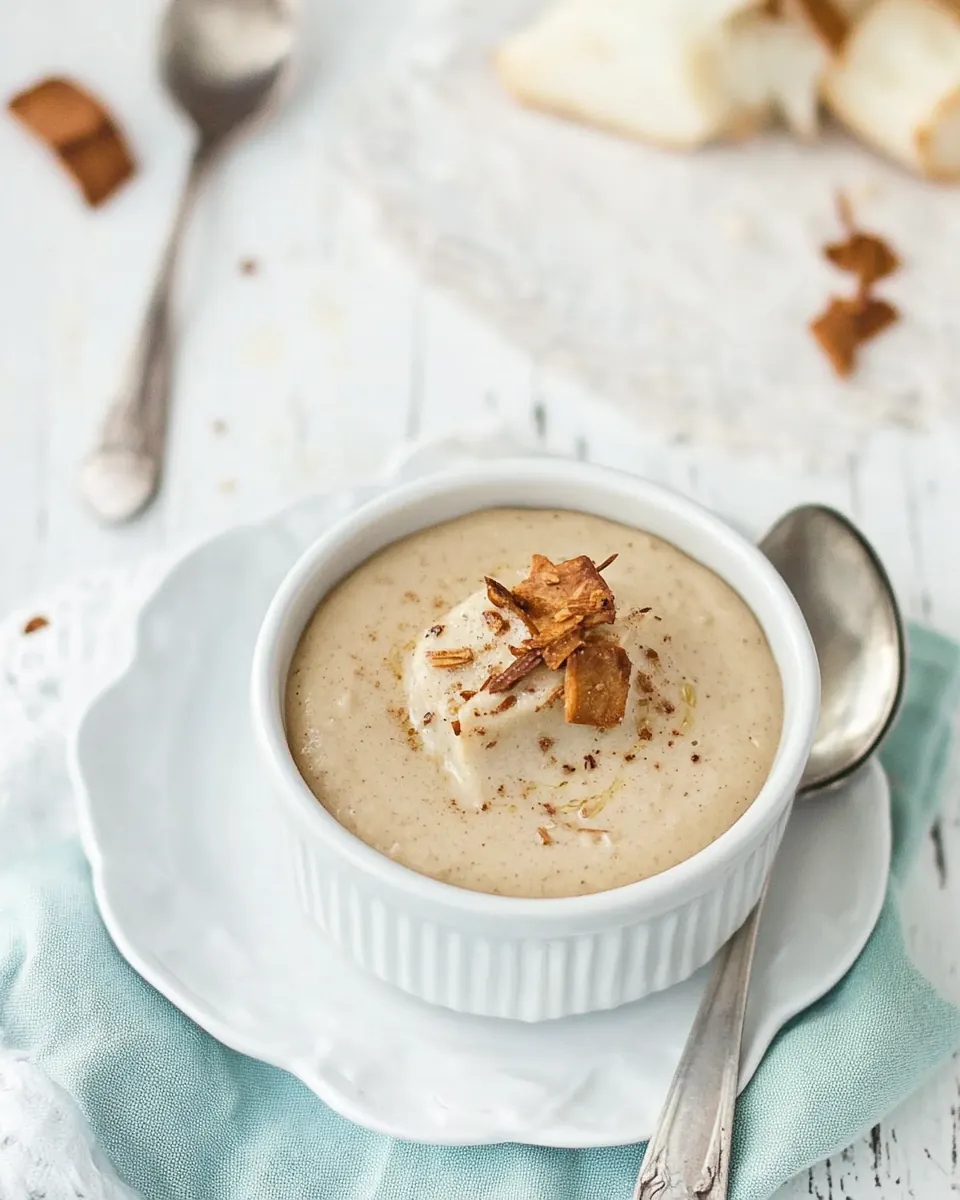
Dulce de Batata or Jalea de Batata
Dulce de Batata or Jalea de Batata is one of those cozy desserts I grew up sneaking spoonfuls of at family gatherings, and it still feels like a warm kitchen hug every time I make it.
My earliest memory of this pudding is my aunt stirring a pot while telling stories, the air thick with the sweet scent of simmering sweet potatoes and cinnamon powder. I loved how simple pantry ingredients turned into something silky and comforting. Over the years I experimented with texture and sweetness, learning when to stop cooking so the pudding stays creamy rather than gluey, and when to stir slower so the bottom does not scorch. Each tweak felt like decoding a family secret, and now I keep a mental note of the moments that matter, like cooling it before chilling so it sets with a glossy surface and a tender mouthfeel.
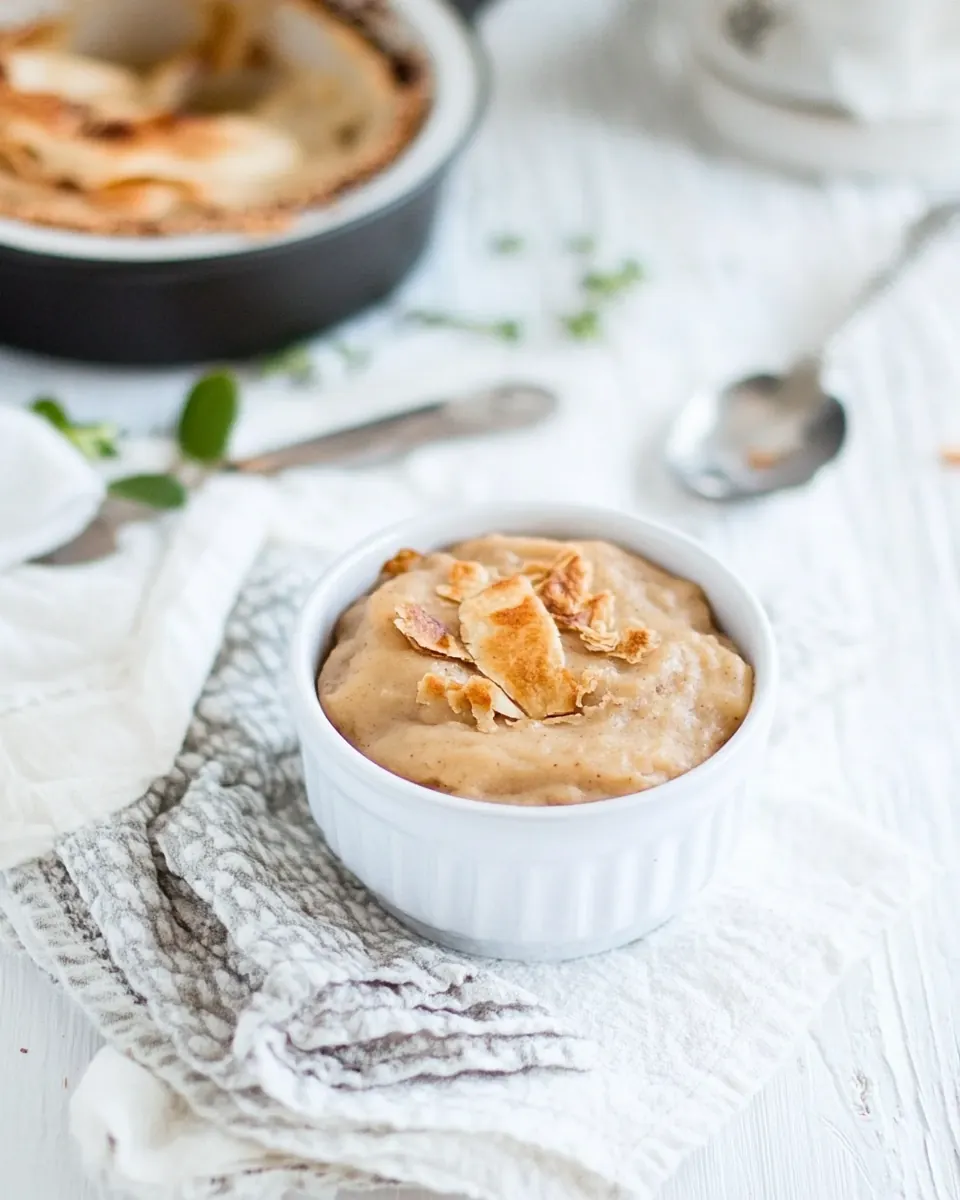
When I serve Dulce de Batata or Jalea de Batata I prefer small bowls that let people take a spoonful between conversations, adding a sprinkle of toasted coconut flakes for crunch. This version leans on coconut richness and evaporated milk to create depth, while spices like clove powder and cinnamon powder give it warmth without overpowering the sweet potato’s natural flavor. I also appreciate how forgiving the recipe is, whether you mash by hand or blend for a silkier texture, and how optional bits like raisins add surprise pops of chewy sweetness. It’s one of those dishes that invites sharing, and when friends taste it for the first time they always ask for the story behind it. That’s when I tell them about my aunt, the long wooden spoon, and the way the kitchen smelled that afternoon.
Recipe Snapshot
25 mins
10 mins
15 mins
Easy
250 kcal
American
Gluten-Free, Low FODMAP
Desserts
Saucepan, Blender, Metal bowl, Potato masher
What’s Great About This Dulce de Batata or Jalea de Batata
Deep, naturally sweet flavor
I love how sweet potatoes bring a deep, caramel like sweetness without needing much added sugar. The pudding’s flavor is honest and rooted in the produce, which I find far more satisfying than heavy artificial sweetness.
Velvety, creamy texture
Using both coconut milk and evaporated milk creates a rich, creamy body that coats the mouth. I prefer this combination because it keeps the texture lush, but not overly heavy, and it helps the pudding set into a tender, spoonable custard.
Balanced warming spices
The cinnamon powder and clove powder are small additions that dramatically lift the dish. I add them cautiously because they can become assertive, but when used right they give the pudding a fragrant lift that makes it feel seasonal and warmly spiced.
Flexible and approachable
This recipe is forgiving, so I often make it when I want something homemade without fuss. You can mash by hand for a rustic texture or blend for a polished finish, add raisins for chew or leave them out, and adjust sweetness to taste. I appreciate recipes that welcome personal adjustments because they become mine that way.
Great for sharing
I adore how Dulce de Batata or Jalea de Batata fits communal eating. It chills well, travels easily in a covered bowl, and invites small garnishes like toasted coconut flakes that give a nice contrast. Whenever I bring it to gatherings, people note the comforting smell first, which always sparks conversation.
Ingredients for Dulce de Batata or Jalea de Batata
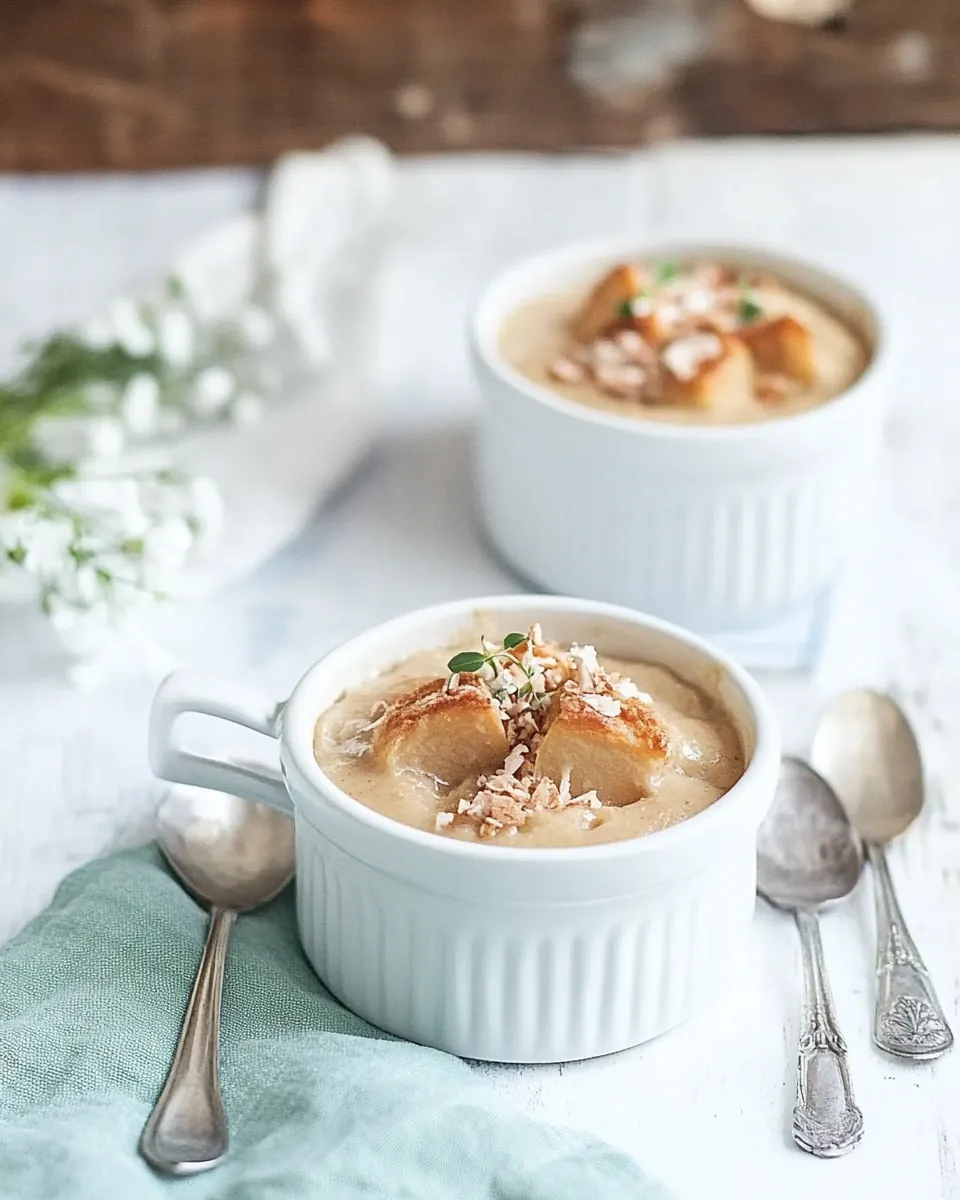
These ingredients are intentionally simple, forming a harmonious balance of sweet, creamy, and aromatic notes. The key players are the sweet potatoes for natural sweetness and body, the combination of coconut milk and evaporated milk for creaminess, and small amounts of warming spices to lift the flavor. Optional add ins provide texture contrasts so the pudding never feels one dimensional.
- 1/2 pounds sweet potatoes, boiled soft [0.2 kg]: Mashed and cooked to a smooth consistency, provides the sweet, starchy base and primary body for the dulce de batata; contributes a naturally sweet flavor and dense texture once reduced and set. Adds moisture and structure that binds other ingredients while delivering the characteristic sweet potato aroma.
- 2 cups coconut milk: Creamy and rich, supplies a silky mouthfeel and subtle coconut flavor that complements the sweet potato; helps thin and homogenize the mixture for even cooking. Contributes fat and sweetness balance while enhancing the tropical profile of the dessert.
- 1 cup evaporated milk: Concentrated and slightly caramelized, lends a deeper, milky richness and enhances creaminess without thinning the mixture too much. Adds a hint of lactic sweetness and helps create a smooth, custard-like texture as the dulce cools.
- 1/4 teaspoons salt: Pinching in a small amount enhances and balances sweetness by amplifying other flavors and rounding out the overall taste profile. Prevents the final product from tasting flat and helps highlight the aromatic spices and natural sweetness of the sweet potato.
- 1 teaspoon cinnamon powder: Warm and aromatic powder adds depth and a comforting, spicy note that complements the sweet potato and coconut flavors. Works to create complexity and a familiar holiday-like character in each bite.
- 1 teaspoon clove powder: Pungent and warming powder supplies a deep, clove-like spice that intensifies the dessert's aromatic profile; a little goes a long way. Balances sweetness with its slightly bitter and aromatic undertones, enriching the overall flavor.
- 1/3 cups sugar, (white, granulated) (or more, to taste): Granulated, sweetener adjusts the overall sweetness level and aids in thickening as the mixture cooks and reduces; can be increased to taste for desired sweetness. Helps with caramelization and preservation while integrating with milks and sweet potato.
- 1/4 cup raisins, () (optional): Plump and chewy when added, provides optional bursts of fruity sweetness and texture contrast; can be stirred in before setting or sprinkled on top. Adds visual interest and complementary flavor when included.
- 1/4 cup toasted coconut flakes, () (optional): Toasted flakes contribute a nutty, crunchy texture and a toasty aroma when used as an optional garnish or mix-in. Enhances mouthfeel and adds a contrasting finish to the smooth, dense dulce de batata.
How to Prepare Dulce de Batata or Jalea de Batata
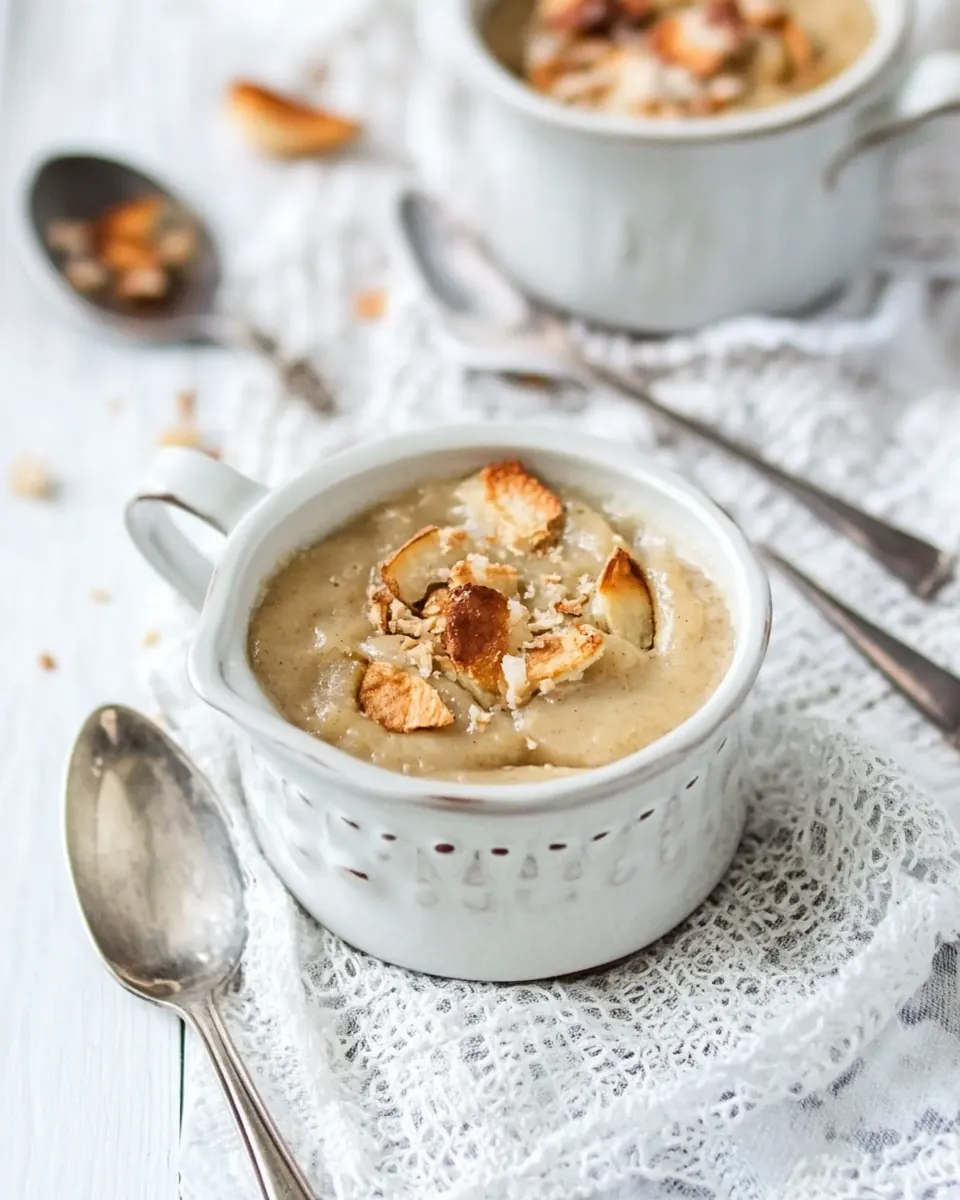
This pudding is straightforward, but attention to timing and texture makes the difference. Below I expand each direction into thoughtful steps so you can sense when the pudding is perfectly done, and avoid common pitfalls that can lead to grainy or scorched results.
- Boil sweet potatoes in unsalted water until it's fork-tender (about 20 min). Remove from the water and cool to room temperature. Crush a bit with a potato masher or fork.: The moment you feel the fork slide through the sweet potatoes easily, the texture will be soft and yielding, releasing a lightly sweet, earthy aroma; if they still resist the fork they will create grainy lumps later, so be patient. As they simmer the pot gives off a soft bubbling sound and a sweet steam that hints at the pudding to come. Drain them promptly to avoid water logging, because excess water thins the pudding and dilutes flavor; a common mistake is undercooking, which leads to harsh, starchy bits. After cooling to room temperature, gently crush with a potato masher or fork so the pieces break down and are easier to blend smooth, taking care not to over mash into a gluey paste.
- Mix sweet potatoes, coconut milk, evaporated milk, cinnamon, clove, and 1/3 cup of sugar and blend until it is very smooth.: Once combined, the mixture should smell sweet with warm spice notes; blending creates a glossy, uniform texture that feels silky when you lift the spoon. The blended aroma will be creamier and more cohesive than the separate ingredients, and the visual cue to stop is a uniform color and no visible lumps. This step matters because a truly smooth base yields a pudding with an even set and luxurious mouthfeel; skipping the blend or blending too briefly leaves gritty specks. If your blender overheats, pause and scrape down the sides so everything emulsifies evenly and you avoid a hot motor or uneven texture.
- Pour into a saucepan and add the raisins and salt. Heat over medium-low heat, stirring constantly to avoid burning the bottom. Once it has thickened to yogurt-like consistency, taste sugar, and add more to taste if you find it necessary (sweetness was fine to my taste). Remove from the heat.: As you heat this mixture gently over medium low, it will first warm, then begin to thicken and release a richer, cooked aroma where the spices become more pronounced. Stirring constantly is key because the mixture will cling to the bottom and can quickly darken if left unattended, producing a burnt smell; the sound changes from faint bubbling to a gentle simmer when it starts to thicken. Taste as it reaches a yogurt like consistency and adjust the sugar if necessary, because sweetness concentrates as water evaporates. A common error is turning the heat too high, which makes the bottom scorch before the center thickens, so keep the flame low and patient stirring ensures an even set.
- Chill: Pour into a metal bowl and stir until it has cooled to room temperature. Chill.: Cooling in a metal bowl helps draw heat away faster and produces a smooth surface; you will notice the pudding lose steam and the aroma mellow into a settled, cohesive scent. Stirring as it cools prevents a skin from forming and keeps the texture consistent; if you skip stirring, a firmer film may form on top that changes mouthfeel. Once at room temperature, transfer to the refrigerator to chill thoroughly because cold firming helps the pudding hold its shape without becoming hard. One mistake is refrigerating while still very hot, which raises your fridge temperature and can create uneven chilling.
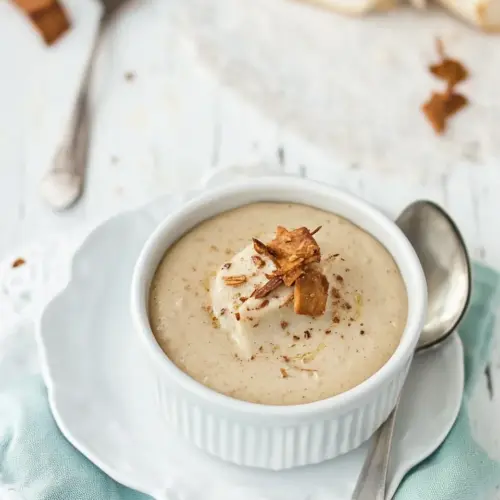
- Pour into individual bowls, sprinkle with coconut flakes, and serve.: Serving chilled, the pudding should glide off your spoon with a gentle wobble, offering a creamy mouthful punctuated by the crunch of toasted coconut flakes . The contrast between silky pudding and toasted flakes enhances texture and aroma; watch the flakes as they release a nutty scent when toasted. If you've included raisins , they will provide bursts of concentrated sweetness against the smooth base. A common oversight is adding garnishes too early, which can soften them; add them just before serving so they remain crisp and fragrant.
Expert Tips about Dulce de Batata or Jalea de Batata
These tips come from repeated batches and little adjustments that improved texture and flavor. They focus on maximizing creaminess, preventing scorching, and choosing the best garnishes to elevate the pudding.
- Choose tender sweet potatoes: Start with well cooked sweet potatoes that yield easily to a fork, because undercooked tubers create a gritty mouthfeel and uneven sweetness. Boil gently until fork tender and allow them to cool slightly before mashing or blending so you do not create excess steam in the blender.
- Blend for uniformity: Use a blender to process the mixture until it is completely smooth, which ensures a creamy, lustrous texture when cooked. If you do not have a blender, push the cooked sweet potatoes through a fine sieve and whisk with the milks to eliminate lumps.
- Cook low and slow: Heat the pudding over medium low and stir constantly to prevent the sugars from caramelizing unevenly and sticking to the pan. Patience here prevents a burnt bottom and yields a gentle thickening that tastes clean and rounded.
- Adjust sweetness after thickening: Taste the pudding only after it has thickened because flavors concentrate as water evaporates; you can then add more sugar if needed without risking an overly sweet result.
- Use metal bowls for cooling: Pour the warm pudding into a metal bowl to speed cooling, stir to avoid a film forming, then chill. Faster cooling helps lock in a tender set and reduces the risk of bacterial growth.
- Keep garnishes separate: Toast coconut flakes ahead of time but add them right before serving to maintain crunch. If you sprinkle them too early they will soften from the pudding’s moisture.
Perfect Pairings for Dulce de Batata or Jalea de Batata
This pudding shines when paired with complementary textures and occasions. Below are serving ideas, side pairings, and storage suggestions to make the most of each batch.
- Small warmed bowls for cozy evenings: Serve Dulce de Batata or Jalea de Batata in individual bowls for an intimate dessert after a casual dinner. The warmth of the kitchen and the pudding’s mild sweetness make it ideal for a quiet night in.
- Garnish with toasted coconut for crunch: Sprinkle toasted coconut flakes right before serving to add a crisp, nutty contrast to the silky pudding, enhancing every spoonful with texture.
- Pair with fresh fruit for balance: Add lightly sliced fruit on the side to cut through the pudding’s richness and introduce a refreshing note, especially in warmer months when the pudding is served chilled.
- Serve at family gatherings and seasonal celebrations: This dessert suits fall and cool weather meals where warming spices like cinnamon powder and clove powder feel appropriate. It also travels well to potlucks because it chills solidly and remains transportable.
- Storage tips for make ahead convenience: Store in an airtight container in the fridge for up to four days, and add toasted coconut flakes just before serving to keep them crisp. Re chill thoroughly after reheating and spoon into bowls to serve.
- Serve chilled or slightly chilled: Chilling firms the pudding and concentrates flavors; for a softer mouthfeel, let it rest at room temperature for a few minutes before serving, then garnish and enjoy.
FAQ
Conclusion
This recipe stands out because it transforms simple ingredients into a comforting, creamy pudding with warm spice and a gentle sweetness. Give Dulce de Batata or Jalea de Batata a try if you want a dessert that feels like home yet is easy enough for any weeknight. It rewards patience at the stove and small finishing touches, and every spoonful brings a little nostalgia and warmth to the table.
Dulce de Batata or Jalea de Batata
Equipment
- Saucepan
- Blender
- Metal bowl
- Potato Masher
Ingredients
- 1/2 pounds sweet potatoes, boiled soft [0.2 kg] Mashed and cooked to a smooth consistency, provides the sweet, starchy base and primary body for the dulce de batata; contributes a naturally sweet flavor and dense texture once reduced and set. Adds moisture and structure that binds other ingredients while delivering the characteristic sweet potato aroma.
- 2 cups coconut milk Creamy and rich, supplies a silky mouthfeel and subtle coconut flavor that complements the sweet potato; helps thin and homogenize the mixture for even cooking. Contributes fat and sweetness balance while enhancing the tropical profile of the dessert.
- 1 cup evaporated milk Concentrated and slightly caramelized, lends a deeper, milky richness and enhances creaminess without thinning the mixture too much. Adds a hint of lactic sweetness and helps create a smooth, custard-like texture as the dulce cools.
- 1/4 teaspoons salt Pinching in a small amount enhances and balances sweetness by amplifying other flavors and rounding out the overall taste profile. Prevents the final product from tasting flat and helps highlight the aromatic spices and natural sweetness of the sweet potato.
- 1 teaspoon cinnamon powder Warm and aromatic powder adds depth and a comforting, spicy note that complements the sweet potato and coconut flavors. Works to create complexity and a familiar holiday-like character in each bite.
- 1 teaspoon clove powder Pungent and warming powder supplies a deep, clove-like spice that intensifies the dessert's aromatic profile; a little goes a long way. Balances sweetness with its slightly bitter and aromatic undertones, enriching the overall flavor.
- 1/3 cups sugar, (white, granulated) (or more, to taste) Granulated, sweetener adjusts the overall sweetness level and aids in thickening as the mixture cooks and reduces; can be increased to taste for desired sweetness. Helps with caramelization and preservation while integrating with milks and sweet potato.
- 1/4 cup raisins, (optional) Plump and chewy when added, provides optional bursts of fruity sweetness and texture contrast; can be stirred in before setting or sprinkled on top. Adds visual interest and complementary flavor when included.
- 1/4 cup toasted coconut flakes, (optional) Toasted flakes contribute a nutty, crunchy texture and a toasty aroma when used as an optional garnish or mix-in. Enhances mouthfeel and adds a contrasting finish to the smooth, dense dulce de batata.
Instructions
- Boil sweet potatoes in unsalted water until it's fork-tender (about 20 min). Remove from the water and cool to room temperature. Crush a bit with a potato masher or fork.: The moment you feel the fork slide through the sweet potatoes easily, the texture will be soft and yielding, releasing a lightly sweet, earthy aroma; if they still resist the fork they will create grainy lumps later, so be patient. As they simmer the pot gives off a soft bubbling sound and a sweet steam that hints at the pudding to come. Drain them promptly to avoid water logging, because excess water thins the pudding and dilutes flavor; a common mistake is undercooking, which leads to harsh, starchy bits. After cooling to room temperature, gently crush with a potato masher or fork so the pieces break down and are easier to blend smooth, taking care not to over mash into a gluey paste.
- Mix sweet potatoes, coconut milk, evaporated milk, cinnamon, clove, and 1/3 cup of sugar and blend until it is very smooth.: Once combined, the mixture should smell sweet with warm spice notes; blending creates a glossy, uniform texture that feels silky when you lift the spoon. The blended aroma will be creamier and more cohesive than the separate ingredients, and the visual cue to stop is a uniform color and no visible lumps. This step matters because a truly smooth base yields a pudding with an even set and luxurious mouthfeel; skipping the blend or blending too briefly leaves gritty specks. If your blender overheats, pause and scrape down the sides so everything emulsifies evenly and you avoid a hot motor or uneven texture.
- Pour into a saucepan and add the raisins and salt. Heat over medium-low heat, stirring constantly to avoid burning the bottom. Once it has thickened to yogurt-like consistency, taste sugar, and add more to taste if you find it necessary (sweetness was fine to my taste). Remove from the heat.: As you heat this mixture gently over medium low, it will first warm, then begin to thicken and release a richer, cooked aroma where the spices become more pronounced. Stirring constantly is key because the mixture will cling to the bottom and can quickly darken if left unattended, producing a burnt smell; the sound changes from faint bubbling to a gentle simmer when it starts to thicken. Taste as it reaches a yogurt like consistency and adjust the sugar if necessary, because sweetness concentrates as water evaporates. A common error is turning the heat too high, which makes the bottom scorch before the center thickens, so keep the flame low and patient stirring ensures an even set.
- Chill: Pour into a metal bowl and stir until it has cooled to room temperature. Chill.: Cooling in a metal bowl helps draw heat away faster and produces a smooth surface; you will notice the pudding lose steam and the aroma mellow into a settled, cohesive scent. Stirring as it cools prevents a skin from forming and keeps the texture consistent; if you skip stirring, a firmer film may form on top that changes mouthfeel. Once at room temperature, transfer to the refrigerator to chill thoroughly because cold firming helps the pudding hold its shape without becoming hard. One mistake is refrigerating while still very hot, which raises your fridge temperature and can create uneven chilling.
- Pour into individual bowls, sprinkle with coconut flakes, and serve.: Serving chilled, the pudding should glide off your spoon with a gentle wobble, offering a creamy mouthful punctuated by the crunch of toasted coconut flakes . The contrast between silky pudding and toasted flakes enhances texture and aroma; watch the flakes as they release a nutty scent when toasted. If you've included raisins , they will provide bursts of concentrated sweetness against the smooth base. A common oversight is adding garnishes too early, which can soften them; add them just before serving so they remain crisp and fragrant.
Notes
- Choose tender sweet potatoes: Start with well cooked sweet potatoes that yield easily to a fork, because undercooked tubers create a gritty mouthfeel and uneven sweetness. Boil gently until fork tender and allow them to cool slightly before mashing or blending so you do not create excess steam in the blender.
- Blend for uniformity: Use a blender to process the mixture until it is completely smooth, which ensures a creamy, lustrous texture when cooked. If you do not have a blender, push the cooked sweet potatoes through a fine sieve and whisk with the milks to eliminate lumps.
- Cook low and slow: Heat the pudding over medium low and stir constantly to prevent the sugars from caramelizing unevenly and sticking to the pan. Patience here prevents a burnt bottom and yields a gentle thickening that tastes clean and rounded.
- Adjust sweetness after thickening: Taste the pudding only after it has thickened because flavors concentrate as water evaporates; you can then add more sugar if needed without risking an overly sweet result.
- Use metal bowls for cooling: Pour the warm pudding into a metal bowl to speed cooling, stir to avoid a film forming, then chill. Faster cooling helps lock in a tender set and reduces the risk of bacterial growth.
- Keep garnishes separate: Toast coconut flakes ahead of time but add them right before serving to maintain crunch. If you sprinkle them too early they will soften from the pudding's moisture.