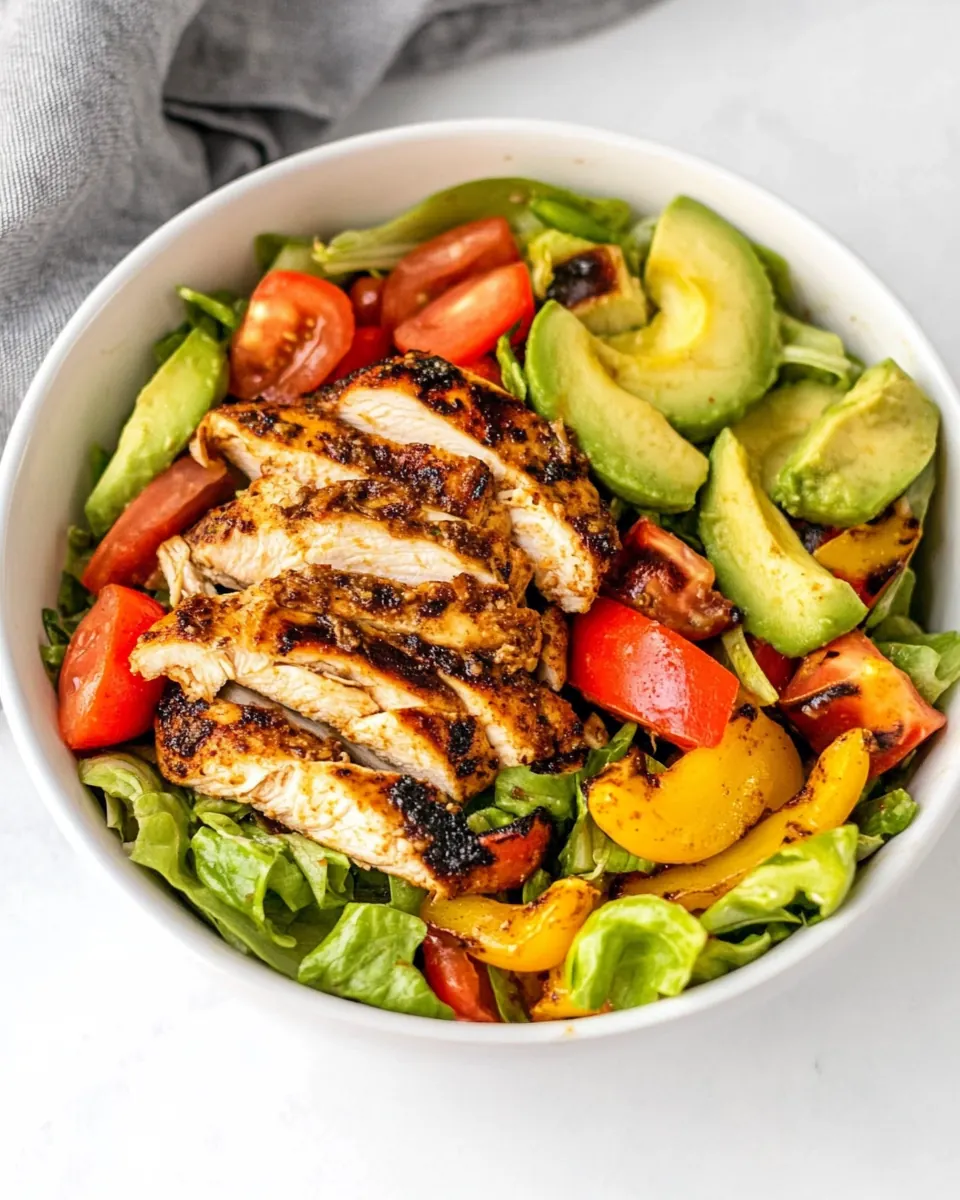
Chicken Fajita Salad
Chicken Fajita Salad is one of those meals I reach for when I want bold flavors without fuss.
I remember the first time I tossed sizzling chicken and charred bell peppers over crisp romaine lettuce, thinking this would be a quick pantry rescue on a busy weeknight. It felt like a small celebration to take simple components and turn them into something bright, crunchy, and comforting all at once. Over the years I tweaked the dressing to be creamy but tangy, using a touch of plain yogurt and mayonnaise so it clings to the leaves without drowning the salad. That balance is what keeps me coming back to this combination.
Some nights I serve this straight from the skillet, letting the aromas of toasted seasoning and caramelized onion fill the kitchen while I chop an avocado. Other times I prep the components ahead, so assembly is a five minute affair when guests arrive. No matter how you slice it, the contrast of warm, spiced chicken with cool, crisp greens makes this a reliable crowd pleaser in summer and beyond.
Recipe Snapshot
35 mins
20 mins
15 mins
Medium
450 kcal
Mexican
Gluten-Free, Keto
Dinner
Large skillet, Second large skillet, Small bowl, Tongs, Knife
The Beauty of This Chicken Fajita Salad
Bold, familiar flavors
I love how this Chicken Fajita Salad uses taco style seasoning to create an instantly recognizable flavor profile. The combination of smoky, savory spices on the chicken and vegetables delivers comfort, while the fresh salad base keeps it lively.
Fast and flexible
I appreciate recipes that adapt to time and pantry constraints. You can cook the chicken and peppers quickly on the stovetop, or grill them if you prefer. The assembly is forgiving, so it works whether you have ten minutes or thirty.
Textural contrast that sings
I always talk about texture because it matters so much. Warm, tender chicken and soft, slightly charred bell peppers paired with crunchy romaine lettuce and creamy diced avocado create a satisfying mouthfeel in every bite.
Simple pantry dressing
I like that the dressing comes together from common ingredients like plain yogurt, milk, and mayonnaise. It adds creaminess without overpowering the spiced elements, and it’s easy to adjust to your preferred thickness and tang.
Great for meal prep and gatherings
I often make extra chicken to use throughout the week. The components store well separately, so you can assemble fresh salads at lunch or dinner. That practicality makes it an everyday winner in my kitchen.
What You Need for Chicken Fajita Salad
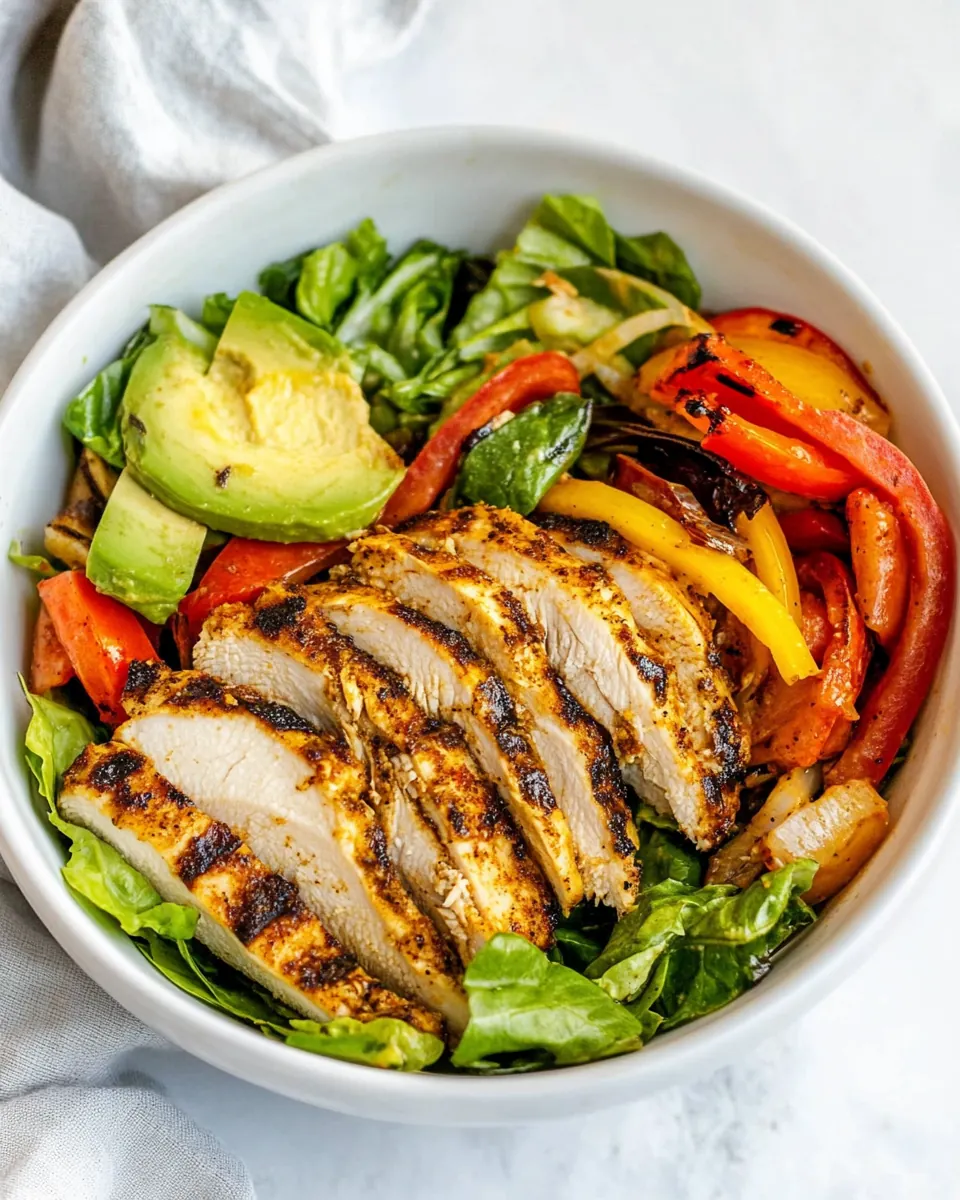
These ingredients are straightforward and practical. Theyʼre chosen to build layers of flavor and texture, with the chicken and seasoned vegetables providing warmth and the greens and avocado bringing freshness. The dressing ties everything together, coating leaves and toppings without masking the fajita spices.
- 4 large or 8 small boneless skinless chicken thighs: Use to provide tender, flavorful protein; trim excess fat and pat dry before seasoning. Marinate briefly or coat with taco seasoning to enhance fajita flavors and cook until internal temperature reaches safe doneness.
- Taco or fajita seasoning: Season to infuse smoky, spicy fajita flavor into the chicken; sprinkle or rub onto meat before cooking. Adjust amount to taste and choose a blend that complements other toppings.
- 2 tablespoons vegetable oil divided: Divide to sauté vegetables and brown chicken; heat one portion in a skillet for peppers and onions and the other for cooking the thighs. Use oil with a high smoke point to ensure even cooking and prevent sticking.
- 2 bell peppers any color, sliced: Slice to add sweet, crunchy texture and vibrant color; choose a mix of colors for visual appeal. Sauté until slightly charred for traditional fajita flavor or keep crisp for a fresher salad texture.
- 1/2 large onion sliced: Slice to provide savory, aromatic flavor and slight sweetness when cooked; cook with peppers until softened and lightly caramelized. Use thin slices for quick, even cooking and to distribute flavor throughout the salad.
- 1/4 cup plain yogurt or sour cream: Whisk or spoon to create a creamy, tangy base for the dressing; thin with milk to desired consistency. Use plain yogurt for tang and a lighter dressing or sour cream for a richer, creamier result.
- 3 tablespoons milk plus more as needed: Add gradually to thin the yogurt or sour cream base and adjust dressing consistency; start with three tablespoons and add more as needed. Use milk to achieve a pourable dressing that coats salad ingredients without overpowering them.
- 2 tablespoons (26 g) mayonnaise: Emulsify into the dressing to add richness and smooth texture; combine with yogurt or sour cream and milk for a cohesive sauce. Measure precisely for balance, as mayonnaise contributes fat and mouthfeel to the dressing.
- 1 teaspoon taco or fajita seasoning: Season the dressing with a measured amount to echo the fajita flavors used on the chicken; incorporate evenly for consistency. Use the teaspoon to control heat and ensure the dressing harmonizes with the rest of the dish.
- Salt and pepper: Season to taste to balance and enhance all components; sprinkle onto chicken, vegetables, and salad greens as needed. Start with a small amount and adjust after cooking to avoid over-salting.
- 1 large head romaine lettuce chopped: Chop to form the fresh, crisp base of the salad; wash leaves thoroughly and dry to prevent a watery salad. Rough-chop into bite-sized pieces so they hold up under warm chicken and dressing without becoming soggy.
- 1 avocado chopped: Chop to add creamy texture, richness, and healthy fats; remove pit and dice just before serving to prevent browning. Toss gently with the salad so avocado pieces remain intact and provide creamy pockets of flavor.
- 1 cup halved grape or cherry tomatoes or tomatoes of your choosing: Halve or chop to introduce bursts of juicy sweetness and acidity; choose grape, cherry, or other preferred tomatoes for size and flavor. Add shortly before serving to maintain firmness and vibrant color in the salad.
Putting Together Chicken Fajita Salad
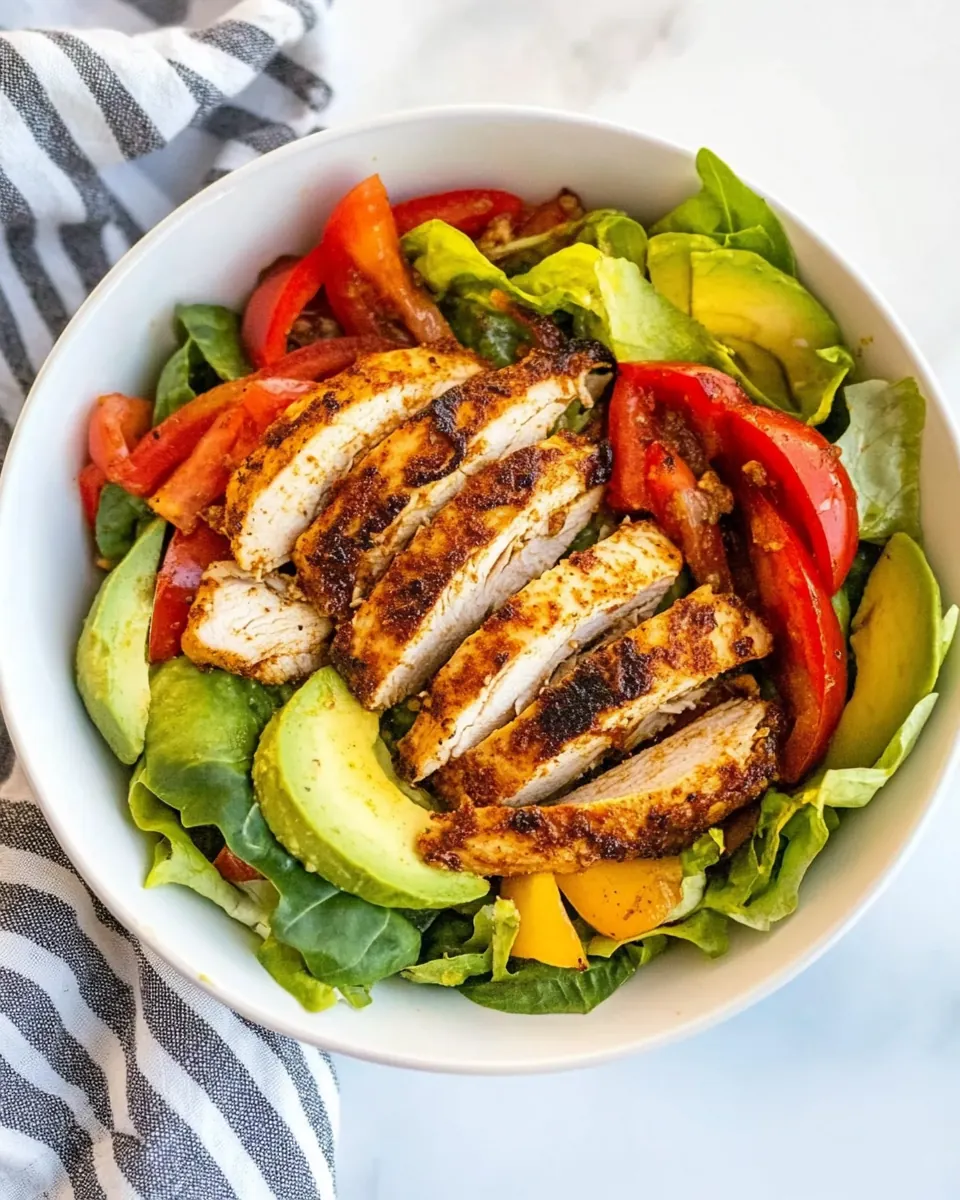
These steps walk you through taking spiced chicken and peppers to a finished salad. I like to keep the sequence simple so each component shines, and the dressing brings everything into harmony.
- Sprinkle chicken thighs with taco/fajita seasoning until lightly coated on all sides.: The moment you dust the chicken with seasoning the aroma lifts, releasing smoky and warm notes that hint at the finished dish. You should feel the texture change slightly as the dry rub clings to the meat, and it helps form a flavorful crust when seared. This step matters because the spice layer creates a concentrated flavor that penetrates during cooking, giving you savory depth in every bite. A common mistake is over seasoning, which can mask freshness, so aim for an even light coat rather than a paste like smear. If the seasoning is damp or clumps, pat it on gently rather than packing it, so it dries slightly on the surface before hitting the pan.
- On the stove, heat 1 tablespoon of oil in a large skillet over medium-high heat. Once hot, add chicken thighs and cook for 3 to 5 minutes per side, until the internal temperature reaches 165°F. If at any time the outside of the chicken begins to cook too quickly and starts to burn, turn the heat down. Once chicken is finished cooking, transfer to a plate and tent with foil to keep warm.: As the oil shimmers in the skillet you will smell a faint toasty note and see the surface ripple, which indicates the pan is hot enough for a good sear. When the chicken hits the heat you should hear a satisfying sizzle, the sound that tells you caramelization is happening. Look for a golden brown crust forming along the edges, and flip when that color is consistent to avoid tearing the meat. The why here is straightforward, searing locks in juices and concentrates flavor, while finishing to 165°F ensures safety and tenderness. A frequent misstep is overcrowding the pan, which lowers the temperature and causes steaming instead of browning, so give the pieces room or cook in batches. Tent the cooked chicken with foil to let juices redistribute, keeping it moist while you finish the vegetables.
- While your meat cooks, in a second large skillet, heat remaining 1 tablespoon of oil over medium-high heat. Once oil is hot, add bell pepper and onion slices. Sprinkle 1/2 teaspoon of taco seasoning over the top. Cook, stirring occasionally, for 4 to 8 minutes, until edges are lightly browned and vegetables are tender-crisp. Salt and pepper to taste.: When the oil is hot enough the sliced bell peppers and onion will sizzle and start to soften, releasing a sweet, caramelizing scent. Stirring occasionally allows the edges to brown and create little pockets of char that add complexity to the flavor. This controlled browning delivers contrast to the tender chicken , and the quick cook preserves a slight snap in the peppers for texture. The reasoning is that partially caramelized vegetables bring sweet and savory notes that complement the spiced protein. Watch closely early on to prevent the onions from turning bitter from overcooking; if you notice dark spots developing too fast, reduce the heat slightly. Undercooking yields tough, raw-feeling strips, so aim for even tender-crisp finish.
- For softer vegetables, turn heat down to medium once the vegetables begin to brown so they don’t burn, and continue to cook until vegetables reach your desired level of doneness. For very soft vegetables, add 1/4 cup of water to the pan at this point, and cook until veggies are soft and water has evaporated, adding more water as necessary.: A gentle reduction in heat lets the natural sugars in the bell peppers and onion continue to develop without charring them into bitterness, producing a sweeter, more tender result. Adding a splash of water helps create steam that softens the vegetables uniformly, which is especially useful if you prefer a melt in your mouth texture. This technique maintains moisture while preventing scorching, and it gives you control over exact doneness. Beware of adding too much water too quickly, which can dilute flavor and prevent the desirable slight caramelization. If your pan becomes soggy, raise the heat briefly to evaporate excess liquid and restore a touch of browning.
- Slice cooked chicken thighs into strips or cubes.: As you cut into the rested chicken , you should notice juices that were redistributed during the tenting step, keeping the meat glossy rather than dry. Slicing across the grain yields the most tender bites, and uniform pieces help the salad feel composed. This matters because even pieces ensure consistent mouthfuls and a balanced distribution across the greens. A frequent error is slicing immediately off heat without resting, which can cause juices to escape and leave the chicken drier. Use a sharp knife for clean cuts that preserve texture rather than shredding the meat.
- In a small bowl, whisk together first four dressing ingredients and add salt and pepper to taste. If dressing is too thick, add more milk by the 1/2 teaspoon until it reaches your desired consistency.: When you whisk the plain yogurt , milk , and mayonnaise together, the dressing should become glossy and smooth, smelling slightly tangy with a hint of the seasoning you added. The emulsion helps the dressing cling to leaves and toppings; whisking briskly incorporates air and creates a light texture. Adjusting thickness with small additions of milk lets you match the dressing to your preference without thinning it too much. Over thinning makes it runny and unable to coat the salad properly, so add liquid slowly. Taste as you go to ensure salt and seasoning are balanced and enhance the overall dish rather than overpowering it.
- Divide lettuce between bowls and top with salad toppings. Pour dressing over the top and enjoy!: The final assembly brings warm and cool elements together, and you will notice the steam from the sliced chicken slightly wilting the outer leaves, which is pleasant and adds integration. Layering ensures each forkful has crisp romaine lettuce , creamy avocado , juicy tomatoes , and spiced chicken and vegetables. The dressing should be added last so it lightly coats rather than soaks the greens, preserving texture. A common pitfall is overdressing early, which leaves leaves limp; toss gently right before serving for best results.
Tips for Success
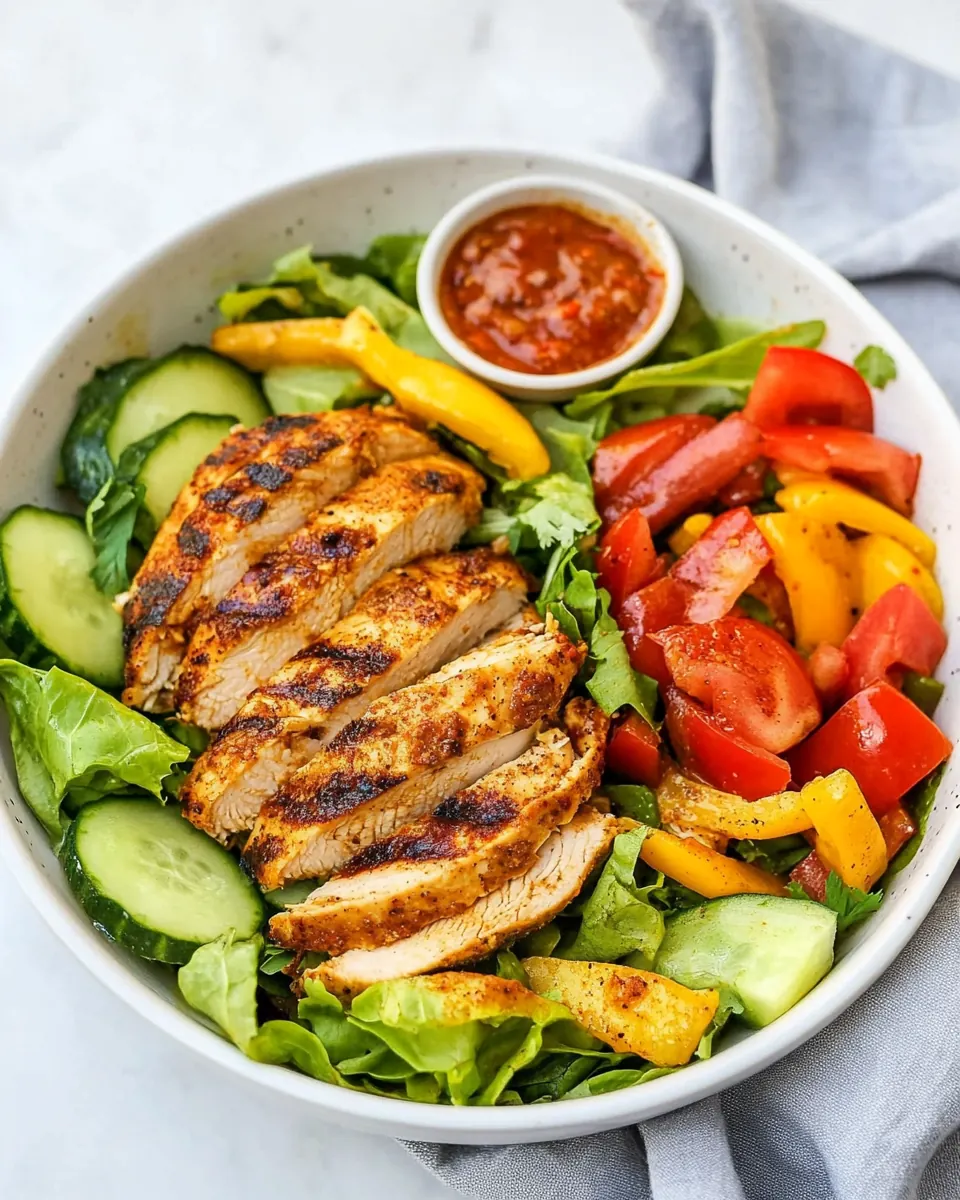
I keep these practical pointers in mind every time I make Chicken Fajita Salad. They help preserve texture and balance flavor so the finished salad feels bright and satisfying.
- Preheat your skillet properly, so the oil shimmers before adding the chicken; this ensures a caramelized crust rather than a pale sear, and prevents sticking which can tear the meat.
- Pat the chicken dry before seasoning to help the spice rub adhere and to aid browning; moisture on the surface causes steaming instead of crisping.
- Slice vegetables uniformly so the bell peppers and onion cook evenly; inconsistent sizes lead to a mix of raw and overcooked pieces.
- Whisk the dressing until smooth for an even coating; incorporate milk slowly to reach a pourable but creamy consistency without diluting flavor.
- Add avocado last to preserve its texture and color; chop it right before serving to avoid browning and loss of visual appeal.
What to Pair With Chicken Fajita Salad
This salad is versatile, so pairing depends on the occasion. I keep things light for a casual lunch, or add simple sides for a more complete dinner spread. It works well for summer gatherings and everyday meals.
- Serve as lunch or light dinner for a quick, satisfying meal where the salad is the centerpiece and no additional starch is required.
- Family dinner, add a warm side like rice or warmed tortillas nearby for those who want to make wraps, offering a heartier option without changing the salad itself.
- Picnic or potluck, keep components separate during transport and assemble on site to preserve texture, especially the romaine lettuce and dressing.
- Seasonal summer meals, take advantage of peak tomatoes and peppers for the freshest, sweetest flavors which complement the spiced chicken.
- Storage tip, refrigerate the cooked chicken and vegetables separately from the greens and dressing up to three days; reheat gently to avoid drying the meat before assembly.
- Occasion pairing, works well for casual gatherings, weeknight dinners, or light lunches during Ramadan if breaking fast with a balanced plate of protein and vegetables.
FAQ
Conclusion
This Chicken Fajita Salad shines because it balances warm, spiced chicken and vegetables with crisp greens and a creamy tangy dressing. The combination of textures and bright flavors makes it satisfying without being heavy. I encourage you to try it soon, whether for a quick weeknight dinner or a make ahead lunch, and adjust the spice and dressing to match your personal taste. Itʼs one of those recipes that rewards simple attention to timing and seasoning.
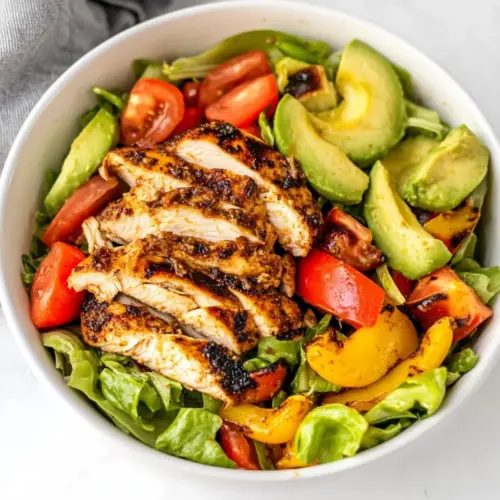
Chicken Fajita Salad
Equipment
- Large Skillet
- Second large skillet
- Small Bowl
- Tongs
- Knife
Ingredients
- 4 large or 8 small boneless skinless chicken thighs Use to provide tender, flavorful protein; trim excess fat and pat dry before seasoning. Marinate briefly or coat with taco seasoning to enhance fajita flavors and cook until internal temperature reaches safe doneness.
- Taco or fajita seasoning Season to infuse smoky, spicy fajita flavor into the chicken; sprinkle or rub onto meat before cooking. Adjust amount to taste and choose a blend that complements other toppings.
- 2 tablespoons vegetable oil divided Divide to sauté vegetables and brown chicken; heat one portion in a skillet for peppers and onions and the other for cooking the thighs. Use oil with a high smoke point to ensure even cooking and prevent sticking.
- 2 bell peppers any color, sliced Slice to add sweet, crunchy texture and vibrant color; choose a mix of colors for visual appeal. Sauté until slightly charred for traditional fajita flavor or keep crisp for a fresher salad texture.
- 1/2 large onion sliced Slice to provide savory, aromatic flavor and slight sweetness when cooked; cook with peppers until softened and lightly caramelized. Use thin slices for quick, even cooking and to distribute flavor throughout the salad.
- 1/4 cup plain yogurt or sour cream Whisk or spoon to create a creamy, tangy base for the dressing; thin with milk to desired consistency. Use plain yogurt for tang and a lighter dressing or sour cream for a richer, creamier result.
- 3 tablespoons milk plus more as needed Add gradually to thin the yogurt or sour cream base and adjust dressing consistency; start with three tablespoons and add more as needed. Use milk to achieve a pourable dressing that coats salad ingredients without overpowering them.
- 2 tablespoons (26 g) mayonnaise Emulsify into the dressing to add richness and smooth texture; combine with yogurt or sour cream and milk for a cohesive sauce. Measure precisely for balance, as mayonnaise contributes fat and mouthfeel to the dressing.
- 1 teaspoon taco or fajita seasoning Season the dressing with a measured amount to echo the fajita flavors used on the chicken; incorporate evenly for consistency. Use the teaspoon to control heat and ensure the dressing harmonizes with the rest of the dish.
- Salt and pepper Season to taste to balance and enhance all components; sprinkle onto chicken, vegetables, and salad greens as needed. Start with a small amount and adjust after cooking to avoid over-salting.
- 1 large head romaine lettuce chopped Chop to form the fresh, crisp base of the salad; wash leaves thoroughly and dry to prevent a watery salad. Rough-chop into bite-sized pieces so they hold up under warm chicken and dressing without becoming soggy.
- 1 avocado chopped Chop to add creamy texture, richness, and healthy fats; remove pit and dice just before serving to prevent browning. Toss gently with the salad so avocado pieces remain intact and provide creamy pockets of flavor.
- 1 cup halved grape or cherry tomatoes or tomatoes of your choosing Halve or chop to introduce bursts of juicy sweetness and acidity; choose grape, cherry, or other preferred tomatoes for size and flavor. Add shortly before serving to maintain firmness and vibrant color in the salad.
Instructions
- Sprinkle chicken thighs with taco/fajita seasoning until lightly coated on all sides.: The moment you dust the chicken with seasoning the aroma lifts, releasing smoky and warm notes that hint at the finished dish. You should feel the texture change slightly as the dry rub clings to the meat, and it helps form a flavorful crust when seared. This step matters because the spice layer creates a concentrated flavor that penetrates during cooking, giving you savory depth in every bite. A common mistake is over seasoning, which can mask freshness, so aim for an even light coat rather than a paste like smear. If the seasoning is damp or clumps, pat it on gently rather than packing it, so it dries slightly on the surface before hitting the pan.
- On the stove, heat 1 tablespoon of oil in a large skillet over medium-high heat. Once hot, add chicken thighs and cook for 3 to 5 minutes per side, until the internal temperature reaches 165°F. If at any time the outside of the chicken begins to cook too quickly and starts to burn, turn the heat down. Once chicken is finished cooking, transfer to a plate and tent with foil to keep warm.: As the oil shimmers in the skillet you will smell a faint toasty note and see the surface ripple, which indicates the pan is hot enough for a good sear. When the chicken hits the heat you should hear a satisfying sizzle, the sound that tells you caramelization is happening. Look for a golden brown crust forming along the edges, and flip when that color is consistent to avoid tearing the meat. The why here is straightforward, searing locks in juices and concentrates flavor, while finishing to 165°F ensures safety and tenderness. A frequent misstep is overcrowding the pan, which lowers the temperature and causes steaming instead of browning, so give the pieces room or cook in batches. Tent the cooked chicken with foil to let juices redistribute, keeping it moist while you finish the vegetables.
- While your meat cooks, in a second large skillet, heat remaining 1 tablespoon of oil over medium-high heat. Once oil is hot, add bell pepper and onion slices. Sprinkle 1/2 teaspoon of taco seasoning over the top. Cook, stirring occasionally, for 4 to 8 minutes, until edges are lightly browned and vegetables are tender-crisp. Salt and pepper to taste.: When the oil is hot enough the sliced bell peppers and onion will sizzle and start to soften, releasing a sweet, caramelizing scent. Stirring occasionally allows the edges to brown and create little pockets of char that add complexity to the flavor. This controlled browning delivers contrast to the tender chicken , and the quick cook preserves a slight snap in the peppers for texture. The reasoning is that partially caramelized vegetables bring sweet and savory notes that complement the spiced protein. Watch closely early on to prevent the onions from turning bitter from overcooking; if you notice dark spots developing too fast, reduce the heat slightly. Undercooking yields tough, raw-feeling strips, so aim for even tender-crisp finish.
- For softer vegetables, turn heat down to medium once the vegetables begin to brown so they don’t burn, and continue to cook until vegetables reach your desired level of doneness. For very soft vegetables, add 1/4 cup of water to the pan at this point, and cook until veggies are soft and water has evaporated, adding more water as necessary.: A gentle reduction in heat lets the natural sugars in the bell peppers and onion continue to develop without charring them into bitterness, producing a sweeter, more tender result. Adding a splash of water helps create steam that softens the vegetables uniformly, which is especially useful if you prefer a melt in your mouth texture. This technique maintains moisture while preventing scorching, and it gives you control over exact doneness. Beware of adding too much water too quickly, which can dilute flavor and prevent the desirable slight caramelization. If your pan becomes soggy, raise the heat briefly to evaporate excess liquid and restore a touch of browning.
- Slice cooked chicken thighs into strips or cubes.: As you cut into the rested chicken , you should notice juices that were redistributed during the tenting step, keeping the meat glossy rather than dry. Slicing across the grain yields the most tender bites, and uniform pieces help the salad feel composed. This matters because even pieces ensure consistent mouthfuls and a balanced distribution across the greens. A frequent error is slicing immediately off heat without resting, which can cause juices to escape and leave the chicken drier. Use a sharp knife for clean cuts that preserve texture rather than shredding the meat.
- In a small bowl, whisk together first four dressing ingredients and add salt and pepper to taste. If dressing is too thick, add more milk by the 1/2 teaspoon until it reaches your desired consistency.: When you whisk the plain yogurt , milk , and mayonnaise together, the dressing should become glossy and smooth, smelling slightly tangy with a hint of the seasoning you added. The emulsion helps the dressing cling to leaves and toppings; whisking briskly incorporates air and creates a light texture. Adjusting thickness with small additions of milk lets you match the dressing to your preference without thinning it too much. Over thinning makes it runny and unable to coat the salad properly, so add liquid slowly. Taste as you go to ensure salt and seasoning are balanced and enhance the overall dish rather than overpowering it.
- Divide lettuce between bowls and top with salad toppings. Pour dressing over the top and enjoy!: The final assembly brings warm and cool elements together, and you will notice the steam from the sliced chicken slightly wilting the outer leaves, which is pleasant and adds integration. Layering ensures each forkful has crisp romaine lettuce , creamy avocado , juicy tomatoes , and spiced chicken and vegetables. The dressing should be added last so it lightly coats rather than soaks the greens, preserving texture. A common pitfall is overdressing early, which leaves leaves limp; toss gently right before serving for best results.
Notes
- Preheat your skillet properly, so the oil shimmers before adding the chicken; this ensures a caramelized crust rather than a pale sear, and prevents sticking which can tear the meat.
- Pat the chicken dry before seasoning to help the spice rub adhere and to aid browning; moisture on the surface causes steaming instead of crisping.
- Slice vegetables uniformly so the bell peppers and onion cook evenly; inconsistent sizes lead to a mix of raw and overcooked pieces.
- Whisk the dressing until smooth for an even coating; incorporate milk slowly to reach a pourable but creamy consistency without diluting flavor.
- Add avocado last to preserve its texture and color; chop it right before serving to avoid browning and loss of visual appeal.