New York Strip Steaks with Horseradish Mustard Sauce
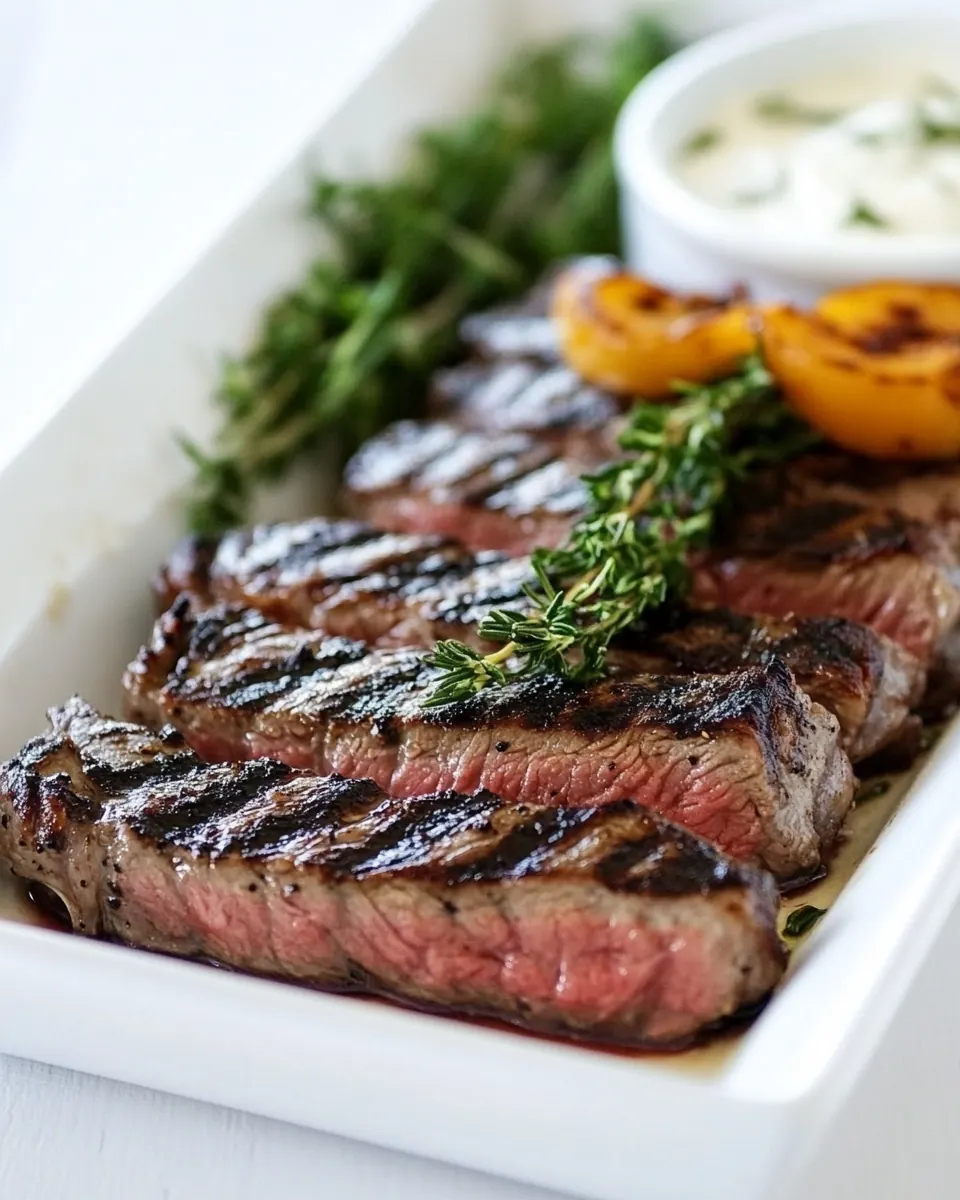
New York Strip Steaks with Horseradish Mustard Sauce showed up at my table the first time I wanted to celebrate a small victory without fuss, and it instantly became a go to for any night I wanted bold flavor with minimal drama.
That evening I remember carrying two thick New York Strip Steaks to the grill while a steady breeze carried the scent of rosemary from the yard. The steaks sizzled as they hit the hot surface, and I chatted with friends while the marinade worked its quiet magic, turning simple beef into something that tasted like an event. I loved how the tang of the horseradish mustard sauce cut through the richness, giving the dish a lift that made everyone ask for seconds.
Over time I adjusted tiny things, a little more Worcestershire sauce here, a touch more balsamic vinegar there, until it felt exactly right to me. I also learned how to read the steak the way a baker reads dough, watching for telltale color changes and timing my rest so juices settled rather than running away. That mindfulness turned a simple grill night into something reliably impressive.
Recipe Snapshot
1 hr 21 mins
65 mins
16 mins
Medium
450 kcal
American
Keto, Gluten-Free
Dinner
Grill or grill pan, Glass baking dish, Small bowl, Tongs
The Magic of This New York Strip Steaks with Horseradish Mustard Sauce
Bold, simple flavor
I love this recipe because the combination of New York Strip Steaks, Worcestershire sauce, and balsamic vinegar creates a layered savory profile without complicated steps. The marinade penetrates the surface and amplifies the natural beef flavor, so you get depth from very few ingredients.
Fast but feel good
Even though the marinade needs time, the active work is short. I can prep, relax, and then finish on the grill in minutes, which makes this a true easy weeknight dinner or a relaxed weekend main.
Signature sauce
The sauce with prepared horseradish, Dijon mustard, and a touch of buttermilk and sour cream brings bright heat and creamy balance. I always tell friends that pairing a bold steak with a lively sauce is what lifts an ordinary meal into something memorable.
Comfort with control
I appreciate that this recipe gives you control over doneness while offering sensory cues to guide you. The sear, the color at the edge, and the internal warmth are all teachable moments that make you a more confident cook.
Versatile for occasions
I’ve cooked this for casual dinners and quiet celebrations, and it always fits. The ingredients are pantry friendly, and the technique scales if you want to feed a few more people without a lot of extra effort.
What’s In This New York Strip Steaks with Horseradish Mustard Sauce
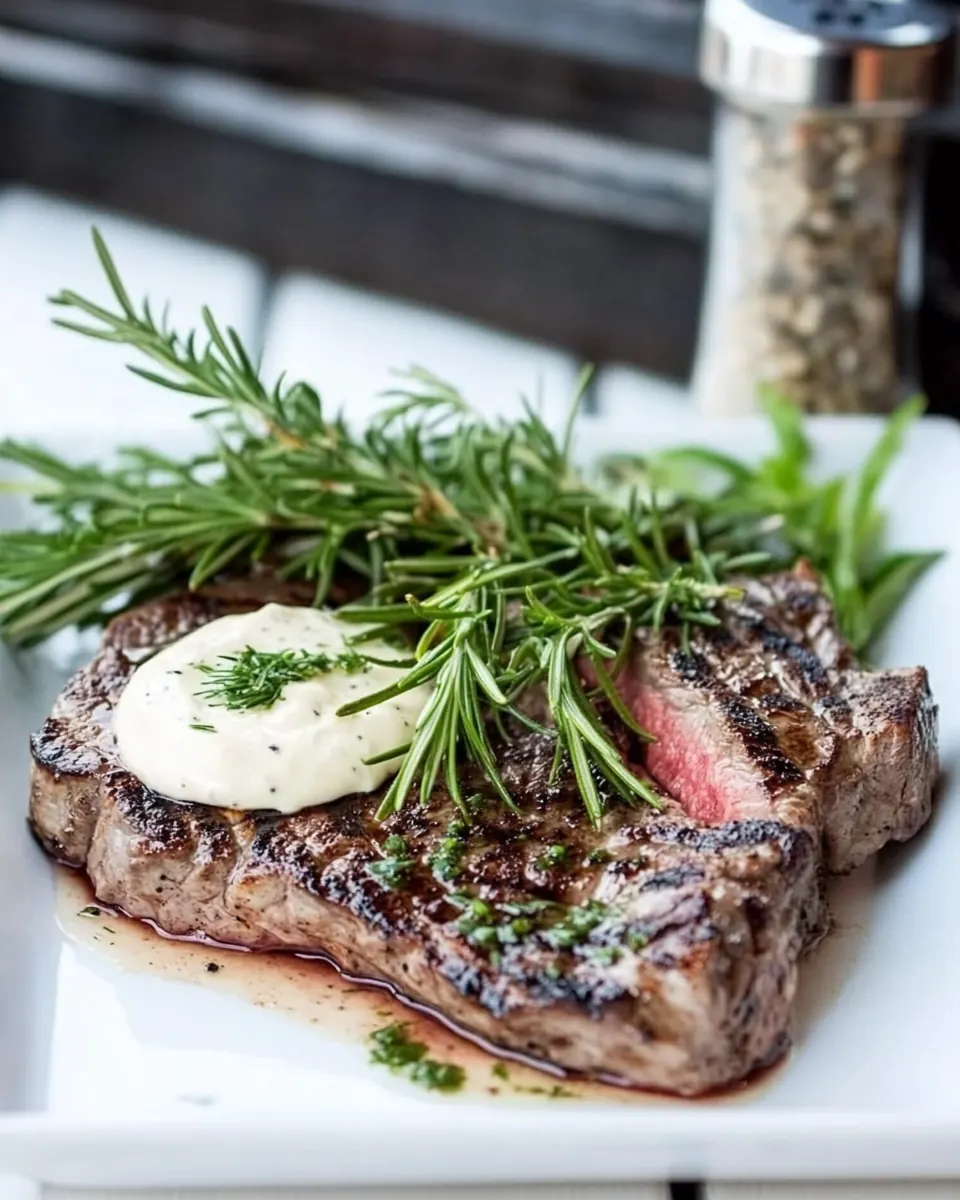
The philosophy here is straightforward: high quality New York Strip Steaks meet a focused set of bold supporting players so each element can shine. The marinade perfumes the beef, the herbs add freshness, and the sauce provides contrast and creaminess. This is about balance, not clutter, letting the steak remain the star while the sauce sings alongside it.
- 2 (14-ounce) New York Strip Steaks, 1 1/2 inches thick: Season and sear to create a rich, beef-forward centerpiece with marbling that yields juicy, flavorful slices when cooked to preferred doneness and rested before serving.
- 1/4 cup Worcestershire sauce: Enhance savory depth by adding an umami-packed, tangy layer that helps tenderize the meat and complements grilled or pan-seared flavors when used as a marinade component.
- 2 tablespoons balsamic vinegar: Brighten and balance flavors with a sweet-tart acidity that cuts through the richness of the steak and ties together savory and tangy elements in the marinade.
- 2 tablespoons olive oil: Coat and promote even browning while delivering subtle fruitiness and acting as a heat carrier for herbs and spices to help form a caramelized crust.
- 2 tablespoons chopped fresh rosemary: Infuse aromatic, piney herb notes that pair beautifully with beef; chop finely to release oils and distribute an herbal character throughout the meat and sauce.
- salt and pepper to taste: Season to personal taste, providing essential enhancement of natural flavors and helping to create a well-balanced, savory profile on the steak surface before cooking.
- 1 tablespoon prepared horseradish: Add a sharp, sinus-clearing kick to the sauce, contributing heat and pungency that complements mustard and cuts through the fattiness of the steak for contrast.
- 1 tablespoon Dijon mustard: Bind and lend tangy, smooth emulsification to the sauce while introducing mellow mustardy heat that melds with horseradish and dairy for a cohesive condiment.
- 1/4 cup buttermilk: Lighten and tenderize the sauce with a mild tang and creamy texture that softens strong flavors while contributing a slightly tangy dairy note to the dressing.
- 1 tablespoon sour cream: Enrich texture and add mild creaminess to the sauce, helping to round out stronger flavors and give body without overpowering the horseradish and mustard.
- 1 teaspoon freshly ground black pepper: Sharpen and season the sauce with assertive, freshly ground spice that provides bright heat and complexity, balancing creamy elements and beef richness.
- 1/2 teaspoon salt: Season the sauce precisely, delivering controlled salinity to accentuate flavors and ensure the horseradish mustard sauce complements rather than overwhelms the steak.
- 1 teaspoon chopped rosemary: Garnish and echo the steak marinade by adding a small pop of herbaceous rosemary flavor to the finished sauce, enhancing aroma and tying flavors together.
How to Assemble New York Strip Steaks with Horseradish Mustard Sauce
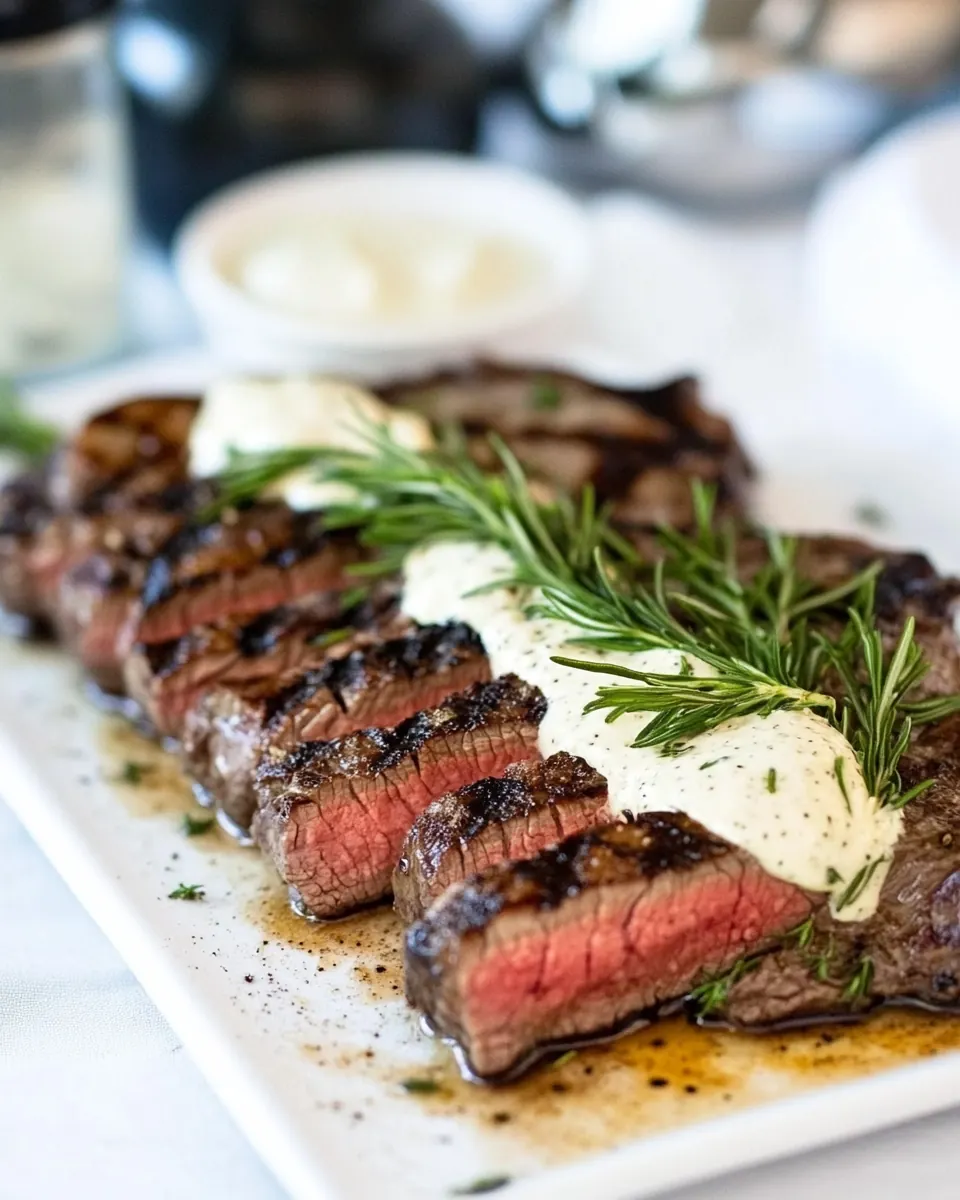
Bringing this recipe together is satisfying because the steps are intuitive and sensory. I like to work in stages so the marinade gets time to do its job while the sauce comes together quickly when the steaks rest. Below I expand each direction into an illustrated, richly detailed step so you know exactly what to watch for.
- Place steaks in a glass baking dish and drizzle with Worcestershire sauce, balsamic vinegar, and olive oil. Turn to coat. Sprinkle rosemary and pepper over steaks and rub into meat. Cover and marinate for at least 1 hour. Then bring to room temperature and sprinkle with salt to taste.: Right away you will notice the glossy sheen from the combined Worcestershire sauce , balsamic vinegar , and olive oil as it slicks over the surface of the steaks, and the aroma of the rosemary will become more pronounced as the oils wake up. When you rub the herbs and pepper into the meat your fingers should feel slightly tacky, that tack indicating the marinade is clinging and beginning to season the outer layer. Cover the dish tightly and refrigerate for at least one hour, which allows the flavors to meld; if you go longer, flip the steaks once so the marinade distributes evenly. Before grilling, take the steaks out and let them reach room temperature for about thirty minutes, this helps them cook more evenly. A common misstep is grilling straight from the fridge, which often leads to a pale crust and overcooked edges while the center remains underdone. When you finally sprinkle with a little more salt , do it sparingly and taste the marinade first in case it is already quite seasoned.
- Prepare a hot fire in a charcoal or gas grill or heat a grill pan over medium-high heat.: As the grill or grill pan heats, you will hear a faint popping as residual moisture leaves the metal, and the surface will begin to shimmer when it is properly hot. For a charcoal grill the flames should have settled to a steady, glowing bed with occasional small flare ups, while a gas grill should be set to medium high so you get a fast sear. If using a grill pan it should be smoking ever so slightly before the steaks go on, which signals excellent contact for browning. The goal is to get a deep Maillard crust that provides flavor and texture, and heat that is too low will produce a dull, gray surface rather than the desired caramelized exterior. One tip to avoid sticking is to oil the steaks rather than the grill so the oil does not burn and create bitter flavors.
- Place steaks on grill for about 5 to 6 minutes per side for rare and 7 to 8 minutes for medium-rare. Let steaks rest and serve with sauce.: When the steaks hit the hot surface they should sizzle audibly, that immediate hiss is a good sign the crust is forming. Watch the edges for color change and glance under with tongs when you flip; a dark, even sear indicates success. For rare expect a warm red center, and for medium rare a warm pink center; press gently with a finger to feel firmness changes, or use an instant read thermometer for precision. After grilling, transfer the steaks to a clean plate and let them rest under a loose tent of foil for five to ten minutes so juices redistribute; cutting too soon will cause a loss of juices on the plate. A mistake I see often is flipping too frequently which prevents a proper crust from building, so flip only once for best results. When serving, slice against the grain if you decide to portion before plating, and spoon the prepared sauce over or serve on the side for guests to control intensity.
- Combine ingredients for sauce in a small bowl.: When you mix the prepared horseradish , Dijon mustard , buttermilk , sour cream , black pepper , salt , and the final pinch of rosemary , start by whisking the horseradish and mustard together so they emulsify slightly, then slowly add the dairy to build a smooth consistency. The aroma will be sharp at first from the horseradish, then mellow as the dairy softens its edges while maintaining a lively bite. Taste and adjust gently because it is easy to mask the steak if the sauce becomes too dominant. If the sauce seems too thin, a small extra spoon of sour cream will thicken it without dulling flavor; if it is too thick, a splash more buttermilk restores spoonability. A frequent error is over-salting the sauce; remember the steaks themselves will contribute seasoning, so aim for a balanced, bright finish that complements the beef rather than overwhelms it.
Making Adjustments
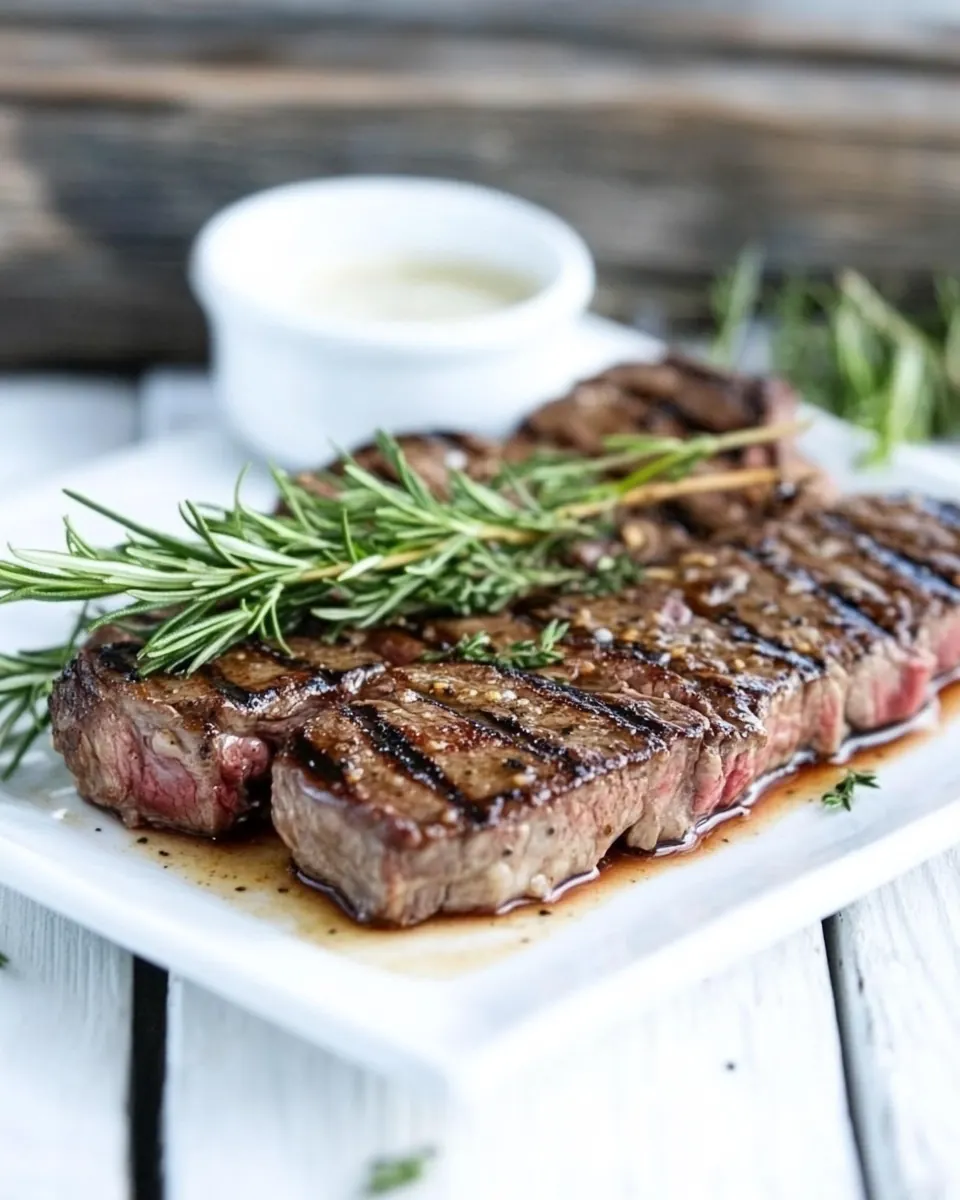
Small tweaks make this dish adaptable without losing its core identity. Below I lay out targeted adjustments you can make for heat, texture, and timing while keeping the balance that makes the recipe sing.
- Adjust the horseradish level — If you prefer less heat, start with half the listed amount of prepared horseradish and add more after tasting the sauce; horseradish intensity varies by brand, so gradual addition prevents overpowering the dish.
- Control marination time — Marinate for at least one hour for good flavor penetration, but avoid marinating longer than eight hours with vinegar present to prevent the meat surface from becoming mushy.
- Switch cooking equipment — If you do not have a grill, a heavy cast iron grill pan on the stovetop over medium high heat will still produce an excellent crust and similar results.
- Tweak sauce thickness — For a thicker sauce, increase the sour cream slightly; to thin it for drizzling, add small amounts of buttermilk until you reach the desired consistency.
- Salt strategically — Salt the steaks lightly before marinating and finish with a small sprinkle after resting if needed, this layers seasoning without making the meat taste salty.
What to Serve Alongside New York Strip Steaks with Horseradish Mustard Sauce
The right accompaniments elevate the meal by adding texture contrast, freshness, and complementary flavors. Below I describe thoughtful pairings, occasions, and storage ideas you can use when plating this dish for friends or family.
- Classic roasted potatoes — Crispy roasted potatoes provide a comforting, crunchy foil to the tender New York Strip Steaks. They soak up any extra sauce and make the plate feel substantial, perfect for dinner gatherings.
- Simple green salad — A salad with a bright vinaigrette offers a refreshing counterpoint to the richness of the steak and sauce, ideal for balancing textures during a weeknight meal.
- Grilled vegetables — Seasonal grilled vegetables echo the smoky notes from the steak and add color to the plate, suitable for outdoor cookouts or casual lunches with friends.
- Occasion suggestions — This dish works well for cozy dinners, celebratory meals, and small dinner parties where you want impressive results without complicated timing. It also fits holiday menus where beef is appropriate.
- Storage tips — Store leftover steak and sauce separately in airtight containers in the refrigerator for up to three days. Reheat gently in a low oven to preserve texture and avoid drying out the meat.
- Seasonal pairings — Serve with heartier sides in cooler months, and lighter salads or grilled vegetables in warmer seasons to keep the meal balanced year round.
FAQ
Conclusion
This recipe stands out because it pairs a simply grilled, well seasoned steak with a bright, creamy horseradish mustard sauce for a balanced plate that feels special without excessive work. Give it a try the next time you want a dinner that tastes like an occasion but comes together with straightforward steps and pantry friendly ingredients. I hope you enjoy the satisfying sizzle, fragrant rosemary, and the lively sauce that turns each bite into a favorite.
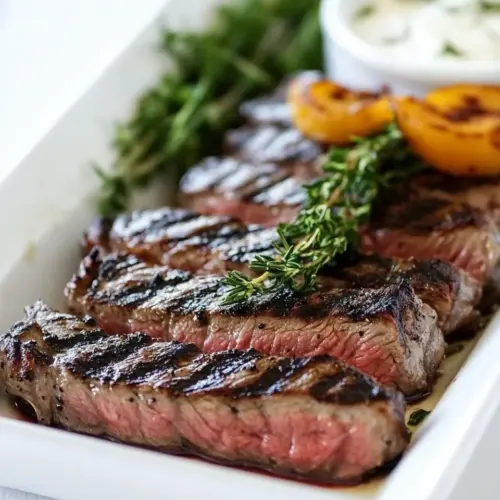
New York Strip Steaks with Horseradish Mustard Sauce
Equipment
- Grill or Grill Pan
- Glass baking dish
- Small Bowl
- Tongs
Ingredients
- 2 (14-ounce) New York Strip Steaks, 1 1/2 inches thick Season and sear to create a rich, beef-forward centerpiece with marbling that yields juicy, flavorful slices when cooked to preferred doneness and rested before serving.
- 1/4 cup Worcestershire sauce Enhance savory depth by adding an umami-packed, tangy layer that helps tenderize the meat and complements grilled or pan-seared flavors when used as a marinade component.
- 2 tablespoons balsamic vinegar Brighten and balance flavors with a sweet-tart acidity that cuts through the richness of the steak and ties together savory and tangy elements in the marinade.
- 2 tablespoons olive oil Coat and promote even browning while delivering subtle fruitiness and acting as a heat carrier for herbs and spices to help form a caramelized crust.
- 2 tablespoons chopped fresh rosemary Infuse aromatic, piney herb notes that pair beautifully with beef; chop finely to release oils and distribute an herbal character throughout the meat and sauce.
- salt and pepper to taste Season to personal taste, providing essential enhancement of natural flavors and helping to create a well-balanced, savory profile on the steak surface before cooking.
- 1 tablespoon prepared horseradish Add a sharp, sinus-clearing kick to the sauce, contributing heat and pungency that complements mustard and cuts through the fattiness of the steak for contrast.
- 1 tablespoon Dijon mustard Bind and lend tangy, smooth emulsification to the sauce while introducing mellow mustardy heat that melds with horseradish and dairy for a cohesive condiment.
- 1/4 cup buttermilk Lighten and tenderize the sauce with a mild tang and creamy texture that softens strong flavors while contributing a slightly tangy dairy note to the dressing.
- 1 tablespoon sour cream Enrich texture and add mild creaminess to the sauce, helping to round out stronger flavors and give body without overpowering the horseradish and mustard.
- 1 teaspoon freshly ground black pepper Sharpen and season the sauce with assertive, freshly ground spice that provides bright heat and complexity, balancing creamy elements and beef richness.
- 1/2 teaspoon salt Season the sauce precisely, delivering controlled salinity to accentuate flavors and ensure the horseradish mustard sauce complements rather than overwhelms the steak.
- 1 teaspoon chopped rosemary Garnish and echo the steak marinade by adding a small pop of herbaceous rosemary flavor to the finished sauce, enhancing aroma and tying flavors together.
Instructions
- Place steaks in a glass baking dish and drizzle with Worcestershire sauce, balsamic vinegar, and olive oil. Turn to coat. Sprinkle rosemary and pepper over steaks and rub into meat. Cover and marinate for at least 1 hour. Then bring to room temperature and sprinkle with salt to taste.: Right away you will notice the glossy sheen from the combined Worcestershire sauce , balsamic vinegar , and olive oil as it slicks over the surface of the steaks, and the aroma of the rosemary will become more pronounced as the oils wake up. When you rub the herbs and pepper into the meat your fingers should feel slightly tacky, that tack indicating the marinade is clinging and beginning to season the outer layer. Cover the dish tightly and refrigerate for at least one hour, which allows the flavors to meld; if you go longer, flip the steaks once so the marinade distributes evenly. Before grilling, take the steaks out and let them reach room temperature for about thirty minutes, this helps them cook more evenly. A common misstep is grilling straight from the fridge, which often leads to a pale crust and overcooked edges while the center remains underdone. When you finally sprinkle with a little more salt , do it sparingly and taste the marinade first in case it is already quite seasoned.
- Prepare a hot fire in a charcoal or gas grill or heat a grill pan over medium-high heat.: As the grill or grill pan heats, you will hear a faint popping as residual moisture leaves the metal, and the surface will begin to shimmer when it is properly hot. For a charcoal grill the flames should have settled to a steady, glowing bed with occasional small flare ups, while a gas grill should be set to medium high so you get a fast sear. If using a grill pan it should be smoking ever so slightly before the steaks go on, which signals excellent contact for browning. The goal is to get a deep Maillard crust that provides flavor and texture, and heat that is too low will produce a dull, gray surface rather than the desired caramelized exterior. One tip to avoid sticking is to oil the steaks rather than the grill so the oil does not burn and create bitter flavors.
- Place steaks on grill for about 5 to 6 minutes per side for rare and 7 to 8 minutes for medium-rare. Let steaks rest and serve with sauce.: When the steaks hit the hot surface they should sizzle audibly, that immediate hiss is a good sign the crust is forming. Watch the edges for color change and glance under with tongs when you flip; a dark, even sear indicates success. For rare expect a warm red center, and for medium rare a warm pink center; press gently with a finger to feel firmness changes, or use an instant read thermometer for precision. After grilling, transfer the steaks to a clean plate and let them rest under a loose tent of foil for five to ten minutes so juices redistribute; cutting too soon will cause a loss of juices on the plate. A mistake I see often is flipping too frequently which prevents a proper crust from building, so flip only once for best results. When serving, slice against the grain if you decide to portion before plating, and spoon the prepared sauce over or serve on the side for guests to control intensity.
- Combine ingredients for sauce in a small bowl.: When you mix the prepared horseradish , Dijon mustard , buttermilk , sour cream , black pepper , salt , and the final pinch of rosemary , start by whisking the horseradish and mustard together so they emulsify slightly, then slowly add the dairy to build a smooth consistency. The aroma will be sharp at first from the horseradish, then mellow as the dairy softens its edges while maintaining a lively bite. Taste and adjust gently because it is easy to mask the steak if the sauce becomes too dominant. If the sauce seems too thin, a small extra spoon of sour cream will thicken it without dulling flavor; if it is too thick, a splash more buttermilk restores spoonability. A frequent error is over-salting the sauce; remember the steaks themselves will contribute seasoning, so aim for a balanced, bright finish that complements the beef rather than overwhelms it.
Notes
- Adjust the horseradish level — If you prefer less heat, start with half the listed amount of prepared horseradish and add more after tasting the sauce; horseradish intensity varies by brand, so gradual addition prevents overpowering the dish.
- Control marination time — Marinate for at least one hour for good flavor penetration, but avoid marinating longer than eight hours with vinegar present to prevent the meat surface from becoming mushy.
- Switch cooking equipment — If you do not have a grill, a heavy cast iron grill pan on the stovetop over medium high heat will still produce an excellent crust and similar results.
- Tweak sauce thickness — For a thicker sauce, increase the sour cream slightly; to thin it for drizzling, add small amounts of buttermilk until you reach the desired consistency.
- Salt strategically — Salt the steaks lightly before marinating and finish with a small sprinkle after resting if needed, this layers seasoning without making the meat taste salty.