Dandelion Pesto
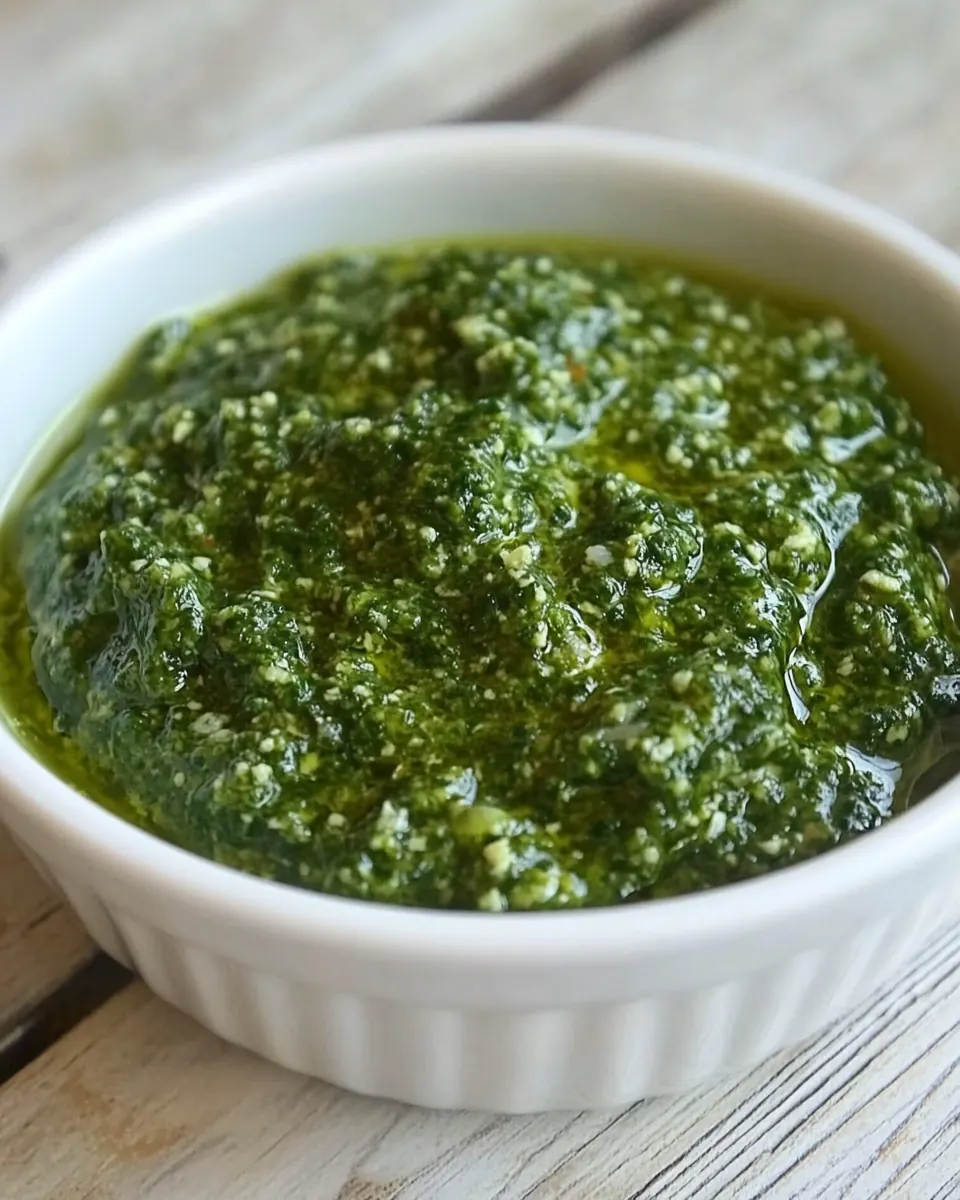
Dandelion Pesto started as a scrappy experiment in my tiny kitchen when a neighbor handed me a bag of freshly picked greens and insisted I try them instead of composting them. I remember the first bright, slightly bitter bite, and how it surprised me with a green, herbaceous lift that cut through richness. That contrast is what hooked me, and I began refining a simple blend that lets the personality of the greens shine while keeping the sauce silky and indulgent.
Years later I still reach for that same combination of ingredients whenever I want a sauce that feels both rustic and refined. There is something quietly joyful about stirring together dandelion leaves, olive oil, garlic, pine nuts, and a grate of Parmesan, then slathering the result on warm bread or tossing it through steaming pasta. Each mouthful carries the memory of sun on a meadow, without being fussy or precious.
Recipe Snapshot
10 mins
10 mins
Easy
250 kcal
Italian
Keto, Gluten-Free
Appetizers
Food processor, Blender
The Appeal of This Dandelion Pesto
Bright, seasonal flavor
I love that Dandelion Pesto captures the essence of spring, when the leaves are young and tender. The slight bitterness of the dandelion leaves gives the sauce a lively edge, balancing the creamy texture of the Parmesan and the roundness of the olive oil. This contrast makes it irresistible with simple carriers like bread or pasta.
Economical and sustainable
Foraging or using garden greens means this is one of the most budget friendly pestos you can make. The recipe transforms an abundant wild green into a concentrated, flavorful condiment, and I often feel proud turning what others may overlook into something luxurious tasting.
Versatility
I keep a jar of Dandelion Pesto in the fridge for quick dinners, because it adapts so well. Use it to dress warm pasta, smear over crostini, or fold into a grain salad. Its concentrated flavor stretches a little goes a long way, so a spoonful can elevate many dishes.
Textural depth
The mix of toasted pine nuts and grated Parmesan gives the pesto both creaminess and tiny crunchy pops. That contrast makes each bite interesting, especially when you toss it with steaming pasta and reserve some starchy cooking water to loosen the sauce.
Simple techniques, big payoff
You do not need expensive equipment or advanced skills to make this shine. A food processor or blender and a few careful pulses are enough. I love how approachable it is, and how even small adjustments in salt or oil let you tailor the final balance to your taste.
What You Need for Dandelion Pesto
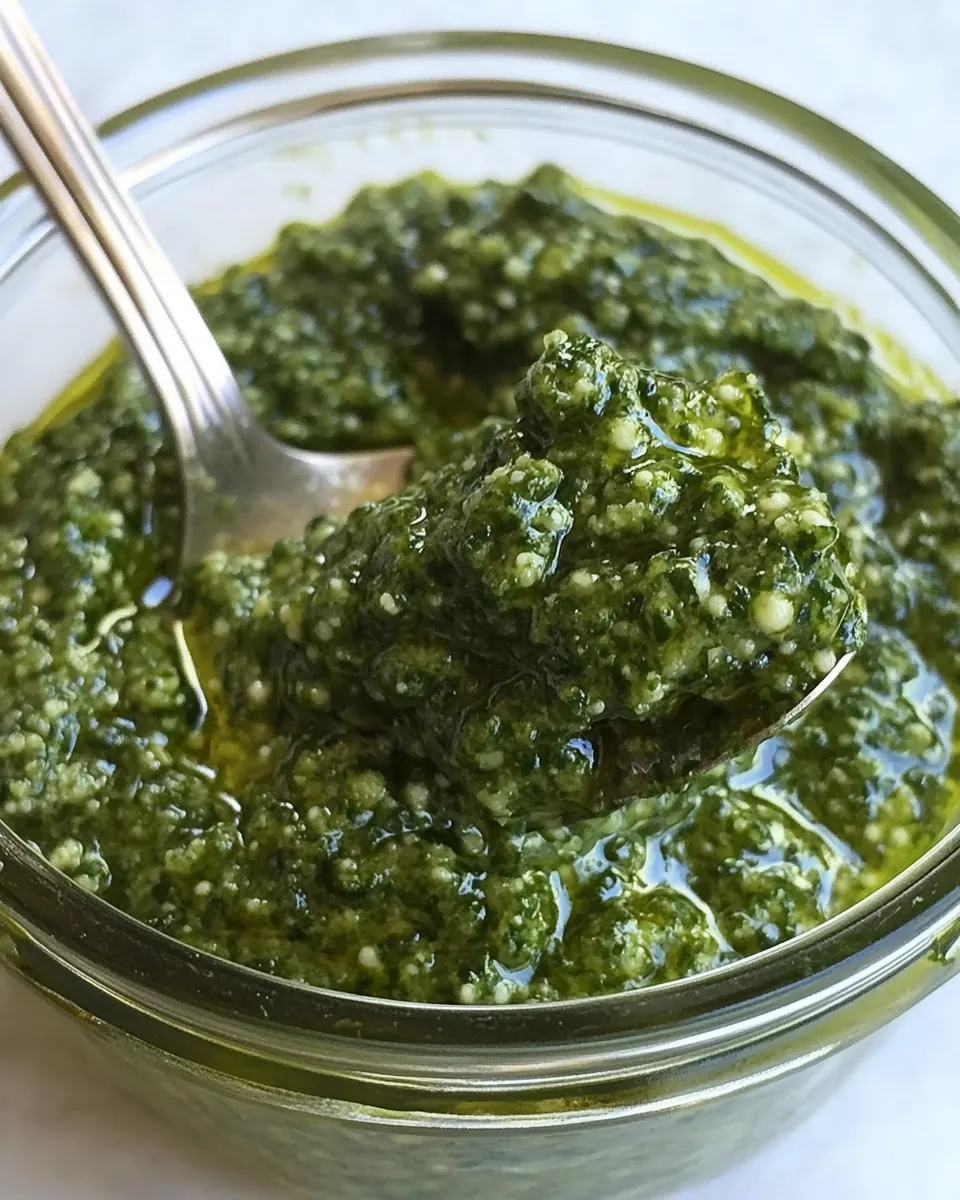
The philosophy here is restraint and balance. Each ingredient plays a clear role: the dandelion leaves provide bright, herbal backbone; the olive oil binds and smooths; the garlic adds pungent lift; pine nuts give toasted richness; sea salt amplifies; and the Parmesan brings savory umami and creaminess. Together they produce a pesto that feels grassy, nutty, and satisfyingly savory.
- 12 ounces (350 g) washed and cleaned dandelion leaves: Provide a bitter, leafy green base that gives the pesto its distinctive springtime flavor and a slightly astringent bite; wash thoroughly to remove grit and trim any tough stems before processing. Chop or pack into the blender to help achieve a smooth, vibrant sauce and balance the richness of oil and cheese.
- 1 cup (250 ml) olive oil: Add a rich, fruity fat that carries flavors and creates a silky texture; pour gradually while blending to emulsify the pesto and adjust consistency. Use good-quality olive oil to enhance aroma and mouthfeel, and reserve a little to drizzle when serving to maintain gloss.
- 4 cloves garlic, peeled: Contribute a sharp, pungent depth that brightens the pesto and complements the bitterness of the greens; peel and smash or finely mince before adding to better release its oils. Adjust the amount to taste for milder or more pronounced garlic presence and consider briefly pulsing to avoid over-pureeing.
- 6 tablespoons (40 g) pine nuts, lightly toasted: Provide a nutty, toasty richness and body that helps thicken the sauce and add pleasant crunchy notes if left slightly coarse; lightly toast to intensify flavor but avoid burning. Stir or pulse in toward the end to control texture, and set aside a few for garnish if desired.
- 1 1/2 teaspoons sea salt: Enhance and balance flavors by seasoning the pesto, drawing out taste from greens, cheese, and oil while moderating bitterness; dissolve well into the mixture for even distribution. Start with the listed amount and taste before adding more, remembering that cheese contributes salty depth as well.
- 2 1/2 ounces (70 g) Parmesan or Romano cheese, grated: Supply savory, umami depth and a creamy, slightly granular texture that completes the pesto’s flavor profile; grate finely and fold in to meld with oil and greens. Choose Parmesan or Romano based on desired sharpness, and add gradually to reach preferred saltiness and body.
Step by Step Instructions for Dandelion Pesto
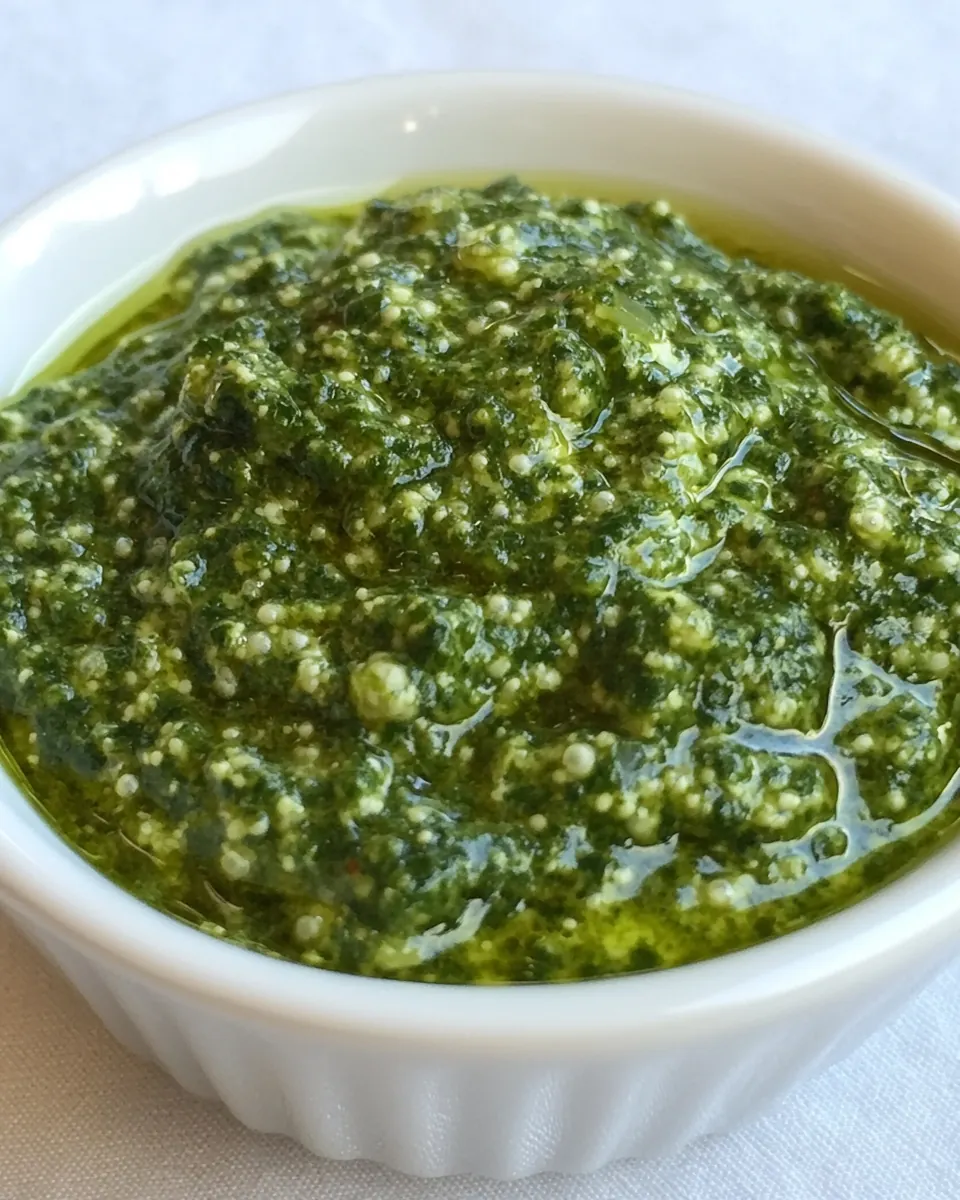
This pesto comes together very quickly, but attention to texture and seasoning makes all the difference. Work in batches when processing the greens, taste as you go, and be ready to thin the sauce if it gets too dense. The three concise steps below cover processing, flavoring, and finishing so you end up with a vibrant sauce.
- Put about one-third of the dandelion greens in the food processor or blender with the olive oil and chop for a minute, scraping down the sides. Add the remaining dandelion greens in two batches, until they’re all finely chopped up.: The first pulses release bright green aromas and soften the leaves visually into ribbons and tiny flecks, and you should hear a steady chopping hum rather than a high speed whir. This initial stage ensures the oil begins to emulsify with the greens so the final texture is smoothly integrated; if you dump everything in at once the machine can struggle and leave larger fibrous bits. A common issue here is overcrowding the bowl which leads to uneven chopping, so keep this small batch approach to promote even processing and scrape down the sides when you see larger pieces clinging to the bowl.
- Add the garlic cloves, pine nuts, salt, and Parmesan, and process until everything is a smooth puree.: As you add the second and third batches you will notice the mixture change from wet clumps to a uniformly chopped, nearly paste like texture with a glossy sheen. The layered addition lets the blades handle the load without overheating, preserving fresh green color and aroma. If the mixture seems dry or the motor strains, pause and scrape sides, then add another splash of olive oil to ease movement. Avoid running the processor nonstop for too long, because heat can dull the bright herbal notes.
- Taste, and add more salt if necessary. If it’s too thick, you can thin it with more olive oil or water.: Once the nuts and cheese are incorporated the texture becomes richer and silkier, and you should smell warm, toasty notes from the pine nuts alongside the savory tang of the Parmesan . Processing until smooth encourages an emulsion that coats pasta and bread well. If the pesto is too coarse, add more olive oil in small amounts; if it becomes too thin, pulse briefly to retain some texture. A frequent slip up is over processing so the pesto turns runny; counter that by pulsing and checking often so you keep some character in the puree.
- Taste and add more salt if necessary: After the puree reaches a pleasing consistency take a small taste, ideally on a neutral cracker or spoon, to judge seasoning. Because Parmesan can vary in saltiness, you might need a pinch more sea salt to balance the natural bitterness of the dandelion leaves . If you add too much salt, a small squeeze of lemon or a drizzle of oil can help recalibrate; the easiest way to avoid oversalting is to add gradually and taste between additions.
- If it’s too thick you can thin it with more olive oil or water: The finished pesto should spread or toss easily, so adjust viscosity by adding a tablespoon at a time of olive oil or neutral water until you reach a glossy, spoonable consistency. Warm pasta cooking water is ideal for loosening the pesto when tossing through noodles because the starch helps the sauce cling. A rookie mistake is adding too much liquid at once which dilutes the flavor, so add sparingly and judge by the way the sauce clings to a spoon.
Making Adjustments
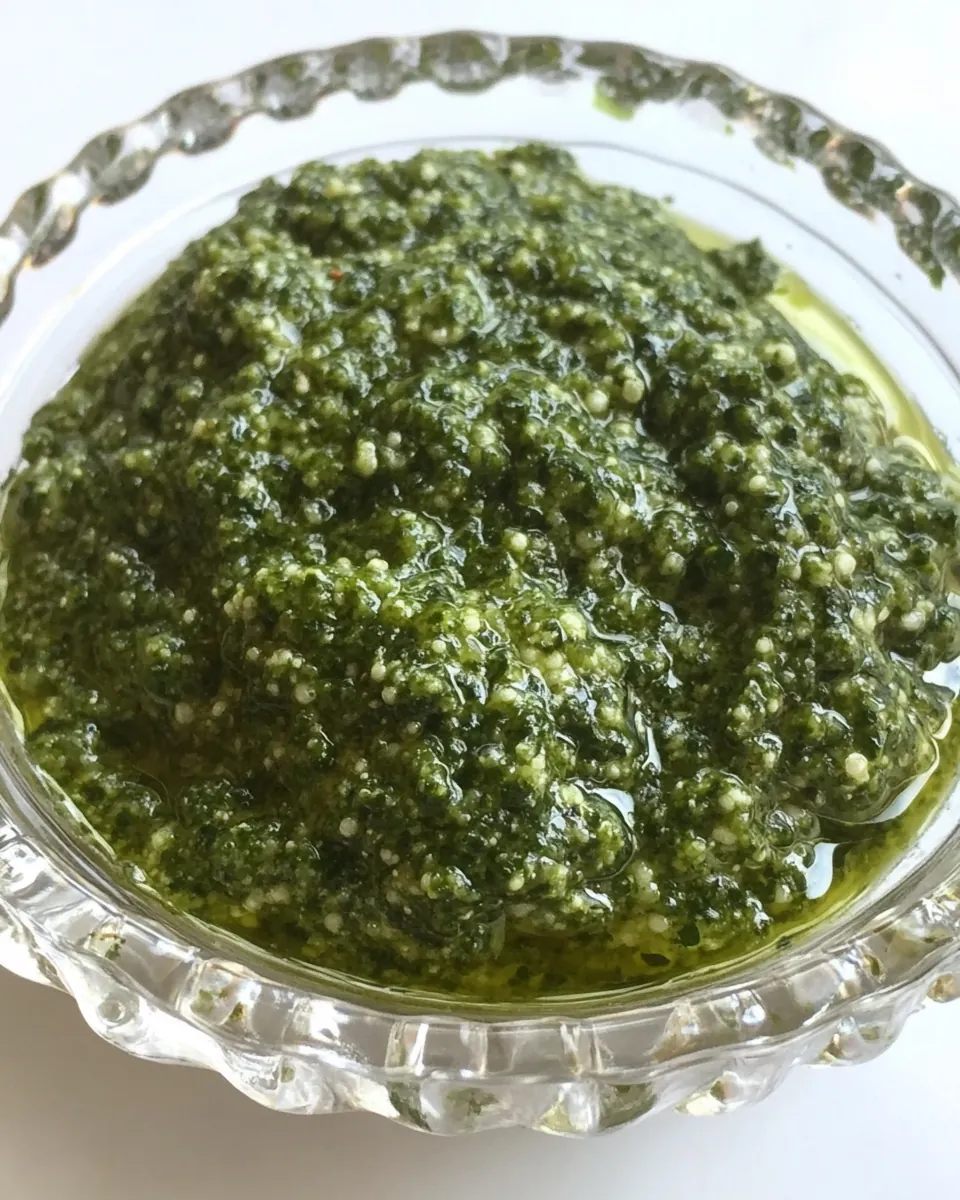
This short intro outlines practical ways to tweak the recipe for texture flavor and storage. Below are focused tips that expand on the notes and give you confident choices when adjusting salt oil and usage scenarios.
- Storage suggestion The pesto keeps well refrigerated for up to four days in a sealed jar; pour a thin layer of olive oil on top to limit exposure to air and slow color change.
- Freezing method Freeze pesto in ice cube trays for convenient single serve portions, then transfer the frozen cubes to a bag for up to two months; thaw gently before stirring into pasta or spreading.
- Adjusting bitterness If the pesto tastes too bitter, add a small extra drizzle of room temperature olive oil and a tiny pinch more sea salt, tasting as you go to avoid overcorrecting.
- Serving with pasta Reserve a little starchy pasta cooking water and add it gradually when tossing to make a silky sauce that clings to the noodles.
- Parmesan swap note If using a sharper cheese like Romano, reduce the added sea salt by about half and taste before adding more to prevent oversalting.
What Goes Well With This Dandelion Pesto
Dandelion Pesto is flexible and elevates many simple plates; here are ideas for pairing occasions and serving methods. Think casual lunches, weeknight dinner, or springtime gatherings where the fresh green flavor can shine. Below are detailed serving suggestions and seasonal notes to inspire how you use the pesto.
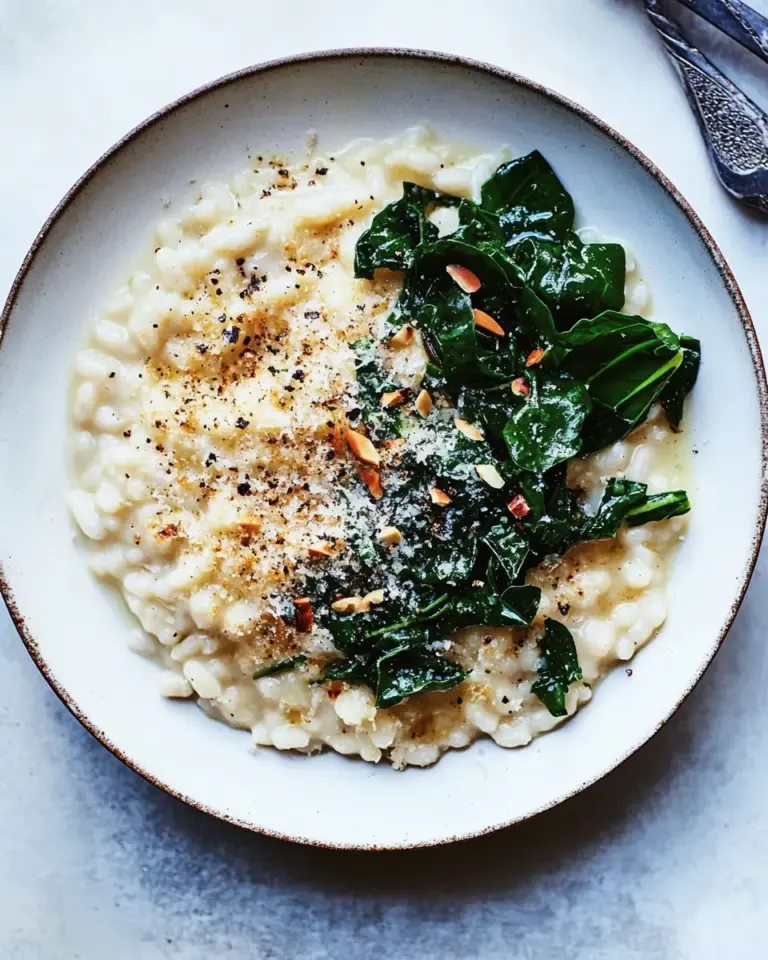
- Simple pasta toss Toss warm pasta with a few tablespoons of pesto and a splash of reserved cooking water for an easy weeknight meal. This is a fast way to showcase the pesto’s texture and flavor, and it makes for an excellent base if you want to add roasted vegetables later.
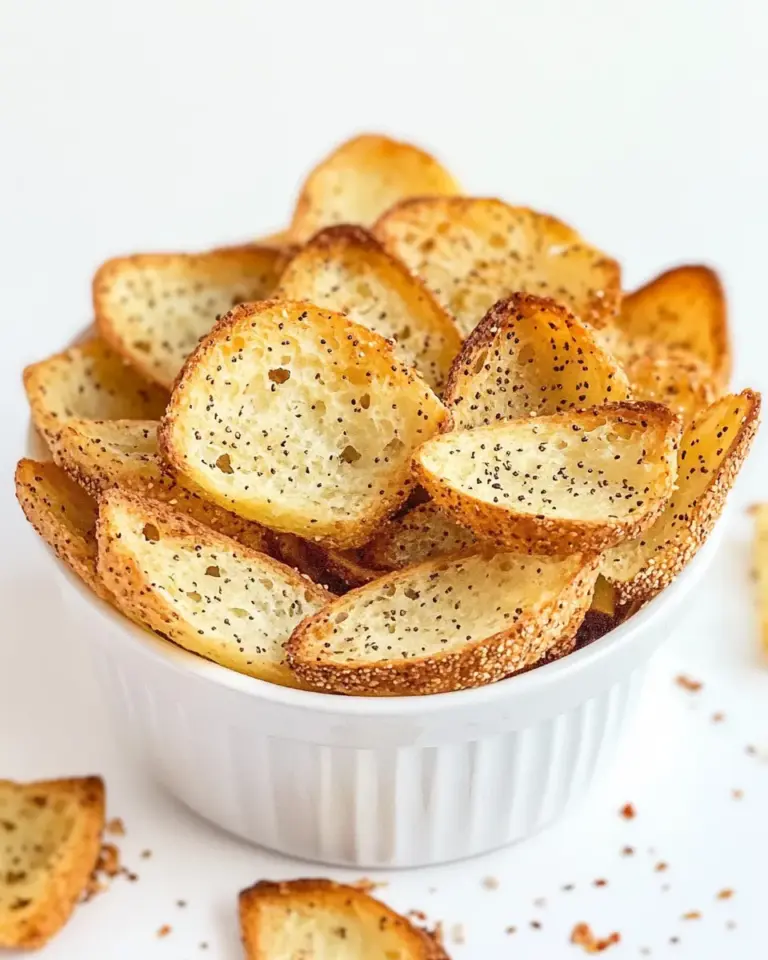
- Spread for crostini Slather Dandelion Pesto on toasted bread or crostini as an appetizer; add a thin smear of soft cheese underneath to mellow the herbal notes and create a balanced bite for guests at casual gatherings.
- Grain salad enhancer Stir the pesto through warm farro or wheat berries to create a bright, herby grain salad that works well for picnic lunches or potlucks. The pesto infuses the grains with flavor and keeps the salad lively even when served at room temperature.
- Potato companion Spread over a baked potato or fold into a warm potato salad to add herbal complexity; the pesto’s oil helps coat starchy potatoes and the punchy greens cut through the richness.
- Storage and leftovers Keep in the fridge for up to four days or freeze for two months; when reheating, stir gently and add a splash of oil or water to revive the texture and brightness.
FAQ
Conclusion
Dandelion Pesto is special because it turns humble spring greens into a vibrant, savory sauce with minimal fuss. Give it a try to experience how a few quality ingredients can transform simple bread or pasta into something memorable. I encourage you to experiment with small tweaks to suit your palate, and to keep a jar on hand for quick, flavorful meals that celebrate the season.
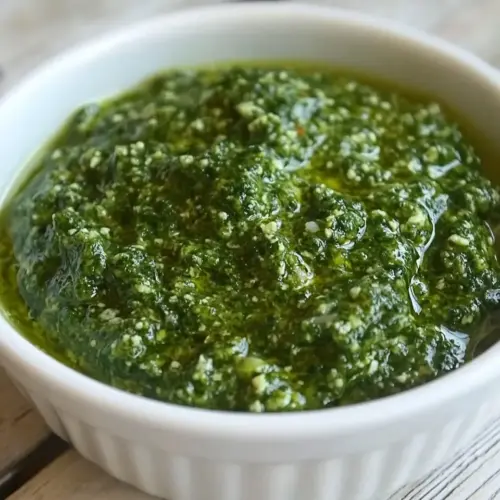
Dandelion Pesto
Equipment
- Food Processor
- Blender
Ingredients
- 12 ounces (350 g) washed and cleaned dandelion leaves Provide a bitter, leafy green base that gives the pesto its distinctive springtime flavor and a slightly astringent bite; wash thoroughly to remove grit and trim any tough stems before processing. Chop or pack into the blender to help achieve a smooth, vibrant sauce and balance the richness of oil and cheese.
- 1 cup (250 ml) olive oil Add a rich, fruity fat that carries flavors and creates a silky texture; pour gradually while blending to emulsify the pesto and adjust consistency. Use good-quality olive oil to enhance aroma and mouthfeel, and reserve a little to drizzle when serving to maintain gloss.
- 4 cloves garlic, peeled Contribute a sharp, pungent depth that brightens the pesto and complements the bitterness of the greens; peel and smash or finely mince before adding to better release its oils. Adjust the amount to taste for milder or more pronounced garlic presence and consider briefly pulsing to avoid over-pureeing.
- 6 tablespoons (40 g) pine nuts, lightly toasted Provide a nutty, toasty richness and body that helps thicken the sauce and add pleasant crunchy notes if left slightly coarse; lightly toast to intensify flavor but avoid burning. Stir or pulse in toward the end to control texture, and set aside a few for garnish if desired.
- 1 1/2 teaspoons sea salt Enhance and balance flavors by seasoning the pesto, drawing out taste from greens, cheese, and oil while moderating bitterness; dissolve well into the mixture for even distribution. Start with the listed amount and taste before adding more, remembering that cheese contributes salty depth as well.
- 2 1/2 ounces (70 g) Parmesan or Romano cheese, grated Supply savory, umami depth and a creamy, slightly granular texture that completes the pesto’s flavor profile; grate finely and fold in to meld with oil and greens. Choose Parmesan or Romano based on desired sharpness, and add gradually to reach preferred saltiness and body.
Instructions
- Put about one-third of the dandelion greens in the food processor or blender with the olive oil and chop for a minute, scraping down the sides. Add the remaining dandelion greens in two batches, until they’re all finely chopped up.: The first pulses release bright green aromas and soften the leaves visually into ribbons and tiny flecks, and you should hear a steady chopping hum rather than a high speed whir. This initial stage ensures the oil begins to emulsify with the greens so the final texture is smoothly integrated; if you dump everything in at once the machine can struggle and leave larger fibrous bits. A common issue here is overcrowding the bowl which leads to uneven chopping, so keep this small batch approach to promote even processing and scrape down the sides when you see larger pieces clinging to the bowl.
- Add the garlic cloves, pine nuts, salt, and Parmesan, and process until everything is a smooth puree.: As you add the second and third batches you will notice the mixture change from wet clumps to a uniformly chopped, nearly paste like texture with a glossy sheen. The layered addition lets the blades handle the load without overheating, preserving fresh green color and aroma. If the mixture seems dry or the motor strains, pause and scrape sides, then add another splash of olive oil to ease movement. Avoid running the processor nonstop for too long, because heat can dull the bright herbal notes.
- Taste, and add more salt if necessary. If it’s too thick, you can thin it with more olive oil or water.: Once the nuts and cheese are incorporated the texture becomes richer and silkier, and you should smell warm, toasty notes from the pine nuts alongside the savory tang of the Parmesan . Processing until smooth encourages an emulsion that coats pasta and bread well. If the pesto is too coarse, add more olive oil in small amounts; if it becomes too thin, pulse briefly to retain some texture. A frequent slip up is over processing so the pesto turns runny; counter that by pulsing and checking often so you keep some character in the puree.
- Taste and add more salt if necessary: After the puree reaches a pleasing consistency take a small taste, ideally on a neutral cracker or spoon, to judge seasoning. Because Parmesan can vary in saltiness, you might need a pinch more sea salt to balance the natural bitterness of the dandelion leaves . If you add too much salt, a small squeeze of lemon or a drizzle of oil can help recalibrate; the easiest way to avoid oversalting is to add gradually and taste between additions.
- If it’s too thick you can thin it with more olive oil or water: The finished pesto should spread or toss easily, so adjust viscosity by adding a tablespoon at a time of olive oil or neutral water until you reach a glossy, spoonable consistency. Warm pasta cooking water is ideal for loosening the pesto when tossing through noodles because the starch helps the sauce cling. A rookie mistake is adding too much liquid at once which dilutes the flavor, so add sparingly and judge by the way the sauce clings to a spoon.
Notes
- Storage suggestion The pesto keeps well refrigerated for up to four days in a sealed jar; pour a thin layer of olive oil on top to limit exposure to air and slow color change.
- Freezing method Freeze pesto in ice cube trays for convenient single serve portions, then transfer the frozen cubes to a bag for up to two months; thaw gently before stirring into pasta or spreading.
- Adjusting bitterness If the pesto tastes too bitter, add a small extra drizzle of room temperature olive oil and a tiny pinch more sea salt, tasting as you go to avoid overcorrecting.
- Serving with pasta Reserve a little starchy pasta cooking water and add it gradually when tossing to make a silky sauce that clings to the noodles.
- Parmesan swap note If using a sharper cheese like Romano, reduce the added sea salt by about half and taste before adding more to prevent oversalting.