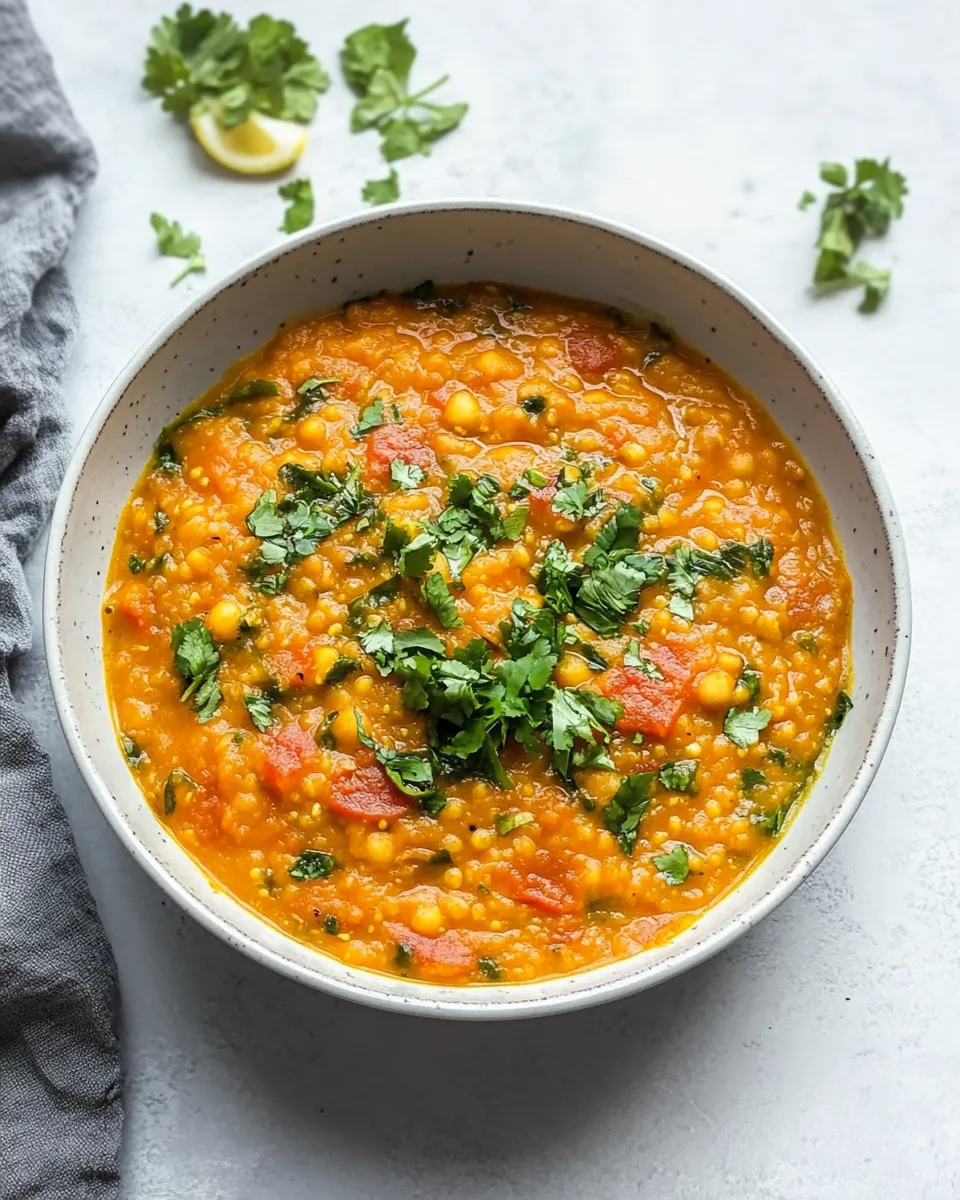
Dal Recipe
Dal Recipe has always been the kind of bowl I turn to when I want comfort without fuss. The first time I made this dish for friends, we were exhausted from travel and craving something warm and nourishing, and that simple pot of Dal Recipe felt like the most honest homecoming. I remember the way the kitchen filled with spice scented steam as the lentils softened, and how each spoonful seemed to smooth out the edges of a long day.
Over the years I have tweaked proportions and techniques so that the final pot balances creaminess and brightness, without ever feeling heavy. I often start with a small ritual, rinsing the lentils while I handle other prep, noticing their color and texture change as they soak. That quiet practice sets the tone, turning a routine cook into a familiar meditation.
Recipe Snapshot
50 mins
10 mins
40 mins
Medium
300 kcal
Indian
Gluten-Free, Vegan
Dinner
Medium pot, Sieve
What Sets This Dal Recipe Apart
Hearty yet light texture
I love how Dal Recipe manages to be both satisfying and gentle on the stomach. The combination of tender red lentils and reduced fat coconut milk creates a creamy body, while the vegetable broth keeps the consistency spoonable instead of gluey. You get richness without heaviness, which makes it perfect for evening meals when you still want to feel comfortable afterward.
Layered spice aroma
What makes me keep returning to this version is the way the toasted cumin seeds and warm turmeric bloom when sautéed briefly in hot olive oil. That short step releases volatile oils, making the kitchen smell incredible and giving the dal depth. The grated ginger and minced garlic add a bright, savory top note that keeps every bite lively.
Speed without compromise
Because the red lentils are quick cooking, soaking them for a short time cuts the stove time further, and the simmer is hands off. I can have this pot on the table in under an hour, which is why I often call it my go to easy weeknight dinner. It feels indulgent, yet it is realistically simple for busy evenings.
Flexible and friendly
This recipe adapts to what you have. The canned diced tomatoes and pantry spices keep it pantry friendly, while the fresh baby spinach folded in at the end adds freshness and color. I appreciate that it suits both solo meals and small gatherings, and it plays well with many sides.
Bright finishing touch
The squeeze of lemon juice and the scatter of chopped cilantro at the end lift the whole bowl. Acid is the secret to making creamy dishes sing, and that final brightness is why this version of Dal Recipe feels complete every time I serve it.
Ingredients for Dal Recipe
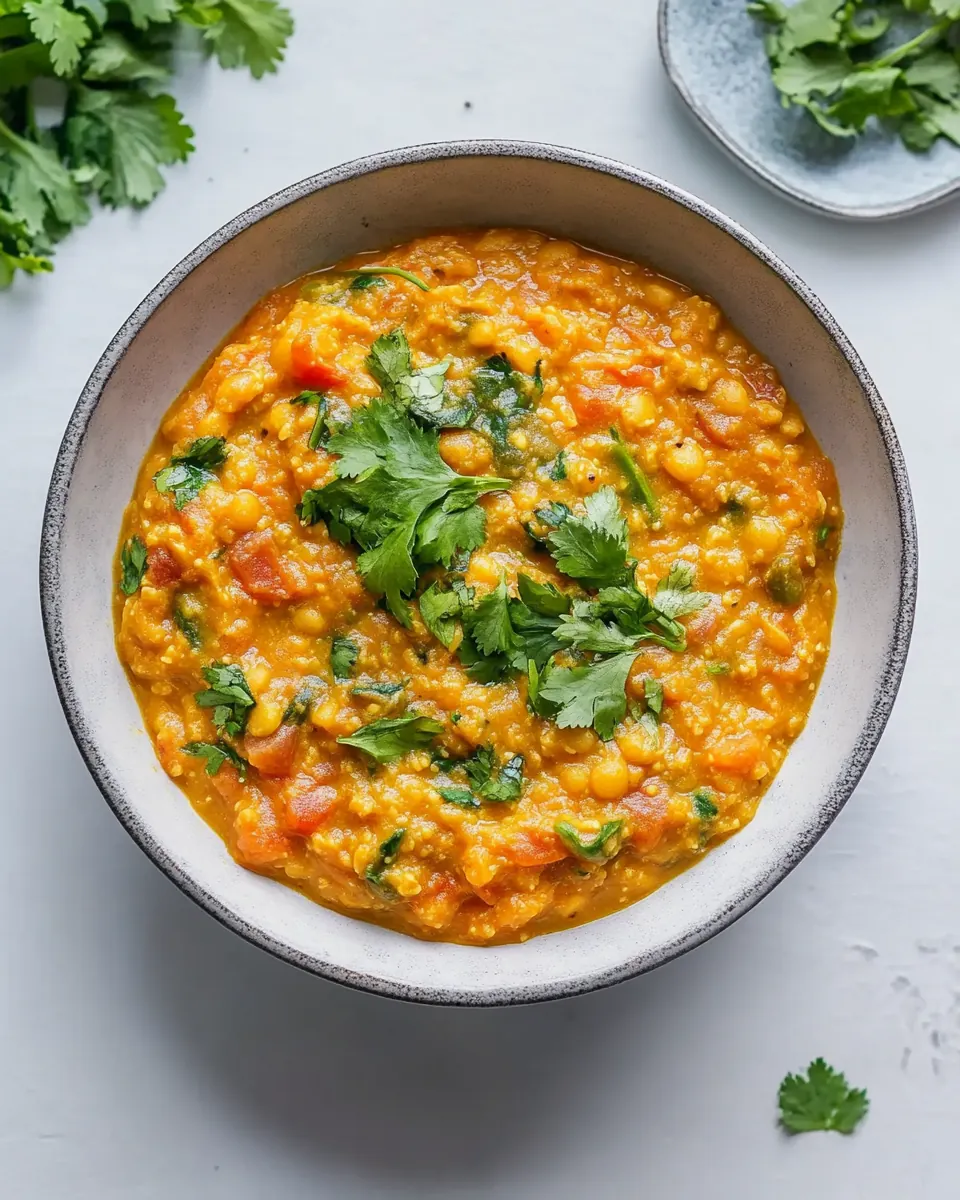
These ingredients are built to create comfort and balance. The key players are the quick cooking red lentils for body, the aromatic spices and aromatics to layer flavor, and the creamy coconut milk to add silk without heaviness. Together they produce a bowl that is earthy, warm, and lightly brightened by acid and greens.
- 1 cup red lentils: Provide a mild, nutty base flavor and tender texture when cooked; rinse thoroughly and simmer until soft to form the creamy body of the dal. Measure precisely to maintain the recipe's balance between lentils and liquid for proper consistency.
- Water as needed for soaking lentils: Soak to shorten cooking time and improve digestibility; cover lentils with several inches of water and let rest for at least 30 minutes if desired. Drain before cooking to remove any debris and to reduce gas-causing compounds.
- 1 tablespoon olive oil: Sauté to bloom spices and aromatics while preventing sticking; heat until shimmering before adding onions or seeds for a glossy, flavorful base. Use measured quantity to keep richness without overpowering the dish's lighter profile.
- 1 medium yellow onion diced: Sweat gently to develop sweetness and depth; dice uniformly so pieces cook evenly and meld into the dal's texture. Cook until translucent and slightly golden to release natural sugars that complement spices.
- 2 teaspoons fresh ginger grated: Grate to release bright, peppery warmth and a sharp aromatic note; add with garlic to infuse the oil and spice mixture. Use fresh ginger for the best pungency and to aid digestion in the finished dal.
- 4 garlic cloves minced: Mince to provide savory depth and aromatic backbone; add early in cooking to mellow and integrate with ginger and onions. Cook briefly until fragrant to avoid bitter raw garlic flavor while enhancing overall savory complexity.
- 1 1/4 teaspoons cumin seeds: Toast to introduce earthy, aromatic nuance and a subtle crunch; add to hot oil early so seeds sputter and release essential oils. Monitor closely to prevent burning and to ensure a fragrant tempering effect throughout the dal.
- 1/2 teaspoon turmeric powder: Color and anti-inflammatory warmth; sprinkle in with powdered spices to give the dal its characteristic golden hue and subtle earthy bitterness. Combine with other spices to build layered flavor while also contributing healthful properties.
- 3/4 teaspoon coriander powder: Add warm, citrusy herbal depth and gentle nuttiness; stir into the spice mix to round out flavors and enhance complexity. Use measured amount to avoid overpowering other subtle spice notes in the dal.
- 1/4 teaspoon red chili flakes: Provide heat and smoky spice in controlled amounts; sprinkle sparingly to adjust the dish's spiciness level to taste. Rehydrate slightly during simmering so the heat distributes evenly throughout the dal.
- 14 ounce can diced tomatoes: Contribute acidity, sweetness, and tomatoey body to balance creamy lentils; drain only if overly watery, otherwise pour the can directly to enrich texture and flavor. Simmer with lentils and spices so the tomatoes break down and meld into the curry base.
- 13.5 ounce can reduced-fat coconut milk: Lend creaminess and subtle tropical sweetness without heavy dairy; stir in during simmering to create a luscious, smooth mouthfeel. Use reduced-fat variety to maintain lighter texture while still adding richness and depth.
- 2 cups vegetable broth: Provide savory umami and liquid for cooking lentils to desired consistency; add gradually to control thickness and flavor concentration. Choose a low-sodium option if needing to regulate salt levels, adjusting later to taste.
- 1 3/4 cups baby spinach roughly chopped: Fold in leafy green freshness and mild vegetal flavor; chop roughly so pieces wilt quickly and retain some texture. Add near the end of cooking to preserve color and nutrients while integrating into the warm dal.
- 4 teaspoons lemon juice: Brighten and balance flavors with tangy acidity; stir in near the finish to lift the overall profile and enhance other seasonings. Freshly squeezed juice yields the best brightness and prevents a flat-tasting final dish.
- Salt to taste: Season to enhance all flavors and control overall taste; add incrementally and taste as you cook to reach desired saltiness. Use to bring out natural sweetness from onions and tomatoes while balancing spices and acidity.
- Fresh cilantro leaves chopped, for garnish: Garnish with fresh herbal aroma and a pop of color; chop cilantro leaves and sprinkle over the finished dal just before serving. Use as a final accent to add freshness and a lively contrast to the creamy lentils.
Step by Step Guide for Dal Recipe
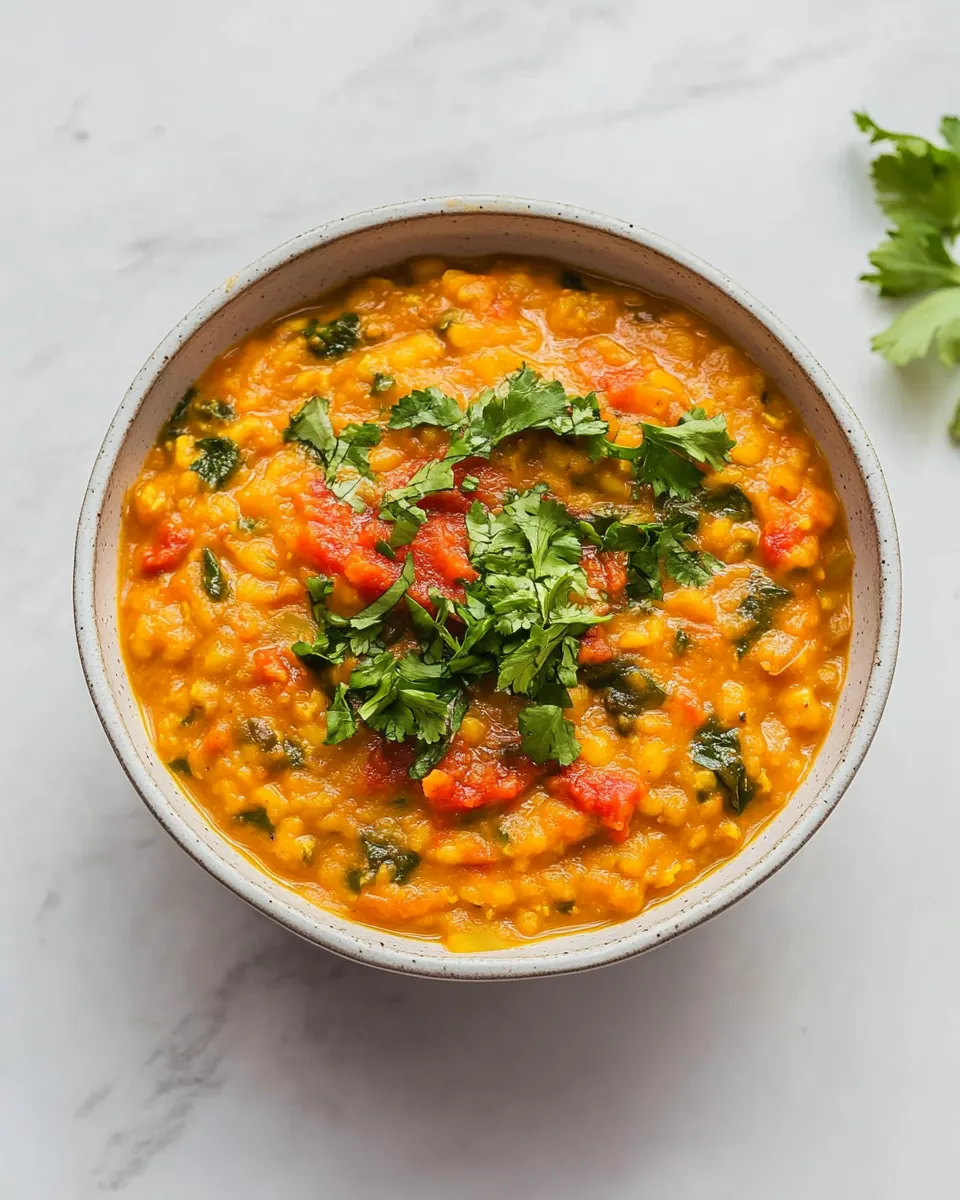
This is a friendly, hands on guide that walks you through each stage with sensory cues and small troubleshooting notes. Cook steadily and trust the visual and aromatic signs to know when to move on to the next action.
- Rinse the red lentils in a sieve under cold water until the water runs clear.: You will notice the water change from cloudy to clear, and that sound of the water running over the red lentils is reassuring. This rinsing removes dust and excess starch so the final texture is clean and not gummy. If the water stays cloudy after a few rinses, keep rinsing until it's clear, because leftover starch can make the dal gluey. A common mistake is rushing this step, which leads to off textures.
- Place the lentils in a bowl, cover with water, and let them soak for about 30 minutes to help them cook faster. Drain.: After soaking, the lentils should look slightly plump and feel softer between your fingers. Soaking shortens the simmer time and helps them break down evenly when cooked. Drain well so you do not dilute the cooking liquid unnecessarily. Avoid soaking too long, as very long soaks can start fermenting and give an off smell.
- In a medium pot, heat olive oil over medium heat. Add the diced onions and sauté for 3 to 4 minutes until softened. Mix in the grated ginger and minced garlic, cooking for an additional minute until aromatic.: Listen for a gentle sizzle as the olive oil warms and smell the sweetness rising from the softened yellow onion . When the onions are translucent and just turning golden at the edges, you will see a sweet fragrance that signals readiness. Add the ginger and garlic and stir for about a minute so their raw edge mellows and they release fragrance. Overbrowning can make the base bitter, so keep heat moderate and stir frequently to prevent sticking.
- Add the cumin seeds, turmeric, coriander powder, and red chili flakes. Stir for about 1-3 minutes to let the spices bloom and release their aroma.: The moment you add the cumin seeds you should hear a faint pop and smell nutty notes as they toast. The powdered turmeric and coriander will color the oil golden and perfume the pan. This blooming step amplifies flavor, transforming dull powders into fragrant components. Avoid burning the spices, which turns them bitter, by stirring constantly and keeping the heat under control.
- Add the diced tomatoes with their juices, followed by the soaked (and drained) lentils, coconut milk, and vegetable broth.: As the diced tomatoes hit the pan you will see the mixture loosen and steam, the tomatoes breaking down quickly. Stir in the soaked red lentils , then the creamy coconut milk and warm vegetable broth . The pot will go from oily and fragrant to a soupy, aromatic stew. Combining these liquids now ensures an even simmer and prevents scorching. A frequent error is adding cold broth straight from the fridge, which can shock the pot and lengthen simmer time.
- Bring the mixture to a boil, then reduce the heat and allow it to simmer uncovered for 25 to 30 minutes, stirring occasionally, until the lentils are soft and the dal has thickened.: Watch for the pot to go from rolling bubbles to gentle, steady simmering. The aroma evolves from sharp tomato to rounded, spiced creaminess as the red lentils break down. Stir occasionally to prevent sticking, and note visual cues such as lentils losing their shape and the mixture developing a spoon coating texture. If the dal seems too thin, simmer a bit longer uncovered; if it thickens too much, stir in a splash of warm vegetable broth . Avoid high heat which can cause sticking and uneven cooking.
- Stir in the baby spinach and lemon juice. Let the dal simmer for an additional few minutes until the spinach wilts. Season with salt to taste and remove from heat.: When you add the chopped baby spinach , it will wilt almost immediately, changing from bright emerald to a softer olive green. The scent will freshen as you stir in the lemon juice , and that acid will brighten the whole pot. Taste and adjust with salt , adding gradually so you do not over season. A common misstep is salting early before reduction; wait until the end so you can calibrate accurately.
- Garnish with freshly chopped cilantro just before serving.: The final sprinkle of chopped cilantro adds a fragrant herbal burst, and the cool fresh leaves contrast the warm, spiced dal. Serve immediately for best texture and aroma. If you garnish too early, the herb will wilt and lose vibrancy, so add it right before the bowl goes to the table.
Pro Tips and Tweaks
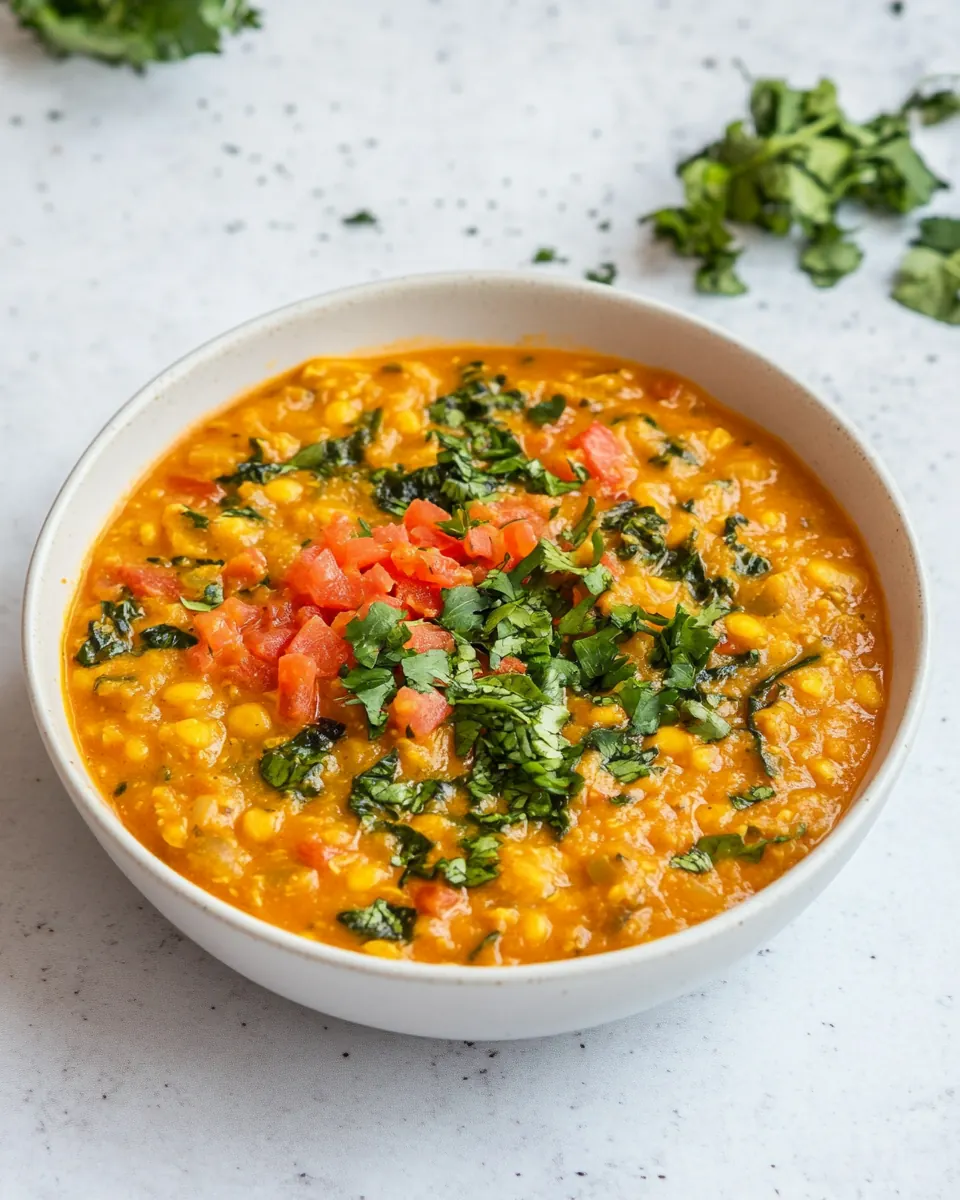
I like to keep a few practical tricks in mind that make the cooking smoother and the final bowl more memorable. These tweaks help control seasoning, texture, and aroma so you get consistent results without much fuss.
- Bloom spices: Toast the cumin seeds and briefly cook powdered spices in oil to maximize their aroma rather than sprinkling them raw into the pot.
- Soak lentils: Soaking the red lentils for about 30 minutes reduces cooking time and ensures an even, creamy texture without over simmering.
- Use warm liquids: Add warm vegetable broth and room temperature canned ingredients to keep the pot at an even heat and prevent prolonged simmering.
- Adjust heat gradually: Simmer rather than boil to let the flavors meld and to avoid splitting the coconut milk or sticking the lentils to the pot.
- Finish with acid: Add lemon juice at the end to brighten the full bowl, tasting as you go to balance creaminess and acidity.
Serving Options for Dal Recipe
This dal is versatile for everyday meals and special occasions. It pairs well with grains or breads, and works for lunch, dinner, and communal meals where comforting, shareable dishes are appreciated.
- Serve with rice: Spoon the warm dal over fluffy rice for a classic pairing that soaks up the sauce and makes the meal more filling.
- Accompany with flatbread: Offer warm flatbread or chapati so guests can scoop and enjoy contrasting textures and temperatures.
- For Ramadan or gatherings: Bring the dal to the table in a covered casserole to keep it warm, and serve with lemon wedges and extra chopped cilantro.
- Leftover storage: Cool to room temperature then refrigerate in an airtight container for up to 3 days; reheat gently with a splash of vegetable broth to restore creaminess.
- Seasonal pairing: In cooler months pair with roasted seasonal vegetables, while in warmer seasons a crisp salad complements the warm bowl.
- Make it a meal: Add a side of steamed greens or a simple grain salad to round out protein and vegetables for balanced plate.
FAQ
Conclusion
This Dal Recipe stands out because it balances creamy, spiced richness with bright finishing notes, delivering comfort without heaviness. Give it a try when you want a nourishing, simple meal that still feels thoughtfully composed. I hope this version becomes one of your go to bowls, bringing warmth and ease to weeknights and small gatherings alike.
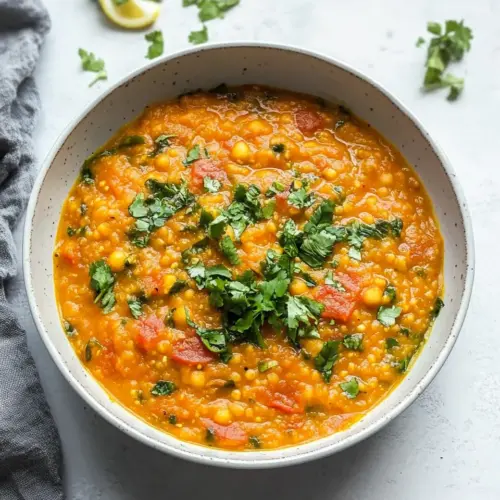
Dal Recipe
Equipment
- Medium Pot
- Sieve
Ingredients
- 1 cup red lentils Provide a mild, nutty base flavor and tender texture when cooked; rinse thoroughly and simmer until soft to form the creamy body of the dal. Measure precisely to maintain the recipe's balance between lentils and liquid for proper consistency.
- Water as needed for soaking lentils Soak to shorten cooking time and improve digestibility; cover lentils with several inches of water and let rest for at least 30 minutes if desired. Drain before cooking to remove any debris and to reduce gas-causing compounds.
- 1 tablespoon olive oil Sauté to bloom spices and aromatics while preventing sticking; heat until shimmering before adding onions or seeds for a glossy, flavorful base. Use measured quantity to keep richness without overpowering the dish's lighter profile.
- 1 medium yellow onion diced Sweat gently to develop sweetness and depth; dice uniformly so pieces cook evenly and meld into the dal's texture. Cook until translucent and slightly golden to release natural sugars that complement spices.
- 2 teaspoons fresh ginger grated Grate to release bright, peppery warmth and a sharp aromatic note; add with garlic to infuse the oil and spice mixture. Use fresh ginger for the best pungency and to aid digestion in the finished dal.
- 4 garlic cloves minced Mince to provide savory depth and aromatic backbone; add early in cooking to mellow and integrate with ginger and onions. Cook briefly until fragrant to avoid bitter raw garlic flavor while enhancing overall savory complexity.
- 1 1/4 teaspoons cumin seeds Toast to introduce earthy, aromatic nuance and a subtle crunch; add to hot oil early so seeds sputter and release essential oils. Monitor closely to prevent burning and to ensure a fragrant tempering effect throughout the dal.
- 1/2 teaspoon turmeric powder Color and anti-inflammatory warmth; sprinkle in with powdered spices to give the dal its characteristic golden hue and subtle earthy bitterness. Combine with other spices to build layered flavor while also contributing healthful properties.
- 3/4 teaspoon coriander powder Add warm, citrusy herbal depth and gentle nuttiness; stir into the spice mix to round out flavors and enhance complexity. Use measured amount to avoid overpowering other subtle spice notes in the dal.
- 1/4 teaspoon red chili flakes Provide heat and smoky spice in controlled amounts; sprinkle sparingly to adjust the dish's spiciness level to taste. Rehydrate slightly during simmering so the heat distributes evenly throughout the dal.
- 14 -ounce can diced tomatoes Contribute acidity, sweetness, and tomatoey body to balance creamy lentils; drain only if overly watery, otherwise pour the can directly to enrich texture and flavor. Simmer with lentils and spices so the tomatoes break down and meld into the curry base.
- 13.5 -ounce can reduced-fat coconut milk Lend creaminess and subtle tropical sweetness without heavy dairy; stir in during simmering to create a luscious, smooth mouthfeel. Use reduced-fat variety to maintain lighter texture while still adding richness and depth.
- 2 cups vegetable broth Provide savory umami and liquid for cooking lentils to desired consistency; add gradually to control thickness and flavor concentration. Choose a low-sodium option if needing to regulate salt levels, adjusting later to taste.
- 1 3/4 cups baby spinach roughly chopped Fold in leafy green freshness and mild vegetal flavor; chop roughly so pieces wilt quickly and retain some texture. Add near the end of cooking to preserve color and nutrients while integrating into the warm dal.
- 4 teaspoons lemon juice Brighten and balance flavors with tangy acidity; stir in near the finish to lift the overall profile and enhance other seasonings. Freshly squeezed juice yields the best brightness and prevents a flat-tasting final dish.
- Salt to taste Season to enhance all flavors and control overall taste; add incrementally and taste as you cook to reach desired saltiness. Use to bring out natural sweetness from onions and tomatoes while balancing spices and acidity.
- Fresh cilantro leaves chopped, for garnish Garnish with fresh herbal aroma and a pop of color; chop cilantro leaves and sprinkle over the finished dal just before serving. Use as a final accent to add freshness and a lively contrast to the creamy lentils.
Instructions
- Rinse the red lentils in a sieve under cold water until the water runs clear.: You will notice the water change from cloudy to clear, and that sound of the water running over the red lentils is reassuring. This rinsing removes dust and excess starch so the final texture is clean and not gummy. If the water stays cloudy after a few rinses, keep rinsing until it's clear, because leftover starch can make the dal gluey. A common mistake is rushing this step, which leads to off textures.
- Place the lentils in a bowl, cover with water, and let them soak for about 30 minutes to help them cook faster. Drain.: After soaking, the lentils should look slightly plump and feel softer between your fingers. Soaking shortens the simmer time and helps them break down evenly when cooked. Drain well so you do not dilute the cooking liquid unnecessarily. Avoid soaking too long, as very long soaks can start fermenting and give an off smell.
- In a medium pot, heat olive oil over medium heat. Add the diced onions and sauté for 3 to 4 minutes until softened. Mix in the grated ginger and minced garlic, cooking for an additional minute until aromatic.: Listen for a gentle sizzle as the olive oil warms and smell the sweetness rising from the softened yellow onion . When the onions are translucent and just turning golden at the edges, you will see a sweet fragrance that signals readiness. Add the ginger and garlic and stir for about a minute so their raw edge mellows and they release fragrance. Overbrowning can make the base bitter, so keep heat moderate and stir frequently to prevent sticking.
- Add the cumin seeds, turmeric, coriander powder, and red chili flakes. Stir for about 1-3 minutes to let the spices bloom and release their aroma.: The moment you add the cumin seeds you should hear a faint pop and smell nutty notes as they toast. The powdered turmeric and coriander will color the oil golden and perfume the pan. This blooming step amplifies flavor, transforming dull powders into fragrant components. Avoid burning the spices, which turns them bitter, by stirring constantly and keeping the heat under control.
- Add the diced tomatoes with their juices, followed by the soaked (and drained) lentils, coconut milk, and vegetable broth.: As the diced tomatoes hit the pan you will see the mixture loosen and steam, the tomatoes breaking down quickly. Stir in the soaked red lentils , then the creamy coconut milk and warm vegetable broth . The pot will go from oily and fragrant to a soupy, aromatic stew. Combining these liquids now ensures an even simmer and prevents scorching. A frequent error is adding cold broth straight from the fridge, which can shock the pot and lengthen simmer time.
- Bring the mixture to a boil, then reduce the heat and allow it to simmer uncovered for 25 to 30 minutes, stirring occasionally, until the lentils are soft and the dal has thickened.: Watch for the pot to go from rolling bubbles to gentle, steady simmering. The aroma evolves from sharp tomato to rounded, spiced creaminess as the red lentils break down. Stir occasionally to prevent sticking, and note visual cues such as lentils losing their shape and the mixture developing a spoon coating texture. If the dal seems too thin, simmer a bit longer uncovered; if it thickens too much, stir in a splash of warm vegetable broth . Avoid high heat which can cause sticking and uneven cooking.
- Stir in the baby spinach and lemon juice. Let the dal simmer for an additional few minutes until the spinach wilts. Season with salt to taste and remove from heat.: When you add the chopped baby spinach , it will wilt almost immediately, changing from bright emerald to a softer olive green. The scent will freshen as you stir in the lemon juice , and that acid will brighten the whole pot. Taste and adjust with salt , adding gradually so you do not over season. A common misstep is salting early before reduction; wait until the end so you can calibrate accurately.
- Garnish with freshly chopped cilantro just before serving.: The final sprinkle of chopped cilantro adds a fragrant herbal burst, and the cool fresh leaves contrast the warm, spiced dal. Serve immediately for best texture and aroma. If you garnish too early, the herb will wilt and lose vibrancy, so add it right before the bowl goes to the table.
Notes
- Bloom spices: Toast the cumin seeds and briefly cook powdered spices in oil to maximize their aroma rather than sprinkling them raw into the pot.
- Soak lentils: Soaking the red lentils for about 30 minutes reduces cooking time and ensures an even, creamy texture without over simmering.
- Use warm liquids: Add warm vegetable broth and room temperature canned ingredients to keep the pot at an even heat and prevent prolonged simmering.
- Adjust heat gradually: Simmer rather than boil to let the flavors meld and to avoid splitting the coconut milk or sticking the lentils to the pot.
- Finish with acid: Add lemon juice at the end to brighten the full bowl, tasting as you go to balance creaminess and acidity.
