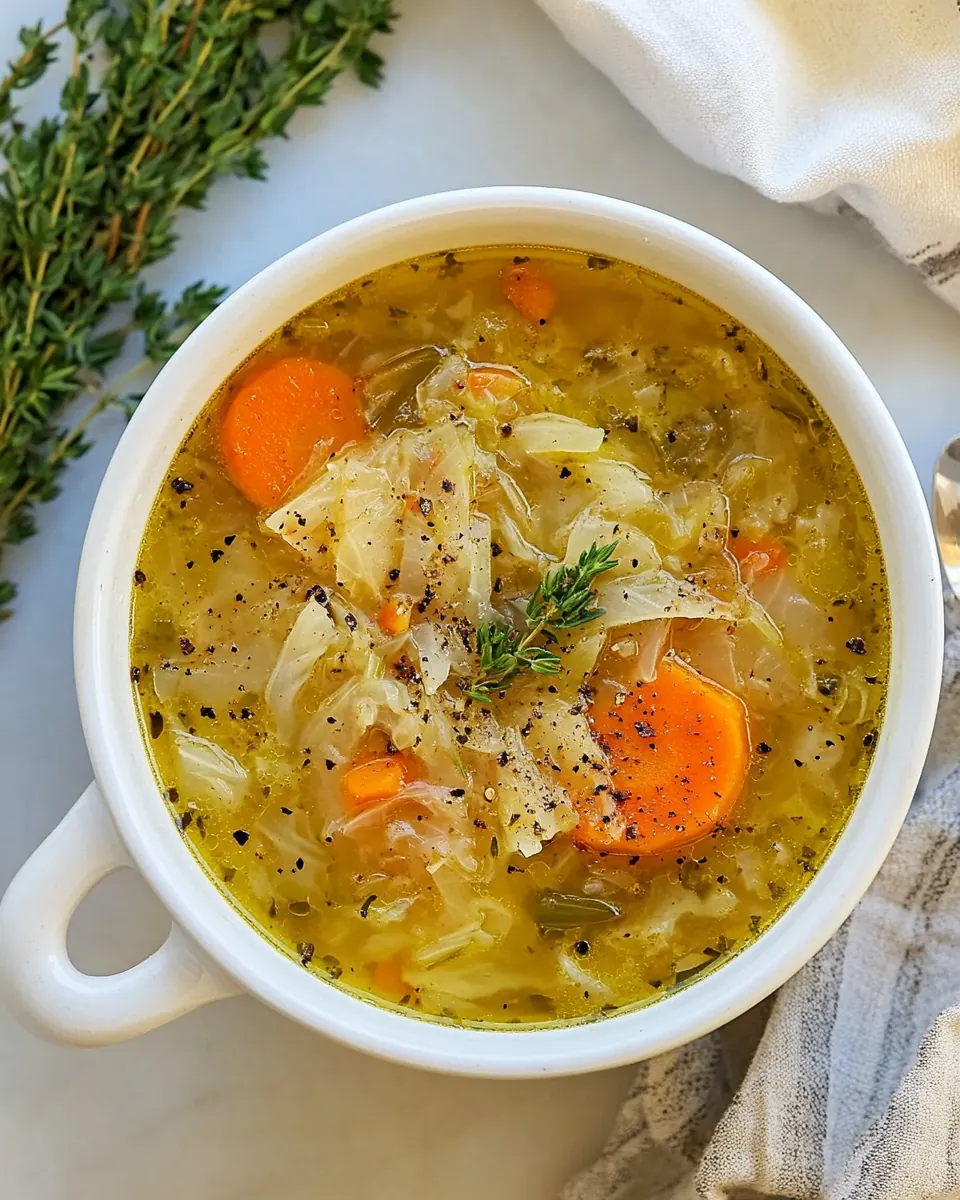
Sauerkraut Soup
Sauerkraut Soup has been one of those kitchen comforts I return to when I want something honest, warming, and a little bit tangy. The first time I made this soup I was chasing the cozy memories of my grandmother stirring a pot on a cold evening, and the aroma of simmering broth and sauerkraut wrapped the house in a welcoming, almost nostalgic hug. I remember leaning against the counter, sipping tiny tastes, and feeling that simple combination of textures and flavors was exactly what I wanted for dinner.
Over the years I tweaked the recipe to suit a weeknight rhythm, keeping it unfussy yet deeply flavored. What I love about Sauerkraut Soup is how straightforward the process is, yet each ingredient plays a clear role. The gentle sweetness from the carrot and onion balances the bright acidity of the sauerkraut, while the cannellini beans add a creamy lift. When friends come over, I often serve this with crusty bread, and everyone ends up asking for seconds.
Making this soup is like reading a short, satisfying story. Every stirring, sniff, and simmer is part of the plot, and by the time you finish, the kitchen tells you it was worth it. I still like to finish mine with a generous scatter of fresh dill, which cuts through the tang and brightens each spoonful. If you have a cold evening coming up or simply want a bowl that feels like a warm blanket, this is a recipe I trust to deliver comfort and character.
Recipe Snapshot
40 mins
10 mins
30 mins
Easy
250 kcal
American
Vegan, Gluten-Free
Soups
Large pot, Wooden spoon
What We Adore About This Sauerkraut Soup
1. Bold, layered flavor with minimal fuss
I love that Sauerkraut Soup builds depth without requiring hours of work. The combination of sauerkraut, caraway seeds, and marjoram gives you a complex savory profile, and it arrives with just a few simmering minutes. I find that this makes it perfect for weeknight cooking, when you want something impressive that does not demand every minute of your evening.
2. Tremendously forgiving and adaptable
This recipe is a forgiving companion in the kitchen. If your potato pieces are a little larger, you can extend simmering time, and if you like a creamier texture, mashing a few cannellini beans against the pot wall will thicken the broth beautifully. I often tweak seasoning to suit my mood, and the soup responds well.
3. Nourishing and satisfying
Between the cannellini beans, potato, and a warming broth, this bowl feeds both body and soul. I appreciate how the protein and starch keep the meal filling without feeling heavy. When I serve it, folks often comment on how comfort-forward yet light it feels.
4. Distinctive tang that everyone remembers
The sauerkraut is the star, delivering a tangy lift that sets this soup apart from other vegetable stews. I always mention to guests that the acidity brightens every spoonful, and a little fresh dill right before serving transforms the bowl into something vibrant and balanced.
5. Simple pantry-friendly ingredients
Most items are pantry or fridge staples, so this is one of my go-to recipes when I want quick, reliable dinner. The list is short, and that makes the recipe approachable even for cooks who shy away from long ingredient lists.
Ingredient List for Sauerkraut Soup
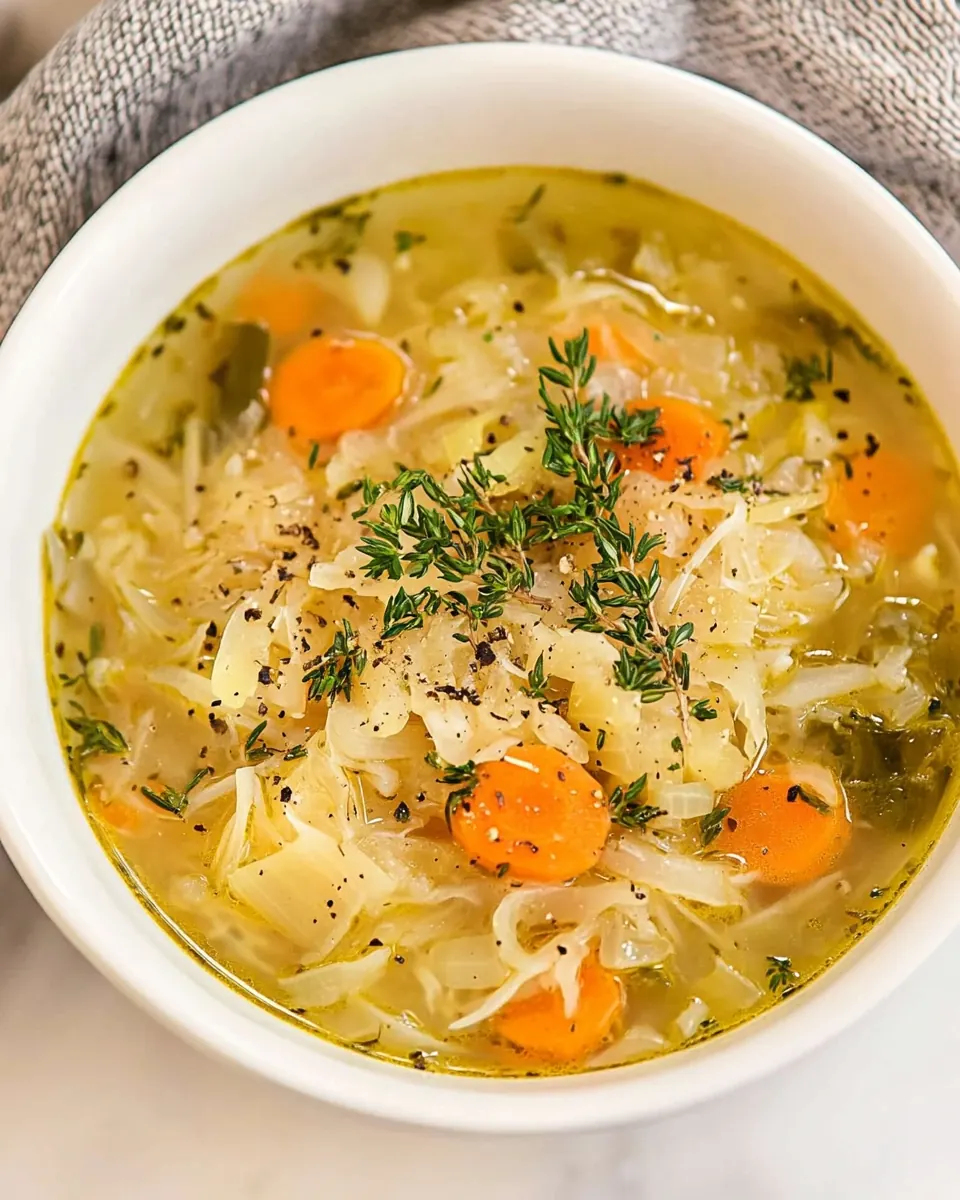
These ingredients form a classic, balanced soup where tang and savory notes play together. The key players are a sturdy broth base, a mix of aromatics for sweetness, and the lively sauerkraut for bright acidity. Each component helps build a satisfying texture and flavor, so the end result is comforting yet lively.
- 2 tablespoons olive oil: Heat and flavor the base of the soup by sautéing aromatics and creating a light, savory fat that helps carry other flavors throughout the dish. Use at the start of cooking to bloom spices and prevent sticking while adding a subtle fruity richness.
- 1 medium onion diced: Provide sweetness and depth when softened, adding layers of flavor and a mellow contrast to the tangy sauerkraut; cook until translucent to release natural sugars. Dice uniformly to ensure even cooking and a pleasant mouthfeel in each spoonful.
- 1 large carrot sliced: Add earthy sweetness and a hint of texture while simmering to contribute body and color; slice thinly so carrot pieces become tender in the broth. Stir into the sauté early enough to release natural sugars and meld with other vegetables.
- 4 garlic cloves minced: Lend a sharp, aromatic burst that brightens the soup and complements the fermented flavors; mince finely so garlic distributes evenly. Add during sautéing to mellow pungency and create an aromatic foundation without overpowering.
- 6 cups low-sodium vegetable broth: Create the liquid backbone that simmers all ingredients together, extracting and melding flavors while keeping sodium controlled for a balanced broth. Pour hot or room temperature broth over sautéed vegetables and simmer until components are tender and integrated.
- 1 large russet potato diced into 3/4-inch cubes: Contribute hearty starchiness and creamy texture as it breaks down slightly, helping thicken the broth and add substance; dice into uniform cubes for even tenderness. Simmer until fork-tender so potato pieces retain shape but offer a comforting bite.
- 1 can cannellini beans (15.5 ounces) drained and rinsed: Provide protein and a smooth, creamy element that rounds out the soup while adding substance and slightly nutty flavor; drain and rinse to remove canning liquids. Stir in toward the end of cooking to heat through without falling apart completely.
- 3/4 teaspoon dried marjoram: Impart warm, slightly sweet, and herbal notes that pair well with cabbage and potatoes; sprinkle during simmering to allow flavors to infuse the broth. Measure precisely to keep the herb presence noticeable but not dominant.
- 1/2 teaspoon Italian seasoning: Add a balanced blend of Mediterranean herbs that bring oregano, basil, and thyme notes to the soup; incorporate early so flavors mellow and integrate. Use sparingly to avoid overpowering the delicate interplay between vegetables and sauerkraut.
- 1/2 teaspoon caraway seeds: Introduce a distinctive, anise-like aroma and subtle earthiness that complements fermented cabbage and potatoes; toast lightly in the pan to release oils before adding liquids. Use whole or lightly crushed for textural interest and aromatic complexity.
- 1 jar sauerkraut (16 ounces) drained and rinsed: Provide the characteristic tangy, fermented cabbage flavor that defines the soup, adding brightness, acidity, and savory depth; drain and rinse to control acidity and salt. Add during simmering so sauerkraut melds with broth while retaining some texture.
- Salt and pepper to taste: Adjust seasoning balance by enhancing flavors and controlling overall taste; add gradually and taste as you go to avoid oversalting. Use freshly ground pepper to add mild heat and complexity that elevates the finished soup.
- 3 tablespoons fresh dill chopped, plus more for garnish (optional): Offer fresh herbaceous brightness and a slightly grassy finish that lifts the rich, tangy flavors; chop finely so dill distributes evenly. Stir in near the end of cooking or sprinkle as garnish to preserve aromatic freshness.
How to Make Sauerkraut Soup

This recipe comes together quickly and rewards your attention to smells and texture. I’ll walk you through each step in detail, describing what to look for and common things to avoid so your soup turns out exactly as intended.
- Heat olive oil in a large pot over medium heat. Add the diced onion and sliced carrot. Cook for about 10 minutes until the vegetables start to soften.: As the pan warms you should notice the oil shimmer slightly, which tells you it is ready to receive ingredients. The gentle heat keeps the olive oil from smoking, preserving its flavor. A common mistake is heating too high, which can scorch the oil and impart bitterness. If the oil begins to smoke, lower the heat immediately and wipe the pan clean if needed, then start again. Why this matters, sensory wise, is that properly warmed oil will carry the aroma of the next ingredients and create a soft sizzle when they hit the surface, signalling the start of flavor building.
- Stir in minced garlic and sauté for 1 minute until fragrant.: Once in the oil these vegetables should sizzle softly, and within a few minutes the onion will turn translucent and the carrot will start to lose its raw edge. Listen for a gentle sizzling sound and look for glossy, slightly softened edges as the visual cue. The goal is to coax sweetness out of the vegetables without browning them too quickly, because gentle caramelization deepens the flavor without adding a roasted note that does not belong here. Avoid rushing with high heat, which can brown the edges unevenly; patience produces a mellow, rounded base.
- Add the vegetable broth, diced potato, and cannellini beans along with dried marjoram, Italian seasoning, and caraway seeds. Bring to a boil, then reduce heat and simmer for 15 minutes or until the potato is fork-tender.: As the ten minutes pass, notice a warming, sweet aroma developing from the pot and the vegetables becoming tender when pierced with a fork. Texture is important, you want them softened but not falling apart so they continue to hold form in the soup. One common pitfall is under cooking the potato if it was added earlier; at this stage focus on the onion and carrot . If your pan seems dry, a splash of broth will keep the pan moisturized and help deglaze any fond, building complexity without burning.
- Stir in the sauerkraut and simmer for another 10 minutes. Season with salt and pepper, then mix in the fresh dill just before serving, garnishing with extra dill.: When the garlic hits the warm vegetables you will smell a bright, aromatic lift almost immediately, and the fragrant note signals it is time to move quickly. This step is short because burnt garlic tastes bitter and can ruin the base. Keep the heat moderate and stir constantly to release the aromatic oils without letting the bits stick and char. If you smell anything acrid, reduce heat and add a little broth to cool the pan.
- Add the vegetable broth, diced potato, and cannellini beans along with dried marjoram, Italian seasoning, and caraway seeds: Pouring in the vegetable broth will shift the pot from sauté to simmer, and you should hear a change from sizzling to a gentle bubbling. The potato and cannellini beans will start to soften and integrate into the liquid, and the dried herbs and caraway seeds will infuse their aromas. Stir to combine and bring the mixture up to a low boil. A frequent error is adding too much heat, which can over reduce the broth and leave unevenly cooked potatoes. Maintain a steady simmer for even cooking and clear, balanced flavors.
- Bring to a boil, then reduce heat and simmer for 15 minutes or until the potato is fork-tender: At the boil stage you will see livelier bubbling and steam rising; once you lower the heat a steady, gentle simmer should maintain small, calm bubbles. Test the potato by piercing a cube with a fork, aiming for tender but still slightly resistant. Overcooking will cause the potato to disintegrate and cloud the broth beyond the desired heartiness, while undercooking yields hard bits that distract from the soup's comfort. If the broth reduces too quickly, add a bit more warm broth or water and adjust seasoning later.
- Stir in the sauerkraut and simmer for another 10 minutes: Adding the sauerkraut introduces an immediate bright, tangy aroma; as it simmers the sharpness mellows and integrates with the broth. You should notice the broth taking on a slightly cloudy, savory tone and the overall scent becoming pleasantly tangy rather than sharp. Simmering allows the flavors to marry and the texture to soften just enough so the sauerkraut feels melded with the rest of the soup. Avoid over simmering beyond the suggested time, which can turn the kraut too soft and make the acidity dominate.
- Season with salt and pepper, then mix in the fresh dill just before serving: Taste carefully, because the canned and jarred components can carry salt; add small increments until balanced. The aromatic freshness of chopped dill should be added at the end, releasing a herbaceous scent and a bright, almost citrusy edge to the bowl. If you salt too early you may over amplify the saltiness as the liquid reduces during simmering. A good troubleshooting move is to refrigerate a small spoonful and taste it cold to ensure the finish is balanced before final seasoning.
- Garnishing with extra dill: A final sprinkle of extra chopped dill provides a visual pop and a burst of fresh flavor on the first spoonful, cutting through the tang and offering an herbaceous counterpoint. The aroma when you lean in to serve is an important sensory flourish, and it signals the soup is ready to enjoy. Avoid adding the garnish too far in advance, as it will wilt and lose its brightness; garnish just before serving for the best impression.
Tips and Variations
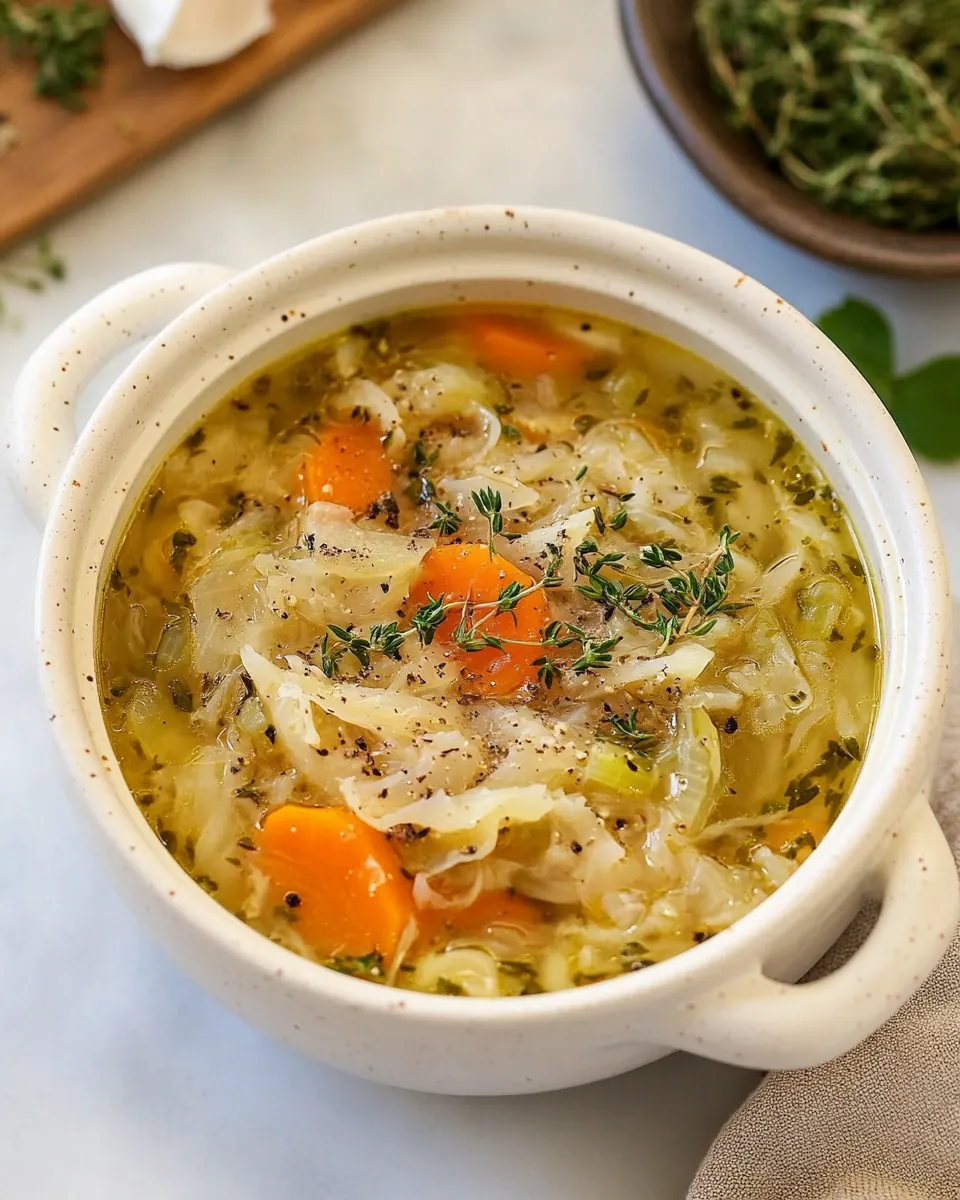
I like to think of these tips as the small decisions that elevate a good pot of soup into something memorable. Below are practical tweaks and variations that keep the recipe approachable while letting you personalize texture and intensity.
- Control the salt Start with a low sodium vegetable broth and taste before adding salt, because the sauerkraut can already be salty.
- Tone down acidity Rinse the sauerkraut lightly if you prefer a milder tang, but avoid rinsing too thoroughly or you will lose too much of the fermented flavor.
- Boost body without cream Gently mash some of the cannellini beans against the pot wall to naturally thicken the broth while remaining plant based.
- Even cooking Dice the potato into consistent 3/4 inch cubes so everything becomes tender at the same time and texture stays pleasing.
- Fresh herb timing Add the chopped dill just before serving for bright, fresh flavor; adding it too early wilts the herb and flattens the aroma.
- Adjust the caraway If you are new to caraway seeds, start with less and increase in future batches to match your preference for that distinct warm note.
Great Combinations for Sauerkraut Soup
This soup pairs well with simple sides and occasions that emphasize warmth and comfort. Below are serving ideas, seasonal notes, and storage tips to help you get the most from each pot.
- Crisp bread Serve with a crusty loaf or sliced rye to sop up the broth and add a crunchy contrast to the soft potato and beans.
- Light salad A simple green salad with a lemon vinaigrette complements the soup by offering a fresh, acidic counterpoint that plays nicely with the sauerkraut.
- Occasion This is perfect for winter evenings and cozy family dinners, or anytime you want a comforting weeknight meal that feels thoughtfully composed.
- Meal planning Make a double batch and refrigerate for up to four days, the flavors often meld and improve after an overnight rest.
- Freezing Freeze in portions for easy reheating, but omit fresh dill until serving to keep the herb bright.
- Seasonal pairing Serve during colder months when tangy, warming flavors feel particularly satisfying and help cut through heavier winter meals.
FAQ
Conclusion
What makes this soup special is its bright, satisfying tang combined with comforting, hearty ingredients like cannellini beans and potato. It manages to feel both nourishing and lively, which is why I reach for it on chilly evenings or when I want something simple that still feels thoughtful. Give it a try the next time you want a bowl that warms you from the inside out, and don’t forget to finish with fresh dill for that final fragrant lift. I hope it becomes one of your go to comfort soups, a recipe you return to whenever you need a reliable, flavorful meal.

Sauerkraut Soup
Equipment
- Large Pot
- Wooden Spoon
Ingredients
- 2 tablespoons olive oil Heat and flavor the base of the soup by sautéing aromatics and creating a light, savory fat that helps carry other flavors throughout the dish. Use at the start of cooking to bloom spices and prevent sticking while adding a subtle fruity richness.
- 1 medium onion diced Provide sweetness and depth when softened, adding layers of flavor and a mellow contrast to the tangy sauerkraut; cook until translucent to release natural sugars. Dice uniformly to ensure even cooking and a pleasant mouthfeel in each spoonful.
- 1 large carrot sliced Add earthy sweetness and a hint of texture while simmering to contribute body and color; slice thinly so carrot pieces become tender in the broth. Stir into the sauté early enough to release natural sugars and meld with other vegetables.
- 4 garlic cloves minced Lend a sharp, aromatic burst that brightens the soup and complements the fermented flavors; mince finely so garlic distributes evenly. Add during sautéing to mellow pungency and create an aromatic foundation without overpowering.
- 6 cups low-sodium vegetable broth Create the liquid backbone that simmers all ingredients together, extracting and melding flavors while keeping sodium controlled for a balanced broth. Pour hot or room temperature broth over sautéed vegetables and simmer until components are tender and integrated.
- 1 large russet potato diced into 3/4-inch cubes Contribute hearty starchiness and creamy texture as it breaks down slightly, helping thicken the broth and add substance; dice into uniform cubes for even tenderness. Simmer until fork-tender so potato pieces retain shape but offer a comforting bite.
- 1 can cannellini beans (15.5 ounces) drained and rinsed Provide protein and a smooth, creamy element that rounds out the soup while adding substance and slightly nutty flavor; drain and rinse to remove canning liquids. Stir in toward the end of cooking to heat through without falling apart completely.
- 3/4 teaspoon dried marjoram Impart warm, slightly sweet, and herbal notes that pair well with cabbage and potatoes; sprinkle during simmering to allow flavors to infuse the broth. Measure precisely to keep the herb presence noticeable but not dominant.
- 1/2 teaspoon Italian seasoning Add a balanced blend of Mediterranean herbs that bring oregano, basil, and thyme notes to the soup; incorporate early so flavors mellow and integrate. Use sparingly to avoid overpowering the delicate interplay between vegetables and sauerkraut.
- 1/2 teaspoon caraway seeds Introduce a distinctive, anise-like aroma and subtle earthiness that complements fermented cabbage and potatoes; toast lightly in the pan to release oils before adding liquids. Use whole or lightly crushed for textural interest and aromatic complexity.
- 1 jar sauerkraut (16 ounces) drained and rinsed Provide the characteristic tangy, fermented cabbage flavor that defines the soup, adding brightness, acidity, and savory depth; drain and rinse to control acidity and salt. Add during simmering so sauerkraut melds with broth while retaining some texture.
- Salt and pepper to taste Adjust seasoning balance by enhancing flavors and controlling overall taste; add gradually and taste as you go to avoid oversalting. Use freshly ground pepper to add mild heat and complexity that elevates the finished soup.
- 3 tablespoons fresh dill chopped, plus more for optional garnish Offer fresh herbaceous brightness and a slightly grassy finish that lifts the rich, tangy flavors; chop finely so dill distributes evenly. Stir in near the end of cooking or sprinkle as garnish to preserve aromatic freshness.
Instructions
- Heat olive oil in a large pot over medium heat. Add the diced onion and sliced carrot. Cook for about 10 minutes until the vegetables start to soften.: As the pan warms you should notice the oil shimmer slightly, which tells you it is ready to receive ingredients. The gentle heat keeps the olive oil from smoking, preserving its flavor. A common mistake is heating too high, which can scorch the oil and impart bitterness. If the oil begins to smoke, lower the heat immediately and wipe the pan clean if needed, then start again. Why this matters, sensory wise, is that properly warmed oil will carry the aroma of the next ingredients and create a soft sizzle when they hit the surface, signalling the start of flavor building.
- Stir in minced garlic and sauté for 1 minute until fragrant.: Once in the oil these vegetables should sizzle softly, and within a few minutes the onion will turn translucent and the carrot will start to lose its raw edge. Listen for a gentle sizzling sound and look for glossy, slightly softened edges as the visual cue. The goal is to coax sweetness out of the vegetables without browning them too quickly, because gentle caramelization deepens the flavor without adding a roasted note that does not belong here. Avoid rushing with high heat, which can brown the edges unevenly; patience produces a mellow, rounded base.
- Add the vegetable broth, diced potato, and cannellini beans along with dried marjoram, Italian seasoning, and caraway seeds. Bring to a boil, then reduce heat and simmer for 15 minutes or until the potato is fork-tender.: As the ten minutes pass, notice a warming, sweet aroma developing from the pot and the vegetables becoming tender when pierced with a fork. Texture is important, you want them softened but not falling apart so they continue to hold form in the soup. One common pitfall is under cooking the potato if it was added earlier; at this stage focus on the onion and carrot . If your pan seems dry, a splash of broth will keep the pan moisturized and help deglaze any fond, building complexity without burning.
- Stir in the sauerkraut and simmer for another 10 minutes. Season with salt and pepper, then mix in the fresh dill just before serving, garnishing with extra dill.: When the garlic hits the warm vegetables you will smell a bright, aromatic lift almost immediately, and the fragrant note signals it is time to move quickly. This step is short because burnt garlic tastes bitter and can ruin the base. Keep the heat moderate and stir constantly to release the aromatic oils without letting the bits stick and char. If you smell anything acrid, reduce heat and add a little broth to cool the pan.
- Add the vegetable broth, diced potato, and cannellini beans along with dried marjoram, Italian seasoning, and caraway seeds: Pouring in the vegetable broth will shift the pot from sauté to simmer, and you should hear a change from sizzling to a gentle bubbling. The potato and cannellini beans will start to soften and integrate into the liquid, and the dried herbs and caraway seeds will infuse their aromas. Stir to combine and bring the mixture up to a low boil. A frequent error is adding too much heat, which can over reduce the broth and leave unevenly cooked potatoes. Maintain a steady simmer for even cooking and clear, balanced flavors.
- Bring to a boil, then reduce heat and simmer for 15 minutes or until the potato is fork-tender: At the boil stage you will see livelier bubbling and steam rising; once you lower the heat a steady, gentle simmer should maintain small, calm bubbles. Test the potato by piercing a cube with a fork, aiming for tender but still slightly resistant. Overcooking will cause the potato to disintegrate and cloud the broth beyond the desired heartiness, while undercooking yields hard bits that distract from the soup's comfort. If the broth reduces too quickly, add a bit more warm broth or water and adjust seasoning later.
- Stir in the sauerkraut and simmer for another 10 minutes: Adding the sauerkraut introduces an immediate bright, tangy aroma; as it simmers the sharpness mellows and integrates with the broth. You should notice the broth taking on a slightly cloudy, savory tone and the overall scent becoming pleasantly tangy rather than sharp. Simmering allows the flavors to marry and the texture to soften just enough so the sauerkraut feels melded with the rest of the soup. Avoid over simmering beyond the suggested time, which can turn the kraut too soft and make the acidity dominate.
- Season with salt and pepper, then mix in the fresh dill just before serving: Taste carefully, because the canned and jarred components can carry salt; add small increments until balanced. The aromatic freshness of chopped dill should be added at the end, releasing a herbaceous scent and a bright, almost citrusy edge to the bowl. If you salt too early you may over amplify the saltiness as the liquid reduces during simmering. A good troubleshooting move is to refrigerate a small spoonful and taste it cold to ensure the finish is balanced before final seasoning.
- Garnishing with extra dill: A final sprinkle of extra chopped dill provides a visual pop and a burst of fresh flavor on the first spoonful, cutting through the tang and offering an herbaceous counterpoint. The aroma when you lean in to serve is an important sensory flourish, and it signals the soup is ready to enjoy. Avoid adding the garnish too far in advance, as it will wilt and lose its brightness; garnish just before serving for the best impression.
Notes
- Control the salt Start with a low sodium vegetable broth and taste before adding salt, because the sauerkraut can already be salty.
- Tone down acidity Rinse the sauerkraut lightly if you prefer a milder tang, but avoid rinsing too thoroughly or you will lose too much of the fermented flavor.
- Boost body without cream Gently mash some of the cannellini beans against the pot wall to naturally thicken the broth while remaining plant based.
- Even cooking Dice the potato into consistent 3/4 inch cubes so everything becomes tender at the same time and texture stays pleasing.
- Fresh herb timing Add the chopped dill just before serving for bright, fresh flavor; adding it too early wilts the herb and flattens the aroma.
- Adjust the caraway If you are new to caraway seeds, start with less and increase in future batches to match your preference for that distinct warm note.
