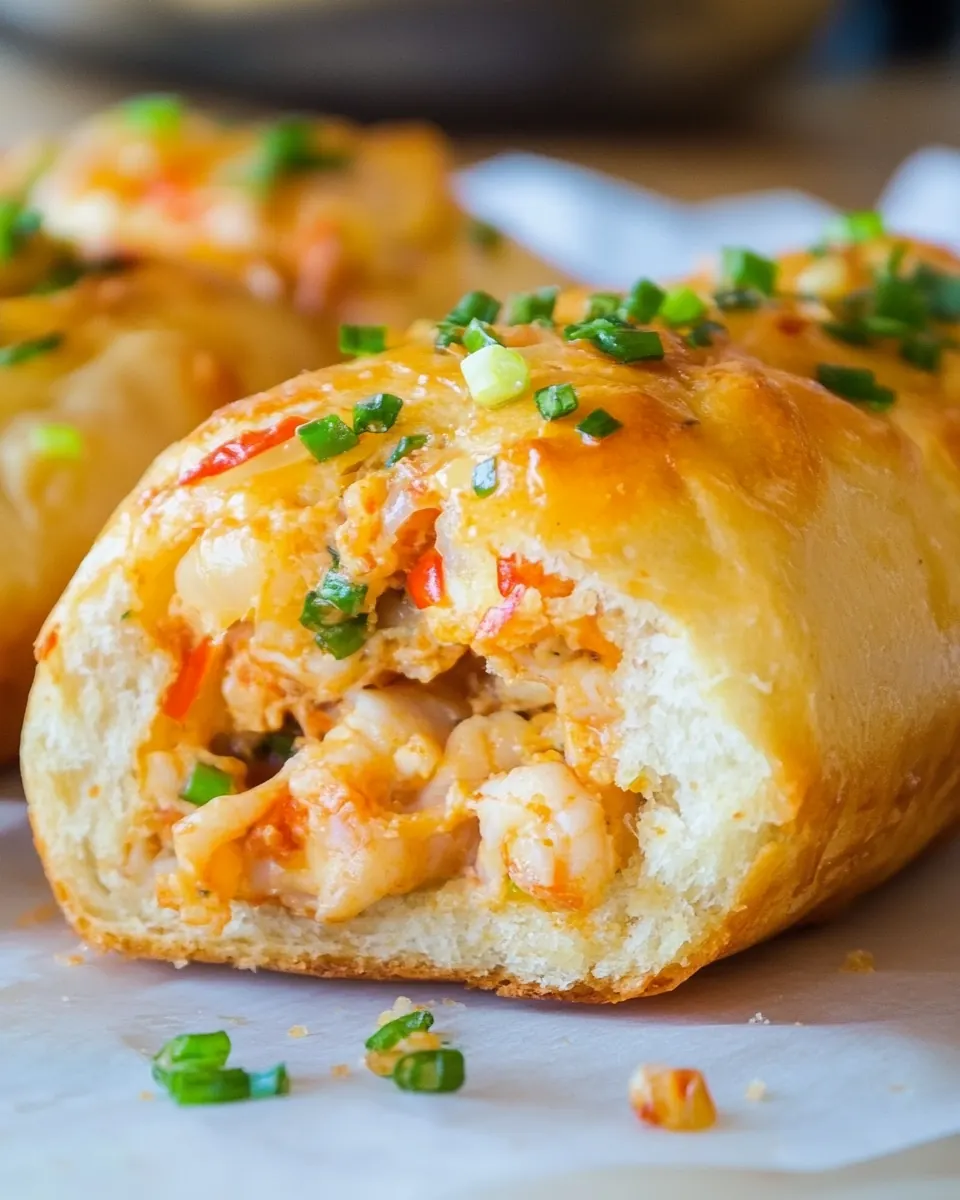
Crawfish Bread
Crawfish Bread is one of those recipes that takes me back to sunburned weekends on the bayou, where the air smelled of smoke and seafood and everyone talked over one another with laughter. I still remember the first time I saw a family member pull a foil wrapped loaf from a grill, the cheese bubbling audibly as steam hissed when the foil peeled back. From that instant I knew this was comfort food that demanded company, a fork, and a napkin or two.
I make Crawfish Bread whenever I want something that feels celebratory but not fussy. The toasted crust gives you that first crisp bite, then the inside is creamy and savory, studded with little bursts of crawfish and softened vegetables. I love how simple techniques and a handful of pantry items deliver something rich and crowd ready. That mix of textures is what keeps me coming back to the recipe; every time I serve it there is a moment when conversation pauses because someone is savoring that perfect cheesy pull.
When I prepare Crawfish Bread I like to play with pacing, letting the filling simmer long enough for flavors to meld while the bread patiently waits. Guests arrive, and I always find another good reason to slice another piece and test the temperature. It never feels like work, and it always ends in satisfied smiles. This dish is equal parts celebration and weekday indulgence, and once you taste it you will agree that some recipes are simply meant to be shared.
Recipe Snapshot
42 mins
12 mins
30 mins
Easy
350 kcal
American
Gluten-Free, Keto
Appetizers
Large skillet, Knife, Oven or barbecue pit, Foil
Why Try This Crawfish Bread
1 Texture Contrast
I adore how Crawfish Bread pairs a crisp exterior with a luxuriously creamy filling. The contrast keeps each bite interesting, and I often remark to guests that the crunch of the crust makes the soft, cheesy center taste even richer.
2 Bold, Southern Flavor
We get punchy, savory notes from the crawfish, onion, celery, and red bell pepper. These ingredients stack flavor quickly, so you end up with a filling that tastes like it took all day to make, even when it was assembled in under an hour.
3 Crowd Friendly
This is a recipe built for sharing. A single loaf yields multiple hearty portions, and it reheats well. I love serving it at casual gatherings because it feeds a group without demanding individual plating or fussy portioning.
4 Flexible Preparation
You can bake it in a conventional oven or finish it on a barbecue pit for an extra smoky edge. I often choose the method based on weather and whether I want that outdoor char. It adapts to what I have, and it always delivers pleasing results.
5 Comfort Food That Feels Special
There is something inherently satisfying about a stuffed loaf that oozes melted cheese and savory seafood. I find people treat it like a treat, and it has a way of turning an ordinary meal into a small celebration.
What You Need for Crawfish Bread
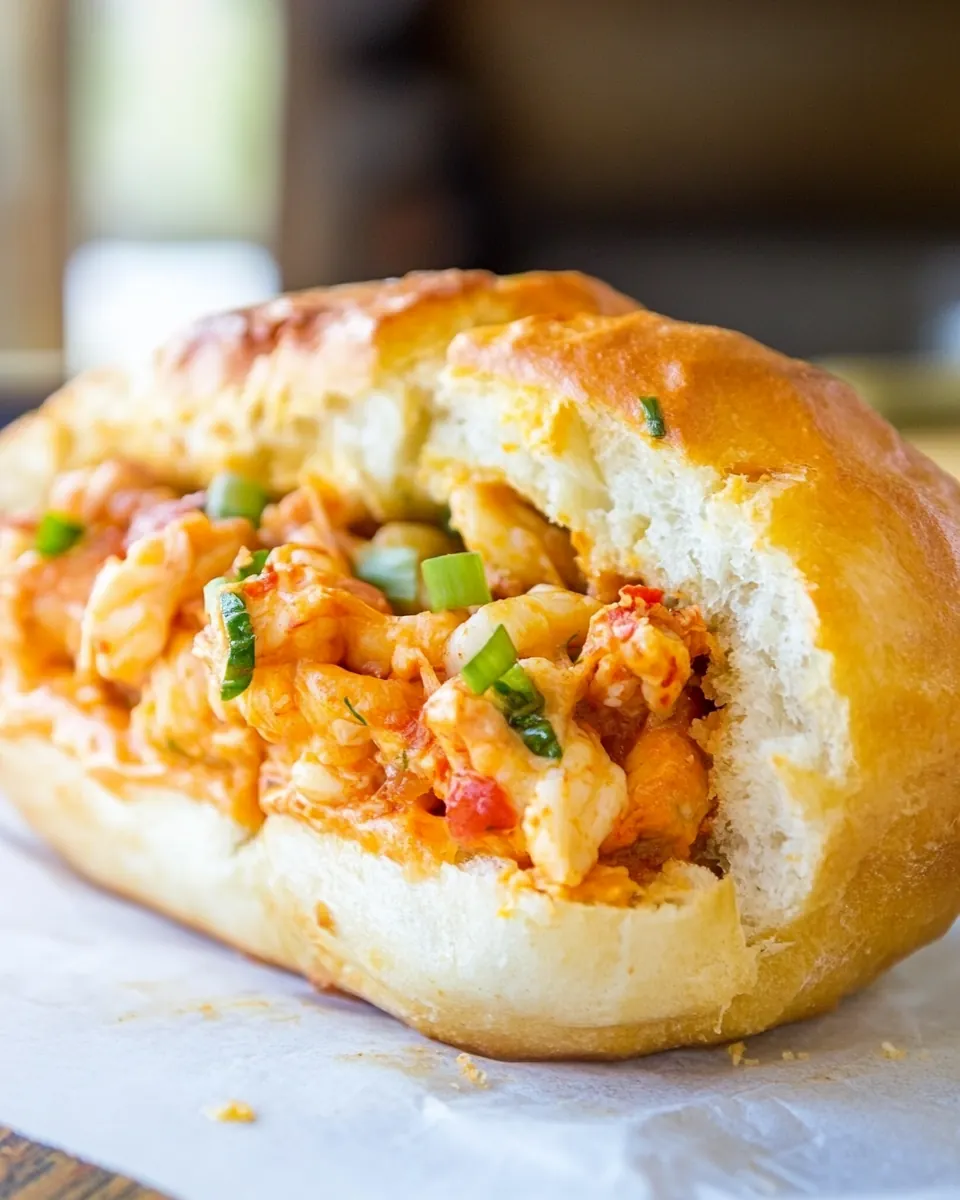
These ingredients are straightforward but purposeful. The filling relies on a balance of aromatics, tender crawfish, and two kinds of cheese to achieve a creamy, slightly tangy filling that clings to the interior of the loaf. The loaf itself provides structure and textural contrast, while butter and mayonnaise add richness and moisture.
- 2 cups peeled crawfish tails: Provide sweet, briny flavor and tender texture that form the protein base of the filling; gently fold into the mixture to preserve moisture and showcase seafood taste. Remove excess liquid before combining to prevent soggy bread and ensure even distribution. Pair with spices and aromatics to carry savory depth throughout the filling.
- 1 loaf French bread: Add crusty structure and a vehicle for the crawfish filling, offering contrast between crunchy exterior and soft, saucy interior. Slice or hollow to create boats for stuffing, and toast slightly if desired to hold up against moist ingredients. Choose a loaf with a sturdy crumb to avoid collapse when baked.
- 1/2 stick butter: Contribute rich, silky fat that binds ingredients and promotes browning for a glossy finished top; melt and incorporate early to coat aromatics. Use moderate amount to avoid greasiness while enhancing mouthfeel. Distribute evenly across bread surface for consistent flavor.
- 1/2 cup diced onion: Provide sweet, aromatic foundation and gentle sharpness when sautéed, building savory complexity in the filling. Dice uniformly to ensure even cooking and release of natural juices. Cook until translucent to mellow raw bite and blend with other vegetables.
- 1/2 cup diced celery: Offer crisp, grassy notes and subtle sweetness that balance richness and add textural contrast; cook until softened but not mushy. Dice to match other vegetables for a harmonious mouthfeel. Celery’s natural saltiness also helps season the mixture.
- 1/4 cup diced red bell pepper: Impart bright, slightly sweet pepper flavor and colorful visual appeal that lifts the overall dish; sauté briefly to soften while retaining freshness. Dice small to distribute bursts of flavor without overpowering. Red bell pepper also contributes mild natural sweetness.
- 1 tablespoon minced garlic: Deliver pungent, savory aroma and depth that enhances the seafood and vegetables; mince finely to meld throughout the filling. Cook briefly to temper raw sharpness and release fragrant oils. Garlic’s intensity binds flavors together when sautéed with butter.
- 1/2 teaspoon dry mustard: Add warm, tangy heat and subtle sharpness that complements creamy elements without overwhelming; sprinkle into the mixture to brighten flavors. Use measured amount to provide complexity reminiscent of mustard flavors. Dry mustard also helps stabilize emulsions.
- 1/2 cup mayonnaise: Provide creamy binder and rich mouthfeel that coats crawfish and vegetables, creating cohesive filling; mix thoroughly for even creaminess. Use mayonnaise to add tang and fat that balance spices and cheeses. Adjust quantity to control moisture level for stuffing.
- 1/3 cup shredded mozzarella cheese: Contribute mild, stretchy texture and delicate dairy flavor that helps achieve a gooey, melty topping when baked. Sprinkle evenly over the assembled bread to create strings of melted cheese and light creaminess. Combine with cheddar for balanced melt and flavor.
- 1/3 cup shredded cheddar cheese: Offer sharp, tangy flavor and robust color that intensifies the cheesy topping and adds savory depth to the filling. Grate finely to ensure even melting and bold taste distribution. Blend with mozzarella for both flavor and optimum browning.
The Process for Making Crawfish Bread
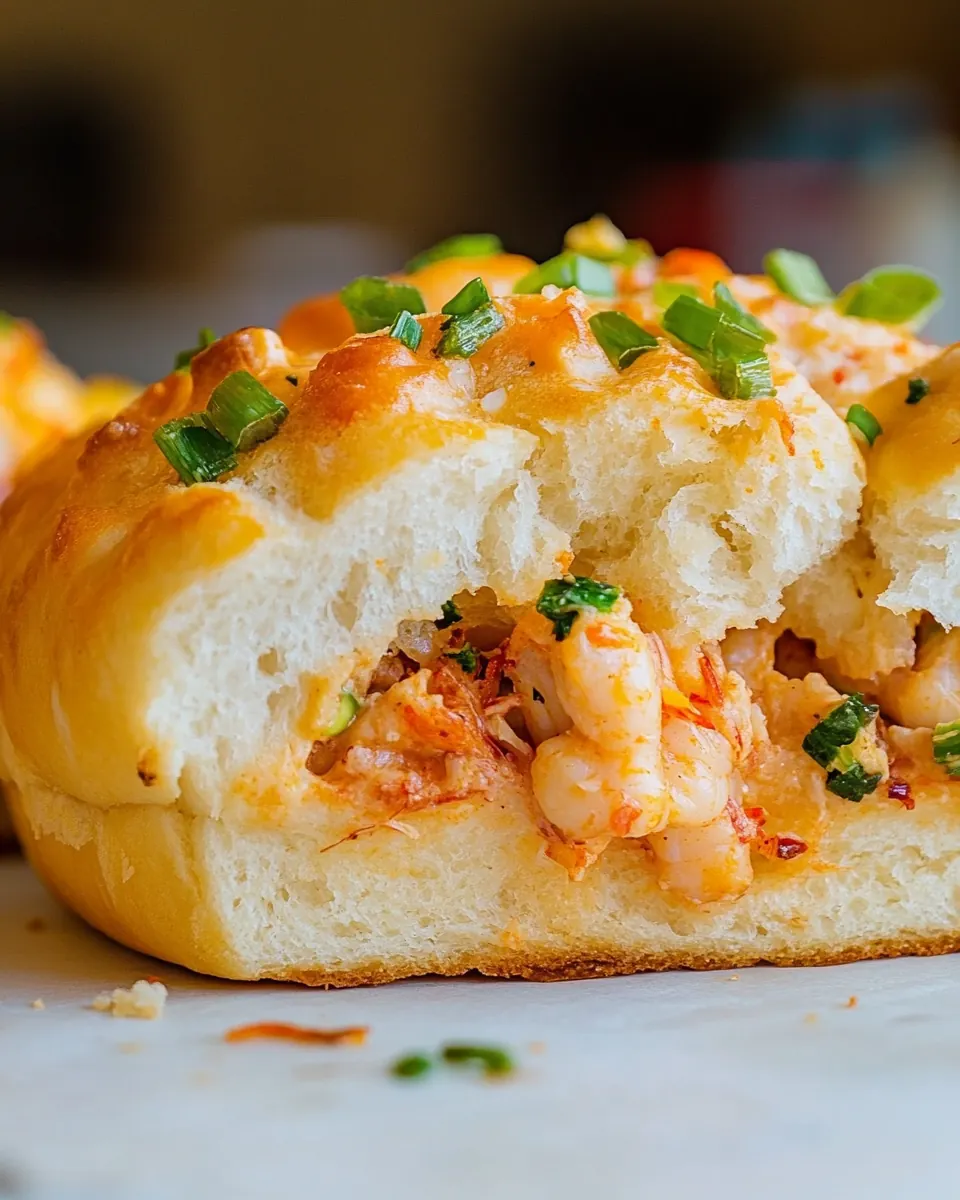
This recipe is hands on and rewarding, with a few assembly moments that make the final bake effortless. I like to set up a mise en place so everything is within reach, then work through sautéing, blending, and stuffing. The oven or barbecue adds the finishing warmth that marries flavors and crisps the crust.
- Slice French bread in half lengthwise and scoop out the inside of the loaf. Set aside.: You will hear the hollow thunk of the knife as you separate the loaf, and the exposed crumb should feel slightly springy to the touch. Scooping creates the cavity for the filling, and leaving a thin layer of interior keeps the loaf sturdy so it does not collapse during baking. A common mistake is removing too much bread which can cause structural failure when slicing. Preserve about a half inch of crumb along the edges to maintain shape.
- In a large skillet, melt butter over medium-high heat. Sauté crawfish, onions, celery, bell peppers and garlic 15 minutes. Blend in dry mustard and mayonnaise. Add cheeses and blend until melted.: As the butter foams, the vegetables will begin to soften and the kitchen will fill with sweet, savory aromas. The onion becomes translucent and the celery softens but retains slight texture, while the crawfish warm through and take on the flavored fat. Stirring helps the dry mustard distribute evenly into the mayonnaise , creating a silky emulsion that will coat each morsel. When you add the mozzarella and cheddar , you should hear a gentle bubbling and see the cheeses stretch into a unified, glossy mass. If the mixture seems watery, cook a little longer on low to evaporate excess moisture. Avoid crowding the skillet which can cause uneven cooking and soggy vegetables.
- Spread crawfish mixture inside the bread then put halves back together. Butter the top of the loaf, wrap it in foil and bake on a barbecue pit or in a 350°F oven for 20 to 30 minutes.: The filling should be warm and fragrant as you spoon it into the hollowed loaf, and the act of pressing the halves gently together helps the filling settle and bond to the inner crumb. You will notice a comforting weight as the loaf becomes filled, and the surface will look richly coated when the halves meet. A key reason to warm the filling beforehand is to melt the cheeses fully, ensuring a cohesive texture. Take care not to overfill which makes wrapping and baking messy, and wipe the edges clean so the foil seals neatly.
- Cut bread into slices and serve hot.: As the loaf bakes, the aroma of butter and cheese intensifies and the crust gradually deepens in color. On a barbecue pit you may detect a faint smokiness that layers beautifully with the crawfish . Inside, the filling will bubble gently and the cheeses will set into a creamy, sliceable interior. Tent the foil if the top begins to brown too quickly to prevent burning. A common mistake is removing the loaf too early, leaving the interior underheated and cheeses not fully melded; aim for a warm center and a golden exterior.
- Cut bread into slices and serve hot: When you slice the loaf, the knife will glide through a yielding center and the cross section should reveal marbled pockets of cheese and vegetables. Serve immediately so each slice retains creamy texture and warm meltiness. The contrast of the crisp crust and warm filling is most pronounced right after baking, and flavors settle as the loaf cools, so timeliness matters. Avoid letting slices sit too long as they can lose the alluring stretch of the cheeses and become denser.
Recipe Variations about Crawfish Bread
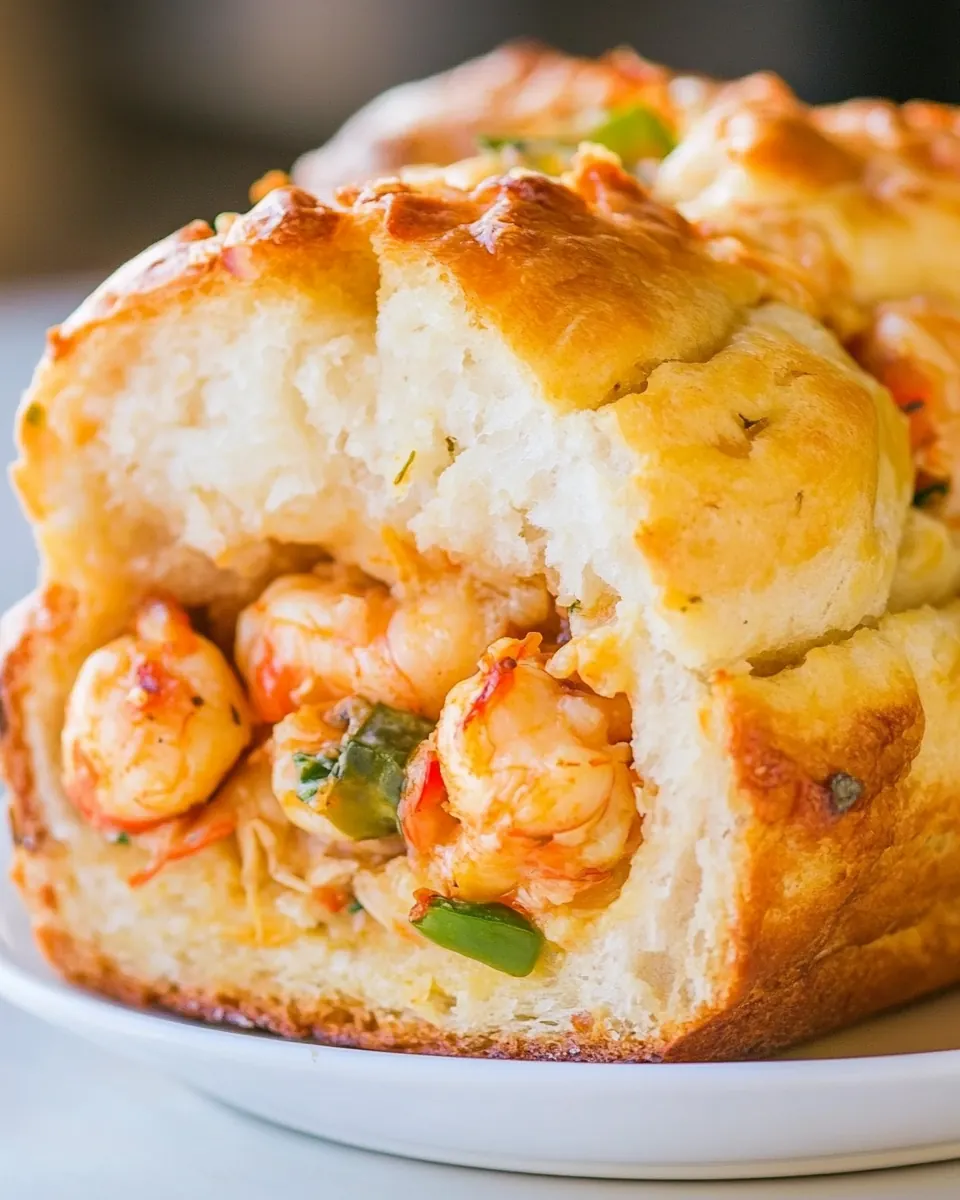
Below are several ways I like to adapt Crawfish Bread for different moods and occasions. Each variation leans on the same structure while emphasizing particular textures or flavors, and I always start with the basic recipe before experimenting.
- Smoky Finish Finish the loaf on a barbecue pit instead of the oven to introduce a delicate smoke note that pairs beautifully with the sweetness of the crawfish.
- Extra Cheesy Increase the cheddar to intensify savory tang, and add a bit more mozzarella for added stretch in the finished slices.
- Mild Spice Add a pinch more dry mustard to the filling for a subtle warmth that brightens the overall flavor without overpowering the crawfish.
- Crispier Top Unwrap the loaf for the final five minutes of baking to allow the crust to brown and develop a satisfying crunch.
- Make Ahead Prepare the filling up to a day ahead and refrigerate, then stuff and bake just before serving to save time on the day of your gathering.
What Goes Well With This Crawfish Bread
Crawfish Bread pairs well with bright, simple sides that balance its richness. I prefer fresh, acidic contrasts and crisp textures that cleanse the palate between decadent bites. For occasions, it works equally well for casual get togethers or festive meals where people graze and chat.
- Light Salad A green salad with a vinegar forward dressing cuts through the richness and adds a refreshing contrast.
- Pickles or Quick Relish Tangy pickles brighten the plate and offer crunchy counterpoints to the soft filling.
- Coleslaw A crisp coleslaw provides texture and a cooling element, especially useful if you serve the bread at outdoor gatherings.
- Simple Soup A clear, broth based soup will complement the loaf without adding heaviness, making it suitable for a casual lunch or dinner.
- Occasion Suggestions Serve for weekend gatherings, game day spreads, or holidays where communal sharing is welcome. It fits both casual and celebratory contexts.
- Storage Tips Wrap leftover slices tightly and refrigerate. Reheat in a low oven to restore warmth and melt the cheeses back to a pleasing consistency.
- Seasonal Pairings Works year round, though I especially enjoy it in warmer months when outdoor cooking makes the barbecue option an attractive choice.
FAQ
Conclusion
Crawfish Bread stands out because it combines bold Southern flavors with a comforting, shareable format. It feels festive yet approachable, making it perfect for both casual get togethers and memorable meals. Give it a try next time you want a dish that brings people together, and enjoy how simple steps produce something rich, texturally interesting, and utterly satisfying. Once you taste that warm, cheesy filling and the crisp bread, you will understand why this recipe becomes a favorite at any table.

Crawfish Bread
Equipment
- Large Skillet
- Knife
- Oven or barbecue pit
- Foil
Ingredients
- 2 cups peeled crawfish tails Provide sweet, briny flavor and tender texture that form the protein base of the filling; gently fold into the mixture to preserve moisture and showcase seafood taste. Remove excess liquid before combining to prevent soggy bread and ensure even distribution. Pair with spices and aromatics to carry savory depth throughout the filling.
- 1 loaf French bread Add crusty structure and a vehicle for the crawfish filling, offering contrast between crunchy exterior and soft, saucy interior. Slice or hollow to create boats for stuffing, and toast slightly if desired to hold up against moist ingredients. Choose a loaf with a sturdy crumb to avoid collapse when baked.
- 1/2 stick butter Contribute rich, silky fat that binds ingredients and promotes browning for a glossy finished top; melt and incorporate early to coat aromatics. Use moderate amount to avoid greasiness while enhancing mouthfeel. Distribute evenly across bread surface for consistent flavor.
- 1/2 cup diced onion Provide sweet, aromatic foundation and gentle sharpness when sautéed, building savory complexity in the filling. Dice uniformly to ensure even cooking and release of natural juices. Cook until translucent to mellow raw bite and blend with other vegetables.
- 1/2 cup diced celery Offer crisp, grassy notes and subtle sweetness that balance richness and add textural contrast; cook until softened but not mushy. Dice to match other vegetables for a harmonious mouthfeel. Celery’s natural saltiness also helps season the mixture.
- 1/4 cup diced red bell pepper Impart bright, slightly sweet pepper flavor and colorful visual appeal that lifts the overall dish; sauté briefly to soften while retaining freshness. Dice small to distribute bursts of flavor without overpowering. Red bell pepper also contributes mild natural sweetness.
- 1 tablespoon minced garlic Deliver pungent, savory aroma and depth that enhances the seafood and vegetables; mince finely to meld throughout the filling. Cook briefly to temper raw sharpness and release fragrant oils. Garlic’s intensity binds flavors together when sautéed with butter.
- 1/2 teaspoon dry mustard Add warm, tangy heat and subtle sharpness that complements creamy elements without overwhelming; sprinkle into the mixture to brighten flavors. Use measured amount to provide complexity reminiscent of mustard flavors. Dry mustard also helps stabilize emulsions.
- 1/2 cup mayonnaise Provide creamy binder and rich mouthfeel that coats crawfish and vegetables, creating cohesive filling; mix thoroughly for even creaminess. Use mayonnaise to add tang and fat that balance spices and cheeses. Adjust quantity to control moisture level for stuffing.
- 1/3 cup shredded mozzarella cheese Contribute mild, stretchy texture and delicate dairy flavor that helps achieve a gooey, melty topping when baked. Sprinkle evenly over the assembled bread to create strings of melted cheese and light creaminess. Combine with cheddar for balanced melt and flavor.
- 1/3 cup shredded cheddar cheese Offer sharp, tangy flavor and robust color that intensifies the cheesy topping and adds savory depth to the filling. Grate finely to ensure even melting and bold taste distribution. Blend with mozzarella for both flavor and optimum browning.
Instructions
- Slice French bread in half lengthwise and scoop out the inside of the loaf. Set aside.: You will hear the hollow thunk of the knife as you separate the loaf, and the exposed crumb should feel slightly springy to the touch. Scooping creates the cavity for the filling, and leaving a thin layer of interior keeps the loaf sturdy so it does not collapse during baking. A common mistake is removing too much bread which can cause structural failure when slicing. Preserve about a half inch of crumb along the edges to maintain shape.
- In a large skillet, melt butter over medium-high heat. Sauté crawfish, onions, celery, bell peppers and garlic 15 minutes. Blend in dry mustard and mayonnaise. Add cheeses and blend until melted.: As the butter foams, the vegetables will begin to soften and the kitchen will fill with sweet, savory aromas. The onion becomes translucent and the celery softens but retains slight texture, while the crawfish warm through and take on the flavored fat. Stirring helps the dry mustard distribute evenly into the mayonnaise , creating a silky emulsion that will coat each morsel. When you add the mozzarella and cheddar , you should hear a gentle bubbling and see the cheeses stretch into a unified, glossy mass. If the mixture seems watery, cook a little longer on low to evaporate excess moisture. Avoid crowding the skillet which can cause uneven cooking and soggy vegetables.
- Spread crawfish mixture inside the bread then put halves back together. Butter the top of the loaf, wrap it in foil and bake on a barbecue pit or in a 350°F oven for 20 to 30 minutes.: The filling should be warm and fragrant as you spoon it into the hollowed loaf, and the act of pressing the halves gently together helps the filling settle and bond to the inner crumb. You will notice a comforting weight as the loaf becomes filled, and the surface will look richly coated when the halves meet. A key reason to warm the filling beforehand is to melt the cheeses fully, ensuring a cohesive texture. Take care not to overfill which makes wrapping and baking messy, and wipe the edges clean so the foil seals neatly.
- Cut bread into slices and serve hot.: As the loaf bakes, the aroma of butter and cheese intensifies and the crust gradually deepens in color. On a barbecue pit you may detect a faint smokiness that layers beautifully with the crawfish . Inside, the filling will bubble gently and the cheeses will set into a creamy, sliceable interior. Tent the foil if the top begins to brown too quickly to prevent burning. A common mistake is removing the loaf too early, leaving the interior underheated and cheeses not fully melded; aim for a warm center and a golden exterior.
- Cut bread into slices and serve hot: When you slice the loaf, the knife will glide through a yielding center and the cross section should reveal marbled pockets of cheese and vegetables. Serve immediately so each slice retains creamy texture and warm meltiness. The contrast of the crisp crust and warm filling is most pronounced right after baking, and flavors settle as the loaf cools, so timeliness matters. Avoid letting slices sit too long as they can lose the alluring stretch of the cheeses and become denser.
Notes
- Smoky Finish Finish the loaf on a barbecue pit instead of the oven to introduce a delicate smoke note that pairs beautifully with the sweetness of the crawfish.
- Extra Cheesy Increase the cheddar to intensify savory tang, and add a bit more mozzarella for added stretch in the finished slices.
- Mild Spice Add a pinch more dry mustard to the filling for a subtle warmth that brightens the overall flavor without overpowering the crawfish.
- Crispier Top Unwrap the loaf for the final five minutes of baking to allow the crust to brown and develop a satisfying crunch.
- Make Ahead Prepare the filling up to a day ahead and refrigerate, then stuff and bake just before serving to save time on the day of your gathering.
