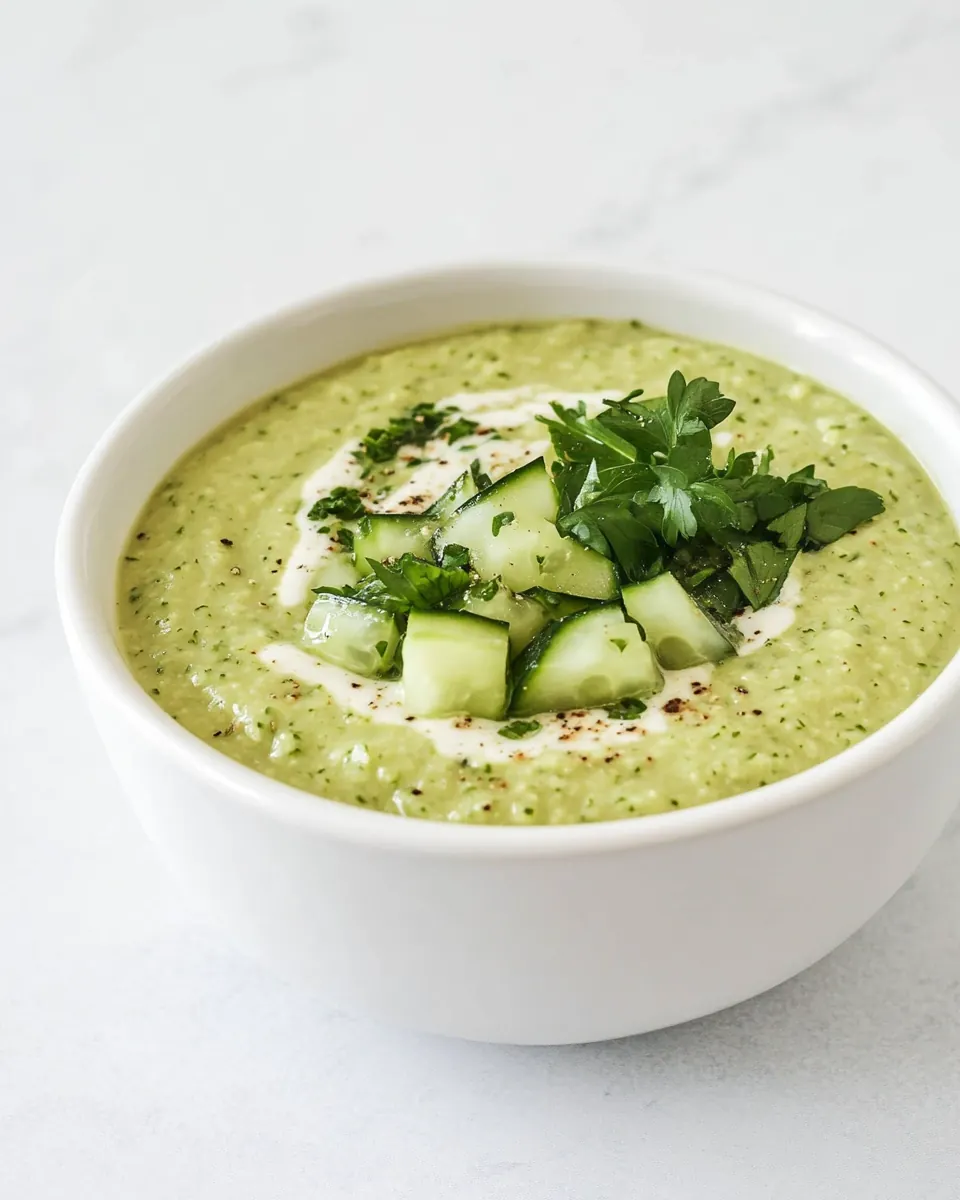
Cold Cucumber Soup
Cold Cucumber Soup has been my go to when the heat lingers and I want something that feels like a cool exhale. The first time I made it I was coming back from a long farmers market run with a bounty of crisp produce, and the simplicity of a blender, a ripe avocado, and a bright lemon felt almost therapeutic. I remember standing at the counter, tasting the puree and thinking how the texture was silky yet vibrant, exactly what I wanted on a day when heavy meals felt wrong.
Over the years I have tweaked tiny things, from how I chop the cucumber to whether I pulse or run the blender at high speed. Friends who were skeptical at first often leave converted, texting me later that night about how refreshing it was. I like to serve this soup when I want an easy starter that still feels thoughtful, or as a light main on afternoons when plans call for something simple and satisfying. The way the flavors settle after a chill in the fridge is one of those small kitchen pleasures that keeps me coming back to this recipe.
Recipe Snapshot
15 mins
15 mins
Easy
120 kcal
Mediterranean
Vegan, Gluten-Free
Soups
our Vitamix A2300, Immersion hand blender with 20 fl oz container, Regular blender
The Best Thing About This Cold Cucumber Soup
Bright and Refreshing Flavor
I love how Cold Cucumber Soup captures bright acidity from the lemon and a cool vegetal note from the cucumber. The combination is lively without being sharp, and the avocado adds a creamy balance that makes each spoonful feel indulgent yet light. I often find it startlingly satisfying on a humid day, because it cools you down while still feeling substantial.
Speed and Simplicity
One of the reasons I reach for this dish is how fast it comes together. With just a few thoughtful moves and a blender, you have a bowl ready to chill. I appreciate recipes that respect time, and this one delivers real results with minimal fuss. It is a reliable option for last minute lunches when you still want to impress without a long prep session.
Versatile Serving Options
We can serve this Cold Cucumber Soup as a starter, a light lunch, or a palate cleanser between courses. I like to finish it with a drizzle of olive oil and a grind of black pepper, which elevates the experience. Its mild flavor profile also lets you pair it with a wide variety of sides, and it sits comfortably around dishes with bolder spices or textures.
Fresh Ingredient Focus
I adore that this recipe celebrates raw, fresh produce. The success of the soup hinges on the quality of the key players, so when the market yields a crunchy cucumber and a silky avocado, the result is unbeatable. Because everything is raw, the ingredients really speak for themselves, and I find that clarity of flavor immensely rewarding.
Make Ahead Magic
One of my favorite conveniences is that the soup benefits from chilling. I often make it a few hours ahead so the flavors relax and knit together. That patience pays off with a deeper, more harmonious bowl that tastes like it spent the afternoon maturing, even though it took very little hands on time to prepare.
What Goes Into Cold Cucumber Soup
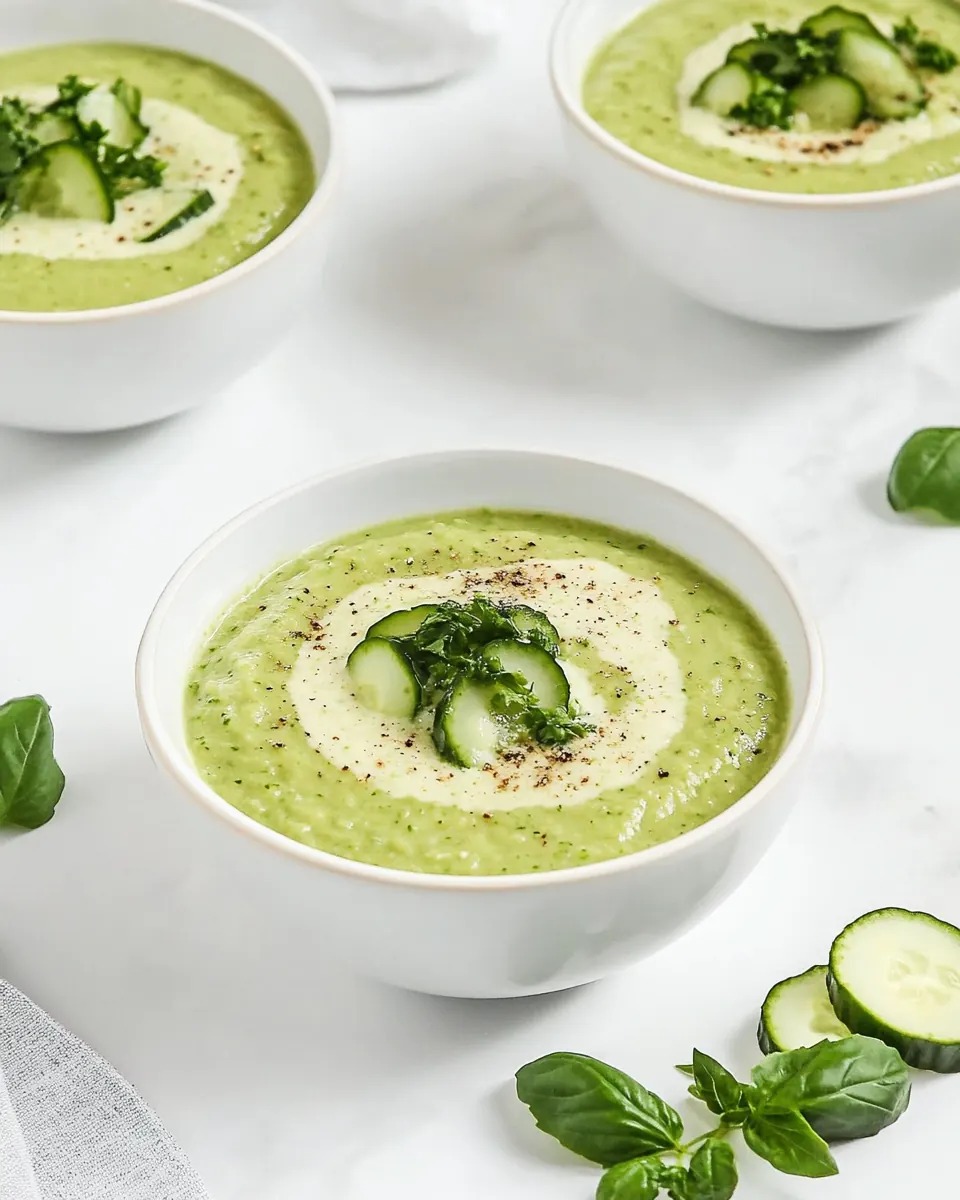
The philosophy behind these ingredients is effortless harmony. Each item plays a clear role: the cucumber brings cooling water content and a light vegetal note, the avocado supplies creamy body, and the lemon offers bright acidity. Aromatics like shallot and garlic give subtle depth without overpowering the freshness. A small amount of olive oil and seasoning help the flavors meld and round out the mouthfeel.
- 1 large cucumber, diced: Provide cool, crisp texture and a hydrating base that lightens the soup; peel if desired and dice uniformly to blend smoothly while leaving small bits for mouthfeel. Add brightness and freshness that pairs well with citrus and herbs, helping balance richer ingredients like avocado.
- 1 avocado: Contribute creamy richness and silky body that thickens the soup naturally when pureed; pit and scoop the flesh to avoid bitterness from the skin if overripe. Supply healthy fats that carry flavors and create a satisfying, velvety mouthfeel.
- 1 shallot: Offer a mild, sweet oniony background that adds subtle depth without overpowering; finely minced shallot blends into the soup to provide aromatic complexity. Help bridge the flavors between garlic, citrus, and herbs while adding a delicate savory note.
- 1 clove garlic: Introduce a sharp, pungent accent that brightens and enhances savory flavors; mince or press the garlic for an even distribution throughout the soup. Deliver aromatic warmth that complements the cucumber and avocado while preventing flatness.
- 1/4 cup fresh cilantro, washed, chopped, loosely packed: Impart fresh herbal brightness and slightly citrusy undertones that lift the overall flavor; wash thoroughly and chop loosely to release oils without overpowering the soup. Provide visual contrast and aromatic complexity that pairs well with lemon and cucumber.
- 3 4 tbsp lemon juice, freshly squeezed: Add lively acidity and brightness to balance the richness of avocado and oil; squeeze fresh lemon juice for the best clarity of flavor and adjust between 3–4 tablespoons to taste. Help preserve color and enhance overall freshness while cutting through creamy textures.
- 2 tbsp olive oil: Provide smooth, fruity fat that rounds flavors and improves mouthfeel; whisk into the soup or drizzle when blending to emulsify the mixture. Supply a subtle savory backbone that carries aromatics and adds richness without heaviness.
- 1/2 tsp sea salt: Season gently to enhance and unify all flavors without masking delicate notes; start with 1/2 teaspoon and adjust after blending to taste. Help bring out natural sweetness in cucumber and balance the acidity from lemon juice.
- 1/2 tsp black pepper: Add mild heat and background spice that sharpens the soup’s flavor profile; freshly ground black pepper disperses evenly and complements the garlic and lemon. Use sparingly to avoid overpowering the cooling cucumber and creamy avocado.
Recipe Directions for Cold Cucumber Soup
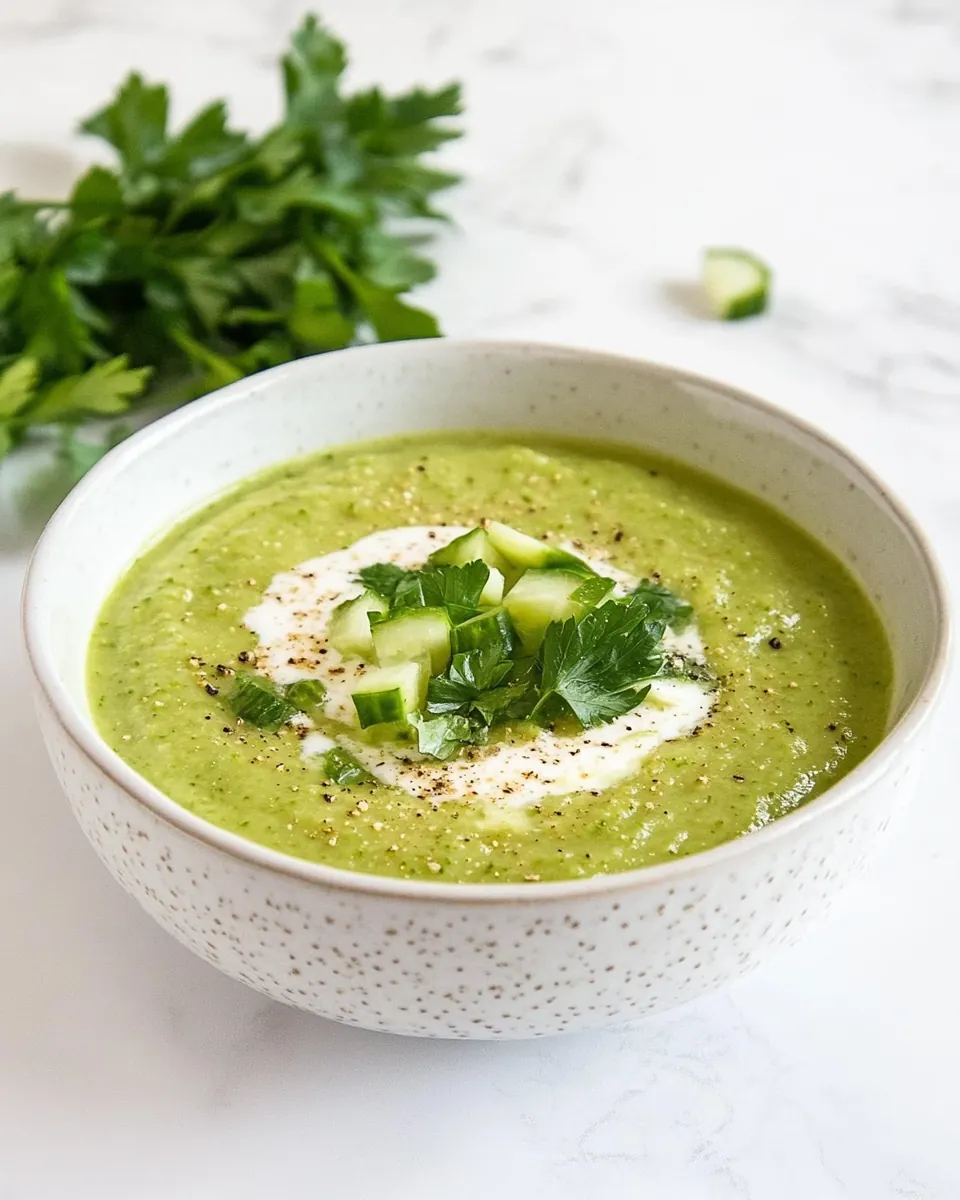
This recipe is built around a few clean steps, and a blender does most of the work. I like to think of the directions as a rhythm: chop, combine, blend, chill, and finish. Read through them once so you feel comfortable before starting, then follow the flow to achieve the best texture and flavor.
- Coarsely dice the cucumber, shallot, and cilantro leaves.: Right away you will notice the crisp snap of the cucumber as you cut it, its pale green flesh gleaming with tiny beads of moisture. Coarse dicing gives the blender some good pieces to work with, helping it break down evenly rather than turning everything into an uneven puree. The scent will be fresh and vegetal, with a faint oniony lift from the shallot . A key reason for this step is to avoid overworking the blender motor by feeding it large, intact vegetables, and to prevent a watery soup from sudden cell rupture. A frequent error is leaving the ingredients whole which forces the blender to strain and can make the final texture inconsistent.
- Add to a blender, along with the avocado flesh and lightly crushed garlic clove.: When you add the creamy avocado and the lightly crushed garlic , the aroma changes, gaining a subtle richness and a hint of warmth. Crushing the garlic gently releases its oils so the flavor integrates without dominating. This step matters because the avocado will emulsify and bind the watery cucumber into a smooth body, creating the soup's characteristic creaminess. A common misstep is using the avocado with the skin on, or one that is not at the right ripeness, which can yield lumps or a flat flavor.
- Add the olive oil, 3 tbsp lemon juice, 2 tbsp water, salt, and pepper.: As you pour in the olive oil and fresh lemon juice, you should see the ingredients start to glisten and smell bright. The small amount of water helps the blades move without diluting the flavor too much. Salt and black pepper should be added judiciously because they amplify the other elements, bringing forward the citrus and calming the raw edge of the shallot . This combination creates balance, and the reason these precise amounts matter is to avoid a thin or overly acidic soup. A classic mistake is adding too much water at once, which leaves the soup lacking body.
- Blend until smooth. Add more lemon juice and water as needed.: As the blender runs, the mixture will transform from chunky bits into a glossy, homogenous puree. You will hear the blades ease, and the smell will grow more integrated, shedding sharp edges into a rounded aroma. Blending fully is important for a silky texture; the avocado must be fully incorporated for that creamy mouthfeel. If the blender struggles, stop and scrape down the sides, or add a tablespoon of water to help the process. Overblending can heat the soup slightly and mute the freshest notes, so blend just until smooth.
- Once desired consistency is reached, cover and place in the fridge for 1 hour before serving to allow the flavours to develop.: After the initial blend, taste for brightness and texture. You may prefer another splash of lemon for zip, or a touch more water if you want a thinner, more sipable consistency. This tasting moment is where you tailor the soup to your preferences. I often find that tiny adjustments here elevate the entire bowl. A pitfall is to add too much acid expecting it to fade; it will remain prominent, so increase gradually.
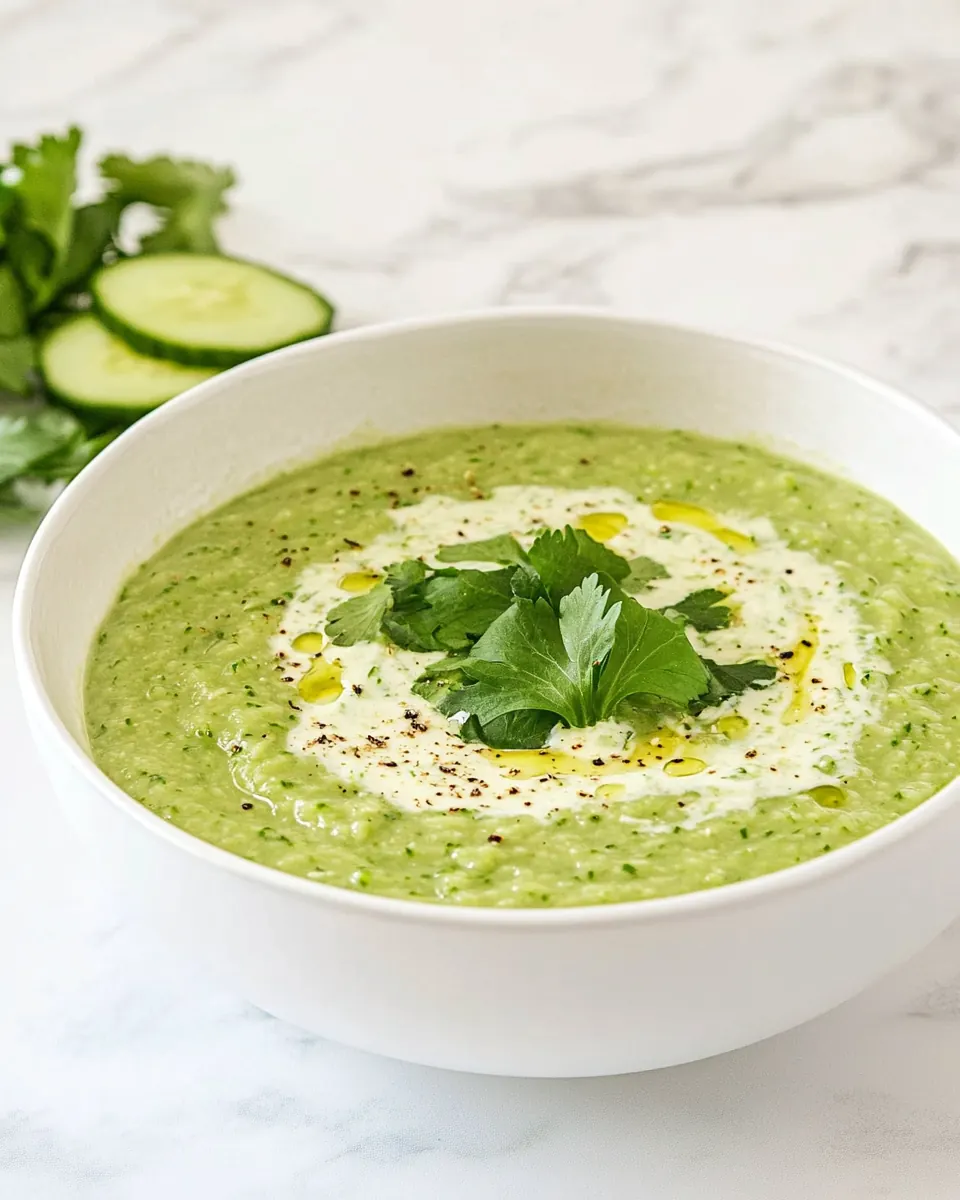
- Serve cold with a drizzle of olive oil, chopped cilantro, and fresh ground black pepper.: Chilling the soup calms the raw aromatics and lets the flavors marry, producing a deeper, more cohesive profile. As it cools the texture firms slightly and the taste becomes rounder and more approachable. I recommend at least an hour for a noticeable difference, though longer yields a more mellow result. Watch out for overly long storage at room temperature since the soup is raw; refrigeration preserves freshness and safety.
- Serve cold with a drizzle of olive oil, chopped cilantro, and fresh ground black pepper: The final presentation adds sensory contrast, with the glossy olive oil gleaming on top, flecks of chopped cilantro for green bursts, and the warm bite of freshly ground black pepper . The aroma on the first spoonful should be bright and inviting, while the texture remains silky. Garnishes are not just pretty they contribute a finishing flavor and textural lift. A common oversight is serving the soup too warm, which masks the crisp qualities that make it so refreshing.
Tips and Tricks about Cold Cucumber Soup
This soup rewards attention to small details, and with the right approach it becomes reliably excellent. Below are expanded tips that come from making this bowl many times, covering ingredient selection and finishing touches to help you get the best result every time.
- Pick the right cucumber Choose a firm, unwrinkled cucumber for the cleanest flavor and crispest texture, avoiding overly seedy or soft specimens that make the soup watery.
- Ripe avocado matters Use an avocado that yields to gentle pressure; an underripe one will remain grainy and an overripe one can be mushy and off in flavor, so aim for creamy perfection.
- Fresh lemon juice only Freshly squeezed lemon juice brightens the soup far better than bottled options, giving a lively acidity that lifts the other ingredients.
- Control raw garlic A single lightly crushed garlic clove provides depth without overpowering; if you are sensitive, rub the clove on the bowl rim or reduce to half a clove.
- Chill to deepen flavor Refrigerate the soup for at least one hour so the flavors meld; as it chills, the taste becomes more harmonious and rounded.
- Adjust consistency deliberately Add water in small amounts to reach your desired thickness, because thinness is easy to add, and hard to remove once achieved.
Serving This Cold Cucumber Soup
This soup is flexible and elegant, easy to plate for casual lunches or more formal starters. Below are thoughtful serving ideas, storage notes, and pairing suggestions to help you present the bowl in ways that feel deliberate and seasonally appropriate.
- Chilled starter Serve small bowls as a refreshing prelude to a summer dinner, pairing well with grilled vegetables or light fish to balance textures.
- Light main Present a larger portion with a side of crusty bread for a light lunch, the bread providing a contrasting chew to the soup’s silkiness.
- Brunch option Offer alongside a simple salad or toasted whole grain for a midday meal that feels both fresh and satisfying.
- Occasions Ideal for warm weather gatherings, alfresco lunches, or when you want a cooling dish during Ramadan if you are looking for a light iftar starter that won’t weigh you down.
- Storage Keep refrigerated in an airtight container for up to three days; note the color may deepen as the ingredients oxidize, but the flavor remains pleasant when eaten within this window.
- Garnish ideas Finish with a drizzle of olive oil, a few chopped sprigs of cilantro, and a crack of black pepper to add aroma, texture, and visual appeal.
FAQ
Conclusion
Cold Cucumber Soup stands out for its simple elegance, marrying crisp cucumber, creamy avocado, and bright lemon into a silky chilled bowl. It is easy to pull together, makes a great make ahead option, and showcases fresh ingredients in a way that feels both light and satisfying. I hope you give it a try on a warm day or when you want a clean, refreshing meal, and enjoy how quickly it comes together with little fuss but big flavor.
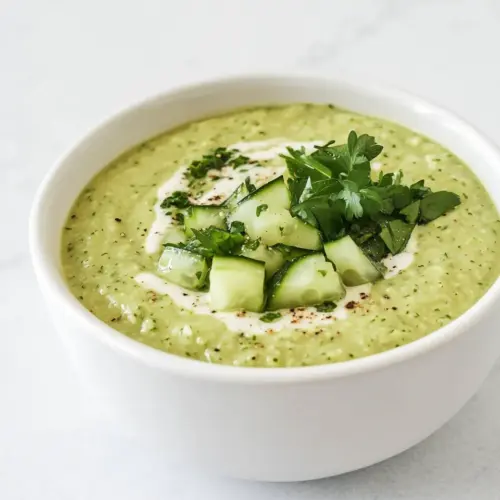
Cold Cucumber Soup
Equipment
- our Vitamix A2300
- Immersion hand blender with 20 fl oz container
- Regular blender
Ingredients
- 1 large cucumber, diced Provide cool, crisp texture and a hydrating base that lightens the soup; peel if desired and dice uniformly to blend smoothly while leaving small bits for mouthfeel. Add brightness and freshness that pairs well with citrus and herbs, helping balance richer ingredients like avocado.
- 1 avocado Contribute creamy richness and silky body that thickens the soup naturally when pureed; pit and scoop the flesh to avoid bitterness from the skin if overripe. Supply healthy fats that carry flavors and create a satisfying, velvety mouthfeel.
- 1 shallot Offer a mild, sweet oniony background that adds subtle depth without overpowering; finely minced shallot blends into the soup to provide aromatic complexity. Help bridge the flavors between garlic, citrus, and herbs while adding a delicate savory note.
- 1 clove garlic Introduce a sharp, pungent accent that brightens and enhances savory flavors; mince or press the garlic for an even distribution throughout the soup. Deliver aromatic warmth that complements the cucumber and avocado while preventing flatness.
- 1/4 cup fresh cilantro, washed, chopped, loosely packed Impart fresh herbal brightness and slightly citrusy undertones that lift the overall flavor; wash thoroughly and chop loosely to release oils without overpowering the soup. Provide visual contrast and aromatic complexity that pairs well with lemon and cucumber.
- 3 -4 tbsp lemon juice, freshly squeezed Add lively acidity and brightness to balance the richness of avocado and oil; squeeze fresh lemon juice for the best clarity of flavor and adjust between 3–4 tablespoons to taste. Help preserve color and enhance overall freshness while cutting through creamy textures.
- 2 tbsp olive oil Provide smooth, fruity fat that rounds flavors and improves mouthfeel; whisk into the soup or drizzle when blending to emulsify the mixture. Supply a subtle savory backbone that carries aromatics and adds richness without heaviness.
- 1/2 tsp sea salt Season gently to enhance and unify all flavors without masking delicate notes; start with 1/2 teaspoon and adjust after blending to taste. Help bring out natural sweetness in cucumber and balance the acidity from lemon juice.
- 1/2 tsp black pepper Add mild heat and background spice that sharpens the soup’s flavor profile; freshly ground black pepper disperses evenly and complements the garlic and lemon. Use sparingly to avoid overpowering the cooling cucumber and creamy avocado.
Instructions
- Coarsely dice the cucumber, shallot, and cilantro leaves.: Right away you will notice the crisp snap of the cucumber as you cut it, its pale green flesh gleaming with tiny beads of moisture. Coarse dicing gives the blender some good pieces to work with, helping it break down evenly rather than turning everything into an uneven puree. The scent will be fresh and vegetal, with a faint oniony lift from the shallot . A key reason for this step is to avoid overworking the blender motor by feeding it large, intact vegetables, and to prevent a watery soup from sudden cell rupture. A frequent error is leaving the ingredients whole which forces the blender to strain and can make the final texture inconsistent.
- Add to a blender, along with the avocado flesh and lightly crushed garlic clove.: When you add the creamy avocado and the lightly crushed garlic , the aroma changes, gaining a subtle richness and a hint of warmth. Crushing the garlic gently releases its oils so the flavor integrates without dominating. This step matters because the avocado will emulsify and bind the watery cucumber into a smooth body, creating the soup's characteristic creaminess. A common misstep is using the avocado with the skin on, or one that is not at the right ripeness, which can yield lumps or a flat flavor.
- Add the olive oil, 3 tbsp lemon juice, 2 tbsp water, salt, and pepper.: As you pour in the olive oil and fresh lemon juice, you should see the ingredients start to glisten and smell bright. The small amount of water helps the blades move without diluting the flavor too much. Salt and black pepper should be added judiciously because they amplify the other elements, bringing forward the citrus and calming the raw edge of the shallot . This combination creates balance, and the reason these precise amounts matter is to avoid a thin or overly acidic soup. A classic mistake is adding too much water at once, which leaves the soup lacking body.
- Blend until smooth. Add more lemon juice and water as needed.: As the blender runs, the mixture will transform from chunky bits into a glossy, homogenous puree. You will hear the blades ease, and the smell will grow more integrated, shedding sharp edges into a rounded aroma. Blending fully is important for a silky texture; the avocado must be fully incorporated for that creamy mouthfeel. If the blender struggles, stop and scrape down the sides, or add a tablespoon of water to help the process. Overblending can heat the soup slightly and mute the freshest notes, so blend just until smooth.
- Once desired consistency is reached, cover and place in the fridge for 1 hour before serving to allow the flavours to develop.: After the initial blend, taste for brightness and texture. You may prefer another splash of lemon for zip, or a touch more water if you want a thinner, more sipable consistency. This tasting moment is where you tailor the soup to your preferences. I often find that tiny adjustments here elevate the entire bowl. A pitfall is to add too much acid expecting it to fade; it will remain prominent, so increase gradually.
- Serve cold with a drizzle of olive oil, chopped cilantro, and fresh ground black pepper.: Chilling the soup calms the raw aromatics and lets the flavors marry, producing a deeper, more cohesive profile. As it cools the texture firms slightly and the taste becomes rounder and more approachable. I recommend at least an hour for a noticeable difference, though longer yields a more mellow result. Watch out for overly long storage at room temperature since the soup is raw; refrigeration preserves freshness and safety.
- Serve cold with a drizzle of olive oil, chopped cilantro, and fresh ground black pepper: The final presentation adds sensory contrast, with the glossy olive oil gleaming on top, flecks of chopped cilantro for green bursts, and the warm bite of freshly ground black pepper . The aroma on the first spoonful should be bright and inviting, while the texture remains silky. Garnishes are not just pretty they contribute a finishing flavor and textural lift. A common oversight is serving the soup too warm, which masks the crisp qualities that make it so refreshing.
Notes
- Pick the right cucumber Choose a firm, unwrinkled cucumber for the cleanest flavor and crispest texture, avoiding overly seedy or soft specimens that make the soup watery.
- Ripe avocado matters Use an avocado that yields to gentle pressure; an underripe one will remain grainy and an overripe one can be mushy and off in flavor, so aim for creamy perfection.
- Fresh lemon juice only Freshly squeezed lemon juice brightens the soup far better than bottled options, giving a lively acidity that lifts the other ingredients.
- Control raw garlic A single lightly crushed garlic clove provides depth without overpowering; if you are sensitive, rub the clove on the bowl rim or reduce to half a clove.
- Chill to deepen flavor Refrigerate the soup for at least one hour so the flavors meld; as it chills, the taste becomes more harmonious and rounded.
- Adjust consistency deliberately Add water in small amounts to reach your desired thickness, because thinness is easy to add, and hard to remove once achieved.