Pomegranate Lemon Roasted Chicken
Pomegranate Lemon Roasted Chicken is one of those dishes I reach for when I want something both comforting and a little bit surprising.
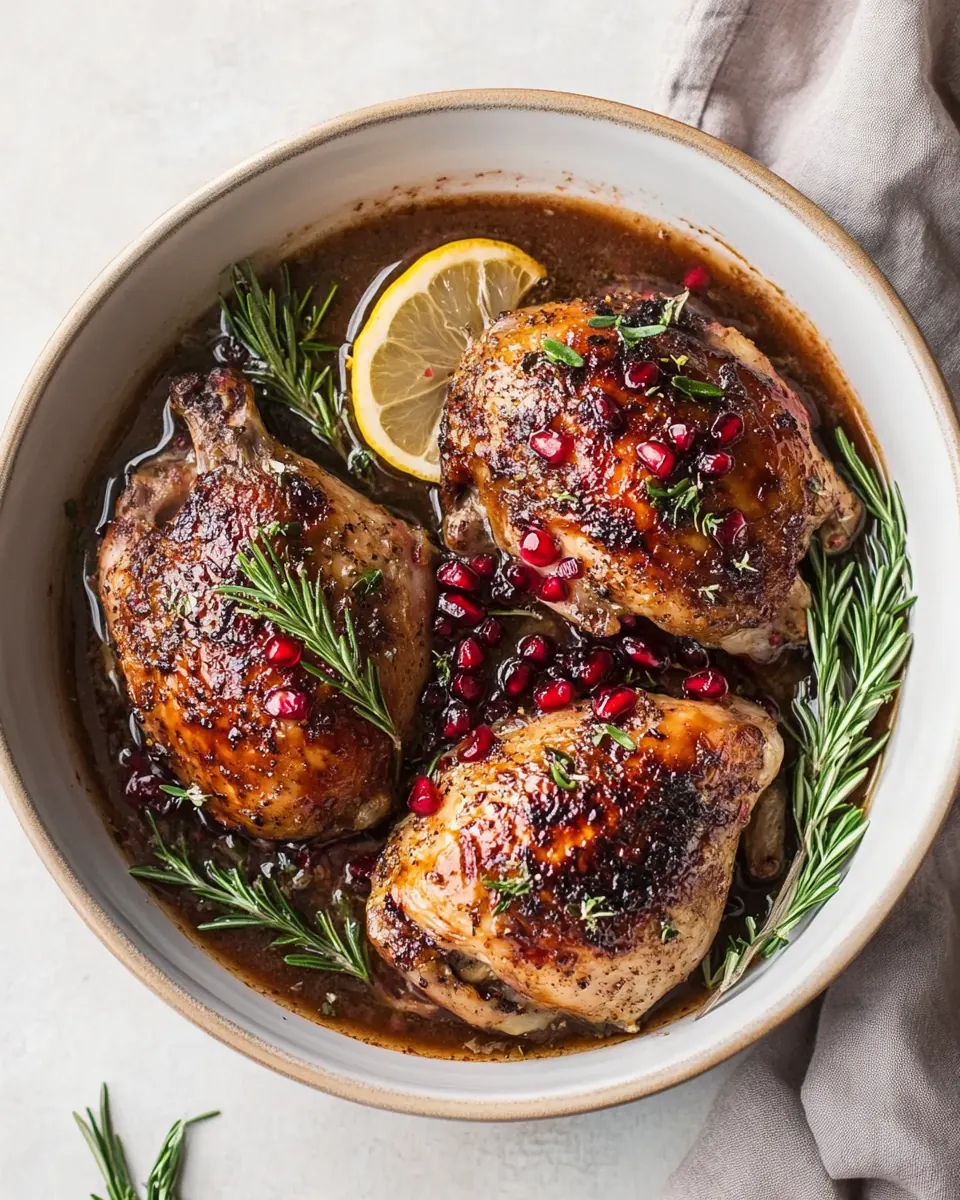
There was a Sunday last fall when I had friends over and a bowl of fresh pomegranate arils stared up at me from the counter, bright as confetti. I wanted a main that felt festive but not fussy, something that paired bright citrus with rich, roasted chicken skin. I pulled together a quick glaze from pomegranate juice and lemon and the kitchen filled with a tangy perfume that cut through the roast aromas. The first bite, with the sweet pop of arils against crisp skin, made everyone at the table pause, and that quiet is the compliment I chase in food.
That night taught me how a few simple pantry items can elevate a weeknight into a memory. I love how the acidity from the lemon lifts the dish, while the pomegranate juice deepens into caramel notes as it reduces in the oven. The thyme tucked among the pieces gives subtle herbal lifts that help the flavors sing without shouting. Most importantly, this recipe is forgiving, so if you are slightly behind schedule or running low on time, it still comes out impressive. Try it when you want something homey with a touch of elegance.
Recipe Snapshot
1 hr 10 mins
10 mins
60 mins
Medium
400 kcal
American
Keto, Gluten-Free
Dinner
Oven, Baking dish
What Sets This Pomegranate Lemon Roasted Chicken Apart
Bright and Balanced Flavor
I love how Pomegranate Lemon Roasted Chicken balances sweet, tart, and savory in a single roast. The pomegranate juice reduces into glossy, fruity notes that pair with the citrus bite of lemon, while the natural fat from the chicken skin caramelizes to add depth. This interplay keeps each bite interesting.
Simple Ingredients, Big Impact
We only use a handful of items but each one plays a clear role. The garlic adds an undercurrent of warmth, the butter encourages browning and mouthfeel, and the thyme lifts the profile with herbaceousness. I appreciate recipes that do more with less, and this one fits that bill perfectly.
Impressive Yet Approachable
When guests arrive, you want something that looks and smells like effort even if it was mostly hands off. Roasting the chicken in the oven gives you that gorgeous golden skin with minimal babysitting. I like that you can pop it into the oven, relax a bit, and come back to a centerpiece that earns compliments.
Texture Contrast
The contrast between the crisped, seasoned chicken skin and the jewel like pomegranate arils is what keeps people going back for another piece. The arils add a fresh pop against the roasted meat, while a final broil, if you choose, turns the skin extra crunchy for a pleasing mouthfeel.
Flexible for Many Occasions
I often make Pomegranate Lemon Roasted Chicken for weeknight dinners, yet it feels special enough for a holiday or small gathering. The recipe scales easily, and it pairs well with a wide range of simple sides. For me, that versatility is a major reason I keep it in rotation.
Everything You Need for Pomegranate Lemon Roasted Chicken
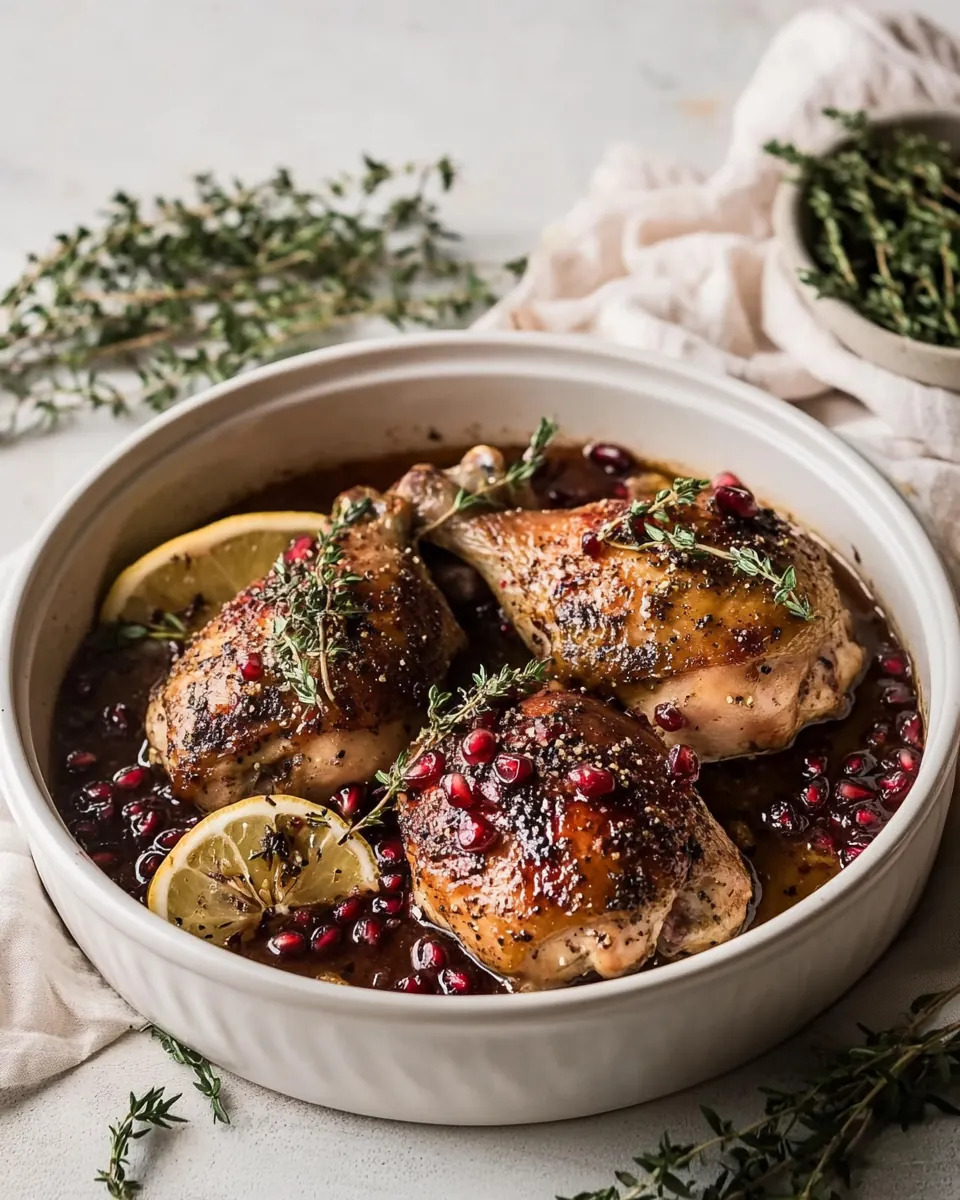
The philosophy here is straightforward, use bright, acidic liquids to both flavor and tenderize, then let the oven do the heavy lifting to concentrate flavors and crisp the skin. The key players are the liquids that build the glaze, the fatty chicken skin that browns beautifully, and the fresh herb that provides nuance. Together they create a dish with layered tastes and complementary textures.
- Juice from 1/2 lemon: Squeezed to add bright acidity and light tang that balances rich flavors; helps tenderize the chicken and lift the sauce with citrusy freshness.
- 3/4 cup pomegranate juice: Reduced or simmered to concentrate sweet-tart fruit flavor and form the base of a glossy glaze; contributes color and depth to the pan sauce.
- 1 tablespoon butter: Melted to provide a silky richness and help brown the chicken skin; combines with pan juices to create a smooth, flavorful finishing sauce.
- Arils from 1/4 pomegranate: Scattered over the finished dish to provide bursts of juicy sweetness and a jewel-like crunch; adds visual contrast and fresh pomegranate character.
- 1 clove garlic minced: Mince finely to release pungent aroma and savory depth; sautés briefly to infuse the glaze and chicken with garlicky warmth.
- 4 6 chicken thighs bone in skin on: Seasoned and roasted until skin is crisp and meat is juicy; serves as the main protein and absorbs the citrus-pomegranate glaze.
- Salt & pepper to taste: Sprinkled to taste to enhance overall flavor and balance sweetness and acidity; ensures the chicken and sauce are properly seasoned.
- Herbs de Provence (or Italian seasoning): Used sparingly to introduce an aromatic, herbaceous profile; adds Mediterranean nuance and complements thyme and citrus notes.
- 8 sprigs fresh thyme: Tucked under skin or scattered during roasting to impart an earthy, floral aroma; fresh sprigs perfume the meat and pan sauce as they cook.
Recipe Directions for Pomegranate Lemon Roasted Chicken
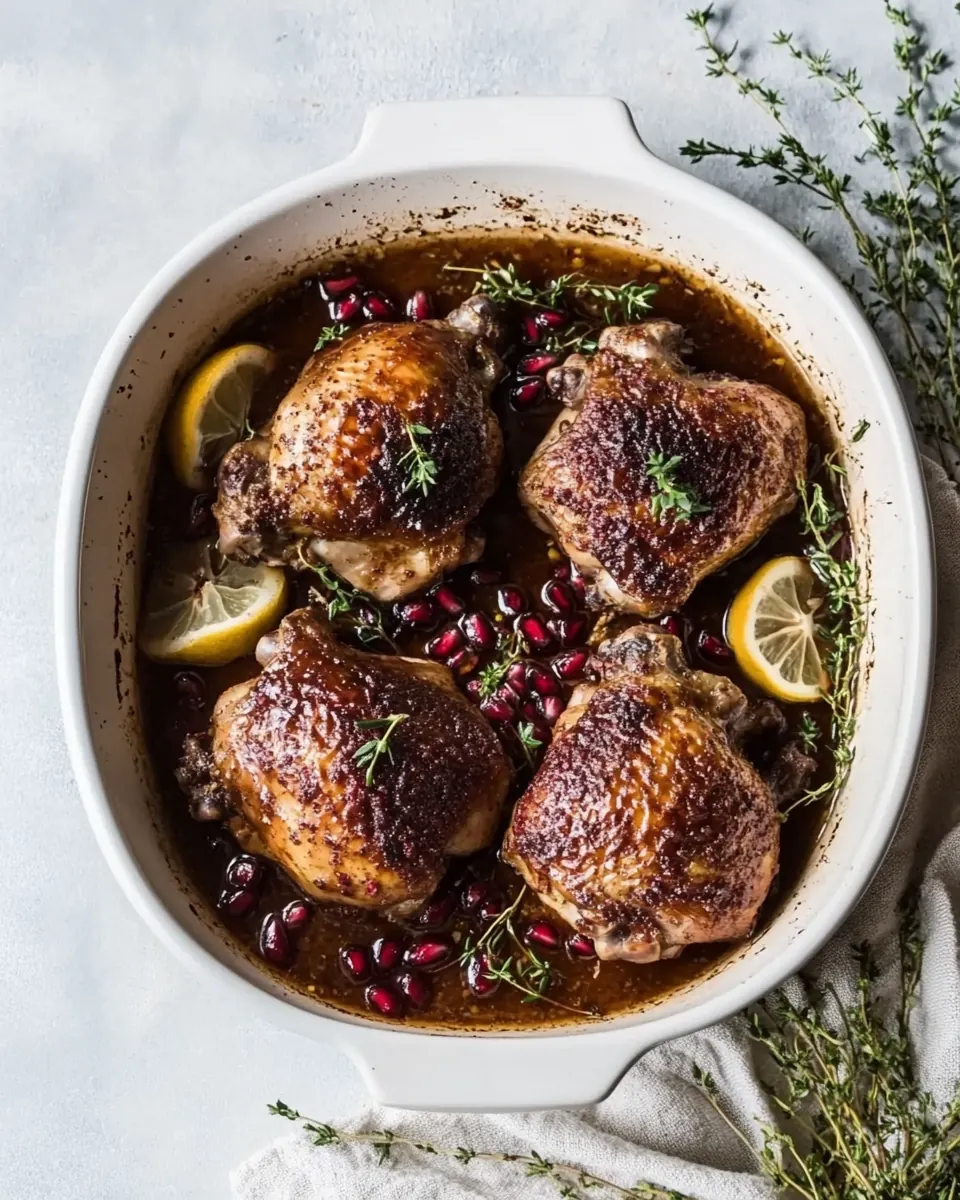
These directions are straightforward, and I like to walk through them slowly because the senses tell you when the roast is right. Follow the sequence so the liquids reduce properly, the skin crisps, and the herb aromas infuse the pan. Read each step before starting, and have your ingredients prepped for a smooth process.
- Preheat oven to 375 F and place the rack in the middle position.: You'll notice the oven warming with a dry, steady heat that will help render the fat from the chicken and encourage even browning. Place the rack in the middle so air circulates around the pieces, producing uniform color, and allow the oven to reach temperature before inserting the pan because starting cold can lead to uneven cooking. A common error is not preheating fully which causes longer cooking times and less crisp skin; wait until the oven signals readiness.
- Add the lemon juice, pomegranate juice, butter, pomegranate arils, and garlic to a baking dish.: As the liquids hit the warm dish they will sit and mingle, and you can already smell the bright lemon and the sweet edge of pomegranate . The butter will begin to melt and coat the mixture, helping the glaze adhere later, while the minced garlic releases its aroma. Stir gently so the arils are distributed; if you combine everything too vigorously the arils can burst prematurely, turning the liquid cloudy.
- Add the chicken pieces to the baking dish and sprinkle them with salt & pepper and herbs de Provence. Place thyme sprigs around the chicken.: When you nestle each thigh into the liquid, take a moment to pat the skin dry if needed so it can crisp properly, then season. The seasoning sits on the surface and draws the eye with tiny crystals that will dissolve into the glaze. Tucking the fresh thyme among the pieces releases gentle herb oils as the pan heats, perfuming the oven. Avoid overcrowding the dish because too many pieces touching will steam instead of roast, preventing a golden finish.
- Roast for one hour. If desired, you can broil the chicken for a few minutes at the end to make the skins even crispier.: During the roast you will hear a faint sizzle as the fat renders, and the aroma will shift from sharp citrus to deeper caramelized notes, signaling that the sugars in the pomegranate juice are concentrating. The skin should become progressively bronzed and slightly blistered; check the internal juices around 50 minutes to ensure even cooking. A common mistake is opening the oven too frequently which drops temperature and extends time, so resist peeking often. If broiling, move the dish carefully to avoid splattering hot juices and watch closely because broilers can take one to two minutes to transform the skin.
Tips for Success
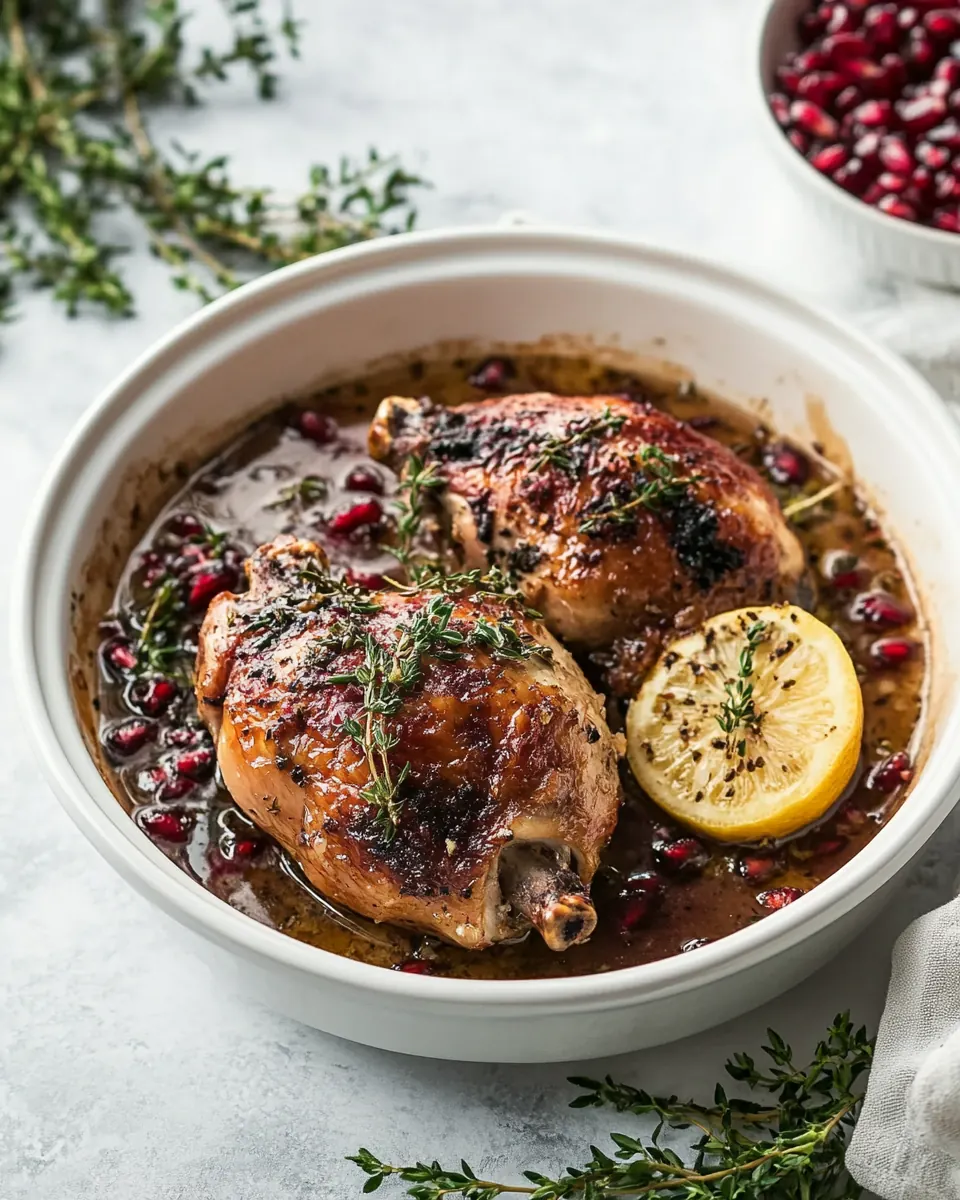
These tips will help you get the most from your Pomegranate Lemon Roasted Chicken. Small adjustments in technique or timing can make a substantial difference in texture and flavor, so consider them as helpful nudges rather than strict rules.
- Dry the skin thoroughly: Before seasoning, press paper towels gently against the chicken skin to remove excess moisture. Dry skin browns faster and becomes crispier during roasting. If the skin remains damp, it will steam and stay soft instead of developing that desirable crunch.
- Use fresh citrus: Freshly squeezed lemon juice has brighter aromatics and livelier acidity than bottled juice. This freshness helps balance the sweet pomegranate juice, and prevents the glaze from tasting flat or metallic.
- Monitor the glaze: As the juices reduce, they concentrate in sweetness and color. Check the pan mid roast to ensure the glaze is not sticking and burning; you can tilt the dish to judge viscosity. If it looks too thick early, add a splash of water to prevent scorching.
- Space the pieces: Give each thigh room in the baking dish so hot air can circulate. Crowding causes steaming which prevents crisping, and it lengthens cook time. Use two pans if necessary for even results.
- Broil for extra crunch: If you want a textbook crunchy skin, place the dish under the broiler for a very short period at the end. Watch it constantly because the broiler can change color quickly; one to three minutes is often enough.
- Use bone in pieces: Bone in, skin on thighs roast more forgivingly than boneless versions, staying juicy through longer cook times. Boneless pieces cook faster and can dry out if you follow the same timetable.
- Finish with fresh arils: Add the reserved pomegranate arils after roasting to preserve their pop and fresh tartness. If you cook them too long they will soften and lose texture, so scatter them on just before serving.
Serve This Pomegranate Lemon Roasted Chicken With
This section outlines thoughtful pairings and serving ideas that complement the sweet tartness of the dish. I favor simple sides that absorb pan juices and contrast textures to create a balanced plate.
- Herbed Couscous or Rice: A fluffy grain will soak up the pan juices and provide a neutral base. Consider tossing the finished grain with a touch of olive oil and chopped fresh herbs to echo the thyme.
- Roasted Root Vegetables: Roasted carrots or parsnips bring earthiness and caramel notes that harmonize with the fruit glaze. Their sweeter profile complements the tartness without competing.
- Simple Green Salad: A peppery mix dressed in a light vinaigrette gives textural contrast and a palate cleansing lift between bites of rich chicken.
- Occasions: This recipe works for weeknight dinners, casual gatherings, or small holiday meals. Its festive colors make it suitable for fall or winter entertaining without requiring elaborate steps.
- Storage Tips: Refrigerate leftovers in an airtight container for up to three days. Reheat gently in a moderate oven to help revive the skin texture, or remove the skin and reheat the meat with a spoonful of pan juices to prevent drying out.
- Seasonal Pairings: In fall serve with squash and roasted apples; in winter consider braised greens to add a bitter counterpoint. The bright lemon note keeps the dish feeling fresh across seasons.
FAQ
Conclusion
Pomegranate Lemon Roasted Chicken stands out for its bright citrus lift, sweet reduced pomegranate glaze, and satisfying crisped skin. Give it a try the next time you want a simple roast that feels celebratory, and trust the oven to do the heavy lifting while you enjoy the aromas. I hope this becomes one of your go to recipes when you want something flavorful, attractive, and reliably delicious at the table.
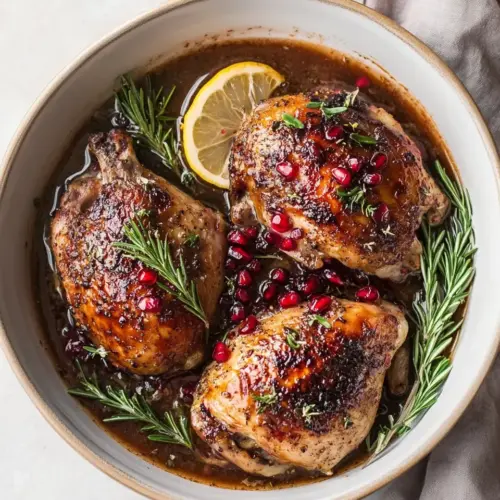
Pomegranate Lemon Roasted Chicken
Equipment
- Oven
- Baking Dish
Ingredients
- Juice from 1/2 lemon Squeezed to add bright acidity and light tang that balances rich flavors; helps tenderize the chicken and lift the sauce with citrusy freshness.
- 3/4 cup pomegranate juice Reduced or simmered to concentrate sweet-tart fruit flavor and form the base of a glossy glaze; contributes color and depth to the pan sauce.
- 1 tablespoon butter Melted to provide a silky richness and help brown the chicken skin; combines with pan juices to create a smooth, flavorful finishing sauce.
- Arils from 1/4 pomegranate Scattered over the finished dish to provide bursts of juicy sweetness and a jewel-like crunch; adds visual contrast and fresh pomegranate character.
- 1 clove garlic minced Mince finely to release pungent aroma and savory depth; sautés briefly to infuse the glaze and chicken with garlicky warmth.
- 4 -6 chicken thighs bone in skin on Seasoned and roasted until skin is crisp and meat is juicy; serves as the main protein and absorbs the citrus-pomegranate glaze.
- Salt & pepper to taste Sprinkled to taste to enhance overall flavor and balance sweetness and acidity; ensures the chicken and sauce are properly seasoned.
- Herbs de Provence (or Italian seasoning) Used sparingly to introduce an aromatic, herbaceous profile; adds Mediterranean nuance and complements thyme and citrus notes.
- 8 sprigs fresh thyme Tucked under skin or scattered during roasting to impart an earthy, floral aroma; fresh sprigs perfume the meat and pan sauce as they cook.
Instructions
- Preheat oven to 375 F and place the rack in the middle position.: You'll notice the oven warming with a dry, steady heat that will help render the fat from the chicken and encourage even browning. Place the rack in the middle so air circulates around the pieces, producing uniform color, and allow the oven to reach temperature before inserting the pan because starting cold can lead to uneven cooking. A common error is not preheating fully which causes longer cooking times and less crisp skin; wait until the oven signals readiness.
- Add the lemon juice, pomegranate juice, butter, pomegranate arils, and garlic to a baking dish.: As the liquids hit the warm dish they will sit and mingle, and you can already smell the bright lemon and the sweet edge of pomegranate . The butter will begin to melt and coat the mixture, helping the glaze adhere later, while the minced garlic releases its aroma. Stir gently so the arils are distributed; if you combine everything too vigorously the arils can burst prematurely, turning the liquid cloudy.
- Add the chicken pieces to the baking dish and sprinkle them with salt & pepper and herbs de Provence. Place thyme sprigs around the chicken.: When you nestle each thigh into the liquid, take a moment to pat the skin dry if needed so it can crisp properly, then season. The seasoning sits on the surface and draws the eye with tiny crystals that will dissolve into the glaze. Tucking the fresh thyme among the pieces releases gentle herb oils as the pan heats, perfuming the oven. Avoid overcrowding the dish because too many pieces touching will steam instead of roast, preventing a golden finish.
- Roast for one hour. If desired, you can broil the chicken for a few minutes at the end to make the skins even crispier.: During the roast you will hear a faint sizzle as the fat renders, and the aroma will shift from sharp citrus to deeper caramelized notes, signaling that the sugars in the pomegranate juice are concentrating. The skin should become progressively bronzed and slightly blistered; check the internal juices around 50 minutes to ensure even cooking. A common mistake is opening the oven too frequently which drops temperature and extends time, so resist peeking often. If broiling, move the dish carefully to avoid splattering hot juices and watch closely because broilers can take one to two minutes to transform the skin.
Notes
- Dry the skin thoroughly: Before seasoning, press paper towels gently against the chicken skin to remove excess moisture. Dry skin browns faster and becomes crispier during roasting. If the skin remains damp, it will steam and stay soft instead of developing that desirable crunch.
- Use fresh citrus: Freshly squeezed lemon juice has brighter aromatics and livelier acidity than bottled juice. This freshness helps balance the sweet pomegranate juice, and prevents the glaze from tasting flat or metallic.
- Monitor the glaze: As the juices reduce, they concentrate in sweetness and color. Check the pan mid roast to ensure the glaze is not sticking and burning; you can tilt the dish to judge viscosity. If it looks too thick early, add a splash of water to prevent scorching.
- Space the pieces: Give each thigh room in the baking dish so hot air can circulate. Crowding causes steaming which prevents crisping, and it lengthens cook time. Use two pans if necessary for even results.
- Broil for extra crunch: If you want a textbook crunchy skin, place the dish under the broiler for a very short period at the end. Watch it constantly because the broiler can change color quickly; one to three minutes is often enough.
- Use bone in pieces: Bone in, skin on thighs roast more forgivingly than boneless versions, staying juicy through longer cook times. Boneless pieces cook faster and can dry out if you follow the same timetable.
- Finish with fresh arils: Add the reserved pomegranate arils after roasting to preserve their pop and fresh tartness. If you cook them too long they will soften and lose texture, so scatter them on just before serving.