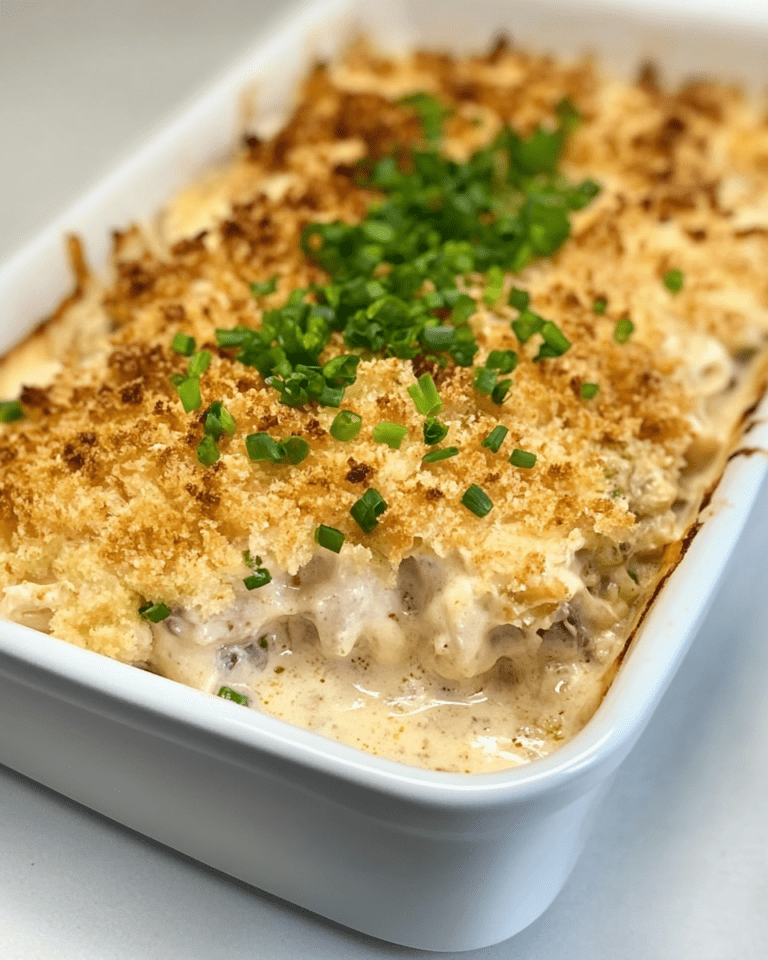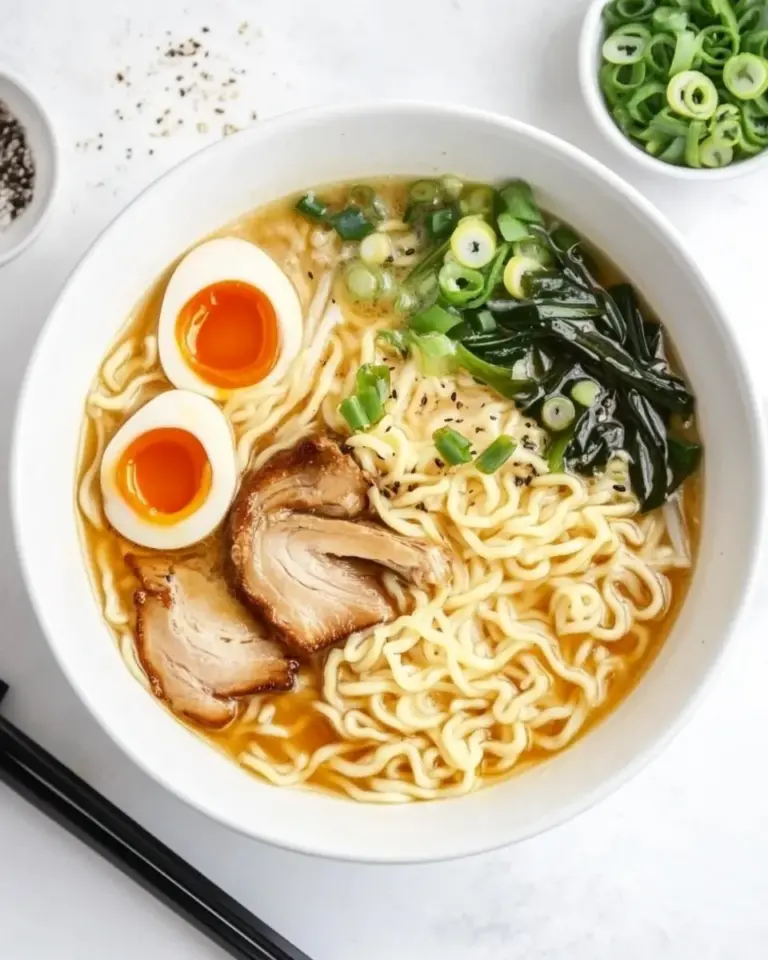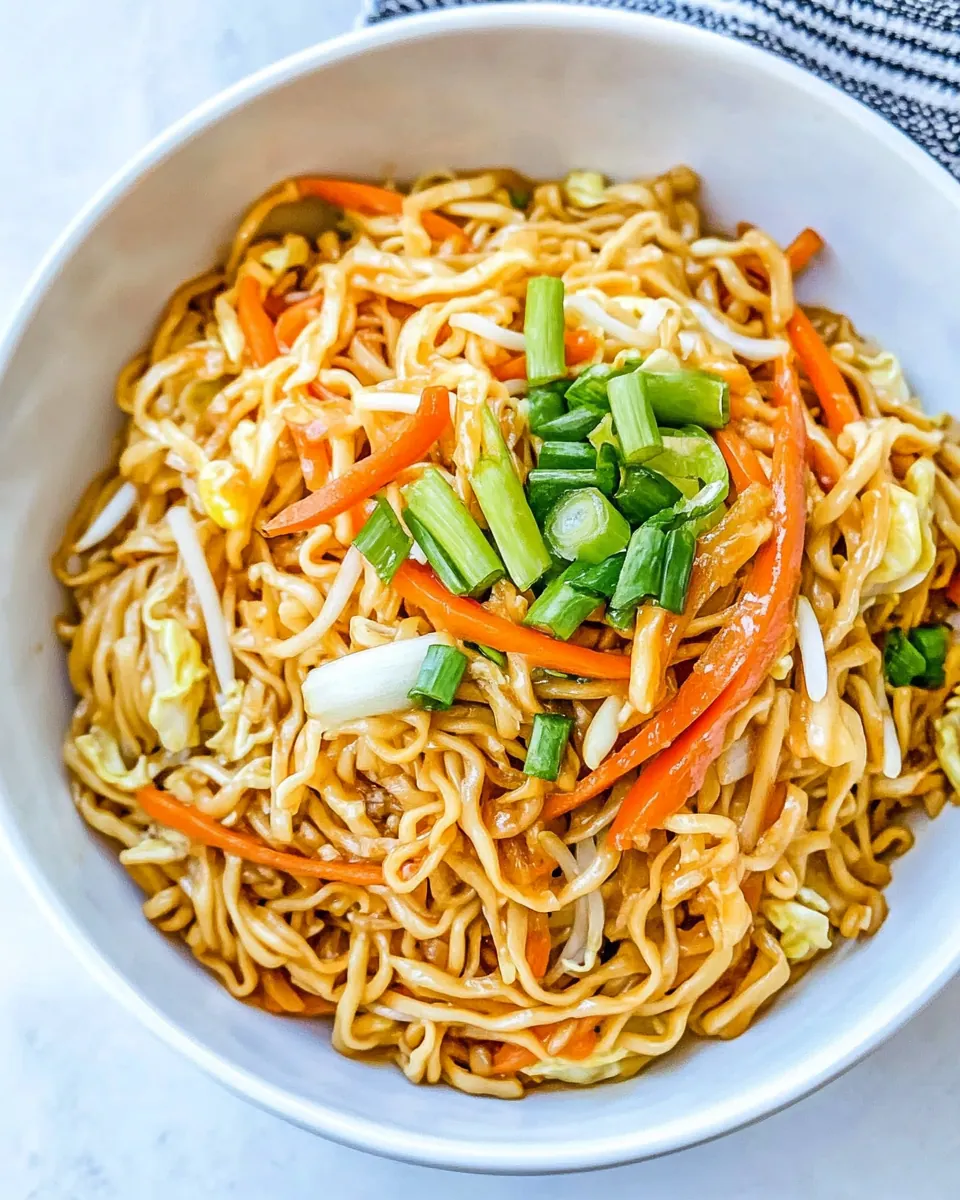
Chow Mein Recipe
Chow Mein Recipe has been one of those comforting weeknight rescues I turn to when I want something fast, flavorful, and a little nostalgic. The first time I made it from scratch I remember standing over a hot skillet, the steam lifting up like a culinary reward while the kitchen filled with a toasty sesame scent. That memory stuck, and over the years I tuned the sauce and timing so the vegetables keep a little bite, and the noodles stay perfectly silky.
I love how versatile Chow Mein Recipe is, it adapts to whatever I have in the fridge yet always feels like a complete meal. Some evenings I’m rushed after work and this becomes my tiny celebration, other times I cook it slowly with a friend, letting the aromas pull us into the kitchen. The crunchy cabbage, sweet carrot ribbons, and the faintly nutty sesame finish make every bite interesting. I learned to trust quick, confident moves at the stove to keep textures alive.
Recipe Snapshot
25 mins
8 mins
17 mins
Easy
350 kcal
Asian
Vegan, Gluten-Free
Dinner
Large skillet or wok, Mixing bowl, Whisk, Colander
What Makes This Chow Mein Recipe Special
1. Speed without sacrifice
I adore how Chow Mein Recipe gives maximum flavor in minimal time. Because the noodles cook quickly and the vegetables are stir fried briefly, you get bright texture and deep savory notes in under 30 minutes. This is perfect for busy evenings when you still want a home cooked meal.
2. Balanced textures and contrast
The mix of soft noodles and crisp cabbage and carrot makes each forkful lively. I aim for a little chew in the noodles while keeping the vegetables slightly crunchy, that contrast is what lifts the dish from routine to memorable.
3. Umami rich sauce that ties everything
The sauce, built from hoisin sauce, soy sauce, and a touch of sesame oil, threads through the noodles and vegetables, giving sweetness, salt, and toasted notes. I appreciate how a few well chosen pantry ingredients create a layered taste profile without complexity.
4. Easy to scale and customize
I often double this for guests or trim it down for lunch. The recipe scales neatly because the cooking method is quick and forgiving. If you want more brightness, scatter extra green onions at the end, they lift the flavors instantly.
5. Pantry friendly and reliable
Most times the components are in my pantry or fridge, which means I can pull this together on impulse. That reliability is why it’s become a staple in my rotation, a dependable dish that still feels special.
Ingredient List for Chow Mein Recipe
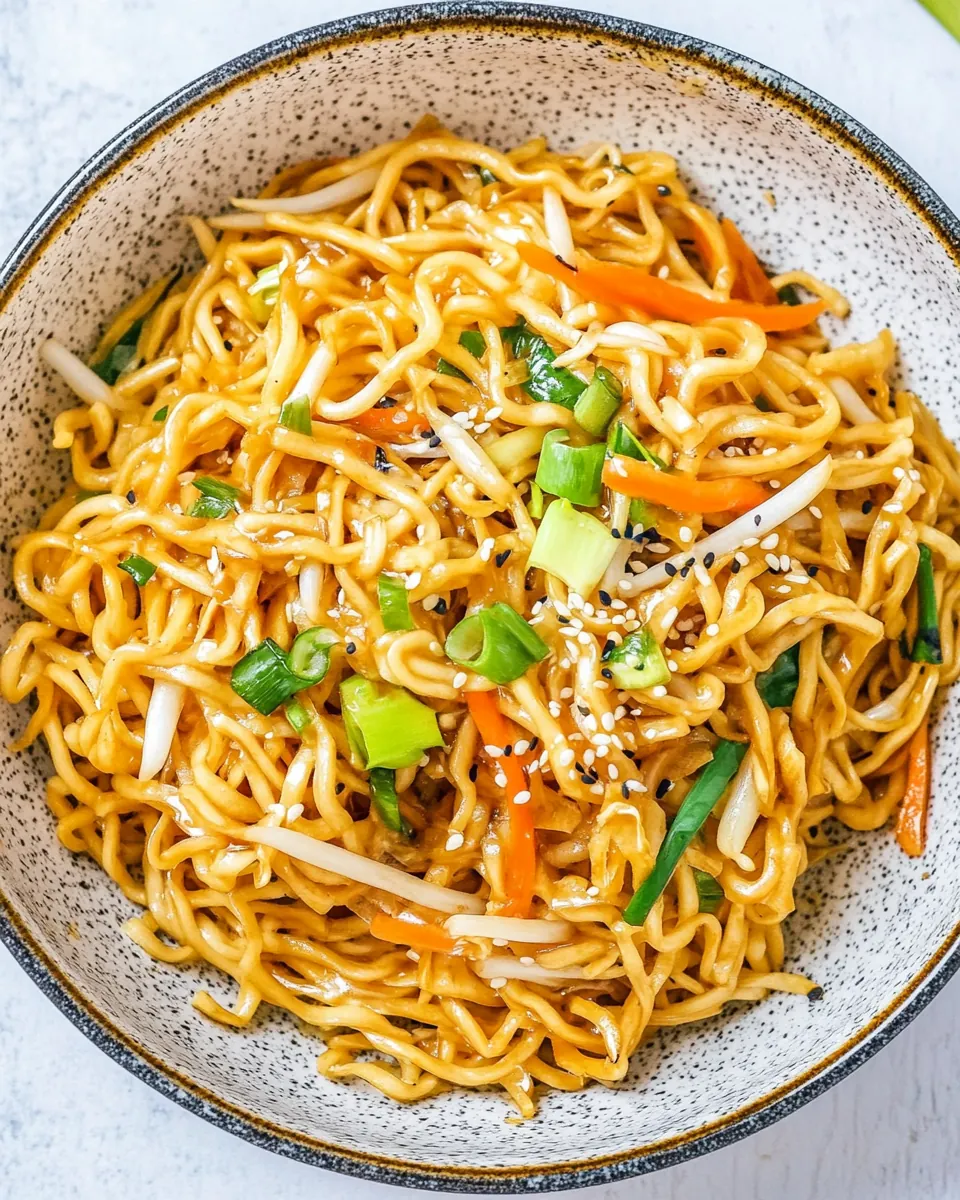
This ingredient list reflects a simple philosophy: let each component play a specific role. The noodles are the canvas, the vegetables supply texture and brightness, and the sauce brings cohesion with sweet, salty, and toasted notes. I focus on clean, bold flavors so the few elements present can harmonize without competing.
- 3 (3.6-ounce) packages chow mein noodles or 3 (3-ounce) Ramen noodle packages: Crisped and broken into bite-sized pieces, provides the primary noodle texture and soak up sauces to carry flavor throughout the dish.
- 3 tbsp olive oil: Lucid and shimmering, used to sauté vegetables and prevent sticking while adding a light, fruity note to the stir-fry base.
- 2 cups cabbage shredded: Shredded finely to add a crisp, slightly sweet bulk that contrasts with noodles and absorbs seasoning during cooking.
- 1 large carrot peeled and julienned: Sliced into thin matchsticks to contribute a tender-crisp sweetness and bright color while offering textural contrast.
- 1 cup bean sprouts: Tender and crunchy sprouts tossed in at the end to add a fresh, slightly nutty bite that lightens the dish.
- 2 tsp minced garlic: Finely minced to release aromatic sulfur compounds that build savory depth and fragrance when briefly cooked.
- green onions for garnish: Thinly sliced and sprinkled raw atop the finished dish to provide a mild oniony bite and fresh herbal color.
- 4 tbsp hoisin sauce: Thick and savory, stirred into the sauce to supply sweet, tangy, and umami complexity that glazes the noodles.
- 3 tbsp soy sauce: Salty and savory, blended into the sauce to deepen umami, balance sweetness, and season the entire stir-fry.
- 1/2 tbsp sesame oil: intensely flavored and toasted, used sparingly to impart a rich, nutty aroma that complements the sauce.
- 1/3 cup chicken broth: Light and savory liquid used to loosen the sauce, add body, and provide a subtle meaty undertone without fat.
- 1 tsp cornstarch: Finely blended to thicken the sauce when mixed with liquid, creating a glossy coating that clings to ingredients.
- 1/2 tbsp sugar: Crystalline sweetener added to balance salty and acidic components, rounding the overall flavor profile subtly.
- garlic salt with parsley: Coarse seasoned salt used lightly to season and add a herbal parsley note while enhancing overall savory flavors.
Preparation Steps for Chow Mein Recipe
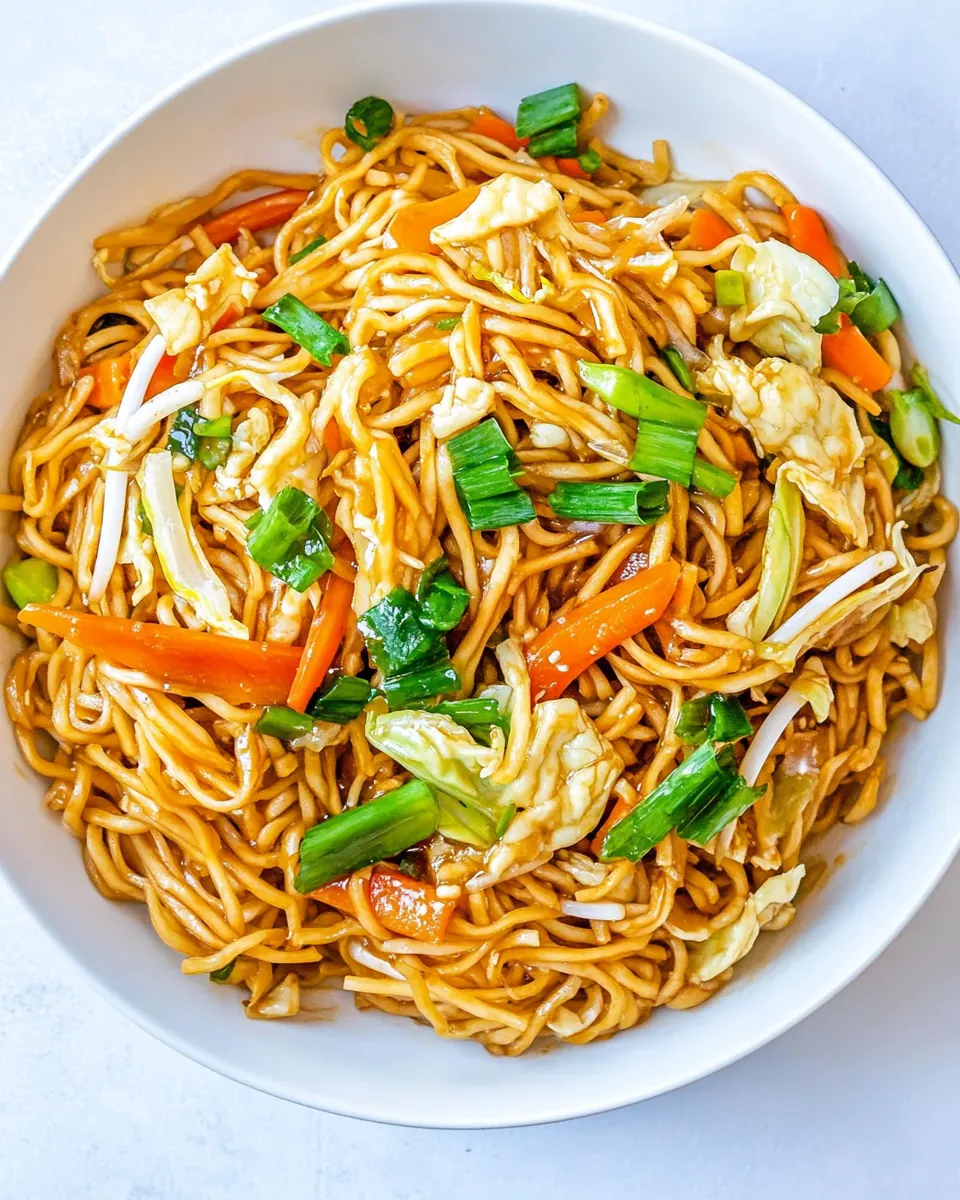
These steps take you from mise en place to the final toss. I like to have the sauce mixed and the vegetables prepared before the pan heats up, because once you start, things move quickly. Keep your tools nearby and work confidently, the timing is forgiving if you keep an eye on color and texture.
- Make sauce in a small mixing bowl by whisking together the hoisin sauce, soy sauce, sesame oil, chicken broth, cornstarch, and sugar.: The bowl will shimmer as the liquids combine, releasing a fragrant nutty and savory scent, and you will notice the cornstarch suspending the sauce into a silky slurry. Whisking integrates the sweet and salty elements so they hit every bite evenly, and preblending prevents lumps when you add it to the hot pan. A common mistake is adding cornstarch directly to a hot pan, which creates clumps, so always dissolve it first. Keep the sauce nearby, and if it thickens before you use it, whisk in a splash of warm broth to loosen it.
- Cook noodles according to package directions. Drain, rinse and set aside.: As the noodles simmer, watch how they swell and soften, releasing a faint wheaty aroma; this is your cue to check for doneness. Drain and rinse quickly to stop the cooking and remove excess starch that can make them sticky, then shake off the water and set aside. This step is essential because overcooked noodles become mushy in the final toss, while undercooked ones stay too firm; aim for tender with slight resistance. A typical oversight is leaving noodles to sit in hot water after draining, which continues to cook them, so move them to a colander and rinse under cool water promptly.
- Add olive oil to a large skillet or wok over medium-high heat. Add cabbage, carrots, sprouts, and minced garlic. Saute for 2-3 minutes or until the cabbage is limp.: You will see the oil shimmer just before it reaches the ideal searing point, and that shimmer tells you the pan is hot enough to sear without smoking. Add the oil, swirl to coat the surface, and let it heat for a few seconds so it creates a slick surface for quick cooking. If the oil smokes heavily, reduce the heat slightly, because burned oil will impart an acrid flavor. Keep a spatula or tongs at hand so you can move quickly when the vegetables go in.
- Reduce heat to medium and add noodles to the pan along with the sauce. Cook, stirring occasionally, for 5-6 minutes.: When the vegetables hit the hot oil, they will sizzle and pop, and that sound signifies moisture leaving the vegetables and crisp edges forming. Stir constantly so the cabbage softens evenly and the carrot warms through while retaining structure; add the bean sprouts a little later if you want them crisper. The garlic will perfume the pan rapidly, so watch closely and stir to prevent scorching, because burnt garlic tastes bitter and can ruin the balance. Aim for tender crisp vegetables with some golden flecks for visual contrast.
- Top with garlic salt to taste. Add green onions and serve warm.: During these minutes you will notice the cabbage strands wilt and reduce in volume, their edges taking on a slight translucence. This brief cook preserves texture and freshness while allowing the vegetables to mingle. The timing matters because overcooking will make them watery and soft, and undercooking leaves them too raw compared to the noodles. Keep tasting and watching for that soft yet structured feel, and adjust the heat if the pan starts to smoke or the vegetables brown too quickly.
- Reduce heat to medium and add noodles to the pan along with the sauce: When you introduce the cooked noodles and poured sauce into the skillet, the pan will hiss softly as the sauce hits the hot surface, producing an aromatic lift. Toss gently to distribute the sauce, so the glossy mixture clings to every strand and vegetable piece. Reducing the heat prevents the sauce from evaporating too fast, ensuring it thickens and coats rather than dries out. A common mistake is stirring too vigorously which can break delicate noodles, so fold carefully until everything looks evenly coated.
- Cook, stirring occasionally, for 5 to 6 minutes: As the mixture simmers, the sauce will slowly reduce and become shinier, and you may hear a gentle sizzle as moisture escapes. Use this time to test flavors and texture, pulling a forkful to check that the noodles have absorbed some sauce but remain springy. The reason for this gentle cook is to bind flavors and slightly caramelize edges without turning the noodles sticky. Avoid leaving the pan unattended, because the sauce can thicken too much or begin to stick to the bottom, in which case a splash of warm broth rescues the texture.
- Top with garlic salt to taste: Sprinkling the seasoning will amplify the savory notes and add an herbaceous lift from the parsley in the blend, sharpening the final flavor. Add conservatively, taste, and adjust; you can always add more, but you cannot take it away. Over-salting is the most common trap here, so season little by little and taste as you go.
- Add green onions and serve warm: Scattering the green onions at the finish brings a fresh, bright scent and a crisp oniony texture that contrasts with the soft noodles. Serve immediately so the contrast between silky noodles and crisp vegetables remains vivid. A typical mistake is letting the dish sit too long after adding the onions, which softens them and dulls the contrast, so plate and enjoy right away.
Making Adjustments
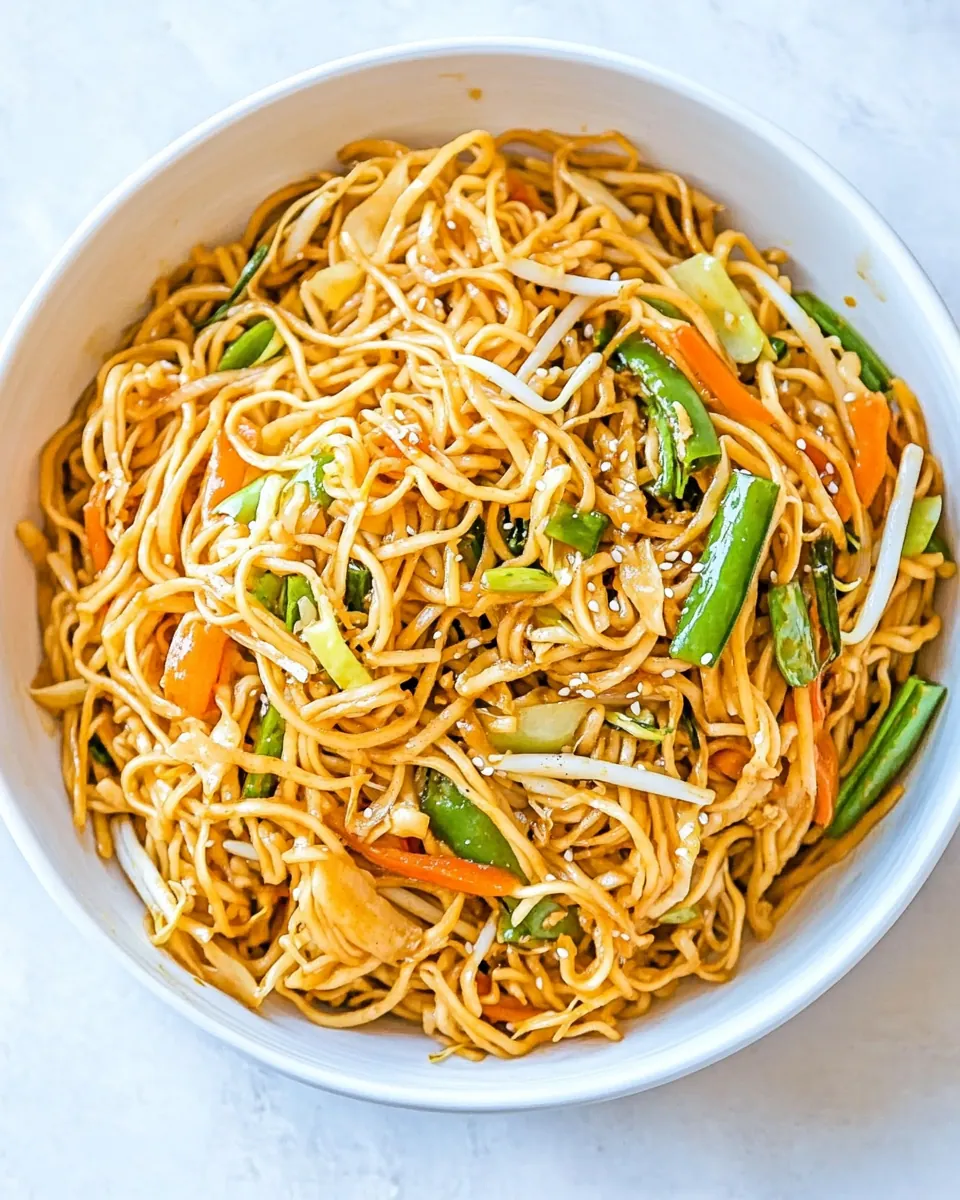
This section helps you adapt Chow Mein Recipe to your pantry, taste preferences, or serving size. Small swaps and timing adjustments keep the texture lively and the flavors balanced. Read each tip and apply the ones that match what you want to achieve.
- Scale Easily Use the same ratio of sauce to noodles if you double or halve the recipe, but keep an eye on skillet space, because overcrowding steams the vegetables instead of searing them.
- Soy Salt Control If you prefer less sodium, choose a low sodium soy sauce and taste before adding extra garlic salt with parsley, because incremental seasoning preserves balance.
- Preserve Crunch Add bean sprouts in the final minute to keep their crisp texture; overcooking makes them limp and watery which undermines contrast.
- Sauce Consistency If the sauce thickens too quickly, stir in a splash of warm chicken broth to loosen it and maintain a glossy coat on the noodles.
- Timing for Noodles Rinse noodles under cool water after cooking to stop carryover cooking, this prevents them from becoming mushy during the final toss.
What Complements This Chow Mein Recipe
Chow Mein Recipe pairs well with simple sides that refresh the palate and add contrasting textures. Whether serving for a casual weeknight dinner or a larger gathering, think about brightness, acidity, and a cool counterpoint to the warm noodles. Below are practical serving ideas, storage guidance, and occasion pairings presented as a list so you can mix and match.
- Light side salads A crisp green salad with a tangy dressing complements the savory noodles by adding acidity and freshness that cuts through the sauce.
- Pickled sides Quick pickled cucumbers or daikon add bright acidity and crunchy texture, which balances the richness of the hoisin and soy based sauce.
- Family style Serve the Chow Mein Recipe family style alongside small bowls of extra green onions and garlic salt for people to season as they like, great for informal dinners.
- Occasions This dish is excellent for casual lunches, weeknight dinners, or shared meals during festive periods like Ramadan Iftar when you want something satisfying and easy to portion.
- Storage tips Cool leftovers quickly and store in an airtight container in the refrigerator for up to three days, reheat gently in a skillet with a splash of broth to revive texture.
- Seasonal pairing In warmer months, pair with chilled sides or a light citrus salad; in cooler months, add warm brothy starters to make the meal more comforting.
FAQ
Conclusion
This Chow Mein Recipe stands out because of its quick method, balanced textures, and a simple sauce that ties everything together. Give it a try on a busy night when you want a homemade meal that comes together fast but still feels intentional and satisfying. Once you taste the bright vegetables against the silky noodles and savory sauce, it becomes one of those recipes you reach for again and again, easy to scale and always dependable.
Chow Mein Recipe
Equipment
- Large Skillet or Wok
- Mixing Bowl
- Whisk
- Colander
Ingredients
- 3 (3.6-ounce) packages chow mein noodles or 3 (3-ounce) Ramen noodle packages Crisped and broken into bite-sized pieces, provides the primary noodle texture and soak up sauces to carry flavor throughout the dish.
- 3 tbsp olive oil Lucid and shimmering, used to sauté vegetables and prevent sticking while adding a light, fruity note to the stir-fry base.
- 2 cups cabbage shredded Shredded finely to add a crisp, slightly sweet bulk that contrasts with noodles and absorbs seasoning during cooking.
- 1 large carrot peeled and julienned Sliced into thin matchsticks to contribute a tender-crisp sweetness and bright color while offering textural contrast.
- 1 cup bean sprouts Tender and crunchy sprouts tossed in at the end to add a fresh, slightly nutty bite that lightens the dish.
- 2 tsp minced garlic Finely minced to release aromatic sulfur compounds that build savory depth and fragrance when briefly cooked.
- green onions for garnish Thinly sliced and sprinkled raw atop the finished dish to provide a mild oniony bite and fresh herbal color.
- 4 tbsp hoisin sauce Thick and savory, stirred into the sauce to supply sweet, tangy, and umami complexity that glazes the noodles.
- 3 tbsp soy sauce Salty and savory, blended into the sauce to deepen umami, balance sweetness, and season the entire stir-fry.
- 1/2 tbsp sesame oil intensely flavored and toasted, used sparingly to impart a rich, nutty aroma that complements the sauce.
- 1/3 cup chicken broth Light and savory liquid used to loosen the sauce, add body, and provide a subtle meaty undertone without fat.
- 1 tsp cornstarch Finely blended to thicken the sauce when mixed with liquid, creating a glossy coating that clings to ingredients.
- 1/2 tbsp sugar Crystalline sweetener added to balance salty and acidic components, rounding the overall flavor profile subtly.
- garlic salt with parsley Coarse seasoned salt used lightly to season and add a herbal parsley note while enhancing overall savory flavors.
Instructions
- Make sauce in a small mixing bowl by whisking together the hoisin sauce, soy sauce, sesame oil, chicken broth, cornstarch, and sugar.: The bowl will shimmer as the liquids combine, releasing a fragrant nutty and savory scent, and you will notice the cornstarch suspending the sauce into a silky slurry. Whisking integrates the sweet and salty elements so they hit every bite evenly, and preblending prevents lumps when you add it to the hot pan. A common mistake is adding cornstarch directly to a hot pan, which creates clumps, so always dissolve it first. Keep the sauce nearby, and if it thickens before you use it, whisk in a splash of warm broth to loosen it.
- Cook noodles according to package directions. Drain, rinse and set aside.: As the noodles simmer, watch how they swell and soften, releasing a faint wheaty aroma; this is your cue to check for doneness. Drain and rinse quickly to stop the cooking and remove excess starch that can make them sticky, then shake off the water and set aside. This step is essential because overcooked noodles become mushy in the final toss, while undercooked ones stay too firm; aim for tender with slight resistance. A typical oversight is leaving noodles to sit in hot water after draining, which continues to cook them, so move them to a colander and rinse under cool water promptly.
- Add olive oil to a large skillet or wok over medium-high heat. Add cabbage, carrots, sprouts, and minced garlic. Saute for 2-3 minutes or until the cabbage is limp.: You will see the oil shimmer just before it reaches the ideal searing point, and that shimmer tells you the pan is hot enough to sear without smoking. Add the oil, swirl to coat the surface, and let it heat for a few seconds so it creates a slick surface for quick cooking. If the oil smokes heavily, reduce the heat slightly, because burned oil will impart an acrid flavor. Keep a spatula or tongs at hand so you can move quickly when the vegetables go in.
- Reduce heat to medium and add noodles to the pan along with the sauce. Cook, stirring occasionally, for 5-6 minutes.: When the vegetables hit the hot oil, they will sizzle and pop, and that sound signifies moisture leaving the vegetables and crisp edges forming. Stir constantly so the cabbage softens evenly and the carrot warms through while retaining structure; add the bean sprouts a little later if you want them crisper. The garlic will perfume the pan rapidly, so watch closely and stir to prevent scorching, because burnt garlic tastes bitter and can ruin the balance. Aim for tender crisp vegetables with some golden flecks for visual contrast.
- Top with garlic salt to taste. Add green onions and serve warm.: During these minutes you will notice the cabbage strands wilt and reduce in volume, their edges taking on a slight translucence. This brief cook preserves texture and freshness while allowing the vegetables to mingle. The timing matters because overcooking will make them watery and soft, and undercooking leaves them too raw compared to the noodles. Keep tasting and watching for that soft yet structured feel, and adjust the heat if the pan starts to smoke or the vegetables brown too quickly.
- Reduce heat to medium and add noodles to the pan along with the sauce: When you introduce the cooked noodles and poured sauce into the skillet, the pan will hiss softly as the sauce hits the hot surface, producing an aromatic lift. Toss gently to distribute the sauce, so the glossy mixture clings to every strand and vegetable piece. Reducing the heat prevents the sauce from evaporating too fast, ensuring it thickens and coats rather than dries out. A common mistake is stirring too vigorously which can break delicate noodles, so fold carefully until everything looks evenly coated.
- Cook, stirring occasionally, for 5 to 6 minutes: As the mixture simmers, the sauce will slowly reduce and become shinier, and you may hear a gentle sizzle as moisture escapes. Use this time to test flavors and texture, pulling a forkful to check that the noodles have absorbed some sauce but remain springy. The reason for this gentle cook is to bind flavors and slightly caramelize edges without turning the noodles sticky. Avoid leaving the pan unattended, because the sauce can thicken too much or begin to stick to the bottom, in which case a splash of warm broth rescues the texture.
- Top with garlic salt to taste: Sprinkling the seasoning will amplify the savory notes and add an herbaceous lift from the parsley in the blend, sharpening the final flavor. Add conservatively, taste, and adjust; you can always add more, but you cannot take it away. Over-salting is the most common trap here, so season little by little and taste as you go.
- Add green onions and serve warm: Scattering the green onions at the finish brings a fresh, bright scent and a crisp oniony texture that contrasts with the soft noodles. Serve immediately so the contrast between silky noodles and crisp vegetables remains vivid. A typical mistake is letting the dish sit too long after adding the onions, which softens them and dulls the contrast, so plate and enjoy right away.
Notes
- Scale Easily Use the same ratio of sauce to noodles if you double or halve the recipe, but keep an eye on skillet space, because overcrowding steams the vegetables instead of searing them.
- Soy Salt Control If you prefer less sodium, choose a low sodium soy sauce and taste before adding extra garlic salt with parsley, because incremental seasoning preserves balance.
- Preserve Crunch Add bean sprouts in the final minute to keep their crisp texture; overcooking makes them limp and watery which undermines contrast.
- Sauce Consistency If the sauce thickens too quickly, stir in a splash of warm chicken broth to loosen it and maintain a glossy coat on the noodles.
- Timing for Noodles Rinse noodles under cool water after cooking to stop carryover cooking, this prevents them from becoming mushy during the final toss.