Leftover Turkey Soup
Leftover Turkey Soup has become my go to when the holiday table leaves me with a fridge full of memories and a craving for something soothing. The first time I made this soup I was tired, grateful, and stubborn about turning scraps into something truly comforting. I remember pulling a container of shredded turkey from the cold, deciding to lean into bold herbs and creamy coconut milk, and being pleasantly surprised when the kitchen filled with a savory aroma that felt like a warm hug.
That evening taught me that simple pantry staples and a little patience can transform leftover turkey into a bowl that feels deliberately prepared, not recycled. I like using a mix of chopped vegetables to add crunch and sweetness, while a touch of dried thyme and sage brings that classic roast flavor back to life. When the cauliflower softened and the broth carried a gentle scent of garlic and herbs, I knew I had a winner.
Over the years I have tweaked this recipe depending on what I find in the fridge, but the backbone stays the same: aromatic vegetables, a light broth, and enough creamy coconut milk to lend body without overwhelming the comforting turkey flavor. It’s the kind of recipe I make when I want dinner to feel effortless, nourishing, and a little bit luxurious. You will find it easy to make your own, and I hope this version becomes one of your default weeknight comforts.
Recipe Snapshot
30 mins
10 mins
20 mins
Easy
250 kcal
American
Gluten-Free, Paleo
Soups
Large pot, Wooden spoon, Knife, Cutting board
The Appeal of This Leftover Turkey Soup
Comfort from Leftovers
I love how Leftover Turkey Soup turns fragments of a meal into a cohesive dinner. Rather than letting turkey sit forgotten, this soup repurposes it into something freshly satisfying, so you feel resourceful and rewarded.
Balanced Flavor Without Fuss
What I appreciate most is the harmony between savory herbs and creamy coconut. The dried thyme and sage anchor the soup, while the coconut milk smooths the edges, giving you a bowl that tastes intentional without hours of work.
Nutritious and Hearty
With a mix of chopped carrots, celery, and cauliflower, the soup feels hearty and nourishing. I like that it delivers fiber and vitamins alongside lean protein from the turkey, which makes it great for a restorative meal.
Flexible and Fast
This recipe is fast, and it adapts well to what you have on hand. I often swap or add small things, but the core method remains quick, so you can have a warm bowl in under an hour. That speed makes it ideal for busy evenings when you still want something homemade.
Comforting Texture
The tender cauliflower florets and shredded turkey create a comforting mouthfeel, and the light broth keeps everything from feeling heavy. You get a satisfying interplay of soft vegetables and meaty strands, which I always find comforting after a long day.
What You’ll Need for Leftover Turkey Soup

These ingredients come together with a simple philosophy: build a flavorful broth with aromatic vegetables, then add protein and a touch of richness. The key players are the aromatic trio of onion, carrots, and celery, the savory dried herbs, and the creamy finish. Each item supports texture, depth, or comfort.
- 1 tablespoon olive oil: Sauté in a hot pan to release flavors and provide the cooking fat that carries aromatics throughout the soup; contributes a subtle fruitiness and helps soften vegetables.
- 1 onion, chopped: Chop finely and sweat until translucent to build the aromatic base, lending sweetness and depth to the broth while adding texture to each spoonful.
- 4 carrots, chopped: Dice into even pieces and simmer until tender to add natural sweetness, body, and a pleasant bite that complements the other root vegetables.
- 5 celery stalks, chopped: Slice and cook until softened to offer a crisp, savory backbone and aromatic freshness that balances richer elements in the soup.
- 2 cloves garlic, minced: Mince finely and cook briefly to release pungent, fragrant oils that brighten the overall flavor and enhance savory notes.
- 3/4 teaspoon ground sage: Measure precisely and add to infuse a warm, earthy, slightly piney flavor that pairs well with poultry and autumnal vegetables.
- 3/4 teaspoon dried thyme: Sprinkle in to provide a subtle, woodsy herbaceous note that supports the overall savory profile and complements the sage and turkey.
- 1/4 teaspoon crushed red pepper flakes: Crush lightly and add sparingly to introduce a gentle heat and a peppery kick that enlivens the broth without overwhelming other flavors.
- freshly ground black pepper: Grind to taste to introduce adjustable heat and a sharp, aromatic finish that enhances savory and herbal components across the soup.
- 1/2 head cauliflower, cut into florets: Cut into florets and simmer until tender to provide body, a mild nutty flavor, and a satisfying vegetable element that soaks up the broth.
- 4 cups water: Pour in as the primary liquid to create the soup base, allowing ingredients to cook together and develop a cohesive, simmered flavor.
- 2 cups leftover turkey, shredded or cut into small pieces: Shred or chop and add near the end to incorporate rich, leftover protein that provides texture, savory depth, and heartiness to the soup.
- 1 1/2 teaspoons fine sea salt: Measure and season to balance flavors and enhance the natural tastes of vegetables and turkey while controlling the overall saltiness.
- 1/2 cup full-fat coconut milk: Stir in at the finish to add silkiness, a slight sweetness, and a creamy mouthfeel that rounds out the broth without using dairy.
Instructions for Leftover Turkey Soup
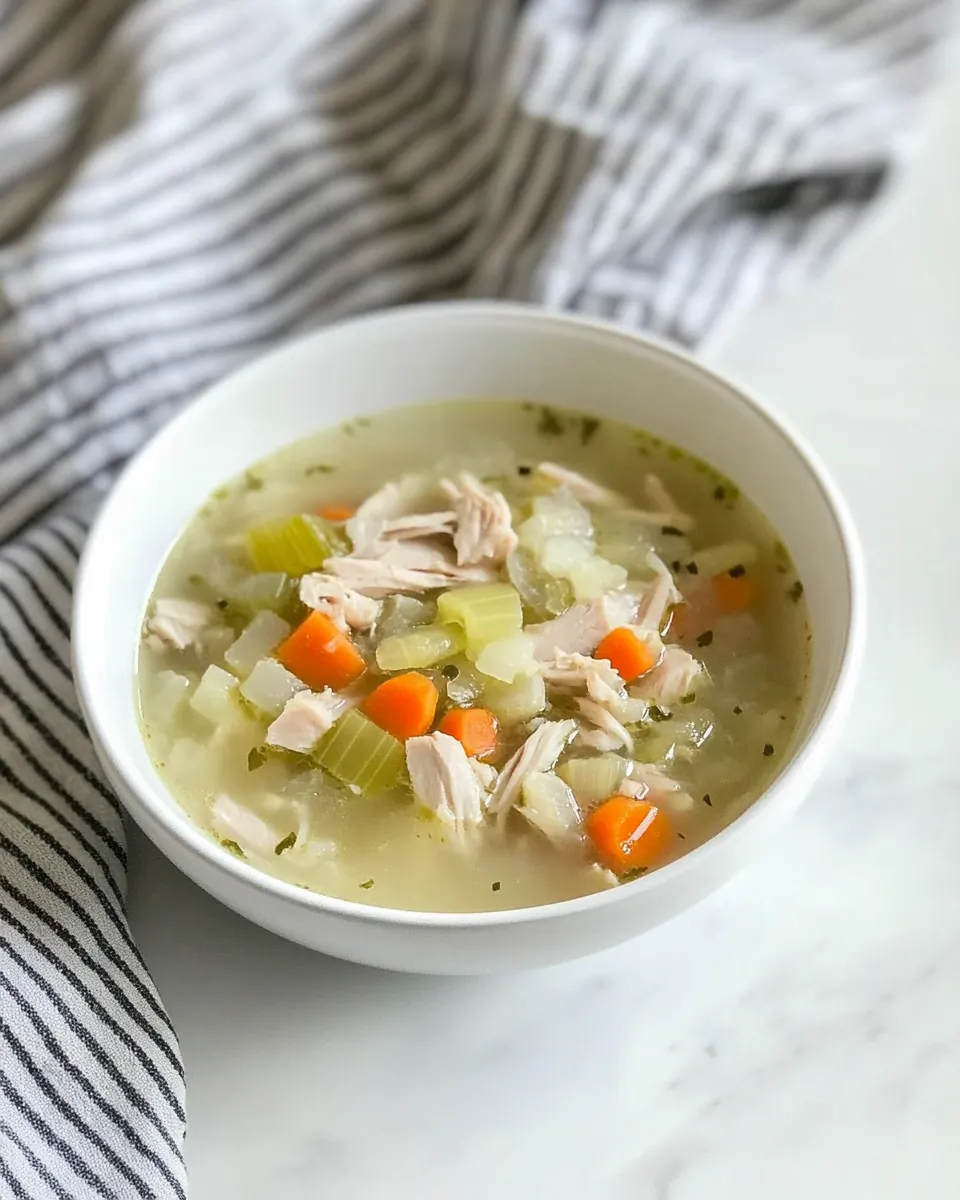
This is a conversational walk through the cooking process so you can follow the rhythm in the kitchen. I like to keep the pot within reach, taste as I go, and adjust heat to coax the best textures from the vegetables and turkey. Below the steps are expanded with sensory cues, reasoning, and troubleshooting to help you succeed.
- Heat the olive oil in a large pot over high heat, then saute the onion, carrots, and celery until they soften, about 8 minutes.: The pan should smell bright and vegetal as the olive oil warms and the chopped onion , carrots , and celery begin to sizzle softly. Listen for a gentle crackle that tells you moisture is escaping, and watch the edges of the onion turn translucent while the carrots and celery lose their raw sheen. This step builds the aromatics that form the backbone of the broth, because gentle sweating releases sugars that caramelize slightly, deepening flavor. If the vegetables start to brown too quickly, lower the heat so they continue to soften instead of charring, which would introduce bitterness. A common mistake is using excessively high heat and rushing, which yields uneven textures and a less sweet, more bitter base.
- Add in the garlic, sage, thyme, and red pepper flakes and stir for one more minute, until fragrant.: As you add the minced garlic and dried herbs, the pot will exhale a quick burst of aroma, bright and herbaceous. Stir constantly to prevent the garlic from sticking and darkening, which causes bitterness. The tiny beads of oil will carry the essential oils from the sage and thyme , and you should notice an immediate deepening in scent. This process toasts the dried spices briefly, which releases flavor compounds that infuse the soup. Be mindful of timing, because leaving these aromatics in a hot pan without stirring can result in burnt bits, making the broth taste acrid.
- Add in the cauliflower, water, shredded turkey, and salt. Stir, then bring the liquid to a boil. Once it's boiling, cover the pot and lower the heat to a gentle simmer. Cook until the cauliflower is fork-tender, about 15 to 20 minutes.: When the cauliflower and 4 cups of water meet the softened vegetables, the pot will look fuller and the steam rising will smell rounded and savory. Stir in the shredded turkey and the measured fine sea salt , which help season throughout rather than only at the end. Bringing the mixture to a full boil then reducing to a gentle simmer gives the cauliflower time to soften evenly without breaking apart. You want fork tender florets that still hold shape, and the simmer allows the flavors to marry slowly. Avoid a rolling boil during this stage, as aggressive bubbling can shred the cauliflower and overcook the turkey , making textures mushy rather than pleasantly yielding.
- Remove the lid and stir in the coconut milk. Taste the soup and adjust any seasoning as needed. (This is the time to stir in leftover Wild Rice Stuffing if you have any– it will heat up quickly in the hot soup!) Serve warm.: As you lift the lid, the aroma becomes richer and rounder, signaling that the flavors have melded. Pour in the half cup of full fat coconut milk slowly and stir just until incorporated so the soup gains a silky body. You will notice the broth lighten slightly and the mouthfeel become creamier without losing its broth like clarity. Keep the heat gentle so the coconut milk does not separate; it should warm through but not boil vigorously. A typical problem here is overheating which can cause the milk to split and leave the broth looking curdled instead of smooth.
- Taste the soup and adjust any seasoning as needed.: After the coconut milk is melded in, take a spoon and sample for balance. You are listening for salt, herb presence, and the interplay between the tender cauliflower and the shredded turkey . If it needs brightness, a pinch more fine sea salt will raise the flavors, or a dash of freshly ground black pepper will sharpen the finish. Adjust gradually because changes are cumulative as the soup cools slightly. A common misstep is over seasoning at once which can push the soup beyond subtlety and make it taste flat or overly salty as it sits.
- Serve warm.: Ladle the soup into bowls so you can appreciate the contrast of tender vegetables and warm shredded turkey . The aroma should be inviting, with herb notes and a gentle creaminess. Serve immediately, because this soup is best enjoyed hot when textures are optimal and flavors are vivid. Allowing it to sit can mute bright herb notes and soften textures further, so reheat gently rather than bringing it to a vigorous boil if serving later.
Ways to Adapt This Recipe

I like to think of adaptations as tiny invitations to make the recipe your own. Below are practical, tested ways I’ve changed this soup to suit different moods and pantries.
- Make it heartier: Stir in leftover cooked grains at the end to thicken and add body, but add just enough to heat through to prevent them from turning mushy.
- Mild spice adjustment: Reduce or omit the crushed red pepper flakes if you prefer no heat, or toast a pinch of smoked paprika for a smoky warmth without extra heat.
- Dairy free creaminess: The coconut milk is already a dairy free option that gives richness, so keep it full fat for the best mouthfeel and avoid thinning the broth.
- Stretching the meal: To feed more people, add cubed cooked potatoes or extra cauliflower, and increase the water slightly while checking seasoning as it dilutes.
- Make ahead notes: Store refrigerated for up to three days, reheat gently on low and add a splash of water if it tightens up; this preserves texture and flavor.
How to Enjoy Leftover Turkey Soup
This soup is versatile for many occasions, from a quiet weeknight to a cozy post holiday lunch. Below are serving ideas, pairings, and storage tips to help you enjoy it across seasons and gatherings.
- Serve with crusty bread: A warm loaf helps soak up broth and makes the meal more satisfying for casual dinners.
- Lunch or light dinner: Portion into bowls for a balanced, protein rich lunch or an easy evening meal when you want something restorative.
- Post holiday recovery: This is ideal after big dinners, when leftover turkey needs a tasteful purpose and you want something lighter than rich casseroles.
- Storage tips: Refrigerate in airtight containers for up to three days, and reheat gently on low to preserve texture and avoid breaking the coconut milk.
- Seasonal pairings: In winter, add a side of roasted root vegetables or a simple green salad to bring freshness to the table.
- Occasion friendly: Serve in bowls for family style dinners or ladle into thermoses for portable lunches during busy days.
FAQ
Conclusion
Leftover Turkey Soup shines because it turns simple leftovers into a nourishing, flavorful bowl that feels intentionally cozy. It balances aromatic vegetables, savory herbs, tender turkey, and a creamy finish to create a satisfying meal. Give it a try when you want something that is easy, resourceful, and genuinely comforting; it’s a great way to honor the effort that went into a roasted bird and enjoy a fresh meal with minimal fuss. I hope this recipe becomes a reliable, warming favorite in your repertoire.

Leftover Turkey Soup
Equipment
- Large Pot
- Wooden Spoon
- Knife
- Cutting Board
Ingredients
- 1 tablespoon olive oil Sauté in a hot pan to release flavors and provide the cooking fat that carries aromatics throughout the soup; contributes a subtle fruitiness and helps soften vegetables.
- 1 onion, chopped Chop finely and sweat until translucent to build the aromatic base, lending sweetness and depth to the broth while adding texture to each spoonful.
- 4 carrots, chopped Dice into even pieces and simmer until tender to add natural sweetness, body, and a pleasant bite that complements the other root vegetables.
- 5 celery stalks, chopped Slice and cook until softened to offer a crisp, savory backbone and aromatic freshness that balances richer elements in the soup.
- 2 cloves garlic, minced Mince finely and cook briefly to release pungent, fragrant oils that brighten the overall flavor and enhance savory notes.
- 3/4 teaspoon ground sage Measure precisely and add to infuse a warm, earthy, slightly piney flavor that pairs well with poultry and autumnal vegetables.
- 3/4 teaspoon dried thyme Sprinkle in to provide a subtle, woodsy herbaceous note that supports the overall savory profile and complements the sage and turkey.
- 1/4 teaspoon crushed red pepper flakes Crush lightly and add sparingly to introduce a gentle heat and a peppery kick that enlivens the broth without overwhelming other flavors.
- freshly ground black pepper Grind to taste to introduce adjustable heat and a sharp, aromatic finish that enhances savory and herbal components across the soup.
- 1/2 head cauliflower, cut into florets Cut into florets and simmer until tender to provide body, a mild nutty flavor, and a satisfying vegetable element that soaks up the broth.
- 4 cups water Pour in as the primary liquid to create the soup base, allowing ingredients to cook together and develop a cohesive, simmered flavor.
- 2 cups leftover turkey, shredded or cut into small pieces Shred or chop and add near the end to incorporate rich, leftover protein that provides texture, savory depth, and heartiness to the soup.
- 1 1/2 teaspoons fine sea salt Measure and season to balance flavors and enhance the natural tastes of vegetables and turkey while controlling the overall saltiness.
- 1/2 cup full-fat coconut milk Stir in at the finish to add silkiness, a slight sweetness, and a creamy mouthfeel that rounds out the broth without using dairy.
Instructions
- Heat the olive oil in a large pot over high heat, then saute the onion, carrots, and celery until they soften, about 8 minutes.: The pan should smell bright and vegetal as the olive oil warms and the chopped onion , carrots , and celery begin to sizzle softly. Listen for a gentle crackle that tells you moisture is escaping, and watch the edges of the onion turn translucent while the carrots and celery lose their raw sheen. This step builds the aromatics that form the backbone of the broth, because gentle sweating releases sugars that caramelize slightly, deepening flavor. If the vegetables start to brown too quickly, lower the heat so they continue to soften instead of charring, which would introduce bitterness. A common mistake is using excessively high heat and rushing, which yields uneven textures and a less sweet, more bitter base.
- Add in the garlic, sage, thyme, and red pepper flakes and stir for one more minute, until fragrant.: As you add the minced garlic and dried herbs, the pot will exhale a quick burst of aroma, bright and herbaceous. Stir constantly to prevent the garlic from sticking and darkening, which causes bitterness. The tiny beads of oil will carry the essential oils from the sage and thyme , and you should notice an immediate deepening in scent. This process toasts the dried spices briefly, which releases flavor compounds that infuse the soup. Be mindful of timing, because leaving these aromatics in a hot pan without stirring can result in burnt bits, making the broth taste acrid.
- Add in the cauliflower, water, shredded turkey, and salt. Stir, then bring the liquid to a boil. Once it's boiling, cover the pot and lower the heat to a gentle simmer. Cook until the cauliflower is fork-tender, about 15 to 20 minutes.: When the cauliflower and 4 cups of water meet the softened vegetables, the pot will look fuller and the steam rising will smell rounded and savory. Stir in the shredded turkey and the measured fine sea salt , which help season throughout rather than only at the end. Bringing the mixture to a full boil then reducing to a gentle simmer gives the cauliflower time to soften evenly without breaking apart. You want fork tender florets that still hold shape, and the simmer allows the flavors to marry slowly. Avoid a rolling boil during this stage, as aggressive bubbling can shred the cauliflower and overcook the turkey , making textures mushy rather than pleasantly yielding.
- Remove the lid and stir in the coconut milk. Taste the soup and adjust any seasoning as needed. (This is the time to stir in leftover Wild Rice Stuffing if you have any-- it will heat up quickly in the hot soup!) Serve warm.: As you lift the lid, the aroma becomes richer and rounder, signaling that the flavors have melded. Pour in the half cup of full fat coconut milk slowly and stir just until incorporated so the soup gains a silky body. You will notice the broth lighten slightly and the mouthfeel become creamier without losing its broth like clarity. Keep the heat gentle so the coconut milk does not separate; it should warm through but not boil vigorously. A typical problem here is overheating which can cause the milk to split and leave the broth looking curdled instead of smooth.
- Taste the soup and adjust any seasoning as needed.: After the coconut milk is melded in, take a spoon and sample for balance. You are listening for salt, herb presence, and the interplay between the tender cauliflower and the shredded turkey . If it needs brightness, a pinch more fine sea salt will raise the flavors, or a dash of freshly ground black pepper will sharpen the finish. Adjust gradually because changes are cumulative as the soup cools slightly. A common misstep is over seasoning at once which can push the soup beyond subtlety and make it taste flat or overly salty as it sits.
- Serve warm.: Ladle the soup into bowls so you can appreciate the contrast of tender vegetables and warm shredded turkey . The aroma should be inviting, with herb notes and a gentle creaminess. Serve immediately, because this soup is best enjoyed hot when textures are optimal and flavors are vivid. Allowing it to sit can mute bright herb notes and soften textures further, so reheat gently rather than bringing it to a vigorous boil if serving later.
Notes
- Make it heartier: Stir in leftover cooked grains at the end to thicken and add body, but add just enough to heat through to prevent them from turning mushy.
- Mild spice adjustment: Reduce or omit the crushed red pepper flakes if you prefer no heat, or toast a pinch of smoked paprika for a smoky warmth without extra heat.
- Dairy free creaminess: The coconut milk is already a dairy free option that gives richness, so keep it full fat for the best mouthfeel and avoid thinning the broth.
- Stretching the meal: To feed more people, add cubed cooked potatoes or extra cauliflower, and increase the water slightly while checking seasoning as it dilutes.
- Make ahead notes: Store refrigerated for up to three days, reheat gently on low and add a splash of water if it tightens up; this preserves texture and flavor.