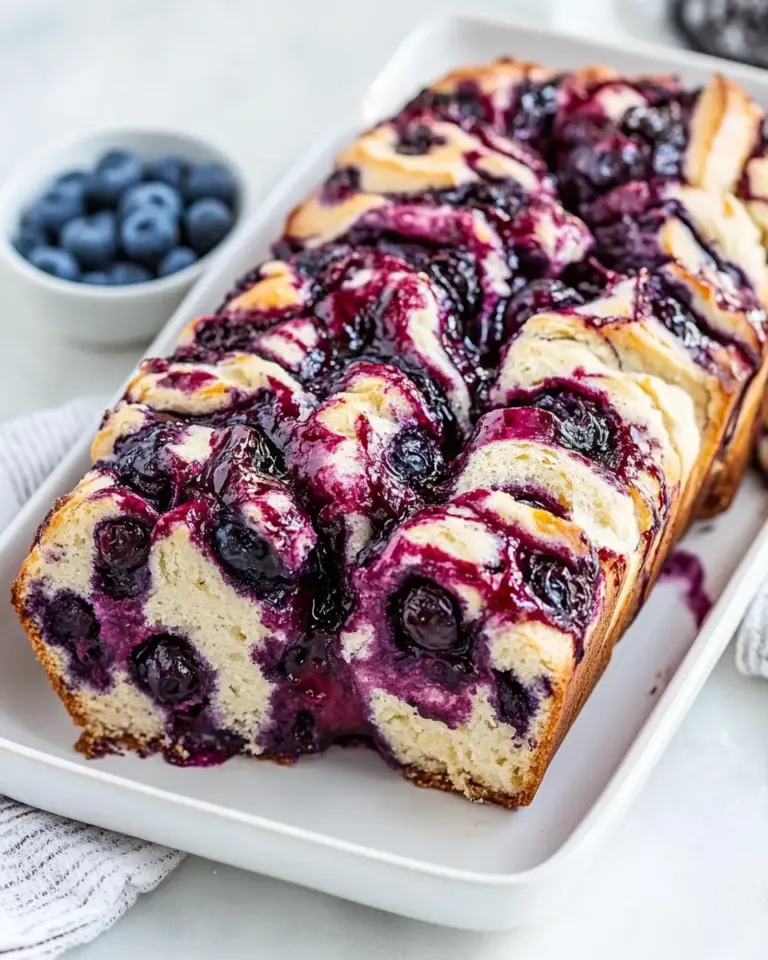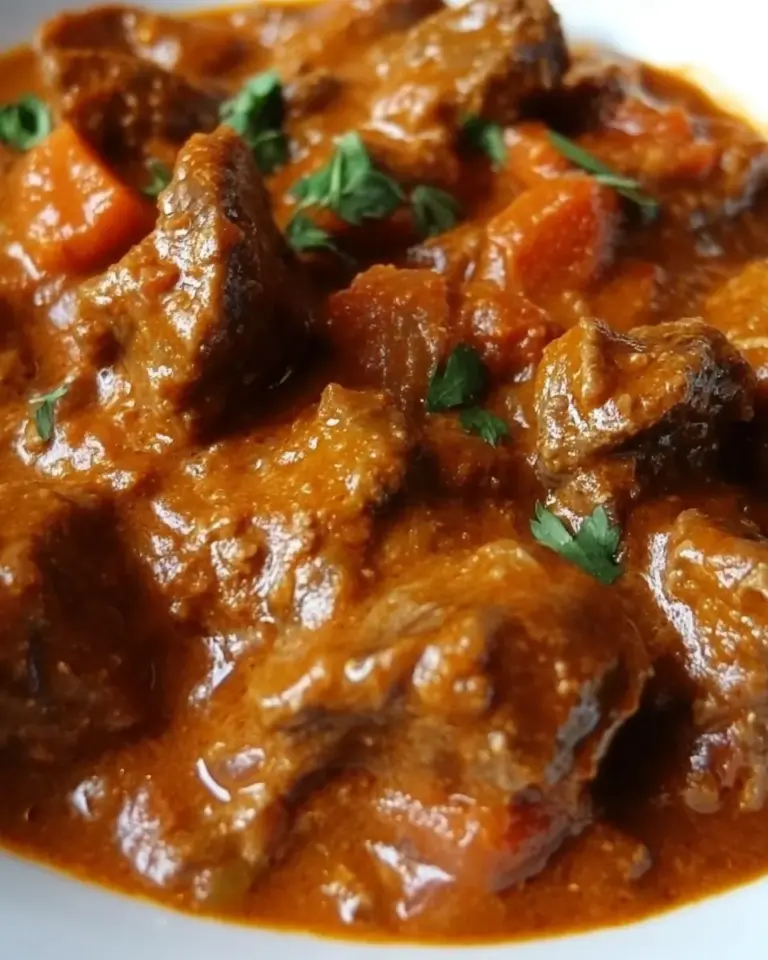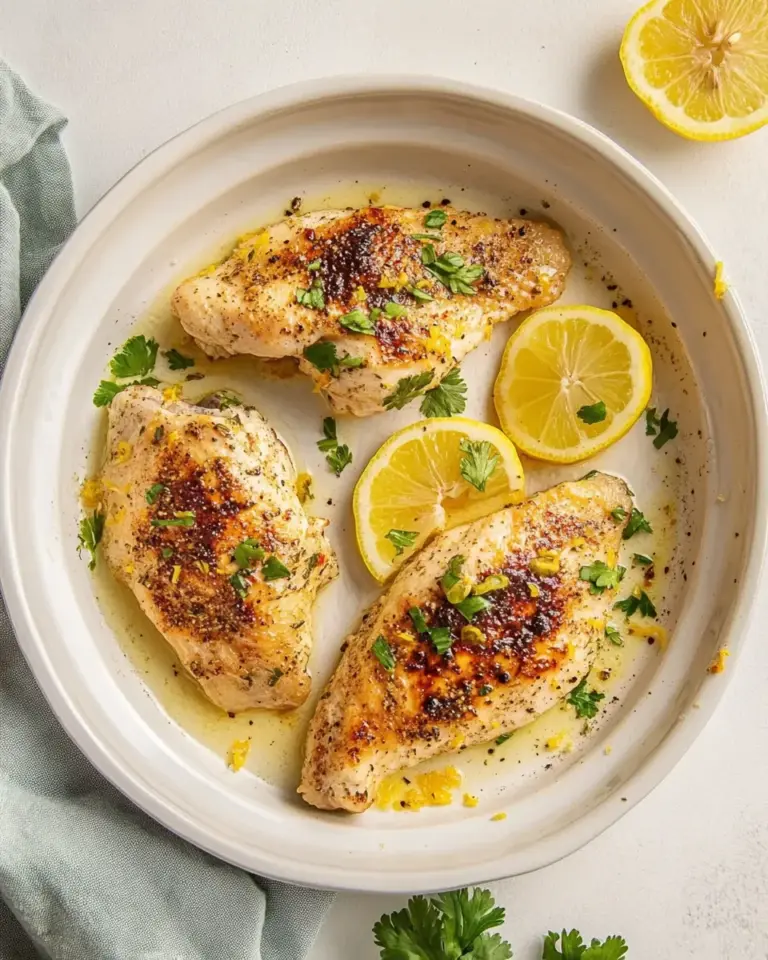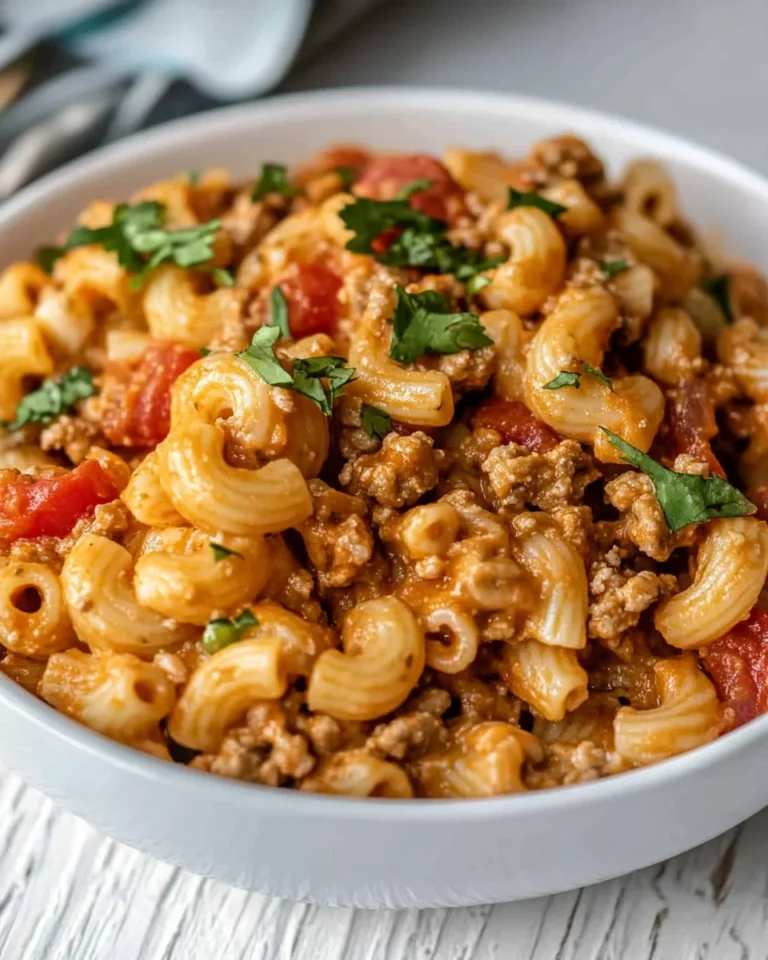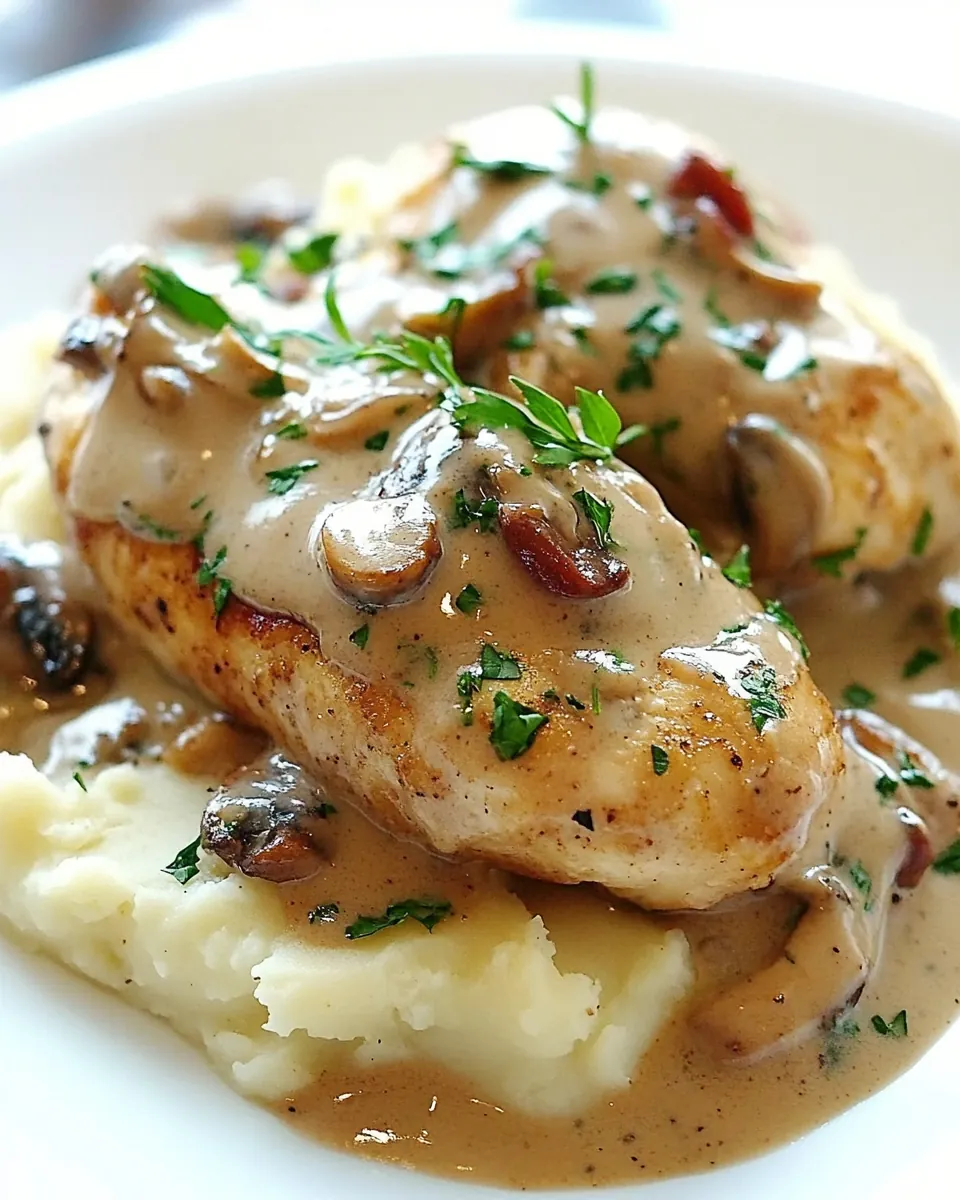
Chicken with Mushroom Sauce over Mashed Potatoes
Chicken with Mushroom Sauce over Mashed Potatoes is one of those dinners I turn to when I want something comforting yet impressive enough for guests. The first time I made it, I was juggling a busy weeknight and an unexpected visit from a friend, and the way the fragrant mushroom sauce came together over creamy mashed potatoes felt like culinary therapy. I still remember the gentle sizzle when the butter met the pan, and how the kitchen filled with the warm scent of onion and garlic. That evening taught me how small techniques make a big difference, and how a handful of simple ingredients can create a dish that feels indulgent without being fussy.
Over the years I have tweaked the dish to keep it reliable and full of flavor. I love how the sauce clings to the chicken, and how a spoonful over a bed of fluffy mashed potatoes turns every bite into something silky and satisfying. When I serve it, I pay attention to texture, making sure the mushrooms are tender but still have body, and that the sauce is thick enough to coat a fork. Guests always ask for seconds, and that reaction is why this recipe stays in my weeknight rotation. I hope you feel encouraged to try it the next time you want comfort food that tastes like you spent all afternoon in the kitchen, even if you got it done in much less time.
Recipe Snapshot
60 mins
20 mins
40 mins
Medium
450 kcal
American
Gluten-Free, Low FODMAP
Dinner
Heavy bottomed pot, Wooden spoon, Measuring cups
Why This Chicken with Mushroom Sauce over Mashed Potatoes Is a Winner
Rich, yet simple flavor
I love how the combination of mushrooms, onion, and garlic creates a deeply savory backbone for the sauce. The sauté concentrates their flavor, and finishing with heavy cream and parmesan cheese brings silkiness and umami. This makes the whole dish feel luxurious without adding many steps.
Comfort food that feels thoughtful
There is something so grounding about a plate of chicken served over mashed potatoes. I find it reassuring to serve a dish that reads as homey, while the mushroom sauce gives it a restaurant touch. It’s the kind of meal that comforts without being predictable.
Weeknight friendly, guest worthy
I often make this on busy evenings because the technique is straightforward, yet the result is polished. Browning the chicken early locks in flavor, and finishing it in the sauce saves time and keeps the meat moist. I’ve served it for casual dinners and small celebrations, and it always lands well.
Flexible and forgiving
This recipe is forgiving if your timing slips. The sauce can rest and reheat gently, and the mashed potatoes are easy to refresh. If you want a thicker sauce, a minute or two of additional simmering concentrates flavors perfectly. If you need it thinner, a splash more chicken stock loosens it up without losing taste.
Aromas that invite people to the table
I never underestimate how inviting those first smells are when you walk in from a long day. The sautéing onion and mushrooms, the browned edges of the chicken, and the creamy finish combine into an aroma that makes mouths water before plates are even set.
Main Ingredients for Chicken with Mushroom Sauce over Mashed Potatoes
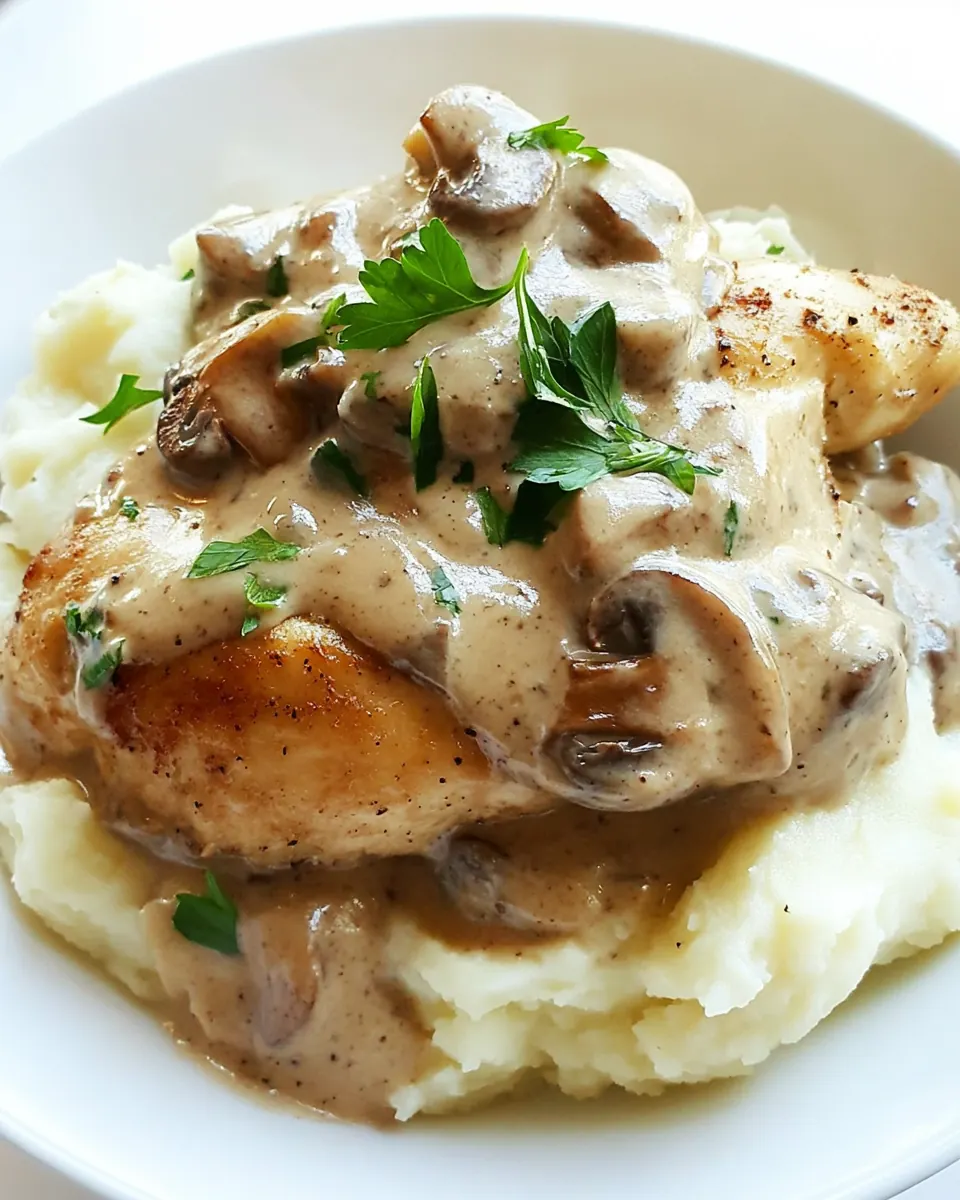
The philosophy behind these ingredients is straightforward: build depth through layers. The butter starts the flavor base, the chicken brings savory protein and browning, while onion and mushrooms contribute sweet and earthy notes. A light dusting of flour turns pan fond into a silky sauce when combined with chicken stock, and finishing with heavy cream and parmesan cheese makes everything lusciously rich. Each player supports texture and mouthfeel so the final plate leaves you satisfied.
- 2 tablespoons butter: Melt and enrich the pan for cooking, providing a silky base fat that helps brown the chicken and build flavor; use to sauté aromatics and mushrooms until tender. Adds a subtle creamy taste and helps create a glossy, cohesive sauce when combined with flour and stock.
- 6 chicken cutlets or 3 chicken breasts cut in half to be thinner: Flatten and cook quickly to ensure even, tender results; thin pieces sear well to develop a golden crust while staying juicy inside. Serve as the primary protein that soaks up the mushroom sauce and pairs with mashed potatoes for a complete meal.
- salt & pepper to taste: Season generously to enhance natural flavors and balance the dish; apply before and after cooking to taste, ensuring the chicken and sauce are properly seasoned. Use both salt and freshly ground pepper to bring out the savory elements in the mushrooms, stock, and cream.
- 1 large onion: Sauté until soft and translucent to create a savory, sweet foundation for the sauce; thinly sliced or diced onion releases moisture and caramelizes, adding depth. Combine with garlic and mushrooms to form the aromatic base that complements the chicken and thickened sauce.
- 8 oz button mushrooms washed and sliced: Sear and render for earthy, umami-rich flavor and pleasing texture; slice and cook until golden to concentrate their taste and liquid. Mix into the sauce so their juices blend with stock and cream, intensifying the overall savory profile of the dish.
- 2 cloves garlic minced: Mince and cook briefly to release aromatic oils that brighten the sauce; add near the end of sautéing onions and mushrooms to avoid bitterness from overcooking. Contributes a pungent, aromatic note that complements herbs and dairy components.
- 3 tablespoons flour: Whisk in to form a roux-like thickener that gives body to the mushroom sauce; cooking the flour briefly with butter removes raw taste and helps the liquid thicken evenly. Use to achieve a smooth, velvety consistency that clings to the chicken and potatoes.
- 2 1/2 cups chicken stock: Deglaze the pan and provide the savory liquid frame for the sauce; pouring in stock lifts browned bits and infuses depth while supplying the base for simmering. Adjust quantity to control sauce thickness before adding cream and cheese.
- 1/2 teaspoon thyme: Sprinkle in to impart subtle herbal complexity and a slightly minty, lemony undertone; thyme pairs especially well with mushrooms and chicken. Use dried thyme sparingly while simmering so its fragrance melds into the sauce without overpowering other herbs.
- 1/2 teaspoon basil: Add a mild sweet-herb aroma that complements thyme and enhances the sauce’s Italian-leaning flavors; basil contributes a gentle warmth to the creamy base. Incorporate while simmering to let its flavor harmonize with stock, cream, and cheese.
- 3/4 cup heavy cream: Stir in to enrich the sauce with luxurious creaminess and a glossy mouthfeel; heavy cream smooths acidity and balances the savory stock and mushrooms. Simmer gently after adding to prevent curdling and to allow flavors to meld into a rich, velvety finish.
- 1/2 cup grated parmesan cheese: Fold in to add salty, nutty umami and help thicken the sauce slightly as it melts; Parmesan deepens savory character and rounds out dairy richness. Grate finely so it incorporates smoothly and enhances both flavor and texture without graininess.
- 2 tablespoons chopped parsley: Sprinkle chopped to provide a fresh, herbaceous finish and visual contrast; parsley brightens the dish and cuts through richness with a clean vegetal note. Add at the end of cooking or as garnish to preserve color and fresh flavor.
- 1 recipe of my Perfect Mashed Potatoes: Serve as the starchy base that completes the meal by providing creamy, buttery balance beneath the sauced chicken; use mashed potatoes to soak up extra sauce and harmonize textures. Prepare according to the referenced perfect mashed potatoes recipe for ideal consistency and seasoning.
How to Cook Chicken with Mushroom Sauce over Mashed Potatoes
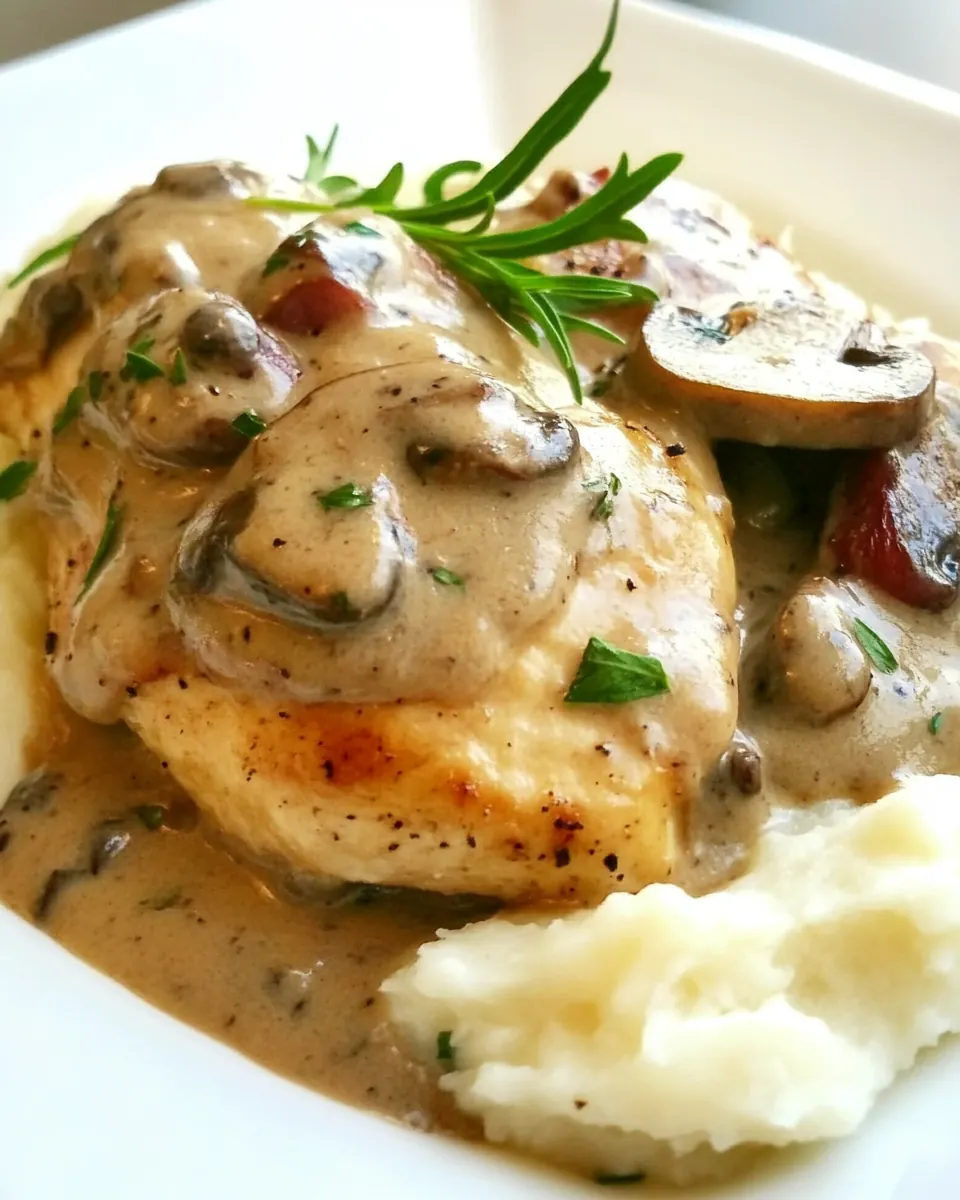
This method walks you through browning the chicken, building flavor from the pan, and finishing with a creamy, savory sauce to spoon over your mashed potatoes. Follow the sequence so the fond forms and the sauce captures every bit of caramelized flavor from the pan.
- In large heavy bottomed pot, melt butter over medium heat. Sprinkle chicken cutlets with salt and pepper and place 3 into hot butter. Brown on each side and remove from pot. Brown remaining 3 cutlets on both sides and set aside.: The aroma of melting butter is the first sign your dish is starting right. You should hear a gentle hiss as the butter spreads across the base, and the surface will shimmer before you add anything. This fat is important because it helps achieve a golden crust on the chicken , and it carries the flavors of subsequent aromatics. If the butter begins to brown too fast, lower the heat to maintain control, because burned butter will introduce bitterness. A common mistake here is heating too high and burning the butter before the chicken goes in, so take a moment to stabilize the pan before moving on.
- Saute onions and mushrooms in remaining butter until tender, about 5 minutes. Stir in minced garlic plus some salt and pepper and cook another minute.: Seasoning early is your friend, it builds flavor from the start. When you place the chicken into the hot butter, listen for a clear sizzle which indicates good contact and proper temperature. The sound will change as the surface seals, and visually you want a golden brown edge forming. Avoid moving them too soon, or the meat will stick and tear instead of developing a crust. If you are crowded in the pan and the sizzle sounds weak, it likely means the pan has cooled down and the pieces will steam rather than brown.
- Sprinkle in flour and stir, scraping up brown bits from the bottom of the pan. Increase heat to medium high and pour in chicken stock, thyme and basil. Bring to boil to thicken sauce, then reduce to medium low heat. Add browned chicken back into pot.: The visual cue here is a deep, even golden brown across the surface, not just a pale tan. This browning creates fond, those caramelized bits that provide intense flavor for the sauce. Remove the chicken as soon as it has color to prevent overcooking; it will finish in the sauce later. Overbrowning until black spots appear indicates the heat was too high, which will bring an unpleasant char into the final dish.
- Cook another 10 minutes. Right before serving, stir in cream, cheese and parsley. Serve over mashed potatoes.: Completing the browning in batches ensures even searing for all pieces. Set them aside on a plate to rest slightly, which helps the juices redistribute and prevents them from drying out while you make the sauce. Stacking while hot can cause steaming, so lay them in a single layer if possible. A mistake I've seen is piling the meat, which traps steam and softens the crust you worked for.
- Saute onions and mushrooms in remaining butter until tender, about 5 minutes: You want the onion to become translucent and the mushrooms to release their moisture and then brown slightly. The sound will change from a bright sizzle to a lower, wetter bubbling as the mushrooms give up liquid, then back to a drier sizzle as that liquid evaporates. This concentration intensifies the flavors that will feed into the sauce. If the pan is too crowded the mushrooms will steam rather than sauté, leaving them limp and less flavorful.
- Stir in minced garlic plus some salt and pepper and cook another minute: Adding the garlic late preserves its fresh aroma while infusing the dish. You should catch a quick puff of fragrant garlic scent, but watch closely, because garlic browns quickly and bitterness develops if it burns. A quick stir for about a minute over moderate heat is enough. If the garlic starts to brown faster than expected, drop the heat to prevent a bitter edge.
- Sprinkle in flour and stir, scraping up brown bits from the bottom of the pan: The flour melds with the fat and fond to create a roux that will thicken the sauce and carry those caramelized flavors. As you stir, you will see the flour coat the vegetables and pick up the browned particles, which is exactly what you want. This step helps avoid a thin, flavorless sauce. If lumps form, keep stirring and, when you add liquid, whisk briskly to smooth them out.
- Increase heat to medium high and pour in chicken stock, thyme and basil: Pouring in the chicken stock deglazes the pan, dissolving the fond into the liquid, and the herbs begin to infuse their subtle notes. You will see the mixture lift from the bottom as it loosens, which is a satisfying transformation. Be ready with a wooden spoon to scrape those bits so no flavor is lost. A too rapid boil can cause the sauce to reduce unevenly, so monitor the heat once the stock is added.
- Bring to boil to thicken sauce, then reduce to medium low heat: Watch the sauce bubble as it comes to a boil, thickening as the starches from the flour activate. The texture should shift from watery to slightly syrupy; that is the point to reduce the heat. Keeping it at a gentle simmer allows flavors to meld without evaporating too quickly. A frequent mistake is letting it boil hard for too long, which can over reduce and make the sauce too salty or thick.
- Add browned chicken back into pot: Nestle the seared chicken pieces into the sauce so they can finish cooking gently while absorbing flavor. You should see the sauce cling to their edges, which helps the meat stay juicy and seasons it throughout. If the sauce covers them completely, they will poach gently and remain tender. If you return the chicken to a sauce that is too hot, it can toughen the proteins, so a gentle simmer is ideal.
- Cook another 10 minutes: During this short simmer, the chicken finishes cooking to the proper internal temperature while the sauce reduces just a touch and concentrates. You may hear a quiet bubbling and see the surface thicken; these are signs the heat is right. Overcooking here leads to dryer chicken , so keep an eye on time and test a piece if you are unsure. A meat thermometer should read about 165 degrees Fahrenheit for fully cooked poultry.
- Right before serving, stir in cream, cheese and parsley: Bringing in the heavy cream and parmesan cheese at the end softens the sauce into a velvety finish, and the parsley adds a bright lift. Stir gently until the cheese melts and the sauce is glossy. Avoid boiling after adding the dairy, because vigorous heat can cause it to separate. If separation happens, remove from heat and whisk in a small splash of stock until smooth.
- Serve over mashed potatoes: Spoon the glossy sauce and chicken over a mound of warm mashed potatoes so the sauce soaks into them, creating harmony between creamy starch and savory topping. The visual contrast of the white potatoes against the brown sauce is inviting, and the first spoonful should be a mix of textures and flavors. A common misstep is plating too soon while the potatoes are cold, which dulls the dish, so ensure the potatoes are piping hot.
Tips for Success
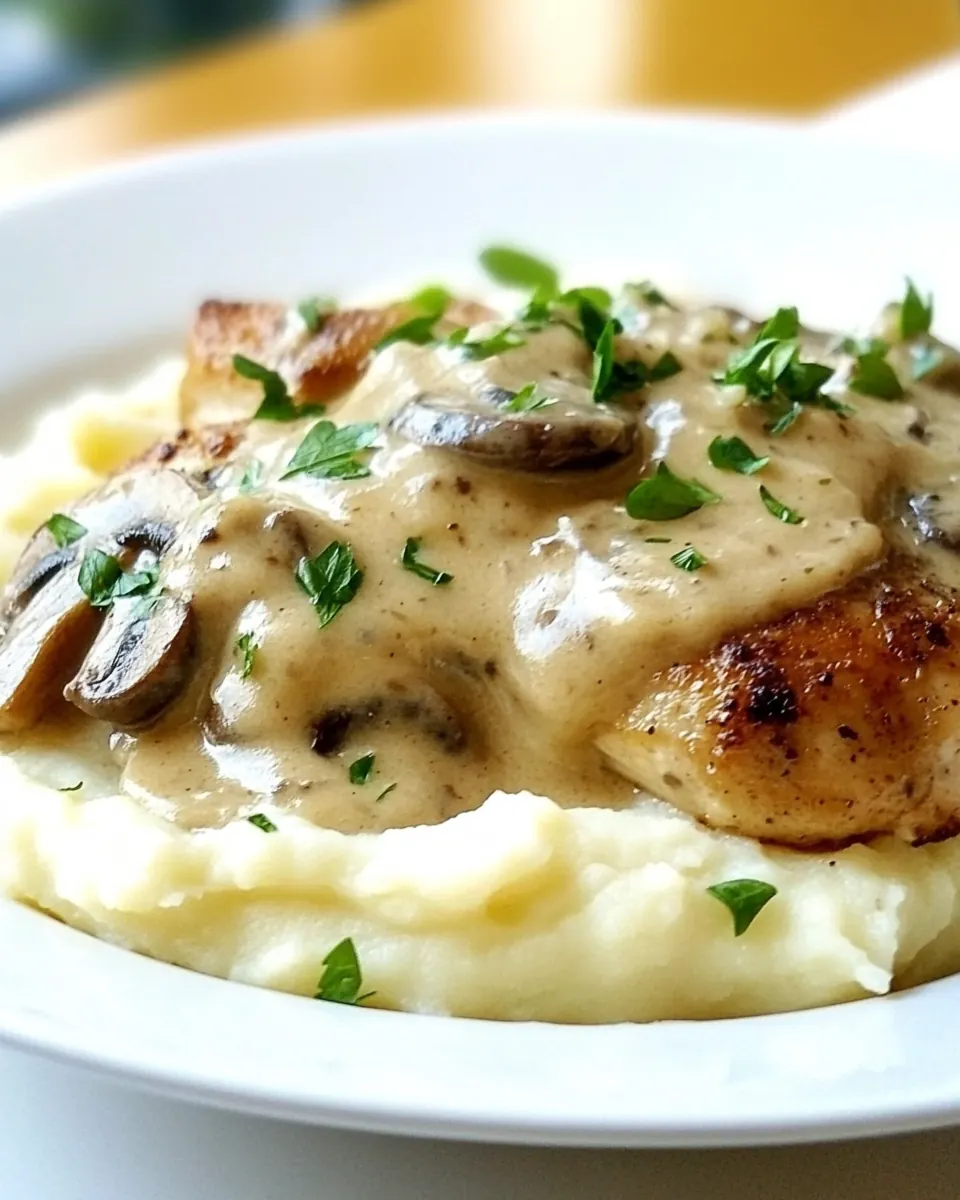
A few practical tips will help this recipe shine. These pointers cover timing, texture, and common pitfalls so you get a creamy, flavorful sauce and tender chicken. Keep these in mind as you cook to avoid small mistakes that can change the result.
- Start with room temperature chicken, it browns more evenly and finishes juicier; cold meat can seize in the pan and cook unevenly.
- Dry your mushrooms and onion well before sautéing to encourage proper browning, because moisture causes steaming instead of caramelization.
- Measure the flour accurately and sprinkle it over the vegetables while stirring to prevent lumps and ensure a smooth sauce.
- Use a heavy bottomed pot so heat distributes evenly and you avoid hot spots that can burn the sauce while reducing.
- Warm the cream slightly before adding to the sauce to reduce the shock in temperature and lower the chance of splitting.
- Keep parsley fresh and add it at the end for a bright note that balances the richness of the dish.
- Check seasoning at the end because reduction concentrates saltiness; adjust with a small splash of stock if needed.
How to Serve Chicken with Mushroom Sauce over Mashed Potatoes
Serving is where the dish becomes an experience. Keep components warm, plate thoughtfully, and add small finishing touches for contrast. Below are ideas for occasions, pairings, and storage that help you get the most from the recipe.
- Classic weeknight dinner, plate a generous scoop of warm mashed potatoes then ladle the chicken and mushroom sauce on top so every bite gets sauce and potato together.
- Small dinner party, arrange the chicken neatly on each plate and spoon the sauce over the top, garnish with extra chopped parsley for color and a sprinkle of parmesan cheese.
- Seasonal pairing, this dish feels right on chilly evenings in winter, when the warm, creamy sauce and hearty potatoes are especially welcome.
- Side dishes, serve with a simple green vegetable like steamed greens or a crisp salad to cut through the richness and add texture contrast.
- Leftover storage, cool the chicken and sauce then refrigerate in an airtight container for up to three days; reheat gently on low heat with a splash of chicken stock to loosen the sauce.
- Make ahead, you can prepare the sauce to the point before cream and cheese, refrigerate, then finish gently with cream when ready to serve so it feels freshly made.
FAQ
Conclusion
This recipe stands out because it balances simple techniques with rich, layered flavors to create a homey yet refined meal. The seared chicken, earthy mushroom sauce, and creamy mashed potatoes combine into plates that feel both comforting and elegant. Give it a try on a weeknight when you want food that warms the room and pleases a crowd, or save it for a cozy weekend dinner. With a little attention to browning and finishing, you’ll have a reliable dish that becomes a go to in your repertoire.
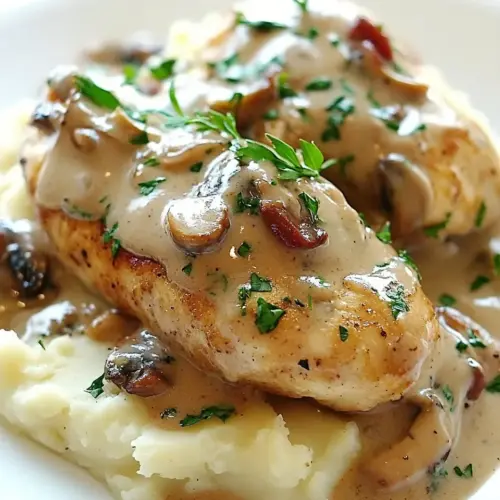
Chicken with Mushroom Sauce over Mashed Potatoes
Equipment
- Heavy-bottomed pot
- Wooden Spoon
- Measuring Cups
Ingredients
- 2 tablespoons butter Melt and enrich the pan for cooking, providing a silky base fat that helps brown the chicken and build flavor; use to sauté aromatics and mushrooms until tender. Adds a subtle creamy taste and helps create a glossy, cohesive sauce when combined with flour and stock.
- 6 chicken cutlets or 3 chicken breasts cut in half to be thinner Flatten and cook quickly to ensure even, tender results; thin pieces sear well to develop a golden crust while staying juicy inside. Serve as the primary protein that soaks up the mushroom sauce and pairs with mashed potatoes for a complete meal.
- salt & pepper to taste Season generously to enhance natural flavors and balance the dish; apply before and after cooking to taste, ensuring the chicken and sauce are properly seasoned. Use both salt and freshly ground pepper to bring out the savory elements in the mushrooms, stock, and cream.
- 1 large onion Sauté until soft and translucent to create a savory, sweet foundation for the sauce; thinly sliced or diced onion releases moisture and caramelizes, adding depth. Combine with garlic and mushrooms to form the aromatic base that complements the chicken and thickened sauce.
- 8 oz button mushrooms washed and sliced Sear and render for earthy, umami-rich flavor and pleasing texture; slice and cook until golden to concentrate their taste and liquid. Mix into the sauce so their juices blend with stock and cream, intensifying the overall savory profile of the dish.
- 2 cloves garlic minced Mince and cook briefly to release aromatic oils that brighten the sauce; add near the end of sautéing onions and mushrooms to avoid bitterness from overcooking. Contributes a pungent, aromatic note that complements herbs and dairy components.
- 3 tablespoons flour Whisk in to form a roux-like thickener that gives body to the mushroom sauce; cooking the flour briefly with butter removes raw taste and helps the liquid thicken evenly. Use to achieve a smooth, velvety consistency that clings to the chicken and potatoes.
- 2 1/2 cups chicken stock Deglaze the pan and provide the savory liquid frame for the sauce; pouring in stock lifts browned bits and infuses depth while supplying the base for simmering. Adjust quantity to control sauce thickness before adding cream and cheese.
- 1/2 teaspoon thyme Sprinkle in to impart subtle herbal complexity and a slightly minty, lemony undertone; thyme pairs especially well with mushrooms and chicken. Use dried thyme sparingly while simmering so its fragrance melds into the sauce without overpowering other herbs.
- 1/2 teaspoon basil Add a mild sweet-herb aroma that complements thyme and enhances the sauce’s Italian-leaning flavors; basil contributes a gentle warmth to the creamy base. Incorporate while simmering to let its flavor harmonize with stock, cream, and cheese.
- 3/4 cup heavy cream Stir in to enrich the sauce with luxurious creaminess and a glossy mouthfeel; heavy cream smooths acidity and balances the savory stock and mushrooms. Simmer gently after adding to prevent curdling and to allow flavors to meld into a rich, velvety finish.
- 1/2 cup grated parmesan cheese Fold in to add salty, nutty umami and help thicken the sauce slightly as it melts; Parmesan deepens savory character and rounds out dairy richness. Grate finely so it incorporates smoothly and enhances both flavor and texture without graininess.
- 2 tablespoons chopped parsley Sprinkle chopped to provide a fresh, herbaceous finish and visual contrast; parsley brightens the dish and cuts through richness with a clean vegetal note. Add at the end of cooking or as garnish to preserve color and fresh flavor.
- 1 recipe of my Perfect Mashed Potatoes Serve as the starchy base that completes the meal by providing creamy, buttery balance beneath the sauced chicken; use mashed potatoes to soak up extra sauce and harmonize textures. Prepare according to the referenced perfect mashed potatoes recipe for ideal consistency and seasoning.
Instructions
- In large heavy bottomed pot, melt butter over medium heat. Sprinkle chicken cutlets with salt and pepper and place 3 into hot butter. Brown on each side and remove from pot. Brown remaining 3 cutlets on both sides and set aside.: The aroma of melting butter is the first sign your dish is starting right. You should hear a gentle hiss as the butter spreads across the base, and the surface will shimmer before you add anything. This fat is important because it helps achieve a golden crust on the chicken , and it carries the flavors of subsequent aromatics. If the butter begins to brown too fast, lower the heat to maintain control, because burned butter will introduce bitterness. A common mistake here is heating too high and burning the butter before the chicken goes in, so take a moment to stabilize the pan before moving on.
- Saute onions and mushrooms in remaining butter until tender, about 5 minutes. Stir in minced garlic plus some salt and pepper and cook another minute.: Seasoning early is your friend, it builds flavor from the start. When you place the chicken into the hot butter, listen for a clear sizzle which indicates good contact and proper temperature. The sound will change as the surface seals, and visually you want a golden brown edge forming. Avoid moving them too soon, or the meat will stick and tear instead of developing a crust. If you are crowded in the pan and the sizzle sounds weak, it likely means the pan has cooled down and the pieces will steam rather than brown.
- Sprinkle in flour and stir, scraping up brown bits from the bottom of the pan. Increase heat to medium high and pour in chicken stock, thyme and basil. Bring to boil to thicken sauce, then reduce to medium low heat. Add browned chicken back into pot.: The visual cue here is a deep, even golden brown across the surface, not just a pale tan. This browning creates fond, those caramelized bits that provide intense flavor for the sauce. Remove the chicken as soon as it has color to prevent overcooking; it will finish in the sauce later. Overbrowning until black spots appear indicates the heat was too high, which will bring an unpleasant char into the final dish.
- Cook another 10 minutes. Right before serving, stir in cream, cheese and parsley. Serve over mashed potatoes.: Completing the browning in batches ensures even searing for all pieces. Set them aside on a plate to rest slightly, which helps the juices redistribute and prevents them from drying out while you make the sauce. Stacking while hot can cause steaming, so lay them in a single layer if possible. A mistake I've seen is piling the meat, which traps steam and softens the crust you worked for.
- Saute onions and mushrooms in remaining butter until tender, about 5 minutes: You want the onion to become translucent and the mushrooms to release their moisture and then brown slightly. The sound will change from a bright sizzle to a lower, wetter bubbling as the mushrooms give up liquid, then back to a drier sizzle as that liquid evaporates. This concentration intensifies the flavors that will feed into the sauce. If the pan is too crowded the mushrooms will steam rather than sauté, leaving them limp and less flavorful.
- Stir in minced garlic plus some salt and pepper and cook another minute: Adding the garlic late preserves its fresh aroma while infusing the dish. You should catch a quick puff of fragrant garlic scent, but watch closely, because garlic browns quickly and bitterness develops if it burns. A quick stir for about a minute over moderate heat is enough. If the garlic starts to brown faster than expected, drop the heat to prevent a bitter edge.
- Sprinkle in flour and stir, scraping up brown bits from the bottom of the pan: The flour melds with the fat and fond to create a roux that will thicken the sauce and carry those caramelized flavors. As you stir, you will see the flour coat the vegetables and pick up the browned particles, which is exactly what you want. This step helps avoid a thin, flavorless sauce. If lumps form, keep stirring and, when you add liquid, whisk briskly to smooth them out.
- Increase heat to medium high and pour in chicken stock, thyme and basil: Pouring in the chicken stock deglazes the pan, dissolving the fond into the liquid, and the herbs begin to infuse their subtle notes. You will see the mixture lift from the bottom as it loosens, which is a satisfying transformation. Be ready with a wooden spoon to scrape those bits so no flavor is lost. A too rapid boil can cause the sauce to reduce unevenly, so monitor the heat once the stock is added.
- Bring to boil to thicken sauce, then reduce to medium low heat: Watch the sauce bubble as it comes to a boil, thickening as the starches from the flour activate. The texture should shift from watery to slightly syrupy; that is the point to reduce the heat. Keeping it at a gentle simmer allows flavors to meld without evaporating too quickly. A frequent mistake is letting it boil hard for too long, which can over reduce and make the sauce too salty or thick.
- Add browned chicken back into pot: Nestle the seared chicken pieces into the sauce so they can finish cooking gently while absorbing flavor. You should see the sauce cling to their edges, which helps the meat stay juicy and seasons it throughout. If the sauce covers them completely, they will poach gently and remain tender. If you return the chicken to a sauce that is too hot, it can toughen the proteins, so a gentle simmer is ideal.
- Cook another 10 minutes: During this short simmer, the chicken finishes cooking to the proper internal temperature while the sauce reduces just a touch and concentrates. You may hear a quiet bubbling and see the surface thicken; these are signs the heat is right. Overcooking here leads to dryer chicken , so keep an eye on time and test a piece if you are unsure. A meat thermometer should read about 165 degrees Fahrenheit for fully cooked poultry.
- Right before serving, stir in cream, cheese and parsley: Bringing in the heavy cream and parmesan cheese at the end softens the sauce into a velvety finish, and the parsley adds a bright lift. Stir gently until the cheese melts and the sauce is glossy. Avoid boiling after adding the dairy, because vigorous heat can cause it to separate. If separation happens, remove from heat and whisk in a small splash of stock until smooth.
- Serve over mashed potatoes: Spoon the glossy sauce and chicken over a mound of warm mashed potatoes so the sauce soaks into them, creating harmony between creamy starch and savory topping. The visual contrast of the white potatoes against the brown sauce is inviting, and the first spoonful should be a mix of textures and flavors. A common misstep is plating too soon while the potatoes are cold, which dulls the dish, so ensure the potatoes are piping hot.
Notes
- Start with room temperature chicken, it browns more evenly and finishes juicier; cold meat can seize in the pan and cook unevenly.
- Dry your mushrooms and onion well before sautéing to encourage proper browning, because moisture causes steaming instead of caramelization.
- Measure the flour accurately and sprinkle it over the vegetables while stirring to prevent lumps and ensure a smooth sauce.
- Use a heavy bottomed pot so heat distributes evenly and you avoid hot spots that can burn the sauce while reducing.
- Warm the cream slightly before adding to the sauce to reduce the shock in temperature and lower the chance of splitting.
- Keep parsley fresh and add it at the end for a bright note that balances the richness of the dish.
- Check seasoning at the end because reduction concentrates saltiness; adjust with a small splash of stock if needed.