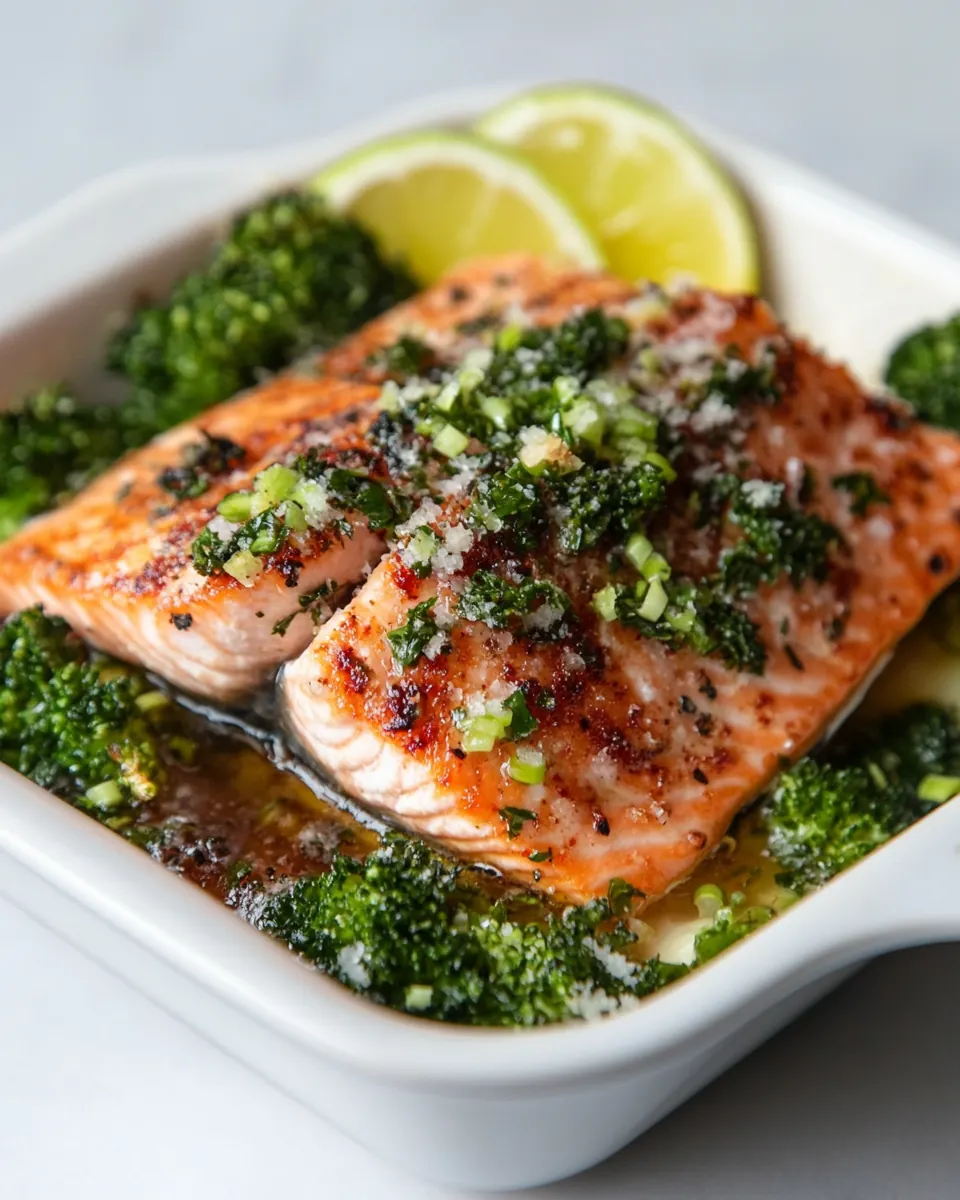
Baked Sockeye Salmon
Baked Sockeye Salmon is one of those recipes I return to when I want a fast, honest meal that still feels special. I first fell for this version on a rainy evening when I had just three ingredients and a stubborn craving for something smoky and bright. The salmon itself carried the meal, and I remember how the kitchen filled with a warm, oceanic aroma as the flesh transformed from translucent to flaky.
That night taught me to trust simple techniques, and since then I often make Baked Sockeye Salmon when friends pop over unexpectedly. The texture is reliably tender, the seasoning minimal but purposeful, and the whole thing comes together so quickly that I can keep conversation flowing while the oven does its work. I like how the surface gets a faint crust, and how the inside stays moist enough to flake cleanly with a fork.
Over time I experimented with small tweaks, like resting the fillets and using a thermometer to avoid overcooking. Those little habits elevated the dish from ‘good’ to ‘consistently great.’ What I love most is the balance between effortless technique and noticeable payoff, it feels grown up yet forgiving. Whether I serve it simply with a squeeze of citrus or pair it with a more composed side, Baked Sockeye Salmon remains the dependable star of weeknight dinners and casual weekend feasts.
Recipe Snapshot
15 mins
5 mins
10 mins
Medium
250 kcal
American
Keto, Paleo
Dinner
Large Baking Dish, Digital Thermometer
Why This Baked Sockeye Salmon Stands Out
Pure, vibrant flavor from the fish
I adore how Baked Sockeye Salmon showcases the fish itself, not a barrage of competing flavors. The natural richness of the sockeye salmon comes through, offering a deep, slightly sweet profile that only needs a whisper of seasoning. When done right the flesh tastes clean and ocean fresh, and that single-note clarity makes it feel elegant without fuss.
Speed without compromise
One major reason I rely on this recipe is how fast it is. From oven to plate in under twenty minutes means I can feed people with minimal planning, and the quick cook time preserves moisture, producing flaky yet succulent bites. For busy weeknights this is a real win, you get a high quality meal without a long time commitment.
Easy technique that anyone can master
I love teaching this to friends because the steps are straightforward, and the results are forgiving. A light oil rub and a sprinkle of salt and pepper are all that’s needed to coax out the best texture. Using a thermometer removes the guesswork, so you avoid the common pitfall of overcooking. I always feel proud handing it over to someone who has never cooked fish before.
Flexible and versatile
This recipe bends to your mood. Serve it plain with a squeeze of citrus for a bright lunch, or pair it with heartier sides for a dinner that feels complete. The minimalist seasoning acts like a blank canvas, allowing herbs, sauces, or sides to shine alongside the sockeye salmon, which makes it useful across seasons and occasions.
Healthy and satisfying
Finally, I appreciate how nourishing this dish is. With high quality protein and healthy fats from the avocado oil, it fills you up without weighing you down. It’s a recipe I recommend when you want comfort, nourishment, and something impressive with very little drama.
What Goes Into Baked Sockeye Salmon
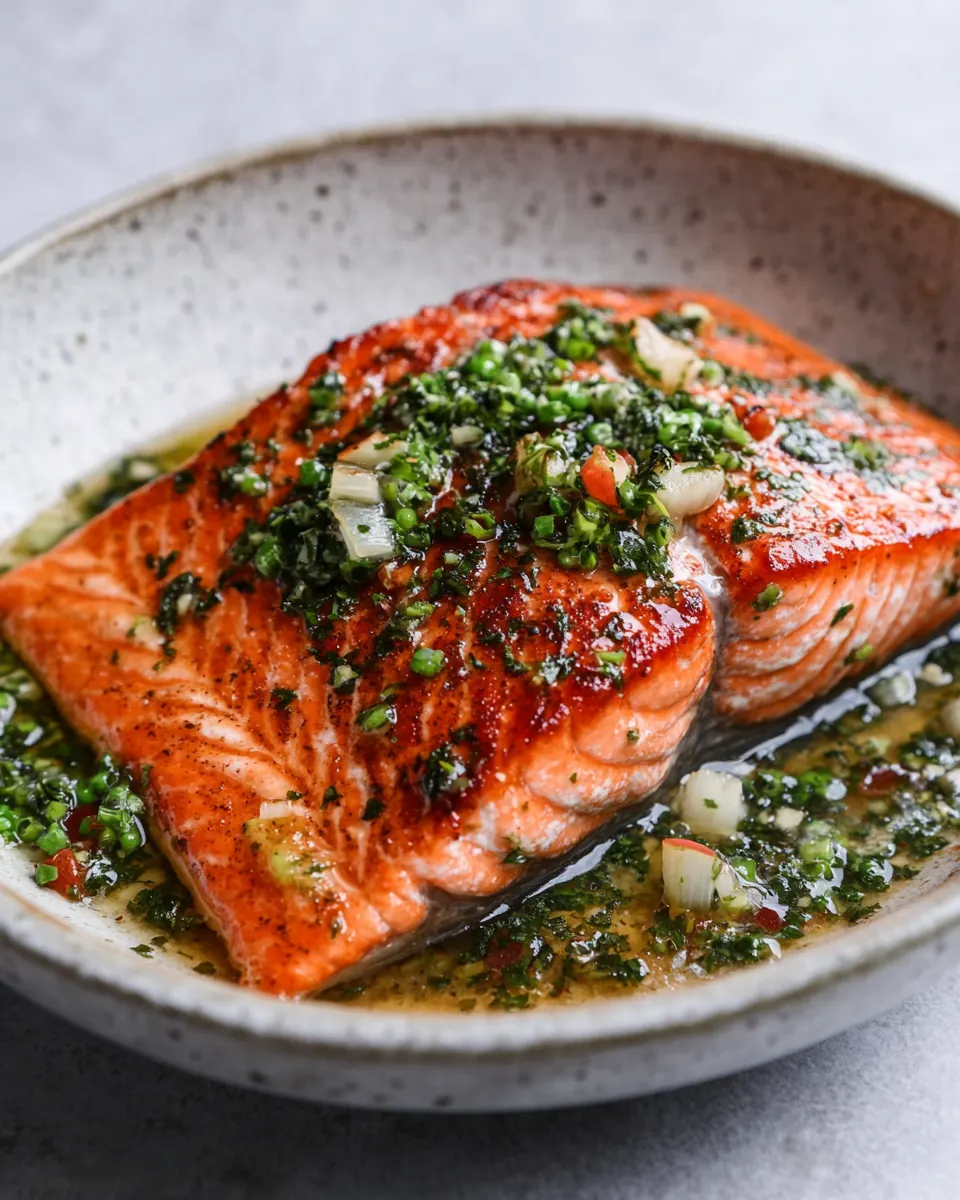
The ingredients here are intentionally pared back to highlight the star, the sockeye salmon. Each component plays a clear role, from keeping the flesh glossy to enhancing natural flavors without overshadowing them. These are the key players you will see again and again in straightforward seafood cooking: a quality piece of fish, a neutral oil for browning, and simple seasonings that emphasize the marine notes.
- 16 ounces sockeye salmon cut into filets: Provide rich omega-3 fatty acids and firm texture, serving as the main protein element for the dish and delivering a robust salmon flavor when baked. Use about 16 ounces and arrange filets evenly for uniform cooking, allowing skin-on or skinless depending on preference. Pair with simple seasonings to highlight natural taste and avoid overcooking to maintain moistness.
- 1 tbsp avocado oil: Moisturize and prevent sticking while promoting even browning by coating the fish lightly with avocado oil before baking. Apply approximately one tablespoon to ensure a subtle, neutral flavor that complements the salmon without overpowering it. Choose high-heat tolerant oil to keep the surface from burning at oven temperatures.
- 1 tsp garlic powder to taste: Impart a mild garlicky aroma and savory depth by sprinkling garlic powder to taste across the filets before baking. Use sparingly to avoid overwhelming the delicate fish, and adjust quantity based on personal preference for garlic intensity. Combine with salt and pepper to create a balanced seasoning profile.
- 1/2 tsp sea salt to taste: Enhance natural flavors and control seasoning levels by adding sea salt to taste, helping to draw out moisture and slightly firm the flesh as it cooks. Start with about half a teaspoon for 16 ounces and adjust according to dietary needs and personal preference. Consider finishing with a light sprinkle after baking if needed.
- 1/2 tsp black pepper to taste: Introduce a subtle heat and earthy bite by seasoning with black pepper to taste, rounding out the savory elements of the dish. Begin with around half a teaspoon and modify to suit spice tolerance, ensuring the pepper complements rather than dominates the salmon. Freshly ground pepper will yield more aromatic results.
Baked Sockeye Salmon Instructions
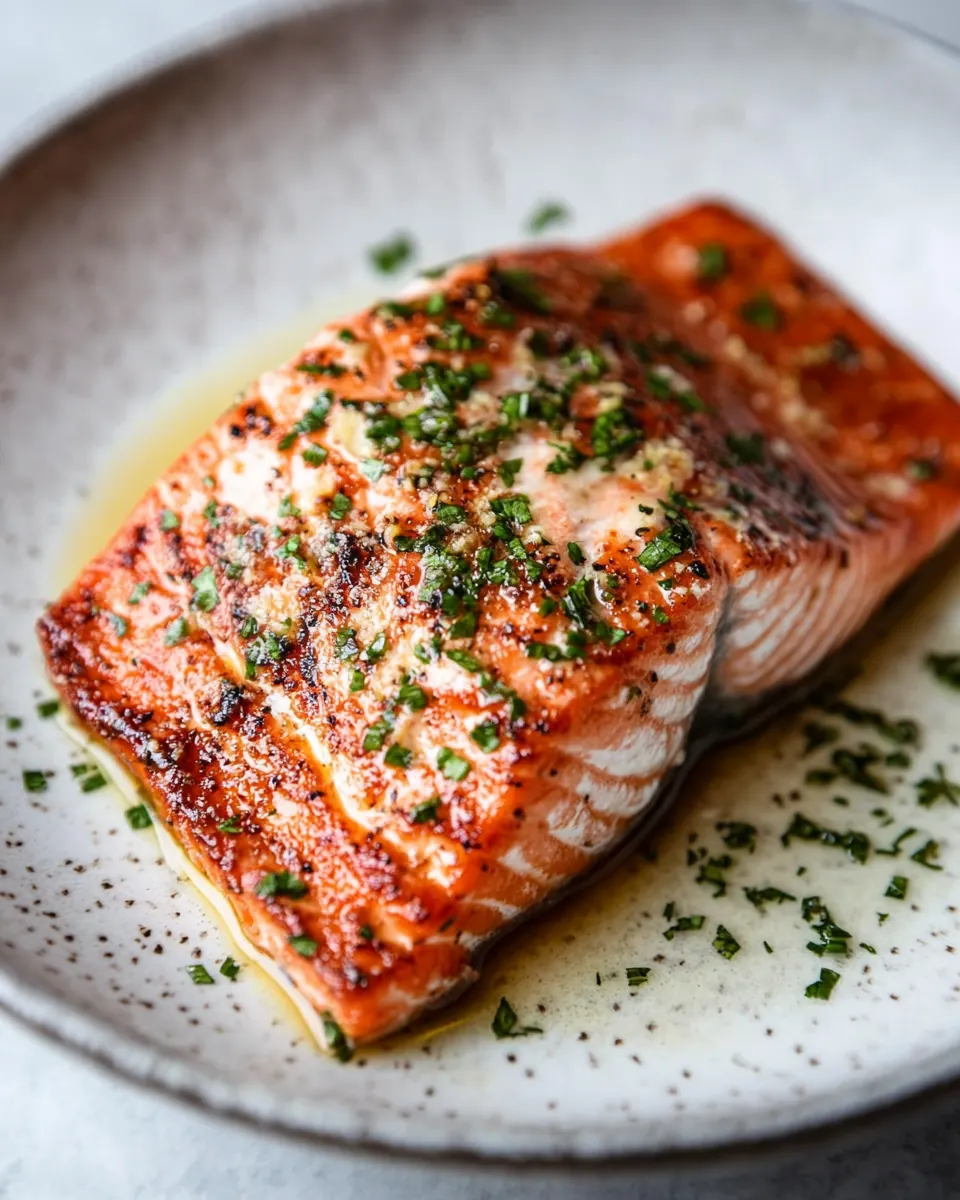
This recipe is straightforward but precise, and a calm, attentive approach makes all the difference. I find a quiet kitchen and an accurate thermometer transform the process into a relaxing ritual. Keep an eye on cues like color change and gentle firming of the flesh to know when you are done.
- Preheat the oven to 400 degrees Fahrenheit.: As the oven warms you will start to smell hints of the dry heat, and the air feels noticeably warmer. Preheating ensures immediate, even cooking when the fish goes in, promoting a uniform surface color and preventing uneven doneness. A common mistake is placing cold fish into an underheated oven, which extends cook time and dries the interior. Make sure the rack is centered so heat circulates around the fillets.
- Remove the sockeye filets from their packaging and place them in a large baking dish or on a large rimmed sheet pan. Use paper towels to dab off any excess moisture and keep salmon skin side down.: When you pat the sockeye salmon with paper towels you will notice moisture lifting away, and the flesh will look slightly matte rather than wet. That dryness helps the surface brown gently and lets oil and seasonings adhere. Skin side down creates a barrier against drying and supports delicate flesh. Avoid overhandling the fillets as rough treatment can tear the surface and release juices prematurely.
- Drizzle the salmon with avocado oil and use your hands or a silicone brush to coat the flesh with oil.: As you spread the avocado oil , the fillets take on a soft sheen and the texture becomes silky to the touch. The oil encourages a thin, savory crust and helps spices dissolve into the fish surface. Doing this step evenly ensures consistent browning. A trap to avoid is using too much oil which pools in the pan and steams the fish rather than roasting it.
- Sprinkle the salmon with sea salt, garlic powder, and black pepper. You can add any spice blends you like here.: The aroma of the spices will bloom as they warm on the fish surface, and you will notice the salt drawing out a faint marine scent. Even distribution is key so each bite has balance, and the powders sit on the oil to form a delicate seasoning layer. If you add heavier blends, watch that they do not overpower the sockeye salmon . Over seasoning is a frequent misstep, so taste your approach with restraint.
- Bake on the center rack of the preheated oven for 10 to 15 minutes, or until the internal temperature of the salmon reaches 145 degrees F.: During baking you will observe the fillets turning from a translucent red to an opaque pink, and the surface may develop a faintly crisp edge. The scent becomes richer and more savory as proteins coagulate. Time depends on thickness, and tracking the internal temperature prevents overcooking. A common issue is leaving the fish in too long, resulting in dryness, so aim for that target temperature for reliable tenderness.
- Insert a meat thermometer into the thickest part of the fish and wait until the numbers stop moving to get an accurate read.: The thermometer gives certainty, and the small pause while the numbers stabilize helps you avoid false readings. When the digits settle you will know the salmon is cooked through without guessing, and the flesh will flake easily yet remain moist. A mistake to avoid is checking too quickly and misreading a lower temperature, which leads to premature removal or unnecessary extra time in the oven.
- Serve salmon with your choice of side dishes, and enjoy! If you’d like, garnish with fresh herbs and a drizzle of lemon juice.: As you plate, the steam rising from the fillet carries savory, ocean notes and the surface will glisten slightly. A squeeze of citrus adds a bright contrast and fresh herbs introduce an herbal lift that complements the oil and spice. Serve promptly so the texture remains supple. Leaving the fish to sit uncovered for too long can cool and firm the flesh, altering the ideal mouthfeel.
Pro Tips and Tweaks
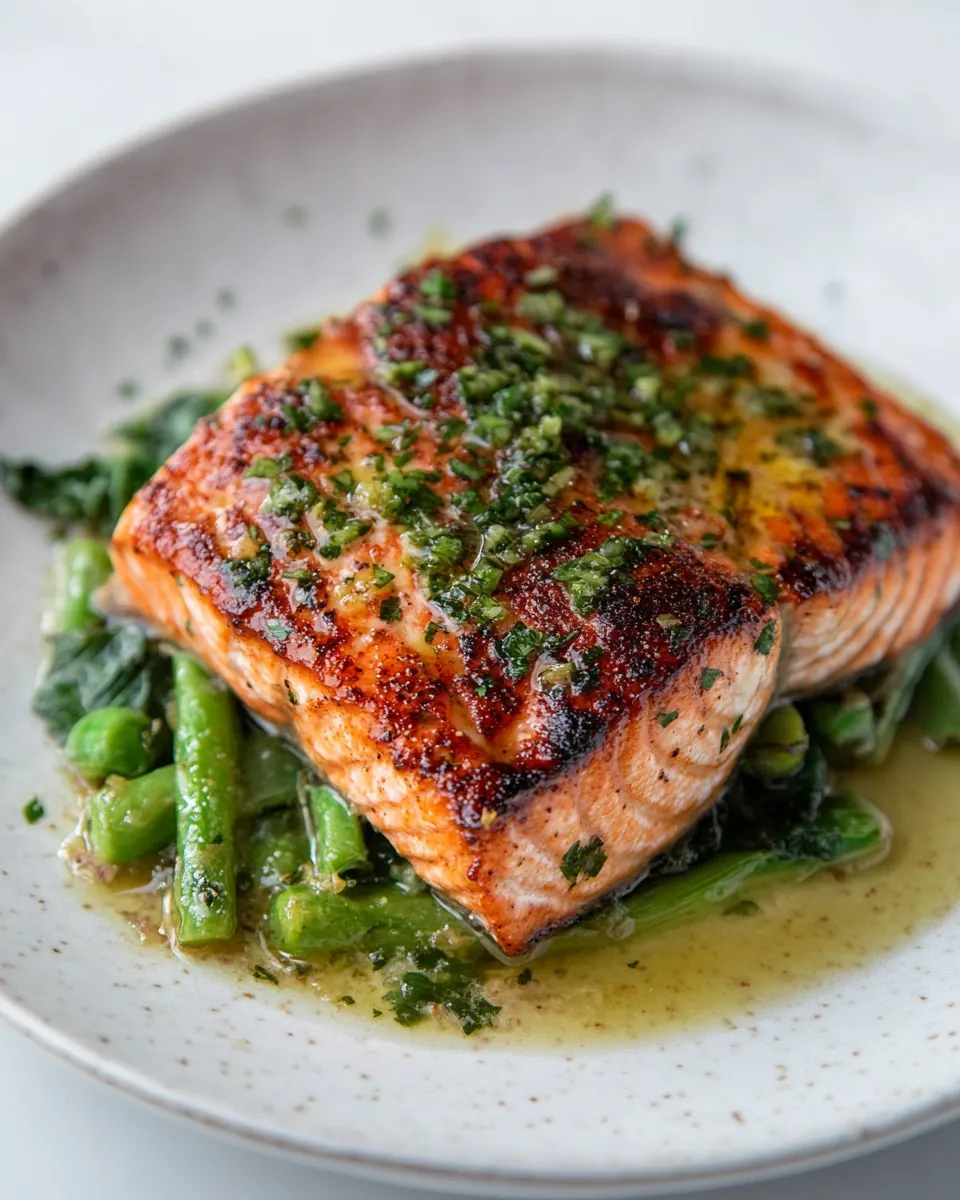
I like to think of these tips as small adjustments that make the meal sing while remaining approachable. With a few mindful choices you can consistently hit the texture and flavor you want.
- Temperature is everything Make sure your oven is fully preheated to 400 degrees Fahrenheit so the salmon cooks evenly and forms a subtle crust without drying.
- Even thickness matters If fillets vary greatly in thickness, fold the thinner pieces under or cook the thicker ones a couple of minutes longer to keep everything uniform.
- Dry before oiling Pat the fillets with paper towels until the surface is only slightly damp, this helps oil and spices cling and promotes gentle browning.
- Use a reliable thermometer Insert it into the thickest part and wait for the reading to steady to avoid under or overcooking, this removes guesswork and ensures safety.
- Simple garnishes elevate A light drizzle of fresh lemon juice or a sprinkle of chopped herbs brightens the rich salmon without overpowering its natural flavor.
Serving This Baked Sockeye Salmon
This fish shines whether you keep the meal minimal or build around it for a fuller plate. I enjoy pairing it with crisp, seasonal sides and presenting it simply so the salmon remains the focal point.
- Casual weeknight Serve the Baked Sockeye Salmon with a crisp salad and a wedge of lemon for a light, satisfying dinner that is quick to assemble.
- Family dinner Pair with roasted vegetables and a grain like rice or quinoa for a more filling plate that still feels balanced and homey.
- Entertaining Place fillets on a platter with herb sprigs and lemon slices so guests can help themselves, this looks elegant while staying simple.
- Seasonal pairing In spring and summer I favor bright sides such as green beans or a tomato salad, while in cooler months roasted root vegetables make a comforting match.
- Storage tips Chill cooled leftovers in an airtight container for up to two days, reheat gently to preserve texture or enjoy cold on salads for a quick lunch.
FAQ
Conclusion
Baked Sockeye Salmon stands out for its simplicity and reliable results, delivering tender, flavorful fish with minimal fuss. Give it a try when you want a healthy, quick meal that still feels thoughtfully prepared. With a little attention to temperature and a light hand with seasoning, this dish becomes a dependable favorite for weeknights, casual dinners, or when you want to impress without hours in the kitchen.
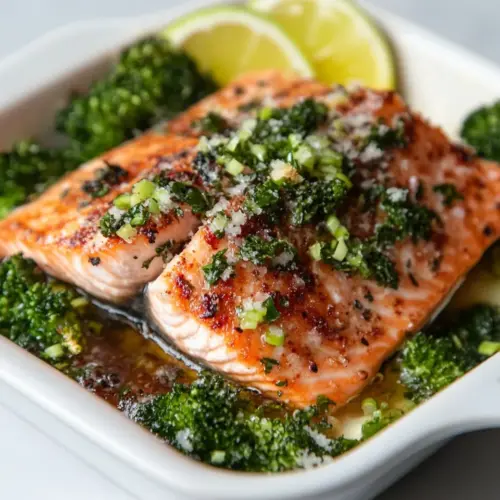
Baked Sockeye Salmon
Equipment
- Large baking dish
- Digital Thermometer
Ingredients
- 16 ounces sockeye salmon cut into filets Provide rich omega-3 fatty acids and firm texture, serving as the main protein element for the dish and delivering a robust salmon flavor when baked. Use about 16 ounces and arrange filets evenly for uniform cooking, allowing skin-on or skinless depending on preference. Pair with simple seasonings to highlight natural taste and avoid overcooking to maintain moistness.
- 1 tbsp avocado oil Moisturize and prevent sticking while promoting even browning by coating the fish lightly with avocado oil before baking. Apply approximately one tablespoon to ensure a subtle, neutral flavor that complements the salmon without overpowering it. Choose high-heat tolerant oil to keep the surface from burning at oven temperatures.
- 1 tsp garlic powder to taste Impart a mild garlicky aroma and savory depth by sprinkling garlic powder to taste across the filets before baking. Use sparingly to avoid overwhelming the delicate fish, and adjust quantity based on personal preference for garlic intensity. Combine with salt and pepper to create a balanced seasoning profile.
- 1/2 tsp sea salt to taste Enhance natural flavors and control seasoning levels by adding sea salt to taste, helping to draw out moisture and slightly firm the flesh as it cooks. Start with about half a teaspoon for 16 ounces and adjust according to dietary needs and personal preference. Consider finishing with a light sprinkle after baking if needed.
- 1/2 tsp black pepper to taste Introduce a subtle heat and earthy bite by seasoning with black pepper to taste, rounding out the savory elements of the dish. Begin with around half a teaspoon and modify to suit spice tolerance, ensuring the pepper complements rather than dominates the salmon. Freshly ground pepper will yield more aromatic results.
Instructions
- Preheat the oven to 400 degrees Fahrenheit.: As the oven warms you will start to smell hints of the dry heat, and the air feels noticeably warmer. Preheating ensures immediate, even cooking when the fish goes in, promoting a uniform surface color and preventing uneven doneness. A common mistake is placing cold fish into an underheated oven, which extends cook time and dries the interior. Make sure the rack is centered so heat circulates around the fillets.
- Remove the sockeye filets from their packaging and place them in a large baking dish or on a large rimmed sheet pan. Use paper towels to dab off any excess moisture and keep salmon skin side down.: When you pat the sockeye salmon with paper towels you will notice moisture lifting away, and the flesh will look slightly matte rather than wet. That dryness helps the surface brown gently and lets oil and seasonings adhere. Skin side down creates a barrier against drying and supports delicate flesh. Avoid overhandling the fillets as rough treatment can tear the surface and release juices prematurely.
- Drizzle the salmon with avocado oil and use your hands or a silicone brush to coat the flesh with oil.: As you spread the avocado oil , the fillets take on a soft sheen and the texture becomes silky to the touch. The oil encourages a thin, savory crust and helps spices dissolve into the fish surface. Doing this step evenly ensures consistent browning. A trap to avoid is using too much oil which pools in the pan and steams the fish rather than roasting it.
- Sprinkle the salmon with sea salt, garlic powder, and black pepper. You can add any spice blends you like here.: The aroma of the spices will bloom as they warm on the fish surface, and you will notice the salt drawing out a faint marine scent. Even distribution is key so each bite has balance, and the powders sit on the oil to form a delicate seasoning layer. If you add heavier blends, watch that they do not overpower the sockeye salmon . Over seasoning is a frequent misstep, so taste your approach with restraint.
- Bake on the center rack of the preheated oven for 10 to 15 minutes, or until the internal temperature of the salmon reaches 145 degrees F.: During baking you will observe the fillets turning from a translucent red to an opaque pink, and the surface may develop a faintly crisp edge. The scent becomes richer and more savory as proteins coagulate. Time depends on thickness, and tracking the internal temperature prevents overcooking. A common issue is leaving the fish in too long, resulting in dryness, so aim for that target temperature for reliable tenderness.
- Insert a meat thermometer into the thickest part of the fish and wait until the numbers stop moving to get an accurate read.: The thermometer gives certainty, and the small pause while the numbers stabilize helps you avoid false readings. When the digits settle you will know the salmon is cooked through without guessing, and the flesh will flake easily yet remain moist. A mistake to avoid is checking too quickly and misreading a lower temperature, which leads to premature removal or unnecessary extra time in the oven.
- Serve salmon with your choice of side dishes, and enjoy! If you’d like, garnish with fresh herbs and a drizzle of lemon juice.: As you plate, the steam rising from the fillet carries savory, ocean notes and the surface will glisten slightly. A squeeze of citrus adds a bright contrast and fresh herbs introduce an herbal lift that complements the oil and spice. Serve promptly so the texture remains supple. Leaving the fish to sit uncovered for too long can cool and firm the flesh, altering the ideal mouthfeel.
Notes
- Temperature is everything Make sure your oven is fully preheated to 400 degrees Fahrenheit so the salmon cooks evenly and forms a subtle crust without drying.
- Even thickness matters If fillets vary greatly in thickness, fold the thinner pieces under or cook the thicker ones a couple of minutes longer to keep everything uniform.
- Dry before oiling Pat the fillets with paper towels until the surface is only slightly damp, this helps oil and spices cling and promotes gentle browning.
- Use a reliable thermometer Insert it into the thickest part and wait for the reading to steady to avoid under or overcooking, this removes guesswork and ensures safety.
- Simple garnishes elevate A light drizzle of fresh lemon juice or a sprinkle of chopped herbs brightens the rich salmon without overpowering its natural flavor.