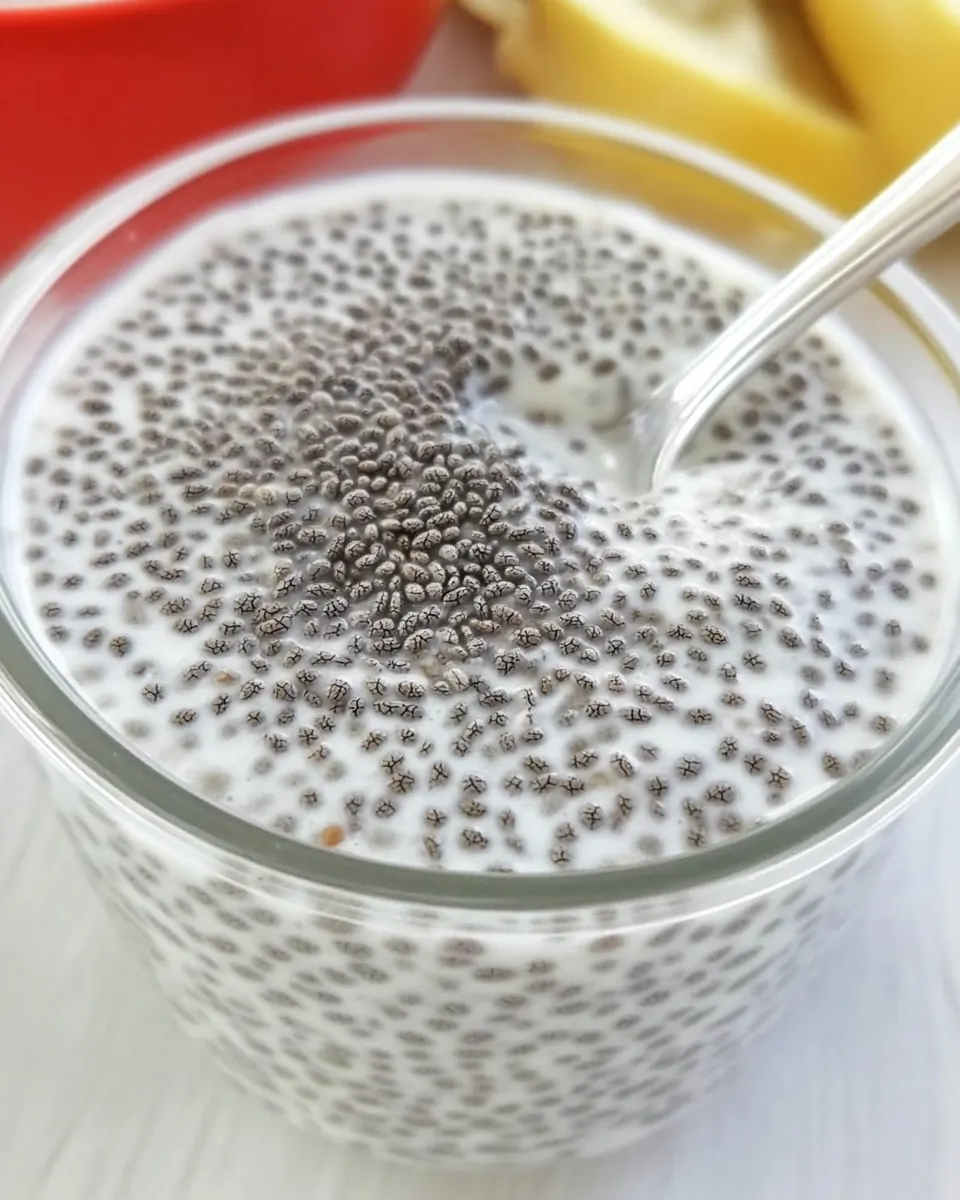
Chia Pudding
Chia Pudding is the little bowl I reach for on sleepy mornings when I want something that feels indulgent but is actually kind to my schedule. I first fell for this simple treat during a week of early meetings, when I needed breakfast that I could prep the night before and still feel proud to serve. The texture surprised me then, a playful wobble from the chia seeds that somehow made every spoonful feel special.
I still make Chia Pudding when friends drop by for coffee, because it adapts so well to different flavors and diets. Sometimes I whisk in a creamy splash of milk of choice and keep the seeds whole for a gratifying bite. Other times I blend it smooth for a silky mouthfeel. Each approach tells a slightly different story about the same humble recipe.
What I love most is how forgiving it is. With just a handful of pantry staples like chia seeds, a touch of pure vanilla extract, and a little sweetener of choice, you can create something that feels elevated. The salt, even in a scant amount, brightens everything and keeps the flavors balanced. I often experiment with milks and sweeteners depending on what I have on hand, and it always turns out comforting and fresh.
Recipe Snapshot
5 mins
5 mins
Easy
150 kcal
American
Keto, Gluten-Free
Breakfast
Bowl or jar, Whisk, Spoon, Refrigerator
Why This Chia Pudding Works
Comfort that fits your life
I adore Chia Pudding because it offers creamy satisfaction without a lot of fuss. It’s a dish that delivers on texture and mouthfeel, so you get a little chew from the chia seeds and a smoothness from the milk of choice. For busy mornings, it’s a go to because you can make it ahead and still enjoy that freshly chilled creaminess.
Versatility for any palate
One reason I reach for Chia Pudding is how easily it adapts to flavors. Switching the sweetener of choice or using a different milk of choice completely changes the profile, so you can keep things interesting without learning new techniques. That flexibility makes it great for guests who have different preferences.
Nutrition without compromise
We often want food that feels nourishing and still tastes like a treat. Chia Pudding gives you fiber, healthy fats, and a sense of indulgence. The tiny amount of salt brings out the other flavors, making each spoonful taste thoughtfully balanced rather than flat or overly sweet.
Simple technique, reliable results
Making Chia Pudding is straightforward, and that reliability is a big part of its charm. Whether you whisk the mixture or blend it for a silky texture, the process is forgiving. I like that you can customize the texture and sweetness to your liking without risking the outcome.
Make ahead and portion friendly
I love preparing Chia Pudding in larger batches and portioning into jars for the week. It keeps well in the refrigerator and becomes an effortless, elegant breakfast or snack. That practicality means you can enjoy a thoughtful dish even on the busiest days.
Ingredient List for Chia Pudding
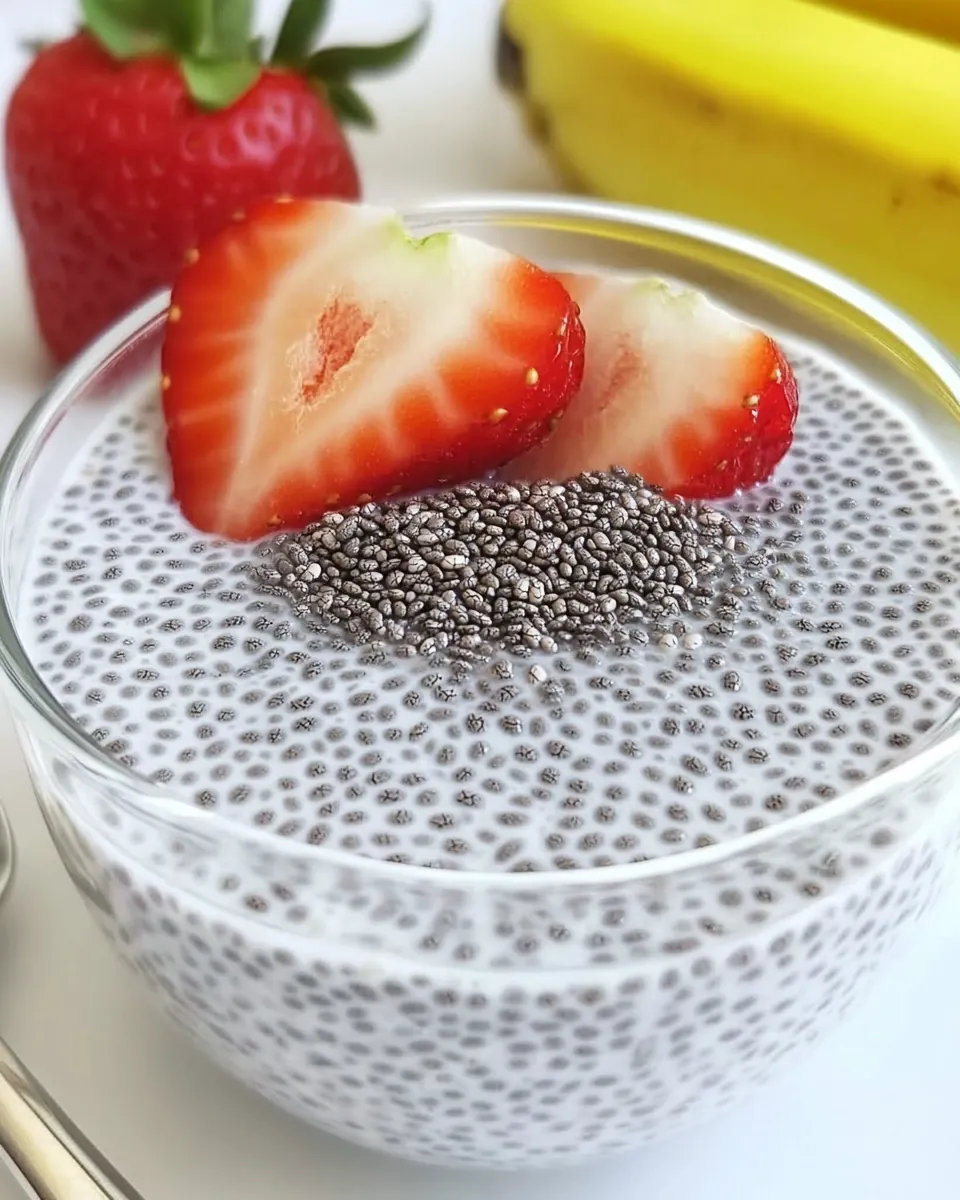
I treat the ingredients here like a small but mighty team. The milk of choice provides the creamy base, the chia seeds do the textural heavy lifting, pure vanilla extract gives aromatic depth, the sweetener of choice adds personalized sweetness, and that scant salt lifts and balances all the flavors. Together they create a pudding that is both simple and sophisticated.
- 1 cup milk of choice or cashew cream: Provide creaminess and liquid foundation for the pudding, determining texture and richness; use milk of choice for lighter results or cashew cream for extra creaminess and a velvety mouthfeel. Adjust temperature slightly warmed to help chia hydrate faster, and consider how its fat content will influence final thickness and flavor. Choose a milk that complements sweetener and vanilla for balanced taste.
- 1/4 cup chia seeds: Absorb liquid and create the characteristic gel-like texture by swelling and trapping moisture; stir thoroughly to prevent clumping and allow several hours or overnight chilling for full hydration. Offer a boost of fiber and subtle nutty flavor while setting the pudding’s body and mouthfeel.
- 1/4 tsp pure vanilla extract: Enhance overall flavor with a concentrated sweet aromatic note; add a small amount to elevate and round out the sweetness while complementing dairy or plant-based base. Use sparingly and taste as you go to avoid overpowering delicate flavors.
- sweetener of choice, as desired: Customize sweetness level and flavor profile by choosing a preferred sweetener; dissolve or blend into the liquid base to ensure even distribution and avoid grainy texture. Adjust quantity to personal taste and dietary needs, keeping in mind that liquid sweeteners may slightly thin the mixture whereas powdered sweeteners may not.
- scant 1/8 tsp salt: Balance and amplify flavors while subtly offsetting sweetness; a scant amount helps heighten other aromatics without making the pudding taste salty. Incorporate early in the mixing process to ensure even dispersion and enhance overall flavor complexity.
Preparation Steps for Chia Pudding
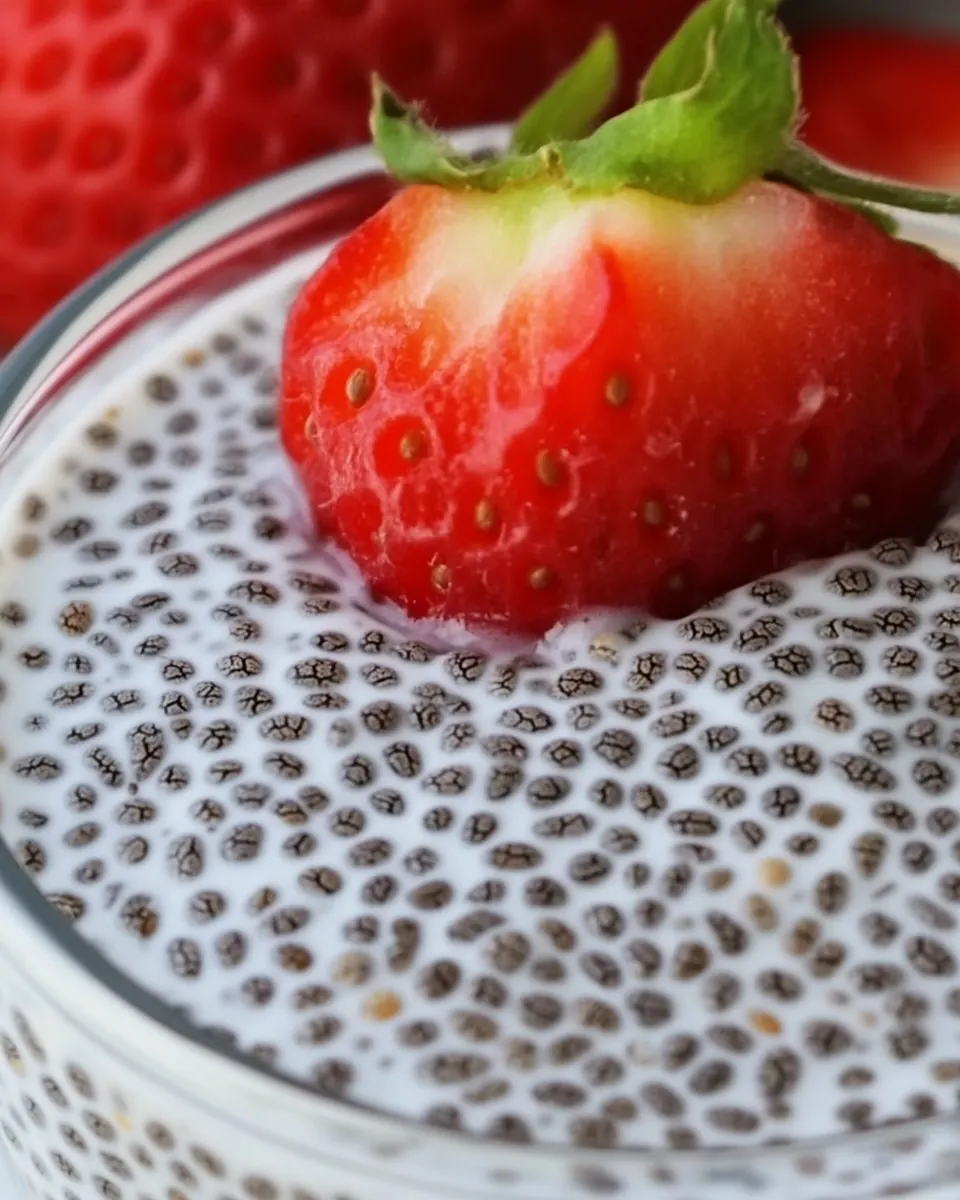
These steps are straightforward, but I like to walk you through sensory cues so you can get the texture just right. Below I expand each instruction into detailed guidance to help you achieve a creamy, well balanced pudding.
- Sweetener amount will depend on the type of milk and sweetener you use, as well as your tastes. Options include maple syrup, stevia, sugar, coconut sugar, date paste, etc. Chia Pudding Recipe: Whisk all ingredients in a container. If desired, you can blend everything together now, which will result in a smoother consistency the next day, but I actually love the taste and fun texture of leaving the seeds whole, so it's up to you. Cover, shake, then refrigerate overnight. The next day, it will be nice and thick. The pudding will keep 4-5 days refrigerated, so feel free to make a larger batch and portion into individual containers. I’ve included some flavor ideas earlier in this post, or have fun dreaming up your own!: You will notice aroma and initial taste right away when you add the sweetener of choice to the liquid, subtle caramel or fruity notes depending on what you pick. This matters because different sweeteners interact with the creamy base differently, for example, maple syrup integrates smoothly and adds a warm undertone, while stevia can lend a slightly metallic aftertaste if overused. A useful technique is to add a small amount, stir, taste, and adjust after chilling since flavors mellow as the mixture rests. To avoid over sweetening, keep a light hand, and remember you can always sweeten more later. Common mistake, assuming the cold pudding will need the same amount of sweetener as when tasted warm, can lead to an overly sweet final dish.
- Options include maple syrup, stevia, sugar, coconut sugar, date paste, etc.: Each option brings different texture and flavor notes, and you should notice how the viscosity changes when you stir it into the milk of choice . Maple syrup and date paste will make the mixture slightly thicker and more luxurious, while granulated sugar may dissolve slower and require extra stirring. The why here is that the solubility and flavor concentration of the sweetener affect both mouthfeel and balance. If you choose a grainy sweetener, dissolve it first in a tablespoon of warm milk to prevent grainy bits. Troubleshooting tip, if your sugar does not dissolve well, a brief pulse in a blender solves it without compromising the seeds.
- Chia Pudding Recipe: Whisk all ingredients in a container. : As you whisk the combination of milk of choice , chia seeds , pure vanilla extract , sweetener of choice , and scant 1/8 tsp salt , notice how the liquid becomes speckled with tiny seeds and the vanilla scent rises. This initial mixing matters because it ensures the chia seeds are evenly dispersed and start hydrating uniformly. I prefer a vigorous whisk for about 30 to 45 seconds to break up any clumps, which helps prevent pockets of dry seeds. If you skip thorough mixing, you might end up with uneven texture and clumpy spots after chilling, which is a common misstep.
- If desired, you can blend everything together now, which will result in a smoother consistency the next day, but I actually love the taste and fun texture of leaving the seeds whole, so it's up to you.: Blending transforms the pudding into a velvety custard, and you will hear a steady motor hum as the chia seeds break down and release their gel. The visual cue is a uniformly pale, creamy mixture with no visible seeds, and the mouthfeel becomes silkier. Leaving seeds whole gives a more pronounced textural contrast and a satisfying bite. Consider why you are making it, for a child or someone who dislikes seeds, blending can be a game changer. One pitfall, over blending can produce a gummy texture, so pulse and check frequently.
- Cover, shake, then refrigerate overnight.: Once sealed, you will feel the cold transfer through the container as it chills, and the refrigeration allows the chia seeds to swell and fully hydrate, thickening into pudding. The waiting is important because it gives the seeds time to form a stable gel network that creates the pudding's body. Shake once gently right before chilling to redistribute any settled seeds, and store in a cold part of the fridge for best results. Avoid placing it in the door where temperatures fluctuate, as that can inhibit proper setting.
- The next day, it will be nice and thick.: On opening the container you should see a spoon standing more firmly and the surface will have a satiny sheen, a sign the gelled structure is complete. The scent should be slightly sweeter and more melded than when first mixed, with the vanilla and milk notes integrated. If it is too thin, give it a little longer; sometimes ultra thin milks need extra time to hydrate. A common mistake is expecting instant thickness; patience yields the correct texture here.
- The pudding will keep 4-5 days refrigerated, so feel free to make a larger batch and portion into individual containers.: Over the storage period you might notice the texture firming slightly and flavors melding further, which can be delightful. Properly stored in airtight containers, it retains freshness and you can enjoy it as a grab and go breakfast. Be mindful of cross flavors from other fridge items, so keep the lids tight. A troubleshooting note, if you see separation or off odors, discard the batch rather than trying to revive it.
- I’ve included some flavor ideas earlier in this post, or have fun dreaming up your own!: When adding flavors later, small additions like a spoonful of fruit compote or a dusting of spice will shift aroma and taste noticeably, so add sparingly and taste as you go. This creative step lets you tailor each serving to the moment, whether bright and tart or cozy and spiced. Failure to balance additions can overwhelm the pudding, so prioritize subtlety for the best results.
Make It Your Own
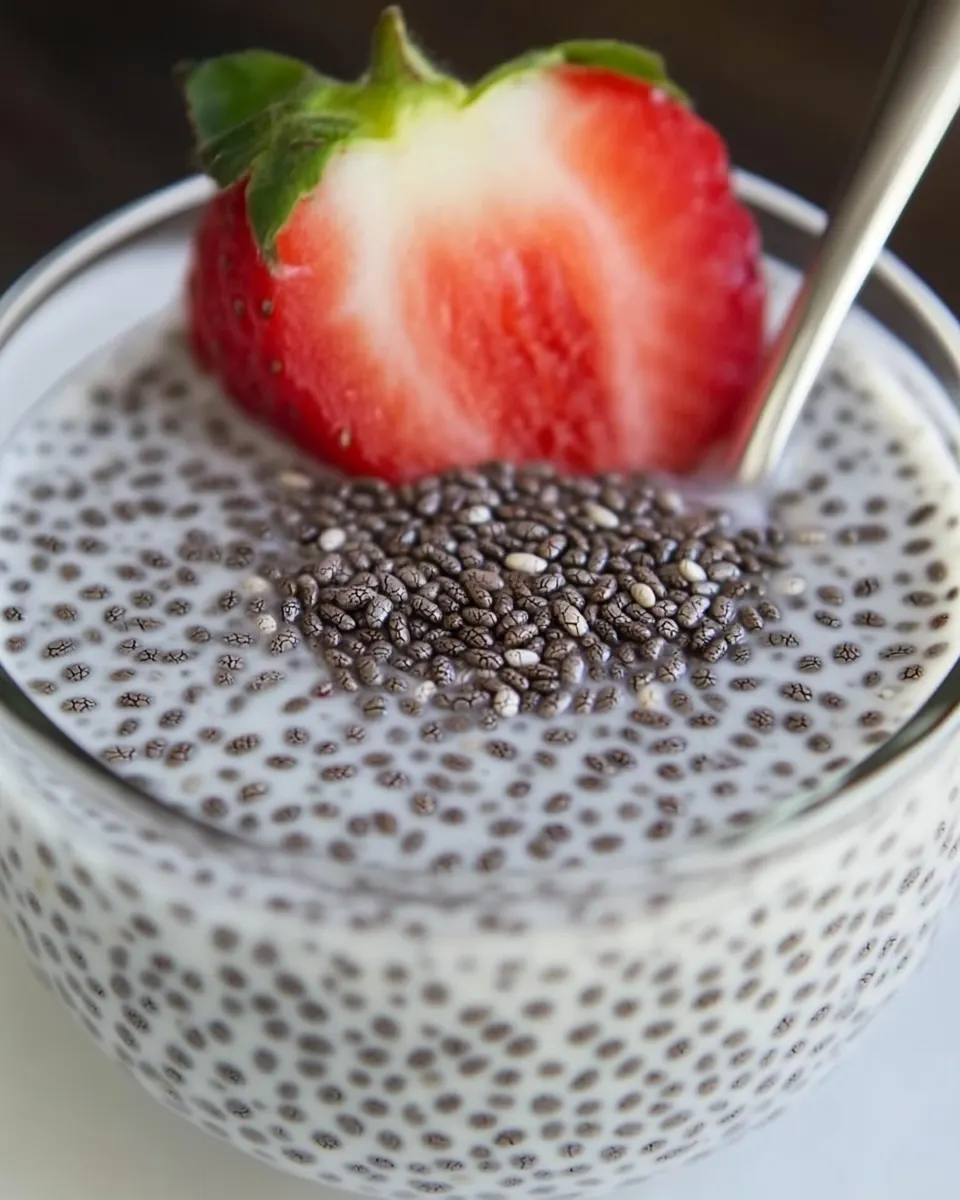
I love sharing ways to personalize Chia Pudding. Below are practical ideas and expansions to help you tailor flavor, texture, and presentation. Each tip starts with a bolded phrase so it is easy to scan and apply.
- Try different milks — Swap in almond, oat, coconut, or cashew cream to change creaminess. Each milk brings subtle aroma and mouthfeel differences; coconut gives tropical notes, oat yields a naturally sweet base, and cashew cream produces a very lush, velvety finish.
- Adjust sweetness after chilling — Taste the pudding cold before committing to a final level of sweetness, because flavors integrate and mellow overnight. Start with a conservative amount and add a little more if needed so you avoid oversweetening.
- Blend for silk or leave seeds whole — Pulse in a blender for a custard like texture or whisk by hand to preserve the pleasing little pops from the chia seeds. Choose based on personal texture preference or who you are serving.
- Portion into jars — Make a larger batch and divide into single serving jars for easy breakfasts or snacks that travel well. Layer fruit or compote on top right before serving to keep textures distinct.
- Add spices thoughtfully — A small pinch of cinnamon or cardamom can add warmth without overwhelming the pudding. Add sparingly and taste between additions to maintain balance.
Accompaniments for Chia Pudding
Chia Pudding pairs beautifully with bright, fresh fruits and crunchy textures. Below are thoughtful serving ideas and occasions where this pudding shines. Each list item highlights practical serving plates, storage tips, and seasonal pairings for different moments.
- Fresh fruit toppings — Seasonal berries, sliced banana, or stone fruit add brightness and natural sweetness. For summer mornings, I like a mix of berries that bring acidity and color to contrast the creamy pudding.
- Crunchy add ins — Toasted nuts or granola provide texture contrast and make the pudding more filling. Sprinkle just before serving to keep the crunch intact, especially if you prepared the pudding ahead of time.
- Occasions — This dish is perfect for breakfast, a light brunch offering, or a Ramadan suhoor where make ahead ease is appreciated. It fits casual weekdays and relaxed weekend gatherings equally well.
- Storage tips — Keep in sealed containers in the coldest area of the refrigerator and consume within four to five days. If you want single servings for quick breakfasts, portion into jars and top with garnishes just before eating.
- Seasonal pairings — In autumn, pair with spiced compote for a cozy feel; in spring, top with citrus segments for fresh brightness. The pudding’s neutral base makes it an excellent canvas for seasonal flavors.
FAQ
Conclusion
What makes this recipe special is its perfect balance of simplicity and adaptability, offering a creamy, textural breakfast or snack with minimal effort. Try making a batch tonight, and you will appreciate how convenient and customizable Chia Pudding can be for busy mornings or relaxed weekends. I hope you enjoy experimenting with different milks and sweeteners to make it your own, and that it becomes a reliable, nourishing staple in your routine.
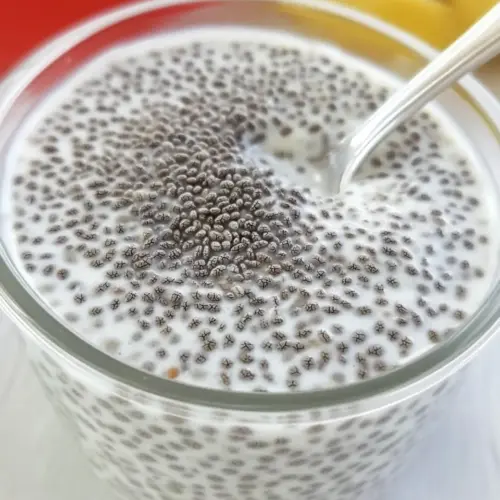
Chia Pudding
Equipment
- Bowl or jar
- Whisk
- Spoon
- Refrigerator
Ingredients
- 1 cup milk of choice or cashew cream Provide creaminess and liquid foundation for the pudding, determining texture and richness; use milk of choice for lighter results or cashew cream for extra creaminess and a velvety mouthfeel. Adjust temperature slightly warmed to help chia hydrate faster, and consider how its fat content will influence final thickness and flavor. Choose a milk that complements sweetener and vanilla for balanced taste.
- 1/4 cup chia seeds Absorb liquid and create the characteristic gel-like texture by swelling and trapping moisture; stir thoroughly to prevent clumping and allow several hours or overnight chilling for full hydration. Offer a boost of fiber and subtle nutty flavor while setting the pudding’s body and mouthfeel.
- 1/4 tsp pure vanilla extract Enhance overall flavor with a concentrated sweet aromatic note; add a small amount to elevate and round out the sweetness while complementing dairy or plant-based base. Use sparingly and taste as you go to avoid overpowering delicate flavors.
- sweetener of choice, as desired Customize sweetness level and flavor profile by choosing a preferred sweetener; dissolve or blend into the liquid base to ensure even distribution and avoid grainy texture. Adjust quantity to personal taste and dietary needs, keeping in mind that liquid sweeteners may slightly thin the mixture whereas powdered sweeteners may not.
- scant 1/8 tsp salt Balance and amplify flavors while subtly offsetting sweetness; a scant amount helps heighten other aromatics without making the pudding taste salty. Incorporate early in the mixing process to ensure even dispersion and enhance overall flavor complexity.
Instructions
- Sweetener amount will depend on the type of milk and sweetener you use, as well as your tastes. Options include maple syrup, stevia, sugar, coconut sugar, date paste, etc. Chia Pudding Recipe: Whisk all ingredients in a container. If desired, you can blend everything together now, which will result in a smoother consistency the next day, but I actually love the taste and fun texture of leaving the seeds whole, so it's up to you. Cover, shake, then refrigerate overnight. The next day, it will be nice and thick. The pudding will keep 4-5 days refrigerated, so feel free to make a larger batch and portion into individual containers. I’ve included some flavor ideas earlier in this post, or have fun dreaming up your own!: You will notice aroma and initial taste right away when you add the sweetener of choice to the liquid, subtle caramel or fruity notes depending on what you pick. This matters because different sweeteners interact with the creamy base differently, for example, maple syrup integrates smoothly and adds a warm undertone, while stevia can lend a slightly metallic aftertaste if overused. A useful technique is to add a small amount, stir, taste, and adjust after chilling since flavors mellow as the mixture rests. To avoid over sweetening, keep a light hand, and remember you can always sweeten more later. Common mistake, assuming the cold pudding will need the same amount of sweetener as when tasted warm, can lead to an overly sweet final dish.
- Options include maple syrup, stevia, sugar, coconut sugar, date paste, etc.: Each option brings different texture and flavor notes, and you should notice how the viscosity changes when you stir it into the milk of choice . Maple syrup and date paste will make the mixture slightly thicker and more luxurious, while granulated sugar may dissolve slower and require extra stirring. The why here is that the solubility and flavor concentration of the sweetener affect both mouthfeel and balance. If you choose a grainy sweetener, dissolve it first in a tablespoon of warm milk to prevent grainy bits. Troubleshooting tip, if your sugar does not dissolve well, a brief pulse in a blender solves it without compromising the seeds.
- Chia Pudding Recipe: Whisk all ingredients in a container. : As you whisk the combination of milk of choice , chia seeds , pure vanilla extract , sweetener of choice , and scant 1/8 tsp salt , notice how the liquid becomes speckled with tiny seeds and the vanilla scent rises. This initial mixing matters because it ensures the chia seeds are evenly dispersed and start hydrating uniformly. I prefer a vigorous whisk for about 30 to 45 seconds to break up any clumps, which helps prevent pockets of dry seeds. If you skip thorough mixing, you might end up with uneven texture and clumpy spots after chilling, which is a common misstep.
- If desired, you can blend everything together now, which will result in a smoother consistency the next day, but I actually love the taste and fun texture of leaving the seeds whole, so it's up to you.: Blending transforms the pudding into a velvety custard, and you will hear a steady motor hum as the chia seeds break down and release their gel. The visual cue is a uniformly pale, creamy mixture with no visible seeds, and the mouthfeel becomes silkier. Leaving seeds whole gives a more pronounced textural contrast and a satisfying bite. Consider why you are making it, for a child or someone who dislikes seeds, blending can be a game changer. One pitfall, over blending can produce a gummy texture, so pulse and check frequently.
- Cover, shake, then refrigerate overnight.: Once sealed, you will feel the cold transfer through the container as it chills, and the refrigeration allows the chia seeds to swell and fully hydrate, thickening into pudding. The waiting is important because it gives the seeds time to form a stable gel network that creates the pudding's body. Shake once gently right before chilling to redistribute any settled seeds, and store in a cold part of the fridge for best results. Avoid placing it in the door where temperatures fluctuate, as that can inhibit proper setting.
- The next day, it will be nice and thick.: On opening the container you should see a spoon standing more firmly and the surface will have a satiny sheen, a sign the gelled structure is complete. The scent should be slightly sweeter and more melded than when first mixed, with the vanilla and milk notes integrated. If it is too thin, give it a little longer; sometimes ultra thin milks need extra time to hydrate. A common mistake is expecting instant thickness; patience yields the correct texture here.
- The pudding will keep 4-5 days refrigerated, so feel free to make a larger batch and portion into individual containers.: Over the storage period you might notice the texture firming slightly and flavors melding further, which can be delightful. Properly stored in airtight containers, it retains freshness and you can enjoy it as a grab and go breakfast. Be mindful of cross flavors from other fridge items, so keep the lids tight. A troubleshooting note, if you see separation or off odors, discard the batch rather than trying to revive it.
- I’ve included some flavor ideas earlier in this post, or have fun dreaming up your own!: When adding flavors later, small additions like a spoonful of fruit compote or a dusting of spice will shift aroma and taste noticeably, so add sparingly and taste as you go. This creative step lets you tailor each serving to the moment, whether bright and tart or cozy and spiced. Failure to balance additions can overwhelm the pudding, so prioritize subtlety for the best results.
Notes
- Try different milks — Swap in almond, oat, coconut, or cashew cream to change creaminess. Each milk brings subtle aroma and mouthfeel differences; coconut gives tropical notes, oat yields a naturally sweet base, and cashew cream produces a very lush, velvety finish.
- Adjust sweetness after chilling — Taste the pudding cold before committing to a final level of sweetness, because flavors integrate and mellow overnight. Start with a conservative amount and add a little more if needed so you avoid oversweetening.
- Blend for silk or leave seeds whole — Pulse in a blender for a custard like texture or whisk by hand to preserve the pleasing little pops from the chia seeds. Choose based on personal texture preference or who you are serving.
- Portion into jars — Make a larger batch and divide into single serving jars for easy breakfasts or snacks that travel well. Layer fruit or compote on top right before serving to keep textures distinct.
- Add spices thoughtfully — A small pinch of cinnamon or cardamom can add warmth without overwhelming the pudding. Add sparingly and taste between additions to maintain balance.