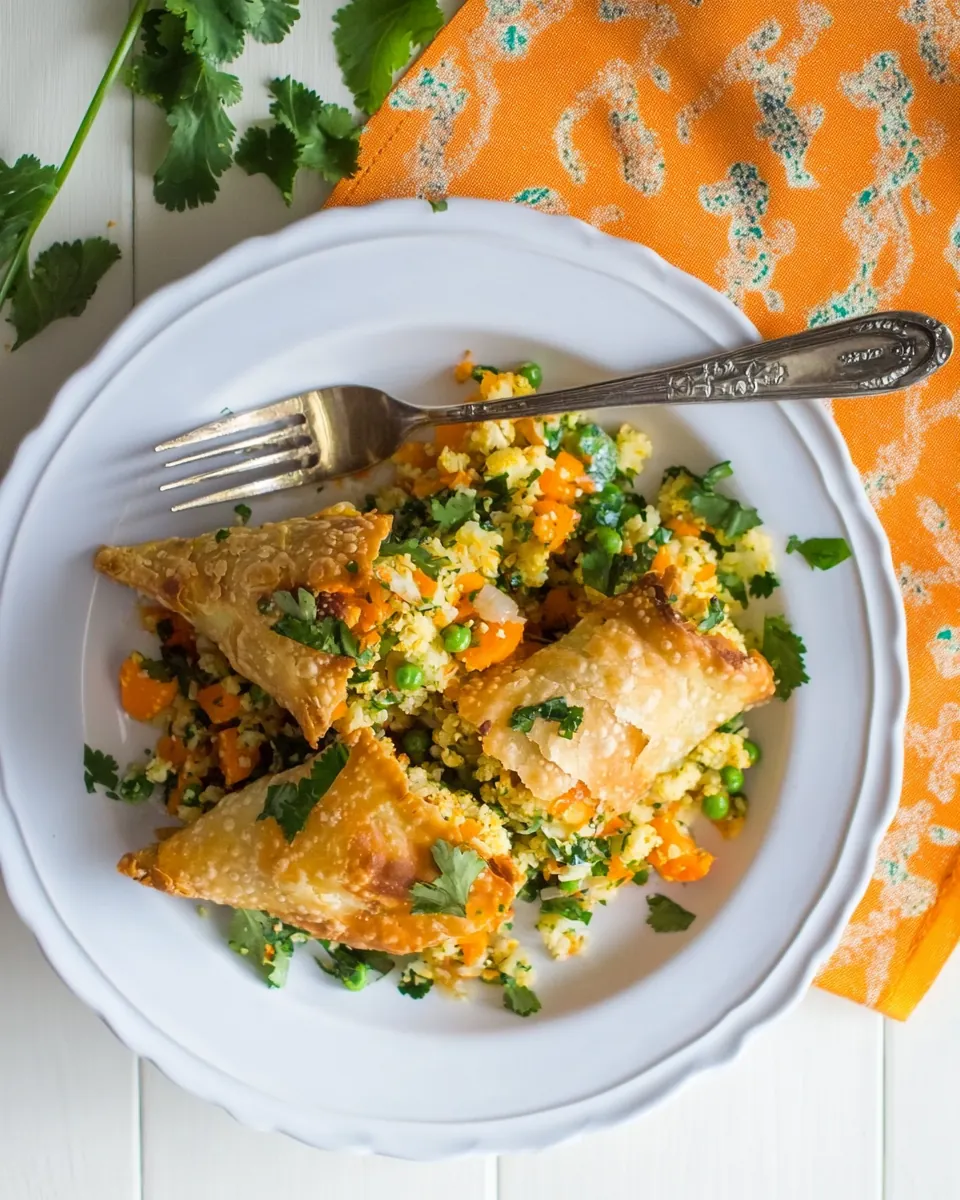
Cauliflower Samosa Salad
Cauliflower Samosa Salad began as a weekend experiment when I had a head of cauliflower asking for adventure and a jar of curry powder winking from the spice shelf. I was chasing bright textures and warm spices without turning on a heavy stove, and the result felt like a street food remix in salad form. That first forkful, a balance of roasted cauliflower and tender sweet potatoes with herbaceous cilantro and a tangy lime dressing, convinced me this combo deserved a regular spot in my weeknight rotation.
Over a few iterations I changed small things, swapping oils, testing a touch more cayenne pepper, and toasting coconut until it smelled of beaches and caramel. Each tweak nudged the salad toward something I now reach for when I want comfort without heaviness, something you can pack for lunch or bring to a spring potluck. The textures are essential here, and I learned to treat the roasted vegetables with care so they keep a little bite under the dressing.
What I love most is how forgiving the recipe is. You can scale components, keep the quinoa warm or cool, or prep many elements a day ahead and assemble when you are ready. It feels thoughtful but not fussy, and somewhere between samosa spices and a bright salad bowl it finds a lively middle ground. I still remember the first time friends asked for the recipe after a single plate, and that small validation made me tuck this one into my regular rotation.
Recipe Snapshot
45 mins
15 mins
30 mins
Medium
250 kcal
American
Vegan, Gluten-Free
Salads
Oven, Baking sheet, Parchment paper, Jar with lid, Pot for quinoa
What Sets This Cauliflower Samosa Salad Apart
Vibrant Indian flavors without heavy frying
I love that Cauliflower Samosa Salad captures the warm, savory notes of a samosa using roasted cauliflower and sweet potatoes instead of deep frying. The curry powder and a hint of cayenne pepper bring that familiar spice profile, while roasting concentrates the vegetables natural sweetness, creating depth without extra oil. It’s how I get the spirit of comfort food with a lighter method.
Layered textures that keep every bite interesting
For me, texture is the point. The salad contrasts slightly crisp roasted cauliflower with soft roasted sweet potatoes, fluffy quinoa, poppy bursts of peas, and chewy toasted coconut shreds. This variety keeps each forkful lively, and it’s the reason guests keep coming back for another helping.
Fresh herbs and citrus brighten the richness
I always add plenty of cilantro, mint, and a generous squeeze of lime because they cut through the curry warmth and oil, lifting the whole dish. The herbs change the salad from hearty to refreshing, which is why I rarely skip them.
Make ahead friendly, yet tastes freshly tossed
I appreciate how you can roast the vegetables and cook the quinoa a day ahead, then combine just before serving. The dressing emulsifies easily in a jar, so transport and assembly are effortless. I find this approach keeps textures and flavors at their best on busy days.
Flexible and crowd pleasing
I often serve this for potlucks or weeknight dinners because it adapts well to different palates. Leave the cayenne pepper out for milder tastes, or add a little more curry powder if you want a bolder profile. That kind of flexibility makes it a reliable favorite in my kitchen.
Everything You Need for Cauliflower Samosa Salad
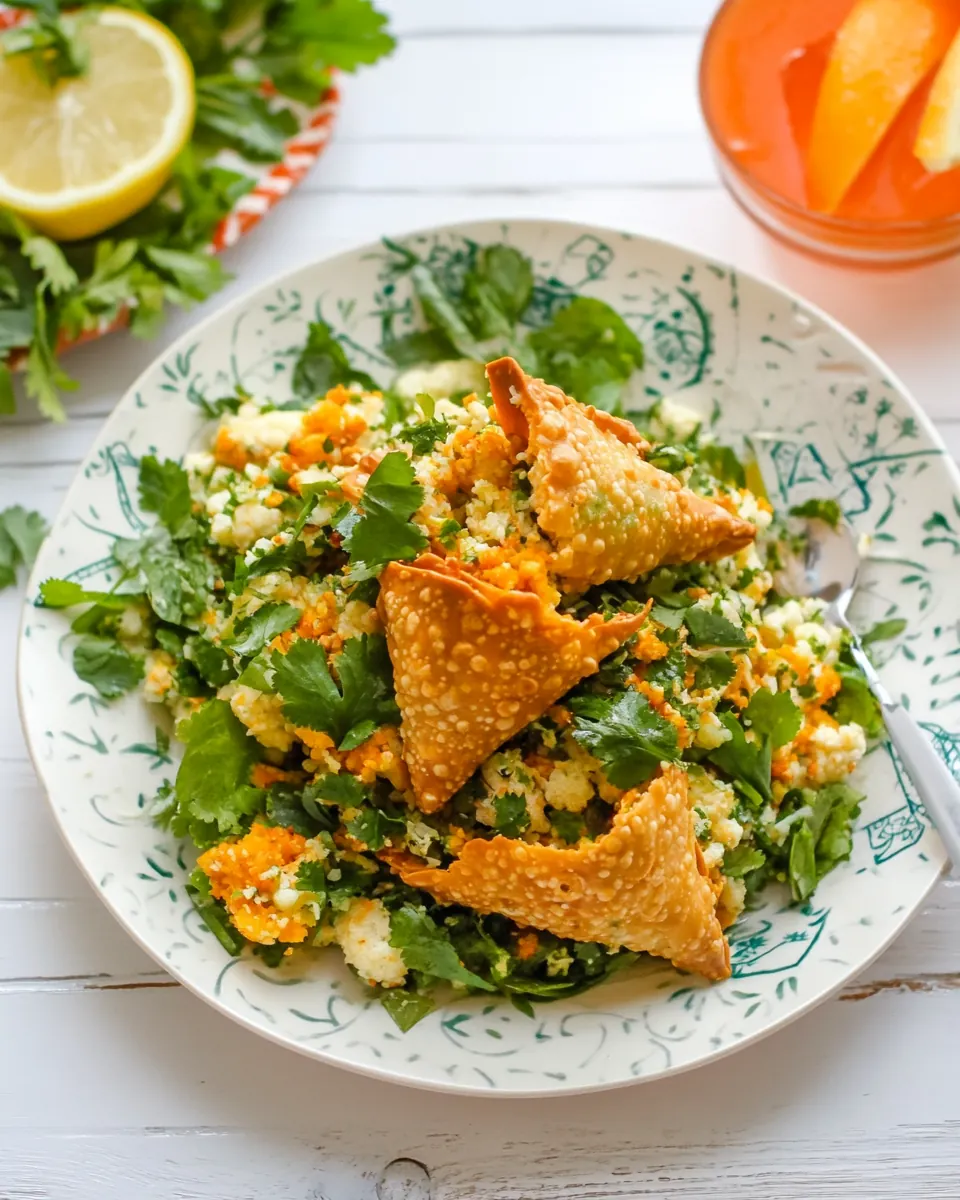
The ingredients for Cauliflower Samosa Salad are chosen to harmonize spice, texture, and brightness. Roasted vegetables give earthy sweetness, grains add bulk and bite, herbs bring lift, and a simple emulsified sauce ties everything together. The key players are the roasted cauliflower and sweet potatoes, the protein and texture from quinoa, and the herb and lime combo that cuts through the curry warmth.
- 1 large head of cauliflower, chopped: Chopped into bite-sized florets to provide a hearty, roasted base with a mildly nutty flavor and satisfying texture when cooked.
- 2 small sweet potatoes, peeled & cubed: Peeled and cubed to add natural sweetness, creamy contrast, and a tender bite that complements the cauliflower when roasted or steamed.
- 1 1/2 cups cooked quinoa: Cooked until fluffy to contribute protein, bulk, and a slightly nutty taste while helping to absorb dressing and seasonings throughout the salad.
- 1 cup peas, fresh or frozen/thawed: Added fresh or thawed to introduce pops of color, a sweet vegetal flavor, and tender texture that brightens the overall dish.
- 1/2 cup cilantro, chopped: Chopped finely to impart fresh herbal brightness and a citrusy, slightly peppery note that lifts the savory elements of the salad.
- 1/4 cup mint, minced or chiffonade: Minced or chiffonade to deliver a cool, refreshing herbal lift with a clean menthol-like aroma that pairs well with cilantro and lime.
- 1/4 cup red onion, minced: Minced finely to provide sharp, pungent bite and subtle crunch, balancing sweet and herbal flavors in the dressing and salad mix.
- about 1/4 cup grapeseed oil: Used sparingly to toss vegetables before cooking or to emulsify the dressing, providing a neutral oil with a high smoke point.
- 2 tsp sea salt: Measured to season the vegetables and grains evenly, enhancing all flavors and helping to balance sweet and acidic components.
- 2 tsp black pepper: Ground freshly to bring warm, pungent heat and aromatic depth that rounds out the salad’s spice profile and complements curry flavors.
- juice of 2 limes, plus 1 sliced lime for garnish: Squeezed for a bright acidic element that cuts through richness, enhances herbal notes, and adds lively citrus aroma; slices used for garnish.
- 1 tbsp maple syrup or coconut nectar: Stirred into the dressing to add a touch of sweetness that balances acidity and spice while helping flavors meld together.
- 1 tbsp curry powder: Blended into the spice mix or dressing to contribute warm, earthy, and slightly bitter notes characteristic of traditional samosa seasoning.
- 1/2 tsp cayenne pepper (optional): Sprinkled optionally to introduce concentrated heat and a sharp, lingering warmth for those who prefer a spicier salad profile.
- 2 tbsp grapeseed or olive oil: Used to finish the dressing or to gently sauté aromatics, offering a subtle fruity flavor and healthy fats to coat ingredients evenly.
- 1/2 cup toasted coconut shreds to garnish: Toasted and sprinkled on top to provide crunchy texture, tropical toasted flavor, and an attractive garnish that enhances mouthfeel.
Recipe Directions for Cauliflower Samosa Salad
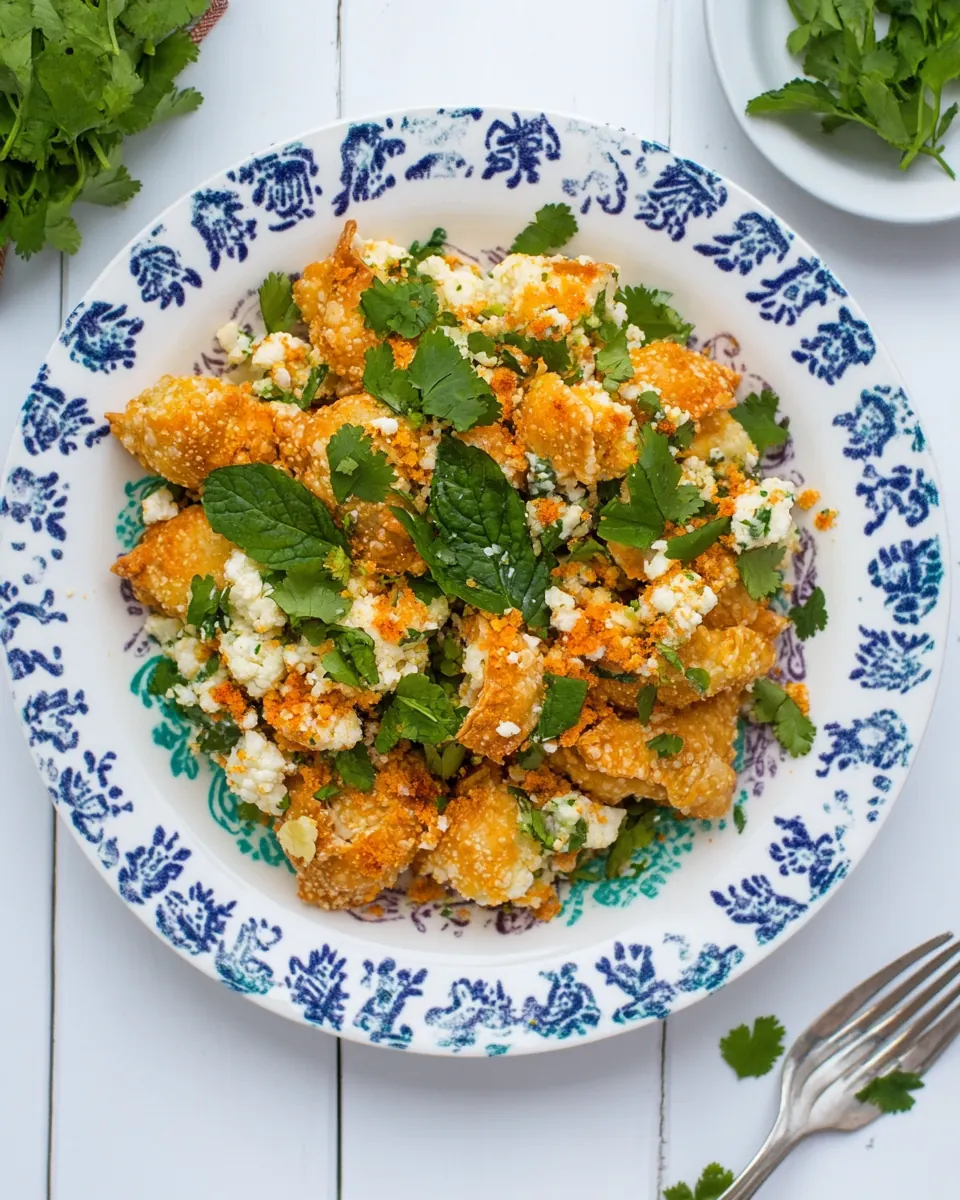
This is a hands on but straightforward assembly that rewards attention to roast and toss techniques. I like to stagger tasks so the vegetables roast while I finish the quinoa and whisk up the dressing. When everything comes together the aromas and textures make the few steps feel well worth it.
- Preheat oven to 400°, and line 2 baking sheets with parchment paper.: The room warms with anticipation and the oven hum signals we are about to coax caramelization from the vegetables. A fully preheated oven ensures even browning on both cauliflower and sweet potatoes , creating those golden edges that taste nutty and slightly sweet. You will notice the air filling with a warm, toasty scent as the oven reaches temperature. Common mistake to avoid, do not put vegetables into an oven that has not reached 400°, or they will steam and lack color.
- Toss the chopped cauliflower with a drizzle of grapeseed oil, then spread it evenly onto a baking sheet.: As you coat the florets, they will glisten and the oil helps the spices and heat do their work. Laying them in a single layer prevents steaming and promotes browning on the exposed surfaces. You can hear a faint sizzle as hot oven air meets oil, and that is the sound of flavor forming. Avoid crowding the pan, which leads to limp, steamed pieces.
- Season with a sprinkle of salt and pepper.: The simple act of seasoning releases moisture and brings out sweetness in the vegetables. Sprinkle the seasoned cauliflower evenly so each piece gains flavor. The aroma shifts toward savory notes right away. A typical error, salting only at the end can leave the roasted pieces underseasoned, so be generous but measured now.
- Repeat with the sweet potatoes.: Coat the cubed sweet potatoes with oil and season them as you did the cauliflower , then spread them out on their own sheet so they roast evenly. Sweet potatoes will soften faster in spots if cubes differ in size, so aim for uniform pieces to achieve consistent caramelization. Watch for the smell of sugars gently toasting, which signals readiness. Avoid chopping unevenly, which causes some pieces to be mushy while others remain underdone.
- Roast for 30 minutes, or until both veggies are tender.: The oven will reward you with browned bits and a cozy, roasted aroma. Tenderness is the cue, and probing with a fork should show softness with edges that are lightly crisped. The color shift to golden brown is both visual and aromatic validation that the Maillard reaction has done its job. A mistake to avoid, removing them too early will leave underdeveloped flavors and a firmer texture than intended.
- In the meantime you can be cooking your quinoa, thawing the peas, prepping the herbs, and making the sauce.: The kitchen will hum with prep tasks, steam rising from the cooking quinoa , and the bright fragrance of chopped cilantro and mint filling the air. Thawing frozen peas under running water or in warm water revives their color and texture. Preparing components in parallel saves time and keeps everything warm and ready to combine. One pitfall, trying to multitask without timers can lead to overcooked quinoa, so set reminders for each element.
- To make the sauce, pour all of the ingredients into a jar. Place the lid on top, and shake vigorously to emulsify.: The action of shaking blends the acid, oil, and sweetener into a smooth dressing. You will hear the steady rattle of the jar and smell the bright citrus and curry mingling. A well emulsified dressing will cling to the vegetables and quinoa instead of pooling at the bottom. Avoid under-emulsifying, which leaves the dressing separated and prevents even coating.
- When the veggies have finished roasting, toss them together with the quinoa, peas, herbs, red onion, and sauce.: As you fold everything, the steam and dressing will soften edges and meld flavors, releasing a complex aroma of roasted vegetables, curry, and lime. The mixture should feel balanced between tender and slightly firm textures, with the dressing distributed so each forkful has flavor. A common error is tossing while components are too hot, which can wilt herbs excessively, so allow a brief cool down if needed.
- Season to taste with sea salt.: After tossing, taste and adjust seasoning because the dressing and vegetables together may need additional salt to shine. A final seasoning round is when the salad comes into sharp focus, and the right amount of sea salt elevates sweetness and acidity alike. Be careful not to oversalt, especially if your cooking water or any prepped ingredient already contained salt.
- Serve with a couple slices of lime and a sprinkle of toasted coconut.: The citrus slices invite extra brightness at the table, and the toasted coconut adds a crisp, nutty finish. Presenting those garnishes just before serving preserves their texture and visual appeal, and the bowl should look lively and colorful. Avoid adding toasted coconut too far in advance, which causes it to lose its crunch.
Substitutions and Tips
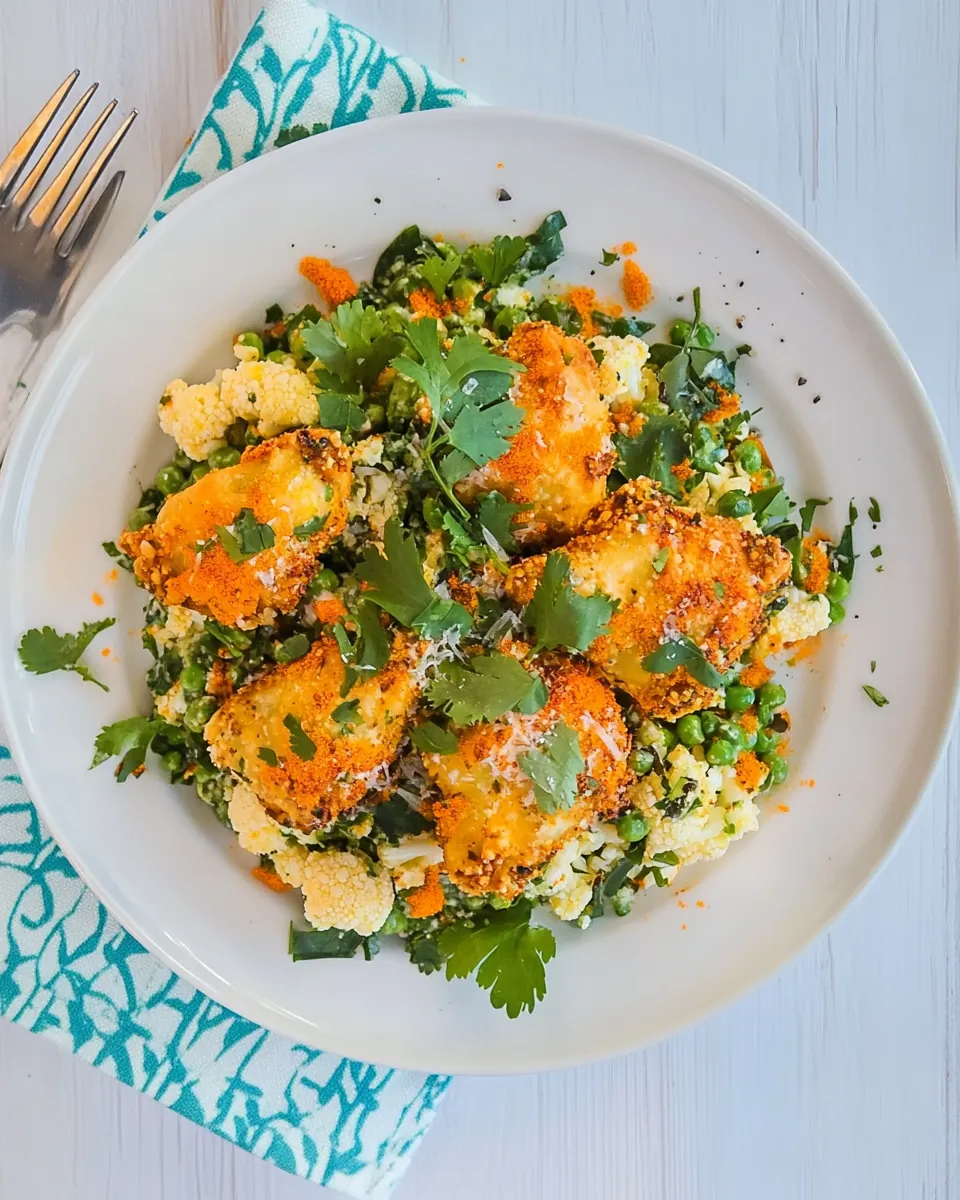
This section offers practical pointers I rely on whenever I make Cauliflower Samosa Salad. Small swaps and techniques keep the salad vibrant and adaptable to what you have on hand.
- Oil choice: Use neutral oils like grapeseed oil for roasting to avoid overpowering spices, or pick olive oil in the dressing for fruitier notes.
- Grain swap: If you do not have quinoa, use any cooked grain you prefer, keeping the texture light so the salad stays balanced.
- Peas option: Fresh or frozen peas both work, thaw frozen peas quickly under warm water to revive color and texture.
- Sweetener flexibility: Substitute maple syrup with coconut nectar if desired, using a small amount to round acidity without adding overt sweetness.
- Make ahead: Roast vegetables and cook quinoa a day ahead, store separately, then toss with dressing at serving time to preserve textures.
Best Served With
Cauliflower Samosa Salad works well across occasions from casual lunches to spring gatherings. Below are serving ideas and pairings to help you present it best depending on the moment.
- Light lunch: Serve a generous portion with an extra wedge of lime and a simple green to make a satisfying midday meal that is bright and sustaining.
- Weeknight dinner: Pair with warm flatbread for scooping, offering a hands on way to eat that complements the salad textures.
- Ramadan iftar: This salad provides gentle nourishment after a fast, with protein from quinoa and soothing roasted vegetables that are easy on the stomach.
- Picnic or potluck: Transport the dressing separately and toss just before serving to maintain crunch and freshness, then top with toasted coconut at the last minute.
- Seasonal pairings: In spring the fresh herbs sing, while in cooler months it pairs nicely with roasted root vegetable mains for a heartier spread.
- Storage tips: Keep refrigerated in an airtight container up to two days, storing dressing and toasted coconut separately to preserve texture and flavor.
FAQ
Conclusion
Cauliflower Samosa Salad is special because it marries the warmth of Indian spices with bright herbs and crisp roasted vegetables, delivering complex flavor without heaviness. I encourage you to try it this week, especially when you want a satisfying meal that travels well and pleases a crowd. It’s forgiving to make, adaptable to your pantry, and reliably delicious whether you serve it as a light dinner or bring it to a spring gathering.
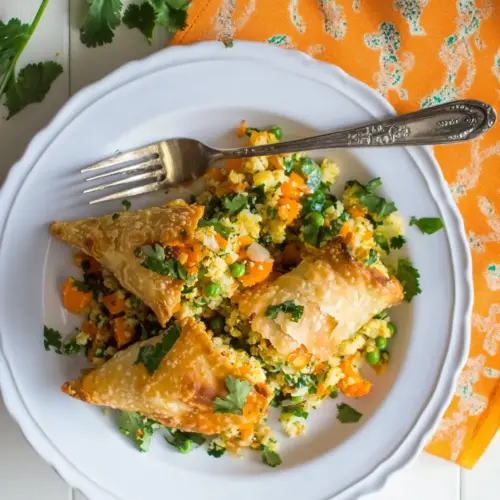
Cauliflower Samosa Salad
Equipment
- Oven
- Baking Sheet
- Parchment Paper
- Jar with Lid
- Pot for quinoa
Ingredients
- 1 large head of cauliflower, chopped Chopped into bite-sized florets to provide a hearty, roasted base with a mildly nutty flavor and satisfying texture when cooked.
- 2 small sweet potatoes, peeled & cubed Peeled and cubed to add natural sweetness, creamy contrast, and a tender bite that complements the cauliflower when roasted or steamed.
- 1 1/2 cups cooked quinoa Cooked until fluffy to contribute protein, bulk, and a slightly nutty taste while helping to absorb dressing and seasonings throughout the salad.
- 1 cup peas, fresh or frozen/thawed Added fresh or thawed to introduce pops of color, a sweet vegetal flavor, and tender texture that brightens the overall dish.
- 1/2 cup cilantro, chopped Chopped finely to impart fresh herbal brightness and a citrusy, slightly peppery note that lifts the savory elements of the salad.
- 1/4 cup mint, minced or chiffonade Minced or chiffonade to deliver a cool, refreshing herbal lift with a clean menthol-like aroma that pairs well with cilantro and lime.
- 1/4 cup red onion, minced Minced finely to provide sharp, pungent bite and subtle crunch, balancing sweet and herbal flavors in the dressing and salad mix.
- about 1/4 cup grapeseed oil Used sparingly to toss vegetables before cooking or to emulsify the dressing, providing a neutral oil with a high smoke point.
- 2 tsp sea salt Measured to season the vegetables and grains evenly, enhancing all flavors and helping to balance sweet and acidic components.
- 2 tsp black pepper Ground freshly to bring warm, pungent heat and aromatic depth that rounds out the salad’s spice profile and complements curry flavors.
- juice of 2 limes, plus 1 sliced lime for garnish Squeezed for a bright acidic element that cuts through richness, enhances herbal notes, and adds lively citrus aroma; slices used for garnish.
- 1 tbsp maple syrup or coconut nectar Stirred into the dressing to add a touch of sweetness that balances acidity and spice while helping flavors meld together.
- 1 tbsp curry powder Blended into the spice mix or dressing to contribute warm, earthy, and slightly bitter notes characteristic of traditional samosa seasoning.
- 1/2 tsp cayenne pepper, optional Sprinkled optionally to introduce concentrated heat and a sharp, lingering warmth for those who prefer a spicier salad profile.
- 2 tbsp grapeseed or olive oil Used to finish the dressing or to gently sauté aromatics, offering a subtle fruity flavor and healthy fats to coat ingredients evenly.
- 1/2 cup toasted coconut shreds to garnish Toasted and sprinkled on top to provide crunchy texture, tropical toasted flavor, and an attractive garnish that enhances mouthfeel.
Instructions
- Preheat oven to 400°, and line 2 baking sheets with parchment paper.: The room warms with anticipation and the oven hum signals we are about to coax caramelization from the vegetables. A fully preheated oven ensures even browning on both cauliflower and sweet potatoes , creating those golden edges that taste nutty and slightly sweet. You will notice the air filling with a warm, toasty scent as the oven reaches temperature. Common mistake to avoid, do not put vegetables into an oven that has not reached 400°, or they will steam and lack color.
- Toss the chopped cauliflower with a drizzle of grapeseed oil, then spread it evenly onto a baking sheet.: As you coat the florets, they will glisten and the oil helps the spices and heat do their work. Laying them in a single layer prevents steaming and promotes browning on the exposed surfaces. You can hear a faint sizzle as hot oven air meets oil, and that is the sound of flavor forming. Avoid crowding the pan, which leads to limp, steamed pieces.
- Season with a sprinkle of salt and pepper.: The simple act of seasoning releases moisture and brings out sweetness in the vegetables. Sprinkle the seasoned cauliflower evenly so each piece gains flavor. The aroma shifts toward savory notes right away. A typical error, salting only at the end can leave the roasted pieces underseasoned, so be generous but measured now.
- Repeat with the sweet potatoes.: Coat the cubed sweet potatoes with oil and season them as you did the cauliflower , then spread them out on their own sheet so they roast evenly. Sweet potatoes will soften faster in spots if cubes differ in size, so aim for uniform pieces to achieve consistent caramelization. Watch for the smell of sugars gently toasting, which signals readiness. Avoid chopping unevenly, which causes some pieces to be mushy while others remain underdone.
- Roast for 30 minutes, or until both veggies are tender.: The oven will reward you with browned bits and a cozy, roasted aroma. Tenderness is the cue, and probing with a fork should show softness with edges that are lightly crisped. The color shift to golden brown is both visual and aromatic validation that the Maillard reaction has done its job. A mistake to avoid, removing them too early will leave underdeveloped flavors and a firmer texture than intended.
- In the meantime you can be cooking your quinoa, thawing the peas, prepping the herbs, and making the sauce.: The kitchen will hum with prep tasks, steam rising from the cooking quinoa , and the bright fragrance of chopped cilantro and mint filling the air. Thawing frozen peas under running water or in warm water revives their color and texture. Preparing components in parallel saves time and keeps everything warm and ready to combine. One pitfall, trying to multitask without timers can lead to overcooked quinoa, so set reminders for each element.
- To make the sauce, pour all of the ingredients into a jar. Place the lid on top, and shake vigorously to emulsify.: The action of shaking blends the acid, oil, and sweetener into a smooth dressing. You will hear the steady rattle of the jar and smell the bright citrus and curry mingling. A well emulsified dressing will cling to the vegetables and quinoa instead of pooling at the bottom. Avoid under-emulsifying, which leaves the dressing separated and prevents even coating.
- When the veggies have finished roasting, toss them together with the quinoa, peas, herbs, red onion, and sauce.: As you fold everything, the steam and dressing will soften edges and meld flavors, releasing a complex aroma of roasted vegetables, curry, and lime. The mixture should feel balanced between tender and slightly firm textures, with the dressing distributed so each forkful has flavor. A common error is tossing while components are too hot, which can wilt herbs excessively, so allow a brief cool down if needed.
- Season to taste with sea salt.: After tossing, taste and adjust seasoning because the dressing and vegetables together may need additional salt to shine. A final seasoning round is when the salad comes into sharp focus, and the right amount of sea salt elevates sweetness and acidity alike. Be careful not to oversalt, especially if your cooking water or any prepped ingredient already contained salt.
- Serve with a couple slices of lime and a sprinkle of toasted coconut.: The citrus slices invite extra brightness at the table, and the toasted coconut adds a crisp, nutty finish. Presenting those garnishes just before serving preserves their texture and visual appeal, and the bowl should look lively and colorful. Avoid adding toasted coconut too far in advance, which causes it to lose its crunch.
Notes
- Oil choice: Use neutral oils like grapeseed oil for roasting to avoid overpowering spices, or pick olive oil in the dressing for fruitier notes.
- Grain swap: If you do not have quinoa, use any cooked grain you prefer, keeping the texture light so the salad stays balanced.
- Peas option: Fresh or frozen peas both work, thaw frozen peas quickly under warm water to revive color and texture.
- Sweetener flexibility: Substitute maple syrup with coconut nectar if desired, using a small amount to round acidity without adding overt sweetness.
- Make ahead: Roast vegetables and cook quinoa a day ahead, store separately, then toss with dressing at serving time to preserve textures.
