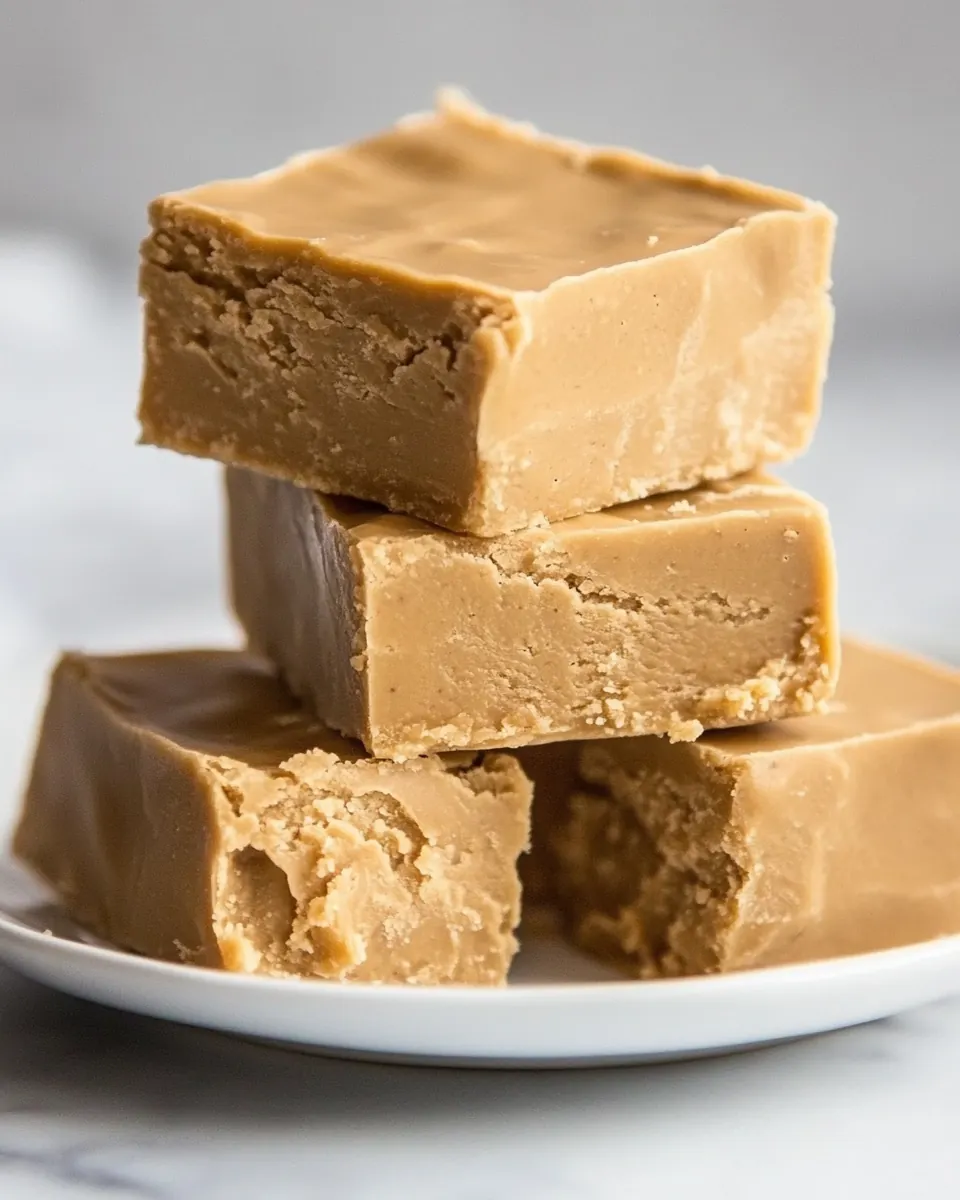
Peanut Butter Fudge
Peanut Butter Fudge is the kind of sweet that sneaks into your memory, the confection you bring to a gathering and watch disappear faster than you planned.
I first made Peanut Butter Fudge on a rainy afternoon when the power flickered and the kids begged for something simple and comforting. I remember standing at the stove, whisk in hand, as the warm aroma of melting butter and peanut butter filled the kitchen. That sticky, nutty smell wrapped around us like a blanket, and when I stirred in the powdered sugar the texture shifted from glossy to dense, a promise of the silky bite to come. My oldest declared it better than store bought, and I’ll admit, I felt proud and a bit smug.
Since then, this recipe has become my go to when I want a quick homemade treat that feels indulgent but requires very little effort. I like how the recipe lets you control the sweetness and texture, and how it sets firm enough to slice into neat pieces, perfect for gifting or tucking into a lunchbox. Every holiday season now, someone asks for the recipe, and I always tell them it is the easiest way to look like you spent hours in the kitchen.
Recipe Snapshot
15 mins
5 mins
10 mins
Easy
150 kcal
American
Gluten-Free, Low FODMAP
Desserts
Large pot, Spatula, 8 x 8 inch baking dish, Plastic wrap
The Charm of This Peanut Butter Fudge
Comforting Simplicity
I love Peanut Butter Fudge because it delivers big flavor with minimal fuss. You do not need complicated techniques or rare pantry items, just a handful of staples that come together quickly, and that reliability makes it a go to for me when time is short.
Rich, Nostalgic Flavor
The combination of creamy peanut butter and sweet powdered sugar evokes childhood treats without feeling cloying. I always savor the contrast of the nutty depth against the sugary backdrop, and that balance keeps people coming back for one more square.
Customizable Texture
I appreciate that you can slightly tweak the mouthfeel by adjusting mixing and chilling. Stirring until perfectly smooth gives a dense, velvety fudge, while a touch less mixing leaves a slightly more tender bite. That flexibility makes it easy to tailor to your crowd.
Great for Gifts and Gatherings
Because Peanut Butter Fudge sets firm and slices cleanly, it is ideal for wrapping in parchment and sharing. I always feel pleased handing over a neat box of squares, and the simple ingredients mean it travels well without refrigeration for short spans.
Minimal Equipment, Maximum Reward
One pot, a spoon, and a baking dish are all you need, which is a huge win when I want to bake without clutter. The ease means I can involve kids or friends, turning a quick recipe into a shared moment.
Recipe Ingredients for Peanut Butter Fudge
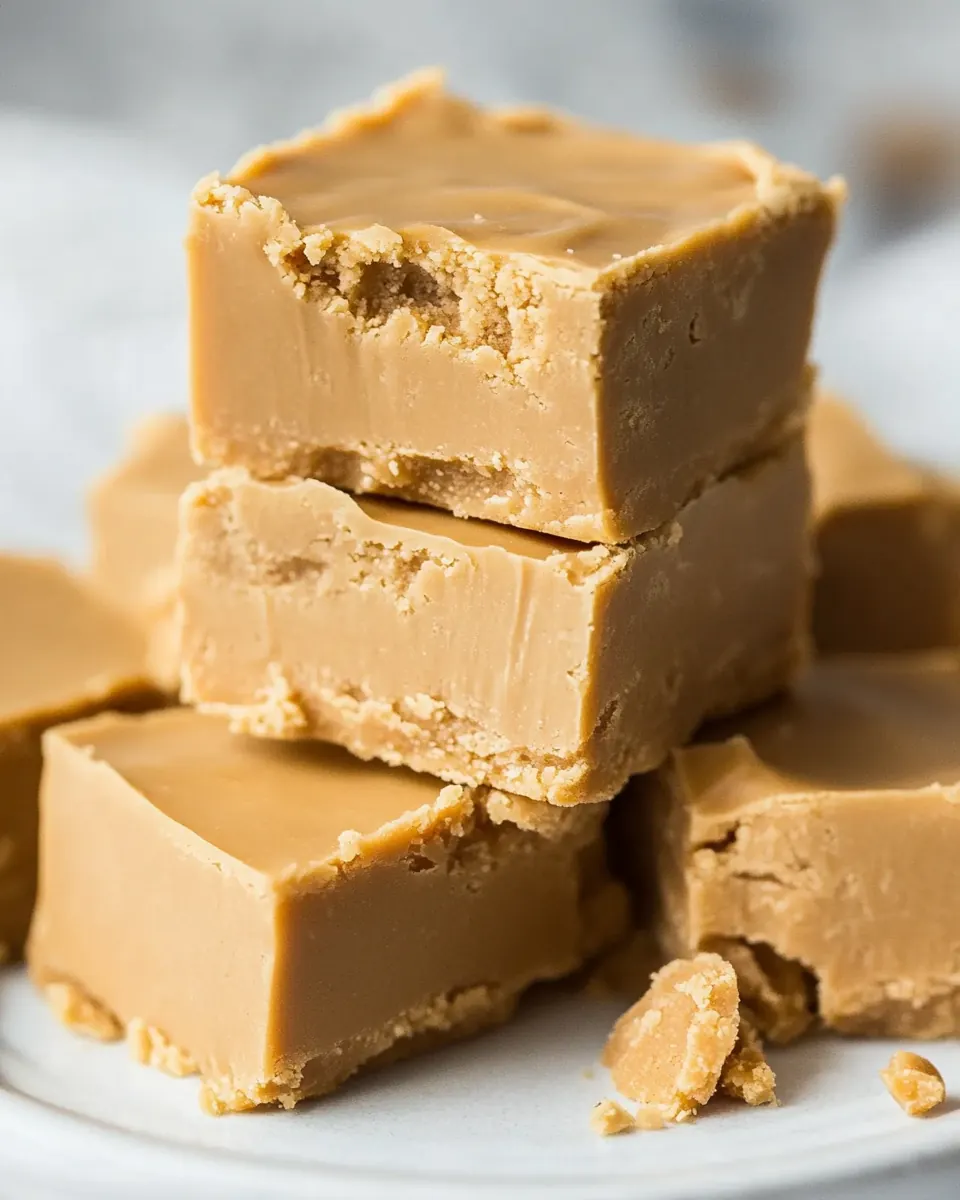
These ingredients are intentionally straightforward, built around a few strong players that create a satisfying texture and deep flavor. The butter and peanut butter form the creamy fat base, while powdered sugar provides structure and sweetness. A pinch of salt brightens the profile, and vanilla extract adds a round aromatic note. Together they make a dense, sliceable fudge that is rich but balanced.
- 1 1/4 cups unsalted butter: Melted and rich, provides the smooth fat base that carries flavor and creates a creamy, sliceable texture when chilled. Helps set the fudge by solidifying as it cools and contributes a tender mouthfeel. Use unsalted to control overall seasoning and balance sweetness.
- 1 1/4 cups creamy peanut butter: Creamy and nutty, supplies concentrated peanut flavor and additional fat for structure and richness. Blends smoothly with butter and sugar to create a cohesive, velvety fudge body. Choose creamy for uniform texture without graininess.
- 1/8 teaspoons salt: Balanced and subtle, enhances overall flavor by cutting sweetness and amplifying the peanut notes without becoming noticeable. Stabilizes taste and prevents the final product from tasting overly cloying. Use measured sparingly to avoid over-salting.
- 2 teaspoons vanilla extract: Aromatic and sweet, adds depth and a warm, rounded finish that complements the peanut butter. Brightens the flavor profile and enhances perceived sweetness without adding sugar. Stir in at the end to preserve volatile aromatics.
- 4 cups powdered sugar: Fine and absorbent, supplies the bulk of sweetness and helps the mixture thicken into a firm, sliceable confection. Dissolves into the fat to create a smooth, dense texture when thoroughly mixed. Sift if needed to prevent lumps and ensure uniform consistency.
How to Prepare Peanut Butter Fudge
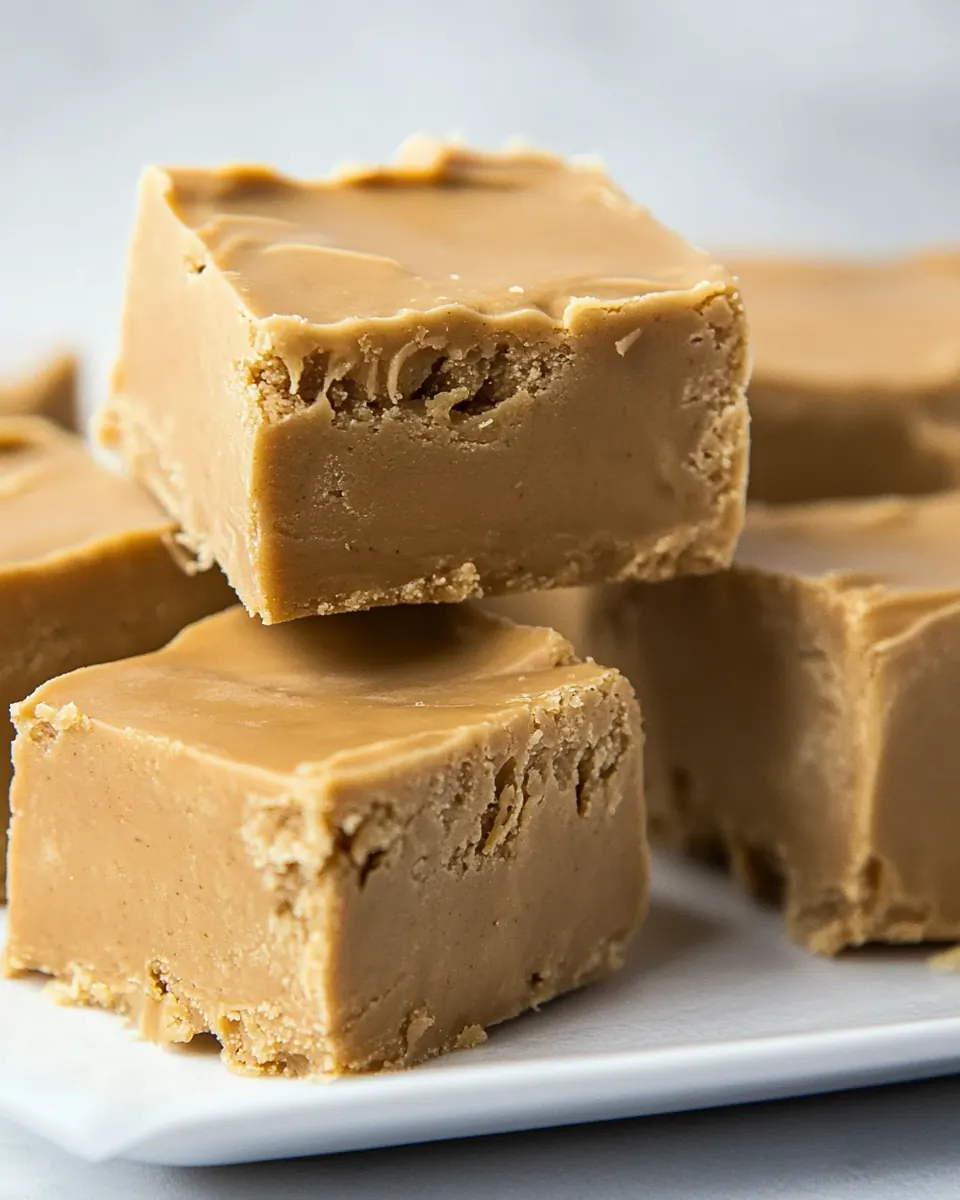
Getting the texture right is about gentle heat and attentive stirring. The steps below expand on each stage so you can sense when the mixture is ready, and avoid common mistakes that turn a silky batch into a crumbly one.
- Butter an 8 x 8-inch baking dish or cover with parchment paper, making sure to leave plenty of parchment hanging over the sides.: The surface of the prepared dish should gleam with a thin film of butter or be lined with parchment that extends beyond the edges for easy removal. You will notice a faint buttery scent and a slight resistance when your fingers glide over the surface, which signals proper greasing. This step matters because it prevents sticking and helps you lift the entire block of fudge once chilled. A common mistake is skipping the parchment or not greasing the corners well, which leads to tearing when you try to remove the set fudge, so take a moment to press the paper into the corners and smooth out air pockets.
- In a large pot over medium heat, melt 1 1/4 cups unsalted butter and 1 1/4 cups creamy peanut butter, stirring occasionally. Bring to a boil and remove from heat.: As the butter and peanut butter warm, you will first see glossy beads of oil forming then coalescing into a smooth pool, with a comforting, nutty aroma rising from the pot. Keep the heat at medium to ensure the fats melt evenly without scorching; the mixture should shimmer and move fluidly when stirred. This technique creates an emulsion that yields a silky final texture, and rushing with higher heat risks separation and a grainy finish. Avoid walking away during this stage because the sugars and oils can quickly overheat, producing a burnt smell that will ruin the batch.
- Stir in 1/8 teaspoon salt and 2 teaspoons vanilla extract until smooth. Add 4 cups powdered sugar and mix until well combined and smooth with no lumps remaining.: You will see the surface simmer with small bubbles around the edges, and that moment tells you the fats and peanut butter have fully melted together. Removing the pot from heat immediately keeps the mixture from overheating while still allowing residual warmth to help hydrate the sugar later. The reason this matters is that boiling briefly helps integrate the ingredients, but prolonged boil will break down the emulsion and alter texture. A frequent error is leaving it on the heat too long, which can lead to a split mixture where oil separates, so take the pot off promptly once the gentle boil appears.
- Pour the fudge mixture into the prepared baking dish and use the back of a spoon to smooth it into an even layer. Place plastic wrap over the dish and gently press down on the top of the fudge to cover. Refrigerate for 1 hour before slicing.: As you fold in the salt and vanilla extract , the aroma changes subtly, gaining depth and brightness. Stirring at this point helps incorporate those flavors evenly into the warm fat base, creating a unified flavor profile. This step enhances taste and prevents pockets of extract from dominating later. A common issue is adding vanilla while the pot is still aggressively boiling, which reduces its aromatic impact, so stir it in off heat and taste gently to ensure balance.
- Add 4 cups powdered sugar and mix until well combined and smooth with no lumps remaining: When you add the powdered sugar , the mixture will thicken quickly and begin to look creamy, shifting from glossy to a more matte, dense appearance. Use a heavy spoon or sturdy spatula to fold the sugar in, pressing out any pockets of dry sugar against the side of the pot. The final batter should be cohesive and hold its shape when scooped. This stage controls the final firmness, so under mixing leaves gritty pockets, while over mixing can overwork and stiffen the texture. If you encounter lumps, press them against the pot with the spoon until they dissolve into the mixture.
- Pour the fudge mixture into the prepared baking dish and use the back of a spoon to smooth it into an even layer: As you pour, the batter will flow thickly and fill the dish with a dense, glossy surface that loses some sheen as it settles. Using the back of a spoon to smooth ensures an even thickness which helps the fudge set uniformly and look professional when sliced. Pay attention to the corners and edges so the block is consistent from center to rim. One mistake people make is leaving uneven thickness, which causes parts to set harder than others; take a few extra seconds to level it carefully.
- Place plastic wrap over the dish and gently press down on the top of the fudge to cover: Laying plastic wrap directly on the surface prevents a dry skin from forming and helps maintain moisture while the fudge chills. You should feel slight resistance as the wrap meets the warm surface, then a cooling sensation as the mixture begins to lose heat. This protects texture and makes slicing neater later. Avoid tight presses that force the wrap into the fudge too deeply, which can leave indentations; a gentle cover is all you need.
- Refrigerate for 1 hour before slicing: The chilling phase firms the block until it can be cleanly cut into squares, and you will notice the surface lose gloss and become satiny. One hour typically delivers a firm but tender bite; longer chilling yields a more solid, candy like texture. This rest allows flavors to meld and the structure to set as the fats cool. A common misstep is slicing too soon, which results in ragged pieces and sticky knives, so wait the full hour for best results.
Variations to Try
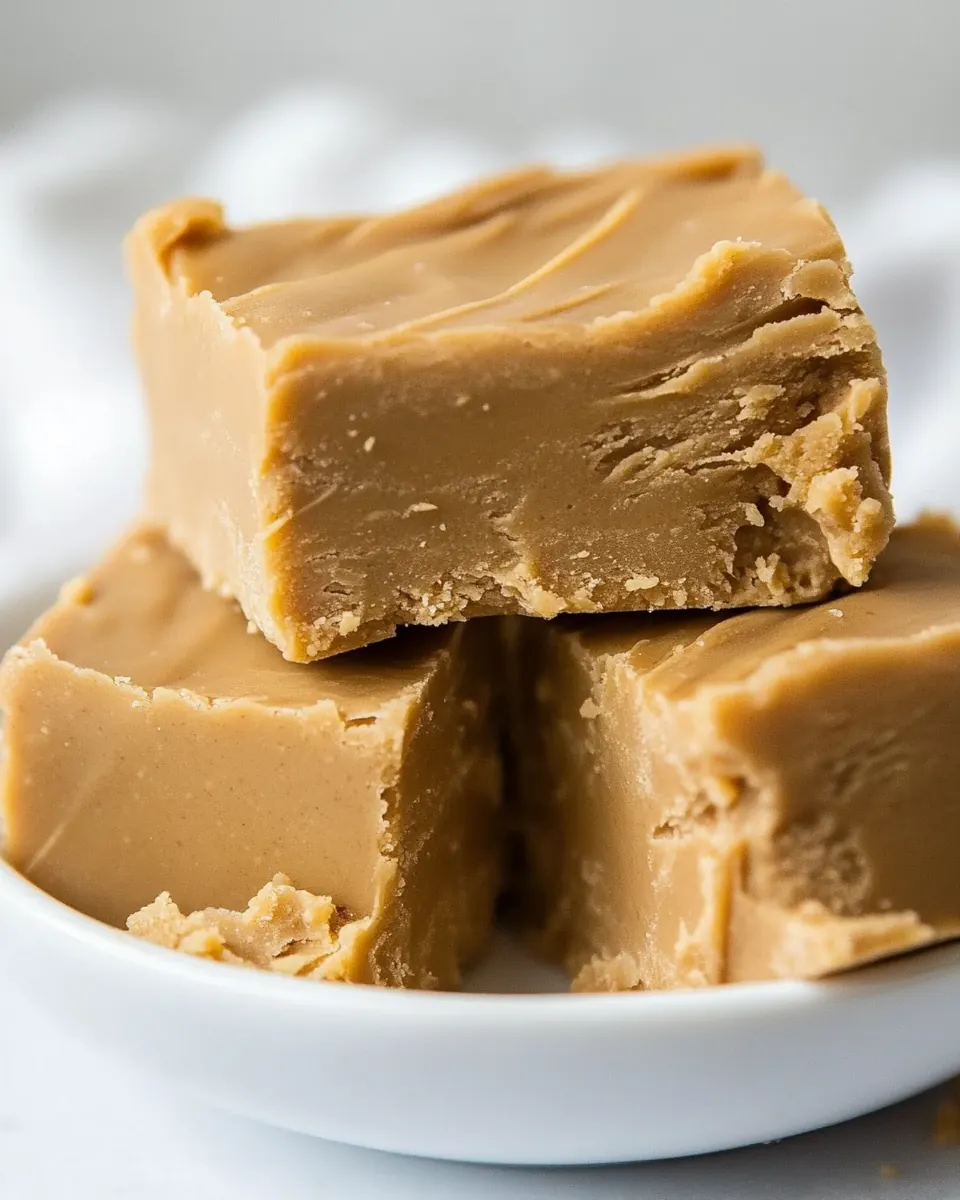
If you want to experiment, there are simple variations that keep the base recipe intact while introducing new textures or flavors. These ideas are meant to respect the original balance, and each one focuses on an easy swap or addition that changes the experience without demanding extra technique.
- Swirl in chocolate by melting a small amount of chocolate and folding it gently over the top before chilling for a marbled look and a complementary flavor contrast.
- Add crunchy texture by folding in a handful of chopped nuts or crushed crackers just before pouring to introduce a pleasing contrast to the creamy base.
- Salted top sprinkle a tiny pinch of flaky salt over the surface right before chilling to enhance the nutty notes and give a gourmet finishing touch.
- Smaller portions pour into mini molds or a muffin tin lined with paper cups for individually portioned bites that are perfect for parties and gift trays.
- Slightly softer fudge reduce chilling time by 15 to 20 minutes for a more tender, less candy like texture if you prefer a melt in the mouth feel.
What Complements This Peanut Butter Fudge
Peanut Butter Fudge pairs beautifully with simple accompaniments that either echo its nuttiness or offer a refreshing contrast. Think about serving it for casual gatherings, festive dessert tables, or as a thoughtful homemade gift. Below are ideas for presentation, occasions, storage, and seasonal pairings to help you plan.
- Serving style slice into uniform squares and arrange on a platter lined with parchment for a tidy presentation that makes it easy for guests to help themselves.
- Occasions ideal for bake sales, holiday dessert trays, or as a quick treat to bring to a potluck where small, handheld sweets are appreciated.
- Gifting wrap three to six pieces in parchment and tie with twine for a simple, homemade gift that travels well for short trips without refrigeration.
- Storage store in an airtight container in the refrigerator for up to two weeks to maintain firmness, or freeze for up to three months with parchment between layers for easy separation.
- Pairings serve alongside fresh fruit or a lightly brewed coffee to balance the sweetness and offer a palate cleansing contrast between bites.
- Seasonal notes this fudge works year round, and during cooler months it feels cozy and indulgent, while in warmer months you may want to keep it chilled until serving to prevent softening.
FAQ
Conclusion
What makes this recipe special is its ability to produce a rich, nostalgic treat with minimal effort using just a few pantry staples. Give Peanut Butter Fudge a try when you want an easy, crowd pleasing sweet that slices neatly and travels well. I hope you enjoy the simple rhythm of melting, mixing, and chilling, and that these squares become a reliable favorite in your dessert rotation.
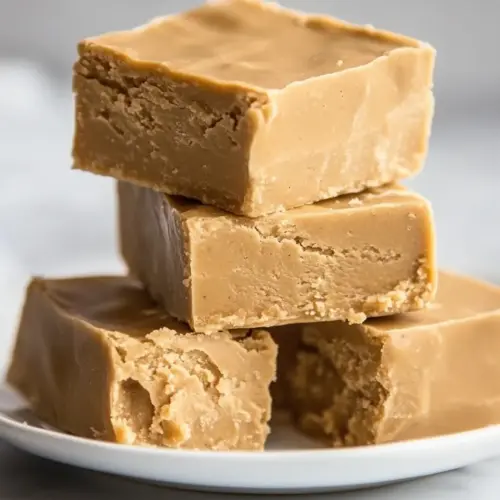
Peanut Butter Fudge
Equipment
- Large Pot
- Spatula
- 8 x 8 inch baking dish
- Plastic Wrap
Ingredients
- 1 1/4 cups unsalted butter Melted and rich, provides the smooth fat base that carries flavor and creates a creamy, sliceable texture when chilled. Helps set the fudge by solidifying as it cools and contributes a tender mouthfeel. Use unsalted to control overall seasoning and balance sweetness.
- 1 1/4 cups creamy peanut butter Creamy and nutty, supplies concentrated peanut flavor and additional fat for structure and richness. Blends smoothly with butter and sugar to create a cohesive, velvety fudge body. Choose creamy for uniform texture without graininess.
- 1/8 teaspoons salt Balanced and subtle, enhances overall flavor by cutting sweetness and amplifying the peanut notes without becoming noticeable. Stabilizes taste and prevents the final product from tasting overly cloying. Use measured sparingly to avoid over-salting.
- 2 teaspoons vanilla extract Aromatic and sweet, adds depth and a warm, rounded finish that complements the peanut butter. Brightens the flavor profile and enhances perceived sweetness without adding sugar. Stir in at the end to preserve volatile aromatics.
- 4 cups powdered sugar Fine and absorbent, supplies the bulk of sweetness and helps the mixture thicken into a firm, sliceable confection. Dissolves into the fat to create a smooth, dense texture when thoroughly mixed. Sift if needed to prevent lumps and ensure uniform consistency.
Instructions
- Butter an 8 x 8-inch baking dish or cover with parchment paper, making sure to leave plenty of parchment hanging over the sides.: The surface of the prepared dish should gleam with a thin film of butter or be lined with parchment that extends beyond the edges for easy removal. You will notice a faint buttery scent and a slight resistance when your fingers glide over the surface, which signals proper greasing. This step matters because it prevents sticking and helps you lift the entire block of fudge once chilled. A common mistake is skipping the parchment or not greasing the corners well, which leads to tearing when you try to remove the set fudge, so take a moment to press the paper into the corners and smooth out air pockets.
- In a large pot over medium heat, melt 1 1/4 cups unsalted butter and 1 1/4 cups creamy peanut butter, stirring occasionally. Bring to a boil and remove from heat.: As the butter and peanut butter warm, you will first see glossy beads of oil forming then coalescing into a smooth pool, with a comforting, nutty aroma rising from the pot. Keep the heat at medium to ensure the fats melt evenly without scorching; the mixture should shimmer and move fluidly when stirred. This technique creates an emulsion that yields a silky final texture, and rushing with higher heat risks separation and a grainy finish. Avoid walking away during this stage because the sugars and oils can quickly overheat, producing a burnt smell that will ruin the batch.
- Stir in 1/8 teaspoon salt and 2 teaspoons vanilla extract until smooth. Add 4 cups powdered sugar and mix until well combined and smooth with no lumps remaining.: You will see the surface simmer with small bubbles around the edges, and that moment tells you the fats and peanut butter have fully melted together. Removing the pot from heat immediately keeps the mixture from overheating while still allowing residual warmth to help hydrate the sugar later. The reason this matters is that boiling briefly helps integrate the ingredients, but prolonged boil will break down the emulsion and alter texture. A frequent error is leaving it on the heat too long, which can lead to a split mixture where oil separates, so take the pot off promptly once the gentle boil appears.
- Pour the fudge mixture into the prepared baking dish and use the back of a spoon to smooth it into an even layer. Place plastic wrap over the dish and gently press down on the top of the fudge to cover. Refrigerate for 1 hour before slicing.: As you fold in the salt and vanilla extract , the aroma changes subtly, gaining depth and brightness. Stirring at this point helps incorporate those flavors evenly into the warm fat base, creating a unified flavor profile. This step enhances taste and prevents pockets of extract from dominating later. A common issue is adding vanilla while the pot is still aggressively boiling, which reduces its aromatic impact, so stir it in off heat and taste gently to ensure balance.
- Add 4 cups powdered sugar and mix until well combined and smooth with no lumps remaining: When you add the powdered sugar , the mixture will thicken quickly and begin to look creamy, shifting from glossy to a more matte, dense appearance. Use a heavy spoon or sturdy spatula to fold the sugar in, pressing out any pockets of dry sugar against the side of the pot. The final batter should be cohesive and hold its shape when scooped. This stage controls the final firmness, so under mixing leaves gritty pockets, while over mixing can overwork and stiffen the texture. If you encounter lumps, press them against the pot with the spoon until they dissolve into the mixture.
- Pour the fudge mixture into the prepared baking dish and use the back of a spoon to smooth it into an even layer: As you pour, the batter will flow thickly and fill the dish with a dense, glossy surface that loses some sheen as it settles. Using the back of a spoon to smooth ensures an even thickness which helps the fudge set uniformly and look professional when sliced. Pay attention to the corners and edges so the block is consistent from center to rim. One mistake people make is leaving uneven thickness, which causes parts to set harder than others; take a few extra seconds to level it carefully.
- Place plastic wrap over the dish and gently press down on the top of the fudge to cover: Laying plastic wrap directly on the surface prevents a dry skin from forming and helps maintain moisture while the fudge chills. You should feel slight resistance as the wrap meets the warm surface, then a cooling sensation as the mixture begins to lose heat. This protects texture and makes slicing neater later. Avoid tight presses that force the wrap into the fudge too deeply, which can leave indentations; a gentle cover is all you need.
- Refrigerate for 1 hour before slicing: The chilling phase firms the block until it can be cleanly cut into squares, and you will notice the surface lose gloss and become satiny. One hour typically delivers a firm but tender bite; longer chilling yields a more solid, candy like texture. This rest allows flavors to meld and the structure to set as the fats cool. A common misstep is slicing too soon, which results in ragged pieces and sticky knives, so wait the full hour for best results.
Notes
- Swirl in chocolate by melting a small amount of chocolate and folding it gently over the top before chilling for a marbled look and a complementary flavor contrast.
- Add crunchy texture by folding in a handful of chopped nuts or crushed crackers just before pouring to introduce a pleasing contrast to the creamy base.
- Salted top sprinkle a tiny pinch of flaky salt over the surface right before chilling to enhance the nutty notes and give a gourmet finishing touch.
- Smaller portions pour into mini molds or a muffin tin lined with paper cups for individually portioned bites that are perfect for parties and gift trays.
- Slightly softer fudge reduce chilling time by 15 to 20 minutes for a more tender, less candy like texture if you prefer a melt in the mouth feel.
