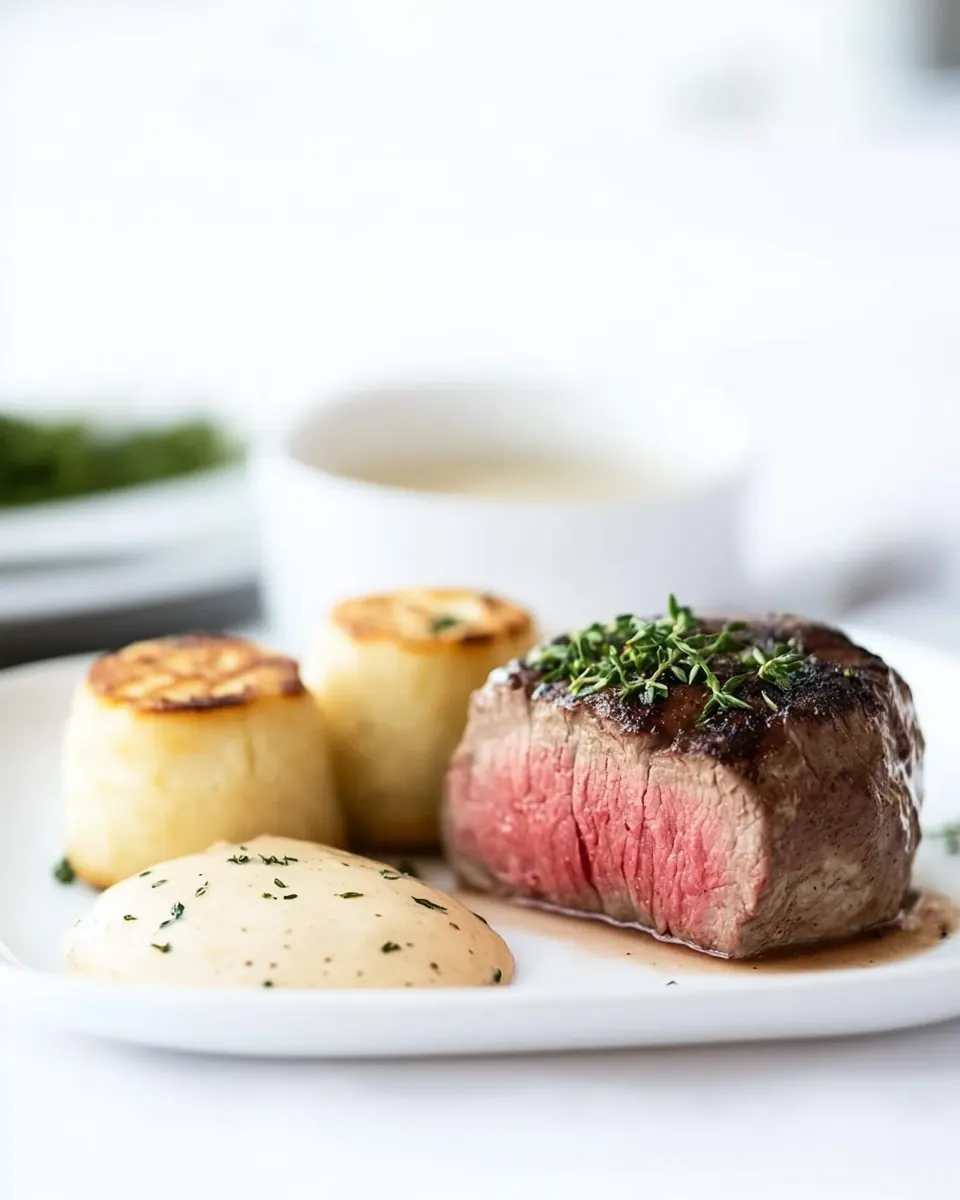
Classic Châteaubriand
Classic Châteaubriand has always felt like a celebration on a plate to me, a dish I turn to when I want to honor a special evening without getting lost in pretension. The first time I cooked Classic Châteaubriand for guests was during a quiet winter weekend, when the house smelled of browned butter and thyme, and everyone lingered at the table longer than planned. I remember thinking that a simple, beautifully executed piece of beef can make people slow down and talk, and that memory has stayed with me.
Over the years I learned how each small choice changes the result, from the way the beef is seared so it sings with a caramelized crust, to the velvet of a well-made béarnaise spooned alongside. I enjoy the ritual of trussing the tenderloin, the reassuring weight of a pan as it goes into the oven, and the few quiet minutes while the meat rests. Those pauses are part of the pleasure.
What I love most is how approachable the technique really is, even though the dish looks lofty. With attention to heat and timing, you end up with a centerpiece that tastes luxurious without unnecessary fuss. I often pair this with roasted small potatoes, which soak up the butter and herbs and give a comforting counterpoint to the meat. If you like a hands on, sensory cooking experience that rewards patience, you will find making Classic Châteaubriand deeply satisfying.
Recipe Snapshot
1 hr 10 mins
20 mins
50 mins
Medium
600 kcal
French
Whole30, Gluten-Free
Dinner
Sauté Pan, Oven, Roasting Pan, Instant Read Thermometer
What Makes This Classic Châteaubriand Special
Impressive yet achievable
I love that Classic Châteaubriand reads like a restaurant moment but you can reproduce it at home. The technique highlights the natural quality of the beef, and with a good sear plus oven finishing, it looks and tastes like you spent hours, when really it is about confident timing and heat control.
Layered flavors without fuss
The dish combines the nutty richness of browned butter, the herbaceous perfume of fresh thyme, and the bright richness of béarnaise. Each element plays a role, and together they build depth without overwhelming the central ingredient, the tenderloin.
Textural contrast
I find the crisp crust on the outside of the beef next to the silky interior utterly satisfying. Paired with roasted small potatoes that are golden and tender, you get a balance of textures that keeps every bite interesting.
Scalable for occasions
This recipe is flexible, whether you’re cooking for two or serving a small dinner. The steps are repeatable and forgiving if you pay attention to the internal temperature. I appreciate that it scales without losing its character, which makes it ideal for special dinners or small holiday gatherings.
Classic technique, modern confidence
Finally, making Classic Châteaubriand teaches you transferable skills: searing to develop crust, finishing in the oven for gentle even doneness, and resting meat so juices redistribute. Those are techniques I use across many recipes, so this dish feels like culinary training wrapped in a beautiful result.
Main Ingredients for Classic Châteaubriand
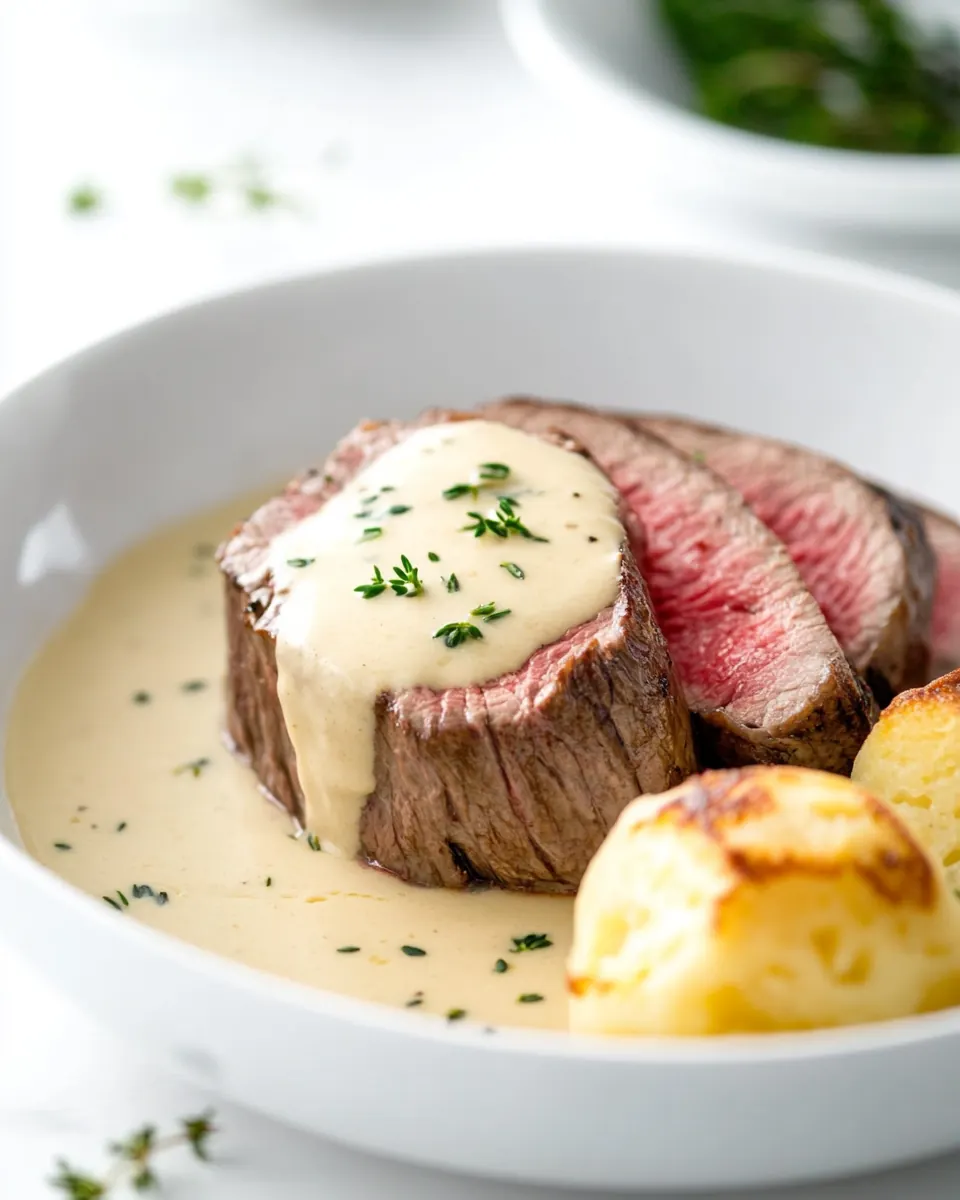
These ingredients are intentionally simple, each playing a clear role. The beef is the star, the fats and aromatics build flavor and crust, and the small potatoes offer a comforting, buttery companion. Together they create a classic balance of richness, herb lift, and satisfying texture.
- 10 12 small Yukon or red potatoes, peeled: Peeled and simmered until tender, adds a creamy, earthy base for gratins or pan-roasted potatoes accompanying the steak; season and finish with butter for rich texture and flavor.
- 3 tablespoons clarified butter or oil: Clarified to a high smoke point, used for pan-searing or roasting to promote even browning and a crisp exterior without burning; imparts a clean, buttery mouthfeel.
- 2 pounds center cut beef tenderloin: Center-cut portion provides a uniformly thick, lean roast ideal for even cooking and tender slices; handles high-heat searing and gentle oven finish for classic Châteaubriand presentation.
- 2 tablespoons unsalted butter: Added in small amounts to enrich pan sauces or baste meat while cooking, contributing silkiness and enhanced mouthfeel when melted into jus or compound butters.
- 4 garlic cloves: Pounded or thinly sliced and gently crushed to release aromatic oils, contributes savory depth and subtle pungency when used in basting, rubs, or roasted accompaniments.
- 5 10 fresh thyme sprigs: Sprigs used whole during cooking or tied into a bouquet garni to infuse a subtle, lemony, floral herbaceousness that complements beef and potato dishes.
- 1 tablespoon chopped fresh parsley: Finely chopped and sprinkled at the end to add fresh, bright, herbaceous notes and a pop of color, balancing the richness of meat and butter-based sauces.
- 1 béarnaise recipe: Prepared separately and served alongside to provide a tangy, rich emulsified sauce that complements the tender beef with tarragon and vinegar notes; can be spooned over slices for classic service.
- salt and pepper to taste: Used to season both potatoes and meat to taste, providing essential flavor enhancement and balance; adjust sparingly during cooking and more at the table for final seasoning.
Making This Classic Châteaubriand
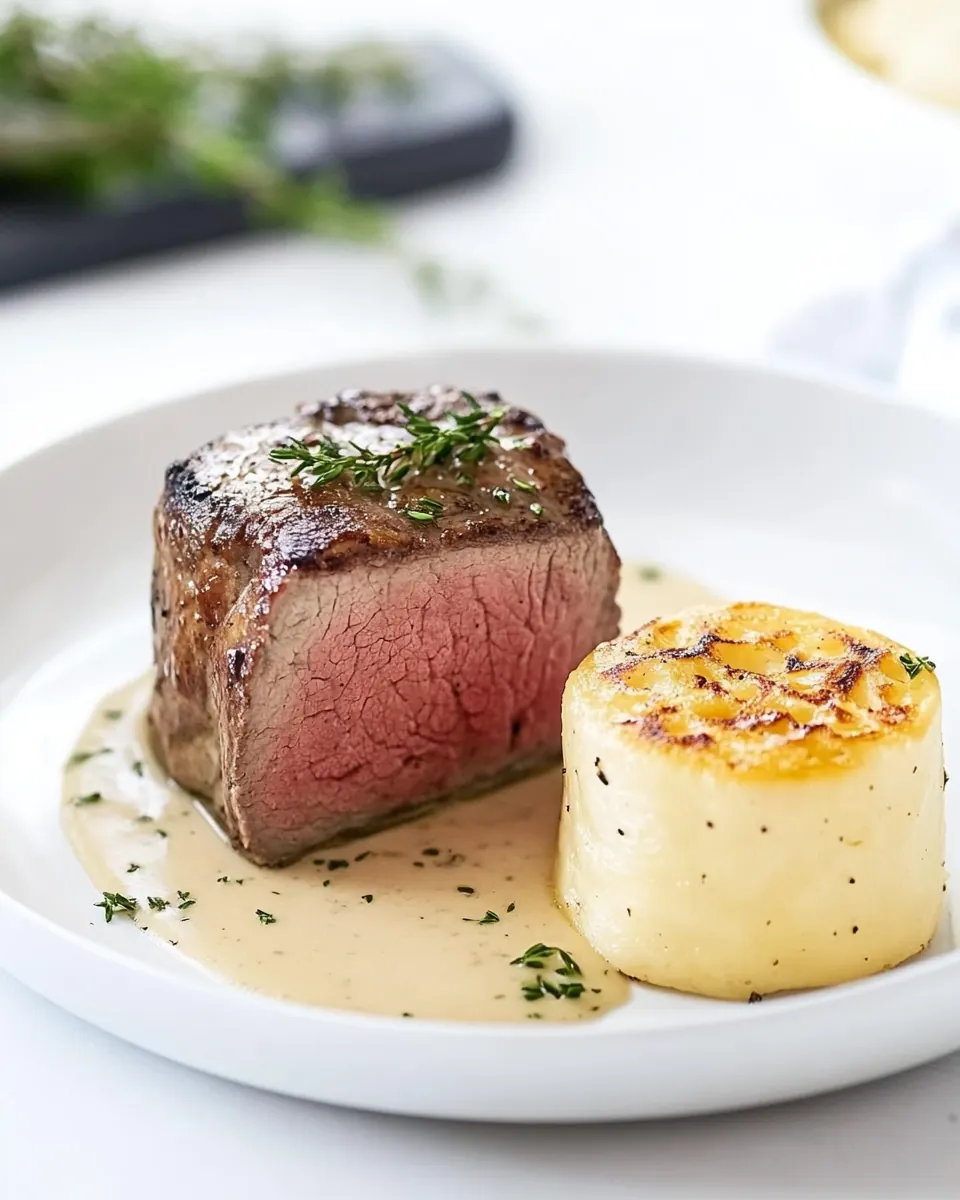
These instructions walk you through finishing the beef and the potatoes with attention to temperature and sensory cues. I’ll guide you through the sequence I use so each element arrives warm and composed on the plate.
- Make your Béarnaise sauce and keep warm in a bowl covered in plastic wrap and set it to the side. This will hold for about 90 minutes.: The warm, herbaceous scent of béarnaise should be present but not hot, and you want it ready before the meat comes out so service is seamless. While it sits the texture should be glossy and thick enough to coat a spoon, not runny. If the sauce splits, a common pitfall, whisk a little warm water or a touch of warm melted butter in slowly to bring it back together. Keep it lightly covered so a skin does not form.
- Add 1 tablespoon of clarified butter or oil to a sauté pan until smoking and then add the potatoes and brown over medium to high heat, which takes about 3-4 minutes. Move the potatoes frequently while cooking.: When the fat begins to shimmer and just kiss smoke, you will hear a lively sizzle as you add the potatoes . The surface should brown quickly, developing rich mahogany spots that smell nutty. Move them frequently so all sides get contact and avoid steaming. A common mistake is overcrowding the pan, which traps steam and prevents browning, so give the pieces space.
- Add them to the oven at 350° for 30-35 minutes or until cooked through.: Transferring the partially browned potatoes to a moderate oven finishes them evenly, creating a dry, fluffy interior and a crisp exterior. You will notice a fragrant roasted aroma as they finish. Test doneness by piercing a piece with a knife; it should slide in without resistance. If the pan is too cool going into the oven, the potatoes will not crisp properly, so ensure they began browning on the stovetop.
- Garnish with parsley, butter, salt, and pepper, and set the potatoes to the side and keep warm.: Tossing the hot potatoes with chopped parsley and a pat of butter releases bright herb notes and gives them a glossy finish. Season to taste so each bite is balanced. Keep them covered loosely so steam does not make them soggy; one common error is sealing them too tightly which traps moisture and softens the exterior.
- While the potatoes are in the oven, truss and season the beef tenderloin well on all sides with salt and pepper.: Trussing the beef creates a uniform cylinder so it cooks evenly, and a liberal seasoning helps form a flavorful crust. Rub the salt and pepper into the surface so it adheres. Under-seasoning at this stage results in a bland crust, so be confident with your seasoning.
- Add the remaining 2 tablespoons of clarified butter or oil to a large frying pan or rondeau pot over medium-high heat until smoking and then add in the beef.: When the fat is properly hot it will hiss energetically as the beef hits the pan and the surface will begin to brown almost instantly. You'll see an initial darkening that signals proper Maillard reaction. If the pan is not hot enough the meat will release juices and stew rather than sear, so make sure the fat is near smoking before adding the tenderloin.
- Turn the heat down to medium, add in the unsalted butter, garlic, and thyme and cook on all sides until very browned, which takes about 2 1/2-3 minutes per side.: Lowering the heat slightly and adding butter , smashed garlic , and whole thyme lets the aromatics flavor the pan without burning. Spoon the foaming butter over the meat as it sears so the surface develops a glossy, brown crust and the garlic softens and sweetens. Listen for a steady sizzle; if the garlic turns black, it has burned and will taste bitter, so reduce heat or remove it early.
- Transfer the pan to the oven and cook at 350° for 15-20 minutes or until the desired internal temperature has been achieved. This amount of cooking time will render a medium-rare internal temperature at 125° internally.: The oven provides gentle, even heat that finishes the interior while preserving the seared crust. For medium rare aim for an internal target of 125° before resting, remembering it will climb slightly. Insert an instant read thermometer into the center for accuracy. A mistake I see is relying solely on timing; oven temperatures vary, so trust the thermometer.
- Remove the beef and let rest for 3-5 minutes before slicing.: Resting is essential, because hot muscle fibers relax and redistribute juices, so when you slice the beef it will be juicy rather than leaking everything onto the board. The meat will still be warm, and the texture will feel tender when pressed gently. Cutting too soon is a frequent error that leads to drier slices, so be patient for at least a few minutes.
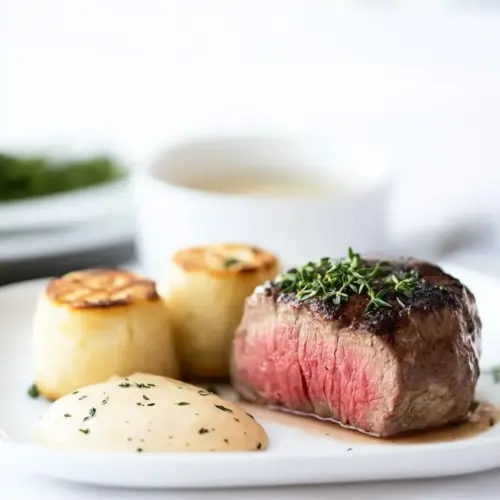
- Serve the beef with the potatoes, béarnaise sauce, and chopped fresh parsley.: Arrange slices of the rested beef so each portion receives both crust and rosy center, add a spoonful of warm béarnaise , and nestle the golden potatoes alongside. Sprinkle chopped parsley for color and freshness. Serve promptly so the sauce retains its texture and the meat stays warm; reheating immediately will change the texture.
Pro Tips and Tweaks
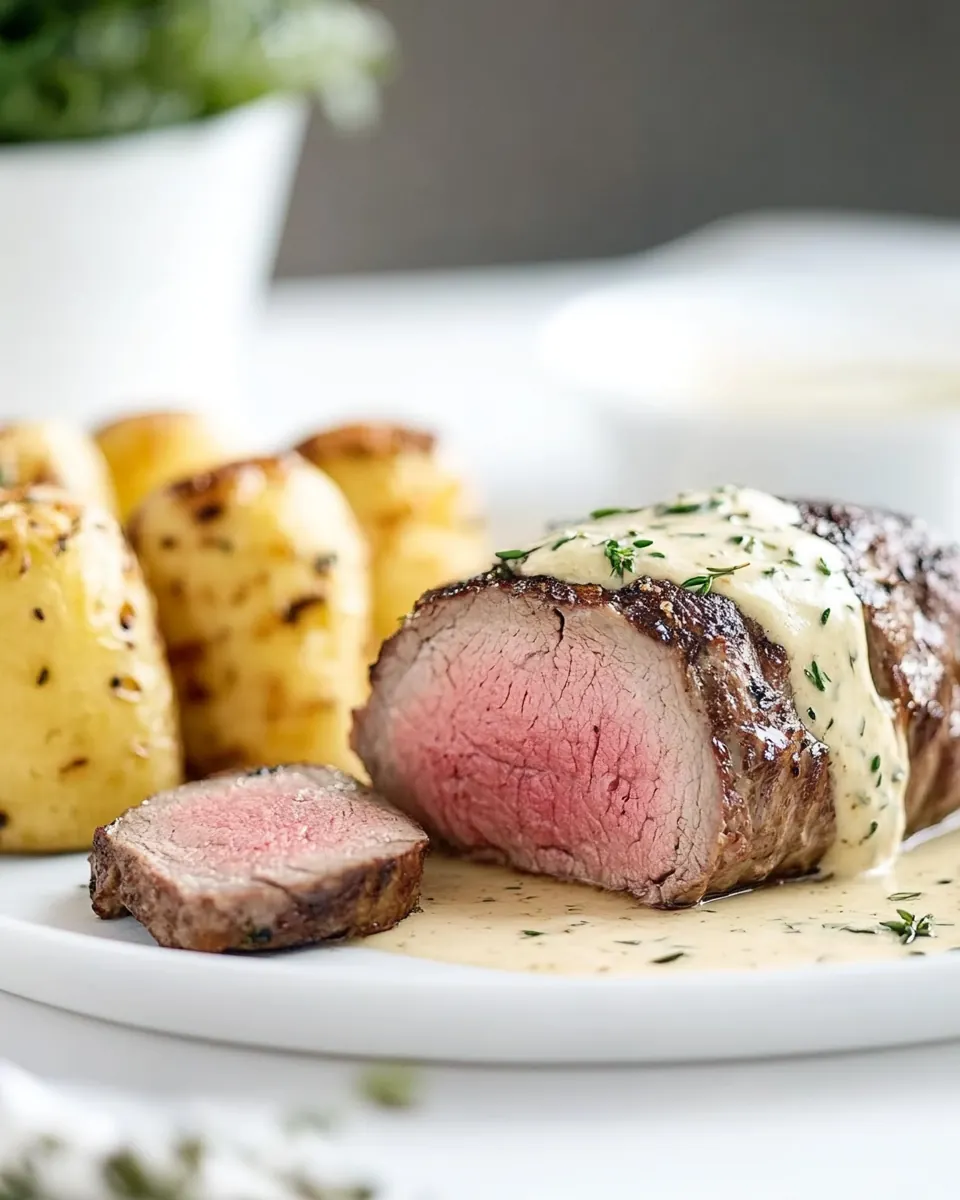
I usually like to offer actionable tweaks that save time and elevate results without changing the soul of Classic Châteaubriand. These tips expand on storage, timing, and small technique shifts that make service smoother and flavors brighter.
- Resting matters — Allow the beef to rest undisturbed for at least 3 to 5 minutes after roasting so the juices redistribute evenly, giving you juicy slices instead of a pooling mess on your cutting board.
- Thermometer over time — Use an instant read thermometer to confirm internal temperature instead of relying on oven times, because ovens vary and internal readings ensure the exact doneness you want for the tenderloin.
- Clarified butter advantage — Clarified butter provides rich flavor with a higher smoke point, which helps you develop a deep crust without burning the fats when searing the beef or browning the potatoes.
- Make béarnaise ahead — Prepare the béarnaise in advance and keep it warm over a bowl of warm water; this prevents last minute stress and ensures the sauce stays glossy at service.
- Even sizing — Cut the small potatoes to uniform size so they brown and finish in the oven at the same rate, reducing the risk of some pieces being undercooked while others are overdone.
- Room temperature beef — Let the beef sit at room temperature for 20 to 30 minutes before searing to promote even cooking from edge to center, avoiding an overcooked crust and underdone middle.
Serving Options for Classic Châteaubriand
This dish is at home on intimate dinner tables and celebratory occasions. Below I outline pairing ideas, serving styles, and storage notes so you can tailor the meal to the moment.
- Formal dinner plating — Slice the beef into medallions, fan them on warmed plates, spoon warm béarnaise over the top, and place the golden potatoes alongside for an elegant presentation suited to anniversary dinners or special celebrations.
- Casual family meal — Serve larger carved slices on a wooden board with the béarnaise in a small bowl for sharing; the potatoes can be piled in a serving dish so everyone helps themselves for a relaxed, convivial feel.
- Occasions and timing — This recipe works well for winter holiday meals or intimate weekend dinners. The moderate oven time and the ability to make the béarnaise ahead make it practical for occasions when you want to spend time with guests rather than cooking during the meal.
- Storage tips — Store leftover sliced beef covered in the refrigerator up to 4 to 5 days, or freeze properly wrapped for up to 45 days. Reheat gently in a covered pan with a splash of stock to avoid drying out, and reheat potatoes briefly in the oven to keep their texture.
- Seasonal pairings — In winter I like roasted root vegetables alongside the potatoes for a hearty plate; in warmer months a simple green vegetable or blanched asparagus adds freshness and color to the dish.
FAQ
Conclusion
Classic Châteaubriand is special because it pairs straightforward technique with luxurious flavor, letting a beautiful center cut tenderloin shine alongside golden roasted potatoes and a luscious béarnaise. Give it a try when you want a memorable meal that is impressive without being needlessly complicated. Cooking this recipe hones useful skills like high heat searing, oven finishing, and resting meat, and rewards patience with a tender, flavorful result. I hope you enjoy the ritual of making it and the satisfied quiet around the table once everyone has tasted the first bite.
Classic Châteaubriand
Equipment
- Sauté Pan
- Oven
- Roasting Pan
- Instant read thermometer
Ingredients
- 10 -12 small Yukon or red potatoes, peeled Peeled and simmered until tender, adds a creamy, earthy base for gratins or pan-roasted potatoes accompanying the steak; season and finish with butter for rich texture and flavor.
- 3 tablespoons clarified butter or oil Clarified to a high smoke point, used for pan-searing or roasting to promote even browning and a crisp exterior without burning; imparts a clean, buttery mouthfeel.
- 2 pounds center cut beef tenderloin Center-cut portion provides a uniformly thick, lean roast ideal for even cooking and tender slices; handles high-heat searing and gentle oven finish for classic Châteaubriand presentation.
- 2 tablespoons unsalted butter Added in small amounts to enrich pan sauces or baste meat while cooking, contributing silkiness and enhanced mouthfeel when melted into jus or compound butters.
- 4 garlic cloves Pounded or thinly sliced and gently crushed to release aromatic oils, contributes savory depth and subtle pungency when used in basting, rubs, or roasted accompaniments.
- 5 -10 fresh thyme sprigs Sprigs used whole during cooking or tied into a bouquet garni to infuse a subtle, lemony, floral herbaceousness that complements beef and potato dishes.
- 1 tablespoon chopped fresh parsley Finely chopped and sprinkled at the end to add fresh, bright, herbaceous notes and a pop of color, balancing the richness of meat and butter-based sauces.
- 1 béarnaise recipe Prepared separately and served alongside to provide a tangy, rich emulsified sauce that complements the tender beef with tarragon and vinegar notes; can be spooned over slices for classic service.
- salt and pepper to taste Used to season both potatoes and meat to taste, providing essential flavor enhancement and balance; adjust sparingly during cooking and more at the table for final seasoning.
Instructions
- Make your Béarnaise sauce and keep warm in a bowl covered in plastic wrap and set it to the side. This will hold for about 90 minutes.: The warm, herbaceous scent of béarnaise should be present but not hot, and you want it ready before the meat comes out so service is seamless. While it sits the texture should be glossy and thick enough to coat a spoon, not runny. If the sauce splits, a common pitfall, whisk a little warm water or a touch of warm melted butter in slowly to bring it back together. Keep it lightly covered so a skin does not form.
- Add 1 tablespoon of clarified butter or oil to a sauté pan until smoking and then add the potatoes and brown over medium to high heat, which takes about 3-4 minutes. Move the potatoes frequently while cooking.: When the fat begins to shimmer and just kiss smoke, you will hear a lively sizzle as you add the potatoes . The surface should brown quickly, developing rich mahogany spots that smell nutty. Move them frequently so all sides get contact and avoid steaming. A common mistake is overcrowding the pan, which traps steam and prevents browning, so give the pieces space.
- Add them to the oven at 350° for 30-35 minutes or until cooked through.: Transferring the partially browned potatoes to a moderate oven finishes them evenly, creating a dry, fluffy interior and a crisp exterior. You will notice a fragrant roasted aroma as they finish. Test doneness by piercing a piece with a knife; it should slide in without resistance. If the pan is too cool going into the oven, the potatoes will not crisp properly, so ensure they began browning on the stovetop.
- Garnish with parsley, butter, salt, and pepper, and set the potatoes to the side and keep warm.: Tossing the hot potatoes with chopped parsley and a pat of butter releases bright herb notes and gives them a glossy finish. Season to taste so each bite is balanced. Keep them covered loosely so steam does not make them soggy; one common error is sealing them too tightly which traps moisture and softens the exterior.
- While the potatoes are in the oven, truss and season the beef tenderloin well on all sides with salt and pepper.: Trussing the beef creates a uniform cylinder so it cooks evenly, and a liberal seasoning helps form a flavorful crust. Rub the salt and pepper into the surface so it adheres. Under-seasoning at this stage results in a bland crust, so be confident with your seasoning.
- Add the remaining 2 tablespoons of clarified butter or oil to a large frying pan or rondeau pot over medium-high heat until smoking and then add in the beef.: When the fat is properly hot it will hiss energetically as the beef hits the pan and the surface will begin to brown almost instantly. You'll see an initial darkening that signals proper Maillard reaction. If the pan is not hot enough the meat will release juices and stew rather than sear, so make sure the fat is near smoking before adding the tenderloin.
- Turn the heat down to medium, add in the unsalted butter, garlic, and thyme and cook on all sides until very browned, which takes about 2 1/2-3 minutes per side.: Lowering the heat slightly and adding butter , smashed garlic , and whole thyme lets the aromatics flavor the pan without burning. Spoon the foaming butter over the meat as it sears so the surface develops a glossy, brown crust and the garlic softens and sweetens. Listen for a steady sizzle; if the garlic turns black, it has burned and will taste bitter, so reduce heat or remove it early.
- Transfer the pan to the oven and cook at 350° for 15-20 minutes or until the desired internal temperature has been achieved. This amount of cooking time will render a medium-rare internal temperature at 125° internally.: The oven provides gentle, even heat that finishes the interior while preserving the seared crust. For medium rare aim for an internal target of 125° before resting, remembering it will climb slightly. Insert an instant read thermometer into the center for accuracy. A mistake I see is relying solely on timing; oven temperatures vary, so trust the thermometer.
- Remove the beef and let rest for 3-5 minutes before slicing.: Resting is essential, because hot muscle fibers relax and redistribute juices, so when you slice the beef it will be juicy rather than leaking everything onto the board. The meat will still be warm, and the texture will feel tender when pressed gently. Cutting too soon is a frequent error that leads to drier slices, so be patient for at least a few minutes.
- Serve the beef with the potatoes, béarnaise sauce, and chopped fresh parsley.: Arrange slices of the rested beef so each portion receives both crust and rosy center, add a spoonful of warm béarnaise , and nestle the golden potatoes alongside. Sprinkle chopped parsley for color and freshness. Serve promptly so the sauce retains its texture and the meat stays warm; reheating immediately will change the texture.
Notes
- Resting matters — Allow the beef to rest undisturbed for at least 3 to 5 minutes after roasting so the juices redistribute evenly, giving you juicy slices instead of a pooling mess on your cutting board.
- Thermometer over time — Use an instant read thermometer to confirm internal temperature instead of relying on oven times, because ovens vary and internal readings ensure the exact doneness you want for the tenderloin.
- Clarified butter advantage — Clarified butter provides rich flavor with a higher smoke point, which helps you develop a deep crust without burning the fats when searing the beef or browning the potatoes.
- Make béarnaise ahead — Prepare the béarnaise in advance and keep it warm over a bowl of warm water; this prevents last minute stress and ensures the sauce stays glossy at service.
- Even sizing — Cut the small potatoes to uniform size so they brown and finish in the oven at the same rate, reducing the risk of some pieces being undercooked while others are overdone.
- Room temperature beef — Let the beef sit at room temperature for 20 to 30 minutes before searing to promote even cooking from edge to center, avoiding an overcooked crust and underdone middle.
