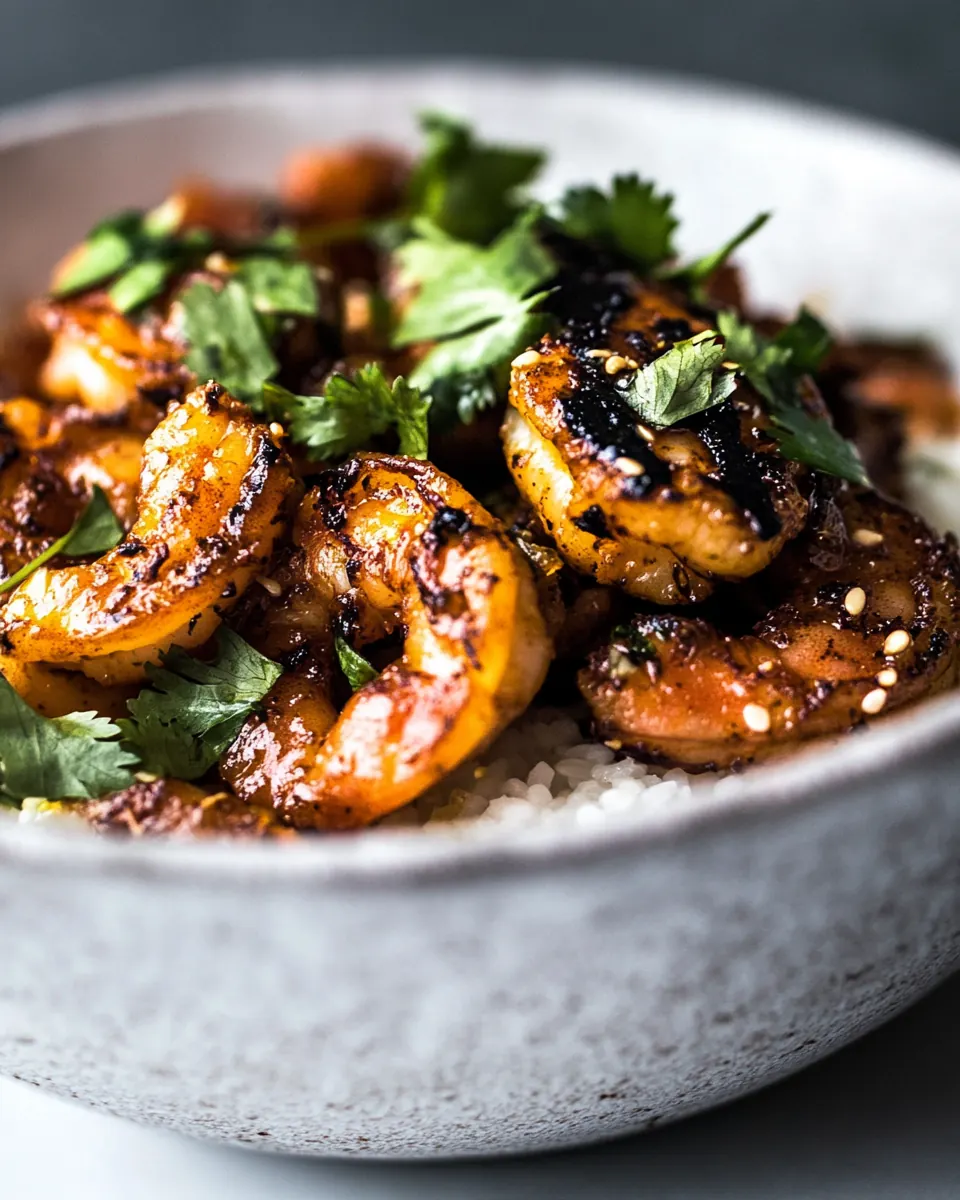
Brazilian Inspired Honey Garlic Shrimp
Brazilian Inspired Honey Garlic Shrimp came into my weeknight rotation after an impromptu market run on a humid summer evening. I wanted something bright, quick, and a touch spicy, and the combination of sweet honey with pungent garlic and warm spices felt like a tiny trip to the coast without leaving my kitchen. I remember stirring the marinade and thinking how those simple pantry ingredients would transform humble shrimp into a glossy, fragrant main that everyone at the table would reach for first.
That night I served the dish with crisp fried plantains and creamy avocado, and the mix of textures made me grin. The first forkful was a mix of sweet, savory, and citrusy brightness from the herbs, and I knew I had to keep this recipe in the repertoire. Over time, I adjusted little things I loved about Brazilian inspired cooking, leaning into fresh herbs and coconut milk to add silkiness.
I also learned that the magic comes from a short marinade and a very hot skillet, so the shrimp sears rather than steams. That crisp edge with a tender inside, combined with the caramelized garlic and a coconut finish, created a profile I find irresistible on busy nights or when friends drop by unexpectedly. I often double the batch because leftovers reheat beautifully.
Recipe Snapshot
50 mins
10 mins
40 mins
Medium
360 kcal
Brazilian
Gluten-Free, Low FODMAP
Dinner
Large skillet, Medium skillet, Gallon size ziplock bag, Slotted spoon, Paper towels
Why This Brazilian Inspired Honey Garlic Shrimp Works
Bold, bright flavors
I love how Brazilian Inspired Honey Garlic Shrimp balances sweet and spicy without overwhelming the shrimp. The honey tames the heat from the jalapeos and cayenne, while garlic and ginger push the savory notes forward. I always notice how that contrast keeps everyone going back for another bite, and the coconut milk at the end rounds everything into a silky finish.
Speed and simplicity
One huge reason this recipe stands out is the short hands on time. You marinate briefly, then cook quickly, so it’s perfect for an easy weeknight dinner. I often throw the marinade together while making a quick salad, and the whole meal comes together with minimal fuss. That makes it one of my go to recipes when I want something impressive but doable.
Textural variety
The plate contrast is why I keep returning to this dish. Tender, juicy shrimp, creamy coconut kissed sauce, fluffy rice, and crispy fried plantains create layers of texture. Each bite tells a different story, and I enjoy how the components complement one another without fighting for attention.
Flexible and crowd friendly
I appreciate how adaptable this recipe is. You can scale the ingredients up for a casual dinner party, and people can customize spice levels easily. I once halved the cayenne for a family with kids and saved a small bowl of extra spicy sauce for adults, and everyone was happy. That versatility keeps it in rotation year round.
Fresh herb finish
Fresh basil and cilantro at the end bring the whole dish alive. I always save a handful of herbs just before serving, and that fresh green aroma makes a big difference. The herbs add a clean lift that brightens the richer notes from the honey and butter, and I’ve found it’s the finishing touch that guests always comment on.
What You Need for Brazilian Inspired Honey Garlic Shrimp
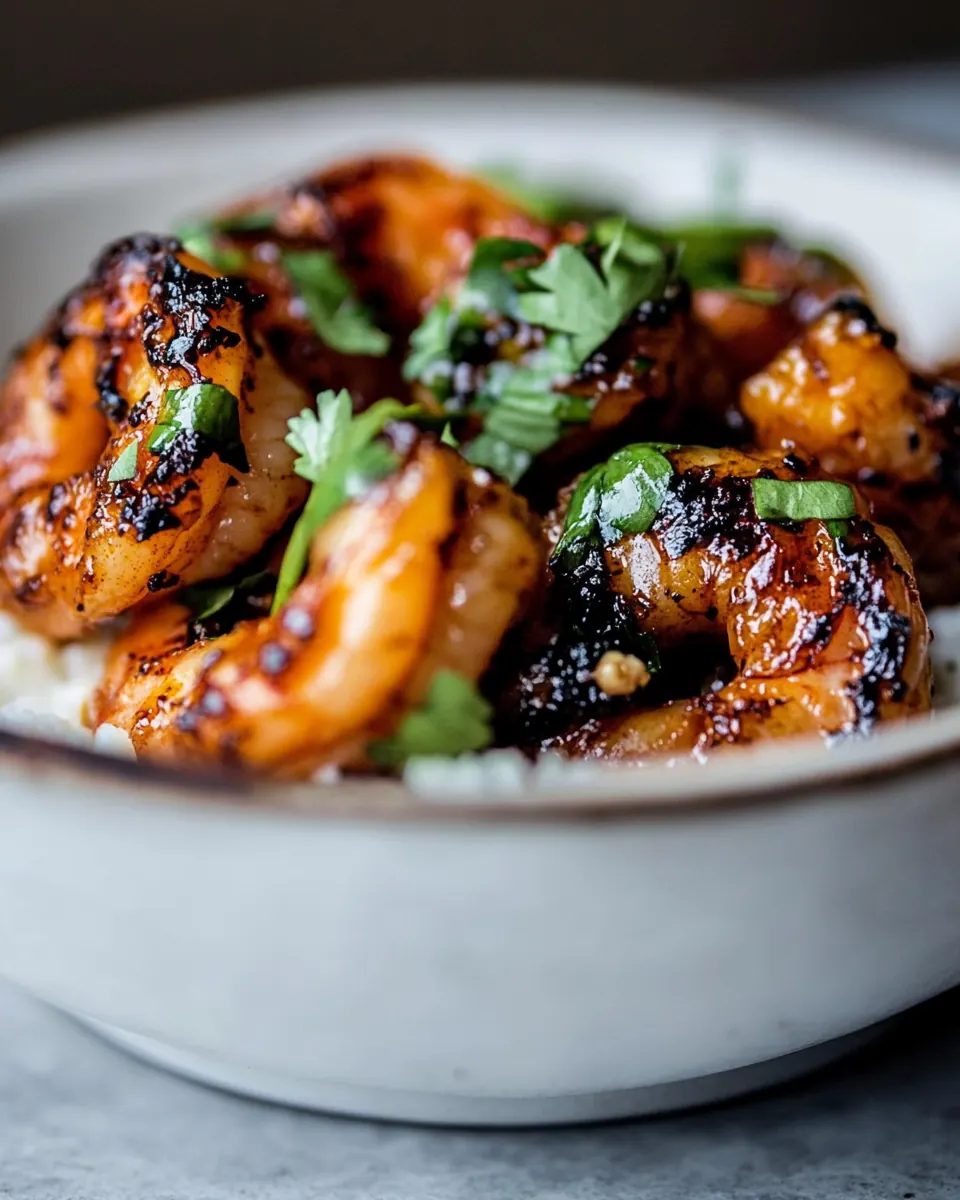
These ingredients work together to create a dynamic, balanced plate. The shrimp is the star, and the oils, aromatics, and spices build savory depth. Honey and coconut milk add creaminess and sweetness, while fresh herbs and acidic garnishes cut through the richness. Each component plays a role, from the frying oil used for plantains to the finishing butter that carries flavor across the dish.
- 1 pound raw tail on shrimp: Provide tender, sweet seafood protein that becomes the centerpiece of the dish; must be deveined and peeled if preferred while leaving tails on for presentation and easy handling, and cook quickly over high heat to retain juiciness.
- 1/4 cup olive oil: Add a smooth, fruity fat that helps sauté aromatics and conduct heat evenly; use to pan-sear shrimp and to help develop a light golden fond for deglazing and sauce flavor.
- 2 tablespoons honey: Contribute natural sweetness and a glossy finish that balances spicy and savory notes; stir into the pan toward the end to create a sticky glaze that clings to the shrimp.
- 4 6 cloves garlic finely minced or grated (I like using around 4): Deliver sharp, pungent aromatics that brighten the recipe and build savory depth; mince finely so garlic disperses evenly and releases fragrant oils when briefly sautéed.
- 1 tablespoon fresh grated ginger: Introduce warm, peppery zest and a fresh, citrus-like heat that complements garlic and balances sweetness; grate finely to integrate into the sauce without fibrous texture.
- 2 jalapenos seeded + chopped: Provide bright heat and vegetal flavor with a fresh jalapeño kick; remove seeds for milder spice or keep some for more fire, and chop to distribute heat evenly throughout the dish.
- 1 teaspoon cayenne pepper (use less for less heat maybe 1/4-1/2 teaspoon): Offer concentrated heat that layers with fresh chiles to control spiciness; measure carefully and incorporate into seasoning to achieve desired warmth without overpowering other flavors.
- 1 teaspoon cumin: Add earthy, warm, and slightly smoky notes that root the flavor profile; sprinkle into the seasoning mix to complement the garlic, cumin bringing a subtle savory backbone.
- 1/4 cup fresh cilantro chopped: Bring fresh, citrusy herbal brightness that lifts heavy flavors and adds color; chop just before serving to maintain aroma and fold in at the end for maximum freshness.
- 4 tablespoons butter: Provide rich, silky mouthfeel and lusciousness that enriches the sauce; add in small pieces to melt into the pan and create a smooth, rounded finish to the glaze.
- 1/4 cup canned coconut milk: Contribute creamy, tropical body and subtle sweetness that mellows heat and ties flavors together; stir into the sauce to loosen it and add a velvety texture.
- 2 tablespoons fresh basil chopped + more for serving: Provide fragrant, sweet-bitter herbal notes that add a unique green accent; chop and sprinkle in late to preserve aromatic oils and contrast the cilantro.
- kosher salt + pepper: Season and balance flavors by enhancing sweetness, taming bitterness, and emphasizing savory elements; add to taste during cooking and adjust before serving for perfect balance.
- steamed white rice + black beans + sliced avocado for serving: Serve as starchy, comforting accompaniments that make the meal complete and hearty; plate rice and beans alongside shrimp and top with sliced avocado for creaminess and contrast.
- 4 inch yellow plantains sliced into 1/2 rounds: Offer a sweet, caramelized fried component that can be served as a side or garnish; slice plantains and fry until golden to introduce crunchy edges and soft, sweet centers.
- oil for frying: Provide a neutral frying medium that achieves even, golden crisping for plantains or other fried components; choose an oil with a high smoke point and maintain proper temperature.
- flaky sea salt: Enhance texture contrast and finish with a clean, mineral salt that flakes on the surface; sprinkle lightly over finished plantains or shrimp to accentuate flavors without overwhelming them.
Cooking Method for Brazilian Inspired Honey Garlic Shrimp
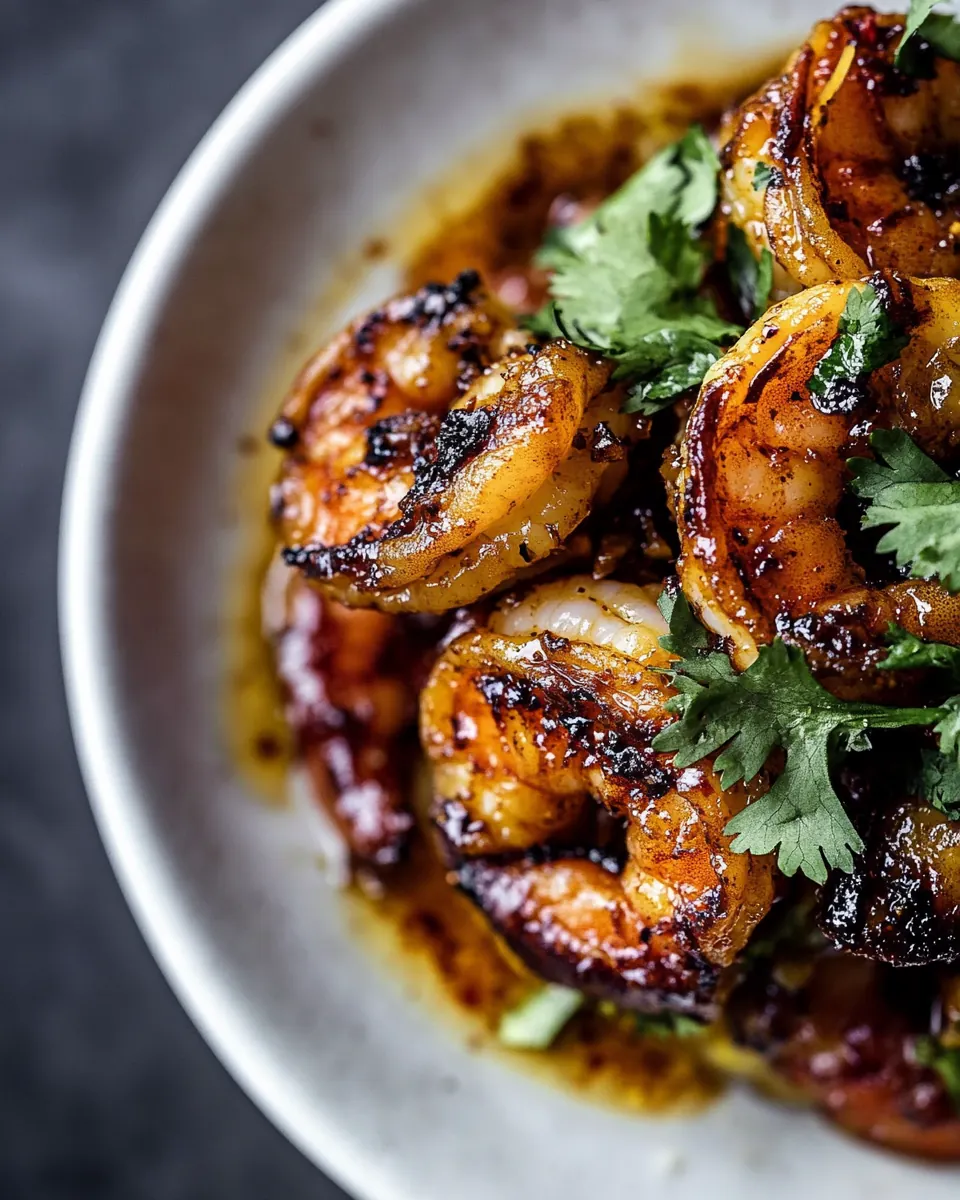
This method moves you from quick marinade to sizzling skillet and then to a silky finish. I find that keeping things organized and prepped before you heat the pan makes the process relax rather than rush. Read each step so you know the sensory cues, and have your plating elements warmed and ready.
- Add the shrimp to a gallon size ziplock bag or medium size bowl. Add the olive oil, honey, garlic, ginger, jalapeños, cayenne, cumin and cilantro. Toss well to combine, seal the bag or cover the bowl and place in the fridge for 15-30 minutes or up 24 hours.: As the shrimp sits in the marinade, you will smell the garlic and ginger melding with honey and spice, a fragrant preview of what is coming. Cooling in the fridge lets flavors penetrate without cooking the shrimp , which keeps the texture tender. One common error is marinating too long at room temperature, which risks bacterial growth, so always refrigerate. Also avoid marinating beyond 24 hours, because prolonged acid or salt contact can make the flesh mushy.
- Heat a large skillet over medium heat. Once hot use a slotted spoon to scoop the shrimp out of the marinade, reserving the marinade, and into the hot skillet, season with salt and pepper. Cook the shrimp until pink, about 2-3 minutes per side. Add the reserved marinade, the butter and 1 teaspoon pepper (or more or less to your taste) to the skillet. Continue to cook the shrimp in the butter until the garlic begins to caramelize and turn LIGHT golden brown, about another minute or two. Be careful not to burn the garlic. Remove from the heat and stir in the coconut milk and basil.: When the pan is properly heated you should see a faint shimmer on the surface of the oil and hear a soft sizzle as the first shrimp touches the metal. That sizzling tells you the surface will sear quickly, locking in moisture. If the pan is not hot enough the shrimp will release water and steam instead of color, yielding a less flavorful result. Be careful not to overcrowd the skillet, which lowers temperature and prevents golden edges.
- Serve shrimp alongside rice, black beans, fried plantains, avocado and lime wedges. Garnish with freshly chopped basil.: Watch the transformation from translucent to opaque, with a blush of pink and a slight curl. You should hear a confident sizzle, and the edges will take on tiny flecks of caramelization. Overcooking is the most frequent mistake here, so rely on color and a gentle resistance when you press the center, rather than strict timing, which can vary with size.
- Heat an inch or so of oil in a medium skillet over medium heat. Once the oil is hot add the plantains and fry for 2-3 minutes per side or until just lightly golden. Remove and drain on paper towels. Now transfer the plantains to a cutting board and, using the back of a wooden spoon, smash them down into round flat disks.: When you return the reserved marinade to the pan it will release steam and aromas, and the butter will melt into a glossy emulsion that coats each shrimp . This stage amplifies flavor and begins to concentrate the sauce. Stir gently so the butter emulsifies rather than separates. A pitfall is letting the pan run too hot, which can cause butter to brown excessively and the sauce to become bitter.
- Return the plantains to the hot oil and fry another 2-3 minutes on each side or until they are golden and crispy. Remove to a paper towel lined plate and sprinkle with salt. Chips are best eaten right after frying, but any leftovers can be stored in an airtight container at room temperature.: The garlic will shift from sharp to sweet and smell deeply fragrant as it caramelizes, releasing nutty notes. Spend this moment watching and stirring, because garlic can go from golden to burnt quickly, and burnt garlic tastes acrid. Keep the heat moderate and move the shrimp around so the garlic cooks evenly without clumping.
- Be careful not to burn the garlic. Remove from the heat and stir in the coconut milk and basil: Steaming coconut milk into the warm pan cools and softens the sauce texture, making it silky. The basil wilted off heat preserves a fresh aroma and bright green color. A common slip is adding coconut milk too early while high heat is active, which can cause separation; removing from heat first helps maintain a unified sauce.
- Serve shrimp alongside rice, black beans, fried plantains, avocado and lime wedges. Garnish with freshly chopped basil: Arrange contrasting textures on the plate so each bite has a balance of saucy shrimp , creamy avocado, and crisp plantain. The lime wedges add a final acid lift just before eating, and the basil garnish gives aroma. If you let everything sit too long before serving, the crispness of the plantains will fade, so time plating close to eating.
- Heat an inch or so of oil in a medium skillet over medium heat. Once the oil is hot add the plantains and fry for 2 to 3 minutes per side or until just lightly golden: The plantains will sizzle and caramelize at the edges, releasing a sweet, toasty scent. Maintain a consistent medium heat so the insides cook through as the outsides color. If the oil is too cool you will get greasy plantains, and if it is too hot they will burn before becoming tender inside. Use a slotted spoon to move them gently.
- Remove and drain on paper towels. Now transfer the plantains to a cutting board and, using the back of a wooden spoon, smash them down into round flat disks: Draining first helps remove excess oil, so the smash yields a denser surface that will crisp nicely in the second fry. The smash also creates more surface area for caramelization. An easy mistake is smashing while the plantains are too hot or unstable, so let them settle briefly to avoid splashes or uneven mashes.
- Return the plantains to the hot oil and fry another 2 to 3 minutes on each side or until they are golden and crispy: In this second fry the smashed plantains develop a satisfyingly crisp exterior and deep golden color, accompanied by a sweet, caramel aroma. Flip carefully to avoid breaking them, and look for bubbling to slow and turn to a gentle fry when they are near done. Overfrying will dry them out, so remove when color and crunch are achieved.
- Remove to a paper towel lined plate and sprinkle with salt. Chips are best eaten right after frying, but any leftovers can be stored in an airtight container at room temperature: Freshly salted plantains deliver a contrast of crunchy texture and sweet starch, and the flaky sea salt provides little pops of flavor. Store at room temperature for short periods to preserve crispness, but note they will soften over time. Reheating in a hot skillet or oven can revive some crunch, though they will never be quite as fresh as the moment they were fried.
Pro Tips and Tweaks
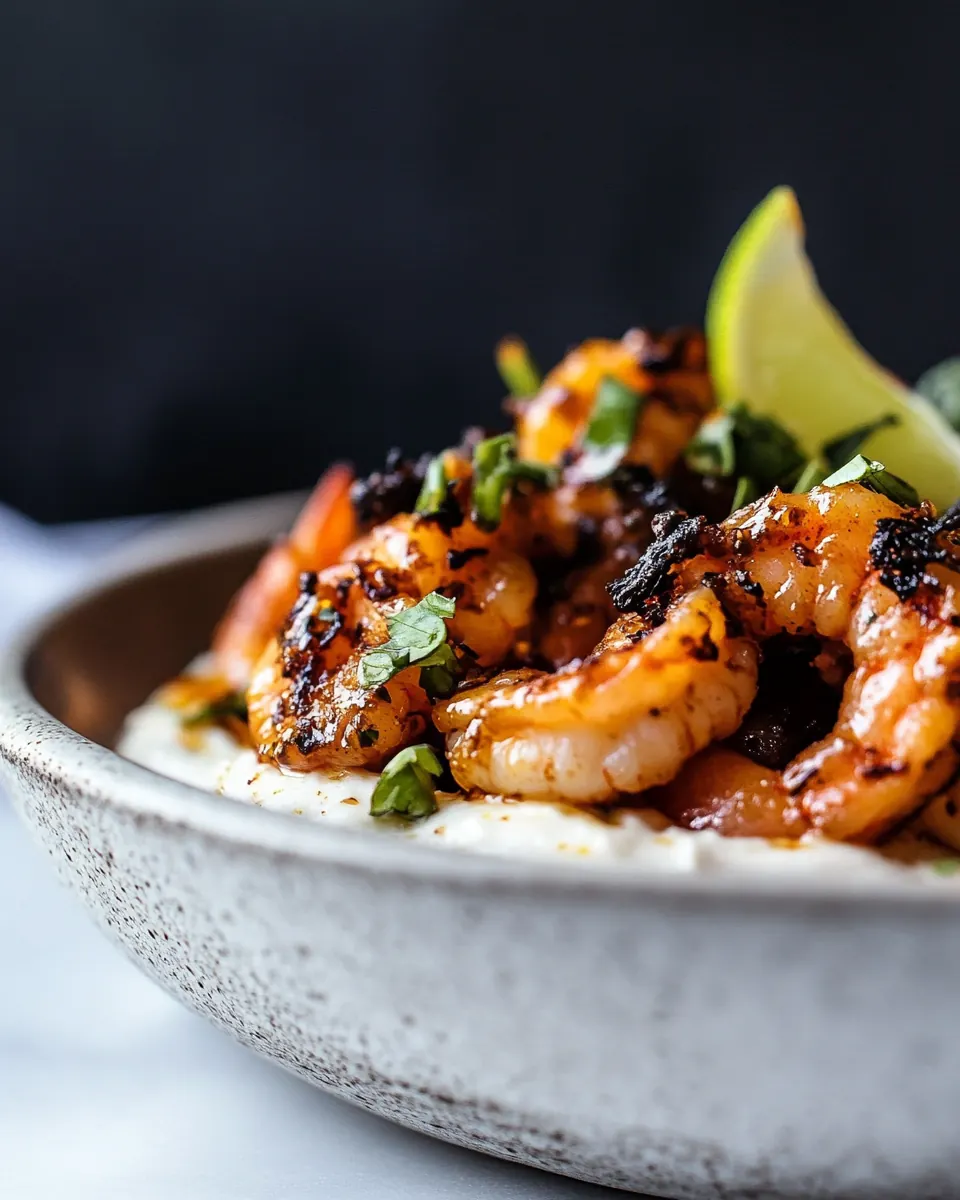
I like to keep a few finishing tricks in my back pocket to bump flavor or texture in this dish. These tips cover timing, spice control, and plating so the meal feels special without adding stress.
- Marinating control Allow the shrimp to marinate a minimum of 15 minutes so flavors penetrate, but avoid marinating more than 24 hours to prevent a mushy texture.
- Heat management Preheat your skillet until it is hot but not smoking, so you get a quick sear that seals juices and creates those caramelized edges.
- Garlic timing Add garlic earlier in the marinade but watch it closely in the pan, because once it turns golden it can go to bitter in seconds.
- Plantain technique Fry plantains in two stages and smash between fries for a crisp, chip like texture with a tender interior.
- Finish off heat Stir in coconut milk and basil after removing from heat to keep the sauce silky and herbs bright.
- Salt at the end Sprinkle flaky sea salt on warm plantains immediately after frying so the crystals adhere and give that joyful crunch.
What Goes Well With This Brazilian Inspired Honey Garlic Shrimp
This dish pairs well with simple starches and fresh accompaniments that balance its sweet spicy profile. I prefer warm rice and creamy elements to round the plate, and bright garnishes to cut through richness. Below are serving ideas, occasions, and storage notes to help you plan a full meal.
- Steamed white rice A classic base that soaks up the sauce, making every bite saucy and satisfying, ideal for family dinners.
- Black beans Offer protein and earthy balance, fitting for casual lunches or a vibrant dinner plate during summer gatherings.
- Sliced avocado Provides cooling creaminess that contrasts the heat, excellent for serving at relaxed dinners or alfresco meals.
- Fried plantains Add sweet crunch and a playful texture contrast, perfect for weekend entertaining and potlucks.
- Lime wedges Brighten the plate with acidity, suggested for serving at the table so guests can adjust brightness to taste.
- Storage tips Store leftover shrimp and sauce separately from plantains in an airtight container in the fridge for up to two days, and reheat gently to preserve texture.
- Occasions Great for easy weeknight dinners, summer gatherings, or when you want an impressive but quick meal for friends.
FAQ
Conclusion
This recipe stands out for its bright combination of honey, garlic, ginger, and warm spices that uplift tender shrimp and pair beautifully with crispy plantains. Give it a try when you want a fast, flavorful meal that feels special without fuss. I hope it becomes one of your go to weeknight dishes, a reliable plate that brings friends and family together over vibrant, balanced flavors.
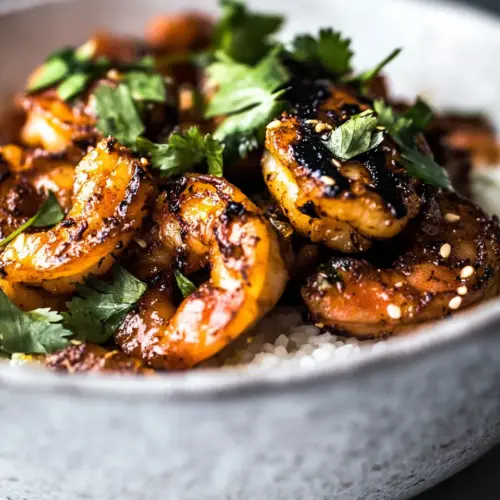
Brazilian Inspired Honey Garlic Shrimp
Equipment
- Large Skillet
- Medium skillet
- Gallon size ziplock bag
- Slotted Spoon
- Paper towels
Ingredients
- 1 pound raw tail on shrimp Provide tender, sweet seafood protein that becomes the centerpiece of the dish; must be deveined and peeled if preferred while leaving tails on for presentation and easy handling, and cook quickly over high heat to retain juiciness.
- 1/4 cup olive oil Add a smooth, fruity fat that helps sauté aromatics and conduct heat evenly; use to pan-sear shrimp and to help develop a light golden fond for deglazing and sauce flavor.
- 2 tablespoons honey Contribute natural sweetness and a glossy finish that balances spicy and savory notes; stir into the pan toward the end to create a sticky glaze that clings to the shrimp.
- 4 -6 cloves garlic finely minced or grated (I like using around 4) Deliver sharp, pungent aromatics that brighten the recipe and build savory depth; mince finely so garlic disperses evenly and releases fragrant oils when briefly sautéed.
- 1 tablespoon fresh grated ginger Introduce warm, peppery zest and a fresh, citrus-like heat that complements garlic and balances sweetness; grate finely to integrate into the sauce without fibrous texture.
- 2 jalapenos seeded + chopped Provide bright heat and vegetal flavor with a fresh jalapeño kick; remove seeds for milder spice or keep some for more fire, and chop to distribute heat evenly throughout the dish.
- 1 teaspoon cayenne pepper (use less for less heat maybe 1/4-1/2 teaspoon) Offer concentrated heat that layers with fresh chiles to control spiciness; measure carefully and incorporate into seasoning to achieve desired warmth without overpowering other flavors.
- 1 teaspoon cumin Add earthy, warm, and slightly smoky notes that root the flavor profile; sprinkle into the seasoning mix to complement the garlic, cumin bringing a subtle savory backbone.
- 1/4 cup fresh cilantro chopped Bring fresh, citrusy herbal brightness that lifts heavy flavors and adds color; chop just before serving to maintain aroma and fold in at the end for maximum freshness.
- 4 tablespoons butter Provide rich, silky mouthfeel and lusciousness that enriches the sauce; add in small pieces to melt into the pan and create a smooth, rounded finish to the glaze.
- 1/4 cup canned coconut milk Contribute creamy, tropical body and subtle sweetness that mellows heat and ties flavors together; stir into the sauce to loosen it and add a velvety texture.
- 2 tablespoons fresh basil chopped + more for serving Provide fragrant, sweet-bitter herbal notes that add a unique green accent; chop and sprinkle in late to preserve aromatic oils and contrast the cilantro.
- kosher salt + pepper Season and balance flavors by enhancing sweetness, taming bitterness, and emphasizing savory elements; add to taste during cooking and adjust before serving for perfect balance.
- steamed white rice + black beans + sliced avocado for serving Serve as starchy, comforting accompaniments that make the meal complete and hearty; plate rice and beans alongside shrimp and top with sliced avocado for creaminess and contrast.
- 4 inch yellow plantains sliced into 1/2 rounds Offer a sweet, caramelized fried component that can be served as a side or garnish; slice plantains and fry until golden to introduce crunchy edges and soft, sweet centers.
- oil for frying Provide a neutral frying medium that achieves even, golden crisping for plantains or other fried components; choose an oil with a high smoke point and maintain proper temperature.
- flaky sea salt Enhance texture contrast and finish with a clean, mineral salt that flakes on the surface; sprinkle lightly over finished plantains or shrimp to accentuate flavors without overwhelming them.
Instructions
- Add the shrimp to a gallon size ziplock bag or medium size bowl. Add the olive oil, honey, garlic, ginger, jalapeños, cayenne, cumin and cilantro. Toss well to combine, seal the bag or cover the bowl and place in the fridge for 15-30 minutes or up 24 hours.: As the shrimp sits in the marinade, you will smell the garlic and ginger melding with honey and spice, a fragrant preview of what is coming. Cooling in the fridge lets flavors penetrate without cooking the shrimp , which keeps the texture tender. One common error is marinating too long at room temperature, which risks bacterial growth, so always refrigerate. Also avoid marinating beyond 24 hours, because prolonged acid or salt contact can make the flesh mushy.
- Heat a large skillet over medium heat. Once hot use a slotted spoon to scoop the shrimp out of the marinade, reserving the marinade, and into the hot skillet, season with salt and pepper. Cook the shrimp until pink, about 2-3 minutes per side. Add the reserved marinade, the butter and 1 teaspoon pepper (or more or less to your taste) to the skillet. Continue to cook the shrimp in the butter until the garlic begins to caramelize and turn LIGHT golden brown, about another minute or two. Be careful not to burn the garlic. Remove from the heat and stir in the coconut milk and basil.: When the pan is properly heated you should see a faint shimmer on the surface of the oil and hear a soft sizzle as the first shrimp touches the metal. That sizzling tells you the surface will sear quickly, locking in moisture. If the pan is not hot enough the shrimp will release water and steam instead of color, yielding a less flavorful result. Be careful not to overcrowd the skillet, which lowers temperature and prevents golden edges.
- Serve shrimp alongside rice, black beans, fried plantains, avocado and lime wedges. Garnish with freshly chopped basil.: Watch the transformation from translucent to opaque, with a blush of pink and a slight curl. You should hear a confident sizzle, and the edges will take on tiny flecks of caramelization. Overcooking is the most frequent mistake here, so rely on color and a gentle resistance when you press the center, rather than strict timing, which can vary with size.
- Heat an inch or so of oil in a medium skillet over medium heat. Once the oil is hot add the plantains and fry for 2-3 minutes per side or until just lightly golden. Remove and drain on paper towels. Now transfer the plantains to a cutting board and, using the back of a wooden spoon, smash them down into round flat disks.: When you return the reserved marinade to the pan it will release steam and aromas, and the butter will melt into a glossy emulsion that coats each shrimp . This stage amplifies flavor and begins to concentrate the sauce. Stir gently so the butter emulsifies rather than separates. A pitfall is letting the pan run too hot, which can cause butter to brown excessively and the sauce to become bitter.
- Return the plantains to the hot oil and fry another 2-3 minutes on each side or until they are golden and crispy. Remove to a paper towel lined plate and sprinkle with salt. Chips are best eaten right after frying, but any leftovers can be stored in an airtight container at room temperature.: The garlic will shift from sharp to sweet and smell deeply fragrant as it caramelizes, releasing nutty notes. Spend this moment watching and stirring, because garlic can go from golden to burnt quickly, and burnt garlic tastes acrid. Keep the heat moderate and move the shrimp around so the garlic cooks evenly without clumping.
- Be careful not to burn the garlic. Remove from the heat and stir in the coconut milk and basil: Steaming coconut milk into the warm pan cools and softens the sauce texture, making it silky. The basil wilted off heat preserves a fresh aroma and bright green color. A common slip is adding coconut milk too early while high heat is active, which can cause separation; removing from heat first helps maintain a unified sauce.
- Serve shrimp alongside rice, black beans, fried plantains, avocado and lime wedges. Garnish with freshly chopped basil: Arrange contrasting textures on the plate so each bite has a balance of saucy shrimp , creamy avocado, and crisp plantain. The lime wedges add a final acid lift just before eating, and the basil garnish gives aroma. If you let everything sit too long before serving, the crispness of the plantains will fade, so time plating close to eating.
- Heat an inch or so of oil in a medium skillet over medium heat. Once the oil is hot add the plantains and fry for 2 to 3 minutes per side or until just lightly golden: The plantains will sizzle and caramelize at the edges, releasing a sweet, toasty scent. Maintain a consistent medium heat so the insides cook through as the outsides color. If the oil is too cool you will get greasy plantains, and if it is too hot they will burn before becoming tender inside. Use a slotted spoon to move them gently.
- Remove and drain on paper towels. Now transfer the plantains to a cutting board and, using the back of a wooden spoon, smash them down into round flat disks: Draining first helps remove excess oil, so the smash yields a denser surface that will crisp nicely in the second fry. The smash also creates more surface area for caramelization. An easy mistake is smashing while the plantains are too hot or unstable, so let them settle briefly to avoid splashes or uneven mashes.
- Return the plantains to the hot oil and fry another 2 to 3 minutes on each side or until they are golden and crispy: In this second fry the smashed plantains develop a satisfyingly crisp exterior and deep golden color, accompanied by a sweet, caramel aroma. Flip carefully to avoid breaking them, and look for bubbling to slow and turn to a gentle fry when they are near done. Overfrying will dry them out, so remove when color and crunch are achieved.
- Remove to a paper towel lined plate and sprinkle with salt. Chips are best eaten right after frying, but any leftovers can be stored in an airtight container at room temperature: Freshly salted plantains deliver a contrast of crunchy texture and sweet starch, and the flaky sea salt provides little pops of flavor. Store at room temperature for short periods to preserve crispness, but note they will soften over time. Reheating in a hot skillet or oven can revive some crunch, though they will never be quite as fresh as the moment they were fried.
Notes
- Marinating control Allow the shrimp to marinate a minimum of 15 minutes so flavors penetrate, but avoid marinating more than 24 hours to prevent a mushy texture.
- Heat management Preheat your skillet until it is hot but not smoking, so you get a quick sear that seals juices and creates those caramelized edges.
- Garlic timing Add garlic earlier in the marinade but watch it closely in the pan, because once it turns golden it can go to bitter in seconds.
- Plantain technique Fry plantains in two stages and smash between fries for a crisp, chip like texture with a tender interior.
- Finish off heat Stir in coconut milk and basil after removing from heat to keep the sauce silky and herbs bright.
- Salt at the end Sprinkle flaky sea salt on warm plantains immediately after frying so the crystals adhere and give that joyful crunch.
