Blueberry Pound Cake
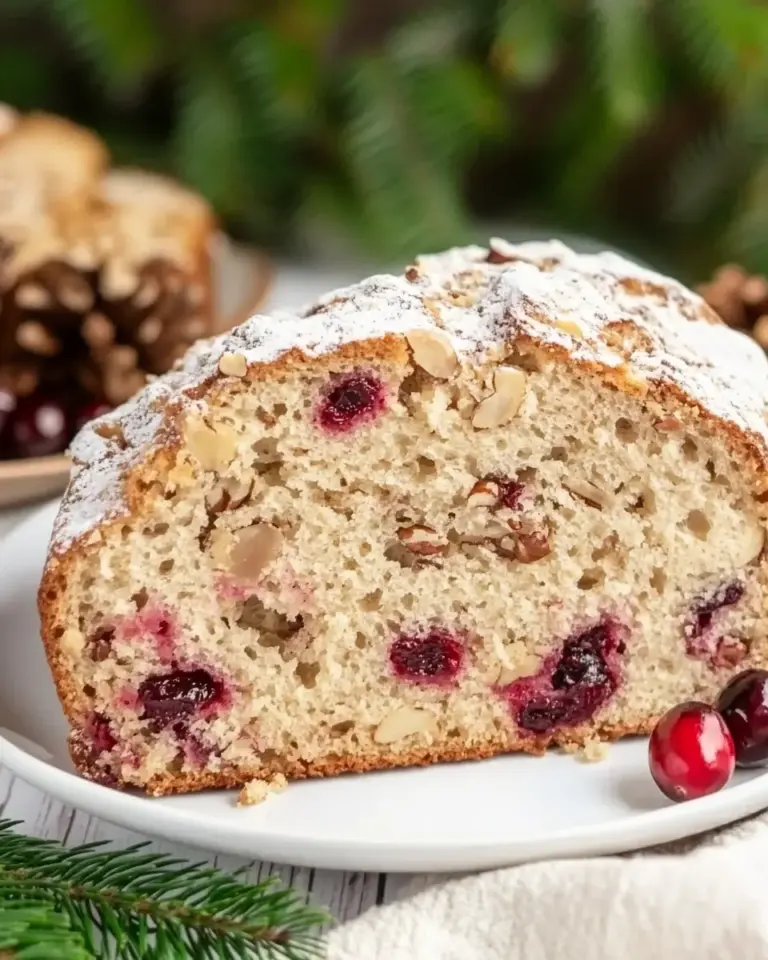
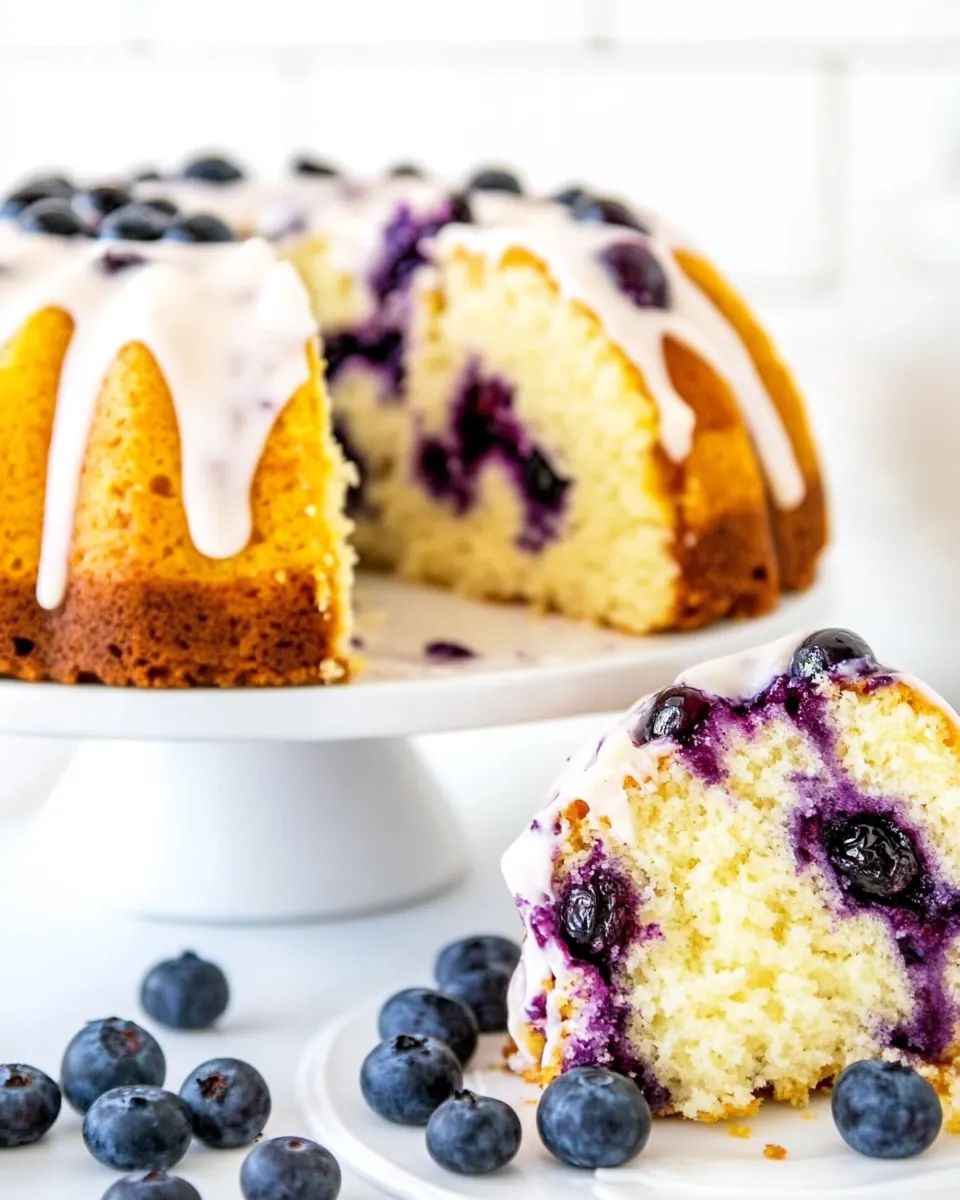
Blueberry Pound Cake has been my go to when I want something classic, reliable, and a little bit celebratory without the fuss. The first time I baked it I remember the kitchen filling with a warm, buttery aroma that made the whole house slow down, and I kept sneaking crumbs while the cake cooled. I like how the tender crumb and juicy blueberries feel familiar yet special, like a simple hug after a long day.
Some Sundays I make this loaf just because I want a treat with my afternoon tea, and other times I bring it to neighborhood gatherings where it disappears before I can grab a second slice. I love that the recipe asks for pantry staples like all purpose flour, granulated sugar, and eggs, yet the result tastes like something you might find in a small bakery. The crumble is dense but soft, and the fruit pockets keep each bite bright and fresh.
Recipe Snapshot
1 hr 25 mins
20 mins
65 mins
Medium
420 kcal
American
Gluten-Free, Low FODMAP
Desserts
Stand mixer or handheld mixer, 10 x 3 1/2-inch bundt pan, Mixing bowls, Pastry brush, Spatula
Why This Blueberry Pound Cake Shines
Buttery, old school charm
I adore how Blueberry Pound Cake carries that nostalgic, buttery profile. When I cut a slice the crumb feels satisfyingly dense, not dry, and that texture is exactly what makes this cake sing. I always reach for a recipe like this when I want something that tastes like homemade comfort.
Bright pops of blueberry
The blueberries are the running star here. They add juicy bursts that contrast the rich butter and give the cake a bright lift. I toss them in a little extra flour first so they distribute without sinking, and that tiny trick makes every slice dotted evenly with fruit.
Simple technique, reliable results
What I appreciate most is how straightforward the method is. Creaming the butter and sugar properly traps air that yields a tender crumb. I’ve found this recipe forgiving, so even bakers who aren’t confident can get a bakery worthy loaf with a few practiced turns of the mixer.
Great for sharing and gifting
I love wrapping a slice of Blueberry Pound Cake for friends. It travels well, stays moist for days when stored properly, and works for breakfasts, brunches, and casual dessert plates. Its approachable flavor profile makes it widely liked, which is perfect when you want to please a crowd without fuss.
Versatile finishing touch
The light powdered sugar drizzle brings the whole cake together. It adds a little sheen and sweet edge without overwhelming the fruit. I often tweak the drizzle thickness depending on how sweet the blueberries are, and that small tweak can change the balance in pleasant ways.
What’s In This Blueberry Pound Cake
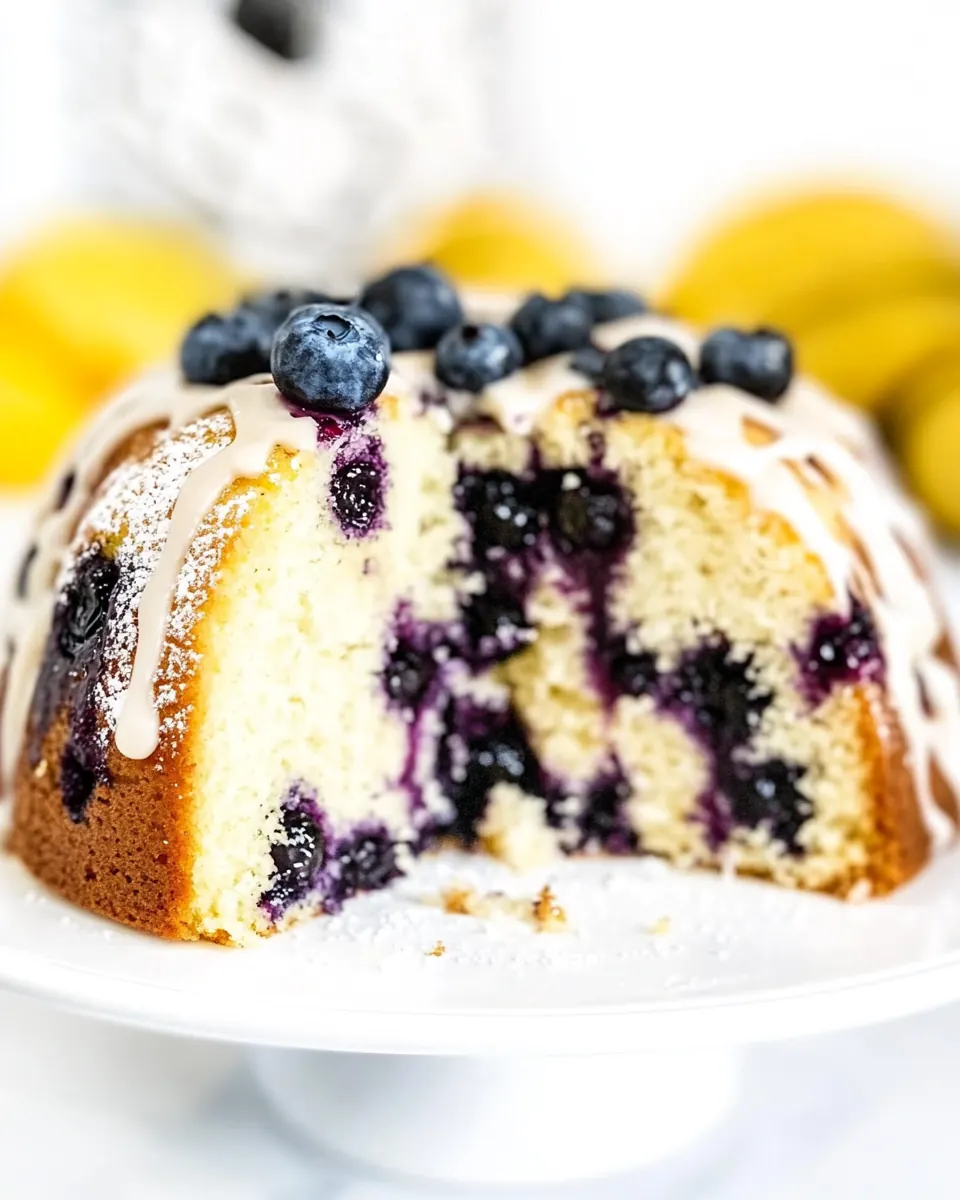
These ingredients are the backbone of a classic loaf, chosen to create a tender, dense crumb that showcases juicy fruit. The key players are the butter for richness, the eggs for structure, the flour for body, and the blueberries for freshness. Together they produce a cake that is rich but bright, with pockets of fruit and a fine, close crumb.
- 1 1/4 cups salted sweet cream butter (softened, divided into 1 cup and 1/4 cup): Softened and divided to provide a rich, tender crumb and moistness; incorporate 1 cup into the batter for structure and use 1/4 cup to finish or swirl for extra richness.
- 2 cups granulated sugar (divided into 1 3/4 cups and 1/4 cup): Divided to balance sweetness and texture; incorporate 1 3/4 cups into the batter for stable sweetness and reserve 1/4 cup for a sugar-toss to keep blueberries from sinking.
- 3 cups all-purpose flour (spooned and leveled): Spoon-and-leveled for accurate volume and body; provides the primary structure and density typical of a pound cake while supporting leavening agents.
- 2 tablespoons all-purpose flour: Added in small amount to adjust batter consistency and help dust blueberries; contributes a little extra structure when coating fruit or adjusting thickness.
- 1 1/2 teaspoons baking powder: Provides lift and lightness when combined with creamed butter and eggs; reacts during baking to produce a tender, risen crumb.
- 3/4 teaspoons kosher salt: Balances flavor and enhances other ingredients; controls sweetness and strengthens gluten slightly to improve crumb and mouthfeel.
- 2 1/2 cups fresh blueberries (rinsed and dried): Rinsed and dried to prevent excess moisture; offers bursts of juiciness and fresh flavor, while contributing texture and visual interest throughout the cake.
- 2 teaspoons pure vanilla extract: Adds aromatic complexity and depth; enhances overall flavor profile and pairs especially well with butter and berries for a classic cake taste.
- 5 large eggs (room temperature): Room–temperature eggs beaten into the batter for emulsification and structure; contribute moisture, richness, and help trap air for lift.
- 1 2/3 cups powdered sugar (sifted): Sifted to remove lumps and create a smooth glaze base; combines with half and half to form a silky icing that adds sweetness and sheen.
- 4 to 5 tablespoons half and half: Adjusted to achieve glaze consistency; provides richness and a creamy texture to the powdered sugar glaze, allowing it to drip and set properly.
- 1/2 teaspoon clear vanilla flavoring: Used sparingly to boost vanilla aroma without clouding clarity; finishes the glaze with a clean vanilla note that complements the cake and berries.
Cooking Method for Blueberry Pound Cake
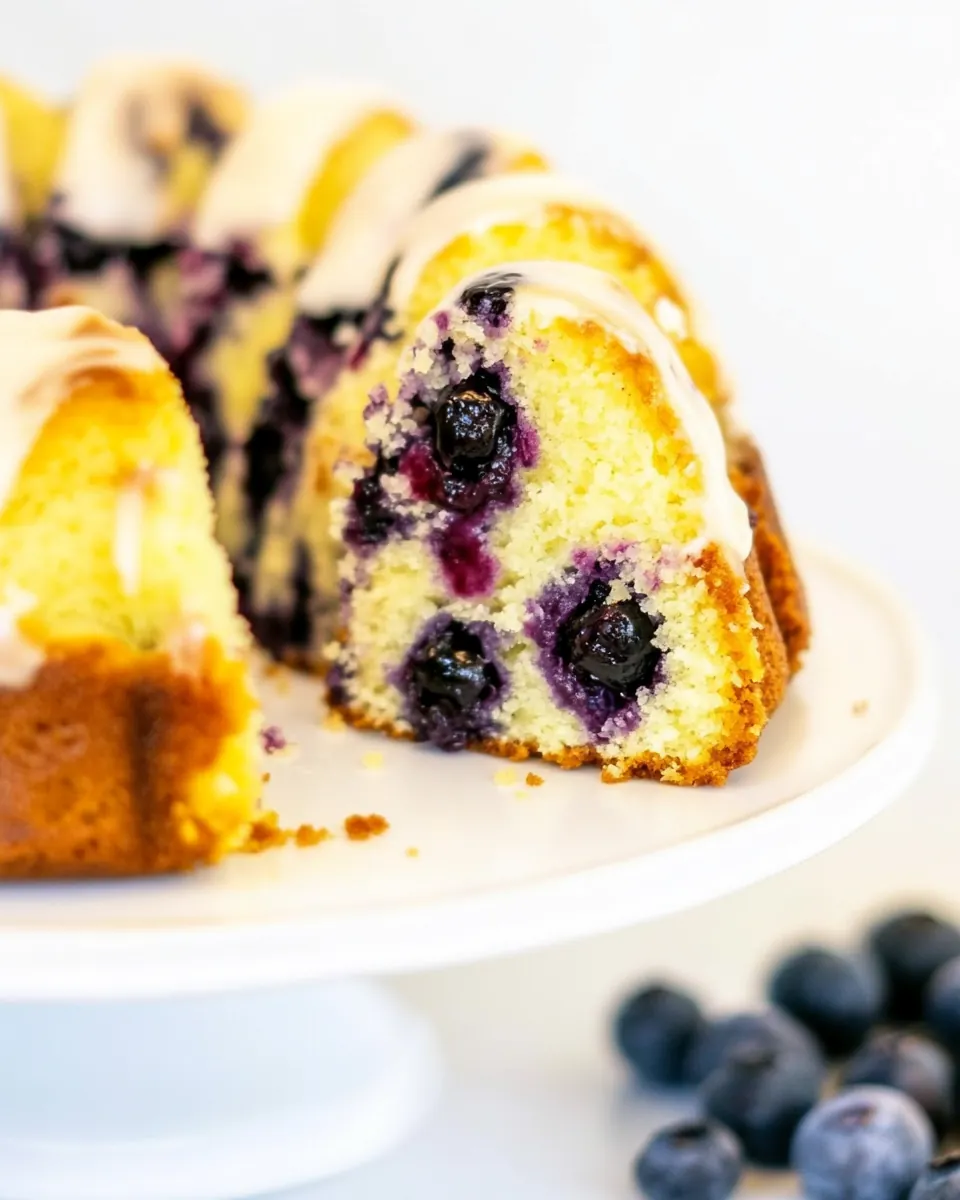
This recipe follows a classic creaming and folding method that rewards attention to texture and timing. I find the process meditative when I pace each step, and the sensory cues will guide you toward a perfect loaf. Read each step fully before you begin so you know the visual and textural markers to look for.
- Preheat the oven to 325°F.: As the oven warms you should smell a faint clean warmth from the heating element, and that steady, moderate heat is key for even baking. A consistent 325°F encourages the loaf to rise gently so the interior cooks through without overbrowning. If your oven runs hot, place an oven thermometer inside to verify the temperature, because uneven heat can lead to a dome that cracks or a crust that darkens too quickly. A common mistake is skipping preheating, which makes the batter start at a cooler temperature and can cause the cake to bake unevenly, giving a dense center.
- Use a pastry brush to brush 1/4 cup softened butter inside a 10 x 3 1/2-inch nonstick bundt cake pan. Sprinkle 1/4 cup of granulated sugar over the entire inside of the buttered cake pan. Discard any excess sugar. TIP: Tilt the pan and turn the pan slowly to allow the sugar to fall into the crevices and coat the inside of the pan.: When you brush the pan you create a thin, even coating that helps the cake release and forms a delicate exterior crust. Sprinkling the reserved granulated sugar into the buttered pan adds a subtle crunch and helps the loaf unmold with a slight sparkle. Tilt and rotate the pan so sugar settles into crevices, you will feel it shift and see it coat the surface; discard any excess sugar to prevent clumping. One error I see is using cold butter straight from the fridge, which can leave clumps; softened butter spreads smoothly and assures an even barrier.
- Add the 3 cups of flour, baking powder, and kosher salt to a medium-sized bowl. Whisk to combine.: Whisking aerates the dry mix and evenly distributes the leavening and salt so each bite rises and tastes balanced. The flour should look uniform with no visible streaks of baking powder or pockets of salt. This step ensures even chemical reactions when the wet ingredients meet the dry. Avoid sifting too vigorously as that can change the density slightly; just combine until homogeneous. A typical mistake is eyeballing measurements, which can lead to too much or too little leavening and a poor rise.
- Toss the fresh blueberries in 2 tablespoons of flour.: Dusting the blueberries creates a light coating that helps them cling to the batter and stay suspended while baking. You should see a fine white film on the fruit, which prevents them from sinking. This trick distributes the fruit evenly, so each slice has several berry pockets. If the berries are wet the flour will clump instead, so ensure they are well dried first. A common slip is adding the fruit directly, which often results in a berry filled bottom.
- Using a stand mixer or a large mixing bowl and a handheld mixer on medium-high speed, beat the softened 1 cup of butter for about 1 minute. Add 1 3/4 cups granulated sugar and continue beating for another 1 1/2 to 2 minutes.: During creaming you will notice the butter lighten in color and become fluffy, and the mixture will develop a pale, airy texture that indicates trapped air. That trapped air contributes to lift, so don’t rush this step. The sound of the mixer changes as it aerates the fat, and you might see the mixture clinging to the paddle in soft peaks. Be cautious not to overbeat to the point where the batter collapses. A frequent error is using butter that is too warm, which yields a greasy, soupy mix and prevents proper aeration.
- Add the vanilla and mix just until combined.: Once you add the vanilla the batter takes on a fragrant, sweet aroma that feels warm and familiar. Mix only until the vanilla is blended through so you preserve the aeration achieved in the previous step. Overmixing here can deflate the batter and reduce volume. If you prefer, pause to scrape the bowl and ensure no streaks remain, but do so gently. A pitfall is adding cold liquid vanilla which can chill the fat and cause slight separation; room temperature ingredients mix more seamlessly.
- Add the eggs, one at a time, beating well after each.: Adding each egg individually allows it to incorporate smoothly, producing a glossy, cohesive batter. After each addition the batter will become shinier and slightly thinner, which is the right signal to continue. If you add all the eggs at once the batter may curdle, creating an uneven texture. Avoid rushing through this step; take a beat between eggs and scrape the bowl so everything combines evenly. A common mistake is using very cold eggs, which can cause the batter to seize and look curdled, though it typically smooths out with gentle mixing.
- Add 1/2 of the flour mixture, beating just until incorporated. Repeat for the remaining flour mixture.: Adding the dry ingredients in two stages reduces stress on the batter and keeps it from becoming overworked. You will see the mixture thicken after each addition, and small pockets of dry flour should disappear with a few gentle strokes. Mixing until just incorporated preserves a tender crumb by preventing excess gluten development. If you overmix you will notice a tougher, more elastic batter, which leads to a denser cake. A typical oversight is vigorous mixing at this stage; use low speed and fold toward the end.
- Shake the excess flour from the blueberries and fold the dusted blueberries into the batter. Spoon the cake batter into the prepared bundt pan. Spread the batter evenly around the pan. Bake for 1 hour to 1 hour and 5 minutes, until a toothpick inserted comes away clean. Allow the cake to rest in the pan for 1 hour or until cooled.: Folding in the blueberries should be done gently so the berries stay intact and their color does not bleed into the batter. You want to see stretches of batter flecked with berry color, not a uniform purple. Spoon the batter into the prepared pan and use a small spatula to level the top; the surface should look smooth with berries evenly distributed below. When baking begins you will hear a quiet settling sound as air escapes; this is normal. Avoid vigorous stirring which can crush the berries and yield a streaked interior.
- Center a round cake circle or a serving plate over the top of the bundt pan. Flip the bundt pan over. Carefully remove the bundt pan.: As the cake bakes the top will develop a warm golden color and a slightly firm crust, and the kitchen will fill with a buttery berry scent. A toothpick from the center should come out clean or with only a few moist crumbs attached. Letting the cake rest in the pan for an extended time helps it settle and prevents cracking when unmolding. A common error is removing the cake too soon, which can cause it to break apart when flipped, so patience here is rewarded.
- To make the drizzle, add the sifted powdered sugar to a small mixing bowl. Add the half and half and the clear vanilla. Whisk until smooth.: When you flip the pan the cake should release with a satisfying slide. If it resists, run a thin knife around the edges to free it gently before flipping. The underside will have a slight sugar crust where the butter and sugar baked against the pan, creating a lovely caramelized edge. If the cake sticks it often means the pan was not sufficiently buttered or the cake cooled too little before inverting. Move steadily and confidently to avoid damage.
- Drizzle over the cake. Slice and serve.: Whisking the powdered sugar , half and half , and clear vanilla forms a glossy glaze that should coat the back of a spoon before pouring. Adjust viscosity so it drapes ribbons over the loaf rather than running off immediately. The glaze brings a sweet, creamy finish without hiding the fruit or crumb. A frequent slip is adding too much liquid; if that happens add more sifted sugar to thicken.
- Drizzle over the cake, slice and serve: The final drizzle should form delicate ribbons that settle into nooks and highlight the cake's contours. Allow the glaze to set for a few minutes before slicing so you get clean edges; you will notice a slight sheen that softens when cut. Serve on a warmed plate if you like the cake slightly cozy, and expect the first bite to offer a contrast of tender crumb, buttery richness, and bright berry bursts. Do not try to slice the cake while the glaze is wet and runny, as the slices will not hold their shape cleanly.
How to Switch It Up
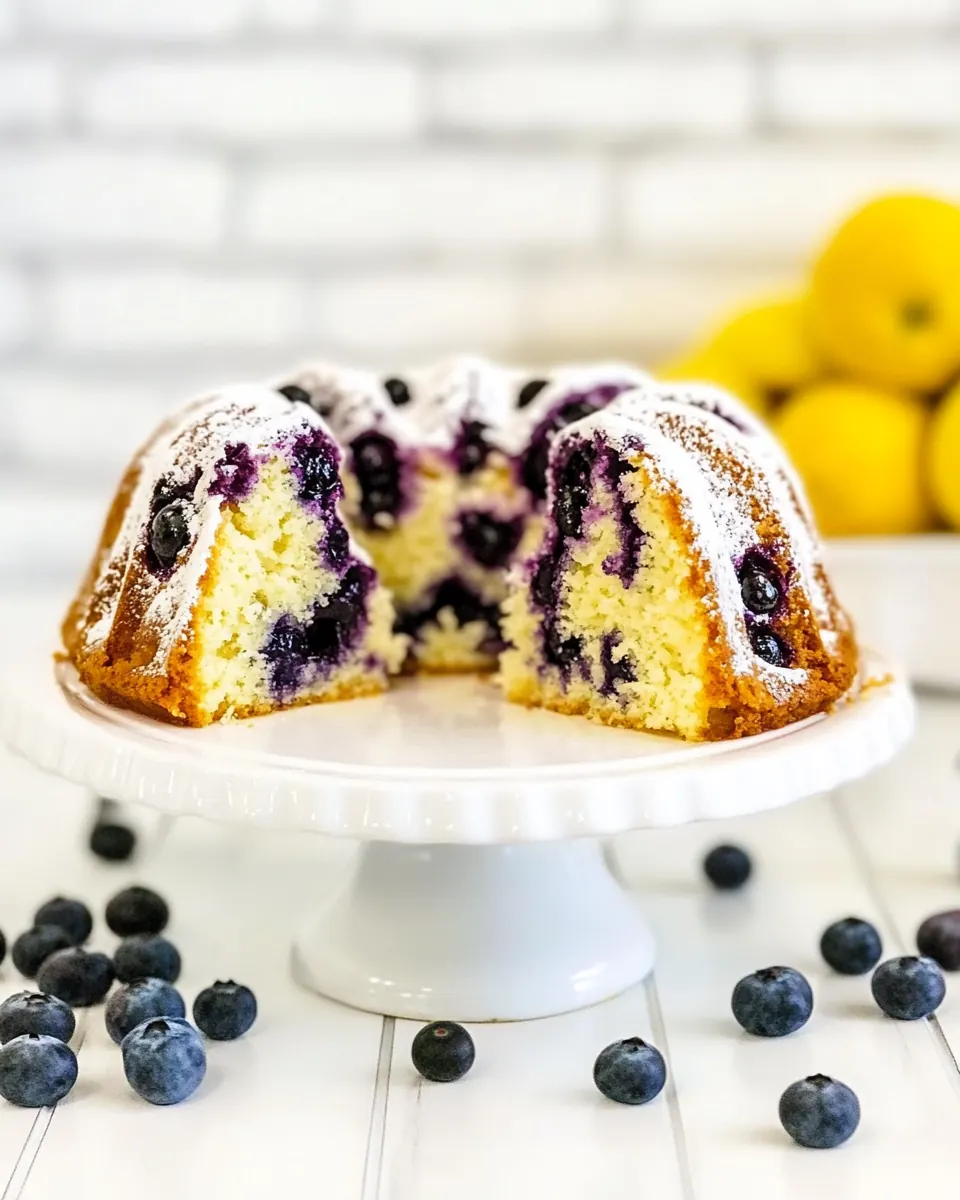
I like to lean into small changes that highlight the core strengths of Blueberry Pound Cake without reinventing the wheel. These tweaks keep the process familiar while offering fresh flavor or texture contrasts. Below are practical adjustments you can make to personalize the loaf.
- Swap citrus zest Add a teaspoon of fresh lemon or orange zest to the batter for a citrus lift that pairs beautifully with the blueberries, brightening each bite without changing method or texture.
- Use frozen berries carefully If using frozen blueberries, toss them in the reserved flour while still frozen and do not thaw, to reduce bleeding; increase baking time slightly if the center seems cold.
- Adjust glaze thickness Add more powdered sugar for a thicker glaze that sets faster, or more half and half for a shiny, pourable drizzle that soaks into the crust slightly.
- Enhance vanilla presence Use the clear vanilla in the glaze and the pure vanilla extract in the batter to layer the flavor, making the vanilla notes linger without overpowering the fruit.
- Pan preparation trick Brush the pan with softened butter and coat with the reserved granulated sugar to create a subtle crust that helps the cake release and adds a textural contrast at the edges.
What to Serve Alongside Blueberry Pound Cake
This cake is wonderfully adaptable for many occasions from casual mornings to after dinner dessert. I like to think about complementary textures and temperatures when planning pairings, and these suggestions help the loaf shine whether you serve it for brunch or as a simple dessert.
- With coffee or tea A warm cup of coffee or a bright tea highlights the buttery crumb, making the cake an excellent option for breakfast or an afternoon pause. Serve slices on small plates so the aroma of the beverage mingles with the blueberry perfume.
- Brunch spread Pair with yogurt, fresh fruit, and soft cheeses for a balanced brunch plate; the cake adds a sweet, rich element that complements lighter offerings and creates a varied table.
- For gatherings Bring the cake to potlucks or neighborhood get togethers; it travels well and serves easily. Slice it beforehand for easy serving, and keep a small container of extra glaze to refresh the finish if needed.
- Seasonal pairing In summer serve with fresh berries and a dollop of lightly sweetened cream; in cooler months offer a spoonful of compote warmed slightly to echo the fruit notes and add comfort.
- Storage tips Store wrapped at room temperature for up to three days to preserve moisture, or refrigerate for longer keeping; bring to room temperature before serving to restore tenderness. For longer storage, freeze tightly wrapped slices and thaw gently in the fridge overnight.
FAQ
Conclusion
Blueberry Pound Cake stands out because it combines a classic, buttery pound cake crumb with bright, juicy fruit for a reliably crowd pleasing loaf. Its straightforward technique and pantry friendly ingredients make it approachable for home bakers while rewarding them with bakery style flavor. I encourage you to try this recipe on a quiet morning or bring it to your next gathering, because it slices easily, travels well, and manages to feel both comforting and festive all at once. Share a slice, enjoy the buttery aroma, and notice how small rituals in the kitchen can yield wonderfully memorable results.
Blueberry Pound Cake
Equipment
- Stand mixer or handheld mixer
- 10 x 3 1/2-inch bundt pan
- Mixing Bowls
- Pastry Brush
- Spatula
Ingredients
- 1 1/4 cups salted sweet cream butter (softened, divided into 1 cup and 1/4 cup) Softened and divided to provide a rich, tender crumb and moistness; incorporate 1 cup into the batter for structure and use 1/4 cup to finish or swirl for extra richness.
- 2 cups granulated sugar (divided into 1 3/4 cups and 1/4 cup) Divided to balance sweetness and texture; incorporate 1 3/4 cups into the batter for stable sweetness and reserve 1/4 cup for a sugar-toss to keep blueberries from sinking.
- 3 cups all-purpose flour (spooned and leveled) Spoon-and-leveled for accurate volume and body; provides the primary structure and density typical of a pound cake while supporting leavening agents.
- 2 tablespoons all-purpose flour Added in small amount to adjust batter consistency and help dust blueberries; contributes a little extra structure when coating fruit or adjusting thickness.
- 1 1/2 teaspoons baking powder Provides lift and lightness when combined with creamed butter and eggs; reacts during baking to produce a tender, risen crumb.
- 3/4 teaspoons kosher salt Balances flavor and enhances other ingredients; controls sweetness and strengthens gluten slightly to improve crumb and mouthfeel.
- 2 1/2 cups fresh blueberries (rinsed and dried) Rinsed and dried to prevent excess moisture; offers bursts of juiciness and fresh flavor, while contributing texture and visual interest throughout the cake.
- 2 teaspoons pure vanilla extract Adds aromatic complexity and depth; enhances overall flavor profile and pairs especially well with butter and berries for a classic cake taste.
- 5 large eggs (room temperature) Room-temperature eggs beaten into the batter for emulsification and structure; contribute moisture, richness, and help trap air for lift.
- 1 2/3 cups powdered sugar (sifted) Sifted to remove lumps and create a smooth glaze base; combines with half and half to form a silky icing that adds sweetness and sheen.
- 4 to 5 tablespoons half and half Adjusted to achieve glaze consistency; provides richness and a creamy texture to the powdered sugar glaze, allowing it to drip and set properly.
- 1/2 teaspoon clear vanilla flavoring Used sparingly to boost vanilla aroma without clouding clarity; finishes the glaze with a clean vanilla note that complements the cake and berries.
Instructions
- Preheat the oven to 325°F.: As the oven warms you should smell a faint clean warmth from the heating element, and that steady, moderate heat is key for even baking. A consistent 325°F encourages the loaf to rise gently so the interior cooks through without overbrowning. If your oven runs hot, place an oven thermometer inside to verify the temperature, because uneven heat can lead to a dome that cracks or a crust that darkens too quickly. A common mistake is skipping preheating, which makes the batter start at a cooler temperature and can cause the cake to bake unevenly, giving a dense center.
- Use a pastry brush to brush 1/4 cup softened butter inside a 10 x 3 1/2-inch nonstick bundt cake pan. Sprinkle 1/4 cup of granulated sugar over the entire inside of the buttered cake pan. Discard any excess sugar. TIP: Tilt the pan and turn the pan slowly to allow the sugar to fall into the crevices and coat the inside of the pan.: When you brush the pan you create a thin, even coating that helps the cake release and forms a delicate exterior crust. Sprinkling the reserved granulated sugar into the buttered pan adds a subtle crunch and helps the loaf unmold with a slight sparkle. Tilt and rotate the pan so sugar settles into crevices, you will feel it shift and see it coat the surface; discard any excess sugar to prevent clumping. One error I see is using cold butter straight from the fridge, which can leave clumps; softened butter spreads smoothly and assures an even barrier.
- Add the 3 cups of flour, baking powder, and kosher salt to a medium-sized bowl. Whisk to combine.: Whisking aerates the dry mix and evenly distributes the leavening and salt so each bite rises and tastes balanced. The flour should look uniform with no visible streaks of baking powder or pockets of salt. This step ensures even chemical reactions when the wet ingredients meet the dry. Avoid sifting too vigorously as that can change the density slightly; just combine until homogeneous. A typical mistake is eyeballing measurements, which can lead to too much or too little leavening and a poor rise.
- Toss the fresh blueberries in 2 tablespoons of flour.: Dusting the blueberries creates a light coating that helps them cling to the batter and stay suspended while baking. You should see a fine white film on the fruit, which prevents them from sinking. This trick distributes the fruit evenly, so each slice has several berry pockets. If the berries are wet the flour will clump instead, so ensure they are well dried first. A common slip is adding the fruit directly, which often results in a berry filled bottom.
- Using a stand mixer or a large mixing bowl and a handheld mixer on medium-high speed, beat the softened 1 cup of butter for about 1 minute. Add 1 3/4 cups granulated sugar and continue beating for another 1 1/2 to 2 minutes.: During creaming you will notice the butter lighten in color and become fluffy, and the mixture will develop a pale, airy texture that indicates trapped air. That trapped air contributes to lift, so don’t rush this step. The sound of the mixer changes as it aerates the fat, and you might see the mixture clinging to the paddle in soft peaks. Be cautious not to overbeat to the point where the batter collapses. A frequent error is using butter that is too warm, which yields a greasy, soupy mix and prevents proper aeration.
- Add the vanilla and mix just until combined.: Once you add the vanilla the batter takes on a fragrant, sweet aroma that feels warm and familiar. Mix only until the vanilla is blended through so you preserve the aeration achieved in the previous step. Overmixing here can deflate the batter and reduce volume. If you prefer, pause to scrape the bowl and ensure no streaks remain, but do so gently. A pitfall is adding cold liquid vanilla which can chill the fat and cause slight separation; room temperature ingredients mix more seamlessly.
- Add the eggs, one at a time, beating well after each.: Adding each egg individually allows it to incorporate smoothly, producing a glossy, cohesive batter. After each addition the batter will become shinier and slightly thinner, which is the right signal to continue. If you add all the eggs at once the batter may curdle, creating an uneven texture. Avoid rushing through this step; take a beat between eggs and scrape the bowl so everything combines evenly. A common mistake is using very cold eggs, which can cause the batter to seize and look curdled, though it typically smooths out with gentle mixing.
- Add 1/2 of the flour mixture, beating just until incorporated. Repeat for the remaining flour mixture.: Adding the dry ingredients in two stages reduces stress on the batter and keeps it from becoming overworked. You will see the mixture thicken after each addition, and small pockets of dry flour should disappear with a few gentle strokes. Mixing until just incorporated preserves a tender crumb by preventing excess gluten development. If you overmix you will notice a tougher, more elastic batter, which leads to a denser cake. A typical oversight is vigorous mixing at this stage; use low speed and fold toward the end.
- Shake the excess flour from the blueberries and fold the dusted blueberries into the batter. Spoon the cake batter into the prepared bundt pan. Spread the batter evenly around the pan. Bake for 1 hour to 1 hour and 5 minutes, until a toothpick inserted comes away clean. Allow the cake to rest in the pan for 1 hour or until cooled.: Folding in the blueberries should be done gently so the berries stay intact and their color does not bleed into the batter. You want to see stretches of batter flecked with berry color, not a uniform purple. Spoon the batter into the prepared pan and use a small spatula to level the top; the surface should look smooth with berries evenly distributed below. When baking begins you will hear a quiet settling sound as air escapes; this is normal. Avoid vigorous stirring which can crush the berries and yield a streaked interior.
- Center a round cake circle or a serving plate over the top of the bundt pan. Flip the bundt pan over. Carefully remove the bundt pan.: As the cake bakes the top will develop a warm golden color and a slightly firm crust, and the kitchen will fill with a buttery berry scent. A toothpick from the center should come out clean or with only a few moist crumbs attached. Letting the cake rest in the pan for an extended time helps it settle and prevents cracking when unmolding. A common error is removing the cake too soon, which can cause it to break apart when flipped, so patience here is rewarded.
- To make the drizzle, add the sifted powdered sugar to a small mixing bowl. Add the half and half and the clear vanilla. Whisk until smooth.: When you flip the pan the cake should release with a satisfying slide. If it resists, run a thin knife around the edges to free it gently before flipping. The underside will have a slight sugar crust where the butter and sugar baked against the pan, creating a lovely caramelized edge. If the cake sticks it often means the pan was not sufficiently buttered or the cake cooled too little before inverting. Move steadily and confidently to avoid damage.
- Drizzle over the cake. Slice and serve.: Whisking the powdered sugar , half and half , and clear vanilla forms a glossy glaze that should coat the back of a spoon before pouring. Adjust viscosity so it drapes ribbons over the loaf rather than running off immediately. The glaze brings a sweet, creamy finish without hiding the fruit or crumb. A frequent slip is adding too much liquid; if that happens add more sifted sugar to thicken.
- Drizzle over the cake, slice and serve: The final drizzle should form delicate ribbons that settle into nooks and highlight the cake's contours. Allow the glaze to set for a few minutes before slicing so you get clean edges; you will notice a slight sheen that softens when cut. Serve on a warmed plate if you like the cake slightly cozy, and expect the first bite to offer a contrast of tender crumb, buttery richness, and bright berry bursts. Do not try to slice the cake while the glaze is wet and runny, as the slices will not hold their shape cleanly.
Notes
- Swap citrus zest Add a teaspoon of fresh lemon or orange zest to the batter for a citrus lift that pairs beautifully with the blueberries, brightening each bite without changing method or texture.
- Use frozen berries carefully If using frozen blueberries, toss them in the reserved flour while still frozen and do not thaw, to reduce bleeding; increase baking time slightly if the center seems cold.
- Adjust glaze thickness Add more powdered sugar for a thicker glaze that sets faster, or more half and half for a shiny, pourable drizzle that soaks into the crust slightly.
- Enhance vanilla presence Use the clear vanilla in the glaze and the pure vanilla extract in the batter to layer the flavor, making the vanilla notes linger without overpowering the fruit.
- Pan preparation trick Brush the pan with softened butter and coat with the reserved granulated sugar to create a subtle crust that helps the cake release and adds a textural contrast at the edges.