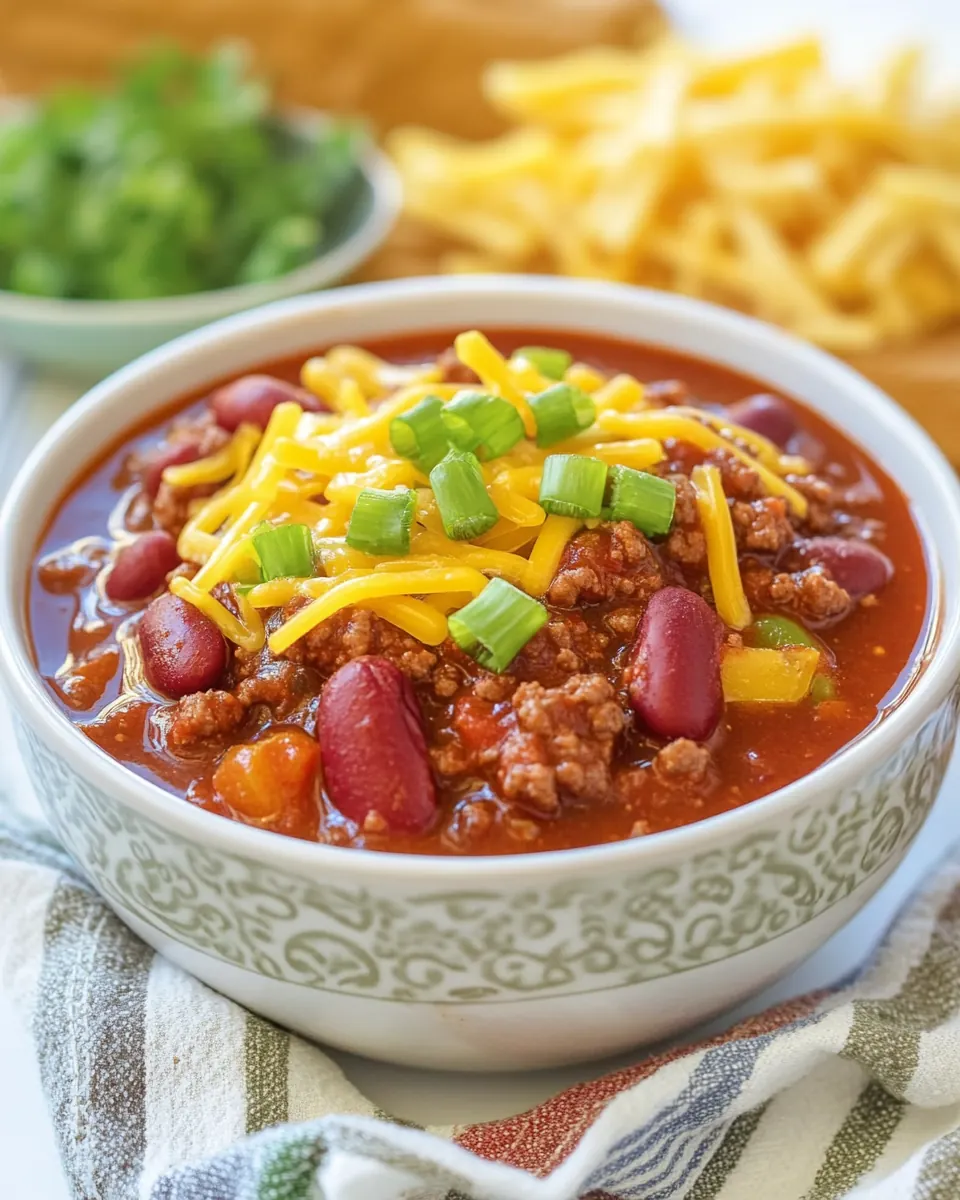
Best Chili Recipe
Best Chili Recipe has been my go to on cold nights when the city hums low and I need something that feels like a warm blanket and a high five all at once. The first time I made this, I was short on time but stubborn about flavor. I started with a simple skillet, a pound of ground beef, and a handful of spices, and the house transformed into a cozy little diner where every spoonful invited a story.
I still remember stirring the pot while a favorite record played, the aroma of cumin and chili powder filling the kitchen. That moment taught me that good chili is equal parts patience and boldness, and that small tweaks yield big comforts. Over the years I refined the balance between tang, heat, and savory depth so that this version reliably disappears from bowls faster than I expect.
When friends drop by unannounced, I reach for this recipe because it scales easily and keeps well, which makes leftovers nearly as exciting as the first serving. I’ll pull out the toppings and let everyone personalize their bowl with a scoop of sour cream or a sprinkle of shredded cheese, and we always end up sharing stories between bites. That social rhythm is part of why I make this again and again.
Recipe Snapshot
35 mins
10 mins
25 mins
Easy
350 kcal
American
Gluten-Free, Keto
Dinner
Large pot, Wooden spoon, Colander
The Appeal of This Best Chili Recipe
Comforting, Every Time
I make Best Chili Recipe when I want a meal that feels like home. The warm, savory broth and tender beans provide a satisfying mouthfeel that calms the whole table. I love how the spices bloom on the stove, releasing an earthy aroma that signals the meal is ready before I even taste it.
Fast Enough for Weeknights
This recipe moves quickly, so I often pull it together after work. With just a short sear on the ground beef and a simmer, dinner arrives without drama. I appreciate that efficiency because it gives me time to relax with family rather than race through cleanup.
Flexible and Crowd Friendly
I can stretch the pot to feed a group or keep it modest for two. The texture and depth hold up whether I double the quantities or make a single batch. I usually set out optional toppings so everyone can customize their bowl, and that small ritual makes meals feel special.
Flavor Built on Simple Ingredients
I rely on pantry staples like tomato sauce, canned kidney beans, and dried spices to create layers of flavor. Each ingredient plays a clear role, from the acidity of the tomato sauce to the savory backbone of the beef broth. Together they create a balanced, rich chili without fuss.
Reliable Leftovers
Leftovers are often better the next day because the flavors meld and deepen. I enjoy reheating a bowl and discovering friendly new notes that were subtle the night before. This makes the recipe perfect for planning ahead or feeding a busy household.
What Goes Into Best Chili Recipe

The philosophy behind these ingredients is straightforward: a sturdy protein base, layered spices, and tomato brightness combine to make a chili that is both robust and approachable. The key players here are the ground beef for body and umami, the dried spices for warmth and complexity, and the canned tomatoes and tomato sauce for acidity and depth. Canned kidney beans add texture and heartiness while the beef broth helps marry everything into a silky, sipable sauce.
- 1 pound ground beef: Brown thoroughly to develop savory depth and render fat, creating a flavorful base for the chili while providing a hearty texture and protein content.
- 1 1/2 tablespoons sugar: Balance acidity and enhance browning by adding subtle sweetness, which rounds out the tomato flavors and counters spicy heat in the sauce.
- 2 tablespoons ground cumin: Season boldly to impart warm, earthy notes and a characteristic chili aroma that complements tomato and beef, helping to build layered, aromatic complexity.
- 1 tablespoon garlic powder: Infuse a concentrated garlic flavor without adding moisture, ensuring consistent garlicky undertones throughout the dish and boosting overall savory appeal.
- 1 tablespoon chili powder: Introduce classic chili heat and a complex blend of spices that define the dish’s profile, tying together meat, tomato, and bean elements with depth.
- 1 teaspoon garlic salt: Provide a concentrated savory-salty garlic boost that enhances other seasonings and helps elevate the overall flavor without overwhelming the pot.
- 1/2 teaspoon paprika: Contribute a mild smoky-sweet warmth and color, subtly enhancing roasted notes and rounding out both the meat and tomato components.
- pepper to taste: Adjust overall spiciness and flavor balance with freshly ground pepper to taste, allowing diners to customize the dish’s piquancy and brightness.
- 2 (8-ounce) cans tomato sauce: Add a rich, smooth tomato foundation and body to the chili, contributing acidity, umami, and a cohesive saucy texture that melds the ingredients.
- 1 (15.5-ounce) can red kidney beans, drained: Provide creamy texture and tender bite while adding protein and a slightly sweet, earthy bean flavor that complements the meat and spices.
- 1 (14.5-ounce) can diced tomatoes: Introduce chunky tomato pieces and additional liquid, offering fresh tomato flavor and texture contrast that brightens the chili’s sauce.
- 1 1/2 cups beef broth: Supply savory liquid and concentrated beefiness to deepen flavor, control consistency, and help simmer the ingredients together for a cohesive stew.
- sour cream, shredded cheese, chopped green onions () (optional): Garnish optionally to add cool creaminess, melty richness, and a fresh onion bite; these toppings offer contrasting textures and customizable finishing flavors.
How to Cook Best Chili Recipe

This recipe is approachable and direct, so I like to walk through it with practical notes that help you get the flavor right. I’ll expand on each direction so you can sense when the pot is at the right stage, understand why each action matters, and avoid common hiccups that can derail the texture or taste.
- In a large pot, cook ground beef over medium heat, stirring to break up meat, until browned and cooked through. Drain fat.: The moment the ground beef hits the hot pot you'll hear a satisfying sizzle, and that sound is a promise of flavor to come. As the meat browns, little browned bits will form on the pan surface, offering concentrated savory notes. Use a wooden spoon or spatula to press and turn the meat so it breaks into evenly sized pieces, which helps them brown uniformly. You'll see the meat change from pink to a warm brown, and the aroma will turn from sharp to roasted and nutty. Drain excess fat to keep the final chili from feeling greasy, unless you prefer a richer mouthfeel. A common mistake is crowding the pot, which steams the meat instead of browning it; if your pot is too full, brown in batches.
- Add sugar, cumin, garlic powder, chili powder, garlic salt, paprika and pepper and stir to mix.: As soon as the spices hit the warm meat, they will toast and bloom, releasing fragrant oils that transform the pot's scent into something deeper and more layered. Stir them in thoroughly so each morsel of meat is coated; this creates pockets of concentrated flavor that dissolve into the sauce later. You'll notice the mixture take on a darker, richer color when the spices have been integrated. The sugar helps tame acidity while the cumin and chili powder provide warmth, so balancing is key. Don’t let the spices sit in hot oil for too long unattended, because they can burn and turn bitter; keep them moving with the meat.
- Add tomato sauce, kidney beans, tomatoes and beef broth. Bring to a simmer and cook uncovered for 25–30 minutes.: When you add the liquids, the sizzling will calm and steam will rise, carrying a bright tomato aroma that mingles with the roasted spices. Bringing the pot to a steady simmer allows flavors to marry and the sauce to thicken as water reduces. You'll see gentle bubbles, and the surface should shimmer rather than roar; that is the right simmer. During this time, the beans absorb flavor and the sauce becomes more cohesive. Stir occasionally to prevent sticking, especially as the pot begins to reduce. A typical error is boiling too vigorously which can break down tomatoes and beans and make the liquid evaporate too fast, so lower the heat to maintain a gentle simmer.
- Season with more garlic salt and pepper, if desired, and add any desired toppings before serving.: After the simmer, taste carefully, because the flavors will have concentrated. Adjust seasoning in small increments, since it's easy to over salt at the finish. The ideal bowl has balanced acidity, warmth, and savory depth, with a slight lift from fresh pepper. When serving, cold toppings like sour cream or shredded cheese add contrast in temperature and texture, cutting through richness and creating creamy pockets. One trap is adding too many toppings that overwhelm the chili’s core flavors, so I recommend a light hand and tasting as you go.
Expert Tips about Best Chili Recipe

This section collects the small techniques that elevate the finished bowl. These tips focus on timing, seasoning, and texture so that every batch you make is consistent and comforting. Read them before you cook so you have a rhythm in the kitchen and the confidence to adjust as needed.
- Brown the beef thoroughly: Spending extra time on browning develops a deep savory base. Low and slow color formation creates those fond bits that dissolve into the sauce for complexity. If you rush, the meat will steam and the final flavor will be flatter.
- Bloom the spices with the meat: Adding spices to hot meat unlocks aromatics that powdered spices hide. This step intensifies the profile without extra ingredients. Watch closely so the spices toast but do not burn, which would add bitterness.
- Control the simmer: Keep the pot at a gentle simmer to allow flavors to meld without breaking down tomatoes or beans. A gentle simmer preserves texture and creates a glossy sauce. Boiling too hard can lead to mushy beans and overly reduced liquid.
- Use low sodium broth: Choosing lower sodium beef broth gives you better control when seasoning at the end. It prevents accidental over salting as the chili reduces. If only regular broth is available, reduce added salt until the finish taste test.
- Set out simple toppings: Toppings like sour cream, shredded cheese, and chopped green onions amplify texture and temperature contrast. They let each diner personalize a bowl without altering the core recipe. Keep them chilled and add them just before serving for best effect.
- Reheat gently: Warm leftovers over medium low heat with a splash of broth if needed to loosen the sauce. Gentle reheating preserves bean integrity and keeps the texture pleasant. Microwave reheating can be convenient, but stir occasionally to ensure even warmth.
Accompaniments for Best Chili Recipe
This chili works well for casual dinners and cozy gatherings, and thinking ahead about accompaniments turns a bowl into a full meal. Below are ideas for sides, occasions, and storage paired with practical serving notes to ensure the meal is balanced and memorable.
- Serve with warm bread or cornbread: A slice of bread or a square of cornbread soaks up the sauce and adds a tender, slightly sweet counterpoint. It makes the meal feel hearty and is great for dunking. Keep bread warm and wrapped to maintain softness.
- Offer simple cold toppings: Bowls of sour cream, shredded cheese, and chopped green onions let guests customize texture and temperature. These accents cut through richness and brighten each bite. Place them just before serving to preserve contrast.
- Pair with a light salad: A crisp green salad provides freshness and balance to the rich chili, offering a crunchy textural contrast. It works well for family dinners where a lighter element is welcome. Dress the salad simply so it does not compete with the chili.
- Great for winter meals and gatherings: This recipe is ideal for colder months and casual get togethers, where a warming, shareable dish is appreciated. It scales easily for potlucks or small parties. Keep a ladle at hand and a stack of bowls ready.
- Storage and reheating: Store leftover chili in airtight containers in the refrigerator up to four days, or freeze for longer keeping. Reheat on the stove over low heat, adding a splash of beef broth if it gets too thick. Thaw frozen portions overnight in the refrigerator when possible for even reheating.
- Seasonal pairings: During winter, pair the bowl with roasted root vegetables or a warm grain side to amplify comfort. Lighter sides work in transitional seasons, while heartier combos suit cold weather meals. Match sides to occasion and appetite.
FAQ
Conclusion
This recipe stands out for its confident layering of spices and straightforward technique that delivers a reliably comforting bowl. Try it when you want a weeknight meal that feels like a warm gathering, because it scales easily and improves overnight. I hope you enjoy the ritual of browning the meat, simmering the sauce, and sharing topped bowls with people you care about. Give it a go, and you might find it becomes a staple whenever the weather cools or company drops by.

Best Chili Recipe
Equipment
- Large Pot
- Wooden Spoon
- Colander
Ingredients
- 1 pound ground beef Brown thoroughly to develop savory depth and render fat, creating a flavorful base for the chili while providing a hearty texture and protein content.
- 1 1/2 tablespoons sugar Balance acidity and enhance browning by adding subtle sweetness, which rounds out the tomato flavors and counters spicy heat in the sauce.
- 2 tablespoons ground cumin Season boldly to impart warm, earthy notes and a characteristic chili aroma that complements tomato and beef, helping to build layered, aromatic complexity.
- 1 tablespoon garlic powder Infuse a concentrated garlic flavor without adding moisture, ensuring consistent garlicky undertones throughout the dish and boosting overall savory appeal.
- 1 tablespoon chili powder Introduce classic chili heat and a complex blend of spices that define the dish’s profile, tying together meat, tomato, and bean elements with depth.
- 1 teaspoon garlic salt Provide a concentrated savory-salty garlic boost that enhances other seasonings and helps elevate the overall flavor without overwhelming the pot.
- 1/2 teaspoon paprika Contribute a mild smoky-sweet warmth and color, subtly enhancing roasted notes and rounding out both the meat and tomato components.
- pepper to taste Adjust overall spiciness and flavor balance with freshly ground pepper to taste, allowing diners to customize the dish’s piquancy and brightness.
- 2 (8-ounce) cans tomato sauce Add a rich, smooth tomato foundation and body to the chili, contributing acidity, umami, and a cohesive saucy texture that melds the ingredients.
- 1 (15.5-ounce) can red kidney beans, drained Provide creamy texture and tender bite while adding protein and a slightly sweet, earthy bean flavor that complements the meat and spices.
- 1 (14.5-ounce) can diced tomatoes Introduce chunky tomato pieces and additional liquid, offering fresh tomato flavor and texture contrast that brightens the chili’s sauce.
- 1 1/2 cups beef broth Supply savory liquid and concentrated beefiness to deepen flavor, control consistency, and help simmer the ingredients together for a cohesive stew.
- sour cream, shredded cheese, chopped green onions (optional) Garnish optionally to add cool creaminess, melty richness, and a fresh onion bite; these toppings offer contrasting textures and customizable finishing flavors.
Instructions
- In a large pot, cook ground beef over medium heat, stirring to break up meat, until browned and cooked through. Drain fat.: The moment the ground beef hits the hot pot you'll hear a satisfying sizzle, and that sound is a promise of flavor to come. As the meat browns, little browned bits will form on the pan surface, offering concentrated savory notes. Use a wooden spoon or spatula to press and turn the meat so it breaks into evenly sized pieces, which helps them brown uniformly. You'll see the meat change from pink to a warm brown, and the aroma will turn from sharp to roasted and nutty. Drain excess fat to keep the final chili from feeling greasy, unless you prefer a richer mouthfeel. A common mistake is crowding the pot, which steams the meat instead of browning it; if your pot is too full, brown in batches.
- Add sugar, cumin, garlic powder, chili powder, garlic salt, paprika and pepper and stir to mix.: As soon as the spices hit the warm meat, they will toast and bloom, releasing fragrant oils that transform the pot's scent into something deeper and more layered. Stir them in thoroughly so each morsel of meat is coated; this creates pockets of concentrated flavor that dissolve into the sauce later. You'll notice the mixture take on a darker, richer color when the spices have been integrated. The sugar helps tame acidity while the cumin and chili powder provide warmth, so balancing is key. Don’t let the spices sit in hot oil for too long unattended, because they can burn and turn bitter; keep them moving with the meat.
- Add tomato sauce, kidney beans, tomatoes and beef broth. Bring to a simmer and cook uncovered for 25–30 minutes.: When you add the liquids, the sizzling will calm and steam will rise, carrying a bright tomato aroma that mingles with the roasted spices. Bringing the pot to a steady simmer allows flavors to marry and the sauce to thicken as water reduces. You'll see gentle bubbles, and the surface should shimmer rather than roar; that is the right simmer. During this time, the beans absorb flavor and the sauce becomes more cohesive. Stir occasionally to prevent sticking, especially as the pot begins to reduce. A typical error is boiling too vigorously which can break down tomatoes and beans and make the liquid evaporate too fast, so lower the heat to maintain a gentle simmer.
- Season with more garlic salt and pepper, if desired, and add any desired toppings before serving.: After the simmer, taste carefully, because the flavors will have concentrated. Adjust seasoning in small increments, since it's easy to over salt at the finish. The ideal bowl has balanced acidity, warmth, and savory depth, with a slight lift from fresh pepper. When serving, cold toppings like sour cream or shredded cheese add contrast in temperature and texture, cutting through richness and creating creamy pockets. One trap is adding too many toppings that overwhelm the chili’s core flavors, so I recommend a light hand and tasting as you go.
Notes
- Brown the beef thoroughly: Spending extra time on browning develops a deep savory base. Low and slow color formation creates those fond bits that dissolve into the sauce for complexity. If you rush, the meat will steam and the final flavor will be flatter.
- Bloom the spices with the meat: Adding spices to hot meat unlocks aromatics that powdered spices hide. This step intensifies the profile without extra ingredients. Watch closely so the spices toast but do not burn, which would add bitterness.
- Control the simmer: Keep the pot at a gentle simmer to allow flavors to meld without breaking down tomatoes or beans. A gentle simmer preserves texture and creates a glossy sauce. Boiling too hard can lead to mushy beans and overly reduced liquid.
- Use low sodium broth: Choosing lower sodium beef broth gives you better control when seasoning at the end. It prevents accidental over salting as the chili reduces. If only regular broth is available, reduce added salt until the finish taste test.
- Set out simple toppings: Toppings like sour cream, shredded cheese, and chopped green onions amplify texture and temperature contrast. They let each diner personalize a bowl without altering the core recipe. Keep them chilled and add them just before serving for best effect.
- Reheat gently: Warm leftovers over medium low heat with a splash of broth if needed to loosen the sauce. Gentle reheating preserves bean integrity and keeps the texture pleasant. Microwave reheating can be convenient, but stir occasionally to ensure even warmth.
